

Valley Church Beach Travel Guide - Free Web & App
Your ultimate guide to Valley Church Beach. Discover top landmarks, proposed trips, and local tips. Free on the web or via the Evendo companion app.


Valley Church Beach, Antigua and Barbuda, pairs calm Caribbean swimming, golden sand and sunset views with easy access from nearby Jolly Harbour.
A Sheltered Caribbean Beach
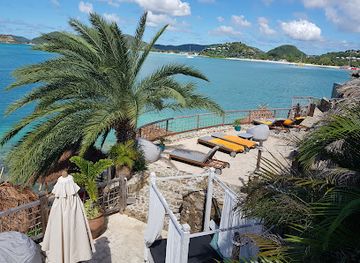
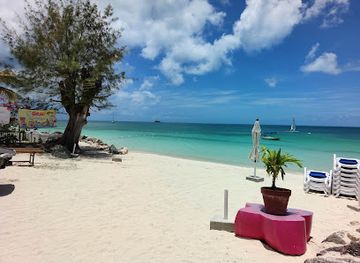
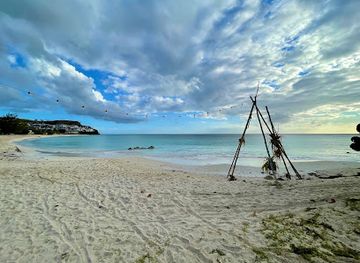
Valley Church Beach lies on Antigua’s west coast, a broad sweep of pale sand opening onto the calm, translucent waters of the Caribbean Sea. It is part of the island’s popular south-western beach circuit, close to Jolly Harbour and within practical reach of other celebrated shores including Darkwood Beach and Ffryes Beach. The beach’s gently shelving water and generally sheltered aspect make it well suited to relaxed swimming, floating and unhurried seaside days, although conditions can change with weather and seasonal swell.Read more about Valley Church Beach
Landscape and Local Character
Exploring the Area
When is the best time to visit Valley Church Beach?
Best: May–June, September · 31–32°C| Month | High (°C) | Rainfall (mm) |
|---|---|---|
| January | 30 | 60 |
| February | 30 | 50 |
| March | 31 | 40 |
| April | 31 | 30 |
| May (best) | 31 | 20 |
| June (best) | 32 | 20 |
| July | 32 | 20 |
| August | 32 | 20 |
| September (best) | 32 | 20 |
| October | 31 | 30 |
| November | 31 | 40 |
| December | 31 | 50 |
Getting to and around Valley Church Beach
How to get there
Transportation
Best attractions in Valley Church Beach
The principal attraction is Valley Church Beach itself, where a broad sandy strand meets usually calm Caribbean water suitable for relaxed swimming when conditions allow. The beach’s west-facing position makes it a rewarding place for late-afternoon light and sunset views, while the low coastal vegetation and inland hills provide a typically Antiguan setting. Nearby Jolly Harbour adds a marina, accommodation, restaurants and practical services, though it is a separate developed area rather than part of the beach. Visitors with a car can follow the south-west coast to compare Valley Church with Darkwood Beach, Ffryes Beach and the more enclosed shore at Turner’s Beach, each offering a different combination of sand, water and surrounding landscape. The area is best appreciated through short coastal journeys, swimming, shoreline walks and unhurried observation rather than through a large concentration of museums or formal visitor attractions.
-
Cruise terminal
Heritage Quay Complex
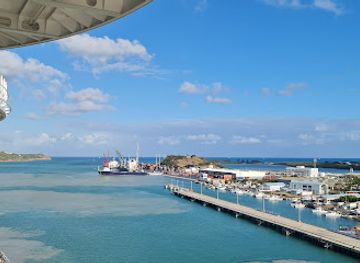
Discover duty-free treasures and local crafts at Heritage Quay, St. John's – Antigua's vibrant shopping and entertainment hub.
-
Museum
Nelson's Dockyard
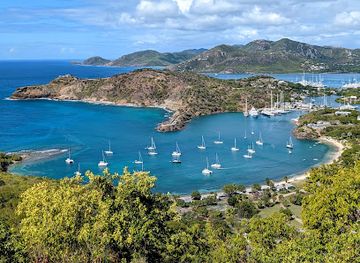
Explore Antigua's UNESCO World Heritage Site: A historic Georgian dockyard, vibrant marina, and cultural hub in English Harbour.
-
Historical landmark
Devil's Bridge National Park
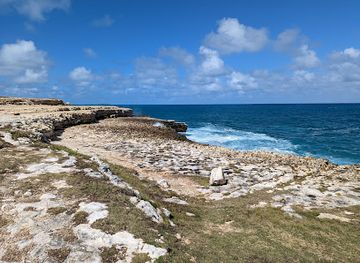
Witness nature's power at Devil's Bridge National Park in Antigua, a stunning coastal formation with a poignant history.
-
Beach
Darkwood Beach
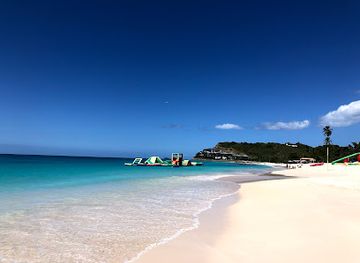
Escape to Darkwood Beach in Antigua: pristine sands, turquoise waters, and breathtaking sunsets await on this Caribbean paradise.
Best landmarks in Valley Church Beach
Valley Church Beach is itself the defining natural landmark of this small coastal destination: a pale sandy bay with a westward outlook across the Caribbean and a sheltered character that distinguishes it from more exposed shores. Its significance lies in the relationship between beach, sea and the low hills of Antigua’s south-western landscape rather than in monumental architecture. Nearby Jolly Harbour is a notable modern landmark of the area, marked by its marina and planned waterfront development, but it should be understood as a neighbouring visitor hub rather than an historic part of Valley Church Beach. The wider coast is characterised by a sequence of bays and headlands, including Darkwood and Ffryes, whose changing shapes and viewpoints help explain the appeal of Antigua’s western shoreline. No major historic monument stands directly on the beach itself.
-
Cruise terminal
Heritage Quay Complex
Discover the vibrant Heritage Quay Complex in St. John's, Antigua - a premier shopping and dining destination for cruise travelers and tourists alike.
-
Museum
Nelson's Dockyard
Discover the rich maritime history and breathtaking beauty of Nelson's Dockyard, a UNESCO World Heritage site in Antigua.
-
Shopping mall
Redcliffe Quay
Explore Redcliffe Quay: A vibrant shopping and dining experience in St. John's, Antigua, rich with local culture and stunning waterfront views.
-
Restaurant
Shirley Heights Lookout
Experience the breathtaking views and vibrant Caribbean cuisine at Shirley Heights Lookout, a must-visit restaurant and bar in English Harbour.


Explore Valley Church Beach on the map
Plan your trip on one map. See where the top attractions, landmarks, restaurants and hotels are, and book hotels and experiences in a few clicks.
Best hotels in Valley Church Beach
Best restaurants in Valley Church Beach
Valley Church Beach is not a substantial dining centre in its own right, so visitors should expect food and drink options to be limited to beachside or nearby seasonal services rather than a full restaurant district. The closest reliable concentration of choice is around Jolly Harbour, where restaurants and casual establishments serve the international and Caribbean-influenced food common in Antigua’s visitor areas. Menus may include grilled fish, seafood, chicken, salads, rice dishes and familiar light meals, while rum-based drinks and locally produced fruit feature in the island’s wider food culture. St John’s and other established settlements provide a broader range of dining if a dedicated evening meal is required. Because small coastal businesses can change operators or opening patterns, confirm availability locally and carry provisions when spending much of the day at the beach.
-
Restaurant
Shirley Heights Lookout
Discover panoramic views and vibrant dining at Shirley Heights Lookout in English Harbour – an unforgettable experience in Antigua's natural beauty.
-
Restaurant
Al Porto
Experience authentic Italian cuisine at Al Porto in Jolly Harbour, where delightful flavors meet breathtaking views.
-
Restaurant
Sheer Rocks
Discover exquisite Caribbean cuisine at Sheer Rocks, where fine dining meets breathtaking ocean views on Ffryes Beach.
-
Restaurant
Ana's On The Beach
Discover Ana's On The Beach: A culinary haven in Antigua offering fresh seafood, vibrant cocktails, and breathtaking ocean views.
Best bars in Valley Church Beach
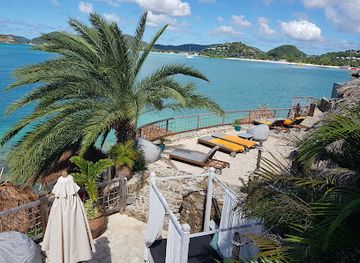
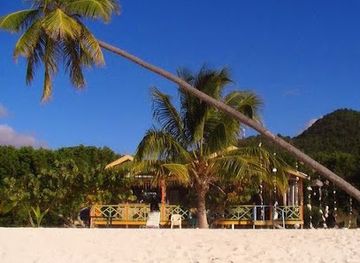
Evenings at Valley Church Beach are generally quiet and centred on sunset, a lingering drink or a meal nearby rather than organised nightlife on the sand. Any beach bar or seasonal refreshment service should be treated as locally changeable, with no assumption that it operates late or every day. Jolly Harbour, close to the beach, offers the area’s most convenient concentration of casual bars and hospitality venues, while St John’s provides a wider selection of evening entertainment. Antigua’s nightlife is often shaped by hotels, restaurants, live music and occasional events rather than a continuous club scene, and the atmosphere around this coast is more suited to relaxed conversation and sunset viewing than late-night dancing. Visitors should arrange transport back to their accommodation before settling in for the evening.
-
Restaurant
Sheer Rocks
Experience fine dining at Sheer Rocks, where exquisite tapas meet breathtaking views of Ffryes Beach in Antigua.
-
Restaurant
Ana's On The Beach
Experience the flavors of Antigua at Ana's On The Beach, where delicious cuisine meets stunning ocean views.
-
Grill
The Nest -Beach Bar, Antigua
Discover The Nest Beach Bar in Antigua - where stunning views, delicious grilled specialties, and a vibrant atmosphere create the perfect beach experience.
-
Caribbean
Ffryes Beach Bar/ Dennis Restaurant
Experience the flavors of the Caribbean at Ffryes Beach Bar, a beachfront restaurant serving fresh seafood and local dishes in a stunning tropical setting.

Best nightclubs in Valley Church Beach
Evenings at Valley Church Beach are generally quiet and centred on sunset, a lingering drink or a meal nearby rather than organised nightlife on the sand. Any beach bar or seasonal refreshment service should be treated as locally changeable, with no assumption that it operates late or every day. Jolly Harbour, close to the beach, offers the area’s most convenient concentration of casual bars and hospitality venues, while St John’s provides a wider selection of evening entertainment. Antigua’s nightlife is often shaped by hotels, restaurants, live music and occasional events rather than a continuous club scene, and the atmosphere around this coast is more suited to relaxed conversation and sunset viewing than late-night dancing. Visitors should arrange transport back to their accommodation before settling in for the evening.
-
Bar
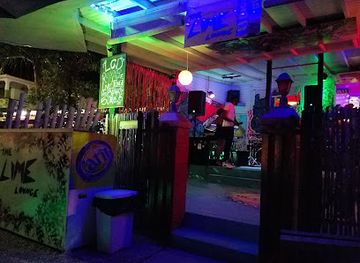
The Lime
Experience the vibrant nightlife at The Lime in English Harbour, where delicious cocktails and stunning views create unforgettable memories.
-
Night club
The Boardroom - The Premium Gentleman's Club
Experience the elegance and excitement of The Boardroom, Saint John's premier gentleman's club, where dining meets vibrant entertainment.
-
Night club
Diamond Edge Night Club
Explore the electrifying nightlife at Diamond Edge Night Club in St. John's, where every night is a celebration of music, dance, and culture.
-
 Bar
BarWENDYS BAR
Experience the vibrant nightlife at Wendy's Bar in St. John's, where great drinks and a lively atmosphere await you.


Best shops in Valley Church Beach
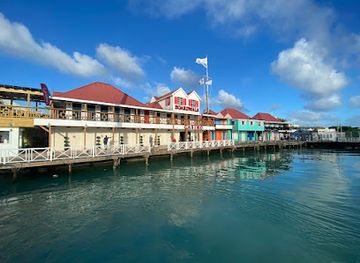
Shopping at Valley Church Beach is limited and primarily practical, with any buying opportunities depending on the beach services operating locally. Jolly Harbour is the nearest established visitor centre for restaurants, convenience purchases and marina-related retail, while St John’s offers Antigua’s broadest range of shops, galleries, market stalls and locally made goods. Visitors seeking meaningful souvenirs can look for Antiguan crafts, artwork, textiles, jewellery, spices, rum and packaged island produce, but stock and opening patterns vary between businesses. There is no extensive shopping street at the beach, so provisions such as water, snacks, sun protection and beach equipment are best obtained before arrival or in a nearby settlement. Purchasing from legitimate local makers and taking care with protected natural materials supports responsible tourism without removing shells, coral or other beach finds.
-
Cruise terminal
Heritage Quay Complex
Explore the Heritage Quay Complex in St. John's for an unforgettable blend of shopping, dining, and Caribbean culture.
-
Shopping mall
Redcliffe Quay
Experience the vibrant shopping and dining scene at Redcliffe Quay, a picturesque destination in St. John's, Antigua, with stunning waterfront views.
-
Market
Public Market Complex
Explore the lively Public Market Complex in St. John's, where local culture, fresh produce, and unique crafts come together in a vibrant setting.
-
Museum
Museum of Antigua and Barbuda
Explore the vibrant history and culture of Antigua and Barbuda at the Museum of Antigua and Barbuda, a must-visit for all tourists.

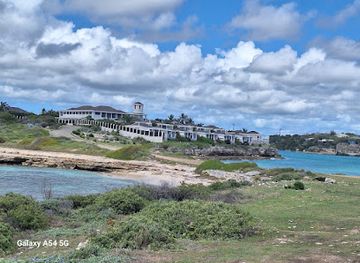
Get your free copy of our complete guide to Valley Church Beach, delivered straight to you.
Everything on this page, from attractions and restaurants to essentials and local phrases, in one PDF you can read offline, print or share.
Already have an account? Sign in
Your Valley Church Beach guide is ready.
We'll send it to · Not you? Sign out

Getting your guide ready…
We are putting together a fresh copy of the Valley Church Beach guide. This can take up to a minute.
This can take a few moments. If your browser asks, choose Allow so the download can start. You'll find the guide in your Downloads folder.
Nothing happened? Download it again
Sorry, the guide is taking longer than usual. Please try again in a minute, or get it by email instead.
Valley Church Beach essentials
Currency and Payment
Safety
Emergency Situations
Do's and Don'ts
Local Tips
From Eve
Local phrases worth knowing
You don't need to get them perfect. A few words go a long way, and locals appreciate the effort.
Basics
| English | Local | Say it |
|---|---|---|
| Hello | Wadadli | [wuh-dahd-lee] |
| Goodbye | Le wé | [leh way] |
| Yes | Yes | [yes] |
| No | Noh | [noh] |
| Please/You're welcome | Plis/Tank yuh | [plees/tahnk yuh] |
| Thank you | Tank yuh | [tahnk yuh] |
| Excuse me/Sorry | Ekskyuuz mi/Sari | [eks-kyooz mee/sah-ree] |
| How are you? | Ow yuh duh? | [ow yuh duh?] |
| Fine. And you? | Fain. An yuh? | [fayn. an yuh?] |
| Do you speak English? | Yuh spik Inglish? | [yuh speek in-glish?] |
| I don't understand | Mi noh andastan | [mee noh uhn-duhs-tahnd] |
Eating & Drinking
| English | Local | Say it |
|---|---|---|
| I'd like to see the menu, please | Mi wud laik tu si di menyu, plis | [mee wuhd layk too see dee men-yoo, plees] |
| I don't eat meat | Mi noh it mit | [mee noh eet meet] |
| Cheers! | Chiz! | [cheers] |
| I would like to pay, please | Mi wud laik tu peh, plis | [mee wuhd layk too pay, plees] |
Emergencies
| English | Local | Say it |
|---|---|---|
| Help! | Elp! | [elp] |
| Go away! | Go aweh! | [goh ah-way] |
| Call the Police! | Kal di Polis! | [kal dee poh-lees] |
| Call a doctor! | Kal ah dokta! | [kal ah dok-tah] |
| I'm lost | Mi los | [mee lohs] |
| I'm ill | Mi il | [mee eel] |
Shopping
| English | Local | Say it |
|---|---|---|
| I'd like to buy... | Mi wud laik tu bai... | [mee wuhd layk too bahy] |
| I'm just looking | Mi jas lukin | [mee jahs look-in] |
| How much is it? | Ow moch it iz? | [ow moch it iz?] |
| That's too expensive | Dat tu eksponsiv | [daht too ek-spensiv] |
| Can you lower the price? | Kan yuh loa di prais? | [kan yuh loh dee prays?] |
Time & Numbers
| English | Local | Say it |
|---|---|---|
| What time is it? | Wat taim it iz? | [waht tahym it iz?] |
| It's one o'clock | It wan a'klak | [it wahn ah-klok] |
| Half past (10) | Aaf paas (10) | [ahf pahs (10)] |
| Morning | Mawnin | [mawn-in] |
| Afternoon | Aftanuun | [af-tah-noohn] |
| Evening | Ivinin | [ee-vee-neen] |
| Yesterday | Yesideh | [yeh-suh-deh] |
| Today | Tudeh | [too-deh] |
| Tomorrow | Tomara | [toh-mah-rah] |
| 1 | Wahn | [wahn] |
| 2 | Tu | [too] |
| 3 | Chrii | [kree] |
| 4 | Fuwa | [foo-wah] |
| 5 | Faif | [fayf] |
| 6 | Siks | [siks] |
| 7 | Sebn | [seb-en] |
| 8 | Eit | [ayt] |
| 9 | Nain | [nayn] |
| 10 | Ten | [ten] |
Transport & Directions
| English | Local | Say it |
|---|---|---|
| Where's a/the...? | Weh de ...? | [weh dee] |
| What's the address? | Wat iz di adres? | [waht iz dee ad-dress] |
| Can you show me (on the map)? | Kan yuh shoh mi (ahn di maap)? | [kan yuh show mee (ahn dee map)] |
| When's the next (bus)? | Wen di neks (bas)? | [wen dee neks (buhs)] |
| A ticket (to ....) | A tiket (tu ....) | [ah tik-et (too)] |
History of Valley Church Beach
Volcanic Foundations and Coastal Change
Valley Church Beach belongs to Antigua’s south-western coastal landscape, whose present form reflects long geological processes rather than a single historical event. Antigua combines volcanic and sedimentary terrains, and the island’s bays and beaches have been shaped by erosion, the movement of marine sediments and changing sea levels. At Valley Church, the low sandy shore contrasts with the higher inland ground and rocky or headland-framed coast found elsewhere around the island. These physical conditions helped create a sheltered bay suitable for beach recreation, although the shoreline remains subject to storms, wave action and gradual coastal change.
Indigenous Settlement Before European Rule
Antigua was occupied by Indigenous peoples long before European colonisation. Archaeological evidence records earlier communities associated with the Saladoid tradition and later Kalinago presence in the Lesser Antilles, although the surviving public historical record is more strongly concentrated at sites elsewhere on the island than at Valley Church Beach itself. The coast formed part of a wider island environment offering marine resources, fresh water in suitable locations and routes between coastal areas. There is no basis for treating the modern beach name or recreational landscape as evidence of a specific settlement at this precise shoreline.
Colonial Agriculture and the Island Economy
From the seventeenth century, English colonial control transformed Antigua through plantation agriculture, especially sugar production. Enslaved Africans were compelled to work estates that reshaped the island’s landholding, roads, water management and social order. The Valley Church area formed part of the wider south-western landscape influenced by this plantation economy, even though its modern identity is primarily coastal and recreational. Emancipation in 1834, followed by the decline of sugar’s economic dominance, gradually altered patterns of land use across Antigua. The island’s historic estates, ruins and surviving cultural traditions remain important reminders of this period.
From Working Coast to Beach Tourism
During the twentieth century, Antigua’s economy increasingly turned towards tourism, with the island’s beaches becoming central to its international image. Roads, hotels, holiday developments and visitor services expanded particularly around the south-western coast, while Jolly Harbour became an important nearby residential, marina and visitor hub. Valley Church Beach developed within this broader shift from an island economy dominated by agriculture towards one shaped by hospitality and leisure. Its current character reflects that transition: the beach is publicly experienced as a natural coastal setting, while nearby commercial and accommodation development provides much of the practical support for visitors.
Valley Church Beach in Photos
Browse through our photo collection highlighting the charm and character of the destination.
Cities in Valley Church Beach
The towns and cities of Valley Church Beach, and the easiest places to base yourself.
-
-

-

-

-

-


Swipe for more cities
Neighbouring destination travel guides
The closest destinations to Valley Church Beach, if you have time for more than one.
-

-

-

-

-


Swipe for more destinations
Explore more

Explore more of Saint Mary
Explore Saint Mary in Antigua for sheltered beaches, green hills, historic Old Road, marina life and relaxed south-west coast adventures.
Explore Saint Mary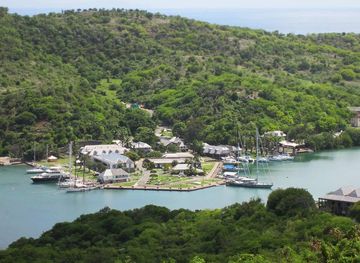
Explore more of Antigua and Barbuda
Discover Antigua and Barbuda's 365 beaches, vibrant culture, and rich history. Perfect for sun-seekers, nature lovers, and sailing enthusiasts in the Caribbean.
Explore Antigua and Barbuda