

Free Black Mesa Travel Guide & Mobile App
Explore Black Mesa with free travel guides. Discover regional history, expert tips, proposed trips, and audio guides on web or mobile app.


Explore Black Mesa in Arizona for Indigenous heritage, ancient cliff dwellings, high-desert geology, wide skies and carefully planned road journeys.
Read more about Black Mesa
Getting to and around Black Mesa
How to get there
Transportation
Destinations in Black Mesa
Resorts, valleys and scenic spots worth a trip of their own.

Swipe for more destinations
Best attractions in Black Mesa
Black Mesa’s attractions are distributed across a remote plateau rather than concentrated in a single visitor centre. Navajo National Monument is the major archaeological destination, protecting the cliff dwellings of Betatakin and Keet Seel and offering overlooks, interpretation and, when arranged and available, demanding guided access into the canyons. The Hopi mesas provide a profoundly important cultural landscape, with villages, craft traditions and agricultural country that should be visited through respectful, permitted arrangements rather than treated as an open-air theme park. Coal Mine Canyon, south of Tuba City, offers a striking geological contrast of banded, eroded rock, though visitors must confirm access conditions. Scenic driving, birdwatching, stargazing and quiet observation are central experiences, while the wider plateau reveals piñon-juniper woodland, dry washes, grazing land and expansive skies. The attraction is ultimately the relationship between geology, archaeology and living Indigenous communities, not a high-density collection of commercial sights.
-
Monument
Navajo National Monument
Discover the rich cultural heritage and stunning landscapes at Navajo National Monument, a must-visit destination for nature lovers and history enthusiasts alike.
-
Historical landmark
Mesa Grande Cultural Park
Explore the Mesa Grande Cultural Park, a historical landmark showcasing the ancient Hohokam civilization's rich heritage in the heart of Arizona.


Best landmarks in Black Mesa
-
Tourist attraction
Four Corners Monument
Experience the unique thrill of standing in four states at once at the Four Corners Monument, a landmark of geography and Native American culture.
-
Visitor center
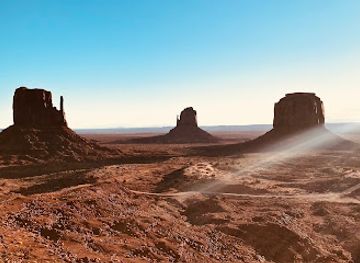
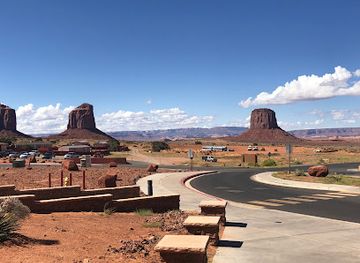
Monument Valley Tribal Park Visitor Center
Discover the iconic red rock buttes and rich Navajo culture at the Monument Valley Tribal Park Visitor Center, your gateway to the heart of the American Southwest.
-
Lodge
Goulding's Lodge
Experience the history and beauty of Monument Valley at Goulding's Lodge, a landmark offering stunning views, tours, and a glimpse into the Old West.
-
Tourist attraction
John Ford Point
Experience the iconic vistas of Monument Valley from John Ford Point, a timeless symbol of the American West, made famous by classic Western films.


Explore Black Mesa on the map
Plan your trip on one map. See where the top cities, national parks and sights are, and book hotels and experiences in a few clicks.
Best hotels in Black Mesa
Best restaurants in Black Mesa
Dining in Black Mesa is practical and community-based, with the broadest choice found in gateway towns such as Kayenta and Tuba City rather than at isolated sites. Restaurants, cafés, diners and hotel dining rooms commonly provide familiar American meals alongside Navajo and regional specialities. Visitors may encounter Navajo fry bread, mutton dishes, stews, beans, corn-based foods and baked goods, although availability varies by establishment and day. Local trading posts and small shops can be useful for packaged provisions, while roadside food opportunities are limited and should not be assumed. On the Hopi mesas, food may be connected to community events or locally arranged cultural programmes rather than a regular tourist restaurant scene. Carrying water and supplies is sensible, particularly when exploring away from the main highways, and visitors should avoid treating Indigenous foods as novelties detached from their cultural context.
-
Restaurant
The Cheesecake Factory
Discover The Cheesecake Factory in Mesa - where delectable American cuisine meets legendary desserts in a warm family-friendly atmosphere.
-
Barbecue
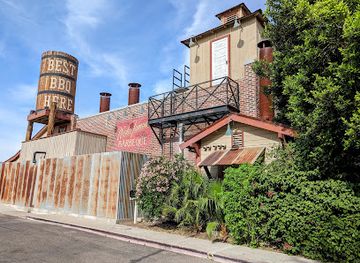
Bobby-Q BBQ Restaurant and Steakhouse
Experience award-winning barbecue at Bobby-Q BBQ Restaurant and Steakhouse in Mesa – where flavor meets southern hospitality.
-
Grill
The Hub Grill and Bar
Experience delicious American cuisine at The Hub Grill and Bar in Mesa - perfect for families with diverse tastes!
-
American
Red White and Brew
Discover culinary delights at Red White and Brew in Mesa - where American classics meet international flavors for an unforgettable dining experience.
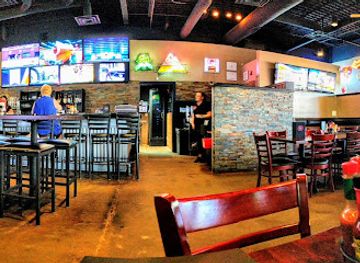
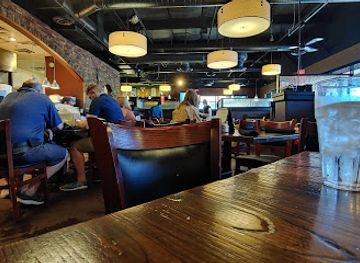
Best bars in Black Mesa
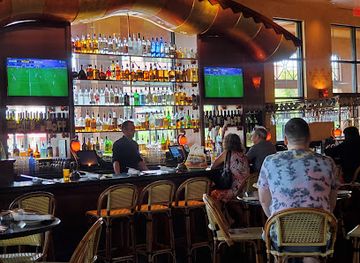
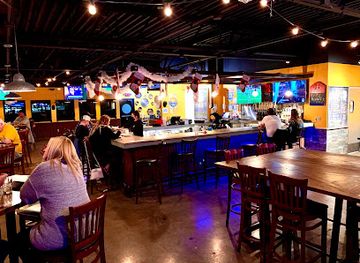
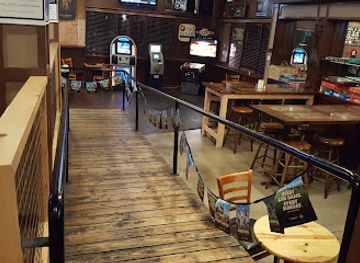
Black Mesa does not have a conventional nightlife scene, and evening life is shaped by distance, small communities and tribal regulations. Kayenta and Tuba City, which serve as regional gateways, have the most dependable selection of hotel lounges, restaurants and informal social venues, but they are not major clubbing destinations. Alcohol availability and consumption are subject to local rules on the Navajo Nation and Hopi Reservation, where restrictions can be stricter than in many other parts of Arizona. Evenings are better suited to dining, conversation, cultural programmes, quiet hotel stays and stargazing than to bar-hopping. Visitors should not drink and drive on long rural roads, and should confirm local regulations rather than transporting alcohol across tribal jurisdictions. Clear, dark skies can be one of the region’s most memorable night-time features when conditions and land access permit.
-
Grill
The Monastery
Discover the lively atmosphere and delicious grill offerings at The Monastery in Mesa, your go-to spot for food, fun, and friendly vibes.
-
Grill
Local Legends Bar & Grill
Savor the best of Mesa at Local Legends Bar & Grill, where hearty breakfasts and delightful grilled dishes await you.
-
Brewpub
Barrio Brewing Co.
Experience the vibrant atmosphere and unique craft beers at Barrio Brewing Co. in Mesa, Arizona, perfect for families and beer lovers alike.
-
Beer hall
Boulders on Southern
Explore the vibrant flavors at Boulders on Southern, a top beer hall in Mesa, serving gourmet burgers, artisan pizzas, and a vast selection of craft beers.
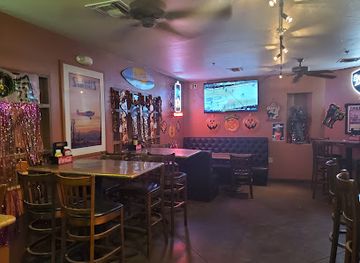
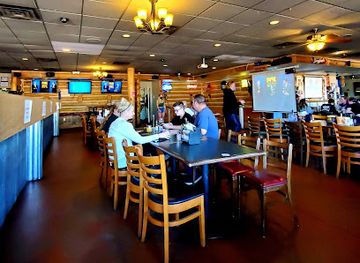
Best nightclubs in Black Mesa
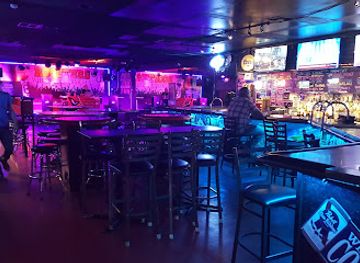
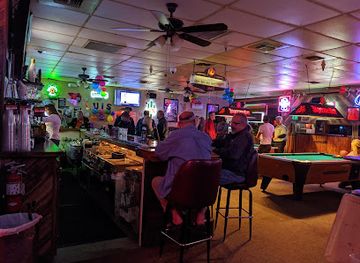
Black Mesa does not have a conventional nightlife scene, and evening life is shaped by distance, small communities and tribal regulations. Kayenta and Tuba City, which serve as regional gateways, have the most dependable selection of hotel lounges, restaurants and informal social venues, but they are not major clubbing destinations. Alcohol availability and consumption are subject to local rules on the Navajo Nation and Hopi Reservation, where restrictions can be stricter than in many other parts of Arizona. Evenings are better suited to dining, conversation, cultural programmes, quiet hotel stays and stargazing than to bar-hopping. Visitors should not drink and drive on long rural roads, and should confirm local regulations rather than transporting alcohol across tribal jurisdictions. Clear, dark skies can be one of the region’s most memorable night-time features when conditions and land access permit.
-
Bar
Roosters Country
Experience vibrant live music and a welcoming atmosphere at Roosters Country, the ultimate bar in Mesa, Arizona.
-
Grill
September's Bar & Grill
Experience the vibrant atmosphere of September's Bar & Grill in Mesa, Arizona, where delicious food, refreshing drinks, and lively entertainment await.
-
Night club
Denim & Diamonds
Unleash your inner party spirit at Denim & Diamonds, Mesa's hottest night club for live music, dancing, and delightful drinks.
-
Bar
Alchemy 48
Explore the dynamic nightlife of Downtown Mesa at Alchemy 48, where exquisite cocktails and culinary delights await every visitor.

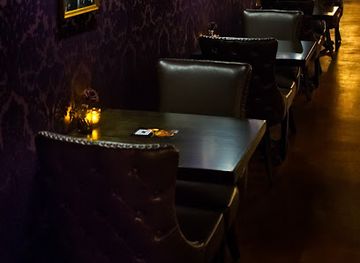
Best shops in Black Mesa
Shopping in Black Mesa is centred on trading posts, small community shops, galleries and regional supply towns rather than large retail complexes. Navajo weaving, silver and turquoise jewellery, rugs, pottery and other handmade work may be available through established artists, galleries or trading posts, while Hopi communities are particularly associated with distinctive pottery, katsina carving and other forms of art made within a strong cultural tradition. Buy directly from artists or reputable sellers, ask about provenance and avoid imitations marketed without clear information. Kayenta and Tuba City provide the widest practical choice of groceries, gifts and craft outlets, though their retail offerings remain modest by urban standards. Visitors can also look for fry-bread ingredients, regional foods and locally produced crafts, but should not remove archaeological objects or buy items whose legal and cultural origin is uncertain. Carrying cash remains useful for smaller sellers and rural businesses.
-
Shopping mall
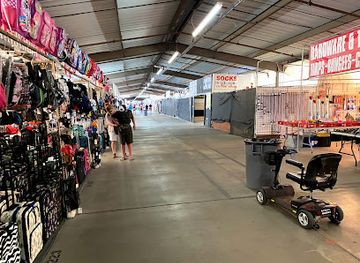
Mesa Market Place Swap Meet
Explore the vibrant Mesa Market Place Swap Meet for unique crafts, local foods, and a lively shopping experience in Mesa, Arizona.
-
Shopping mall
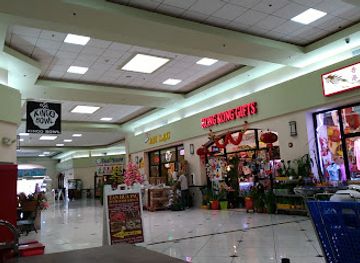
Mekong Plaza
Experience the flavors and cultures of Asia at Mekong Plaza, a vibrant shopping and dining destination in Mesa, Arizona.
-
Antique store
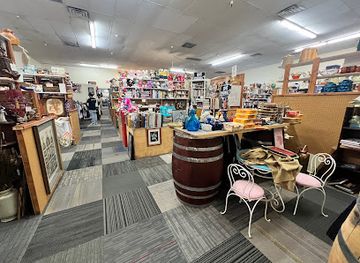
Call it New / Call it Antique - Mesa, AZ
Uncover unique antiques and collectibles at Call it New / Call it Antique in Mesa, AZ, where nostalgia meets charm and history.
-
Clothing store
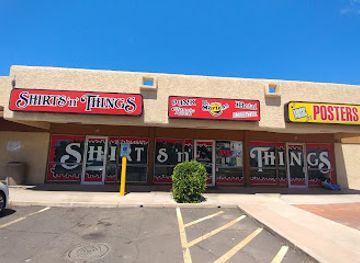
Shirts 'n' Things
Explore the eclectic fashion of Shirts 'n' Things in Mesa, Arizona, where unique goth and punk clothing awaits every fashion enthusiast.
Get your free copy of our complete guide to Black Mesa, delivered straight to you.
Everything on this page, from attractions and restaurants to essentials and local phrases, in one PDF you can read offline, print or share.
Already have an account? Sign in
Your Black Mesa guide is ready.
We'll send it to · Not you? Sign out

Getting your guide ready…
We are putting together a fresh copy of the Black Mesa guide. This can take up to a minute.
This can take a few moments. If your browser asks, choose Allow so the download can start. You'll find the guide in your Downloads folder.
Nothing happened? Download it again
Sorry, the guide is taking longer than usual. Please try again in a minute, or get it by email instead.
Black Mesa essentials
Currency and Payment
Safety
Emergency Situations
Do's and Don'ts
Local Tips
From Eve
Local phrases worth knowing
You don't need to get them perfect. A few words go a long way, and locals appreciate the effort.
Basics
| English | Local | Say it |
|---|---|---|
| Hello | Howdy | [Hau-dee] |
| Goodbye | See ya | [See yah] |
| Yes | Yup | [Yup] |
| No | Nah | [Nah] |
| Please/You're welcome | Sure thing | [Shoor thing] |
| Thank you | Thanks | [Thanks] |
| Excuse me/Sorry | Pardon me | [Par-don mee] |
| How are you? | How's it going? | [How's it go-in?] |
| Fine. And you? | Good. And you? | [Good. And you?] |
| Do you speak English? | Do ya speak English? | [Doo ya speak Ing-lish?] |
| I don't understand | I ain't got it | [I ain't got it] |
Eating & Drinking
| English | Local | Say it |
|---|---|---|
| I'd like to see the menu, please | Can I see the menu? | [Can I see the men-oo?] |
| I don't eat meat | I don't do meat | [I don't do meet] |
| Cheers! | Cheers! | [Cheers!] |
| I would like to pay, please | Can I get the check? | [Can I get the chek?] |
Emergencies
| English | Local | Say it |
|---|---|---|
| Help! | Help! | [Help!] |
| Go away! | Leave me alone! | [Leave me uh-lone!] |
| Call the Police! | Call the cops! | [Call the cops!] |
| Call a doctor! | Get a doc! | [Get a doc!] |
| I'm lost | I'm turned around | [I'm turned around] |
| I'm ill | I'm not feelin' well | [I'm not feelin' well] |
Shopping
| English | Local | Say it |
|---|---|---|
| I'd like to buy... | I wanna buy... | [I wanna buy...] |
| I'm just looking | Just browsing | [Just brows-ing] |
| How much is it? | What's the price? | [What's the price?] |
| That's too expensive | That's pricey | [That's pry-see] |
| Can you lower the price? | Can ya drop the price? | [Can ya drop the price?] |
Time & Numbers
| English | Local | Say it |
|---|---|---|
| What time is it? | What's the time? | [What's the time?] |
| It's one o'clock | It's one | [It's one] |
| Half past (10) | Half past ten | [Half past ten] |
| Morning | Mornin' | [Mornin'] |
| Afternoon | Afternoon | [Afternoon] |
| Evening | Evening | [Evening] |
| Yesterday | Yesterday | [Yesterday] |
| Today | Today | [Today] |
| Tomorrow | Tomorrow | [Tomorrow] |
| 1 | One | [One] |
| 2 | Two | [Two] |
| 3 | Three | [Three] |
| 4 | Four | [Four] |
| 5 | Five | [Five] |
| 6 | Six | [Six] |
| 7 | Seven | [Seven] |
| 8 | Eight | [Eight] |
| 9 | Nine | [Nine] |
| 10 | Ten | [Ten] |
Transport & Directions
| English | Local | Say it |
|---|---|---|
| Where's a/the...? | Where's the...? | [Where's the...?] |
| What's the address? | What's the address? | [What's the address?] |
| Can you show me (on the map)? | Can ya show me on the map? | [Can ya show me on the map?] |
| When's the next (bus)? | When's the next bus? | [When's the next bus?] |
| A ticket (to ....) | A ticket to ... | [A ticket to ...] |
History of Black Mesa
Ancestral Puebloan Settlement
The mesas, canyons and springs of the region supported Ancestral Puebloan communities for many centuries. Farmers cultivated crops where water and soil permitted, while cliff alcoves and mesa environments provided defensible or sheltered places for homes and storage. The cliff dwellings at Betatakin and Keet Seel, now protected within Navajo National Monument, are among the clearest surviving expressions of this history. Their masonry, agricultural traces and location in deep canyons show how people adapted to a dry environment through skilled construction, seasonal movement and detailed knowledge of local water sources.
Hopi Continuity on the Mesas
Hopi communities developed a durable cultural and agricultural presence on the mesas south-east of the Black Mesa plateau. Hopi history is preserved through language, ceremonial life, farming traditions, clan relationships and village architecture, although much of this knowledge is not intended for public display. The historic villages of First, Second and Third Mesas remain inhabited communities rather than reconstructed attractions. Their continuity is essential to understanding the region: Black Mesa is not simply an archaeological landscape, but part of a living Indigenous homeland.
Navajo Expansion and Community Life
Navajo, or Diné, communities have long occupied and travelled through the high-desert country of north-eastern Arizona. Sheep herding, farming, weaving, trading and seasonal movement helped shape the region’s settlement patterns, while kinship and connections to the land remain central to Diné life. The Navajo Nation was established in a series of nineteenth- and twentieth-century territorial changes, creating a vast sovereign homeland across parts of Arizona, New Mexico and Utah. Roads, schools, trading posts and modern communities now form part of a landscape still strongly shaped by Navajo cultural practice.
Reservation Governance and Cultural Resilience
The Hopi Reservation and Navajo Nation operate under their own governments and legal systems within the United States. This political geography affects access, photography, commercial activity, alcohol rules and the management of cultural and archaeological places. Federal agencies, tribal authorities and local communities have each played important roles in protecting heritage and regulating visitors. For travellers, the result is a region where ordinary tourism assumptions do not always apply: a site may be culturally restricted, require a permit or be open only through locally organised arrangements.
Coal, Energy and the Black Mesa Project
Large-scale coal extraction became a defining modern development on the plateau during the twentieth century. The Kayenta coal mine supplied the Navajo Generating Station near Page through the Black Mesa coal slurry pipeline, which transported a coal-and-water mixture over a long distance. The project provided employment and revenue but also generated sustained debate over land use, water consumption, environmental damage and the distribution of economic benefits. Mining and the power station closed in 2019, leaving reclamation, employment and post-coal development as continuing regional concerns.
Archaeological Protection and Contemporary Tourism
Federal and tribal conservation efforts have increasingly framed the region’s ruins, landscapes and cultural places as resources requiring careful stewardship rather than unrestricted sightseeing. Navajo National Monument protects major cliff dwellings, while Hopi and Navajo authorities regulate access to many communities and sites. Contemporary visitors therefore encounter a form of tourism shaped by sovereignty, conservation and cultural responsibility. The region’s future appeal lies less in mass development than in archaeology, geology, dark skies, Indigenous interpretation and locally respectful travel.
Black Mesa in Photos
Browse through our photo collection highlighting the charm and character of the destination.
Neighbouring regions of Black Mesa
The closest regions to Black Mesa, if you have time for more than one.
-

-
-
-

-


Swipe for more regions
Explore more

Explore more of Arizona
Discover Arizona: From the majestic Grand Canyon and red rocks of Sedona to the vibrant cities of Phoenix and Scottsdale, explore the diverse beauty and culture of the Grand Canyon State.
Explore Arizona