

Free Apache County Travel Guide & Mobile App
Explore Apache County with free travel guides. Discover regional history, expert tips, proposed trips, and audio guides on web or mobile app.


Apache County combines Canyon de Chelly, Navajo cultural heritage, trading-post history and the cool forests of Arizona’s White Mountains.
Read more about Apache County
Getting to and around Apache County
How to get there
Transportation
Top city travel guides in Apache County
The cities of Apache County, and the easiest places to base yourself.

Swipe for more cities
Destinations in Apache County
Resorts, valleys and scenic spots worth a trip of their own.
-

-

-


Swipe for more destinations
Best attractions in Apache County
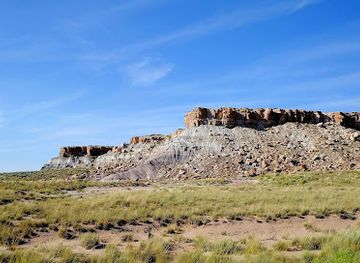
Apache County’s attractions range from Indigenous cultural landscapes to high-elevation recreation. Canyon de Chelly National Monument is the principal draw, with rim viewpoints overlooking a deeply incised canyon where Diné families still farm and live; excursions below the rim are generally made with an authorised Navajo guide. Hubbell Trading Post National Historic Site near Ganado offers a detailed introduction to reservation commerce, weaving and the history of trading posts. In the south, the Apache-Sitgreaves National Forests provide opportunities for hiking, fishing, wildlife watching, camping and scenic drives around the White Mountains, with the communities of Springerville, Eagar, Greer and Alpine serving as useful bases. The county also contains broad grasslands, volcanic landscapes and the Little Colorado River country, which appeal to travellers interested in geology and open space rather than formal attractions. Parts of Petrified Forest National Park extend into Apache County, although the park crosses into neighbouring Navajo County and should be planned as a separate, road-based visit. Museums, galleries, cultural institutions and community events in Window Rock and elsewhere provide context for a landscape that is inhabited and culturally active, not simply a collection of scenic backdrops.
-
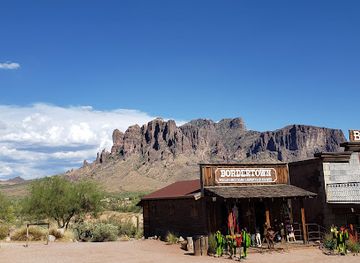
Ghost town
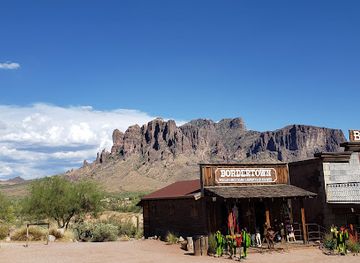
Goldfield Ghost Town and Mine Tours Inc.
Explore the fascinating Goldfield Ghost Town, a Wild West treasure in Arizona filled with history, adventure, and unique attractions.
-
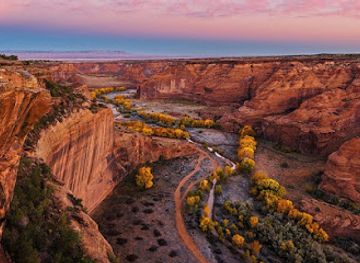
Park
Canyon de Chelly National Monument
Discover the artistic landscapes and rich Native American culture at Canyon de Chelly National Monument in Arizona, a true natural marvel.
-
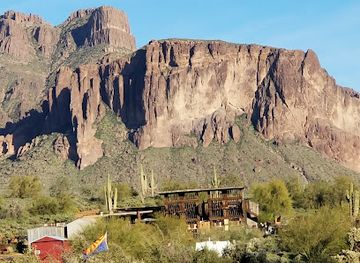
History museum
Superstition Mountain - Lost Dutchman Museum
Explore the rich history and folklore of Arizona at the Superstition Mountain - Lost Dutchman Museum, a captivating destination for all travelers.
-
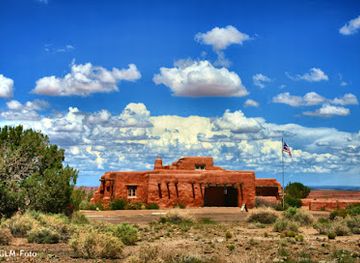
Museum
Painted Desert Inn
Discover the Painted Desert Inn: A historic museum nestled in the heart of Petrified Forest National Park, showcasing Arizona's geological and cultural wonders.
Best landmarks in Apache County
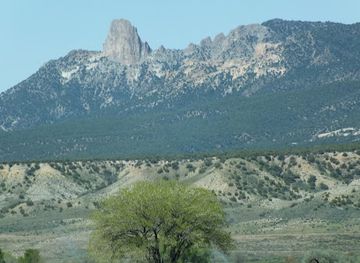
Canyon de Chelly’s red sandstone walls and narrow canyon corridors form Apache County’s most recognisable natural landmark, with Spider Rock rising prominently from the canyon floor and carrying deep significance in Diné tradition. White House Ruin, visible from the South Rim and accessed on a regulated trail, is an important ancestral Puebloan site; its archaeological remains should be viewed without touching or climbing. Hubbell Trading Post near Ganado is a significant historic landmark because its buildings, furnishings and surrounding landscape preserve the character of a late nineteenth-century trading operation. In Window Rock, the natural sandstone arch known as Window Rock gives the Navajo Nation capital its name and is one of the county’s most recognisable civic-geographical symbols. Farther south, the forested volcanic country around the White Mountains offers a different kind of landmark: broad ridgelines, high meadows, lakes and the distinctive volcanic forms near Springerville and Eagar. These places are best understood alongside the communities and cultural jurisdictions that continue to shape them.
-
National park
Petrified Forest National Park
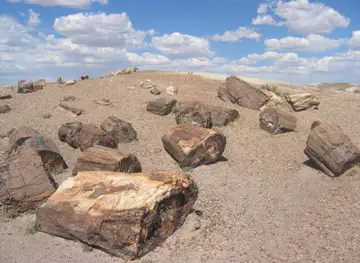
Discover ancient petrified wood and colorful landscapes in Arizona's Petrified Forest National Park, a unique journey through time and natural history.
-
Ghost town
Goldfield Ghost Town and Mine Tours Inc.
Relive the Wild West at Goldfield Ghost Town: Explore historic streets, pan for gold, and witness thrilling gunfights in a legendary Arizona town.
-
Tourist attraction
Four Corners Monument
Stand in four states at once! Experience the unique intersection of Arizona, Colorado, New Mexico, and Utah at the Four Corners Monument.
-
National forest
Apache-Sitgreaves National Forests
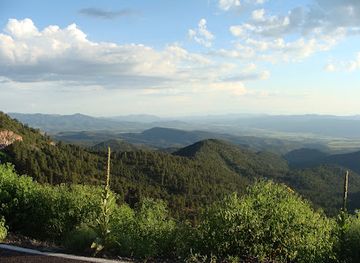
Discover Arizona's Apache-Sitgreaves National Forests: Hike scenic trails, fish in pristine lakes, and explore a vast mountain wilderness.
Explore Apache County on the map
Plan your trip on one map. See where the top cities, national parks and sights are, and book hotels and experiences in a few clicks.
Best hotels in Apache County
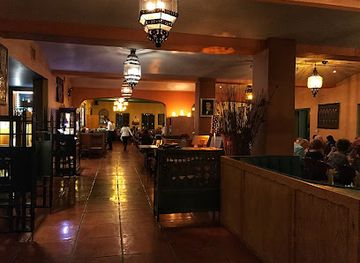
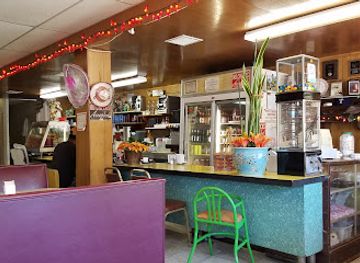
Best restaurants in Apache County
Dining in Apache County is shaped by distance and community scale. Chinle, Window Rock, St Johns, Springerville and Eagar have the broadest choice of diners, cafés, fast-food outlets and casual restaurants, while smaller settlements and forest gateways have fewer options and may close earlier. Navajo fry bread is the best-known regional speciality, served in sweet or savoury forms, and visitors may also encounter mutton-based dishes, stews, beans and traditional or contemporary Diné cooking. These foods belong within a living cultural context rather than being treated as themed souvenirs. In the White Mountains, menus often reflect Arizona and American-Western traditions, including burgers, breakfasts, chilli, sandwiches and trout where locally available. Trading-post shops, bakeries, petrol stations and seasonal stands can be useful for provisions, though choices are not uniform. Carrying food for long drives is sensible, especially when exploring canyon rims, forests or reservation roads away from the main towns.
-
Family-friendly
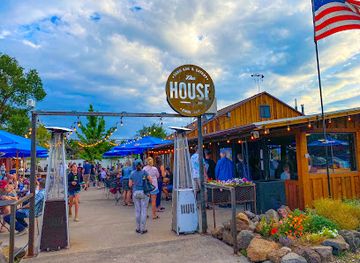
The House
Experience the vibrant flavors of family-friendly dining at The House in Show Low, where creativity meets comfort in every dish.
-
American
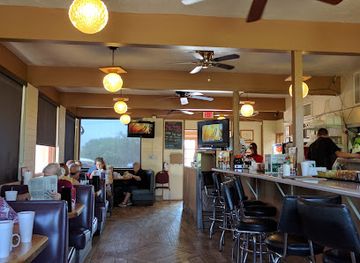
Hacker's Grill
Discover delicious American breakfast delights at Hacker's Grill in Apache Junction - where comfort food meets friendly service.
-
Family-friendly
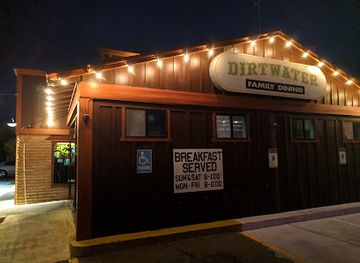
Dirtwater Springs
Experience family-friendly dining at Dirtwater Springs with delicious American cuisine and lively atmosphere in Apache Junction.
-
Pizza
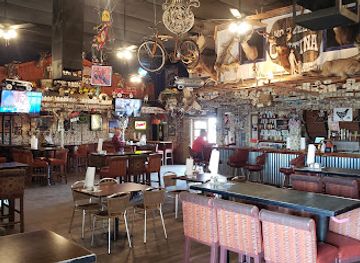
Hitching Post Saloon
Discover authentic pizza and vibrant bar culture at Hitching Post Saloon in Apache Junction – where good food meets great times!
Best bars in Apache County
Apache County does not have a large nightclub scene, and evening life is generally centred on restaurants, cafés, community events and modest local bars rather than entertainment districts. Chinle and Window Rock offer the greatest concentration of visitor services in the northern part of the county, while Springerville and Eagar provide casual evening options in the White Mountains. In small mountain communities, traditional restaurants, lodges and occasional live music are more representative than late-night clubs. Alcohol regulations and availability can differ on Navajo Nation land, so visitors should check local rules rather than assume that establishments operate like those elsewhere in Arizona. After dark, the county’s principal appeal is often its quietness and exceptionally dark sky, provided visitors respect residents, private property and restrictions around tribal or federal sites.
-
Restaurant
Tortilla Flat Saloon
Discover the vibrant atmosphere and delicious Southwestern cuisine at Tortilla Flat Saloon, a must-visit gem in the heart of Arizona.
-
Pub
The Handlebar Pub and Grill
Experience the vibrant atmosphere and delicious American fare at The Handlebar Pub and Grill in Apache Junction, Arizona.
-
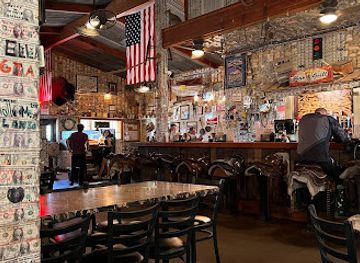
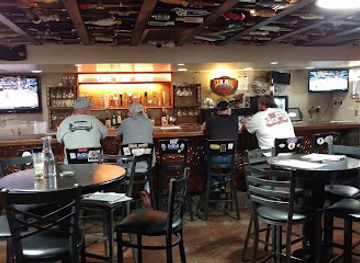
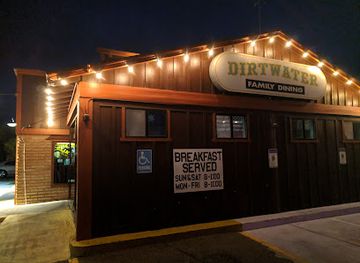
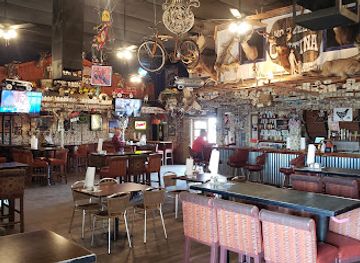
Bar
Dirtwater Springs
Experience the heart of American cuisine at Dirtwater Springs, a family-friendly bar in Apache Junction, perfect for memorable meals and gatherings.
-
Pizza
Hitching Post Saloon
Experience the charm of the Old West at Hitching Post Saloon, where delicious pizza meets rustic ambiance in Apache Junction, Arizona.
Best nightclubs in Apache County
-
Restaurant
RelicRoad Brewing Company
Discover craft brews and a welcoming atmosphere at RelicRoad Brewing Company in Winslow, Arizona, where local flavors come to life.
-
Bar
Turquoise Room
Experience the vibrant flavors of the Southwest at The Turquoise Room, Winslow's premier dining destination offering breakfast, lunch, and bar service.
-
 Hotel
HotelClarion Pointe Winslow I-40
Discover the charm of Winslow, Arizona, with a stay at Clarion Pointe Winslow I-40, your gateway to Route 66 adventures.
-
Mexican
Brown Mug Cafe
Experience authentic Mexican cuisine at Brown Mug Cafe in Winslow – a delightful spot for delicious food and a warm atmosphere.

Best shops in Apache County
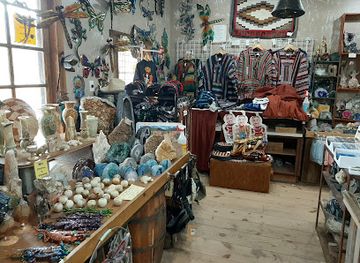
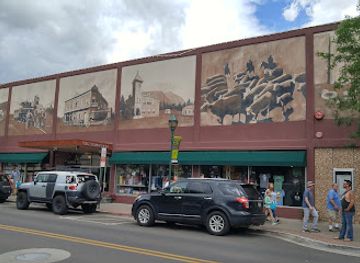
Shopping in Apache County is primarily local, practical and craft-oriented rather than centred on large retail complexes. Trading-post shops and galleries around Chinle, Ganado and the Navajo Nation may offer Diné weaving, silver and turquoise jewellery, pottery, paintings and other locally made work; ask about the artist or maker and be wary of goods inaccurately labelled as Native American. Hubbell Trading Post is particularly associated with Navajo rugs and weaving traditions, although availability changes and purchases should be treated as original work rather than generic souvenirs. Window Rock and other population centres provide everyday shops and services, while Springerville and Eagar have small-town high streets, galleries, outdoor retailers and places selling regional food products. Farmers’ markets and community events may appear seasonally, but dates and locations vary. For remote journeys, buy essentials early, as the next substantial shop can be far away.
-
Gift shop
Goldfield Ghost Town and Mine Tours Inc.
Discover the captivating history of Goldfield Ghost Town, Arizona's iconic ghost town with thrilling mine tours and unique shopping experiences.
-
Shopping mall
Old Town Shops
Discover the unique shopping experiences and delightful dining options at Old Town Shops in Flagstaff, Arizona.
-
Gift shop
Chee's Indian Store
Discover the essence of Native American culture at Chee's Indian Store in Houck, Arizona, with authentic goods, art, and delicious snacks.
-
Gift shop
Ortega Indian City Arts
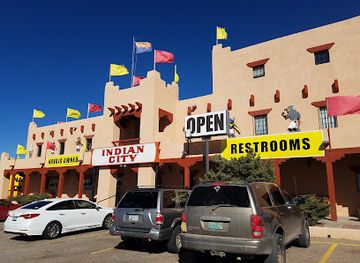
Discover the rich heritage of Native American art at Ortega Indian City Arts in Houck, Arizona, where unique treasures await.

Get your free copy of our complete guide to Apache County, delivered straight to you.
Everything on this page, from attractions and restaurants to essentials and local phrases, in one PDF you can read offline, print or share.
Already have an account? Sign in
Your Apache County guide is ready.
We'll send it to · Not you? Sign out

Getting your guide ready…
We are putting together a fresh copy of the Apache County guide. This can take up to a minute.
This can take a few moments. If your browser asks, choose Allow so the download can start. You'll find the guide in your Downloads folder.
Nothing happened? Download it again
Sorry, the guide is taking longer than usual. Please try again in a minute, or get it by email instead.
Apache County essentials
Currency and Payment
Safety
Emergency Situations
Do's and Don'ts
Local Tips
From Eve
Local phrases worth knowing
You don't need to get them perfect. A few words go a long way, and locals appreciate the effort.
Basics
| English | Local | Say it |
|---|---|---|
| Hello | Yá'át'ééh | [yah-tay] |
| Goodbye | Hágoónee' | [hah-goh-nee] |
| Yes | Aoo' | [ah-oh] |
| No | Doo' | [doh] |
| Please/You're welcome | Ahéhee' | [ah-hay] |
| Thank you | Ahéhee' | [ah-hay] |
| Excuse me/Sorry | T'áá shoodí | [tah shoh-dee] |
| How are you? | Nihíji'í? | [nee-hee-ji] |
| Fine. And you? | T'áá shoodí. Nihíji'í? | [tah shoh-dee. nee-hee-ji] |
| Do you speak English? | Naa'á'íji' éííníísh? | [nah-ah-ee-ji eh-ee-nee] |
| I don't understand | T'áá shoodí hólǫ́ | [tah shoh-dee ho-lo] |
Eating & Drinking
| English | Local | Say it |
|---|---|---|
| I'd like to see the menu, please | T'áá shoodí hólǫ́ íiyisí menu, ahéhee' | [tah shoh-dee ho-lo ee-yee-see meh-noo, ah-hay] |
| I don't eat meat | T'áá shoodí hólǫ́ dóó' éííhí | [tah shoh-dee ho-lo doh-oh eh-ee-hee] |
| Cheers! | Yá'át'ééh! | [yah-tay] |
| I would like to pay, please | T'áá shoodí hólǫ́ hólǫ́ t'áá'í, ahéhee' | [tah shoh-dee ho-lo ho-lo tah-ah-ee, ah-hay] |
Emergencies
| English | Local | Say it |
|---|---|---|
| Help! | T'áá shoodí! | [tah shoh-dee] |
| Go away! | Hólǫ́ yá'át'ée'! | [ho-lo yah-ah-tay] |
| Call the Police! | T'áá hólǫ́ t'áá'í Police! | [tah ho-lo tah-ah-ee poh-lees] |
| Call a doctor! | T'áá hólǫ́ t'áá'í doctor! | [tah ho-lo tah-ah-ee doh-ctor] |
| I'm lost | T'áá shoodí hólǫ́ ch'íiyisí | [tah shoh-dee ho-lo ch-ee-yee-see] |
| I'm ill | T'áá shoodí hólǫ́ hólǫ́ | [tah shoh-dee ho-lo ho-lo] |
Shopping
| English | Local | Say it |
|---|---|---|
| I'd like to buy... | T'áá shoodí hólǫ́ yá'át'ée'... | [tah shoh-dee ho-lo yah-ah-tay] |
| I'm just looking | T'áá shoodí hólǫ́ hólǫ́ t'áá'í | [tah shoh-dee ho-lo ho-lo tah-ah-ee] |
| How much is it? | Házhóó' yá'át'ée'? | [hah-zhoh yah-ah-tay] |
| That's too expensive | T'áá'í hólǫ́ dóó' hólǫ́ t'áá'í | [tah-ah-ee ho-lo doh-oh ho-lo tah-ah-ee] |
| Can you lower the price? | Doo' éííníísh, t'áá'í hólǫ́? | [doh ee-ee-nee, tah-ah-ee ho-lo] |
Time & Numbers
| English | Local | Say it |
|---|---|---|
| What time is it? | Dííjį' naashá? | [dee-hee nah-shah] |
| It's one o'clock | T'áá'í naashá | [tah-ah-ee nah-shah] |
| Half past (10) | T'áá'í náhást'éé' (10) | [tah-ah-ee nah-hast-eh (10)] |
| Morning | Yá'át'ééh | [yah-tay] |
| Afternoon | Dííjį' naashá | [dee-hee nah-shah] |
| Evening | T'áá'í naashá | [tah-ah-ee nah-shah] |
| Yesterday | T'áá'í k'ad | [tah-ah-ee kahd] |
| Today | T'áá'í hólǫ́ | [tah-ah-ee ho-lo] |
| Tomorrow | T'áá'í yá'át'ée' | [tah-ah-ee yah-ah-tay] |
| 1 | T'áá'í | [tah-ah-ee] |
| 2 | Naakid | [nah-kid] |
| 3 | T'áá'í naakid | [tah-ah-ee nah-kid] |
| 4 | Doo naakid | [doh nah-kid] |
| 5 | Naakid naakid | [nah-kid nah-kid] |
| 6 | Naakid dóó' | [nah-kid doh] |
| 7 | Naakid náhást'éé' | [nah-kid nah-hast-eh] |
| 8 | Naakid nitsékees | [nah-kid nit-seh-kays] |
| 9 | Naakid nitsékees dóó' | [nah-kid nit-seh-kays doh] |
| 10 | Naakid naakid | [nah-kid nah-kid] |
Transport & Directions
| English | Local | Say it |
|---|---|---|
| Where's a/the...? | Dííjį' hólǫ́ ...? | [dee-hee ho-lo] |
| What's the address? | Házhóó' hólǫ́ address? | [hah-zhoh ho-lo address] |
| Can you show me (on the map)? | Doo' éííníísh, nídííh (t'áá'í map)? | [doh ee-ee-nee, nee-dee (tah-ah-ee map)] |
| When's the next (bus)? | Dííjį' hólǫ́ t'áá'í (bus)? | [dee-hee ho-lo tah-ah-ee (bus)] |
| A ticket (to ....) | T'áá'í hólǫ́ ticket (t'áá'í ...) | [tah-ah-ee ho-lo tick-et (tah-ah-ee ...)] |
History of Apache County
Ancestral Puebloan Settlement
The canyonlands and plateaus of present-day Apache County contain a long archaeological record of Ancestral Puebloan farming, architecture and trade. Canyon de Chelly preserves cliff dwellings, masonry structures and agricultural terraces associated with communities that lived in and used the canyon over many centuries. These remains are not merely abandoned scenery: they form part of a continuing cultural landscape for the Diné and other Indigenous peoples. Archaeological sites are protected, and visitors should never enter restricted areas, touch masonry or remove artefacts.
Diné Expansion and Cultural Continuity
Diné communities established a strong presence across the region over several centuries, developing farming, herding, weaving and trading practices adapted to canyon, plateau and mountain environments. Place names, oral histories and family connections remain central to the landscape. The term Navajo is widely used in English, while Diné, meaning “the People”, is also an important self-designation. Apache County includes substantial parts of the Navajo Nation, whose government, laws and cultural institutions are distinct from those of Arizona.
Conflict, Removal and Fort Defiance
The nineteenth century brought increasingly difficult relations between the United States government and Diné communities. Fort Defiance became a significant military and administrative site, and the 1860s Long Walk forcibly removed many Diné people to Bosque Redondo in New Mexico. After the return to their homeland and the creation of the Navajo reservation, Diné communities rebuilt agriculture, livestock economies and social institutions. The legacy of this period remains important when interpreting forts, roads, trading posts and other historic sites.
Trading Posts and Hubbell Heritage
Trading posts became important meeting places and commercial links between Diné producers and outside markets. Hubbell Trading Post, established in 1878 near Ganado, is the best-preserved surviving example and is now a National Historic Site. John Lorenzo Hubbell traded in wool, livestock, rugs and other goods while maintaining relationships with local families. The site illustrates both economic exchange and the unequal structures surrounding reservation commerce, making it more valuable as a historical place than as a simple Western-style curiosity.
Apache County and Territorial Administration
Apache County was created in 1879 during Arizona’s territorial period and originally covered a much larger area than it does today. Later boundary changes produced neighbouring counties and the present administrative shape. The county seat is St. Johns, while Window Rock serves as the capital of the Navajo Nation and Chinle functions as a major visitor base for Canyon de Chelly. This overlapping geography explains why county boundaries, tribal jurisdiction and travel destinations do not always correspond neatly.
Railways, Timber and the White Mountains
In the county’s southern highlands, ranching, forestry and transport helped connect isolated settlements with wider Arizona markets. The Apache-Sitgreaves forests supported timber activity, while rail connections elsewhere in eastern Arizona encouraged the growth of regional commerce. Springerville, Eagar and Alpine developed as service communities for ranching, public-land work and mountain recreation. Today, forestry remains part of the region’s economic history, although tourism, public administration and outdoor activities are increasingly important to the White Mountains.
Modern Navajo Nation Institutions
Window Rock became the seat of the Navajo Nation government and an important centre of Indigenous political and cultural life. Contemporary Apache County therefore includes more than scenic viewpoints and historic remnants: it is home to communities managing their own institutions, schools, enterprises and cultural resources. Visitors encounter this living identity through museums, public art, markets, language and everyday community life, but should remember that reservation land is not simply a recreation area and that local rules may differ from those on federal or state land.
Apache County in Photos
Browse through our photo collection highlighting the charm and character of the destination.
Neighbouring regions of Apache County
The closest regions to Apache County, if you have time for more than one.
-

-
-

-

-


Swipe for more regions
Explore more

Explore more of Arizona
Discover Arizona: From the majestic Grand Canyon and red rocks of Sedona to the vibrant cities of Phoenix and Scottsdale, explore the diverse beauty and culture of the Grand Canyon State.
Explore Arizona