

Free Colorado Plateau Travel Guide & Mobile App
Explore Colorado Plateau with free travel guides. Discover regional history, expert tips, proposed trips, and audio guides on web or mobile app.


Explore Arizona’s Colorado Plateau for Grand Canyon vistas, red-rock gorges, ancient pueblos, dark skies and wide-open desert landscapes.
Read more about Colorado Plateau
Getting to and around Colorado Plateau
How to get there
Transportation
Top city travel guides in Colorado Plateau
The cities of Colorado Plateau, and the easiest places to base yourself.
-

-

-

-

-
 Tucson
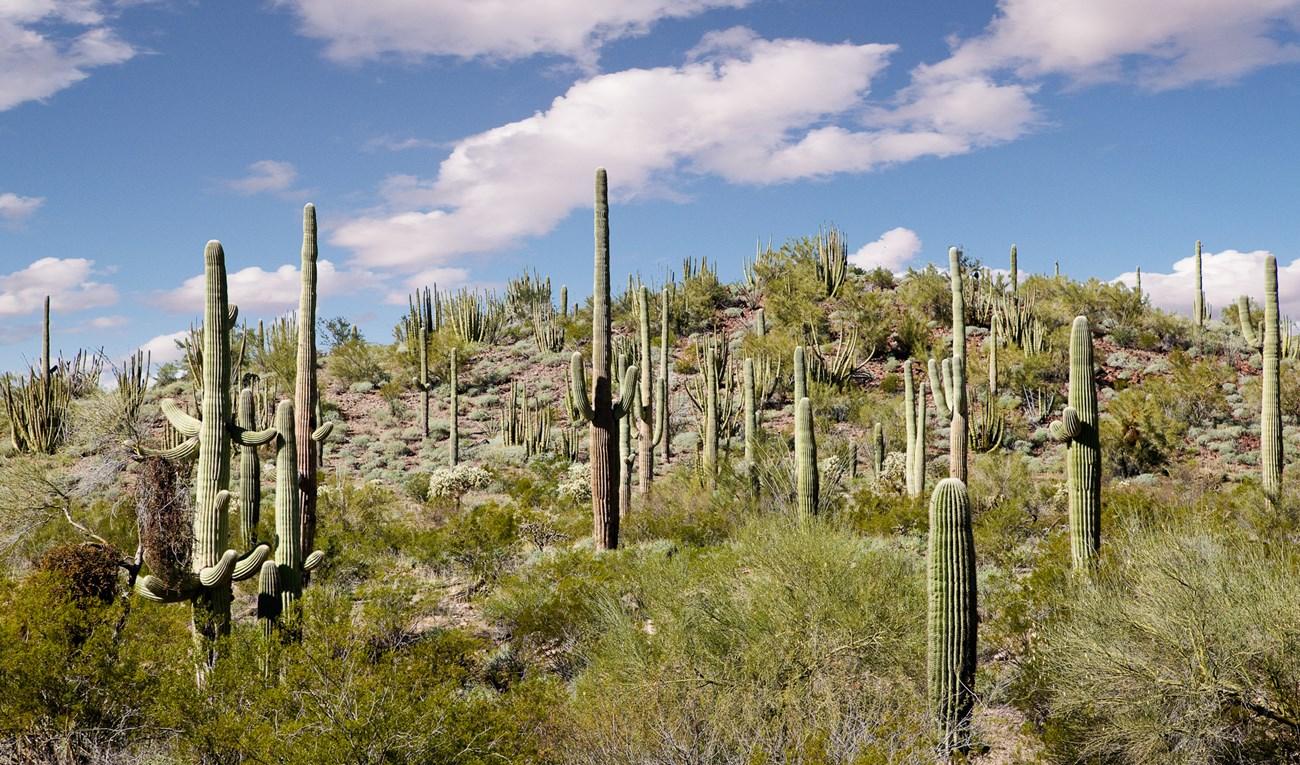
Discover Tucson, Arizona: A desert oasis rich in cultural heritage, natural beauty, and culinary delights, perfect for explorers and food enthusiasts alike.
Tucson
Discover Tucson, Arizona: A desert oasis rich in cultural heritage, natural beauty, and culinary delights, perfect for explorers and food enthusiasts alike.
-


Swipe for more cities
Destinations in Colorado Plateau
Resorts, valleys and scenic spots worth a trip of their own.
-

-

-
 Saguaro National Park
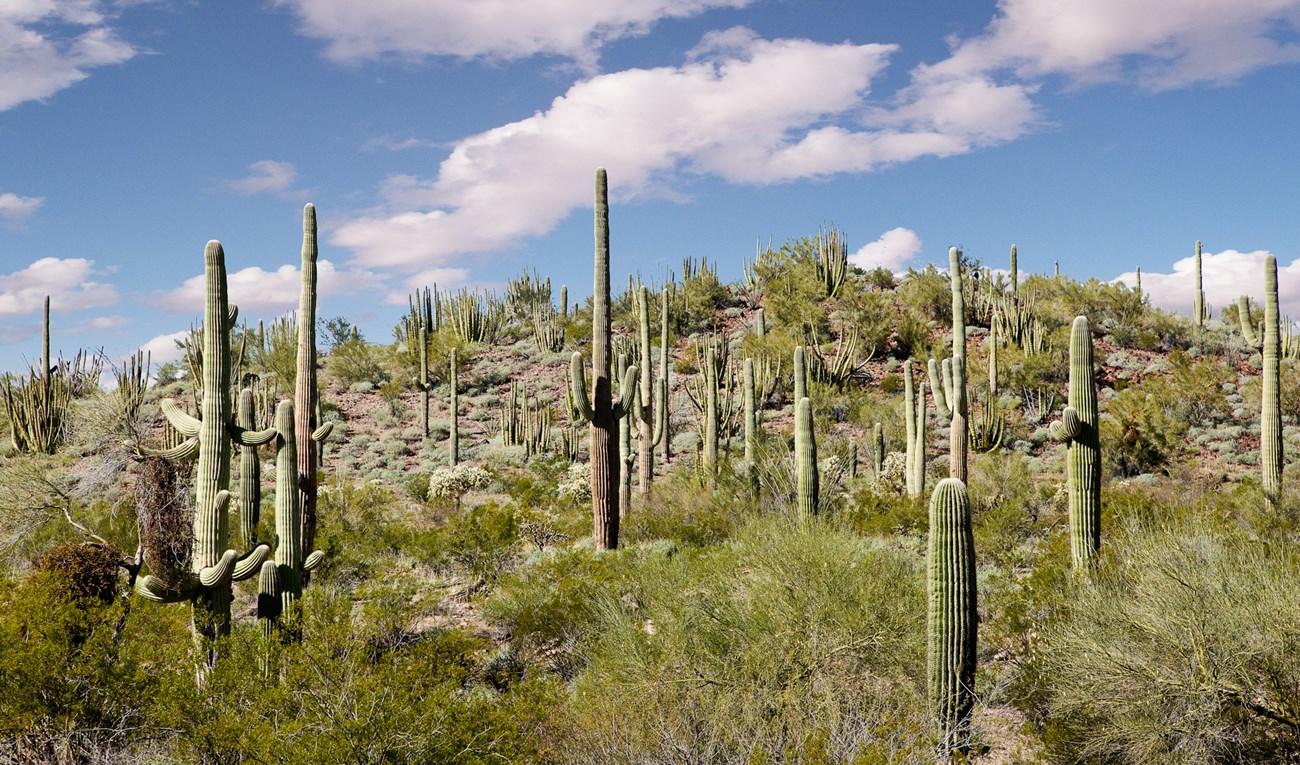
 in Arizona reveals giant cacti, desert trails, Tucson sunsets, wildlife and Sonoran Desert heritage across two distinct districts.
Saguaro National Park
Saguaro National Park in Arizona reveals giant cacti, desert trails, Tucson sunsets, wildlife and Sonoran Desert heritage across two distinct districts.
-

-

-


Swipe for more destinations
Best attractions in Colorado Plateau
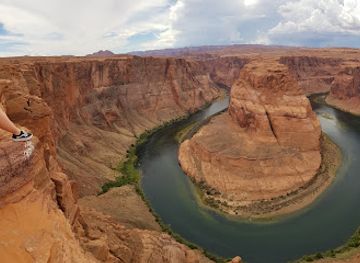
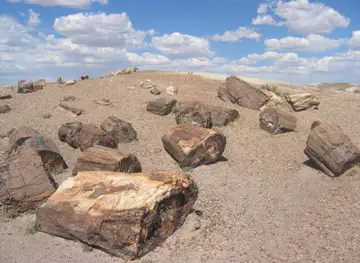
The Arizona Colorado Plateau offers a succession of contrasting landscapes rather than one concentrated attraction zone. Grand Canyon National Park provides rim viewpoints, long-distance hiking and access to one of the world’s great river gorges, with the South Rim serving as the principal visitor area within the state’s plateau country. Around Page, Glen Canyon National Recreation Area combines red-rock shorelines, boat-based exploration and canyon scenery, while authorised local guides lead visits to slot canyons on Navajo Nation land. Horseshoe Bend is a short, busy viewpoint over the Colorado River, best approached with heat and crowd conditions in mind. Farther east, Petrified Forest National Park pairs fossilised Triassic trees with colourful badlands, historic road traces and extensive desert horizons. Wupatki and Walnut Canyon preserve ancient settlements and demonstrate how people farmed and lived in demanding environments. Near Flagstaff, volcanic fields, ponderosa pine forest, Lowell Observatory and the Museum of Northern Arizona broaden the region’s appeal beyond red rock. Canyon de Chelly National Monument offers dramatic cliffs and a living Diné landscape, with access and touring arrangements governed by local and federal rules. Scenic drives, stargazing, hiking, rafting and winter recreation complete a varied but geographically dispersed offering.
-
National park
Grand Canyon National Park
Discover the breathtaking landscapes and rich history of the Grand Canyon National Park, a must-visit destination for nature enthusiasts and adventure seekers.
-
Historical landmark
Desert View Watchtower
Iconic stone tower offering panoramic Grand Canyon views, inspired by Ancestral Puebloan architecture and Native American art.
-
National park
Petrified Forest National Park
Explore the stunning landscapes, ancient petrified wood, and rich geological history of Petrified Forest National Park in Arizona.
-
Tour operator
Ken's Tours Lower Antelope Canyon
Explore the mesmerizing beauty of Lower Antelope Canyon, a sacred Navajo site sculpted by time and illuminated by ethereal light in Page, Arizona.

Best landmarks in Colorado Plateau
The Grand Canyon is the defining geographical landmark of the Arizona plateau, where the Colorado River has exposed an immense sequence of geological layers and the South Rim presents the most accessible continuous panorama. In northeastern Arizona, the red sandstone buttes and mesas of Monument Valley form an internationally recognised landscape on Navajo Nation land; the Arizona portion is visited through tribal facilities and guided routes rather than treated as an unrestricted public park. Canyon de Chelly’s sheer walls, ruins and cultivated canyon floor are equally important as a cultural landscape, and visitors should follow the monument’s access rules. Near Page, Horseshoe Bend marks a dramatic meander of the Colorado River, while Glen Canyon Dam represents a major twentieth-century engineering intervention whose reservoir transformed the surrounding canyon country. The Painted Desert provides broad bands of mineral colour, and the petrified logs of Petrified Forest National Park link visible scenery with deep geological time. Wupatki Pueblo, Walnut Canyon’s cliff dwellings and the volcanic cones around Flagstaff add architectural and geological landmarks that reveal the plateau’s long human and natural history.
-
Historical landmark
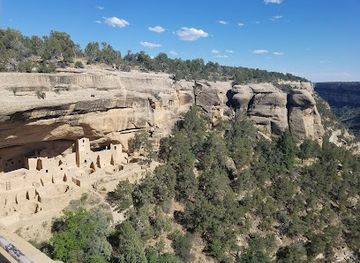
Cliff Palace
Explore Cliff Palace, the largest cliff dwelling in North America, and step back in time to experience Ancestral Puebloan life at Mesa Verde National Park.
-
Tourist attraction
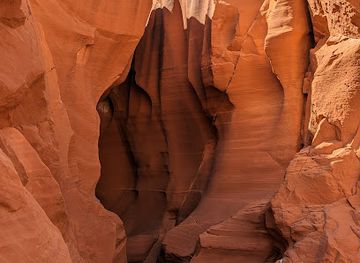
Antelope Canyon
Explore the surreal beauty of Antelope Canyon, a natural sandstone masterpiece sculpted by time and revered by the Navajo Nation.
-
Tourist attraction
Rainbow Bridge National Monument
Discover Rainbow Bridge National Monument: Awe-inspiring natural beauty and sacred Native American heritage in the heart of Utah's canyon country.
Explore Colorado Plateau on the map
Plan your trip on one map. See where the top cities, national parks and sights are, and book hotels and experiences in a few clicks.
Best hotels in Colorado Plateau
Best restaurants in Colorado Plateau
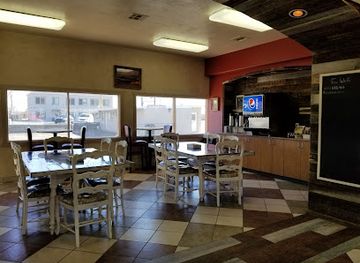
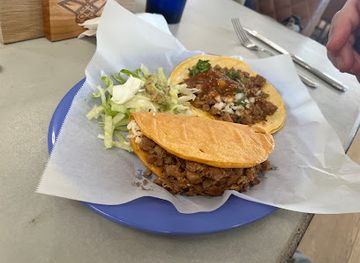
Dining across the plateau combines familiar American road food with Southwestern and Indigenous influences. Flagstaff has the broadest range of cafés, breweries, international restaurants and contemporary kitchens, while Page, Winslow, Holbrook and Grand Canyon gateway communities cater to travellers with diners, casual restaurants and independent cafés. Navajo tacos, built around fry bread and varied toppings, are a regional speciality associated with Diné food culture, though recipes and availability differ between establishments. Menus may also feature green chilli, beans, corn, local-style breads and hearty provisions suited to long drives and outdoor activity. Trading posts and smaller community businesses can offer distinctive local products, but opening arrangements and payment facilities vary. Farmers' markets and food shops in larger towns are useful for picnic supplies, particularly where park dining is limited or expensive. Visitors should support locally owned businesses where possible, ask respectfully about food traditions and avoid treating Indigenous cuisine as a novelty. Water, fuel and food should be obtained before remote excursions, as services thin out quickly beyond the main towns.
-
Restaurant
Berry Knoll Bakery
Discover delightful pastries and artisanal coffee at Berry Knoll Bakery - a must-visit culinary gem in Colorado City.
-
Fast Food
Brothers Bistro
Discover Brothers Bistro in Colorado City: A delightful fast food spot with tasty meals and an inviting atmosphere perfect for tourists.
-
Restaurant
Blue agave Mexican kitchen
Discover authentic Mexican flavors at Blue Agave Mexican Kitchen in Colorado City – where every meal tells a story.

Best bars in Colorado Plateau
-
Visitor center
Grand Canyon Visitor Center
Discover the Grand Canyon Visitor Center, your essential starting point for exploring the majestic landscapes and rich history of this iconic national park.
-
Mexican
Guadalajara Fiesta Grill
Experience authentic Mexican cuisine at Guadalajara Fiesta Grill in Tucson, where vibrant flavors meet a welcoming atmosphere.
-
National forest
Kaibab National Forest
Discover the beauty of Kaibab National Forest, where towering trees and stunning landscapes await every adventurer seeking nature's tranquility.
-
Nature preserve
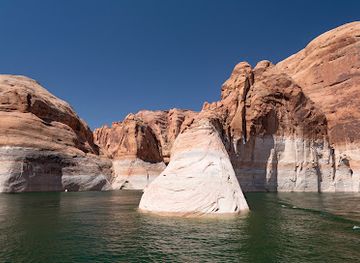
Glen Canyon National Recreation Area
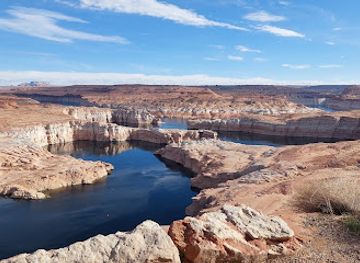
Discover the stunning landscapes and outdoor adventures at Glen Canyon National Recreation Area, a true gem of Utah's natural beauty.
Best nightclubs in Colorado Plateau
-
Mexican
El Tapatio
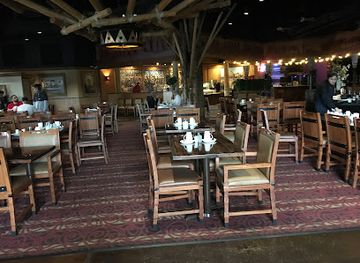
Experience the vibrant flavors of Mexico at El Tapatio, Page's top destination for authentic Mexican cuisine in a welcoming atmosphere.
-
Night club
Dierks Bentley's Whiskey Row Gilbert
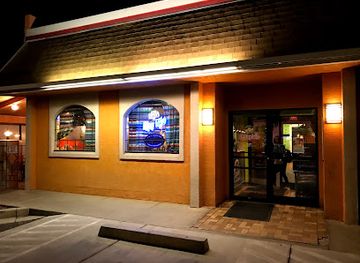
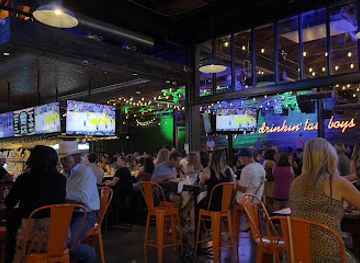
Discover the lively ambiance of Dierks Bentley's Whiskey Row Gilbert, where American cuisine meets vibrant nightlife with live music and dancing.
-
Bar
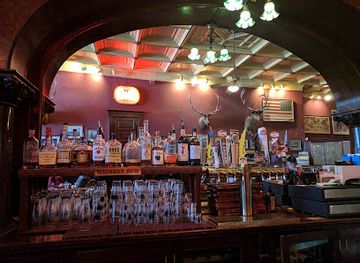
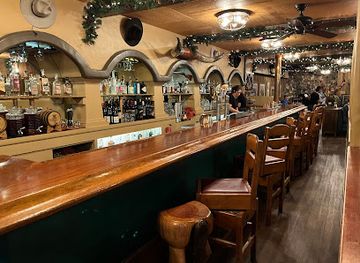
Palace Restaurant & Saloon
Discover the historic Palace Restaurant & Saloon in Prescott, AZ, where American cuisine meets a vibrant bar in a legendary setting.
-
American
Cowboy Club Grille & Spirits
Experience the rich flavors of the American Southwest at Cowboy Club Grille & Spirits in Sedona, where every meal is a celebration of local culinary traditions.
Best shops in Colorado Plateau
Shopping is dispersed among Flagstaff’s independent streets, Page’s visitor-oriented businesses, Route 66 communities and trading posts across the wider plateau. Flagstaff offers bookshops, galleries, outdoor equipment, crafts, clothing and local food products, while Winslow and Holbrook retain roadside memorabilia and historic-route character alongside practical shops. In Page and around the Grand Canyon, visitors will find artwork, jewellery, textiles and souvenirs, but provenance varies: ask whether an item is made by a recognised Indigenous artist and avoid purchasing archaeological objects or unauthorised imitations. Navajo weaving, silver and turquoise jewellery, pottery and artwork can be significant purchases when bought respectfully from legitimate artists, galleries or tribal enterprises. Trading posts and community markets may sell regional foods, handmade goods and practical supplies rather than a uniform range of souvenirs. Retail options become limited in remote areas, so obtain camping, hiking and picnic essentials in major towns. Prices, stock and market schedules change seasonally, making local visitor centres useful for identifying currently operating outlets without relying on generic roadside claims.
-
Native american goods store
Grand Canyon Trading Post
Explore the Grand Canyon Trading Post for unique Native American crafts and souvenirs that celebrate the rich cultural heritage of the Grand Canyon.
-
Gift shop
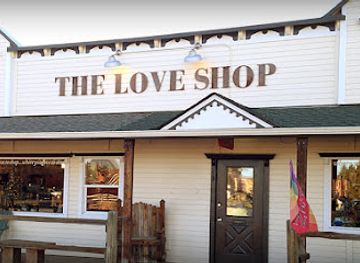
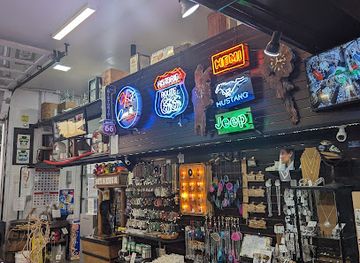
The Love Shop
Explore The Love Shop in Monument, Colorado for unique gifts and local artisan treasures that capture the essence of your visit.
-
Gift shop
Gift Shop Grand Canyon
Explore unique souvenirs and local crafts at the Gift Shop Grand Canyon in Williams, Arizona, capturing the essence of your Grand Canyon adventure.
-
Gift shop
Copper Canyon Trading (Souvenirs & Saltwater Taffy)
Explore unique souvenirs and delicious saltwater taffy at Copper Canyon Trading, a charming gift shop on historic Route 66 in Williams, Arizona.

Get your free copy of our complete guide to Colorado Plateau, delivered straight to you.
Everything on this page, from attractions and restaurants to essentials and local phrases, in one PDF you can read offline, print or share.
Already have an account? Sign in
Your Colorado Plateau guide is ready.
We'll send it to · Not you? Sign out

Getting your guide ready…
We are putting together a fresh copy of the Colorado Plateau guide. This can take up to a minute.
This can take a few moments. If your browser asks, choose Allow so the download can start. You'll find the guide in your Downloads folder.
Nothing happened? Download it again
Sorry, the guide is taking longer than usual. Please try again in a minute, or get it by email instead.
Colorado Plateau essentials
Currency and Payment
Safety
Emergency Situations
Do's and Don'ts
Local Tips
From Eve
Local phrases worth knowing
You don't need to get them perfect. A few words go a long way, and locals appreciate the effort.
Basics
| English | Local | Say it |
|---|---|---|
| Hello | Yá'át'ééh | [yah-tay-eh] |
| Goodbye | Hágoónee' | [ha-go-nee] |
| Yes | Aoo' | [ah-oh] |
| No | Doo' | [doo] |
| Please/You're welcome | Ahéhee' | [ah-heh-eh] |
| Thank you | Ahéhee' | [ah-heh-eh] |
| Excuse me/Sorry | T'áá shoodí | [tah-sho-dee] |
| How are you? | Nízhóní? | [nee-zhaw-nee] |
| Fine. And you? | T'áá shoodí. Hólǫ́? | [tah-sho-dee. ho-lo] |
| Do you speak English? | T'áá shoodí nitsáhákees? | [tah-sho-dee nit-sah-ha-kis] |
| I don't understand | T'áá'íiyisí naashá? | [tah-ee-yee-see nah-shah] |
Eating & Drinking
| English | Local | Say it |
|---|---|---|
| I'd like to see the menu, please | Nishłį́į́h yéego menu hólǫ́. | [nish-lin-ih yeh-go menu ho-lo] |
| I don't eat meat | Doo shił naashá daalį́į́h. | [doo shil nah-shah dah-lin] |
| Cheers! | Yá'át'ééh! | [yah-tay-eh] |
| I would like to pay, please | Nishłį́į́h yéego naaltsoos hólǫ́. | [nish-lin-ih yeh-go naal-tsoos ho-lo] |
Emergencies
| English | Local | Say it |
|---|---|---|
| Help! | Doo shił béésh bee hólǫ́! | [doo shil beh-esh beh ho-lo] |
| Go away! | T'áá shoodí hólǫ́! | [tah-sho-dee ho-lo] |
| Call the Police! | Naaltsoos hólǫ́ police! | [naal-tsoos ho-lo police] |
| Call a doctor! | Naaltsoos hólǫ́ doctor! | [naal-tsoos ho-lo doctor] |
| I'm lost | Nishłį́į́h naashá. | [nish-lin-ih nah-shah] |
| I'm ill | Nishłį́į́h hólǫ́. | [nish-lin-ih ho-lo] |
Shopping
| English | Local | Say it |
|---|---|---|
| I'd like to buy... | Nishłį́į́h yéego yił naashá... | [nish-lin-ih yeh-go yil nah-shah] |
| I'm just looking | Ninááh yéego hólǫ́. | [ni-nah-yah yeh-go ho-lo] |
| How much is it? | Háázhǫ́ǫ́' éí hólǫ́? | [ha-ha-zhoh-eh ee ho-lo] |
| That's too expensive | Doo shił hólǫ́ doo hólǫ́. | [doo shil ho-lo doo ho-lo] |
| Can you lower the price? | T'áá shoodí yá'át'ééh naaltsoos? | [tah-sho-dee yah-tay-eh nal-tsoos] |
Time & Numbers
| English | Local | Say it |
|---|---|---|
| What time is it? | Hólǫ́ éí t'áá shoodí? | [ho-lo ee tah-sho-dee] |
| It's one o'clock | T'áá'íiyisí éí hólǫ́. | [tah-ee-yee-see ee ho-lo] |
| Half past (10) | T'áá'íiyisí hólǫ́ (10). | [tah-ee-yee-see ho-lo ten] |
| Morning | T'áá'íiyisí | [tah-ee-yee-see] |
| Afternoon | T'áá'íiyisí t'áá hólǫ́. | [tah-ee-yee-see tah ho-lo] |
| Evening | T'áá'íiyisí nitsíkees. | [tah-ee-yee-see nit-see-kees] |
| Yesterday | Dííjį́ | [dee-jee] |
| Today | T'áá'íiyisí éí. | [tah-ee-yee-see ee] |
| Tomorrow | T'áá'íiyisí t'áá hólǫ́. | [tah-ee-yee-see tah ho-lo] |
| 1 | T'áá' | [tah-ah] |
| 2 | Naakid | [nah-keed] |
| 3 | T'áá'íiyisí naakid | [tah-ee-yee-see nah-keed] |
| 4 | Doo naakid | [doo nah-keed] |
| 5 | Doo t'áá'íiyisí | [doo tah-ee-yee-see] |
| 6 | Doo t'áá'íiyisí naakid | [doo tah-ee-yee-see nah-keed] |
| 7 | Doo t'áá'íiyisí naakid naakid | [doo tah-ee-yee-see nah-keed nah-keed] |
| 8 | Doo t'áá'íiyisí naakid naakid naakid | [doo tah-ee-yee-see nah-keed nah-keed nah-keed] |
| 9 | Doo t'áá'íiyisí naakid naakid naakid naakid | [doo tah-ee-yee-see nah-keed nah-keed nah-keed nah-keed] |
| 10 | Doo t'áá'íiyisí naakid naakid naakid naakid naakid | [doo tah-ee-yee-see nah-keed nah-keed nah-keed nah-keed nah-keed] |
Transport & Directions
| English | Local | Say it |
|---|---|---|
| Where's a/the...? | T'áásh, háji'í...? | [tah-ahsh, ha-jee-ee] |
| What's the address? | T'áá shoodí éí hólǫ́? | [tah-sho-dee ee ho-lo] |
| Can you show me (on the map)? | T'áá shoodí yá'át'ééh naashá (navajo map)? | [tah-sho-dee yah-tay-eh nah-shah (navajo map)] |
| When's the next (bus)? | T'áá shoodí hólǫ́ (bus) hólǫ́? | [tah-sho-dee ho-lo bus ho-lo] |
| A ticket (to ....) | Naaltsoos (to ....) | [naal-tsoos to] |
History of Colorado Plateau
Ancient Puebloan and Desert Cultures
People have lived across the Arizona Colorado Plateau for thousands of years, adapting to a high, dry environment through hunting, gathering and eventually farming. Ancestral Puebloan communities built villages, storage structures and ceremonial spaces at sites including Wupatki, Walnut Canyon and the wider Four Corners region. Their descendants remain connected to these landscapes, while archaeological sites preserve evidence of changing settlement patterns, trade and agriculture. Rock art, field systems and masonry architecture demonstrate that the plateau was never an empty wilderness, but a culturally organised landscape shaped by successive communities.
Hopi and Diné Homelands
The Hopi mesas and the Diné homeland form a central part of the modern plateau’s cultural geography. Hopi communities have maintained villages, farming practices, ceremonial traditions and distinctive arts on and around the mesas of northeastern Arizona. Diné people have long moved through and managed a much broader homeland, including lands around Canyon de Chelly and Monument Valley. The United States established reservations and altered Indigenous land control through nineteenth-century policies, yet tribal governments, languages, ceremonies and economic enterprises remain active forces in the region today.
Spanish Exploration and Borderlands
Spanish expeditions entered the wider Colorado Plateau during the sixteenth century, including the journey associated with García López de Cárdenas, who reached the Grand Canyon in 1540 while seeking a route through the interior. Spanish influence remained limited in much of the high plateau compared with central and southern Arizona, where missions and colonial settlements developed more extensively. The region continued to be shaped primarily by Indigenous societies, later Mexican authority and the practical realities of distance, water scarcity and difficult terrain.
United States Expansion and Indigenous Displacement
After the United States acquired the area in the nineteenth century, military campaigns, surveying and reservation policies transformed the plateau. Diné people were forcibly removed to Bosque Redondo in the 1860s before returning through the Treaty of 1868, a foundational event in Navajo Nation history. Federal mapping and military expeditions also made the Grand Canyon and other landscapes more familiar to outsiders. These changes brought new administrative boundaries and transport routes while imposing lasting pressures on Indigenous sovereignty, land use and cultural sites.
Railways, Tourism and the National Parks
Railway construction in the late nineteenth and early twentieth centuries connected plateau settlements with national markets and helped establish tourism. The Atlantic and Pacific Railroad brought passengers to places such as Flagstaff and Winslow, while the Grand Canyon Railway later linked Williams with the South Rim. Grand Canyon National Park was created in 1919, followed by other protected areas including Petrified Forest, Wupatki and Walnut Canyon. Conservation preserved major landscapes, but the national-park system also reflected an era when Indigenous presence and land rights were often inadequately recognised.
Route 66 and the Automobile Landscape
US Route 66, established in 1926, crossed northern Arizona and reshaped travel between Chicago and Los Angeles. Winslow, Holbrook, Flagstaff and other communities developed motels, service stations, cafés and roadside businesses for motorists. Interstate highways later diverted much through traffic, yet surviving alignments, historic buildings and transportation museums continue to express the plateau’s twentieth-century roadside culture. The automobile also made remote viewpoints and national parks accessible to large numbers of visitors, creating the access, congestion and infrastructure pressures seen today.
Modern Conservation and Tribal Tourism
In recent decades, the region has balanced recreation, conservation, water management and the authority of tribal nations. Glen Canyon Dam, completed in 1966, created Lake Powell but also flooded canyons and remains central to debates about river management and drought. Tribal tourism enterprises and locally guided visits have expanded opportunities to understand Diné and Hopi landscapes on their own terms, although access is governed by community rules. Contemporary stewardship increasingly emphasises cultural protection, sustainable visitation, dark skies and the fragile nature of desert water systems.
Colorado Plateau in Photos
Browse through our photo collection highlighting the charm and character of the destination.
Neighbouring regions of Colorado Plateau
The closest regions to Colorado Plateau, if you have time for more than one.
-

-

-

-
-


Swipe for more regions
Explore more

Explore more of Arizona
Discover Arizona: From the majestic Grand Canyon and red rocks of Sedona to the vibrant cities of Phoenix and Scottsdale, explore the diverse beauty and culture of the Grand Canyon State.
Explore Arizona