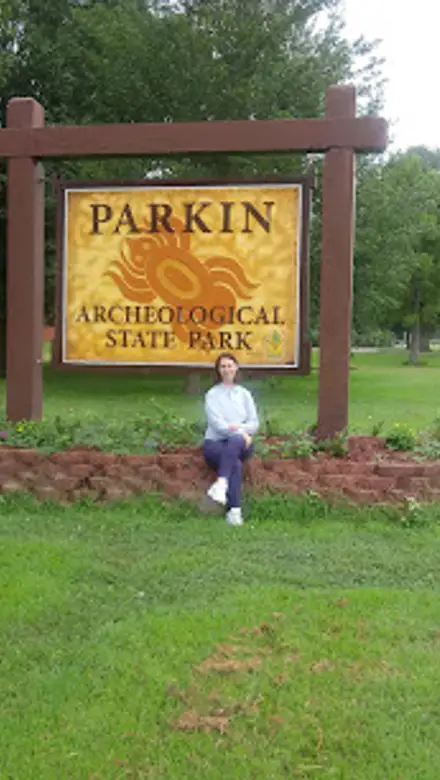
Parkin Archeological State Park, Upper Delta Travel Guide
Explore a preserved Mississippian village and witness history at Parkin Archeological State Park, where the past comes to life.
Explore Parkin Archeological State Park, a 17-acre site preserving a Mississippian Native American village believed to be 'Casqui' visited by Hernando de Soto in 1541. Discover a museum, interact with exhibits, and walk the Village Trail to witness ongoing archeological research.
A brief summary to Parkin Archeological State Park
- 60 State Hwy 184, Parkin, Arkansas, 72373, US
- Click to display
- Click to display
- Wednesday 8 am-5 pm
- Thursday 8 am-5 pm
- Friday 8 am-5 pm
- Saturday 8 am-5 pm
- Sunday 1 pm-5 pm

Know before you go
Hi, I'm Eve. Here are a few practical things to know before exploring Parkin Archeological State Park.
- Visit the research station inside the visitor center to observe archaeologists at work and learn about their latest discoveries.
- Walk the Village Trail to see the ancient mound and learn about the site's history through interpretive signs.
- Check the park's event calendar for special programs, tours, and workshops.
Do you manage this location?
Take control to get all the benefits, like improved information, better appearance, and stronger visibility across AI-powered discovery. Learn more about listing your business on Evendo
Activate your presenceOther nearby places you may find interesting
The closest places of the same kind, if this one is not quite what you had in mind.
Explore Parkin Archeological State Park on the Map
A handpicked selection of must-see spots near Parkin Archeological State Park, mapped for you.
Getting There
-
Driving
Parkin Archeological State Park is located on the northern edge of the city of Parkin, Arkansas, at the junction of Highways 64 and 184. From I-40, take exit 239A to merge onto US-64 W toward Wynne. Continue on US-64 W for approximately 40 miles. Turn right onto AR-184 N. The park will be on your left. Parking is available at the visitor center.
Discover more about Parkin Archeological State Park
More to explore near Parkin Archeological State Park
-

Best experiences near Parkin Archeological State Park
-

Best hotels near Parkin Archeological State Park
-

Best landmarks near Parkin Archeological State Park
-

Best shops near Parkin Archeological State Park
-

Best restaurants near Parkin Archeological State Park
-

Best bars near Parkin Archeological State Park







Your all‑in‑one travel companion app
Explore expert travel guides, compare and book tours, experiences, hotels, and more—all from the palm of your hand. Download now for seamless trip planning wherever your wanderlust takes you.


Explore More of Upper Delta
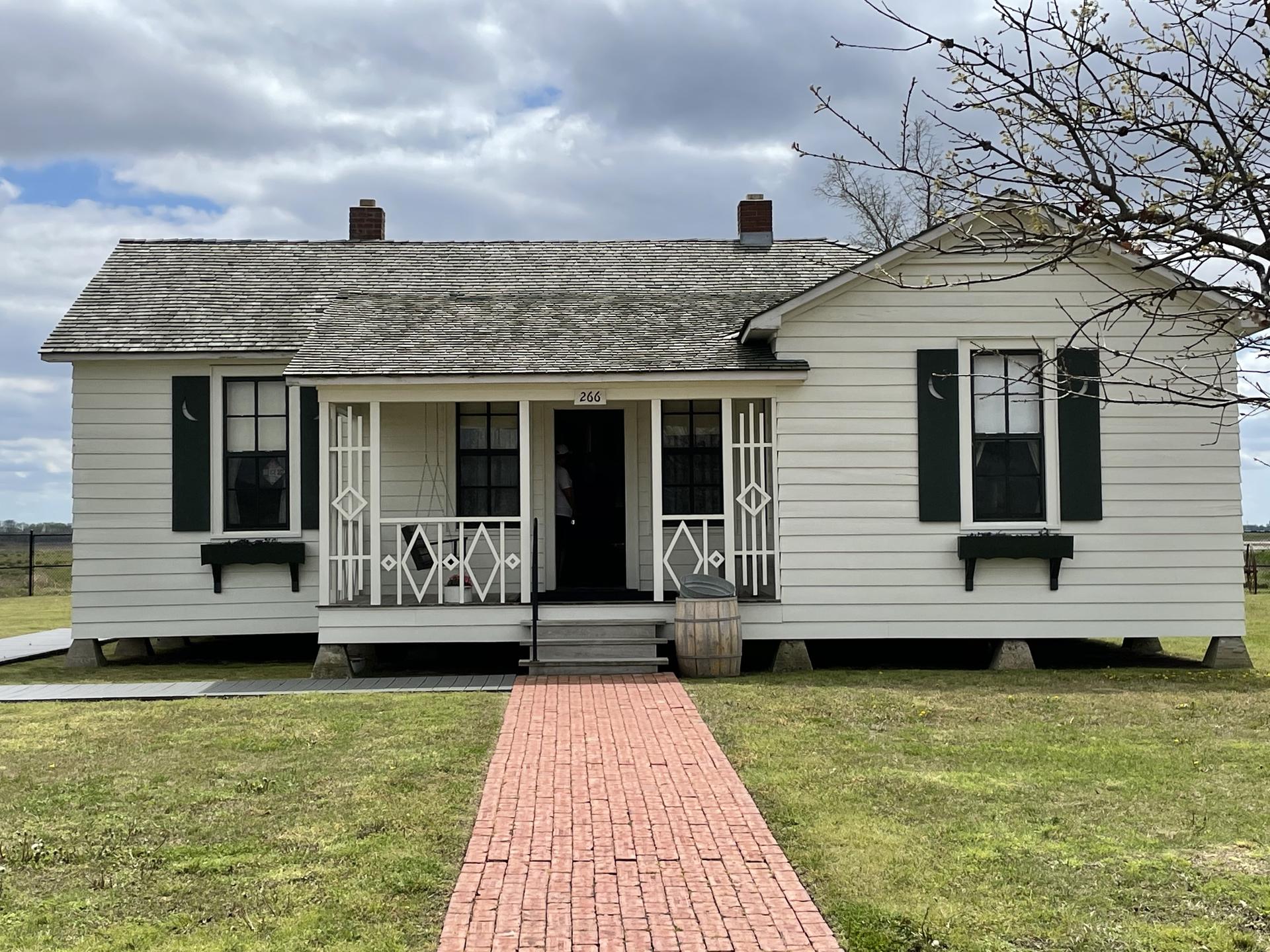
Looking beyond Parkin Archeological State Park? Discover Upper Delta for broader travel guides, local hot-spots, and regional highlights.
Explore Upper Delta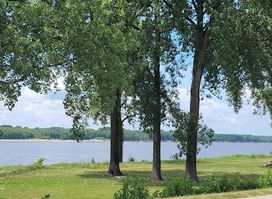
Explore Greenbelt Park, a tranquil urban oasis in Memphis, featuring scenic trails, lush greenery, and stunning views of the Mississippi River.

Discover the breathtaking views and vibrant atmosphere at Big River Crossing, a pedestrian bridge connecting Memphis and Arkansas over the majestic Mississippi River.