

Free Upper Delta Travel Guide & Mobile App
Explore Upper Delta with free travel guides. Discover regional history, expert tips, proposed trips, and audio guides on web or mobile app.


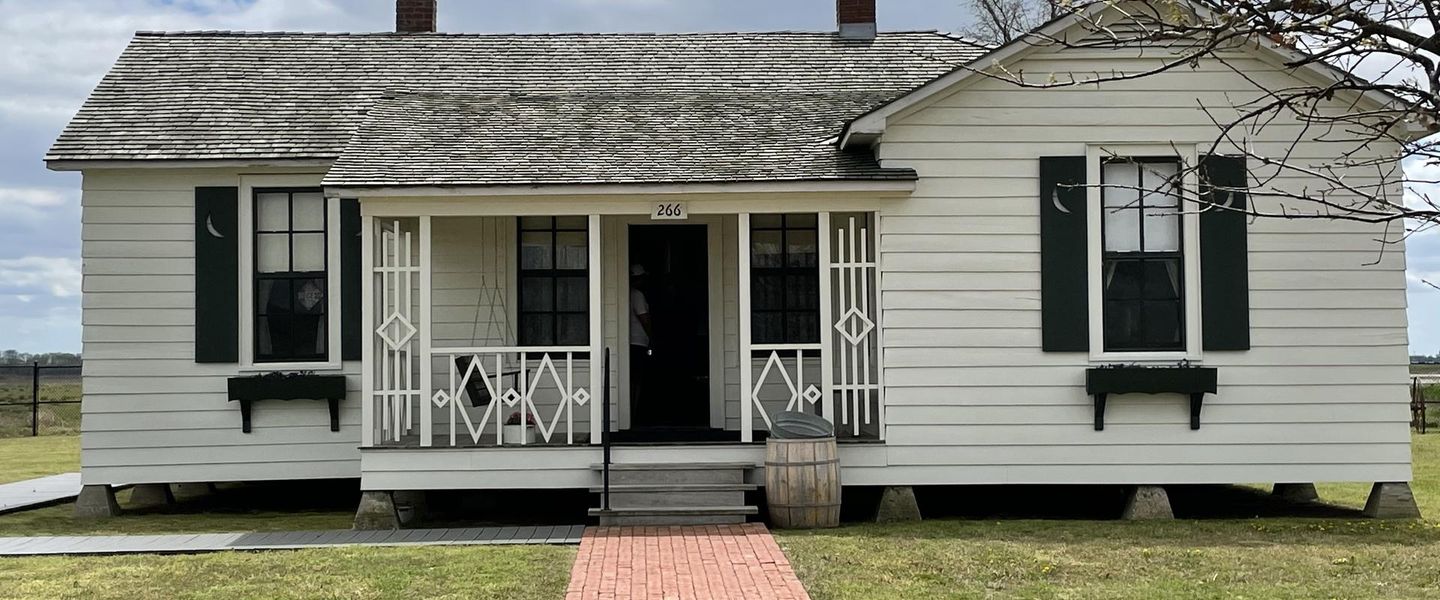


Explore Upper Delta Arkansas for rice fields, Crowley’s Ridge, archaeological parks, wildlife wetlands and the musical heritage of the Mississippi Valley.
Read more about Upper Delta
Getting to and around Upper Delta
How to get there
Transportation
Top city travel guides in Upper Delta
The cities of Upper Delta, and the easiest places to base yourself.

Swipe for more cities
Best attractions in Upper Delta
Upper Delta’s attractions are spread across an agricultural landscape rather than concentrated in one resort centre. Parkin Archaeological State Park interprets a major Mississippian settlement beside the St Francis River, while the Hampson Archeological Museum in Wilson presents artefacts from nearby Indigenous sites. The Dyess Colony and its associated museum reveal a New Deal resettlement project and the rural setting of Johnny Cash’s childhood. In Piggott, the Hemingway-Pfeiffer Museum and Educational Center explores the visits of Ernest Hemingway and the local Pfeiffer family’s role in the area’s cultural history. Big Lake Wildlife Management Area offers wetland scenery, birdwatching and seasonal outdoor recreation. Crowley’s Ridge brings woodland roads, overlooks and walking opportunities above the flat Delta plain. Jonesboro provides the region’s principal concentration of museums, arts programming, shopping and practical visitor services, while smaller towns offer historic streets, local cafés and agricultural context.
-
National park
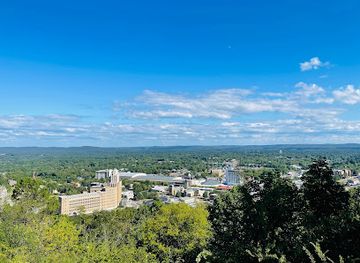
Hot Springs National Park
Experience the natural beauty and historical charm of Hot Springs National Park, where rejuvenating thermal springs and scenic trails await every adventurer.
-
Tourist attraction
Hot Springs Mountain Tower
Reach new heights at Hot Springs Mountain Tower for stunning 360° views of the Ouachita Mountains and Hot Springs National Park.
-
State park
Mammoth Spring State Park
Explore Arkansas's largest spring, historic train depot, and scenic river at Mammoth Spring State Park in the Ozark Mountains.
-
Park
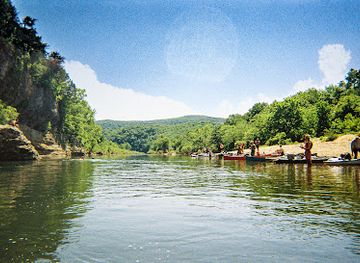
Buffalo National River
Discover the untamed beauty of America's first National River, where outdoor adventure and rich history converge in the heart of the Ozark Mountains.
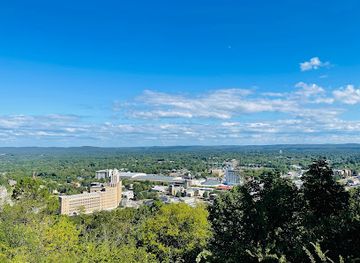
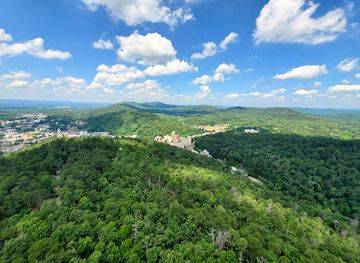
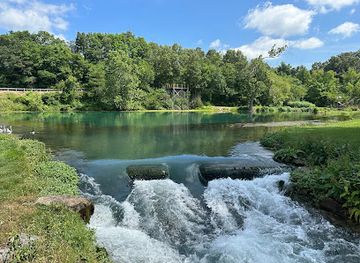
Best landmarks in Upper Delta
The most distinctive landmark in Upper Delta is the long, wooded form of Crowley’s Ridge, a natural elevation that interrupts the flatness of the Mississippi alluvial plain and has influenced settlement, roads and agriculture. Parkin Archaeological State Park’s reconstructed palisade and river setting mark the site of an important Mississippian community and give physical shape to a history otherwise preserved largely beneath the soil. The Dyess Colony’s surviving roads, houses and planned layout represent a rare example of New Deal rural resettlement. In Piggott, the Hemingway-Pfeiffer Museum occupies the former barn studio where Ernest Hemingway worked during visits to Arkansas. The Southern Tenant Farmers Museum in Tyronza is a significant landmark of agricultural labour history, while the rural wetlands of Big Lake provide a contrasting natural reference point. Historic courthouses, churches, railway buildings and commercial streets in towns across the region complete a landscape in which ordinary civic architecture is often as revealing as grand monuments.
-
Museum
Graceland
Explore the iconic Graceland, the home of Elvis Presley, and immerse yourself in the rich musical heritage of Memphis, Tennessee.
-
National park
Hot Springs National Park
Experience the therapeutic waters and historic charm of America's first national park, nestled in the heart of Hot Springs, Arkansas.
-
Heritage building
Graceland Mansion
Discover the magic of Graceland Mansion, the legendary home of Elvis Presley, and explore the rich legacy of the King of Rock 'n' Roll.
-
Casino
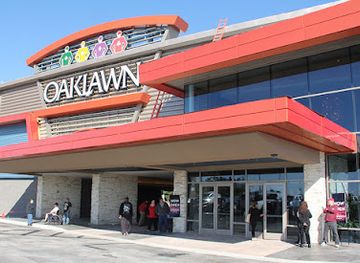
Oaklawn Racing Casino Resort
Experience the thrill of horse racing and casino gaming at Oaklawn Racing Casino Resort, a historic Hot Springs destination with luxury accommodations and entertainment.


Explore Upper Delta on the map
Plan your trip on one map. See where the top cities, national parks and sights are, and book hotels and experiences in a few clicks.
Best hotels in Upper Delta
Best restaurants in Upper Delta
Dining in Upper Delta reflects the region’s agricultural setting and its connections to the wider Southern food tradition. Fried catfish, barbecue, fried chicken, rice dishes, beans, greens, biscuits and seasonal vegetables are common themes, with local menus varying from town to town. Delta-style tamales, associated with the broader Mississippi Delta food culture, may appear at selected restaurants and food counters. Jonesboro has the widest range, including contemporary Southern cooking, international restaurants, cafés and familiar American dining, while smaller communities tend to centre on independent cafés, family restaurants and traditional buffets. Rural and riverside areas may offer catfish and other freshwater dishes, although menus are seasonal and businesses can have limited hours. Farmers’ markets and roadside stands, where operating, are useful for finding produce, baked goods and locally made preserves. Visitors should regard regional food as a blend of African American, Indigenous, Southern agricultural and modern influences rather than a single uniform cuisine.
-
Hamburger
Hugo's
Experience delicious burgers and vibrant ambiance at Hugo's in Fayetteville - where every meal is a celebration of American cuisine.
-
Italian
Ermilio's Italian Home Cooking
Experience authentic Italian cuisine at Ermilio's in Eureka Springs – where every dish feels like home.
-
Hamburger
Tacker's Shake Shack
Experience Tacker's Shake Shack in Marion - A charming diner serving mouthwatering burgers and irresistible desserts.
-
Restaurant
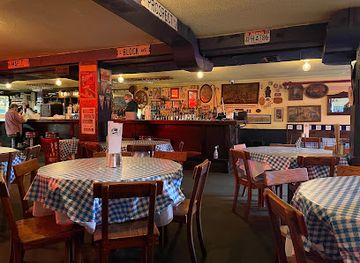
Fat Jacks
Discover the best of Hot Springs dining at Fat Jacks - a lively bar & grill offering delicious food and craft beers.

Best bars in Upper Delta
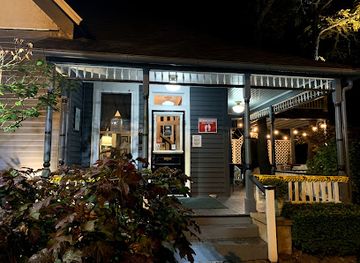
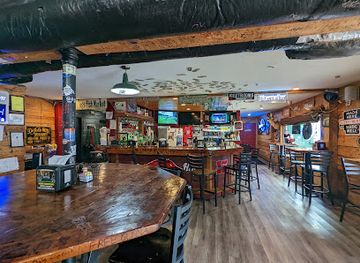
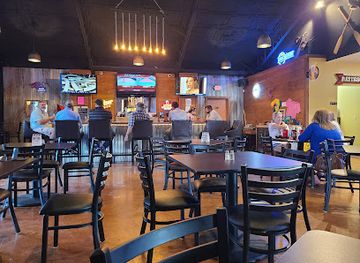
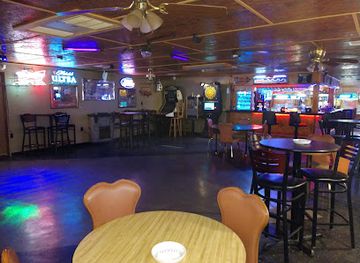
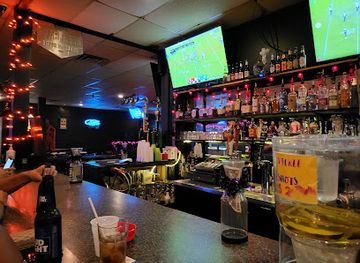
Evening life in Upper Delta is concentrated in Jonesboro and the larger towns, where visitors will find restaurants with bars, breweries, live-music spaces and a modest selection of cocktail or sports bars. Nightlife is generally social and local in character rather than built around a large club scene. Paragould, Blytheville, Piggott and other communities may offer historic pubs, casual bars and occasional live entertainment, but opening arrangements and venue status can change. In smaller Delta towns, the evening often centres more on food, conversation, church or community events than on late-night entertainment. The region’s musical heritage is best encountered through local performances and cultural programming when available, rather than by assuming a permanent blues or country circuit. Visitors should arrange transport in advance for rural evenings and never drive after drinking.
-
Bar
Flying Saucer Draught Emporium
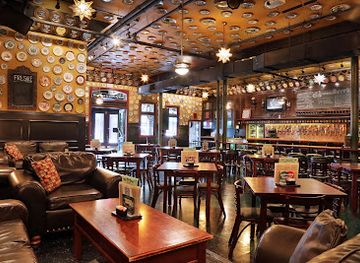
Discover a unique beer garden and American restaurant in Little Rock, offering a vast selection of brews and delicious pub fare.
-
Grill
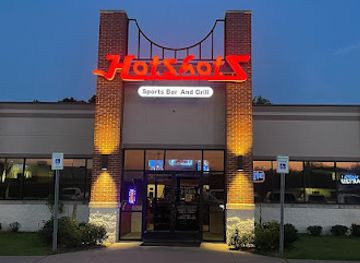
Hotshots Sports Bar & Grill
Discover the perfect blend of sports, grill delights, and a lively atmosphere at Hotshots Sports Bar & Grill in El Dorado, Arkansas.
-
Restaurant
JJ's Buffalo Bar and Grill LLC
Discover the taste of Harrison at JJ's Buffalo Bar and Grill, where delicious food meets a friendly atmosphere for an unforgettable dining experience.
-
Bar
Long Branch Bar
Discover the warmth of southern hospitality at Long Branch Bar in El Dorado, where great drinks and a friendly atmosphere await.
Best nightclubs in Upper Delta
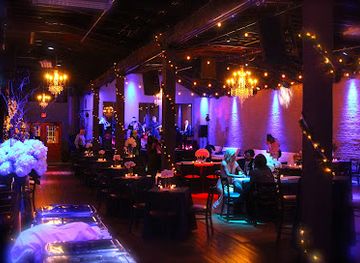
Evening life in Upper Delta is concentrated in Jonesboro and the larger towns, where visitors will find restaurants with bars, breweries, live-music spaces and a modest selection of cocktail or sports bars. Nightlife is generally social and local in character rather than built around a large club scene. Paragould, Blytheville, Piggott and other communities may offer historic pubs, casual bars and occasional live entertainment, but opening arrangements and venue status can change. In smaller Delta towns, the evening often centres more on food, conversation, church or community events than on late-night entertainment. The region’s musical heritage is best encountered through local performances and cultural programming when available, rather than by assuming a permanent blues or country circuit. Visitors should arrange transport in advance for rural evenings and never drive after drinking.
-
Event venue
Club 27
Discover the ultimate nightlife experience at Club 27, an event venue in Little Rock, perfect for dancing, celebrations, and unforgettable moments.
-
Night club
C4 Nightclub & Lounge
Discover the vibrant nightlife at C4 Nightclub & Lounge, Fayetteville's premier destination for dancing, drinks, and diverse entertainment.
-
Bar
The Roxx Club
Immerse yourself in the vibrant nightlife of Jacksonville at The Roxx Club, where karaoke and great food create unforgettable memories.
-
Night club
Electric Cowboy
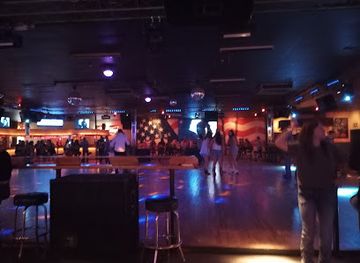
Experience the vibrant nightlife at Electric Cowboy, Little Rock's premier night club, where fun, music, and dancing come together in an electrifying atmosphere.

Best shops in Upper Delta
Shopping in Upper Delta is centred on practical town centres, independent businesses and regionally produced food rather than large luxury districts. Jonesboro has the broadest selection of national retailers, specialist shops, galleries and services, while Paragould, Blytheville, Piggott and smaller market towns retain independent boutiques, antique shops, bookshops and traditional high-street businesses. Farmers’ markets and seasonal produce stands can offer rice, vegetables, fruit, honey, preserves, baked goods and other products from the agricultural economy, though locations and dates vary. Craft shops and galleries may feature pottery, paintings, photography, woodwork and handmade gifts inspired by the Delta landscape. Heritage sites are useful places to look for books on Indigenous archaeology, agricultural history, regional music and local writers. Good souvenirs include locally made food products, art and books connected to Arkansas history, rather than generic items labelled as regional without a clear local connection.
-
Flea market
Junk-Shun Barn Flea Market
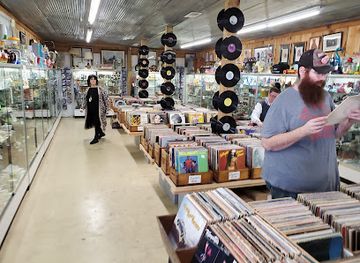
Explore Junk-Shun Barn Flea Market in Harrison, AR: A unique treasure trove of antiques, crafts, and vintage finds waiting for you.
-
Gift shop
Martin's
Explore Martin's in Hope, Arkansas: Your go-to gift shop for unique souvenirs, fashion, and cosmetics in a friendly, welcoming atmosphere.
-
Clothing store
The pottery shop
Explore The Pottery Shop in Clinton, Arkansas for unique clothing, accessories, and handcrafted gifts that celebrate local artistry and style.
-
Gift shop
Box Turtle
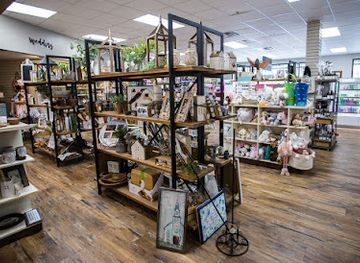
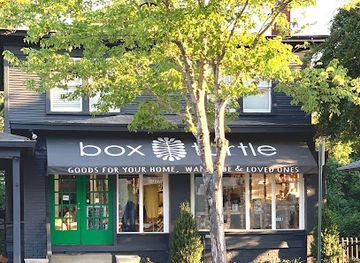
Discover unique gifts, handcrafted jewelry, and stylish women's clothing at Box Turtle, a charming boutique in Little Rock's Hillcrest neighborhood.

Get your free copy of our complete guide to Upper Delta, delivered straight to you.
Everything on this page, from attractions and restaurants to essentials and local phrases, in one PDF you can read offline, print or share.
Already have an account? Sign in
Your Upper Delta guide is ready.
We'll send it to · Not you? Sign out

Getting your guide ready…
We are putting together a fresh copy of the Upper Delta guide. This can take up to a minute.
This can take a few moments. If your browser asks, choose Allow so the download can start. You'll find the guide in your Downloads folder.
Nothing happened? Download it again
Sorry, the guide is taking longer than usual. Please try again in a minute, or get it by email instead.
Upper Delta essentials
Currency and Payment
Safety
Emergency Situations
Do's and Don'ts
Local Tips
From Eve
Local phrases worth knowing
You don't need to get them perfect. A few words go a long way, and locals appreciate the effort.
Basics
| English | Local | Say it |
|---|---|---|
| Hello | Howdy | [Ha-dee] |
| Goodbye | See ya later | [See ya lay-ter] |
| Yes | Yep | [Yep] |
| No | Nope | [Nope] |
| Please/You're welcome | Please/No problem | [Please/No prob-lem] |
| Thank you | Thank ya | [Thank ya] |
| Excuse me/Sorry | Excuse me/Sorry 'bout that | [Ex-cuze me/Sorry 'bout that] |
| How are you? | How ya doin'? | [How ya doin'?] |
| Fine. And you? | Good. And you? | [Good. An' you?] |
| Do you speak English? | Do ya speak English? | [Do ya speak English?] |
| I don't understand | I ain't gettin' it | [I ain't gettin' it] |
Eating & Drinking
| English | Local | Say it |
|---|---|---|
| I'd like to see the menu, please | Can I see the menu, please? | [Can I see the menu, please?] |
| I don't eat meat | I don’t eat no meat | [I don’t eat no meat] |
| Cheers! | Cheers! | [Cheers!] |
| I would like to pay, please | Can I pay now, please? | [Can I pay now, please?] |
Emergencies
| English | Local | Say it |
|---|---|---|
| Help! | Help! | [Help!] |
| Go away! | Get outta here! | [Get outta here!] |
| Call the Police! | Call the cops! | [Call the cops!] |
| Call a doctor! | Get a doctor! | [Get a doctor!] |
| I'm lost | I’m lost | [I’m lost] |
| I'm ill | I ain't feelin' good | [I ain't feelin' good] |
Shopping
| English | Local | Say it |
|---|---|---|
| I'd like to buy... | I wanna buy... | [I wanna buy...] |
| I'm just looking | Just lookin’ around | [Just lookin’ around] |
| How much is it? | How much is this? | [How much is this?] |
| That's too expensive | That’s too high | [That’s too high] |
| Can you lower the price? | Can ya bring the price down? | [Can ya bring the price down?] |
Time & Numbers
| English | Local | Say it |
|---|---|---|
| What time is it? | What time is it? | [What time is it?] |
| It's one o'clock | It’s one o’clock | [It’s one o’clock] |
| Half past (10) | Half past ten | [Half past ten] |
| Morning | Mornin' | [Mornin'] |
| Afternoon | Afternoon | [Afternoon] |
| Evening | Evenin' | [Evenin'] |
| Yesterday | Yesterday | [Yesterday] |
| Today | Today | [Today] |
| Tomorrow | Tomorrow | [Tomorrow] |
| 1 | One | [One] |
| 2 | Two | [Two] |
| 3 | Three | [Three] |
| 4 | Four | [Four] |
| 5 | Five | [Five] |
| 6 | Six | [Six] |
| 7 | Seven | [Seven] |
| 8 | Eight | [Eight] |
| 9 | Nine | [Nine] |
| 10 | Ten | [Ten] |
Transport & Directions
| English | Local | Say it |
|---|---|---|
| Where's a/the...? | Where's the...? | [Where's the...?] |
| What's the address? | What’s the address? | [What’s the address?] |
| Can you show me (on the map)? | Can ya show me on the map? | [Can ya show me on the map?] |
| When's the next (bus)? | When’s the next bus? | [When’s the next bus?] |
| A ticket (to ....) | A ticket to ... | [A ticket to ...] |
History of Upper Delta
Indigenous Mississippi Valley Cultures
Long before European settlement, the Upper Delta was occupied by Indigenous peoples who farmed, hunted, fished and traded across the Mississippi Valley. Parkin Archaeological State Park, on the St Francis River, preserves the remains of a substantial Mississippian-period settlement surrounded by a palisade. The archaeological record shows organised communities connected to wider networks of exchange and ceremony. Later historic associations include the Osage and Quapaw, although Indigenous history in the region extends across many communities and periods rather than belonging to a single group.
European Exploration and the Louisiana Purchase
European exploration and the incorporation of the region into French, Spanish and later United States spheres brought new political boundaries and patterns of land ownership to the Mississippi Valley. The United States acquired the wider Louisiana Territory in 1803, after which surveys and settlement expanded across what became eastern Arkansas. Much of the Delta remained difficult to access because of swamps, seasonal flooding and dense forest, but river navigation gradually connected it to the commercial centres of the Mississippi basin.
Steamboats, Cotton and River Commerce
During the nineteenth century, the Mississippi and St Francis river systems supported the movement of cotton, timber, supplies and people. Clearing land for plantations and farms transformed wetlands and forests, while enslaved African Americans performed much of the agricultural labour before emancipation. River commerce helped establish and enlarge towns, although floods and shifting channels repeatedly disrupted settlement. The resulting agricultural economy shaped land ownership, social structures and the built environment across the Upper Delta.
Railways and the Agricultural Frontier
Railway construction in the late nineteenth and early twentieth centuries reduced the region’s dependence on river transport and encouraged the growth of market towns. Rail lines carried crops to distant buyers and brought manufactured goods, migrants and new investment into communities such as Jonesboro, Blytheville and Piggott. Drainage, levee building and improved farm machinery gradually made more of the low-lying plain suitable for cultivation. These changes laid the foundation for the modern importance of rice, cotton and soybean farming.
New Deal Colonies and Rural Reform
The economic crisis of the 1930s exposed the insecurity of tenant farming and sharecropping across the Delta. The federal government established the Dyess Colony in Mississippi County as a resettlement project, providing farmsteads and support for families affected by the Depression. The colony’s surviving layout and museum interpret this experiment in planned rural development. The Southern Tenant Farmers Museum in Tyronza records a parallel history of agricultural organising and the struggles of tenant farmers for fairer treatment.
Mechanisation, Migration and Cultural Change
After the Second World War, mechanisation reduced the need for agricultural labour and accelerated migration from rural Delta communities to cities elsewhere in Arkansas, the United States and beyond. African American cultural traditions nevertheless continued to influence regional music, foodways, churches and community life. Radio, recording and touring circuits connected the area to country, blues and gospel traditions. The childhood home of Johnny Cash at Dyess reflects the movement of a rural family through this changing agricultural landscape.
Modern Agriculture and Wetland Conservation
Upper Delta agriculture remains highly productive, but the region has also developed a stronger emphasis on habitat protection, water management and interpretation of its archaeological heritage. Wildlife areas such as Big Lake conserve important wetlands within a landscape transformed by farming and drainage. Museums, state parks and historic sites increasingly present the region through multiple perspectives, including Indigenous history, African American experience, agricultural labour and environmental change. This blend of working countryside and public conservation defines much of the contemporary Upper Delta.
Upper Delta in Photos
Browse through our photo collection highlighting the charm and character of the destination.
Neighbouring regions of Upper Delta
The closest regions to Upper Delta, if you have time for more than one.
-

-

-

-

-
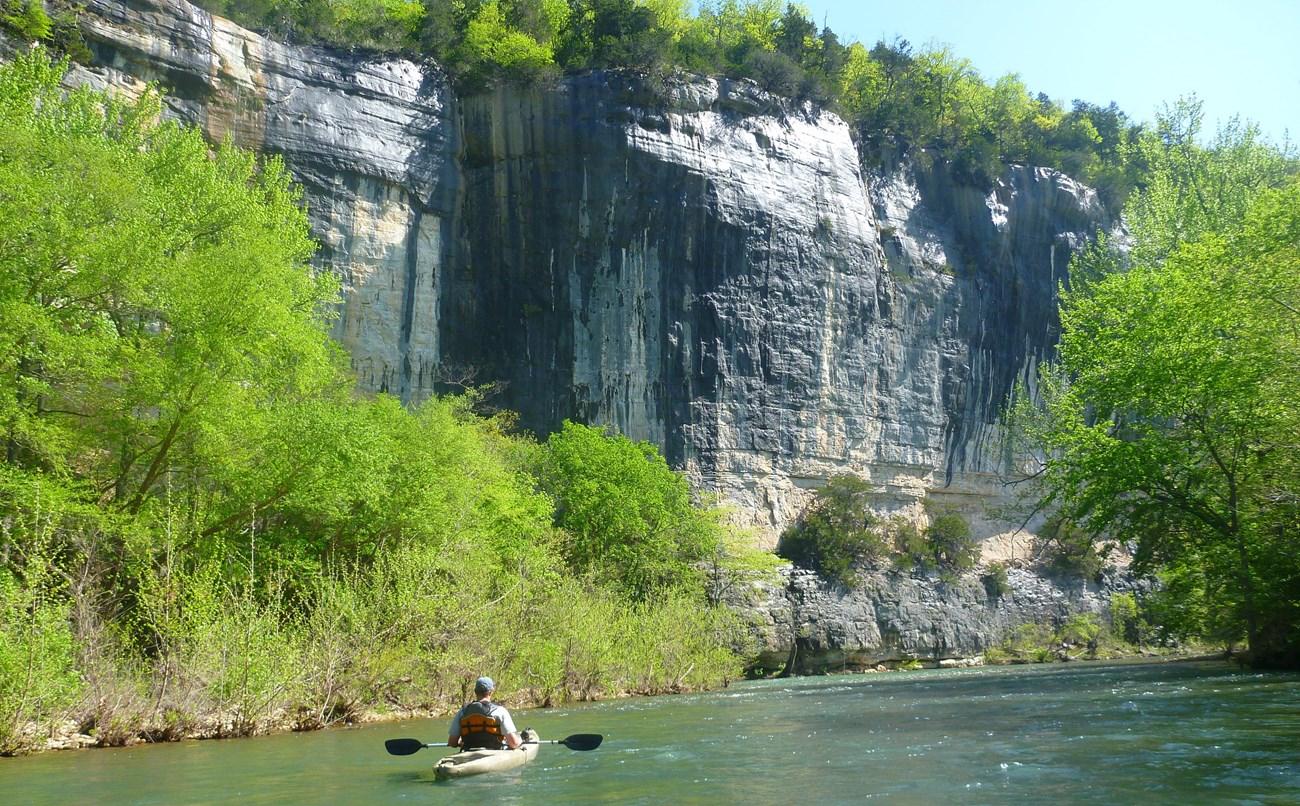 Ozark Mountains
Explore Arkansas's Ozark Mountains for limestone bluffs, clear rivers, forest trails, historic towns and enduring music traditions.


Swipe for more regions
Explore more

Explore more of Arkansas
Explore Arkansas: The Natural State with its stunning landscapes, rich history, and vibrant cultural experiences. Perfect for adventurers and culture seekers alike.
Explore Arkansas