

Andicuri Beach Travel Guide - Free Web & App
Your ultimate guide to Andicuri Beach. Discover top landmarks, proposed trips, and local tips. Free on the web or via the Evendo companion app.


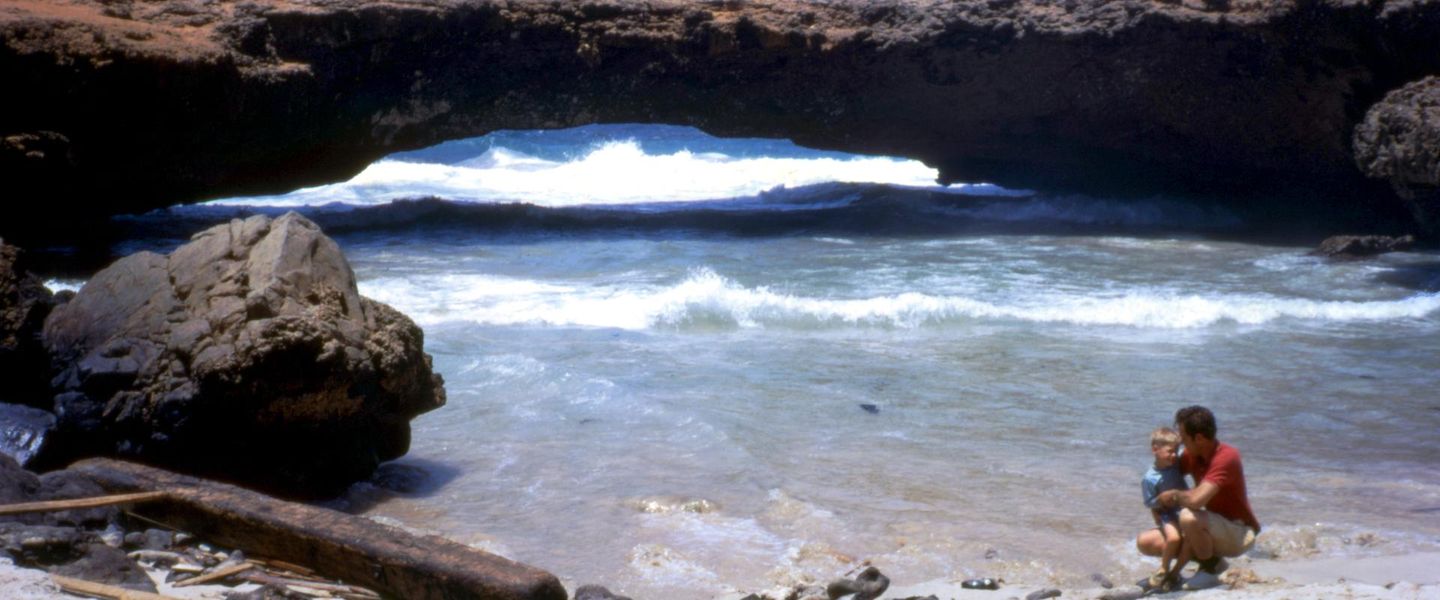


Andicuri Beach, Aruba offers rugged Atlantic scenery, surf, bodyboarding and quiet coastal adventure beyond the island’s busy western resorts.
A Wild Northeastern Shore
Andicuri Beach lies on Aruba’s exposed north-eastern coast, where the Caribbean island’s usually calm western character gives way to Atlantic surf, wind-shaped cliffs and a narrow crescent of pale sand. The beach is reached by rough, unpaved tracks rather than a developed coastal road, and its isolation is part of its appeal. There are no rows of sun loungers, waterfront restaurants or resort facilities here; visitors come for the open scenery, the sound of the surf and the sense of a coastline left largely to natural forces.Read more about Andicuri Beach
Surf, Rock and Aruban Landscape
Exploring the Area
When is the best time to visit Andicuri Beach?
Best: December–February · 30°C| Month | High (°C) | Rainfall (mm) |
|---|---|---|
| January (best) | 30 | 0 |
| February (best) | 30 | 0 |
| March | 31 | 0 |
| April | 31 | 0 |
| May | 32 | 0 |
| June | 32 | 0 |
| July | 32 | 0 |
| August | 32 | 0 |
| September | 32 | 0 |
| October | 31 | 0 |
| November | 31 | 0 |
| December (best) | 30 | 0 |
Getting to and around Andicuri Beach
How to get there
Transportation
Best attractions in Andicuri Beach
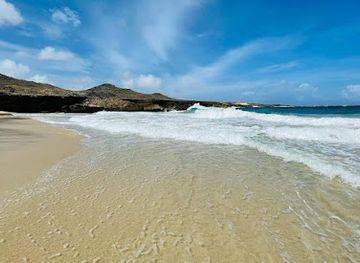
Andicuri Beach itself is the principal attraction: a small, rugged cove on Aruba’s Atlantic-facing north-east coast, framed by low limestone cliffs, weathered rock and dry thorny vegetation. Its waves make it known among bodyboarders and experienced surfers, although the exposed sea is not generally suited to casual swimming. The rough coastal tracks and surrounding open terrain offer a more elemental contrast to the developed beaches near Palm Beach and Eagle Beach. Visitors often combine Andicuri with nearby east-coast scenery, including Wariruri Beach and other remote coves, while the wider Arikok National Park landscape provides opportunities to see Aruba’s arid hills, cacti and protected natural habitats. The Natural Bridge site, although the original bridge collapsed in 2005, remains part of the island’s north-eastern coastal sightseeing area, but it should be treated as a separate nearby attraction rather than as part of Andicuri Beach itself.
-
Tourist attraction
Museo Historico Aruba
Explore Aruba's captivating history at Museo Historico Aruba, a treasure trove of culture housed in the island's oldest fort in Oranjestad.
-
Restaurant
On The Rocks
Experience delightful dining at On The Rocks in Noord, Aruba. A vibrant atmosphere, diverse menu, and excellent service await in The Cove Mall.
-
Winery
Alto Vista Winery & Distillery
Discover the essence of Aruba's wine culture at Alto Vista Winery & Distillery, where local flavors and beautiful landscapes come together.
-
Tour agency
AGW TOURS ARUBA
Discover the beauty of Aruba with AGW Tours, offering diverse excursions to experience the island's stunning landscapes and vibrant culture.


Best landmarks in Andicuri Beach
Andicuri’s defining landmark is its natural cove, where Atlantic surf meets pale sand, dark weathered rock and low limestone formations along Aruba’s windward shore. The surrounding cliffs and coastal shelves illustrate the island’s dry, erosion-shaped eastern landscape, while the exposed sea gives the site a character very different from the calm western beaches. Nearby Wariruri Beach provides another recognisable coastal setting, and the wider north-eastern route includes the site of Aruba’s former Natural Bridge, whose original limestone arch collapsed in 2005; the remaining coastal formations are a separate nearby landmark, not a feature of Andicuri itself. The arid vegetation around the beach, including cacti and thorn scrub, is also part of the landscape’s identity and reflects Aruba’s limited rainfall and strong maritime exposure.
-
Tourist attraction
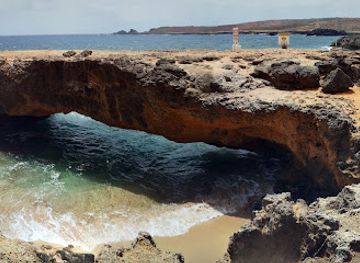
Natural Bridge Aruba
Explore the stunning Natural Bridge in Aruba, a breathtaking tourist attraction and historical landmark showcasing nature's artistry and rich cultural heritage.
-
Historical landmark
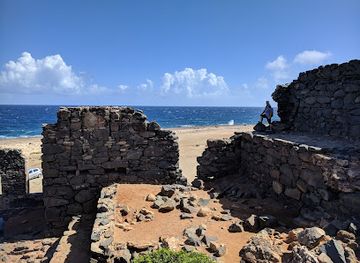
Bushiribana Ruins
Explore the historic Bushiribana Gold Mill Ruins on Aruba's north coast, a testament to the island's gold rush era and offering stunning ocean views.
-
Historical landmark
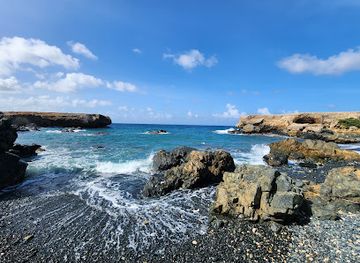
Blackstone beach
Discover the captivating beauty and rich history of Blackstone Beach, Aruba's only black rock beach, perfect for relaxation and exploration.
-
 Historical landmark
I LOVE ARUBA sign
Experience the vibrant spirit of Aruba at the iconic 'I LOVE ARUBA' sign – a beloved landmark perfect for capturing memories in paradise.
Explore Andicuri Beach on the map
Plan your trip on one map. See where the top attractions, landmarks, restaurants and hotels are, and book hotels and experiences in a few clicks.
Best hotels in Andicuri Beach
Best restaurants in Andicuri Beach
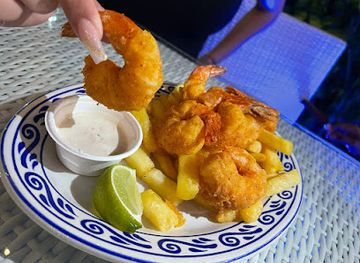
Andicuri Beach has no established restaurant, café, beach bar or food kiosk, so visitors should bring water and provisions from a settled part of Aruba and take all waste away again. Dining is concentrated in Oranjestad, Noord, Palm Beach and other developed areas rather than on the remote east coast. Around the island, menus commonly draw on Caribbean, Dutch and Latin American influences, with seafood, grilled meats, stews, fried snacks and keshi yena appearing alongside international dishes; local products such as Aruba’s distinctive papaya-based hot sauce may also feature. Small supermarkets, bakeries and takeaway counters in the northern settlements are useful for assembling a picnic before driving to the coast. Eating outdoors requires extra care in the heat, and food should not be left behind because it can attract animals and add pressure to a fragile environment.
-
Restaurant
MooMba Beach Bar & Restaurant
Discover delicious Caribbean cuisine at MooMba Beach Bar & Restaurant with stunning ocean views in beautiful Aruba.
-
Restaurant
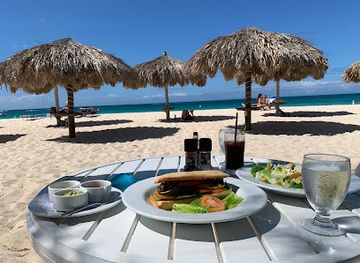
Passions On The Beach
Experience exquisite seafood dining with breathtaking ocean views at Passions On The Beach in Aruba.
-
Italian
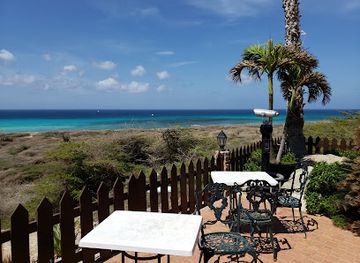
Faro Blanco Restaurant
Experience exquisite Italian cuisine with breathtaking views at Faro Blanco Restaurant in Aruba.
-
Restaurant
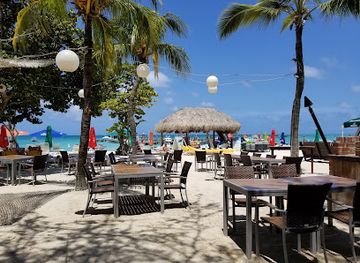
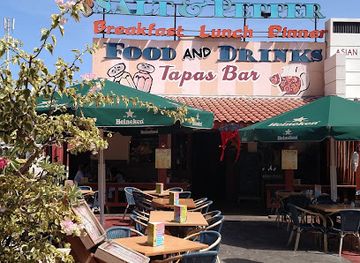
Salt and Pepper Tapas Bar & Restaurant
Experience the vibrant taste of Aruba at Salt and Pepper Tapas Bar & Restaurant - where every dish tells a story.
Best bars in Andicuri Beach
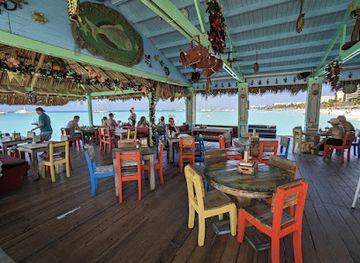
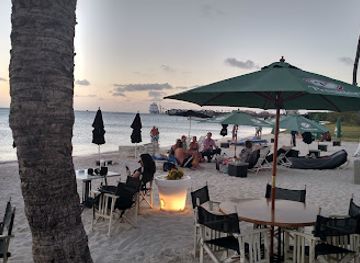
There is no nightlife infrastructure at Andicuri Beach, and the cove becomes a quiet, dark stretch of coast after sunset rather than an evening entertainment venue. Visitors seeking a drink, live music or late-night dining should return to the hotel areas around Palm Beach and Eagle Beach or to Oranjestad, where Aruba’s larger concentration of restaurants, bars and clubs is found. Northern settlements such as Noord provide additional hospitality options, but they remain outside the beach itself. Remote coastal visits are better suited to daytime photography, landscape observation and listening to the surf; driving unfamiliar tracks at night can be difficult because of poor lighting, uneven surfaces and limited roadside orientation.
-
Grill
Bugaloe
Discover Bugaloe, Aruba's vibrant seaside grill, offering delicious cuisine and stunning ocean views for an unforgettable dining experience.
-
Bar
Reflexions Beach Bar & Restaurant Aruba
Experience the vibrant fusion of beach relaxation and nightlife excitement at Reflexions Beach Bar & Restaurant in Aruba.
-
Bar
Surfside Beach Bar
Experience the vibrant atmosphere and breathtaking views at Surfside Beach Bar, Aruba's ultimate destination for relaxation and refreshment.
-
Grill
On The Rocks Cafe
Discover the vibrant flavors of Aruba at On The Rocks Cafe, where expertly grilled dishes and a lively atmosphere await your arrival.


Best nightclubs in Andicuri Beach
There is no nightlife infrastructure at Andicuri Beach, and the cove becomes a quiet, dark stretch of coast after sunset rather than an evening entertainment venue. Visitors seeking a drink, live music or late-night dining should return to the hotel areas around Palm Beach and Eagle Beach or to Oranjestad, where Aruba’s larger concentration of restaurants, bars and clubs is found. Northern settlements such as Noord provide additional hospitality options, but they remain outside the beach itself. Remote coastal visits are better suited to daytime photography, landscape observation and listening to the surf; driving unfamiliar tracks at night can be difficult because of poor lighting, uneven surfaces and limited roadside orientation.
-
Beach
Andicuri Beach
Discover the serene charm of Andicuri Beach in Aruba, where stunning landscapes and tranquil waters create the perfect retreat for relaxation and adventure.
-
Lounge
Ocean Lounge Aruba
Discover the vibrant nightlife at Ocean Lounge Aruba, where cocktails, music, and a lively atmosphere come together for an unforgettable experience.
-
Disco club
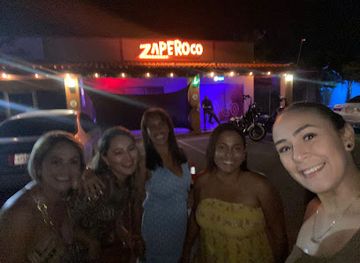
Zafarancho
Discover the vibrant nightlife of Aruba at Zafarancho Disco Club, where music and dance come alive in every beat.
-
Night club
A real 1
Dive into Aruba's nightlife at this vibrant Santa Cruz night club, where music, dance, and unforgettable experiences come alive.
Best shops in Andicuri Beach
There is no shopping at Andicuri Beach, so visitors should obtain water, snacks, fuel and any beach or outdoor equipment before taking the rough coastal tracks. The nearest substantial retail choices are in Aruba’s northern resort area, including Noord and the Palm Beach vicinity, while Oranjestad offers the island’s broadest concentration of shops, souvenirs, crafts and everyday services. Typical purchases associated with Aruba include local food products, island-themed art, ceramics, textiles, jewellery and souvenirs, though availability varies between individual businesses. Small supermarkets and convenience shops are more useful for a remote beach excursion than browsing for gifts, and visitors should avoid removing shells, stones, plants or other natural material from Andicuri’s coast as souvenirs.
-
Gift shop
Style Aruba .com (Appt. Only! Book Online Or Call)
Explore Style Aruba: Your destination for unique gifts, beachwear, and authentic local jewelry that captures the spirit of the island.
-
Clothing store
Melz Fashion
Explore Melz Fashion in Santa Cruz, Aruba, for the latest in stylish clothing and accessories that reflect the island's vibrant culture.
-
Souvenir store
I Love Aruba Store I
Explore the vibrant world of local artistry at I Love Aruba Store I, where unique souvenirs and stunning jewelry await every traveler.
-
Gift shop
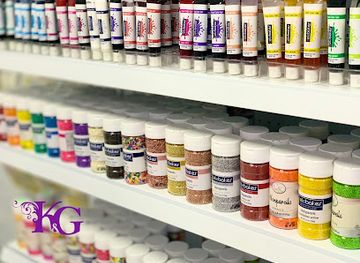
K&G Piedra Plat
Explore K&G Piedra Plat in Aruba for a unique shopping experience featuring art supplies, crafts, and distinctive gifts that capture the island's creative spirit.



Get your free copy of our complete guide to Andicuri Beach, delivered straight to you.
Everything on this page, from attractions and restaurants to essentials and local phrases, in one PDF you can read offline, print or share.
Already have an account? Sign in
Your Andicuri Beach guide is ready.
We'll send it to · Not you? Sign out

Getting your guide ready…
We are putting together a fresh copy of the Andicuri Beach guide. This can take up to a minute.
This can take a few moments. If your browser asks, choose Allow so the download can start. You'll find the guide in your Downloads folder.
Nothing happened? Download it again
Sorry, the guide is taking longer than usual. Please try again in a minute, or get it by email instead.
Andicuri Beach essentials
Currency and Payment
Safety
Emergency Situations
Do's and Don'ts
Local Tips
From Eve
Local phrases worth knowing
You don't need to get them perfect. A few words go a long way, and locals appreciate the effort.
Basics
| English | Local | Say it |
|---|---|---|
| Hello | Bon dia | [Bon dee-ah] |
| Goodbye | Ayo | [Ah-yo] |
| Yes | Si | [See] |
| No | No | [No] |
| Please/You're welcome | Por fabor | [Por fa-bor] |
| Thank you | Danki | [Dahn-kee] |
| Excuse me/Sorry | Pardon | [Par-don] |
| How are you? | Con ta bai? | [Kohn tah by] |
| Fine. And you? | Bon. Y bo? | [Bon. Ee bo] |
| Do you speak English? | Bo papia Ingles? | [Boh pah-pee-ah Een-glehs] |
| I don't understand | Mi no ta compronde | [Mee noh tah com-pron-deh] |
Eating & Drinking
| English | Local | Say it |
|---|---|---|
| I'd like to see the menu, please | Mi kier mira e menu, por fabor | [Mee kee-air mee-rah eh men-oo, por fa-bor] |
| I don't eat meat | Mi no ta come carne | [Mee noh tah koh-meh kar-neh] |
| Cheers! | Salud! | [Sah-lood] |
| I would like to pay, please | Mi kier paga, por fabor | [Mee kee-air pah-gah, por fa-bor] |
Emergencies
| English | Local | Say it |
|---|---|---|
| Help! | Yudami! | [Yoo-dah-mee] |
| Go away! | Bai bai! | [Bye bye] |
| Call the Police! | Yama polis! | [Yah-mah poh-lees] |
| Call a doctor! | Yama un dokter! | [Yah-mah oon dok-ter] |
| I'm lost | Mi ta perdi | [Mee tah pehr-dee] |
| I'm ill | Mi ta malu | [Mee tah mah-loo] |
Shopping
| English | Local | Say it |
|---|---|---|
| I'd like to buy... | Mi kier cumpra... | [Mee kee-air koom-prah] |
| I'm just looking | Mi ta so mira | [Mee tah soh mee-rah] |
| How much is it? | Con cu esaki ta? | [Kohn koo eh-sah-kee tah] |
| That's too expensive | Esaki ta muchu caro | [Eh-sah-kee tah moo-choo kah-ro] |
| Can you lower the price? | Bo por baha e prijs? | [Boh por bah-ha eh prees] |
Time & Numbers
| English | Local | Say it |
|---|---|---|
| What time is it? | Con hora ta? | [Kohn oh-rah tah] |
| It's one o'clock | Ta un ora | [Tah oon oh-rah] |
| Half past (10) | Mitad di dies | [Mee-tahd dee dees] |
| Morning | Madruga | [Mah-droo-gah] |
| Afternoon | Atardi | [Ah-tar-dee] |
| Evening | Anochi | [Ah-noh-chee] |
| Yesterday | Ayer | [Ah-yer] |
| Today | Awe | [Ah-weh] |
| Tomorrow | Mañana | [Mah-nyah-nah] |
| 1 | Uno | [Oo-no] |
| 2 | Dos | [Dohs] |
| 3 | Tres | [Tres] |
| 4 | Cuatro | [Kwah-troh] |
| 5 | Cinco | [Seen-koh] |
| 6 | Seis | [Says] |
| 7 | Siete | [See-eh-teh] |
| 8 | Ocho | [Oh-choh] |
| 9 | Nueve | [Nweh-veh] |
| 10 | Diez | [Dee-ehs] |
Transport & Directions
| English | Local | Say it |
|---|---|---|
| Where's a/the...? | Unda ta e...? | [Oon-dah tah eh] |
| What's the address? | Con e adres ta? | [Kohn eh ah-dres tah] |
| Can you show me (on the map)? | Bo por mustra mi (riba e mapa)? | [Boh por moos-trah mee (ree-bah eh mah-pah)] |
| When's the next (bus)? | Conor ta e siguiente (bus)? | [Kohn-ohr tah eh see-gwee-en-teh (boos)] |
| A ticket (to ....) | Un boleto (pa ....) | [Oon boh-leh-toh (pah)] |
History of Andicuri Beach
An Arid Island Formed by Sea and Stone
Andicuri’s setting belongs to the geological character of eastern Aruba, where limestone terraces, coastal rock and long exposure to wind and Atlantic swell have shaped a rugged shoreline. Aruba’s dry climate has favoured thorn scrub, columnar cacti and other drought-tolerant vegetation rather than dense forest. At Andicuri, erosion has worked on the coast to create a small sandy cove between harder rock surfaces. These natural processes are geological and environmental developments rather than events in human history, but they explain why the beach looks markedly different from Aruba’s sheltered, resort-oriented west coast.
Indigenous Settlement and Island Traditions
Long before European colonisation, Aruba was inhabited by Indigenous peoples associated with the Caquetío culture, whose presence is recorded through archaeological remains and rock art elsewhere on the island. The dry interior and eastern coast supported a way of life closely adapted to limited freshwater and seasonal resources. Although Andicuri is not a major built heritage site, its surrounding landscape forms part of the wider eastern Aruba environment in which Indigenous movement, fishing and resource gathering took place. Visitors should not assume that every cave, rock surface or coastal feature is open for exploration, as archaeological and natural sites require protection.
Colonial Change and Coastal Use
Spanish colonisation in the sixteenth century was followed by Dutch control and successive periods in which Aruba’s economy depended on pastoralism, aloe cultivation, small-scale agriculture, fishing, salt and mineral extraction. Much of the island’s historic development was concentrated around settlements, harbours and industrial sites rather than remote coves such as Andicuri. The eastern shore nevertheless remained part of the island’s working landscape, used for travel, fishing and the movement of people between isolated coastal areas. Its lack of substantial permanent construction has helped preserve the impression of an undeveloped Atlantic coast.
Conservation and Outdoor Recreation
Modern Aruba has increasingly treated its dry landscapes, caves, beaches and eastern coastline as environments requiring responsible management as well as visitor access. Arikok National Park protects a large area of the island’s rugged interior and east, although the precise relationship between individual coastal sites and park boundaries should be checked locally. Andicuri became known primarily through informal recreation, photography and bodyboarding rather than intensive resort development. Its contemporary character reflects the continuing balance between access by vehicles and adventure visitors, protection of fragile arid habitats, and the need to keep remote beaches free from litter and uncontrolled development.
Andicuri Beach in Photos
Browse through our photo collection highlighting the charm and character of the destination.
Cities in Andicuri Beach
The towns and cities of Andicuri Beach, and the easiest places to base yourself.
-

-

-

-

-

-


Swipe for more cities
Neighbouring destination travel guides
The closest destinations to Andicuri Beach, if you have time for more than one.
-

-

-

-
-


Swipe for more destinations
Explore more

Explore more of Aruba
Discover Aruba, the Caribbean's sun-drenched paradise with pristine beaches, rich culture, and warm hospitality. Your perfect getaway awaits on this happy island.
Explore Aruba