

Free Pos Chiquito Travel Guide & Mobile App
Plan your Pos Chiquito trip with Evendo. Get free guides to top attractions, restaurants, hotels, and bars. Web access or download the mobile app.


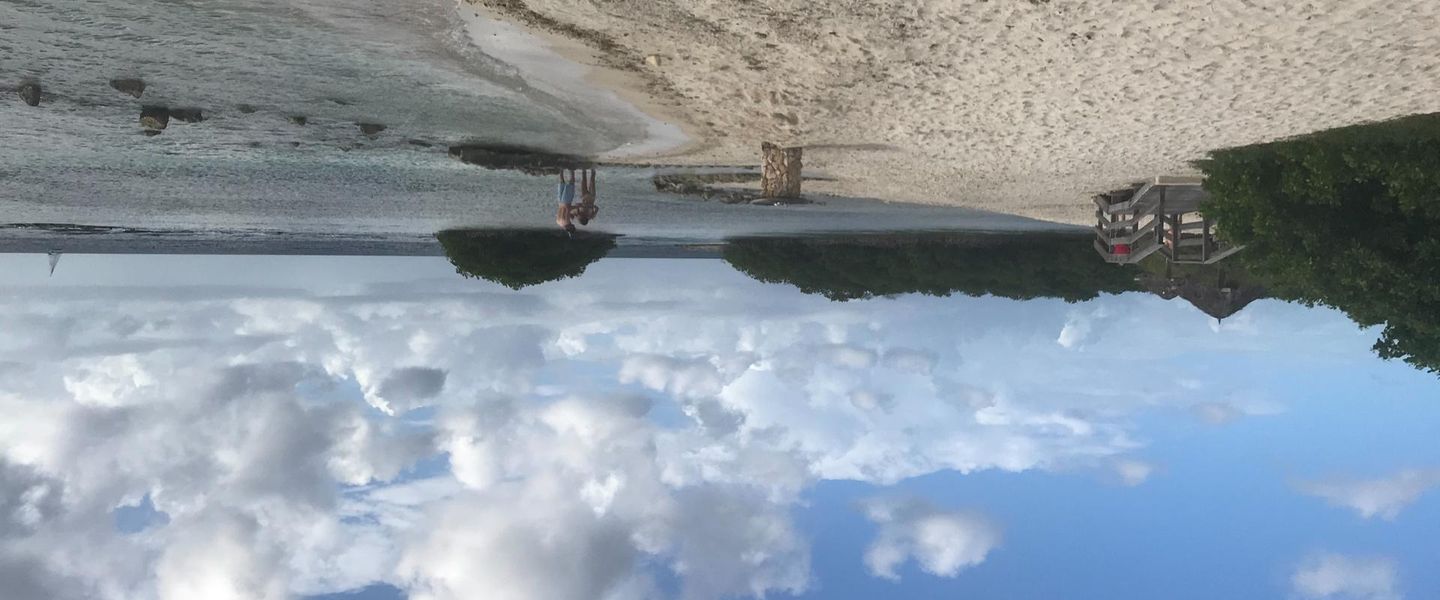


Pos Chiquito, Aruba, pairs Mangel Halto’s calm waters with mangrove lagoons, coastal walks, marine life and easy access to southern island culture and history.
Coastal Setting
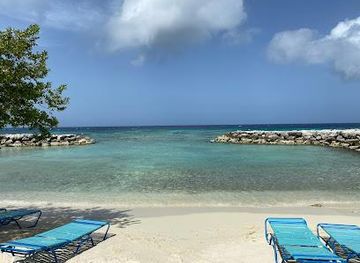
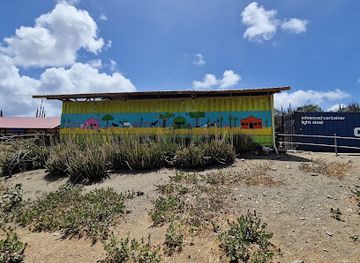
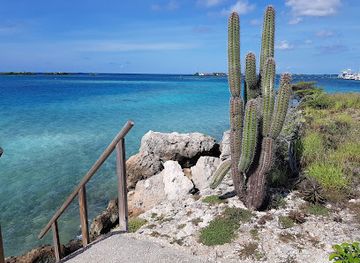
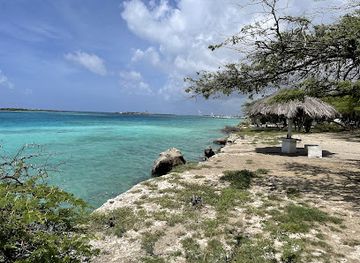
Pos Chiquito lies on Aruba’s quieter south-eastern coast, between the village of Savaneta and the former refinery area of San Nicolas. The settlement is best understood as a residential coastal district rather than a conventional resort town, with low-rise homes, dry island vegetation and broad views across the Caribbean Sea. Its principal visitor draw is Mangel Halto, where a sheltered shoreline, mangrove-fringed channels and shallow turquoise water create conditions suited to swimming, snorkelling and paddle-based activities when sea conditions permit.Read more about Pos Chiquito
Mangroves and Marine Life
Southern Aruba
When is the best time to visit Pos Chiquito?
Best: December–February · 31°C| Month | High (°C) | Rainfall (mm) |
|---|---|---|
| January (best) | 31 | 0 |
| February (best) | 31 | 0 |
| March | 31 | 0 |
| April | 32 | 0 |
| May | 32 | 0 |
| June | 32 | 0 |
| July | 32 | 0 |
| August | 32 | 0 |
| September | 32 | 0 |
| October | 32 | 0 |
| November | 32 | 0 |
| December (best) | 31 | 0 |
Getting to and around Pos Chiquito
How to get there
Transportation
Best attractions in Pos Chiquito
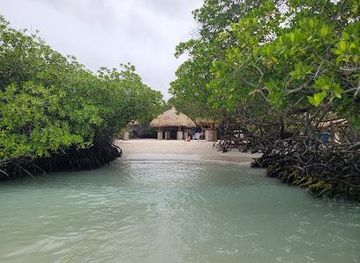
Mangel Halto is Pos Chiquito’s principal attraction, combining a sheltered shoreline with mangrove channels, shallow water and access to Aruba’s southern reef environment. It is associated with swimming, snorkelling, kayaking and paddle-based excursions, although conditions vary with wind and currents. The nearby Spanish Lagoon adds a quieter natural setting where mangrove vegetation and coastal habitats can be observed. Visitors seeking a broader sense of place can follow the coast towards Savaneta, one of Aruba’s oldest settled areas, or continue south to San Nicolas, known for large-scale murals and cultural venues. Pos Chiquito itself has no dense cluster of museums or monuments; its appeal lies in the contrast between low-rise neighbourhood life, open sea and accessible nature. The district also provides a convenient starting point for exploring Aruba beyond the island’s heavily developed western beaches, with short drives linking it to fishing communities, rocky shoreline and the industrial history of the south.
-
Tourist attraction
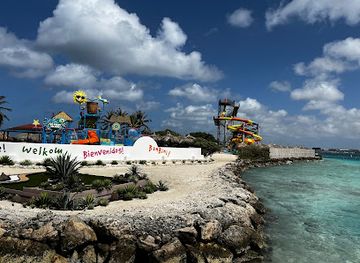
De Palm Island
Experience the ultimate tropical escape at De Palm Island, Aruba's premier destination for fun, relaxation, and adventure in paradise.
7 min drive · 2.4 km from city centre
-
Wildlife rescue service
Donkey Sanctuary Aruba
Visit the Donkey Sanctuary Aruba: a loving home for rescued donkeys, offering unique experiences and supporting animal welfare on the island.
8 min drive · 2.8 km from city centre
-
Tourist attraction
Mangel Halto beach
Discover Mangel Halto, Aruba: A serene snorkeling and diving haven with calm waters, vibrant marine life, and picturesque mangroves.
10 min walk · 0.8 km from city centre
-
Island
Palm Island
Discover Aruba's ultimate all-inclusive private island: endless activities, stunning beaches, and unforgettable flamingo encounters!
8 min drive · 2.7 km from city centre


Best landmarks in Pos Chiquito
Pos Chiquito’s most significant landmarks are environmental and coastal rather than monumental. Mangel Halto’s mangrove edge and sheltered channels form a recognisable natural feature, illustrating the relationship between Aruba’s dry land, tidal water and offshore reef. The nearby Spanish Lagoon is another important element of the southern landscape, with ecological value rather than formal architecture. In the wider local area, Savaneta’s old village setting represents Aruba’s long association with fishing and coastal settlement, while the Balashi Gold Mill Ruins, farther along the southern road, recall the island’s nineteenth-century gold-mining period. San Nicolas contributes a different layer of identity through its industrial-era townscape and large public murals. These places help explain the region’s development from indigenous and fishing landscapes to mining, oil and modern tourism without suggesting that Pos Chiquito was itself a historic capital or monumental centre.
-
Tourist attraction
De Palm Island
Discover De Palm Island, Aruba's premier water park and tropical haven, where adventure meets relaxation in a stunning island setting.
7 min drive · 2.4 km from city centre
-
Wildlife rescue service
Donkey Sanctuary Aruba
Discover the charm of Donkey Sanctuary Aruba, a tranquil refuge for rescued donkeys and a unique nature experience for animal lovers.
8 min drive · 2.8 km from city centre
-
Restaurant
Marina Pirata Restaurant
Experience the authentic flavors of Aruba at Marina Pirata Restaurant, where fresh seafood meets stunning ocean views in a vibrant Caribbean atmosphere.
5 min drive · 1.5 km from city centre
-
Park
Pos Chiquito Beach Park
Discover the tranquil beauty of Pos Chiquito Beach Park in Savaneta, Aruba, where stunning beaches meet a serene atmosphere for relaxation and adventure.
11 min walk · 0.9 km from city centre
Explore Pos Chiquito on the map
Plan your Pos Chiquito trip on one map. See where the top attractions, landmarks, restaurants, bars and hotels are, find what's near where you're staying, and book hotels and experiences in a few clicks.
Best hotels in Pos Chiquito
Best restaurants in Pos Chiquito
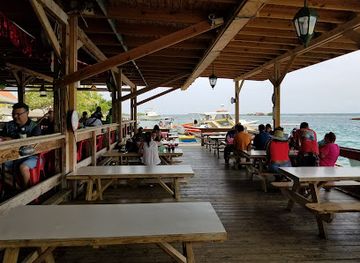
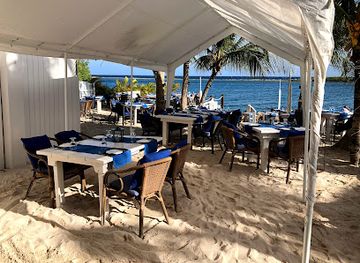
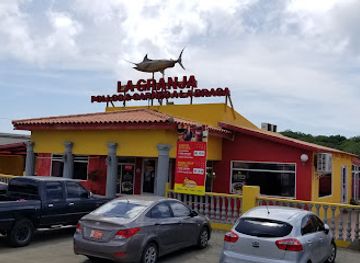
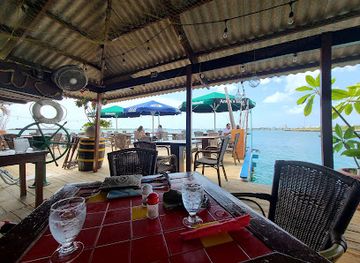
Pos Chiquito has a modest, locally oriented dining scene rather than a concentrated restaurant quarter. Its position beside Savaneta places visitors close to one of Aruba’s strongest seafood traditions, with menus commonly shaped by fresh fish, shrimp and other Caribbean ingredients alongside Dutch, Latin American and international influences. Casual local eateries and family-run restaurants are more characteristic of the southern coast than formal gastronomy, while supermarkets and small shops can supply provisions for self-catering accommodation. Savaneta is particularly useful for meals with a coastal, village atmosphere, and San Nicolas adds further choices as well as access to Aruban food culture. Dutch-influenced snacks, island stews, grilled seafood and pastechi, a filled savoury pastry popular across Aruba, may appear alongside familiar international dishes. Opening days and payment methods vary, so smaller establishments should be approached with flexible expectations.
-
Seafood
Zeerover
Experience fresh seafood with stunning views at Zeerover in Savaneta, Aruba - where local culture meets culinary delight.
8 min drive · 2.7 km from city centre
-
Seafood
Flying Fishbone
Discover an exquisite seafood dining experience at Flying Fishbone in Savaneta, where fresh flavors meet breathtaking ocean views.
9 min drive · 3.0 km from city centre
-
Peruvian
La Granja Savaneta
Discover authentic Peruvian flavors at La Granja Savaneta in Aruba - where every dish tells a story.
13 min walk · 1.0 km from city centre
-
Restaurant
Marina Pirata Restaurant
Experience authentic Aruban cuisine with breathtaking sea views at Marina Pirata Restaurant in Savaneta.
5 min drive · 1.5 km from city centre
Best bars in Pos Chiquito
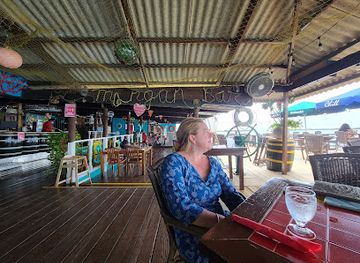
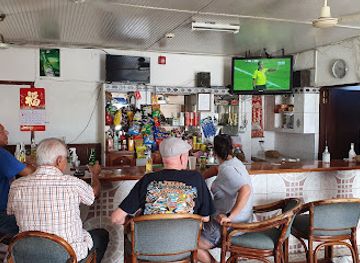
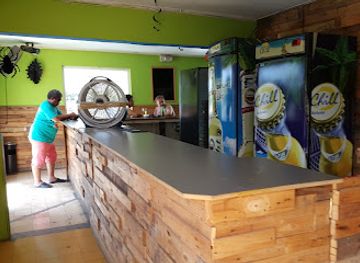
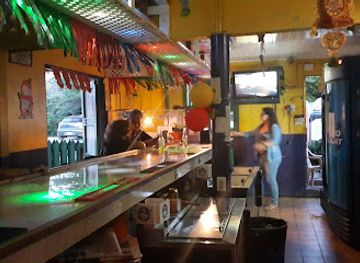
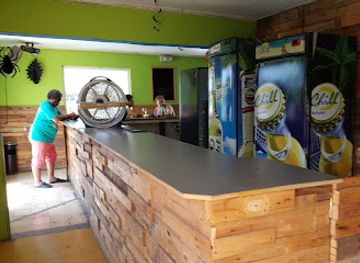
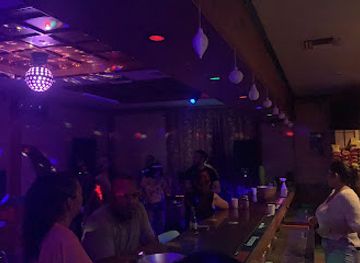
Evenings in Pos Chiquito are generally quiet, reflecting its residential character and the darkness of the southern shoreline rather than a dedicated nightlife district. Social life is more likely to centre on relaxed restaurants, small bars and informal drinks near Savaneta than on large nightclubs. Visitors wanting live entertainment, late-night venues or a wider choice of cocktail bars usually travel towards Oranjestad or the hotel areas of Palm Beach, where the island’s organised evening scene is concentrated. San Nicolas offers a more local and cultural alternative, particularly around its public art and community events, though programming changes. Beachfront locations can be atmospheric at sunset, but illumination and services are limited outside established businesses. Arrange transport before drinking, as distances between southern neighbourhoods and the main entertainment zones make an improvised late-night return inconvenient.
-
Restaurant
Marina Pirata Restaurant
Experience the flavors of Aruba at Marina Pirata Restaurant, a waterfront dining haven offering fresh seafood and local specialties.
5 min drive · 1.5 km from city centre
-
Bar
Mangel Halto Bar
Discover the laid-back charm of Mangel Halto Bar in Aruba, where refreshing cocktails and stunning sea views await you.
9 min walk · 0.7 km from city centre
-
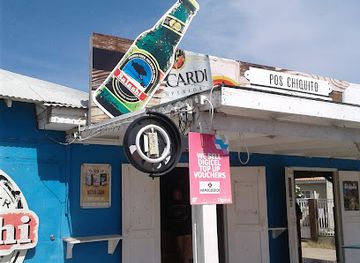
Bar
Rum Shop Pos Chiquito
Discover the lively spirit of Aruba at Rum Shop Pos Chiquito, where local rums and warm hospitality await every visitor.
4 min walk · 0.3 km from city centre
-
Bar
Young Fellow Bar and Restaurant
Experience the vibrant atmosphere and delicious food at Young Fellow Bar and Restaurant in Oranjestad, Aruba - a must-visit for every traveler.
9 min drive · 3.1 km from city centre
Best nightclubs in Pos Chiquito
Evenings in Pos Chiquito are generally quiet, reflecting its residential character and the darkness of the southern shoreline rather than a dedicated nightlife district. Social life is more likely to centre on relaxed restaurants, small bars and informal drinks near Savaneta than on large nightclubs. Visitors wanting live entertainment, late-night venues or a wider choice of cocktail bars usually travel towards Oranjestad or the hotel areas of Palm Beach, where the island’s organised evening scene is concentrated. San Nicolas offers a more local and cultural alternative, particularly around its public art and community events, though programming changes. Beachfront locations can be atmospheric at sunset, but illumination and services are limited outside established businesses. Arrange transport before drinking, as distances between southern neighbourhoods and the main entertainment zones make an improvised late-night return inconvenient.
-
Bar
Mangel Halto Bar
Experience the vibrant atmosphere and stunning views at Mangel Halto Bar in Savaneta, Aruba - a local favorite for refreshing drinks and relaxation.
9 min walk · 0.7 km from city centre
-
Restaurant
Aruba Nautical Club
Discover the perfect blend of fresh seafood and stunning marina views at Aruba Nautical Club, a top dining experience in Oranjestad, Aruba.
5 min drive · 1.8 km from city centre
-
Bar
Rum Shop Pos Chiquito
Experience the lively atmosphere and rich rum selections at Rum Shop Pos Chiquito, a local gem in Savaneta, Aruba.
4 min walk · 0.3 km from city centre
-
Chinese
Tio Pepe Bar & Restaurant
Experience authentic Chinese cuisine at Tio Pepe Bar & Restaurant, a vibrant dining spot in Aruba offering flavors that delight and satisfy.
13 min walk · 1.0 km from city centre

Best shops in Pos Chiquito
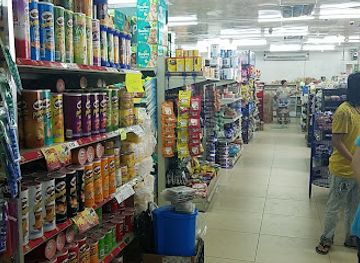
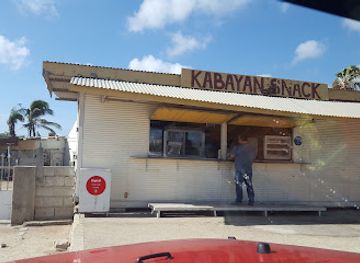
Shopping in Pos Chiquito is mainly practical and neighbourhood-based, with no major pedestrian retail district or large market complex. Small shops and supermarkets in the southern settlements are useful for drinks, picnic supplies and everyday necessities, while Savaneta and San Nicolas provide a broader selection of local businesses. Oranjestad is the island’s principal destination for concentrated shopping, including jewellery, international brands, souvenirs and the central market area. Travellers interested in distinctive purchases can look for Aruban food products, locally made crafts, island-themed art and small gifts rather than assuming that every souvenir reflects local production. San Nicolas’s cultural scene also connects shopping with public art and creative activity, although individual studios, stalls and opening arrangements vary. Bargaining is not a general expectation in established shops, and visitors should distinguish imported goods from genuinely Aruban products when choosing crafts or food items.
-
Supermarket
Rey Hing Foodcenter NV
Explore local flavors and everyday essentials at Rey Hing Foodcenter, a vibrant supermarket in Aruba's Pos Chiquito.
3 min walk · 0.3 km from city centre
-
Bar
Rum Shop Pos Chiquito
Experience the essence of Caribbean culture at Rum Shop Pos Chiquito, your go-to bar for local rums and vibrant atmosphere in Aruba.
4 min walk · 0.3 km from city centre
-
Chinese supermarket
Kam Man Supermarket
Discover the essence of Asian cuisine at Kam Man Supermarket, where authentic flavors and diverse groceries await in Savaneta, Aruba.
10 min walk · 0.8 km from city centre
-
Supermarket
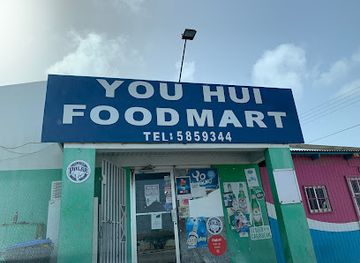
You Hui Foodmart
Explore local flavors at You Hui Foodmart, Savaneta's vibrant supermarket offering fresh produce and authentic Aruban ingredients for every culinary adventure.
9 min walk · 0.7 km from city centre
Get your free copy of our complete guide to Pos Chiquito, delivered straight to you.
Everything on this page, from attractions and restaurants to essentials and local phrases, in one PDF you can read offline, print or share.
Already have an account? Sign in
Your Pos Chiquito guide is ready.
We'll send it to · Not you? Sign out

Getting your guide ready…
We are putting together a fresh copy of the Pos Chiquito guide. This can take up to a minute.
This can take a few moments. If your browser asks, choose Allow so the download can start. You'll find the guide in your Downloads folder.
Nothing happened? Download it again
Sorry, the guide is taking longer than usual. Please try again in a minute, or get it by email instead.
Pos Chiquito essentials
Currency and Payment
Safety
Emergency Situations
Do's and Don'ts
Local Tips
From Eve
Local phrases worth knowing
You don't need to get them perfect. A few words go a long way, and locals appreciate the effort.
Basics
| English | Local | Say it |
|---|---|---|
| Hello | Bon dia | [bon dee-ah] |
| Goodbye | Ayo | [ah-yo] |
| Yes | Si | [see] |
| No | No | [no] |
| Please/You're welcome | Por fabor | [por fah-bor] |
| Thank you | Danki | [dahn-kee] |
| Excuse me/Sorry | Pardon | [par-don] |
| How are you? | Con ta bai? | [kon ta by] |
| Fine. And you? | Bon. I bu? | [bon. ee boo] |
| Do you speak English? | Bo ta papia Ingles? | [bo ta pa-pee-ah een-gles] |
| I don't understand | Mi no ta compronde | [mee no ta kom-pron-de] |
Eating & Drinking
| English | Local | Say it |
|---|---|---|
| I'd like to see the menu, please | Mi kier mira e menu, por fabor | [mee kee-air mee-rah eh meh-no, por fah-bor] |
| I don't eat meat | Mi no ta come carni | [mee no ta ko-meh kar-nee] |
| Cheers! | Salud! | [sah-lood] |
| I would like to pay, please | Mi kier paga, por fabor | [mee kee-air pah-gah, por fah-bor] |
Emergencies
| English | Local | Say it |
|---|---|---|
| Help! | Yudami! | [you-dah-mee] |
| Go away! | Bai for di mi! | [by for dee mee] |
| Call the Police! | Yama polis! | [yah-mah poh-lees] |
| Call a doctor! | Yama un dokter! | [yah-mah oon dok-ter] |
| I'm lost | Mi ta perdi | [mee tah pehr-dee] |
| I'm ill | Mi tin malu | [mee teen mah-loo] |
Shopping
| English | Local | Say it |
|---|---|---|
| I'd like to buy... | Mi kier cumpra... | [mee kee-air koom-prah] |
| I'm just looking | Mi ta solamente mira | [mee tah soh-lah-men-teh mee-rah] |
| How much is it? | Kuant' ta costa esaki? | [kwan-tah tah koh-stah eh-sah-kee] |
| That's too expensive | Esaki ta muchu caro | [eh-sah-kee tah moo-choo kah-roh] |
| Can you lower the price? | Por fabor, por baisa e prijs? | [por fah-bor, por by-sah eh prees] |
Time & Numbers
| English | Local | Say it |
|---|---|---|
| What time is it? | Kiko ora ta? | [kee-koh oh-rah tah] |
| It's one o'clock | Ta un ora | [tah oon oh-rah] |
| Half past (10) | Mitad di (10) | [mee-tahd dee] |
| Morning | Madruga | [mah-droo-gah] |
| Afternoon | Tardi | [tar-dee] |
| Evening | Anochi | [ah-noh-chee] |
| Yesterday | Ayera | [ah-yeh-rah] |
| Today | Awe | [ah-weh] |
| Tomorrow | Mañan | [mah-nyan] |
| 1 | Uno | [oo-no] |
| 2 | Dos | [dohs] |
| 3 | Tres | [trehs] |
| 4 | Cuater | [kwah-tehr] |
| 5 | Cinco | [seen-koh] |
| 6 | Seis | [sehs] |
| 7 | Siete | [see-eh-teh] |
| 8 | Ocho | [oh-choh] |
| 9 | Nueve | [nweh-veh] |
| 10 | Diez | [dyehs] |
Transport & Directions
| English | Local | Say it |
|---|---|---|
| Where's a/the...? | Unda tin un/e... | [oon-dah teen oon/eh] |
| What's the address? | Kiko e adres ta? | [kee-koh eh ah-dres tah] |
| Can you show me (on the map)? | Por fabor, por mustra mi (riba e mapa)? | [por fah-bor, por moos-trah mee (ree-bah eh mah-pah)] |
| When's the next (bus)? | Kiko ora ta e siguiente (bus)? | [kee-koh oh-rah tah eh see-gwee-yen-teh (boos)] |
| A ticket (to ....) | Un ticket (pa ....) | [oon tee-ket (pah)] |
History of Pos Chiquito
Caquetio Roots and Early Settlement
Aruba’s earliest known inhabitants were Caquetio people associated with the Arawakan-speaking communities of the wider mainland Caribbean. Archaeological evidence across the island, including settlement traces, pottery and rock art, records a long relationship with the dry landscape and surrounding waters before European colonisation. The coast around present-day Pos Chiquito formed part of this broader southern island environment, but surviving evidence does not establish it as a separate early urban centre. Fishing, shellfish gathering and movement between coastal and inland resources were important elements of life on Aruba before the arrival of Europeans.
Spanish Rule and Island Transformation
Spanish explorers claimed Aruba in the sixteenth century, bringing the island into European imperial networks. Unlike some Caribbean islands, Aruba did not develop a large plantation economy, partly because of its arid climate and limited freshwater. Indigenous communities, livestock raising and small-scale use of natural resources continued to shape the island. The southern coast, including the area now associated with Pos Chiquito and Savaneta, remained comparatively dispersed rather than developing as a planned colonial town. Spanish influence nevertheless became part of Aruba’s language, place names and cultural history.
The Dutch Period Begins
The Dutch West India Company took control of Aruba in 1636 during the period of conflict between the Dutch Republic and Spain. Aruba subsequently formed part of the Dutch Caribbean, with periods of changing administrative control but a durable Dutch political connection. The island’s importance lay less in plantation agriculture than in grazing, coastal resources and its position near the South American mainland. Communities developed around practical access to land and sea, and settlements such as nearby Savaneta retained a village character long after Dutch rule was established.
Fishing, Salt and Coastal Communities
For much of Aruba’s history, coastal communities depended on fishing, small-scale farming, salt gathering and trade rather than extensive urban industry. Savaneta, south of Pos Chiquito, is widely regarded as one of Aruba’s oldest settled areas and preserves associations with the island’s early fishing culture. Pos Chiquito developed within this southern coastal setting, where homes and local roads were shaped by proximity to the sea rather than by monumental civic planning. The resulting landscape remains predominantly low-rise, with residential development interspersed with beaches, rocky shore and mangrove habitat.
Oil, Tourism and Modern Aruba
The opening of an oil refinery at San Nicolas in the early twentieth century transformed Aruba’s economy, attracting workers and encouraging new roads, services and migration, while the refinery’s later fluctuations affected the island profoundly. From the second half of the twentieth century, tourism became increasingly important, particularly along the western and north-western coasts. The southern districts retained a quieter, more residential character, even as improved roads connected them with Oranjestad, San Nicolas and the island’s beaches. Pos Chiquito today reflects this modern balance: a settled coastal neighbourhood close to natural recreation, local communities and Aruba’s wider tourism infrastructure.
Pos Chiquito in Photos
Browse through our photo collection highlighting the charm and character of the destination.
Cities near Pos Chiquito
The closest cities to Pos Chiquito, if you have time for more than one stop.
-
-

-

-

-


Swipe for more cities
Explore more

Explore more of Aruba
Discover Aruba, the Caribbean's sun-drenched paradise with pristine beaches, rich culture, and warm hospitality. Your perfect getaway awaits on this happy island.
Explore Aruba