

Mangel Halto Travel Guide - Free Web & App
Your ultimate guide to Mangel Halto. Discover top landmarks, proposed trips, and local tips. Free on the web or via the Evendo companion app.


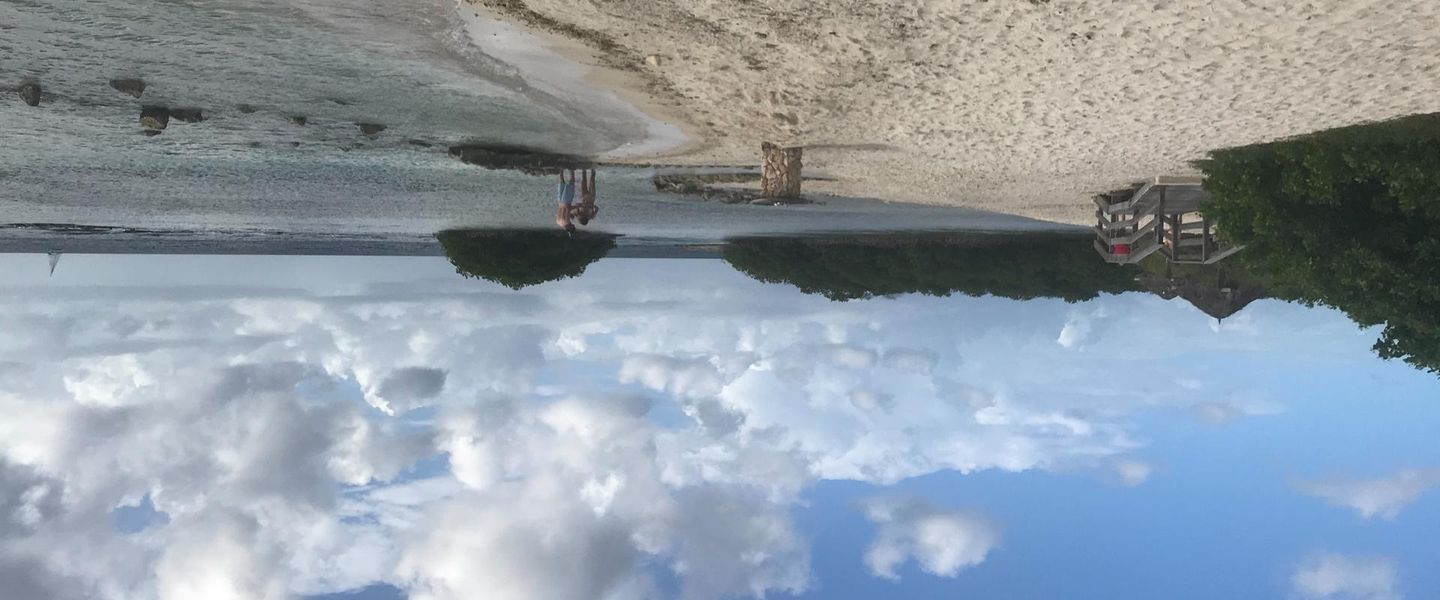


Mangel Halto, Aruba, offers mangrove-lined shores, calm snorkelling waters, coral reefs, coastal walks and easy access to the island’s southern coast.
Coastal Landscape
Mangel Halto occupies a sheltered stretch of Aruba’s south-eastern coast near Pos Chiquito, where mangrove growth, shallow turquoise water and limestone shoreline create one of the island’s most distinctive small-scale coastal environments. Rather than being a developed resort beach, it is a compact natural area shaped by the Spanish Lagoon, tidal channels and the Caribbean Sea. The mangroves provide habitat for marine life and help separate calmer inshore water from the more exposed coast beyond.Read more about Mangel Halto
Reef and Water Activities
Visiting Mangel Halto
When is the best time to visit Mangel Halto?
Best: December–February · 29°C| Month | High (°C) | Rainfall (mm) |
|---|---|---|
| January (best) | 29 | 0 |
| February (best) | 29 | 0 |
| March | 30 | 0 |
| April | 30 | 0 |
| May | 31 | 0 |
| June | 31 | 0 |
| July | 31 | 0 |
| August | 31 | 0 |
| September | 30 | 0 |
| October | 30 | 0 |
| November | 29 | 0 |
| December (best) | 29 | 0 |
Getting to and around Mangel Halto
How to get there
Transportation
Best attractions in Mangel Halto
Mangel Halto’s main attraction is the contrast between its sheltered lagoon, mangrove-lined channels and open Caribbean coast. Shallow water near the shore is associated with snorkelling and swimming when conditions are suitable, while the fringing reef beyond offers a more marine-focused experience for capable snorkellers and divers using appropriate guidance. The mangrove habitat adds another dimension, providing places to observe small fish and coastal birdlife without treating wildlife sightings as guaranteed. Rocky shoreline sections and low coastal viewpoints offer simple opportunities for photography and quiet observation. The nearby Spanish Lagoon forms part of the wider coastal setting, while Pos Chiquito and San Nicolas provide useful southern-Aruba context, services and access to other island sights. Mangel Halto is compact, so its appeal lies in the quality of the lagoon-and-reef environment rather than a long chain of built attractions, museums or commercial amusements.
-
Park
Pos Chiquito Beach Park
Discover Pos Chiquito Beach Park: Aruba's serene escape for snorkeling, relaxation, and stunning sunsets in a tranquil, natural setting.
-
Canoe & kayak tour agency
Clear Kayak Aruba
Discover Aruba's underwater beauty from a unique perspective with clear-bottom kayaks. Guided tours to vibrant reefs and hidden gems await!
-
Hiking area
Linear Park Spaans Lagoen
Explore Linear Park Spaans Lagoen in Aruba: Hike scenic trails, discover diverse wildlife, and immerse yourself in Caribbean nature's tranquility.
-
Park
Savaneta Beach
Discover Savaneta Beach: A tranquil Aruban escape with calm waters, local charm, and stunning sunsets away from the tourist crowds.


Best landmarks in Mangel Halto
The defining landmarks of Mangel Halto are natural rather than architectural. The mangrove belt and the sheltered Spanish Lagoon distinguish this section of Aruba’s coast from the island’s more exposed beaches, while the shallow reef margin links the shoreline to the wider marine landscape of the southern Caribbean. Low limestone surfaces, tidal channels and coral habitat explain both the area’s appearance and its importance to coastal recreation. Mangel Halto does not have a major castle, church or historic monument at its core; its significance comes from the relationship between mangrove vegetation, lagoon water and reef. The nearby communities of Pos Chiquito and San Nicolas provide the human setting for the site, but should not be confused with landmarks situated within Mangel Halto itself. The coast is best appreciated as a living geographical feature whose condition depends on careful visitor behaviour.
-
National park
Arikok National Park
Discover Aruba's wild side: Explore caves, hike volcanic hills, and encounter unique wildlife in Arikok National Park.
-
Tourist attraction
De Palm Island
Experience the ultimate tropical getaway at De Palm Island, Aruba's premier water park and beach destination offering fun for all ages.
-
Wildlife rescue service
Donkey Sanctuary Aruba
Discover the heartwarming world of Donkey Sanctuary Aruba, a wildlife refuge where you can connect with friendly donkeys in a stunning natural setting.
-
Tourist attraction
Aruba Bob Snorkel & Scuba
Explore the stunning underwater world of Aruba with Aruba Bob Snorkel & Scuba, offering unforgettable snorkeling and scuba diving experiences.


Explore Mangel Halto on the map
Plan your trip on one map. See where the top attractions, landmarks, restaurants and hotels are, and book hotels and experiences in a few clicks.
Best hotels in Mangel Halto
Best restaurants in Mangel Halto
Mangel Halto itself has limited dining infrastructure and is best approached as a beach and marine outing rather than a restaurant district. Visitors commonly arrange food and drinks before arrival or return to nearby settlements, where southern Aruba offers cafés, casual restaurants and local eateries. Oranjestad has the broadest choice within practical reach, while San Nicolas and communities along the southern road provide further places to eat, though individual opening arrangements can change. Aruba’s food culture reflects Caribbean, Dutch and wider international influences, with seafood, grilled dishes, stews and snacks appearing alongside more familiar resort-oriented menus. Fresh fish and seafood are associated with the island’s maritime setting, but visitors should check the day’s offering rather than assume a particular dish is available. Picnicking may be possible where permitted, provided all rubbish is removed and food is kept secure from heat and animals.
-
Seafood
Zeerover
Experience Aruba's freshest seafood at Zeerover in Savaneta - a vibrant eatery with stunning views and delicious local flavors.
-
Seafood
Flying Fishbone
Experience exquisite seafood dining at Flying Fishbone in Aruba, where fresh catches meet breathtaking ocean views for an unforgettable meal.
-
Peruvian
La Granja Savaneta
Experience authentic Peruvian cuisine at La Granja Savaneta in Aruba – where every dish tells a story of rich flavors and tradition.
-
Restaurant
Marina Pirata Restaurant
Experience authentic Aruban cuisine with stunning waterfront views at Marina Pirata Restaurant in Savaneta.


Best bars in Mangel Halto
Mangel Halto is not a nightlife centre, and evening entertainment immediately around the lagoon is limited. Its after-dark character is primarily quiet and coastal, with visitors generally returning to their accommodation or travelling to established settlements for drinks and socialising. Oranjestad has Aruba’s widest range of bars, restaurants and organised evening entertainment, while San Nicolas and other southern communities offer a more local, low-key alternative where venues are operating. Traditional bars and casual restaurants are more characteristic of the wider island than nightclubs at Mangel Halto itself. Visitors should avoid treating the mangrove and shoreline as an informal party space: darkness makes rocks, shallow channels and changing water conditions harder to read, and music, litter and bright lights can disturb nearby residents and wildlife.
-
Seafood
Zeerover
Experience the freshest seafood in Aruba at Zeerover, where local charm meets mouthwatering flavors in a stunning seaside setting.
-
Restaurant
Marina Pirata Restaurant
Experience authentic Caribbean dining at Marina Pirata Restaurant, where fresh seafood meets stunning lagoon views in Savaneta, Aruba.
-
Bar
Mangel Halto Bar
Discover the vibrant atmosphere of Mangel Halto Bar in Aruba, where stunning views and refreshing drinks create an unforgettable tropical escape.
-
Bar
Battata Beach Bar
Discover the vibrant Battata Beach Bar in Savaneta, Aruba - a perfect blend of stunning views, delicious drinks, and local culture.


Best nightclubs in Mangel Halto
Mangel Halto is not a nightlife centre, and evening entertainment immediately around the lagoon is limited. Its after-dark character is primarily quiet and coastal, with visitors generally returning to their accommodation or travelling to established settlements for drinks and socialising. Oranjestad has Aruba’s widest range of bars, restaurants and organised evening entertainment, while San Nicolas and other southern communities offer a more local, low-key alternative where venues are operating. Traditional bars and casual restaurants are more characteristic of the wider island than nightclubs at Mangel Halto itself. Visitors should avoid treating the mangrove and shoreline as an informal party space: darkness makes rocks, shallow channels and changing water conditions harder to read, and music, litter and bright lights can disturb nearby residents and wildlife.
-
Bar
Mangel Halto Bar
Experience the vibrant atmosphere of Mangel Halto Bar in Savaneta, Aruba, where refreshing cocktails and local culture come together in a welcoming setting.
-
Tourist attraction
Mangel Halto beach
Discover the tranquil beauty of Mangel Halto Beach in Aruba, a serene paradise perfect for swimming, snorkeling, and unforgettable sunsets.
-
Bar
Rum Shop Pos Chiquito
Experience the vibrant atmosphere and exquisite rum selection at Rum Shop Pos Chiquito in beautiful Aruba, a must-visit for every traveler.
-
Bar
Irian Restaurant Bar
Discover Irian Restaurant Bar: A vibrant hub in Savaneta, Aruba, offering delicious drinks and an authentic local atmosphere.


Best shops in Mangel Halto
There is no substantial shopping area at Mangel Halto, so visitors should purchase provisions, sun protection and water-sports necessities before arriving. Oranjestad provides Aruba’s broadest retail choice, while San Nicolas and other southern settlements offer practical shops and places to obtain food and everyday supplies. In the wider island context, visitors may find locally made art, Caribbean-influenced crafts, aloe-based products and regional food items, although availability varies between businesses and seasons. Mangel Halto is not the place to expect boutiques, a permanent craft market or a row of souvenir shops. Shopping can instead be combined with a visit to a larger town, where independent sellers and galleries provide more meaningful opportunities to explore Aruba’s artistic and cultural identity. Take care not to remove coral, shells, mangrove material or other natural objects from the coast as souvenirs.
-
Chinese supermarket
Kam Man Supermarket
Discover the flavors of China at Kam Man Supermarket in Savaneta, Aruba, where culinary adventure meets local charm.
-
Clothing store
Exclusive Vintage Boutique
Uncover exceptional vintage clothing treasures at Exclusive Vintage Boutique in Oranjestad, Aruba, where every piece has a story.
-
Supermarket
You Hui Foodmart
Explore the flavors of Aruba at You Hui Foodmart, your go-to supermarket for local and international products in Savaneta.
-
 Store
Aruba Online Shopping Mall
Experience a shopping haven at the Aruba Online Shopping Mall, where international brands meet local treasures in the heart of Oranjestad.


Get your free copy of our complete guide to Mangel Halto, delivered straight to you.
Everything on this page, from attractions and restaurants to essentials and local phrases, in one PDF you can read offline, print or share.
Already have an account? Sign in
Your Mangel Halto guide is ready.
We'll send it to · Not you? Sign out

Getting your guide ready…
We are putting together a fresh copy of the Mangel Halto guide. This can take up to a minute.
This can take a few moments. If your browser asks, choose Allow so the download can start. You'll find the guide in your Downloads folder.
Nothing happened? Download it again
Sorry, the guide is taking longer than usual. Please try again in a minute, or get it by email instead.
Mangel Halto essentials
Currency and Payment
Safety
Emergency Situations
Do's and Don'ts
Local Tips
From Eve
Local phrases worth knowing
You don't need to get them perfect. A few words go a long way, and locals appreciate the effort.
Basics
| English | Local | Say it |
|---|---|---|
| Hello | Bon dia | [bon dee-ah] |
| Goodbye | Ayo | [eye-yo] |
| Yes | Si | [see] |
| No | No | [no] |
| Please/You're welcome | Por fabor | [por fa-bor] |
| Thank you | Danki | [dan-kee] |
| Excuse me/Sorry | Pardon | [par-don] |
| How are you? | Con ta bai? | [kon ta bye] |
| Fine. And you? | Bon. I bo? | [bon. ee bo] |
| Do you speak English? | Bo papia Ingles? | [bo pa-pee-ah ing-gles] |
| I don't understand | Mi no comprende | [mee no kom-pren-de] |
Eating & Drinking
| English | Local | Say it |
|---|---|---|
| I'd like to see the menu, please | Mi ke mira e menu, por fabor | [mee kee mee-rah eh meh-noo, por fa-bor] |
| I don't eat meat | Mi no ta come carne | [mee no ta ko-me kar-ne] |
| Cheers! | Salud! | [sa-lood] |
| I would like to pay, please | Mi ke paga, por fabor | [mee kee pa-ga, por fa-bor] |
Emergencies
| English | Local | Say it |
|---|---|---|
| Help! | Yuda! | [yoo-da] |
| Go away! | Bai for di mi! | [bye for dee mee] |
| Call the Police! | Yama polis! | [ya-ma po-lease] |
| Call a doctor! | Yama un dokter! | [ya-ma oon dok-ter] |
| I'm lost | Mi a keda perdi | [mee ah ke-da per-dee] |
| I'm ill | Mi ta malu | [mee ta ma-loo] |
Shopping
| English | Local | Say it |
|---|---|---|
| I'd like to buy... | Mi ke cumpra... | [mee kee koom-pra] |
| I'm just looking | Mi ta mira solamente | [mee ta mee-rah so-la-men-te] |
| How much is it? | Cuanto ta e prijs? | [kwan-to ta eh prays] |
| That's too expensive | Esaki ta muchu caro | [eh-sa-kee ta moo-choo ka-ro] |
| Can you lower the price? | Bo por baha e prijs? | [bo por ba-ha eh prays] |
Time & Numbers
| English | Local | Say it |
|---|---|---|
| What time is it? | Kuantu ora ta? | [kwan-too o-ra ta] |
| It's one o'clock | Ta un ora | [ta oon o-ra] |
| Half past (10) | Mitad di dies | [mee-tad dee des] |
| Morning | Madruga | [mad-roo-ga] |
| Afternoon | Atardi | [ah-tar-dee] |
| Evening | Anochi | [a-no-chee] |
| Yesterday | Anoche | [a-no-che] |
| Today | Awe | [a-weh] |
| Tomorrow | Mañana | [ma-nya-na] |
| 1 | Uno | [oo-no] |
| 2 | Dos | [dose] |
| 3 | Tres | [tres] |
| 4 | Cuatro | [kwa-tro] |
| 5 | Cinco | [seen-ko] |
| 6 | Seis | [sace] |
| 7 | Siete | [see-et-eh] |
| 8 | Ocho | [o-cho] |
| 9 | Nueve | [nweh-veh] |
| 10 | Diez | [dees] |
Transport & Directions
| English | Local | Say it |
|---|---|---|
| Where's a/the...? | Unda ta...? | [oon-da ta] |
| What's the address? | Kico ta e adres? | [kee-ko ta eh a-dres] |
| Can you show me (on the map)? | Bo por mustra mi (riba e mapa)? | [bo por moos-tra mee ree-ba eh ma-pa] |
| When's the next (bus)? | Ki ora ta e siguiente (bus)? | [kee o-ra ta eh see-gwee-en-te (bus)] |
| A ticket (to ....) | Un papiamento (pa ....) | [oon pa-pee-a-men-to (pa)] |
History of Mangel Halto
Limestone Island Foundations
Mangel Halto forms part of Aruba’s low-lying southern coast, an arid island landscape shaped by limestone geology, wind, waves and the movement of shallow coastal water. The mangrove-fringed inlets and reef margins seen today are products of continuing coastal processes rather than a single historical event. Aruba’s dry climate, limited rainfall and exposed position in the southern Caribbean have strongly influenced the vegetation and settlement patterns around the coast, while sheltered lagoons have provided naturally calmer environments beside the open sea.
Caquetío Heritage
Long before European settlement, Aruba was inhabited by Caquetío communities associated with the Arawak cultural world of the southern Caribbean. People used the island’s coastal waters and terrestrial resources, leaving archaeological evidence in different parts of Aruba. No separate recorded settlement history is generally attached to Mangel Halto itself, but the shoreline belongs to the wider human landscape of Aruba, where access to marine resources, freshwater limitations and movement between coastal areas shaped indigenous life.
European Rule and Coastal Change
Spanish contact began in the late fifteenth century, and the Dutch took control of Aruba in the seventeenth century; the island subsequently developed within the Dutch Caribbean. Aruba’s history was influenced by ranching, aloe cultivation, salt gathering, maritime activity and later industrialisation, rather than by dense settlement along every coastal inlet. Around Mangel Halto, the survival of mangroves and shallow reef habitat reflects the continuing presence of relatively lightly built shoreline, even as roads, villages and urban areas expanded elsewhere on the island.
Modern Recreation and Stewardship
Mangel Halto became better known to visitors as Aruba’s tourism economy expanded and interest grew in snorkelling, diving, kayaking and other coastal activities. Its appeal rests on the relationship between mangroves, lagoon water and coral habitat, making responsible use important to the site’s character. Modern visitors encounter a recreational landscape rather than a major historic monument: the principal story is one of a natural shoreline incorporated into Aruba’s tourism geography while remaining dependent on careful treatment of marine life, mangrove vegetation and fragile reef surfaces.
Mangel Halto in Photos
Browse through our photo collection highlighting the charm and character of the destination.
Cities in Mangel Halto
The towns and cities of Mangel Halto, and the easiest places to base yourself.
-
-
-


Swipe for more cities
Neighbouring destination travel guides
The closest destinations to Mangel Halto, if you have time for more than one.
-

-

-

-
-


Swipe for more destinations
Explore more

Explore more of Aruba
Discover Aruba, the Caribbean's sun-drenched paradise with pristine beaches, rich culture, and warm hospitality. Your perfect getaway awaits on this happy island.
Explore Aruba