

Fannie Bay Gaol, Darwin Travel Guide
Free Guide: Explore Darwin's dark history at Fannie Bay Gaol, a preserved prison showcasing the Northern Territory's penal past.


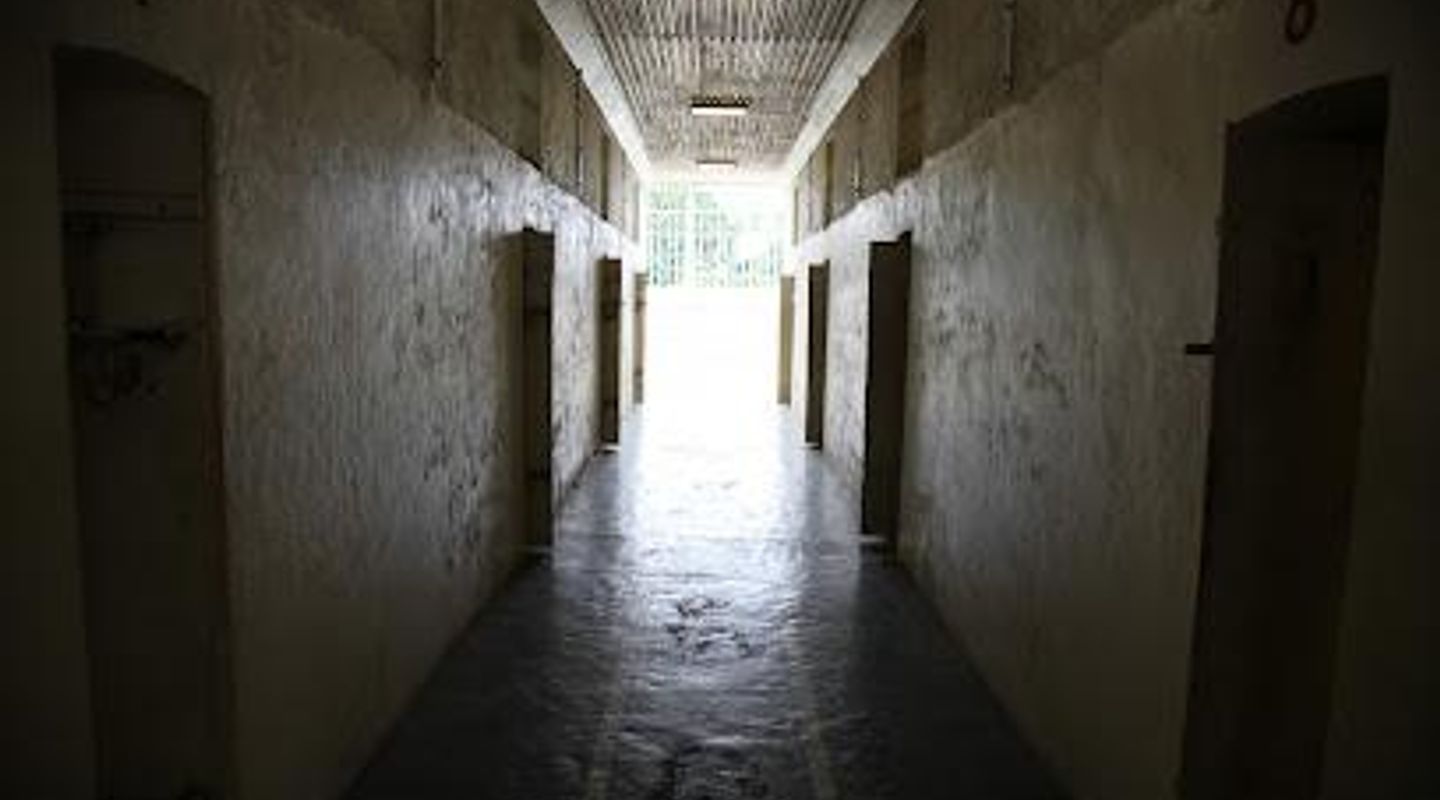
A brief summary of Fannie Bay Gaol
Explore Darwin's dark history at Fannie Bay Gaol, a preserved prison showcasing the Northern Territory's penal past.
Fannie Bay Gaol, Darwin's main prison for nearly a century (1883-1979), offers a chilling look into the Northern Territory's penal history. Explore original stone cells, the infirmary, and gallows, and learn about the lives of prisoners and the evolution of the justice system.
Opening hours
- MonClosed
- TueClosed
- Wed10 am–2 pm
- Thu10 am–2 pm
- Fri10 am–2 pm
- Sat10 am–2 pm
- Sun10 am–2 pm
Opening hours as listed on the venue’s Google Business Profile. Hours can change for services and special events, so check with the venue before you go.
- Address
- East Point Rd &, Ross Smith Ave, Fannie Bay NT 0820
- Phone
- Website
Getting there
Public Transport
Taxi/Ride-Share
Walking
Discover more about Fannie Bay Gaol
Overview
Fannie Bay Gaol, officially known as Her Majesty's Gaol and Labour Prison, served as Darwin's primary correctional facility from 1883 to 1979. Today, this historic site stands as a museum, offering visitors a glimpse into the harsh realities of prison life in the Northern Territory.The gaol's original buildings comprised two blocks with sixteen cells, a washhouse, and a kitchen. Over the years, additions were made, including a stone infirmary in 1887 and cells for women prisoners in 1920. The female prison block even featured a small garden, intended to keep the inmates occupied. A watch tower, a section for Aboriginal prisoners, a kitchen mess building, a remand section, and two maximum-security wings were added in the 1950s.The gaol is a stark reminder of the evolution of the Northern Territory's judicial system. It contains the gallows used for the last two hangings in the Territory in 1952. Visitors can explore the cells, the infirmary, and other areas, gaining insight into the daily lives of prisoners and the conditions they endured. Information panels throughout the site detail the penal, legal, medical, and social history of Darwin and the Northern Territory.Fannie Bay Gaol offers a macabre but historically significant tourism experience. It provides a tangible connection to Darwin's past, allowing visitors to reflect on the evolution of justice and the human stories behind bars.
Evendo Review Centre
 Google
Guest reviews
Explore Fannie Bay Gaol on the map
A handpicked selection of must-see spots near Fannie Bay Gaol, mapped for you.
Get your free copy of our complete guide to Fannie Bay Gaol, delivered straight to you.
Everything on this page, from opening hours and how to get there to Eve’s tips and the best time to go, in one PDF you can read offline, print or share.
Already have an account? Sign in
Your Fannie Bay Gaol guide is ready.
We'll send it to · Not you? Sign out

Getting your guide ready…
We are putting together a fresh copy of the Fannie Bay Gaol guide. This can take up to a minute.
This can take a few moments. If your browser asks, choose Allow so the download can start. You'll find the guide in your Downloads folder.
Nothing happened? Download it again
Sorry, the guide is taking longer than usual. Please try again in a minute, or get it by email instead.
Unlock the best of Fannie Bay Gaol
Skip-the-line tickets, guided tours with entry, and walking tours of the area, booked in a few clicks.

Other nearby places you may find interesting
The closest places of the same kind, if this one is not quite what you had in mind.
-
-
-
-
-


Swipe for more places
More to explore near Fannie Bay Gaol

 Best experiences near Fannie Bay Gaol
 Best hotels near Fannie Bay Gaol
 Best landmarks near Fannie Bay Gaol
 Best attractions near Fannie Bay Gaol
 Best shops near Fannie Bay Gaol
 Best restaurants near Fannie Bay Gaol
 Best bars near Fannie Bay Gaol
Do you manage this location?
Take control to get all the benefits, like improved information, better appearance, and stronger visibility across AI-powered discovery.
Explore more
Explore more of Darwin
Discover Darwin: Australia's tropical northern gem, where rich cultural heritage, stunning natural parks, and vibrant markets create an unforgettable experience.
Explore Darwin
Explore more of Australia
Discover the diverse landscapes, vibrant cities, and unique wildlife of Australia, a captivating destination offering endless adventures and unforgettable experiences.
Explore Australia
