The Indigenous Larrakia People
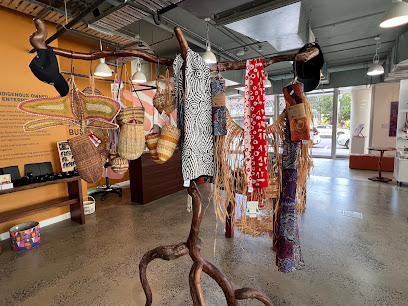
The Larrakia people are the traditional custodians of the land that is now known as Darwin. Their presence in the region dates back over 60,000 years. The Larrakia were skilled fishers, hunters, and traders, with extensive networks that extended across northern Australia and beyond. Their rich cultural heritage is deeply woven into the fabric of Darwin's history.
The Arrival of European Explorers
The first recorded European visit to the Darwin area was by Dutch navigator Abel Tasman in 1644. However, it wasn't until 1839 that the area received its current name. That year, the HMS Beagle, under the command of John Clements Wickham, sailed into the harbor and named it 'Port Darwin' in honor of Charles Darwin, the renowned naturalist.
The Establishment of Palmerston
In 1869, George Goyder, the Surveyor-General of South Australia, established a settlement at Port Darwin, which was initially named Palmerston. The initial years were challenging due to harsh climatic conditions and isolation. However, the discovery of gold at Pine Creek in the 1870s spurred growth and attracted a diverse population of miners and entrepreneurs.
World War II and the Bombing of Darwin
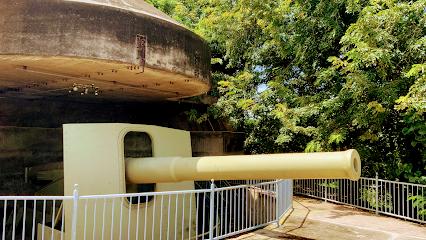
During World War II, Darwin became a crucial military base for Allied forces. On February 19, 1942, the city experienced a series of devastating air raids by Japanese forces. Known as the Bombing of Darwin, this event marked the first and largest foreign attack on Australian soil. It resulted in significant loss of life and extensive damage to the city.
Post-War Reconstruction and Growth
After World War II, Darwin underwent extensive reconstruction. The city's strategic importance continued to grow, and it became a hub for military and civil aviation. The post-war period also saw a significant influx of immigrants, contributing to Darwin's cultural diversity and vibrant community life.
Cyclone Tracy
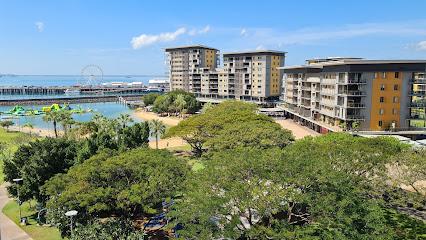
On Christmas Eve in 1974, Cyclone Tracy struck Darwin with unprecedented ferocity. The cyclone destroyed more than 70% of the city's buildings and left over 25,000 people homeless. The disaster prompted a massive evacuation and a comprehensive rebuilding program, which transformed Darwin into a modern, resilient city.
Modern Darwin and Its Cultural Diversity
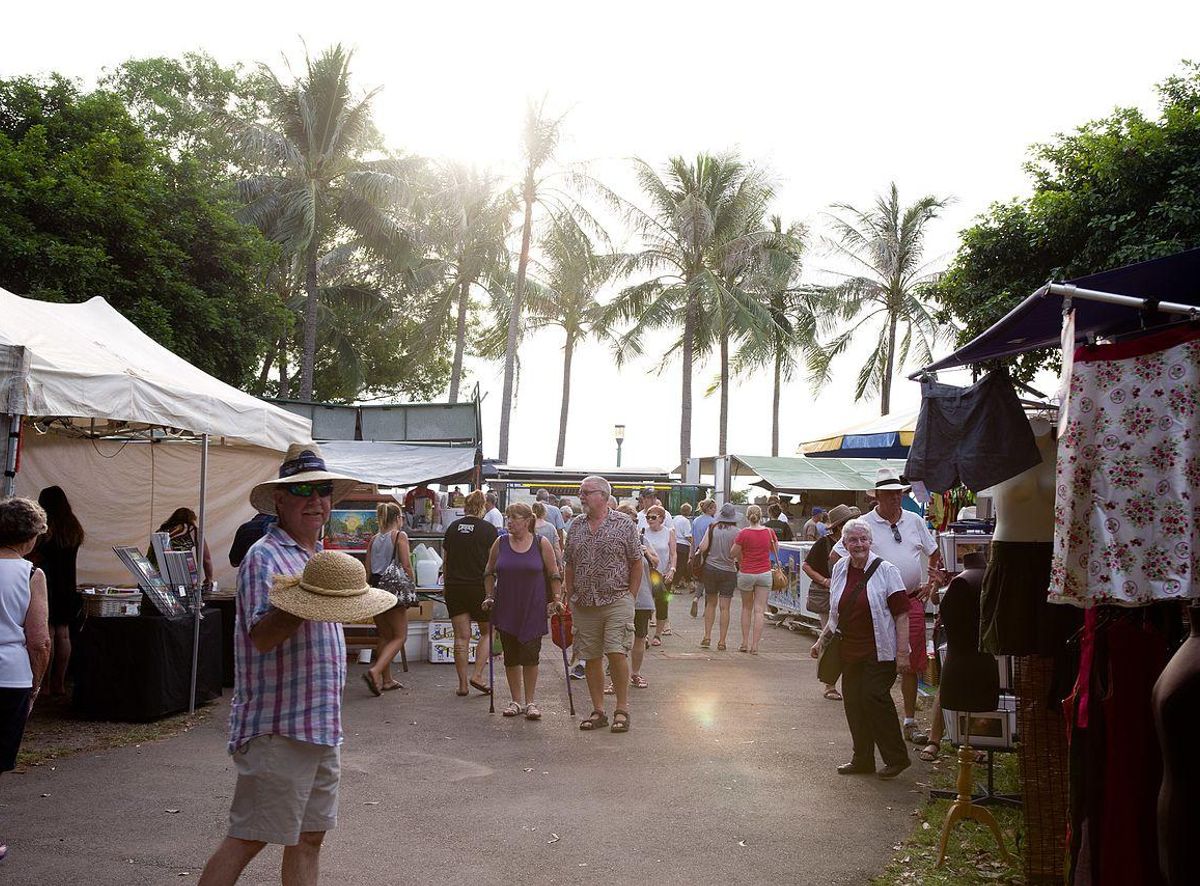
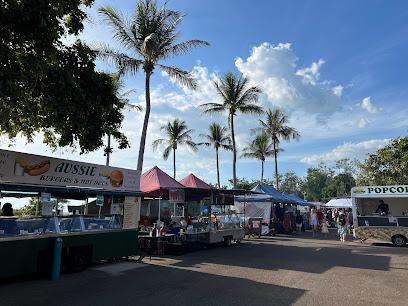
Today, Darwin is known for its rich multicultural atmosphere, influenced by its Indigenous heritage and the waves of immigrants from Asia, Europe, and beyond. The city hosts numerous cultural festivals and events, such as the Darwin Festival and the Darwin Aboriginal Art Fair, which celebrate its diverse community and vibrant arts scene.