

Waltendorf (Graz) Travel Guide - Free
Explore Waltendorf in Graz with Evendo's free guide. Find the best shops, historic streets, restaurants, and gems on web or mobile.


Waltendorf in Graz offers leafy villa streets, Schloss Lustbühel, local cafés and eastern hillside walks away from the city centre crowds.
A Residential District with Room to Breathe
Waltendorf lies east of Graz’s historic centre, rising gently towards the wooded hills around Lustbühel. It is a predominantly residential district rather than a concentrated sightseeing quarter, with a mixture of detached houses, apartment buildings, gardens and quiet side streets spreading out from Waltendorfer Hauptstraße and the busier Plüddemanngasse. The atmosphere changes noticeably from the city centre: traffic follows the main corridors, while the surrounding streets are calmer and more suburban.Read more about Waltendorf
Hills, Gardens and Local Landmarks
Everyday Graz Beyond the Centre
Best attractions in Waltendorf
Waltendorf’s principal attraction is Schloss Lustbühel, an historic country estate set amid parkland and wooded slopes on the eastern edge of Graz. The grounds provide a change of pace from the city’s denser streets, with open areas, paths and views across parts of the Graz basin. The Lustbühel Observatory adds a scientific dimension to the site and is associated with public interest in astronomy, subject to its programme and access arrangements. Elsewhere, the district is best explored as a residential landscape: Waltendorfer Hauptstraße and the streets climbing away from it reveal villas, gardens, parish facilities and the gradual transition from urban Graz to the eastern hills. Waltendorf has few conventional major attractions, but that is part of its appeal for visitors who want to see the city beyond its historic centre and spend time in a locally used green setting.
-
Tourist attraction
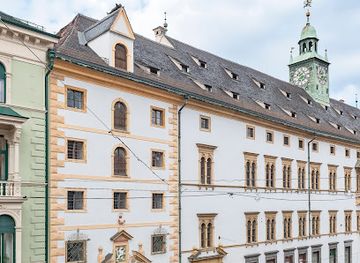
Landeszeughaus
Explore the Landeszeughaus in Graz, a historical landmark showcasing a vast collection of armory and weaponry from the late Middle Ages to the 18th century.
6 min drive · 2.1 km from neighbourhood centre
-
Tourist attraction
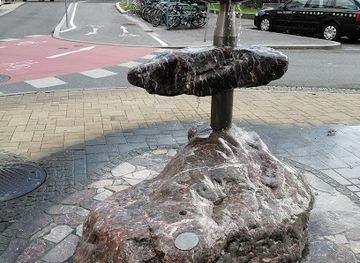
Steirische Murfindlinge Brunnen
Experience Graz's artistic heritage at Steirische Murfindlinge Brunnen, a stunning fountain blending culture and nature in Austria's vibrant heart.
6 min drive · 2.0 km from neighbourhood centre
-
Tourist attraction
Josef Roschitz
Explore the unique ambiance and cultural significance of Josef Roschitz, a captivating tourist attraction in the heart of Graz, Austria.
14 min walk · 1.1 km from neighbourhood centre

Best landmarks in Waltendorf
Schloss Lustbühel is Waltendorf’s most recognisable landmark, an estate whose country-house setting and elevated parkland preserve the district’s connection with the rural landscape that preceded suburban growth. Its observatory gives the site a contemporary educational and scientific role as well as historical presence. The parish church of St Paul is another important local reference point, representing the religious and community life of the modern district rather than the ornamental architecture of Graz’s old centre. Waltendorfer Hauptstraße itself functions as a linear landmark of local development: older houses, later villas, apartment buildings and everyday businesses show how a village route became an urban residential corridor. The surrounding gardens, mature trees and hillside paths are less monumental but equally significant to Waltendorf’s identity.
-
Tourist attraction
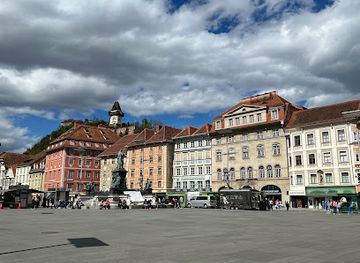
Hauptplatz der Stadt Graz
Discover the historical charm of Hauptplatz der Stadt Graz, a bustling square with stunning architecture and vibrant local culture.
7 min drive · 2.2 km from neighbourhood centre
-
Historical landmark
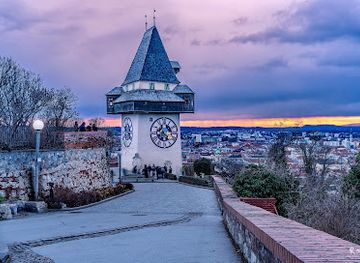
Uhrturm
Discover the Uhrturm, Graz's historic clock tower, offering stunning views and a rich glimpse into the city's vibrant history.
7 min drive · 2.3 km from neighbourhood centre
-
Cathedral
Graz Cathedral
Experience the awe-inspiring beauty of Graz Cathedral, a stunning Gothic masterpiece and a vital part of Austria's rich cultural heritage.
6 min drive · 1.9 km from neighbourhood centre
-
Tourist attraction
Grazer Burg
Explore the historical grandeur of Grazer Burg, a captivating fortress in Graz, Austria, rich in architectural beauty and cultural heritage.
6 min drive · 1.9 km from neighbourhood centre
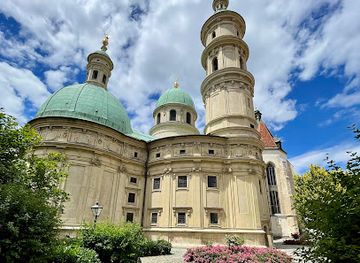
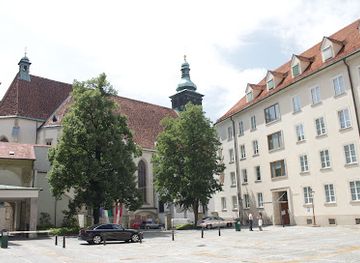
Explore Waltendorf on the map
A handpicked selection of must-see spots in Waltendorf, mapped for you.
Best hotels in Waltendorf
Best restaurants in Waltendorf
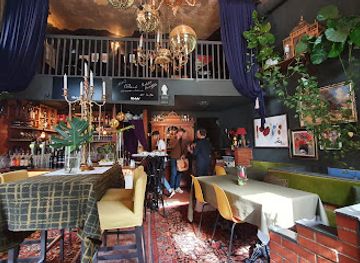
Waltendorf’s dining scene is practical and neighbourhood-scaled, concentrated mainly along Waltendorfer Hauptstraße, Plüddemanngasse and the connecting streets rather than gathered in a single restaurant quarter. Visitors will find the kinds of cafés, bakeries, relaxed restaurants and Austrian-style eateries that serve residents, commuters and families, with fuller choices generally available closer to Jakominiplatz and the central districts. The area’s residential character means that dining is better suited to an unhurried meal or coffee stop than to a dedicated food crawl. A walk towards Lustbühel can be combined with refreshments before or after the outing, but options become more dispersed as the roads climb. Checking current listings is sensible, since local businesses and opening arrangements change, while Graz’s broader culinary scene remains easy to reach by bus from Waltendorf.
-
Restaurant
thomawirt
Discover the culinary delights of Thomawirt in Graz, where local flavors meet international cuisine in a cozy atmosphere.
15 min walk · 1.2 km from neighbourhood centre
-
Italian
Osteria dei sensi Paolo Montirosso
Discover authentic Italian cuisine at Osteria dei Sensi Paolo Montirosso in Graz—where fresh seafood meets traditional flavors in a charming setting.
15 min walk · 1.2 km from neighbourhood centre
-
Pizza
Casa Rustica
Experience authentic Italian flavors at Casa Rustica in Graz - where every pizza tells a story.
16 min walk · 1.3 km from neighbourhood centre
-
Restaurant
Die Loge
Experience exquisite cuisine at Die Loge in Graz - where local flavors meet innovative dining.
10 min walk · 0.8 km from neighbourhood centre


Best bars in Waltendorf
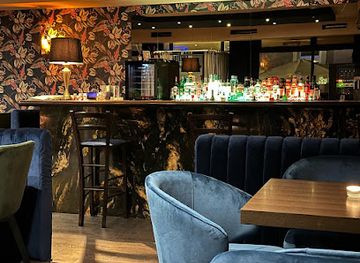
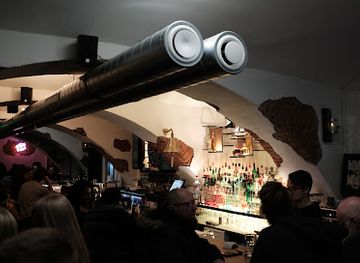
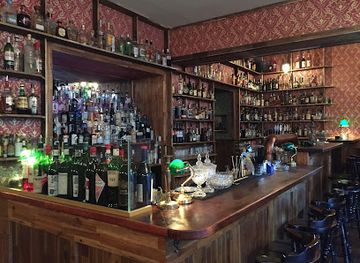
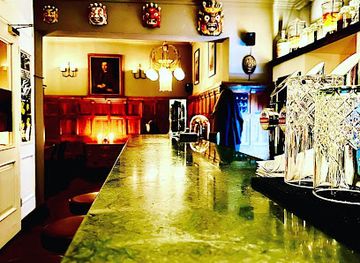
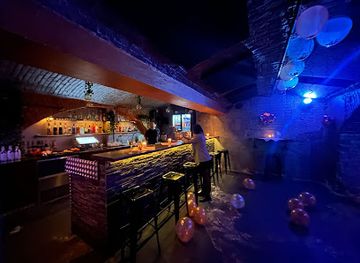
Waltendorf is not a late-night entertainment district, and its evenings are shaped more by local restaurants, cafés and occasional neighbourhood gatherings than by clubs or a concentrated bar scene. The main roads offer places to eat and meet, while the residential side streets become notably quiet after business hours. Visitors seeking live music, cocktail bars, traditional pubs in greater number or nightclubs will generally find a broader choice in central Graz, particularly around the inner districts and the Mur-side nightlife areas, rather than in Waltendorf itself. The district suits an early evening meal followed by a walk through its calmer streets or a return to central Graz. Around Schloss Lustbühel and the wooded slopes, avoid unlit paths after dark and respect the quiet character of nearby homes.
-
Bar
Cafe Bar Cuba
Cafe Bar Cuba in Graz: A vibrant bar and cafe blending Cuban flair with local charm for an unforgettable experience.
10 min walk · 0.8 km from neighbourhood centre
-
Bar
Eckhaus15
Discover the vibrant nightlife of Graz at Eckhaus15, a lively bar offering exquisite cocktails, delicious European cuisine, and an inviting atmosphere.
16 min walk · 1.3 km from neighbourhood centre
-
Cocktail bar
The Churchill
Experience Graz's vibrant nightlife at The Churchill, where expertly crafted cocktails and a lively atmosphere await you.
6 min drive · 2.0 km from neighbourhood centre
-
Cocktail bar
Kalte Ente
Discover Kalte Ente, Graz's premier cocktail bar, where innovative drinks and a vibrant atmosphere create unforgettable nights.
16 min walk · 1.3 km from neighbourhood centre
Best nightclubs in Waltendorf
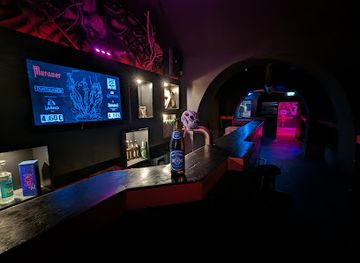
Waltendorf is not a late-night entertainment district, and its evenings are shaped more by local restaurants, cafés and occasional neighbourhood gatherings than by clubs or a concentrated bar scene. The main roads offer places to eat and meet, while the residential side streets become notably quiet after business hours. Visitors seeking live music, cocktail bars, traditional pubs in greater number or nightclubs will generally find a broader choice in central Graz, particularly around the inner districts and the Mur-side nightlife areas, rather than in Waltendorf itself. The district suits an early evening meal followed by a walk through its calmer streets or a return to central Graz. Around Schloss Lustbühel and the wooded slopes, avoid unlit paths after dark and respect the quiet character of nearby homes.
-
Night club
Kottulinsky - Der Club in Graz
Experience the vibrant nightlife of Graz at Kottulinsky, where music, dance, and unforgettable memories come together in a lively atmosphere.
19 min walk · 1.5 km from neighbourhood centre
-
Night club
Club Q
Discover the electrifying nightlife of Graz at Club Q, where music, dance, and vibrant crowds create unforgettable nights.
5 min drive · 1.6 km from neighbourhood centre
-
Night club
Der Klub
Discover the vibrant nightlife at Der Klub, Graz's premier night club, known for its electrifying music and energetic atmosphere.
5 min drive · 1.7 km from neighbourhood centre
-
Night club
Hasenstall
Discover the electrifying nightlife at Hasenstall, Graz's top night club, where music, dance, and fun collide until the early hours.
6 min drive · 2.0 km from neighbourhood centre


Best shops in Waltendorf
Shopping in Waltendorf is oriented towards daily life rather than destination retail. The businesses along Waltendorfer Hauptstraße and the surrounding local roads include practical shops, bakeries, small food retailers, pharmacies and services, with occasional independent businesses reflecting the needs of a settled residential community. There is no major bazaar or specialist shopping street comparable with Graz’s central markets, and visitors should not expect a dense sequence of boutiques or antique dealers. The most interesting retail experience comes from observing how the district’s commercial strip supports its neighbourhood: residents collecting bread, shopping for provisions and using local services beneath the villas and apartment blocks. For larger market visits, design-led shopping and a wider choice of Austrian products, the city centre is nearby by public transport.
-
Gift shop
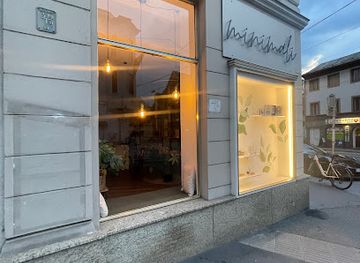
minimali
Explore Minimali in Graz for unique gifts and organic treasures that reflect local culture and sustainability.
16 min walk · 1.3 km from neighbourhood centre
-
Gift shop
5ive-Shop
Discover unique gifts and delightful accessories at 5ive-Shop in Graz, a perfect blend of local charm and personal touch.
16 min walk · 1.3 km from neighbourhood centre
-
Gift shop
gekkotags
Explore Gekkotags Gift Shop in Graz for unique handcrafted souvenirs reflecting local culture and artistry.
7 min drive · 2.2 km from neighbourhood centre
-
Souvenir store
Designsouvenir Graz
Explore the essence of Graz through unique, locally crafted souvenirs at Designsouvenir Graz, the perfect shop for memorable keepsakes.
18 min walk · 1.4 km from neighbourhood centre


Waltendorf essentials
Getting There
Getting Around
Safety
Emergency Situations
Do's and Don'ts
Local Tips

From Eve
Local phrases worth knowing
You don't need to get them perfect. A few words go a long way, and locals appreciate the effort.
Basics
| English | Local | Say it |
|---|---|---|
| Hello | Servus | [ser-voos] |
| Goodbye | Auf Wiedersehen | [owf vee-der-zay-en] |
| Yes | Ja | [yah] |
| No | Nein | [nine] |
| Please/You're welcome | Bitte | [bit-te] |
| Thank you | Danke | [dahn-kuh] |
| Excuse me/Sorry | Entschuldigung | [ent-shool-di-goong] |
| How are you? | Wie geht es dir? | [vee geyt es deer?] |
| Fine. And you? | Gut. Und dir? | [goot oond deer?] |
| Do you speak English? | Sprechen Sie Englisch? | [spre-khen zee eng-lish?] |
| I don't understand | Ich verstehe nicht | [ikh fer-shtay-uh nikht] |
Eating & Drinking
| English | Local | Say it |
|---|---|---|
| I'd like to see the menu, please | Ich hätte gerne die Speisekarte, bitte | [ikh het-uh geyr-nuh dee shpy-zuh-kahr-tuh, bit-te] |
| I don't eat meat | Ich esse kein Fleisch | [ikh es-suh kine fly-sh] |
| Cheers! | Prost! | [prohst] |
| I would like to pay, please | Ich möchte bitte zahlen | [ikh murk-te bit-te tsah-len] |
Emergencies
| English | Local | Say it |
|---|---|---|
| Help! | Hilfe! | [hil-feh] |
| Go away! | Geh weg! | [gay vegg] |
| Call the Police! | Rufen Sie die Polizei! | [roo-fen zee dee po-lee-tsy] |
| Call a doctor! | Rufen Sie einen Arzt! | [roo-fen zee eye-nen ahrts] |
| I'm lost | Ich habe mich verirrt | [ikh hah-bee meek fer-eert] |
| I'm ill | Ich bin krank | [ikh bin krank] |
Shopping
| English | Local | Say it |
|---|---|---|
| I'd like to buy... | Ich möchte ... kaufen | [ikh murk-te ... kow-fen] |
| I'm just looking | Ich schaue nur | [ikh shou-uh noor] |
| How much is it? | Wie viel kostet das? | [vee feel kohs-tet das?] |
| That's too expensive | Das ist zu teuer | [das ist tsoo toy-er] |
| Can you lower the price? | Können Sie den Preis senken? | [ker-nen zee den price zank-en?] |
Time & Numbers
| English | Local | Say it |
|---|---|---|
| What time is it? | Wie spät ist es? | [vee shpeyt ist es?] |
| It's one o'clock | Es ist ein Uhr | [es ist ine oor] |
| Half past (10) | Halb elf | [halb elf] |
| Morning | Morgen | [mor-gen] |
| Afternoon | Nachmittag | [nahkh-mit-tahg] |
| Evening | Abend | [ah-bent] |
| Yesterday | Gestern | [ges-tern] |
| Today | Heute | [hoi-te] |
| Tomorrow | Morgen | [mor-gen] |
| 1 | Eins | [ines] |
| 2 | Zwei | [tsvai] |
| 3 | Drei | [dry] |
| 4 | Vier | [feer] |
| 5 | Fünf | [foonf] |
| 6 | Sechs | [zeks] |
| 7 | Sieben | [zee-ben] |
| 8 | Acht | [ahkt] |
| 9 | Neun | [noyn] |
| 10 | Zehn | [tsayn] |
Transport & Directions
| English | Local | Say it |
|---|---|---|
| Where's a/the...? | Wo ist ein/der...? | [wo ist ine/der?] |
| What's the address? | Was ist die Adresse? | [vas ist dee ah-dreh-suh?] |
| Can you show me (on the map)? | Können Sie mir zeigen (auf der Karte)? | [ker-nen zee meer tsay-gen (ouf der kar-te)?] |
| When's the next (bus)? | Wann kommt der nächste (Bus)? | [vann komt der nehkh-stuh (boos)?] |
| A ticket (to ....) | Eine Fahrkarte (nach ....) | [eye-nuh fahr-kahr-tuh (nahkh ....)] |
History of Waltendorf
A Village East of Graz
Waltendorf developed originally as a settlement outside the historic urban core of Graz, with its name and early history connected to the rural landscape east of the city. For centuries the area consisted largely of farmland, orchards, country lanes and scattered farmsteads rather than continuous urban streets. Its position between the growing city and the wooded hills gave it a transitional character: close enough to supply and serve Graz, but sufficiently open to retain a distinct village identity. Surviving older routes and the dispersed pattern of some side streets still hint at this pre-urban landscape.
Lustbühel and the Country Estate
The Lustbühel estate became one of the defining historic features of eastern Waltendorf. Its country-house setting and elevated grounds reflected the appeal of the area to owners seeking a rural retreat near Graz. Over time, the surrounding landscape remained valued for gardens, woodland and views across the basin, even as residential development spread around it. The estate’s later public role, including the parkland and astronomical facilities associated with Lustbühel, helped preserve a substantial green area within the expanding city rather than allowing the entire hillside to become built up.
Urban Growth and Incorporation
During the late nineteenth and early twentieth centuries, Graz expanded beyond its historic centre, and roads leading eastwards encouraged Waltendorf’s gradual transformation from rural settlement to residential district. Villas and detached homes appeared alongside older properties, followed by denser housing and local services. Waltendorf became part of the municipality of Graz in the twentieth-century expansion of the city, consolidating its connection to urban administration and public transport. The resulting district retained a village-like street pattern in places while taking on the infrastructure and daily life of a modern Graz suburb.
A Green Residential District
After the Second World War, housing growth and changing mobility reshaped Waltendorf, particularly along the main roads and around the eastern approaches to the city. Apartment buildings, schools, parish facilities and commercial services joined the older villas and gardens. The district’s identity subsequently rested less on a single industry or landmark than on its combination of residential life, accessible green space and proximity to Graz’s centre. Schloss Lustbühel and its park remain important reminders of the area’s rural and estate landscape, while the built-up streets record the city’s outward growth.
Waltendorf in Photos
Browse through our photo collection highlighting the charm and character of the destination.
Neighbourhoods near Waltendorf
The closest neighbourhoods to Waltendorf, if you have time for more than one stop.
-

-

-

-

-


Swipe for more neighbourhoods
Explore more

Explore more of Graz
Graz, Austria blends a UNESCO-listed old town, Schlossberg views, modern art, Styrian cuisine and lively cultural life in a compact city setting.
Explore Graz