

St. Leonhard (Graz) Travel Guide - Free
Explore St. Leonhard in Graz with Evendo's free guide. Find the best shops, historic streets, restaurants, and gems on web or mobile.


St. Leonhard in Graz pairs the Herz Jesu church, leafy Stadtpark edges, university life, cafés and easy walks east of Austria’s historic centre.
A Leafy Inner-City Neighbourhood
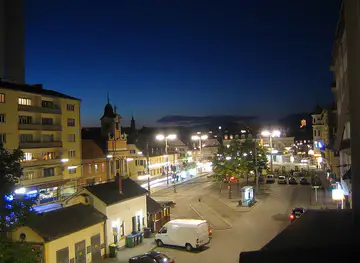
St. Leonhard lies immediately east of Graz’s historic centre, occupying the gentle urban slopes between the old town, the Stadtpark and the foothills beyond. Its streets combine late nineteenth-century apartment buildings, detached villas, university facilities, medical institutions and everyday local commerce. Leonhardstraße is the principal route through the district, while quieter residential streets branch towards gardens and the eastern hills. The neighbourhood feels connected to the centre without having the same concentration of historic façades and visitor traffic.Read more about St. Leonhard
Herz Jesu and Local History
Everyday Graz
Best attractions in St. Leonhard
St. Leonhard’s principal attraction is the Herz Jesu Kirche, whose soaring neo-Gothic form, red-brick exterior and richly decorated interior create a striking focal point on the eastern side of central Graz. The surrounding streets are worth exploring for their late nineteenth- and early twentieth-century apartment buildings, villas and institutional architecture, which show how the former parish area became part of the expanding city. At the neighbourhood’s western edge, Stadtpark provides lawns, mature trees and walking paths close to the old town, although parts of the park extend beyond St. Leonhard’s informal boundaries. Leonhardstraße is less a sightseeing boulevard than a useful route through everyday Graz, with cafés, bakeries, shops and tram traffic. The Graz Opera is nearby towards the centre rather than deep inside the district, making St. Leonhard a practical base for combining local walks with central cultural attractions.
-
Tourist attraction
Old Town of Graz
Explore the enchanting Old Town of Graz, a UNESCO World Heritage site, where history, culture, and stunning architecture await.
5 min drive · 1.7 km from neighbourhood centre
-
Tourist attraction
Grazer Burg
Explore the rich history and stunning architecture of Grazer Burg, a must-visit medieval fortress in Graz, Austria, with breathtaking views and cultural significance.
17 min walk · 1.3 km from neighbourhood centre


Best landmarks in St. Leonhard
The Herz Jesu Kirche is St. Leonhard’s clearest architectural and symbolic landmark. Built between 1881 and 1891 to designs by Georg von Hauberrisser the Younger, it represents the Gothic Revival and the late nineteenth-century expansion of Graz beyond its historic centre; its tower remains visible from surrounding streets. The parish setting around the church helps explain the neighbourhood’s name and continuing local identity. Leonhardstraße is another important urban feature, not because of one monument but because it preserves the route along which the district developed, with historic façades, shops, tram infrastructure and institutional buildings gathered along its length. The adjoining Stadtpark contributes a contrasting landscape of paths and mature planting at the western edge. Together, church, street and park express St. Leonhard’s combination of religious heritage, planned urban growth and immediate access to central Graz.
-
Historical landmark
Uhrturm
Discover the iconic Uhrturm in Graz, Austria – a historical landmark offering stunning views, rich history, and a glimpse into the city's vibrant culture.
5 min drive · 1.7 km from neighbourhood centre
-
Tourist attraction
Grazer Burg
Explore the historic Grazer Burg, a stunning fortress in Graz showcasing Gothic and Renaissance architecture, rich history, and breathtaking views.
17 min walk · 1.3 km from neighbourhood centre
-
Historical landmark
Grazer Landhaus
Explore the historical beauty of Graz at Grazer Landhaus, a captivating landmark reflecting the city's rich architectural heritage.
5 min drive · 1.6 km from neighbourhood centre
-
Historical landmark
Mausoleum Kaiser Ferdinands II.
Discover the architectural brilliance of the Mausoleum of Kaiser Ferdinand II in Graz, a historical landmark that embodies Austria's imperial legacy.
17 min walk · 1.3 km from neighbourhood centre


Explore St. Leonhard on the map
A handpicked selection of must-see spots in St. Leonhard, mapped for you.
Best hotels in St. Leonhard
Best restaurants in St. Leonhard
Dining in St. Leonhard is shaped by its inner-city location, student presence and substantial residential population. Leonhardstraße and the streets around the tram corridor offer cafés, bakeries and restaurants suited to everyday meals, coffee breaks and relaxed evening dining, while the area near the university and medical institutions adds an international, informal feel. Menus in Graz commonly range from Styrian cooking and Austrian classics to Italian, Mediterranean and other contemporary influences, although individual offerings change over time. The neighbourhood is also close to the Kaiser-Josef-Markt, just west towards the centre, where visitors can find regional produce and food stalls; it is a nearby city market rather than a St. Leonhard landmark. For a more concentrated choice of restaurants, the old town is a short walk away, while St. Leonhard itself rewards visitors who prefer local streets and smaller venues to a single restaurant quarter.
-
Restaurant
thomawirt
Experience authentic Austrian flavors at Thomawirt in Graz - where tradition meets modern culinary excellence.
7 min walk · 0.6 km from neighbourhood centre
-
Restaurant
Die Loge
Experience exquisite Austrian cuisine at Die Loge in Graz—where local flavors meet elegant dining.
3 min walk · 0.2 km from neighbourhood centre
-
Greek
RESTAURANT AKROPOLIS
Experience authentic Greek cuisine in Graz at Restaurant Akropolis – where every dish tells a story.
3 min walk · 0.2 km from neighbourhood centre
-
Vietnamese
Le Viet@graz
Experience authentic Vietnamese cuisine in Graz at Le Viet—where every dish tells a story.
12 min walk · 1.0 km from neighbourhood centre


Best bars in St. Leonhard
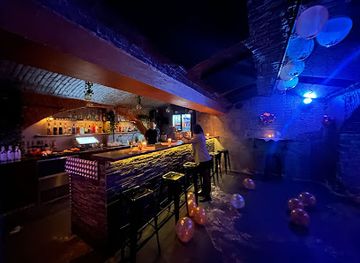
St. Leonhard has a modest, mixed evening scene rather than a dedicated nightclub district. Cafés and restaurant bars along Leonhardstraße and near the university-facing streets provide places for an unhurried drink, while the neighbourhood’s proximity to the old town and the Graz Opera opens access to a much broader choice of bars, performances and late-evening venues nearby. Students and cultural audiences contribute to a generally informal atmosphere, but much of the district remains residential, with evening activity thinning away from the main corridor. The opera is close to the neighbourhood’s western side, though its building and immediate setting sit near the boundary with the central districts. Visitors returning late should follow the tram routes or well-used streets and remember that apartment buildings line many of the quieter lanes.
-
Grill
Bar28
Experience the vibrant flavors of Graz at Bar28, where delicious grilled dishes and a lively atmosphere await every visitor.
9 min walk · 0.7 km from neighbourhood centre
-
Bar
Cohibar
Discover the lively atmosphere of Cohibar, a top bar in Graz, Austria, where cocktails and good vibes await every visitor.
12 min walk · 1.0 km from neighbourhood centre
-
Bar
Eckhaus15
Eckhaus15 in Graz: Where exceptional cocktails and European flavors meet in a vibrant atmosphere.
9 min walk · 0.7 km from neighbourhood centre
-
Cocktail bar
Kalte Ente
Discover Kalte Ente, where exquisite cocktails meet a vibrant atmosphere in the heart of Graz, perfect for an unforgettable night out.
10 min walk · 0.8 km from neighbourhood centre


Best nightclubs in St. Leonhard
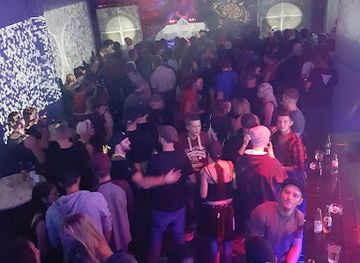
St. Leonhard has a modest, mixed evening scene rather than a dedicated nightclub district. Cafés and restaurant bars along Leonhardstraße and near the university-facing streets provide places for an unhurried drink, while the neighbourhood’s proximity to the old town and the Graz Opera opens access to a much broader choice of bars, performances and late-evening venues nearby. Students and cultural audiences contribute to a generally informal atmosphere, but much of the district remains residential, with evening activity thinning away from the main corridor. The opera is close to the neighbourhood’s western side, though its building and immediate setting sit near the boundary with the central districts. Visitors returning late should follow the tram routes or well-used streets and remember that apartment buildings line many of the quieter lanes.
-
Bar
Rock-Bar Nachtexpress
Discover the lively nightlife of Graz at Rock-Bar Nachtexpress, where great drinks and an electric atmosphere await every visitor.
5 min drive · 1.5 km from neighbourhood centre
-
Disco club
Bunker
Experience the vibrant nightlife at Bunker, Graz's top disco club, where music and energy blend for an unforgettable evening.
6 min drive · 2.0 km from neighbourhood centre
-
Night club
Club Q
Discover the vibrant nightlife of Graz at Club Q, where music and dance create unforgettable memories in the heart of the city.
14 min walk · 1.1 km from neighbourhood centre
-
Night club
Der Klub
Der Klub: Graz's premier night club offering an electrifying nightlife experience with top DJs, vibrant atmosphere, and refreshing cocktails.
13 min walk · 1.0 km from neighbourhood centre


Best shops in St. Leonhard
Shopping in St. Leonhard is primarily local and practical, concentrated around Leonhardstraße and adjoining streets rather than arranged as a large retail destination. Visitors will find everyday shops, bakeries, cafés and small services among the apartment buildings, with the university and hospital presence helping sustain a steady neighbourhood trade. The area is useful for observing ordinary Graz shopping culture, where independent businesses and residential errands share the same street frontage. For a more substantial food-market experience, Kaiser-Josef-Markt lies nearby on the central side of St. Leonhard, offering regional produce and prepared food, but it belongs to the adjacent central area rather than the neighbourhood proper. Larger retail chains and specialist shopping are more concentrated in Graz’s inner city, which is close enough to reach on foot or by tram. St. Leonhard’s appeal is its everyday scale rather than a dense collection of boutiques.
-
Second hand store
Aida Antik & Retro Shop Graz
Explore the charm of the past at Aida Antik & Retro Shop Graz, where vintage treasures and sustainable shopping meet in a delightful atmosphere.
9 min walk · 0.7 km from neighbourhood centre
-
Consignment shop
Carla Merangasse
Discover unique second-hand treasures at Carla Merangasse, Graz's vibrant consignment shop supporting social services and sustainable shopping.
8 min walk · 0.6 km from neighbourhood centre
-
Used clothing store
niki secondhand
Explore Niki Secondhand in Graz for unique pre-loved fashion pieces that blend style with sustainability, making every purchase a treasure.
8 min walk · 0.6 km from neighbourhood centre
-
Gift shop
minimali
Explore Minimali in Graz for unique gifts and organic products, perfect for memorable souvenirs and eco-friendly treasures.
8 min walk · 0.6 km from neighbourhood centre


St. Leonhard essentials
Getting There
Getting Around
Safety
Emergency Situations
Do's and Don'ts
Local Tips

From Eve
Local phrases worth knowing
You don't need to get them perfect. A few words go a long way, and locals appreciate the effort.
Basics
| English | Local | Say it |
|---|---|---|
| Hello | Servus | [Ser-voos] |
| Goodbye | Auf Wiedersehen | [Owf Vee-der-zay-en] |
| Yes | Ja | [Ya] |
| No | Nein | [Nine] |
| Please/You're welcome | Bitte | [Bit-te] |
| Thank you | Danke | [Dank-eh] |
| Excuse me/Sorry | Entschuldigung | [Ent-shool-di-goong] |
| How are you? | Wie geht's? | [Vee geyts] |
| Fine. And you? | Gut. Und dir? | [Goot. Oond deer] |
| Do you speak English? | Sprechen Sie Englisch? | [Shpre-khen Zee Eng-leesh] |
| I don't understand | Ich verstehe nicht | [Eekh fair-shtay-eh neekt] |
Eating & Drinking
| English | Local | Say it |
|---|---|---|
| I'd like to see the menu, please | Ich hätte gerne die Speisekarte | [Eekh ha-te gehr-neh dee Shpy-zeh-kar-te] |
| I don't eat meat | Ich esse kein Fleisch | [Eekh ess-eh kine Fly-sh] |
| Cheers! | Prost! | [Prohst] |
| I would like to pay, please | Ich möchte bitte bezahlen | [Eekh merkh-te bit-te beh-tsal-en] |
Emergencies
| English | Local | Say it |
|---|---|---|
| Help! | Hilfe! | [Hil-feh] |
| Go away! | Geh weg! | [Geh vehg] |
| Call the Police! | Rufen Sie die Polizei! | [Roo-fen Zee dee Po-lee-tsy] |
| Call a doctor! | Rufen Sie einen Arzt! | [Roo-fen Zee eye-nen Ahr-tsht] |
| I'm lost | Ich habe mich verirrt | [Eekh hah-beh meeh fer-eert] |
| I'm ill | Ich bin krank | [Eekh been krank] |
Shopping
| English | Local | Say it |
|---|---|---|
| I'd like to buy... | Ich möchte kaufen... | [Eekh merkh-te kow-fen] |
| I'm just looking | Ich schaue nur | [Eekh shau-eh noor] |
| How much is it? | Wie viel kostet das? | [Vee feel kohs-tet dahs] |
| That's too expensive | Das ist zu teuer | [Dahs ist tsoo toy-er] |
| Can you lower the price? | Können Sie den Preis senken? | [Kern-en Zee dehn Prize zehn-ken] |
Time & Numbers
| English | Local | Say it |
|---|---|---|
| What time is it? | Wie spät ist es? | [Vee shpeht ist ehs] |
| It's one o'clock | Es ist ein Uhr | [Ess ist iyn oor] |
| Half past (10) | Halb elf | [Halb elf] |
| Morning | Morgen | [Mor-gen] |
| Afternoon | Nachmittag | [Nahkh-mit-tahg] |
| Evening | Abend | [Ah-bent] |
| Yesterday | Gestern | [Ges-tern] |
| Today | Heute | [Hoy-teh] |
| Tomorrow | Morgen | [Mor-gen] |
| 1 | Eins | [Iyns] |
| 2 | Zwei | [Tsvy] |
| 3 | Drei | [Dry] |
| 4 | Vier | [Feer] |
| 5 | Fünf | [Foonf] |
| 6 | Sechs | [Zeks] |
| 7 | Sieben | [Zee-ben] |
| 8 | Acht | [Ahkht] |
| 9 | Neun | [Noyn] |
| 10 | Zehn | [Tsayn] |
Transport & Directions
| English | Local | Say it |
|---|---|---|
| Where's a/the...? | Wo ist ein/der...? | [Vo ist iyn/dehr] |
| What's the address? | Was ist die Adresse? | [Vahs ist dee Ah-dreh-suh] |
| Can you show me (on the map)? | Können Sie mir zeigen (auf der Karte)? | [Kern-en Zee meer tsie-gen (ouf dehr Kar-te)] |
| When's the next (bus)? | Wann kommt der nächste (Bus)? | [Vahn kohmt dehr nekh-stuh (Boos)] |
| A ticket (to ....) | Eine Fahrkarte (nach ...) | [Iyn-eh Fahr-kar-te (nahkh ...)] |
History of St. Leonhard
A Parish on Graz’s Eastern Edge
St. Leonhard developed around a parish dedicated to Saint Leonard, traditionally associated with care for prisoners and animals. For centuries the area east of Graz’s historic core consisted of scattered settlement, gardens and roads leading towards the surrounding hills rather than a densely built urban quarter. The parish gave the locality its enduring name, while the route now represented by Leonhardstraße connected the growing city with communities beyond its older walls. The district’s position outside the medieval centre shaped its later character: it could expand through villas, institutional buildings and apartment houses as Graz grew beyond its historic core.
Urban Growth in the Nineteenth Century
Graz’s nineteenth-century expansion transformed St. Leonhard from an outlying parish area into an inner urban neighbourhood. New roads, public transport connections and pressure for housing encouraged the construction of multi-storey residences alongside older houses and gardens. The area gained institutions that depended on larger sites than were available in the medieval centre, and its proximity to the Stadtpark made it attractive for both residents and public uses. The surviving mixture of historic apartment façades, detached buildings and institutional compounds reflects this gradual urbanisation rather than a single planned development.
The Herz Jesu Kirche
The construction of the Herz Jesu Kirche between 1881 and 1891 gave St. Leonhard a powerful architectural focus. Designed in the Gothic Revival tradition by Georg von Hauberrisser the Younger, the church was built as a prominent parish and civic landmark during a period when Graz was extending rapidly beyond its old centre. Its tall tower, brickwork and elaborate interior expressed the religious and architectural confidence of the late nineteenth century. The building remains important not only for worship but also as evidence of the period when new urban districts were establishing their own institutions and visual identities.
A Modern Residential and Institutional Quarter
During the twentieth century, St. Leonhard consolidated its role as a mixed inner-city district rather than becoming a specialised commercial centre. Residential streets developed alongside medical, educational and public institutions, while tram connections strengthened links with central Graz. Post-war changes brought adaptations and replacement buildings, but much of the neighbourhood’s nineteenth-century urban fabric remained legible. Today, students, medical workers, families and established residents contribute to a district whose identity rests on proximity to the centre, local services, cultural access and the quieter streets leading eastwards.
St. Leonhard in Photos
Browse through our photo collection highlighting the charm and character of the destination.
Neighbourhoods near St. Leonhard
The closest neighbourhoods to St. Leonhard, if you have time for more than one stop.
-

-
-
-
-


Swipe for more neighbourhoods
Explore more

Explore more of Graz
Graz, Austria blends a UNESCO-listed old town, Schlossberg views, modern art, Styrian cuisine and lively cultural life in a compact city setting.
Explore Graz