

Free Balzers Travel Guide & Mobile App
Plan your Balzers trip with Evendo. Get free guides to top attractions, restaurants, hotels, and bars. Web access or download the mobile app.


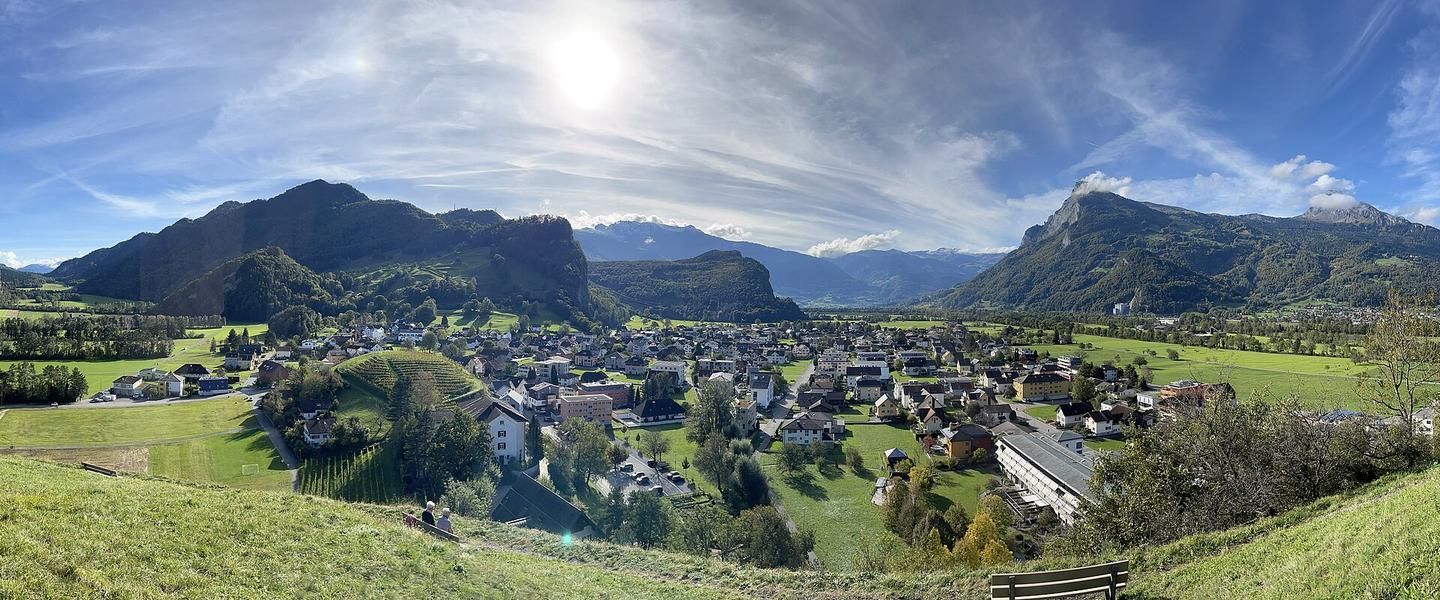


Balzers, Liechtenstein, combines Gutenberg Castle, village heritage, Alpine scenery and peaceful walks in the Rhine Valley near Switzerland.
A Southern Liechtenstein Village
Balzers occupies Liechtenstein’s southern corner, where the Rhine Valley opens towards Switzerland and the mountains rise sharply on either side. Its compact settlement is shaped by the prominent hill crowned by Gutenberg Castle, while the wider landscape combines cultivated fields, wooded slopes and distant Alpine ridges. Although Balzers is a municipality rather than a large urban centre, its setting provides an especially clear introduction to Liechtenstein’s rural character and borderland geography.Read more about Balzers
Gutenberg and the Old Village
Landscape and Local Life
When is the best time to visit Balzers?
Best: June–August · 25–28°C| Month | High (°C) | Rainfall (mm) |
|---|---|---|
| January | 2 | 46 |
| February | 5 | 41 |
| March | 9 | 36 |
| April | 16 | 31 |
| May | 21 | 26 |
| June (best) | 25 | 21 |
| July (best) | 28 | 21 |
| August (best) | 28 | 26 |
| September | 23 | 31 |
| October | 18 | 36 |
| November | 11 | 41 |
| December | 6 | 46 |
Getting to and around Balzers
How to get there
Transportation
Best attractions in Balzers
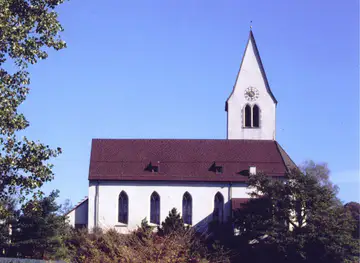
Balzers’ principal attraction is Gutenberg Castle, whose hilltop position gives the village its strongest visual landmark and opens views across the Rhine Valley. The castle surroundings are best paired with a walk through the historic settlement and to the parish church of St Nicholas, where village architecture and religious heritage provide a quieter counterpoint to the fortified hill. Archaeological interest centres on Gutenberg Hill, a site associated with much earlier human activity than the medieval castle. Beyond the built heritage, the municipality offers easy access to rural paths, cultivated valley landscapes and views towards the Swiss and Liechtenstein Alps. Visitors interested in local history can also use Balzers as a base for exploring the southern part of the principality, including nearby Triesen and the wider Rhine Valley, while remembering that these are separate municipalities rather than attractions within Balzers itself.
-
Tourist attraction
Heididorf
Step into Heidi's world: Experience the charm of Swiss mountain life and the timeless story that has captivated generations in Heididorf.
20 min drive · 6.7 km from city centre
-
Castle
Burg Gutenberg
Explore Burg Gutenberg in Balzers, Liechtenstein: a medieval castle with stunning views, rich history, and cultural events.
4 min walk · 0.3 km from city centre
-
Hiking area
Heidiweg
Hike through Heidi's world on the Heidiweg in Maienfeld, Switzerland, and experience the landscapes that inspired the beloved Heidi story.
19 min drive · 6.3 km from city centre
-
Tourist attraction
1. Rheinbrücke zwischen Schweiz und Lichtenstein
Cross the Rheinbrücke: Where scenic views and Swiss-Liechtenstein unity meet in Balzers.
5 min drive · 1.7 km from city centre


Best landmarks in Balzers
Gutenberg Castle is Balzers’ defining landmark, occupying a rocky hill above the village and expressing the strategic importance of the southern Rhine Valley during the medieval period. Its walls, towers and elevated position create a strong relationship between fortification and landscape, even though access to interior areas may vary. The parish church of St Nicholas is another central landmark, representing the continuing religious and communal history of the settlement. The church and castle together form a distinctive village silhouette, with the one rooted in parish life and the other in territorial power. Gutenberg Hill itself is culturally important because archaeological evidence connects the site with prehistoric occupation. Across Balzers, the contrast between historic buildings, modern homes and open valley views illustrates how Liechtenstein’s small communities have developed without losing their most recognisable historical markers.
-
Live Music
Burg Gutenberg
Explore Burg Gutenberg, a stunning historical castle in Balzers, Liechtenstein, known for its enchanting architecture and dynamic live music events.
4 min walk · 0.3 km from city centre
-
 Hotel
Hotel Hofbalzers
Discover the serene elegance of Hotel Hofbalzers, a perfect blend of comfort and local charm in the heart of Balzers, Liechtenstein.
4 min walk · 0.3 km from city centre
-
Children's museum
Alter Pfarrhof Balzers
Explore creativity and education at Alter Pfarrhof Balzers, a delightful children's museum in the heart of Liechtenstein.
5 min walk · 0.4 km from city centre
-
Educational institution
Haus Gutenberg
Explore the cultural heart of Balzers at Haus Gutenberg, where education and events come together in a stunning setting.
6 min walk · 0.5 km from city centre


Explore Balzers on the map
Plan your Balzers trip on one map. See where the top attractions, landmarks, restaurants, bars and hotels are, find what's near where you're staying, and book hotels and experiences in a few clicks.
Best hotels in Balzers
Best restaurants in Balzers
Balzers has a modest local dining scene shaped by Liechtenstein’s Alpine setting and close relationship with eastern Switzerland. Menus commonly draw on central European traditions, with hearty meat dishes, seasonal vegetables, soups, rösti-style preparations and regional cheeses appearing alongside more contemporary European cooking. Local specialities associated with Liechtenstein, such as käsknöpfle, a cheese-based dumpling dish, may be found in traditional restaurants and inns, although menus vary. Dining tends to centre on village restaurants, cafés and hotel establishments rather than a concentrated restaurant quarter. The surrounding Rhine Valley also influences produce and wine culture, while nearby Swiss communities broaden the choice of casual and regional food. Shops and bakeries provide practical daytime options, but opening patterns can be quieter outside peak meal periods and on Sundays.
-
Pizza
Pizzeria il Salento
Discover authentic Italian flavors at Pizzeria il Salento in Triesen - where every slice tells a story.
17 min drive · 5.8 km from city centre
-
Restaurant
Speiserestaurant 'Selva' GmbH
Experience authentic Swiss cuisine at Speiserestaurant 'Selva', where local flavors meet exceptional hospitality in beautiful Trübbach.
6 min drive · 1.9 km from city centre
-
Gastropub
Kainer
Discover Kainer, Triesenberg's premier gastropub offering exquisite local cuisine amidst stunning alpine views.
19 min drive · 6.4 km from city centre
-
Restaurant
Red Mango Thai Takeaway
Experience authentic Thai flavors at Red Mango Thai Takeaway – where every dish tells a story of culinary tradition.
18 min drive · 5.8 km from city centre


Best bars in Balzers
Balzers does not have a large club district or a late-night entertainment quarter. Evenings are generally centred on village restaurants, hotel bars, cafés and community occasions, with a relaxed atmosphere suited to conversation rather than continuous nightlife. Cultural and social activity may also be connected to local associations, parish life, seasonal celebrations and events in municipal or community venues. Visitors seeking a broader selection of bars, live entertainment or later-opening venues usually look towards Vaduz, Schaan or towns across the Swiss border, travelling by bus, taxi or car and checking return connections in advance. Quiet residential streets are part of Balzers’ character, so late-night visitors should keep noise low and avoid treating the village as a club destination.
-
Restaurant
Zur Alten Eiche
Experience the best of Liechtenstein's flavors at Zur Alten Eiche, a family-friendly restaurant with a stunning beer garden and exquisite local cuisine.
9 min drive · 2.8 km from city centre
-
Restaurant
Zentrum Balzers
Experience authentic local cuisine at Zentrum Balzers, where culinary excellence meets the warm atmosphere of Balzers.
1 min walk · 0.1 km from city centre
-
Beer Garden
Lömagarta
Discover Lömagarta, Vaduz's charming beer garden, offering a cozy ambiance and a wide selection of local brews in the heart of Switzerland.
20 min drive · 6.7 km from city centre
-
Bar
Black Pearl Bar
Discover the vibrant nightlife of Triesen at the Black Pearl Bar, where trendy decor meets a lively atmosphere and expertly crafted cocktails.
17 min drive · 5.6 km from city centre


Best nightclubs in Balzers
Balzers does not have a large club district or a late-night entertainment quarter. Evenings are generally centred on village restaurants, hotel bars, cafés and community occasions, with a relaxed atmosphere suited to conversation rather than continuous nightlife. Cultural and social activity may also be connected to local associations, parish life, seasonal celebrations and events in municipal or community venues. Visitors seeking a broader selection of bars, live entertainment or later-opening venues usually look towards Vaduz, Schaan or towns across the Swiss border, travelling by bus, taxi or car and checking return connections in advance. Quiet residential streets are part of Balzers’ character, so late-night visitors should keep noise low and avoid treating the village as a club destination.
-
Bar
Take 5 Vaduz
Experience the vibrant nightlife at Take 5 Vaduz, a lively bar in Triesen offering great drinks and an inviting atmosphere.
19 min drive · 6.5 km from city centre
-
Bar
Black Pearl Bar
Discover the vibrant nightlife at Black Pearl Bar in Triesen, where great drinks meet a cozy atmosphere for an unforgettable experience.
17 min drive · 5.6 km from city centre
-
Bar
Coco-Loco
Experience the vibrant nightlife at Coco-Loco, a premier bar and dance hall in Balzers, offering great drinks and a lively atmosphere.
10 min walk · 0.8 km from city centre
-
Night club
Bar Red House
Dive into the vibrant nightlife of Wartau at Bar Red House, where music, dance, and fun come together in a lively atmosphere.
13 min drive · 4.2 km from city centre


Best shops in Balzers
Shopping in Balzers is local and practical rather than concentrated in a major retail district. Small shops and everyday services serve residents, while bakeries and food retailers offer useful purchases for visitors exploring the valley. The municipality is not primarily known for a large traditional market or a specialist craft quarter, so travellers looking for a wider range of boutiques, souvenirs and cultural products generally continue to Vaduz, Schaan or nearby Swiss towns. Typical regional purchases may include Liechtenstein-produced foods, wine from the Rhine Valley, cheese and Alpine-inspired crafts, although availability varies between retailers. Shopping is best treated as part of the village experience, with attention to opening patterns, Sunday closures and the use of Swiss francs. Larger retail centres and specialised stores are more accessible elsewhere in the region.
-
Supermarket
Migros-Partner - FL - Balzers
Explore local flavors at Migros-Partner in Balzers, your go-to supermarket for fresh produce, bakery delights, and health foods in Liechtenstein.
15 min walk · 1.2 km from city centre
-
Supermarket
Coop Supermarkt Balzers
Explore the rich selection of fresh produce and local specialties at Coop Supermarkt Balzers, your go-to grocery destination in the heart of Liechtenstein.
5 min walk · 0.4 km from city centre
-
Gas station
Coop Pronto Shop mit Tankstelle Balzers FL
Discover convenience and quality at Coop Pronto in Balzers, your ultimate stop for fueling and shopping in Liechtenstein.
6 min walk · 0.5 km from city centre
-
Tattoo shop
Silverback Tattoo Society
Experience unparalleled artistry at Silverback Tattoo Society in Balzers, a premier tattoo studio for all enthusiasts.
4 min walk · 0.4 km from city centre


Get your free copy of our complete guide to Balzers, delivered straight to you.
Everything on this page, from attractions and restaurants to essentials and local phrases, in one PDF you can read offline, print or share.
Already have an account? Sign in
Your Balzers guide is ready.
We'll send it to · Not you? Sign out

Getting your guide ready…
We are putting together a fresh copy of the Balzers guide. This can take up to a minute.
This can take a few moments. If your browser asks, choose Allow so the download can start. You'll find the guide in your Downloads folder.
Nothing happened? Download it again
Sorry, the guide is taking longer than usual. Please try again in a minute, or get it by email instead.
Balzers essentials
Currency and Payment
Safety
Emergency Situations
Do's and Don'ts
Local Tips
From Eve
Local phrases worth knowing
You don't need to get them perfect. A few words go a long way, and locals appreciate the effort.
Basics
| English | Local | Say it |
|---|---|---|
| Hello | Hallo | [HAH-loh] |
| Goodbye | Adieu | [ah-DYOO] |
| Yes | Ja | [yah] |
| No | Nein | [nyne] |
| Please/You're welcome | Bitte | [BIH-tuh] |
| Thank you | Danke | [DAHN-kuh] |
| Excuse me/Sorry | Entschuldigung | [ent-SHOOL-dee-goong] |
| How are you? | Wie geht es dir? | [vee geyt es deer] |
| Fine. And you? | Gut. Und dir? | [goot oont deer] |
| Do you speak English? | Sprechen Sie Englisch? | [SHPRE-khen zee ENG-leesh] |
| I don't understand | Ich verstehe nicht | [ikh fehr-SHTAY-uh nikht] |
Eating & Drinking
| English | Local | Say it |
|---|---|---|
| I'd like to see the menu, please | Ich möchte bitte die Speisekarte sehen | [ikh merkht-uh BIH-tuh dee SHPYE-zuh-kahr-teh zay-en] |
| I don't eat meat | Ich esse kein Fleisch | [ikh EHS-se kine flysh] |
| Cheers! | Prost! | [prohst] |
| I would like to pay, please | Ich möchte bitte zahlen | [ikh merkht-uh BIH-tuh TSAH-len] |
Emergencies
| English | Local | Say it |
|---|---|---|
| Help! | Hilfe! | [HIL-fuh] |
| Go away! | Geh weg! | [gey vekh] |
| Call the Police! | Rufen Sie die Polizei! | [ROO-fen zee dee poh-LEE-tsey] |
| Call a doctor! | Rufen Sie einen Arzt! | [ROO-fen zee EY-nen artsht] |
| I'm lost | Ich habe mich verirrt | [ikh HAH-buh meekh fehr-EERT] |
| I'm ill | Ich bin krank | [ikh been krahnk] |
Shopping
| English | Local | Say it |
|---|---|---|
| I'd like to buy... | Ich möchte kaufen... | [ikh merkht-uh KOW-fen] |
| I'm just looking | Ich schaue nur | [ikh SHOW-uh noor] |
| How much is it? | Wie viel kostet es? | [vee feel KOH-stet es] |
| That's too expensive | Das ist zu teuer | [dahs ist tsoo TOY-er] |
| Can you lower the price? | Können Sie den Preis senken? | [KERN-en zee den preys ZEN-ken] |
Time & Numbers
| English | Local | Say it |
|---|---|---|
| What time is it? | Wie spät ist es? | [vee SHPEHT ist es] |
| It's one o'clock | Es ist ein Uhr | [es ist eyen oor] |
| Half past (10) | Halb (10) | [halb (tsayn)] |
| Morning | Morgen | [MOR-gen] |
| Afternoon | Nachmittag | [NAKH-mit-tahk] |
| Evening | Abend | [AH-bent] |
| Yesterday | Gestern | [GEHS-tern] |
| Today | Heute | [HOY-teh] |
| Tomorrow | Morgen | [MOR-gen] |
| 1 | Eins | [eyns] |
| 2 | Zwei | [tsvay] |
| 3 | Drei | [dry] |
| 4 | Vier | [feer] |
| 5 | Fünf | [foonf] |
| 6 | Sechs | [zeks] |
| 7 | Sieben | [zee-ben] |
| 8 | Acht | [ahkt] |
| 9 | Neun | [noyn] |
| 10 | Zehn | [tsayn] |
Transport & Directions
| English | Local | Say it |
|---|---|---|
| Where's a/the...? | Wo ist ein/der...? | [voh ist eyen/dehr] |
| What's the address? | Was ist die Adresse? | [vahs ist dee ah-DREH-suh] |
| Can you show me (on the map)? | Können Sie mir zeigen (auf der Karte)? | [KERN-en zee meer tsay-gen (owf dehr KAHR-teh)] |
| When's the next (bus)? | Wann kommt der nächste (Bus)? | [vahn kohmt dehr NEKH-stuh (boos)] |
| A ticket (to ....) | Eine Fahrkarte (nach ...) | [ey-nuh FAHR-kahr-teh (nahkh ...)] |
History of Balzers
Prehistoric Settlement on Gutenberg Hill
Archaeological discoveries around Gutenberg Hill show that the Balzers area was inhabited long before the medieval castle appeared. Finds associated with prehistoric settlement and ritual activity indicate the hill’s strategic and visible position above the Rhine Valley. Its location offered a defensible elevation and clear relationships with routes through the valley and towards Alpine passes. Roman-period traces in the wider Balzers area add evidence of continued occupation and movement through this important corridor. These early layers are significant because they place the modern municipality within a much older cultural landscape, where the hill and river plain served changing communities over many centuries.
The Medieval Rise of Gutenberg
Gutenberg Castle developed during the Middle Ages as a fortified seat above Balzers, probably taking shape from the twelfth century onwards and expanding over subsequent periods. The stronghold belonged to the network of castles and territorial centres that controlled movement and land in the upper Rhine Valley. Its position gave it both defensive value and symbolic authority, although the settlement below remained primarily rural. Medieval Balzers was connected to the shifting feudal relationships of the region, which included powerful noble families and ecclesiastical institutions. The castle hill, parish community and agricultural village established the basic pattern that still distinguishes Balzers today.
Lords, Conflicts and Changing Rule
During the later Middle Ages and early modern period, Balzers experienced the political changes affecting the small territories of the Rhine Valley. Control of local lands and rights passed through noble and regional authorities, while the village’s inhabitants depended largely on farming, livestock and trade linked to nearby routes. Warfare repeatedly disrupted the wider region, and Gutenberg Castle was damaged and altered during periods of conflict before losing much of its military importance. The religious character of village life was expressed through the parish church and local devotional institutions. These centuries left Balzers with a layered heritage rather than a single, uninterrupted political identity.
The Napoleonic Era and Liechtenstein Statehood
The upheavals surrounding the French Revolutionary and Napoleonic Wars reached the Rhine Valley directly. In 1799, military movements involving French and Russian forces affected the area around Balzers, bringing hardship and disruption to communities close to the river. The political map then changed decisively: the County of Vaduz and the Lordship of Schellenberg, territories of the Princely House of Liechtenstein, became a sovereign principality in 1806 through the Confederation of the Rhine. Balzers consequently developed within the independent state of Liechtenstein, while its border position continued to connect the municipality closely with neighbouring Swiss communities.
From Farming Village to Modern Municipality
For much of the nineteenth century, Balzers retained an agricultural economy, with the Rhine landscape shaping work, settlement and seasonal routines. Improvements in transport, public services and flood control gradually strengthened connections across the valley, and industrialisation brought new employment beyond farming during the twentieth century. Liechtenstein’s customs treaty with Switzerland, established in 1923, further integrated the principality into the Swiss economic area and influenced everyday commerce and mobility. Modern Balzers now combines residential neighbourhoods, local industry, community facilities and protected or cultivated landscapes. Gutenberg Castle and the historic church remain visible reminders of the municipality’s earlier social and territorial structure.
Balzers in Photos
Browse through our photo collection highlighting the charm and character of the destination.
Cities near Balzers
The closest cities to Balzers, if you have time for more than one stop.
-
-

-

-

-


Swipe for more cities
Explore more

Explore more of Liechtenstein
Discover the charm of Liechtenstein, a tiny Alpine principality offering medieval castles, stunning hiking trails, and a rich cultural heritage in the heart of Europe.
Explore Liechtenstein