Burgtor: Graz's Historic Gateway
Discover the Burgtor in Graz: a historic landmark showcasing centuries of Austrian architecture and a gateway to the city's vibrant past.
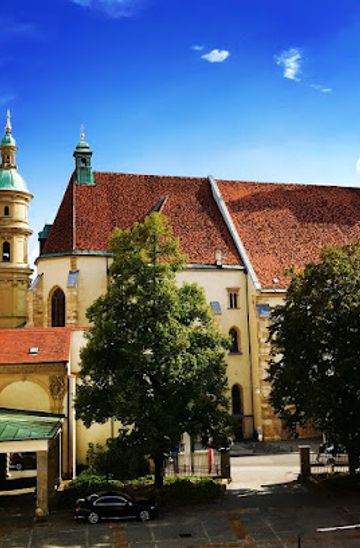
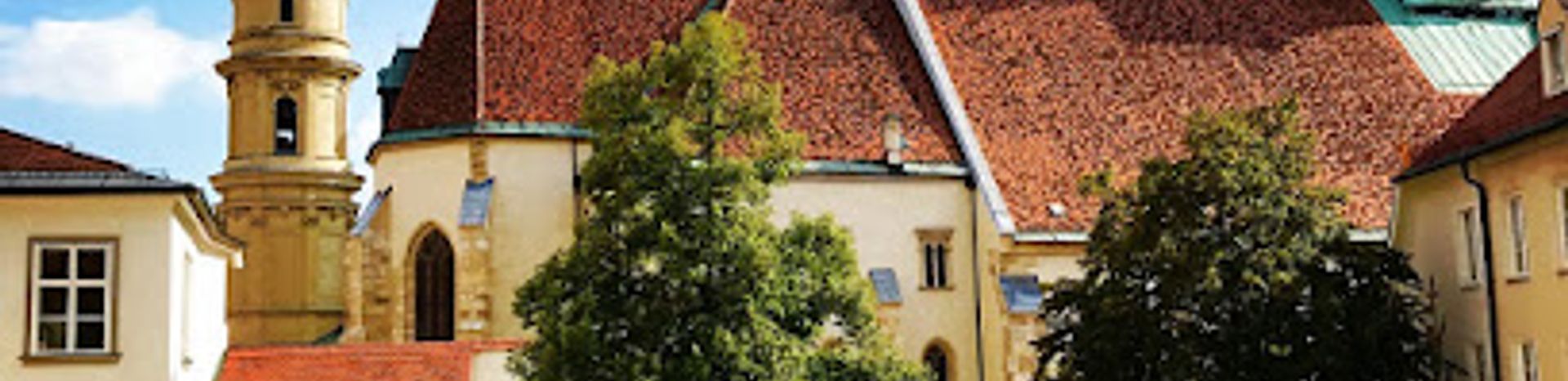
The Burgtor, or Castle Gate, stands as a striking historical landmark in Graz, Austria. Originally constructed in the 15th century as part of the city's defensive fortifications, it offers a glimpse into Graz's rich architectural heritage and storied past.
A brief summary to Burgtor
- Erzherzog-Johann-Allee, Graz, 8010, AT
- Click to display
- Click to display

Know before you go
Hi, I'm Eve. Here are a few practical things to know before exploring Burgtor.
- Visit early in the morning to avoid crowds and enjoy a peaceful atmosphere.
- Bring your camera to capture the stunning architecture and surrounding scenery.
- Combine your visit with a walk through the historic center to experience Graz's rich culture and traditions.
Do you manage this location?
Take control to get all the benefits, like improved information, better appearance, and stronger visibility across AI-powered discovery. Learn more
Activate your presence
Getting There
-
Walking
From Jakominiplatz, Graz's central transportation hub, walk north along Herrengasse. Continue until you reach the intersection with St.-Peter-Gasse and turn left. Walk straight until you reach Burgtor on Erzherzog-Johann-Allee. The walk is approximately 15-20 minutes.
-
Public Transport
From Graz Hauptbahnhof (main train station), take tram line 1 or 7 towards St. Leonhard. Get off at the Burgtor stop. The ride is approximately 10 minutes. A single ride ticket costs €3.20.
-
Driving
If driving, navigate to Erzherzog-Johann-Allee, 8010 Graz. Parking is available at Parkgarage Burgring, located nearby. Hourly rates are approximately €4.50, with a daily maximum of €45. Alternatively, BOE Garage Burgring offers hourly parking for €4.00 and a daily maximum rate of €40.00. Consider Tiefgarage Kunsthaus, which is a 10-minute walk to Burgtor. It charges €1.30 / 30 min.
Discover more about Burgtor
Explore the best of what Burgtor has to offer













More about Styria
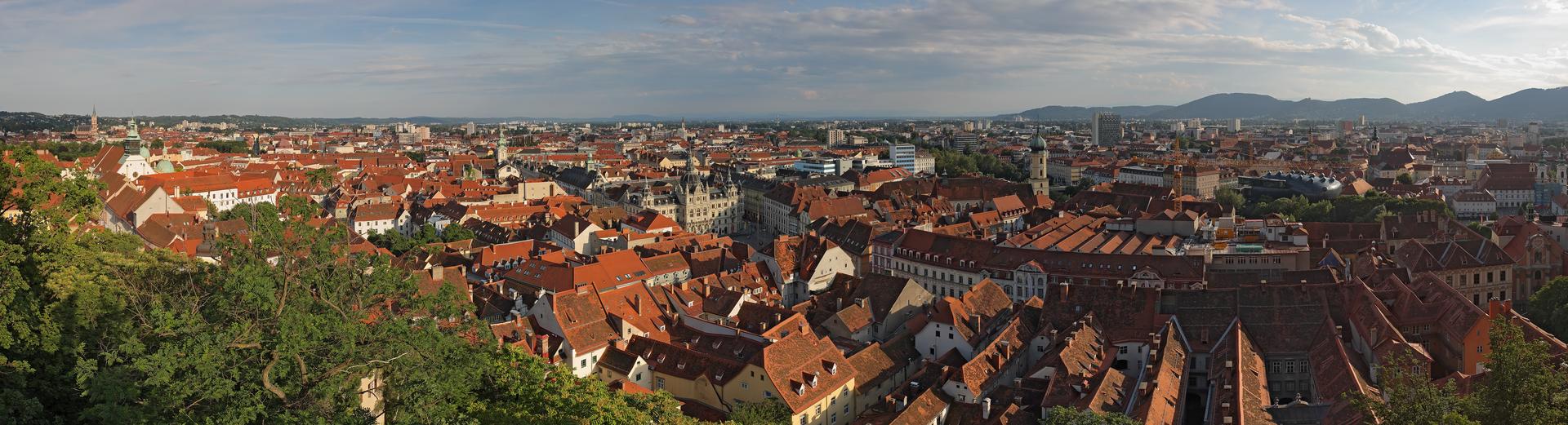
Discover Styria: A picturesque region in Austria known for its lush landscapes, historic architecture, and exceptional wine. Perfect for both outdoor adventures and cultural experiences.
Tell me more about Styria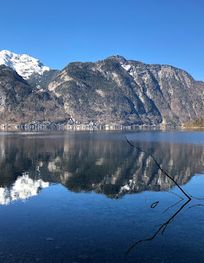
Explore Palais Saurau in Graz: A Renaissance gem with a storied past and the iconic Türkenfigur, offering a glimpse into the city's vibrant history.
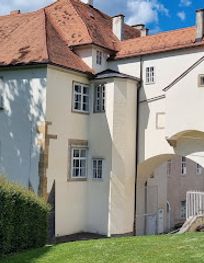
Discover Graz's architectural gem: a double spiral staircase symbolizing unity, nestled in the historic Burg, a short walk from the main square.