
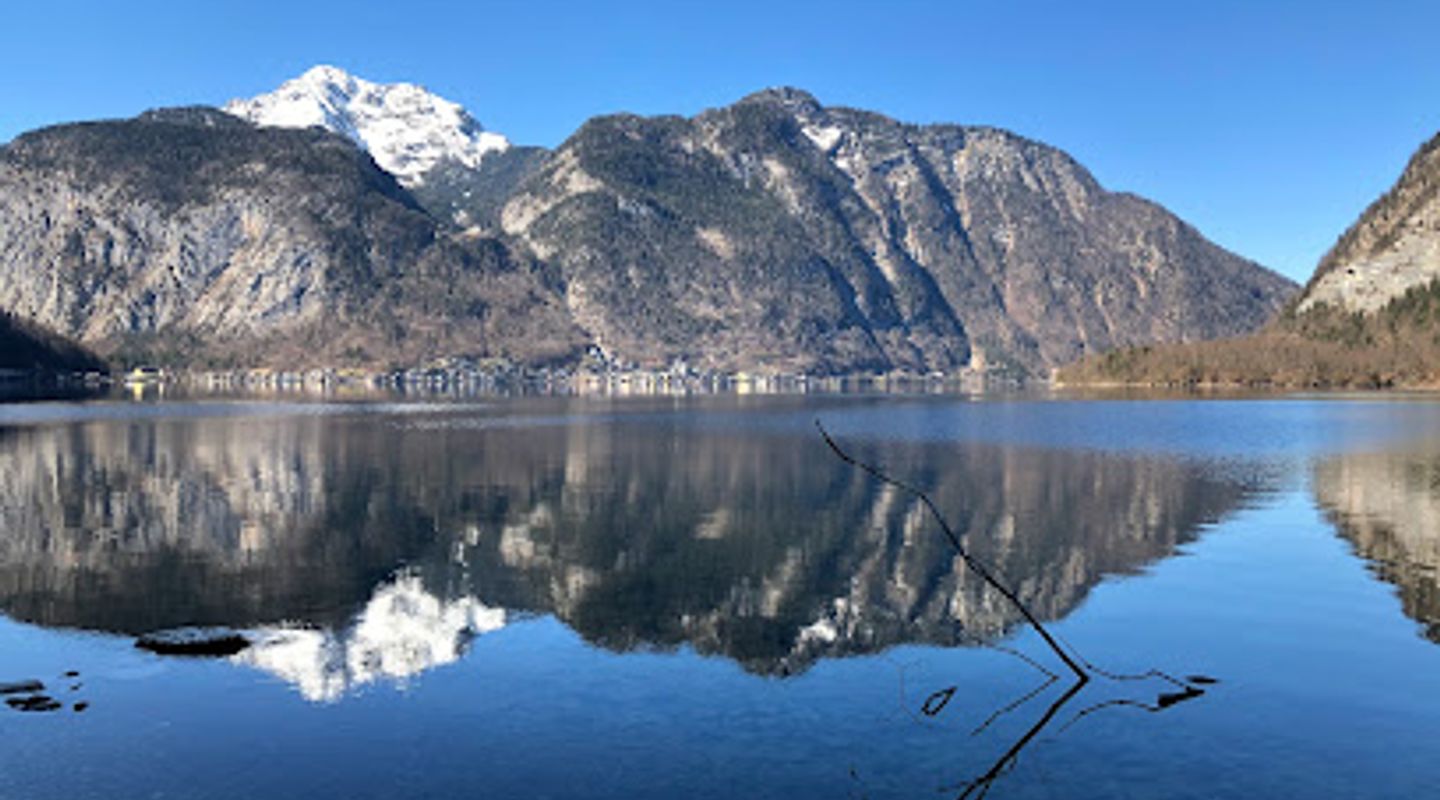
Palais Saurau mit Türkenfigur, Styria Travel Guide
Explore Palais Saurau in Graz: A Renaissance gem with a storied past and the iconic Türkenfigur, offering a glimpse into the city's vibrant history.
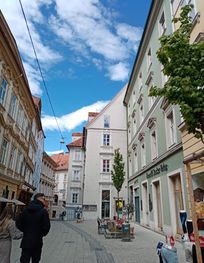
Palais Saurau, a Renaissance palace on Graz's Sporgasse, boasts a rich history dating back to the 16th century. Its iconic 'Türkenfigur,' a half-figure of a Turk, adorns the facade, sparking local legends and captivating visitors.
A brief summary to Palais Saurau mit Türkenfigur
- Sporgasse 25, Graz, 8010, AT
- Click to display
- Click to display

Know before you go
Hi, I'm Eve. Here are a few practical things to know before exploring Palais Saurau mit Türkenfigur.
- Take a stroll along Sporgasse to admire Palais Saurau's facade and soak in the atmosphere of Graz's Old Town.
- Look for remnants of Ionic columns and the coat of arms of Count von Saurau on the decorated portal.
- Visit the Graz Museum to see the original Türkenfigur from Palais Saurau.
Do you manage this location?
Take control to get all the benefits, like improved information, better appearance, and stronger visibility across AI-powered discovery. Learn more about listing your business on Evendo
Activate your presenceOther nearby places you may find interesting
The closest places of the same kind, if this one is not quite what you had in mind.
Explore Palais Saurau mit Türkenfigur on the Map
A handpicked selection of must-see spots near Palais Saurau mit Türkenfigur, mapped for you.
Unlock the Best of Palais Saurau mit Türkenfigur
Buy tickets
-
No tickets available
Book tours with entry


Getting There
-
Walking
Palais Saurau is located on Sporgasse, a pedestrian street in the heart of Graz. From Hauptplatz, the main square, walk south along Sporgasse. The palace is located on the left side of the street at Sporgasse 25. No costs are associated with walking.
-
Public Transport
From Jakominiplatz, a major transportation hub in Graz, take tram lines 1, 3, 4, 5, 6, 7 or 23 to Südtiroler Platz. From there, walk north along Annenstraße, then turn right onto Schmiedgasse, which leads to Sporgasse. The Palais Saurau will be on your left. A single ride on the tram costs €3.20.
-
Parking
Several parking garages are located near Sporgasse, including Kastner & Öhler Tiefgarage and Tiefgarage Burgring Graz. Parking rates typically range from €4.20 to €4.50 per hour, with daily maximums between €42.00 and €45.00. Note that Sporgasse is largely a pedestrian zone, so direct vehicle access is restricted.
Discover more about Palais Saurau mit Türkenfigur
More to explore near Palais Saurau mit Türkenfigur













Your all‑in‑one travel companion app
Explore expert travel guides, compare and book tours, experiences, hotels, and more—all from the palm of your hand. Download now for seamless trip planning wherever your wanderlust takes you.


Explore More of Styria
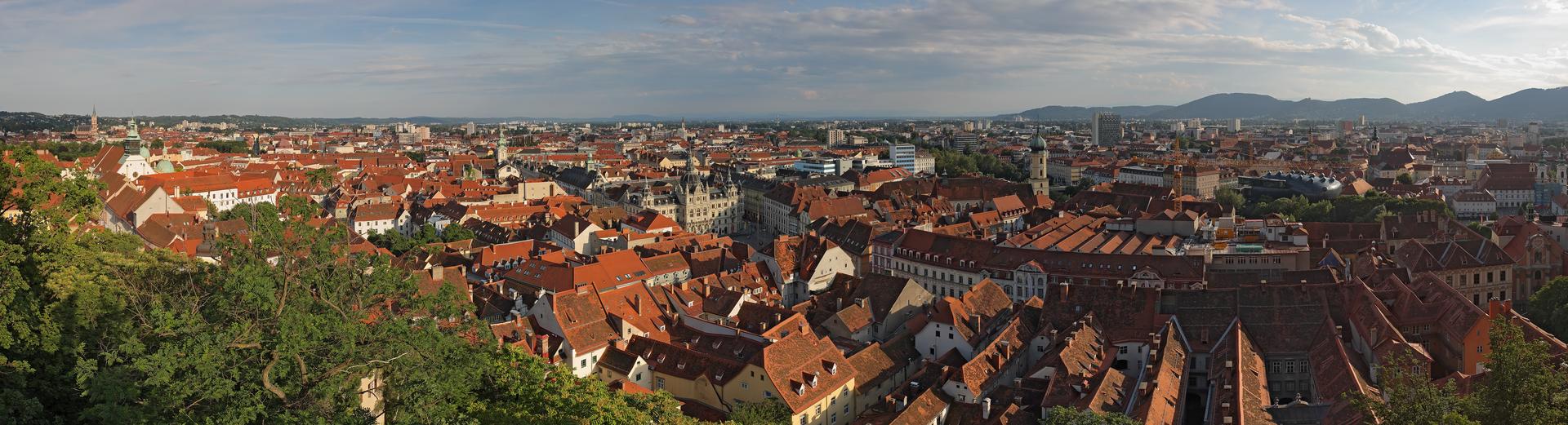
Looking beyond Palais Saurau mit Türkenfigur? Discover Styria for broader travel guides, local hot-spots, and regional highlights.
Explore Styria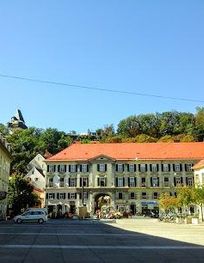
Discover the vibrant culture and history of Graz at Karmeliterplatz, a picturesque square filled with local charm and stunning architecture.
Discover the serene beauty and historical significance of Stiegenkirche, a must-visit Catholic church in Graz, Austria, blending art and tranquility.
