Mariensäule: A Testament to Faith and History
Discover the Mariensäule on Henriettenplatz, a historic monument in Vienna's Rudolfsheim-Fünfhaus, commemorating the end of a plague epidemic and showcasing Viennese resilience.
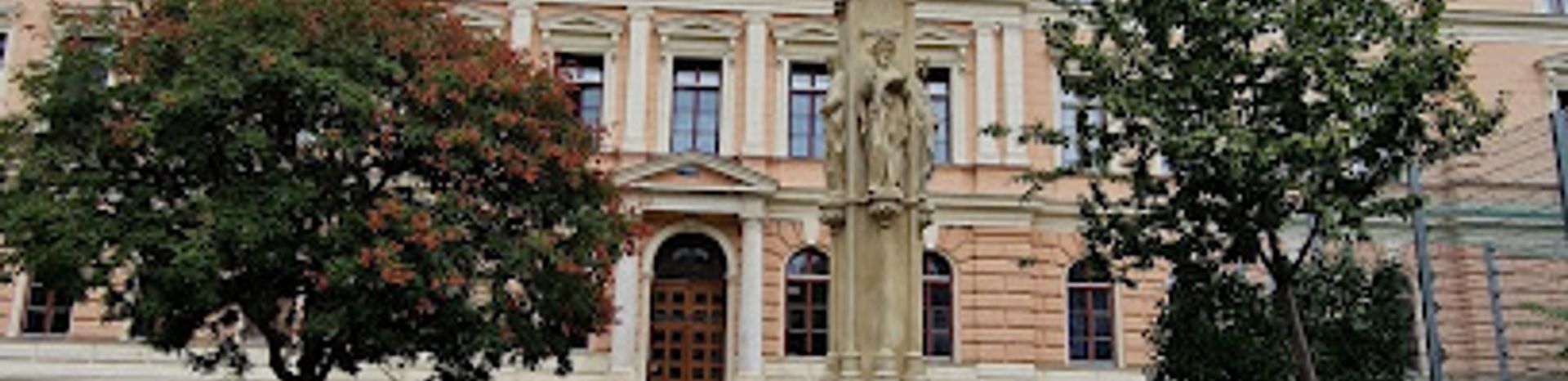
The Mariensäule, located on Henriettenplatz in Vienna's Rudolfsheim-Fünfhaus district, is more than just a monument; it's a symbol of gratitude and resilience. Erected in 1713, it commemorates the end of a devastating plague epidemic, a testament to the city's enduring faith and hope. The column features a statue of the Virgin Mary atop a decorative column, surrounded by angelic figures. While its religious significance has faded over time, the Mariensäule remains a cherished landmark, often serving as a focal point for local events and a reminder of Vienna's rich history. Its presence adds a touch of historical charm to the bustling Henriettenplatz, inviting visitors to pause and reflect on the city's past.
A brief summary to Mariensäule
- Henriettenpl., Vienna, Rudolfsheim-Fünfhaus, 1150, AT
- Visit website
- Monday 12 am-12 am
- Tuesday 12 am-12 am
- Wednesday 12 am-12 am
- Thursday 12 am-12 am
- Friday 12 am-12 am
- Saturday 12 am-12 am
- Sunday 12 am-12 am
Local tips
- Take a moment to observe the intricate details of the column's sculptures, including the Virgin Mary, angels, and symbolic figures representing war, heresy, hunger, and plague.
- Visit Henriettenplatz during a local event or market to experience the square's vibrant atmosphere and see the Mariensäule as a focal point of community life.
- Explore the surrounding Rudolfsheim-Fünfhaus district, known for its diverse culture, local shops, and traditional Viennese cafes.

Getting There
-
Public Transport
The Mariensäule is easily accessible by public transport. Take tram line 9 to the Henriettenplatz stop, which is directly adjacent to the square where the column is located. Alternatively, the U3 and U6 subway lines stop at Westbahnhof, which is approximately a 10-minute walk to Henriettenplatz. A single ticket for public transport within Vienna costs €2.40.
-
Walking
If you are already in the Rudolfsheim-Fünfhaus district, reaching Henriettenplatz and the Mariensäule is easily done by foot. From Wien Westbahnhof train station, walk south along Mariahilfer Straße, then turn left onto Clementinengasse. Henriettenplatz will be on your right. The walk is approximately 10 minutes.
-
Taxi/Ride-Share
A taxi or ride-sharing service from Wien Westbahnhof to Henriettenplatz will cost approximately €8-€12, depending on traffic and the specific service. The journey typically takes around 5-10 minutes.
Discover more about Mariensäule
Iconic landmarks you can’t miss

Parkanlage Henriettenplatz
0.0 km
Escape the city bustle in Vienna's Henriettenplatz Park: a green oasis with gardens, playgrounds, and a rich history, perfect for relaxation and community.
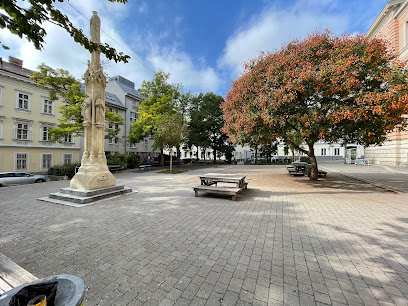
كنيسة رعية فيينا للروم الأرثوذكس
0.1 km
Discover the enchanting Orthodox Church in Vienna, a stunning architectural marvel that blends spirituality with rich cultural history.
Reindorfgasse 25
0.2 km
Explore the historical charm of Reindorfgasse 25 in Rudolfsheim-Fünfhaus, Vienna, where culture and modernity blend beautifully.
Dingelstedtpark
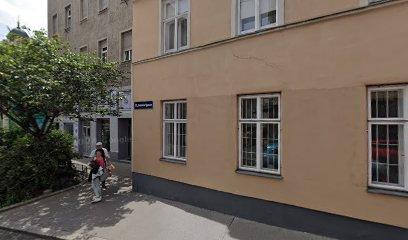
0.2 km
Discover Dingelstedtpark, a revitalized urban oasis in Vienna's Rudolfsheim-Fünfhaus, offering a tranquil escape with lush greenery, modern art, and a vibrant community atmosphere for locals and tourists.
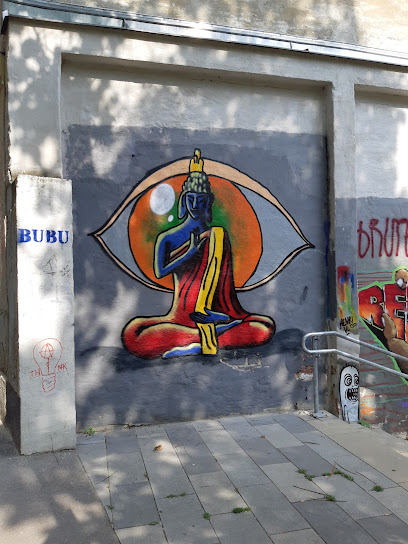
Sechshauser Park
0.3 km
Discover Sechshauser Park in Vienna's 15th district: a charming urban oasis with a unique playground, recreational facilities, and a rich history, perfect for a relaxing escape.
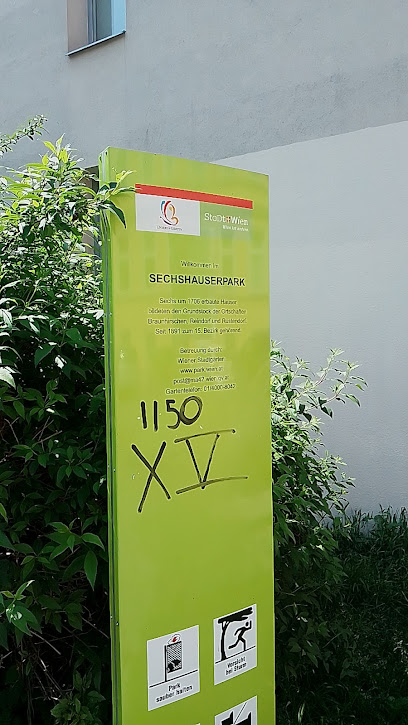
Sterbehaus Wilhelm August Jurek (Komponist des Deutschmeistermarsches)
0.4 km
Discover the serene Sterbehaus of Wilhelm August Jurek, a memorial park in Vienna celebrating the legacy of the composer of the Deutschmeistermarsches.
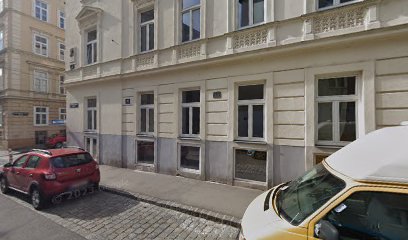
Ernestine-Diwisch Park
0.4 km
A peaceful park in Vienna's 15th district, honoring a local resistance hero with playgrounds, a volleyball court, and a dog zone for relaxation and recreation.
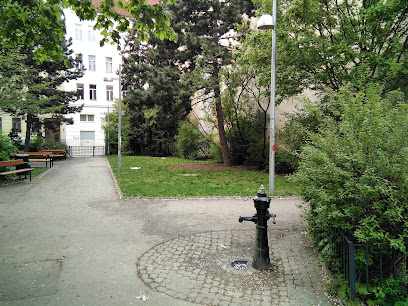
Museum 15 - Bezirksmuseum Rudolfsheim-Fünfhaus
0.4 km
Discover the vibrant history and culture of Vienna's 15th district at Museum 15, a community hub showcasing the unique identity of Rudolfsheim-Fünfhaus through engaging exhibits and events.
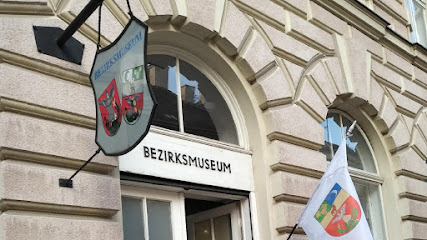
Haidmanns Park
0.4 km
Escape the city bustle in this tranquil Viennese park. Enjoy lush lawns, shady trees, and a family-friendly atmosphere in the heart of Rudolfsheim-Fünfhaus, perfect for relaxation and recreation.
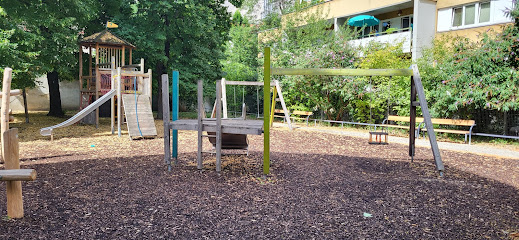
Braunhirschen Park
0.5 km
Escape the city bustle in Vienna's Braunhirschen Park: a green oasis offering recreation, community events, and a touch of local history in Rudolfsheim-Fünfhaus.
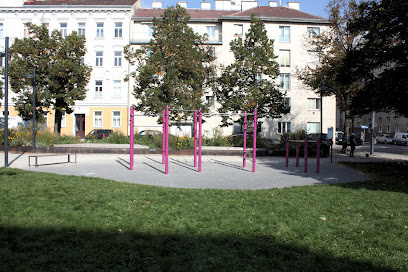
Alfred-Adler-Geburtshaus
0.7 km
Explore the Alfred-Adler-Geburtshaus, a historical landmark in Vienna that celebrates the legacy of the founder of Individual Psychology.
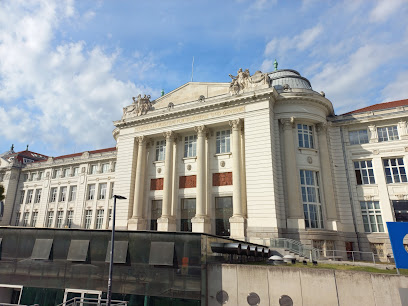
STADTRAUM MITTE 15
0.7 km
Discover Vienna's vibrant community spirit at STADTRAUM MITTE 15, a hub for local initiatives, workshops, and exhibitions in the heart of Rudolfsheim-Fünfhaus.
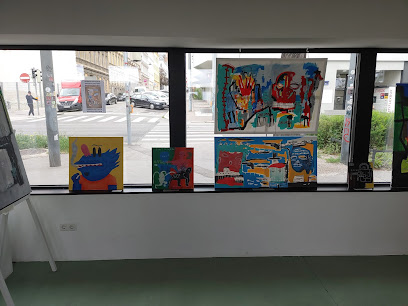
Wohnhausanlage mit Wandmalereien
0.8 km
Explore the enchanting murals of Wohnhausanlage in Vienna, a vibrant tourist attraction that showcases the city's artistic spirit and architectural charm.
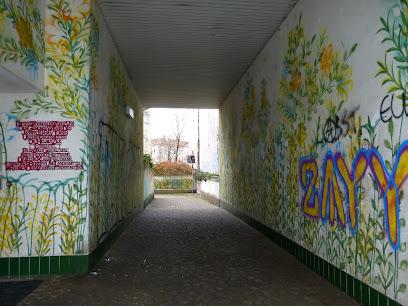
Stumpergasse 31
1.0 km
Experience the blend of history and modernity at Stumpergasse 31 in Vienna's Mariahilf district, a charming street filled with culture and local flair.
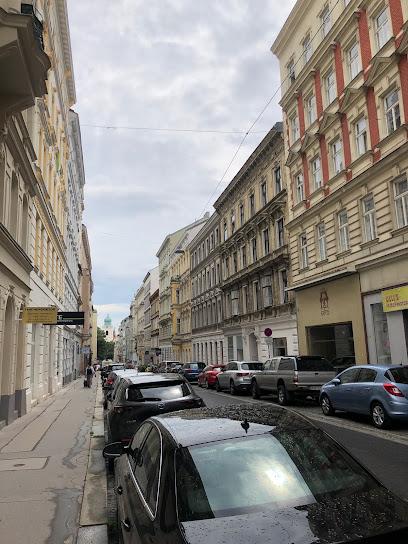
Water World
1.0 km
Discover Vienna's innovative water management and industrial history at Water World, a unique blend of recreation and education in a beautifully landscaped urban oasis.
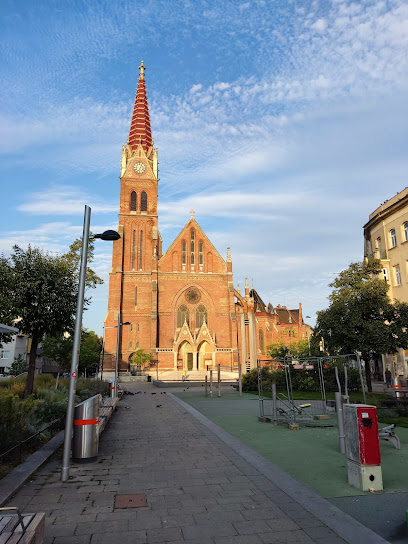
Unmissable attractions to see

Pfarre Reindorf
0.2 km
Explore the serene beauty of Pfarre Reindorf, a hidden gem in Vienna, where history, architecture, and tranquility converge.
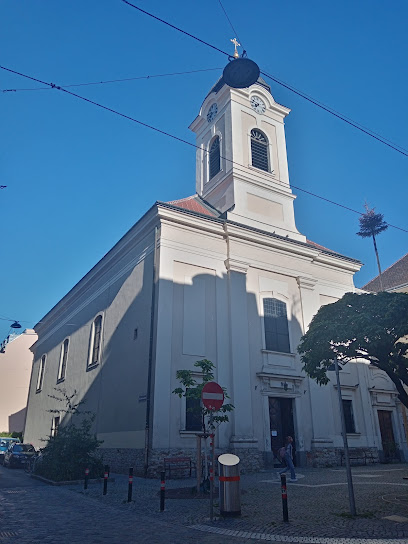
Graffiti
0.4 km
Discover Vienna's vibrant urban art scene along the Gürtel, where colorful graffiti transforms the city's underbelly into an open-air gallery of contemporary expression and cultural innovation.
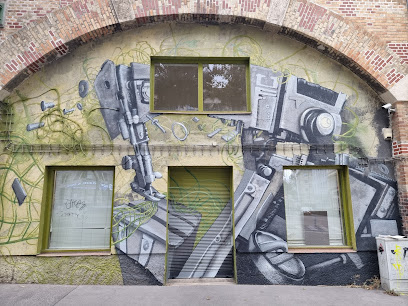
Schwendermarkt
0.5 km
Experience the vibrant Schwendermarkt in Vienna, a local market filled with fresh produce, specialty teas, and authentic Viennese flavors.
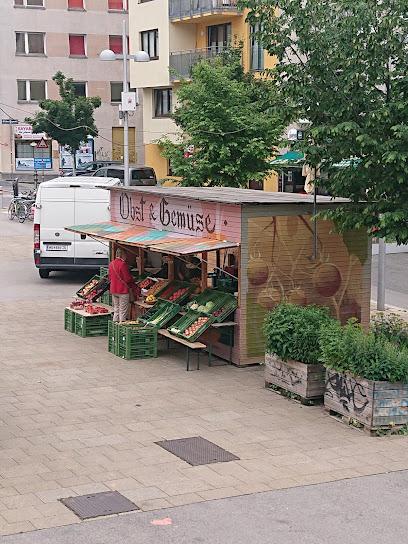
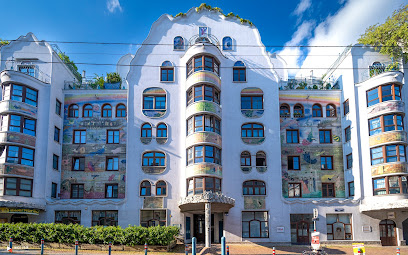
Arik-Brauer-Haus
0.6 km
Discover the artistic essence of Vienna at the Arik-Brauer-Haus, a vibrant cultural hub celebrating the life and work of Arik Brauer.
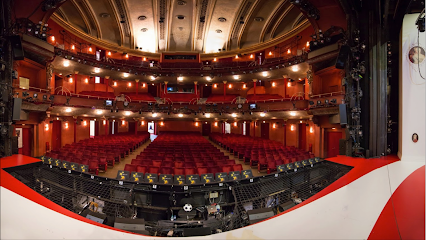
Raimund Theater
0.6 km
Discover the Raimund Theater, Vienna's premier venue for performing arts, offering unforgettable musicals and theatrical experiences in a stunning architectural setting.
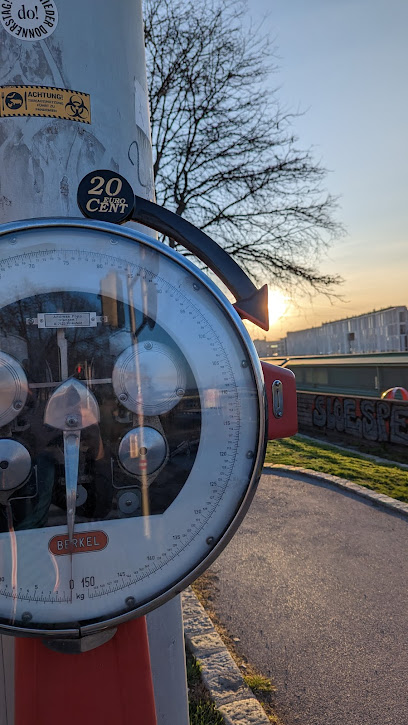
Öffentliche Waage 20cent
0.7 km
Step onto Vienna's whimsical Public Weighing Scale and embrace a unique and lighthearted experience in the heart of the city.
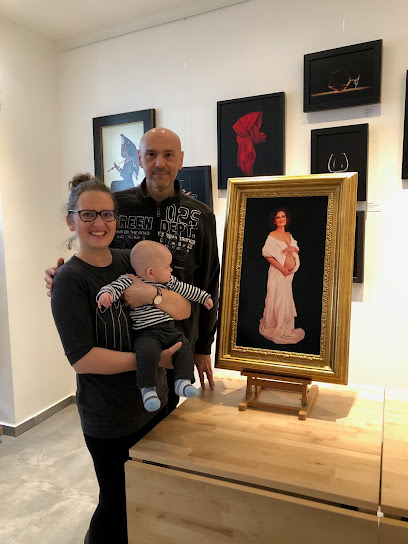
May Gallery
0.7 km
Explore contemporary art at May Gallery in Vienna, a vibrant hub for creativity and cultural exchange showcasing local and international talent.
Lobkowitzbrücke
0.7 km
Discover the serene Lobkowitzbrücke in Vienna's Rudolfsheim-Fünfhaus: a tranquil escape offering picturesque views and a glimpse into the city's rich history and vibrant urban life.
Mural / Grafitti
0.8 km
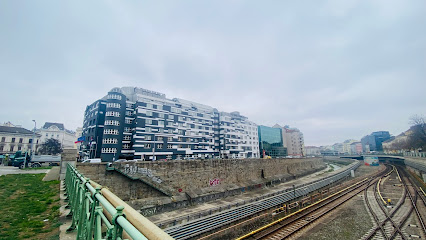
Discover Vienna's vibrant street art scene at Gierstergasse 10 in Meidling, where colorful murals transform the urban landscape into an open-air gallery of contemporary expression and local culture.
Theresienbadpark
1.0 km
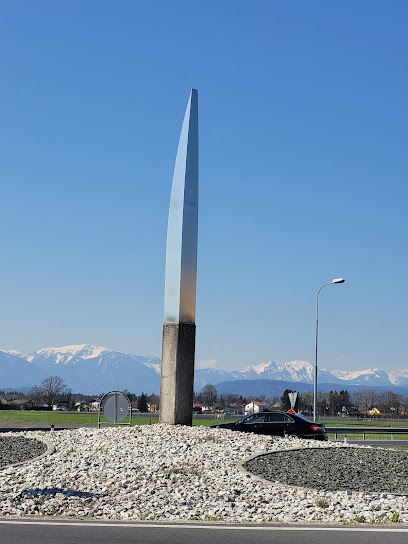
Discover Theresienbadpark in Vienna's Meidling: A revitalized green space blending history, art, and nature, offering a tranquil escape for locals and tourists alike.
Wien Museum Haydnhaus
1.0 km
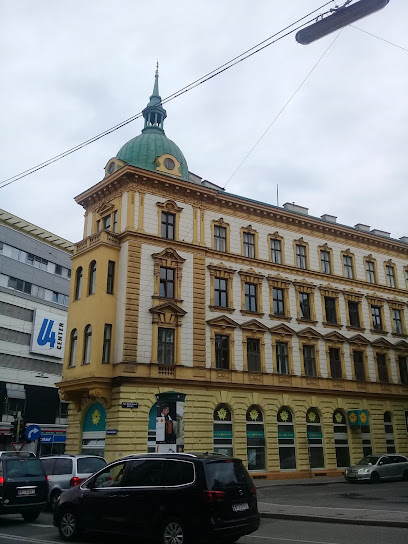
Discover the rich musical heritage of Joseph Haydn at Wien Museum Haydnhaus, an essential cultural stop in Vienna for music enthusiasts and history lovers.
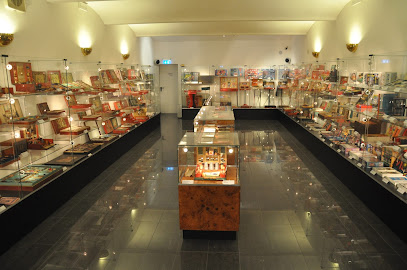
Zauberkasten-Museum
1.1 km
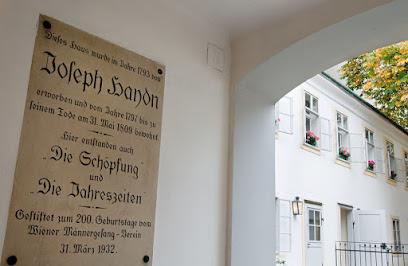
Discover a world of illusion and wonder at Vienna's Zauberkasten-Museum, home to the world's largest collection of magic boxes, spanning centuries of mystery and enchantment.
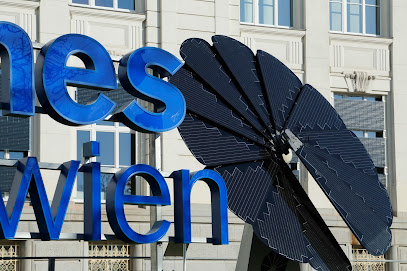
Vienna Museum of Science & Technology
1.1 km
Explore the fascinating evolution of technology at the Vienna Museum of Science & Technology, a must-visit for curious minds and families alike.
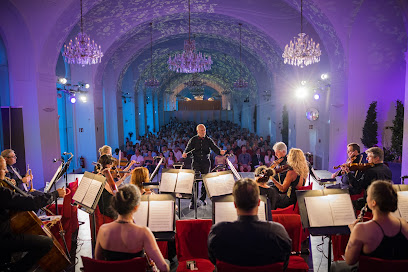
Schoenbrunn Palace Concerts
1.2 km
Experience the grandeur of classical music in the historic setting of Schoenbrunn Palace, Vienna's iconic imperial residence.
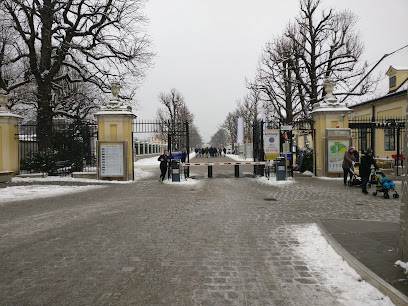
Meidlinger Tor
1.2 km
Explore the historical charm of Meidlinger Tor, a stunning gateway to Vienna's rich past and vibrant culture, nestled near Schönbrunn Palace.
Essential places to dine

Gasthaus Quell
0.2 km
Experience authentic Austrian cuisine at Gasthaus Quell in Vienna - where tradition meets taste in a cozy setting.
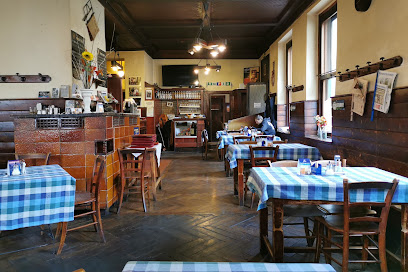
Beats & Beans
0.2 km
Discover Beats & Beans: A delightful restaurant in Vienna offering exquisite Austrian cuisine with vegan options and a charming beer garden.
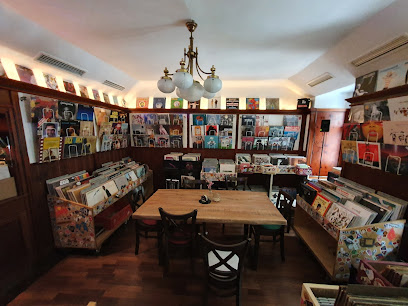
Let's be Frank
0.5 km
Experience the essence of Austrian cuisine at Let's be Frank – where tradition meets innovation in every bite.
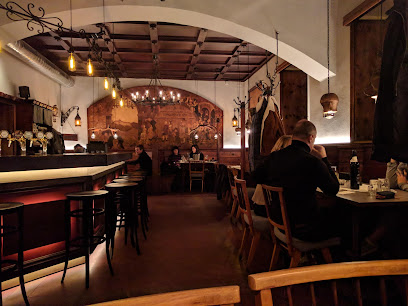
Bauernbräu
0.6 km
Discover authentic Austrian flavors at Bauernbräu in Vienna – where traditional cuisine meets warm hospitality.
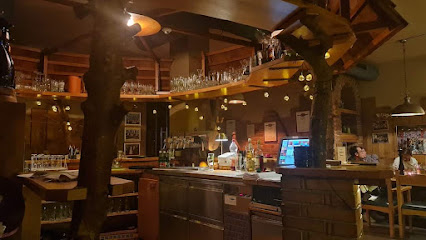
Restaurant Feine Küche e.U.
0.6 km
Experience Modern European and Health-Conscious Austrian Cuisine at Restaurant Feine Küche – A Culinary Delight in Vienna.
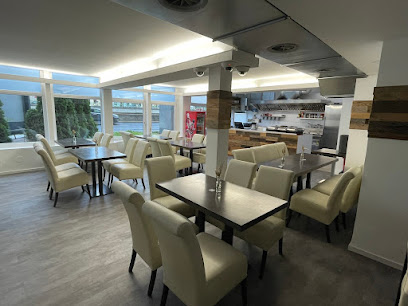
Bierreither Cafe Restaurant
0.6 km
Discover authentic Austrian flavors at Bierreither Cafe Restaurant in Vienna's charming Rudolfsheim-Fünfhaus district.
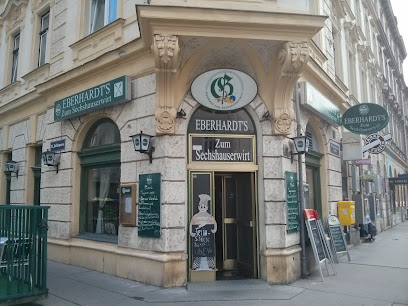
Eberhardt's Sechshauser Wirt
0.7 km
Experience authentic Viennese cuisine at Eberhardt's Sechshauser Wirt - where tradition meets flavor in the heart of Vienna.
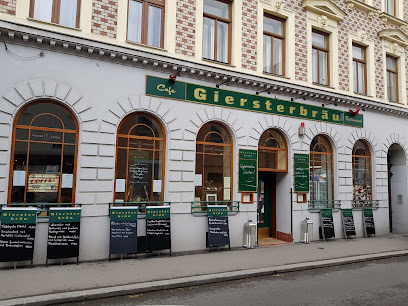
Giersterbräu
0.8 km
Experience authentic Austrian cuisine at Giersterbräu in Vienna – where tradition meets taste in a warm, inviting atmosphere.
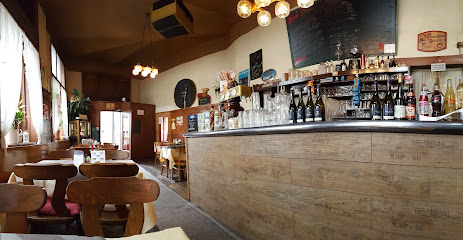
Strasser-Bräu
0.8 km
Experience authentic Austrian flavors at Strasser-Bräu in Vienna - where tradition meets modern dining.
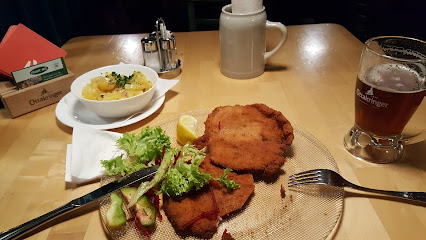
La Tana Della Volpe
0.9 km
Experience authentic Italian flavors at La Tana Della Volpe in Vienna's Meidling district - where every meal is a celebration of culinary tradition.
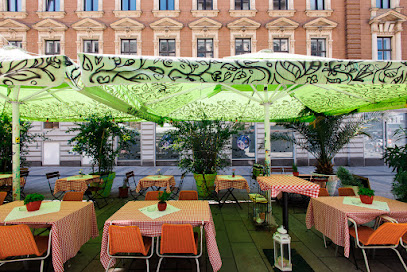
Aroi Thai Restaurant
1.0 km
Experience authentic Thai flavors at Aroi Thai Restaurant in Vienna—where every dish is a celebration of culinary artistry.
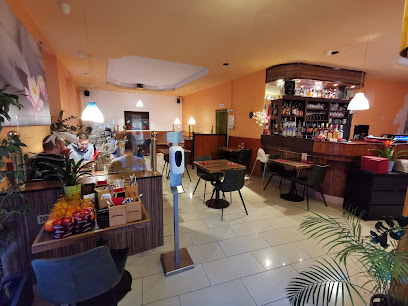
Pulkautaler Winehouse and Restaurant
1.0 km
Experience authentic Austrian cuisine at Pulkautaler Winehouse - where tradition meets flavor in Vienna's charming atmosphere.
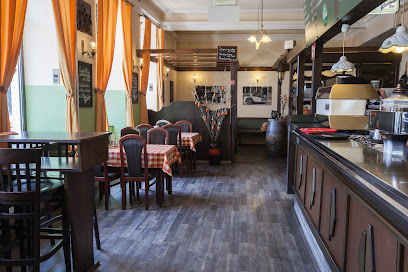
Das Augustin
1.0 km
Experience the vibrant fusion of European flavors at Das Augustin – Vienna's ultimate destination for food lovers seeking unique culinary adventures.
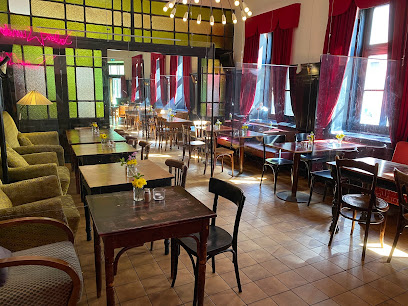
Freiraum
1.0 km
Discover Freiraum in Vienna: A delightful restaurant blending local flavors with international cuisine for an unforgettable dining experience.
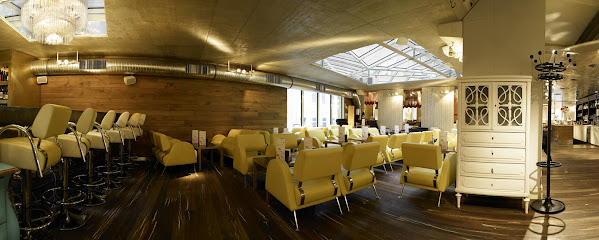
Der Schwabl - das Wiener Wirtshaus
1.0 km
Experience the heart of Vienna at Der Schwabl – an authentic Wirtshaus serving traditional Austrian cuisine in a cozy setting.
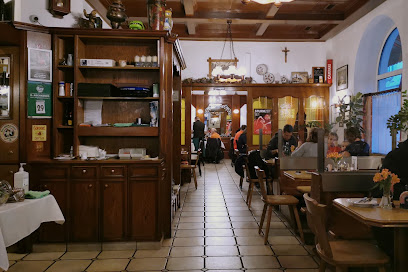
Markets, malls and hidden boutiques

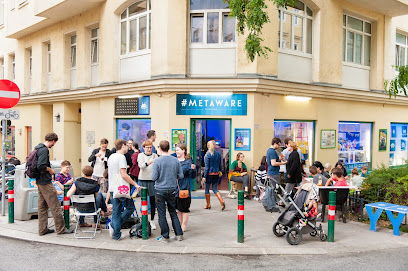
METAWARE – Gifts for Nerds & Geeks
0.2 km
Discover a world of geeky treasures at METAWARE, Vienna's premier store for nerds and fans of all things pop culture.
Aa collections
0.2 km
Discover the charm of Vienna through unique gifts and local crafts at Aa Collections, your go-to store for unforgettable souvenirs.
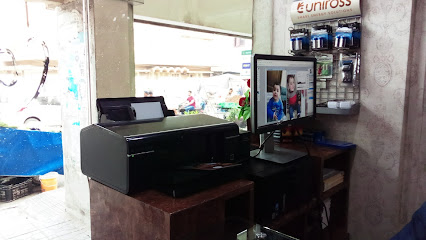
Revell Shop Wien
0.3 km
Explore Revell Shop Wien for the finest collection of model kits and hobby supplies, a paradise for enthusiasts in the heart of Vienna.
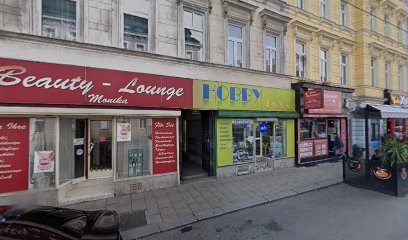
Personalisierte Geschenke
0.3 km
Explore a delightful gift shop in Vienna offering personalized treasures and custom t-shirts that capture the essence of your unforgettable visit.
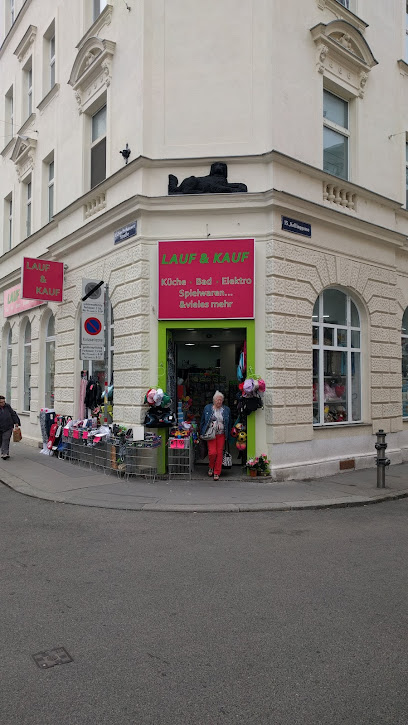
Lauf & Kauf
0.5 km
Explore Lauf & Kauf in Vienna for a diverse selection of affordable home goods that capture the essence of Austrian design and craftsmanship.
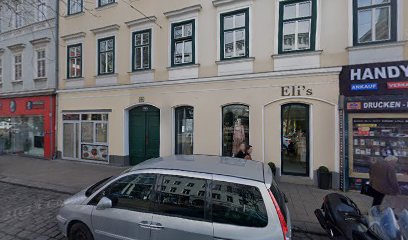
Eli`s Boutique
0.6 km
Discover unique fashion treasures at Eli's Boutique, a stylish gem in Vienna's bustling Mariahilfer Strasse.
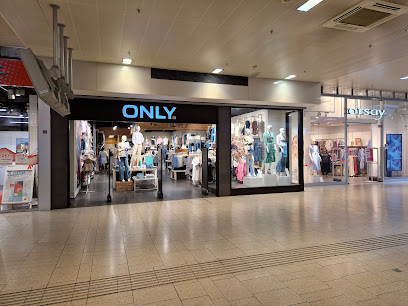
ONLY
0.8 km
Discover contemporary women's fashion at ONLY in Vienna's vibrant Rudolfsheim-Fünfhaus, where style meets comfort in every piece.
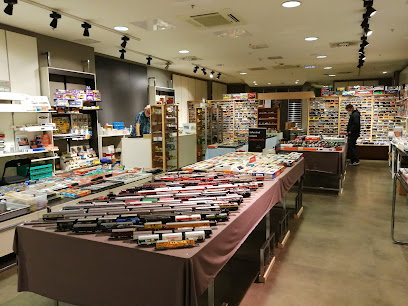
BahnhofCity Wien West
0.8 km
Discover BahnhofCity Wien West: Vienna's premier shopping destination with diverse stores, delightful eateries, and a vibrant atmosphere for all.
Alaszka
0.9 km
Explore Alaszka in Vienna for trendy fashion accessories that elevate your style and enrich your travel experience in Austria's capital.
Vibe Press Online-Store OG
0.9 km
Explore Vibe Press Online-Store in Vienna for an extraordinary shopping experience filled with stylish clothing, unique gifts, and exquisite jewelry.
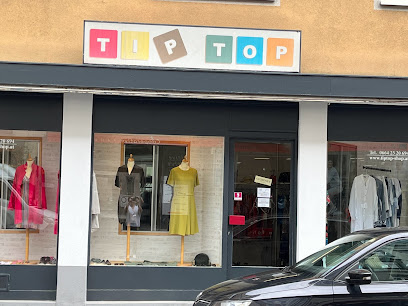
TipTop Second-Hand Boutique
1.1 km
Explore Vienna's TipTop Second-Hand Boutique for unique fashion finds, bridal wear, and personalized alterations in a charming atmosphere.
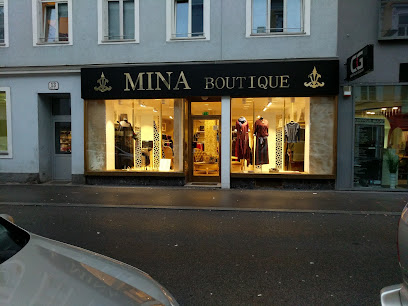
Mina Boutique
1.1 km
Explore Mina Boutique in Vienna for trendy, affordable fashion that complements your unique style in a vibrant shopping atmosphere.
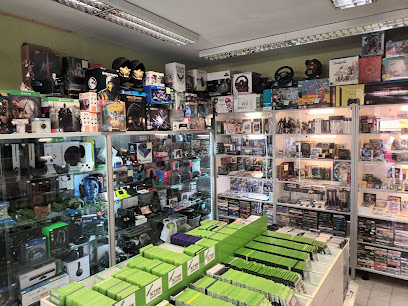
Videogamestore Meidling
1.1 km
Explore a vast selection of video games, consoles, and accessories at Videogamestore Meidling in Vienna, a haven for gamers.
wow. shop
1.3 km
Explore WOW. Shop in Vienna: A Boutique Celebrating Local Artistry and Unique Finds.
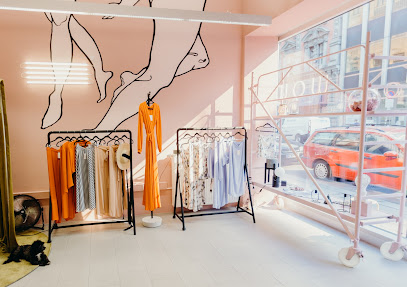
Kostnixladen
1.5 km
Experience community spirit at Kostnixladen, Vienna's unique club where items are exchanged, creativity flourishes, and connections are made.
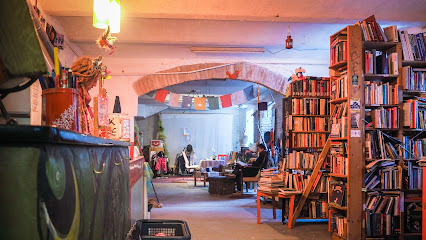
Essential bars & hidden hideouts

Times Pub
0.3 km
Discover the vibrant nightlife of Vienna at Times Pub, where great drinks and a lively atmosphere await in the heart of the city.
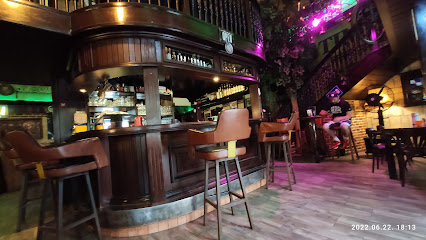
Mutzenbacher Pub & Bar
0.4 km
Experience a delightful blend of traditional pub charm and modern vibes at Mutzenbacher Pub & Bar in Vienna, Austria.
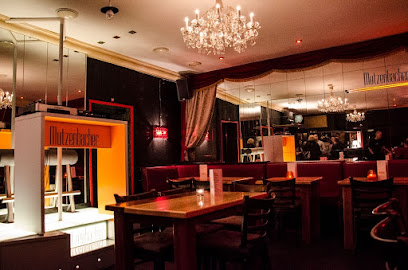
Travel Shack Vienna
0.5 km
Discover a lively karaoke bar in Vienna where great drinks, music, and fun come together for an unforgettable night.
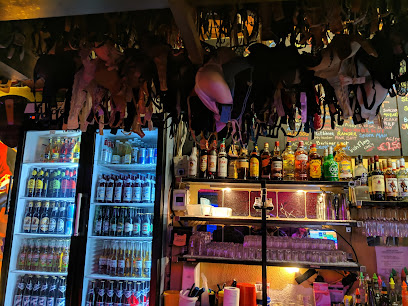
The Chapel Bar Speakeasy
0.5 km
Experience the enchanting ambiance and exquisite cocktails at The Chapel Bar Speakeasy in Vienna, a must-visit for nightlife enthusiasts.
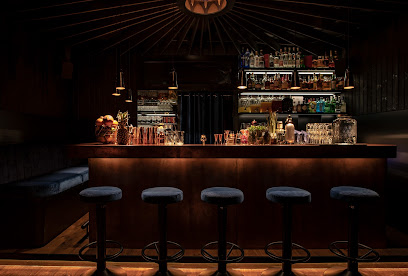
Timo's Living Room
0.8 km
Discover the charm of Timo's Living Room, a cozy bar in Vienna's Mariahilf district, offering a unique atmosphere and delightful drinks.
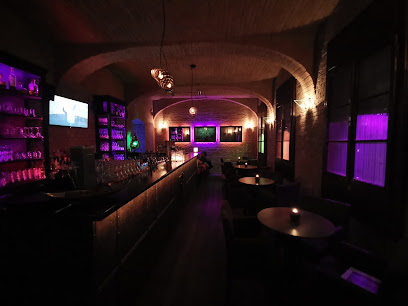
Känguru
0.8 km
Experience the vibrant nightlife of Vienna at Känguru, a lively pub offering a wide selection of drinks and a welcoming atmosphere for all.
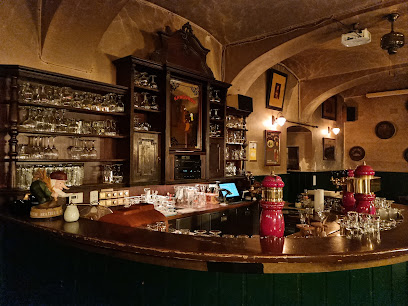
Gazel Lounge & Bar
0.8 km
Experience Vienna's nightlife at Gazel Lounge & Bar, where live music and vibrant ambiance create unforgettable moments.
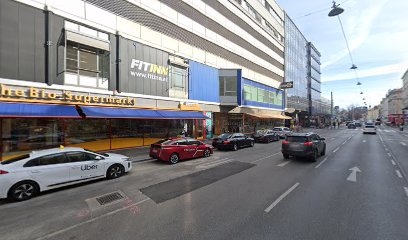
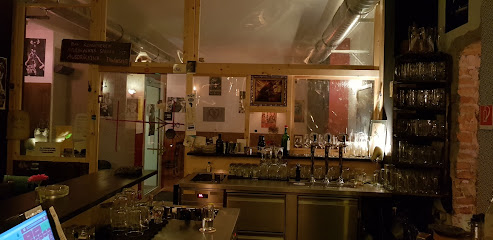
Exil in der Märzstraße
1.0 km
Discover the vibrant nightlife of Vienna at Exil in der Märzstraße, where expertly crafted cocktails meet a lively atmosphere.
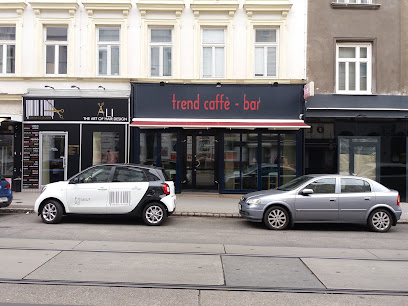
trend caffe bar
1.0 km
Experience the vibrant nightlife and exceptional drinks at Trend Caffe Bar in Vienna's Rudolfsheim-Fünfhaus district.
Café Antique
1.0 km
Discover Café Antique, a vibrant lounge in Vienna offering delightful cocktails, shisha, and a lively atmosphere perfect for socializing.
Connolly's
1.1 km
Discover Connolly's, a charming Irish pub in Vienna offering delicious food, creative cocktails, and a vibrant atmosphere perfect for tourists and locals alike.
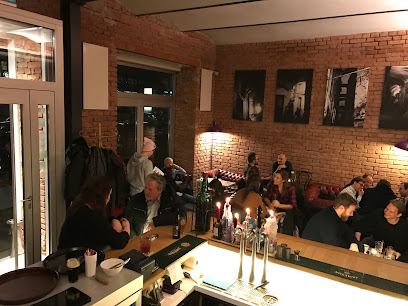
MIKES im 15.
1.3 km
Discover the vibrant atmosphere of MIKES im 15., a bar and restaurant in Vienna offering a diverse menu and extensive drink selection.
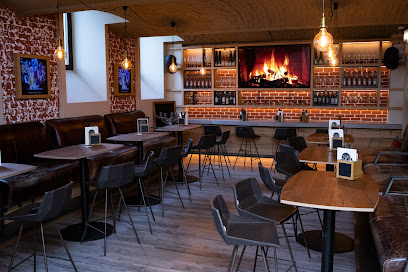
Barfly's
1.4 km
Discover Barfly's, Vienna's upscale cocktail bar known for its innovative drinks and stylish ambiance, perfect for an unforgettable night out.
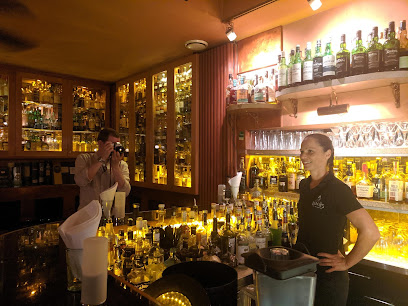
The Golden Harp Irish Pub
1.4 km
Experience the spirit of Ireland at The Golden Harp Irish Pub in Vienna, where great food, drinks, and live music await every visitor.
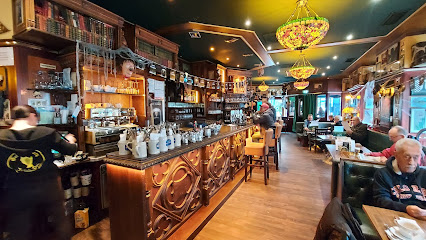
arte Wien Bar & Lounge im arte Hotel Wien Stadthalle
1.5 km
Discover arte Wien Bar & Lounge - a perfect blend of comfort, local flavors, and vibrant nightlife in the heart of Vienna.