

Gudenus cave, Waldviertel Travel Guide
Explore the ancient past at Gudenus Cave near Krems, Austria, an important Paleolithic site revealing Neanderthal and early human life.
The Gudenus Cave, near Nöhagen in Lower Austria, is an archaeological site of immense importance. This small cave has provided invaluable insights into the lives of Paleolithic humans, including Neanderthals and early modern humans, dating back as far as 70,000 years ago. Discoveries include tools, art, and remains of Ice Age animals.
A brief summary to Gudenus cave
- Nöhagen 59, Nöhagen, 3613, AT
- Click to display

Know before you go
Hi, I'm Eve. Here are a few practical things to know before exploring Gudenus cave.
- Visit the Natural History Museum in Vienna to see artifacts excavated from Gudenus Cave, including tools and art from Paleolithic humans.
- Explore the Kremstal valley, where the cave is located, for hiking and biking trails that showcase the region's natural beauty.
- Learn about the Venus of Willendorf, another significant Paleolithic find in the region, to understand the broader context of early human life in Lower Austria.
- Wear sturdy shoes for comfortable walking on uneven surfaces around the cave.
Do you manage this location?
Take control to get all the benefits, like improved information, better appearance, and stronger visibility across AI-powered discovery. Learn more about listing your business on Evendo
Activate your presenceOther nearby places you may find interesting
The closest places of the same kind, if this one is not quite what you had in mind.
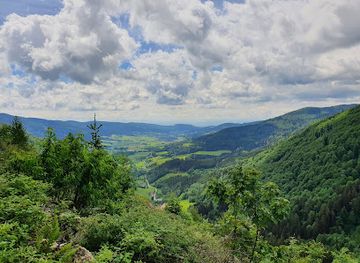
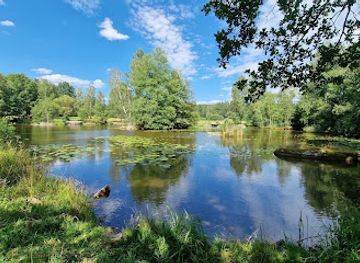
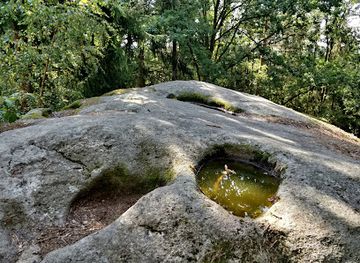
Explore Gudenus cave on the Map
A handpicked selection of must-see spots near Gudenus cave, mapped for you.
Getting There
-
Public Transport
From Krems an der Donau, take a bus towards Nöhagen. Bus lines operated by VOR (Verkehrsverbund Ost-Region) connect Krems to the region around Nöhagen. Check the VOR website or app for the most up-to-date schedules and routes. From the Nöhagen bus stop, it's a short walk to the Gudenus Cave location. A single bus fare from Krems to Nöhagen typically costs around €4-6.
-
Driving
From Krems an der Donau, drive northwest on the B3 towards Nöhagen. The drive is approximately 20 km and takes about 20-30 minutes. Parking near the Gudenus Cave is limited. There are no dedicated parking facilities, so you may need to park along the roadside in Nöhagen. Parking is free. Be mindful of local residents and avoid blocking any driveways or roads.
-
Taxi/Ride-Share
Taxis are available in Krems an der Donau. A taxi or ride-share from Krems to Nöhagen will cost approximately €23-52, depending on the taxi company, demand, and time of day. Uber is available in Krems an der Donau. From Nöhagen town center, it's a short walk to the Gudenus Cave location.
Discover more about Gudenus cave













Your all‑in‑one travel companion app
Explore expert travel guides, compare and book tours, experiences, hotels, and more—all from the palm of your hand. Download now for seamless trip planning wherever your wanderlust takes you.


Explore More of Waldviertel
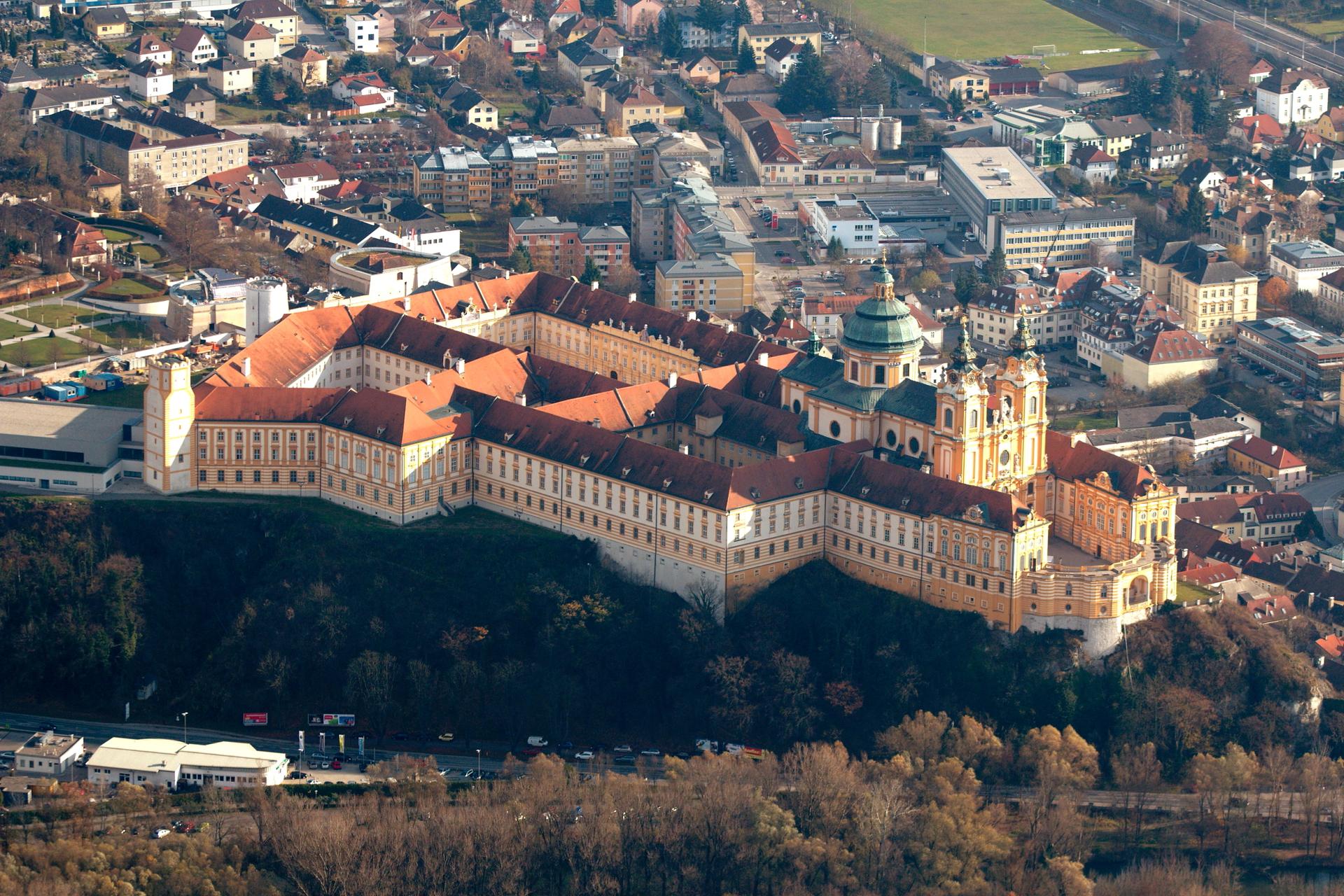
Looking beyond Gudenus cave? Discover Waldviertel for broader travel guides, local hot-spots, and regional highlights.
Explore Waldviertel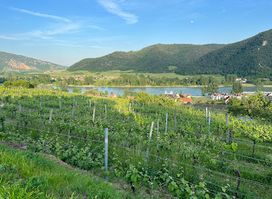
Experience breathtaking panoramic views of the Wachau Valley's vineyards, the Danube River, and picturesque villages from the Vino Taurus observation deck.

Hike to Buschandlwand for stunning Wachau Valley views. Discover panoramic vistas, terraced vineyards, and the Danube River from this hidden gem.
