
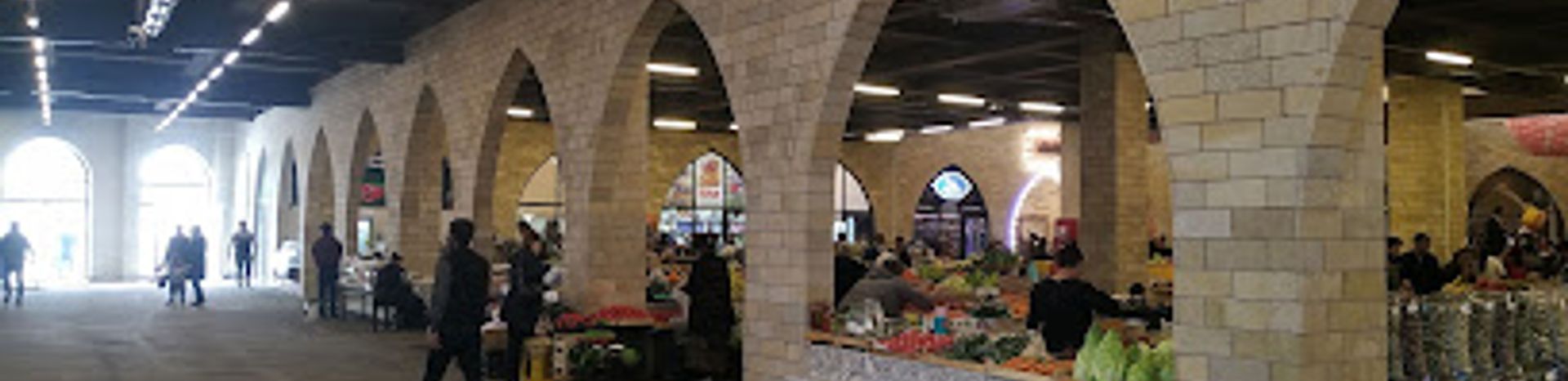
Ganja Fortress Complex: Echoes of History
Explore the remnants of Ganja Fortress, a historic landmark showcasing the resilience and rich heritage of Azerbaijan's second-largest city.
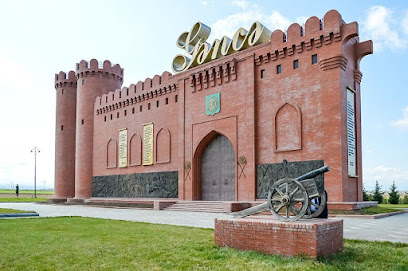
The Ganja Fortress Complex, located on Attarlar Street in Ganja, Azerbaijan, stands as a testament to the city's rich and turbulent history. Constructed in the late 16th century by the Ottomans, the fortress served as a strategic defense against rival powers vying for control of the Caucasus. Today, the remaining gates and walls evoke the spirit of Ganja's past, offering visitors a tangible connection to the civilizations that have shaped the region.
A brief summary to Gəncə Qalası Kompleksi
- M9H8+H5W, Attarlar Street, Ganja, AZ
Local tips
- Wear comfortable shoes for walking on uneven terrain within the fortress complex.
- Visit during the cooler months (spring or autumn) for a more pleasant experience.
- Combine your visit with a trip to nearby Khan's Garden for a relaxing break.

Getting There
-
Walking
From the Ganja State Philharmonic Hall on Attarlar Street, walk west along Attarlar Street. The Ganja Fortress Complex will be on your left, a short walk from the Philharmonic Hall. This is a straightforward walk within the central area.
-
Public Transport
Take a local bus or minibus heading towards the city center and Attarlar Street. Alight at the bus stop closest to Attarlar Street. From there, walk towards the Ganja State Philharmonic Hall; the Ganja Fortress Complex will be a short walk away. Bus fare is approximately 0.20 AZN.
-
Taxi/Ride-Share
Take a taxi or ride-share to Attarlar Street near the Ganja State Philharmonic Hall. The driver should be familiar with the location. The fare within Ganja city center typically ranges from 1 to 3 AZN. Confirm the fare before starting your journey.
Discover more about Gəncə Qalası Kompleksi
Iconic landmarks you can’t miss

Gəncə Qalası Kompleksi
0.0 km
Explore the remnants of Ganja Fortress, a historic landmark showcasing the resilience and rich heritage of Azerbaijan's second-largest city.
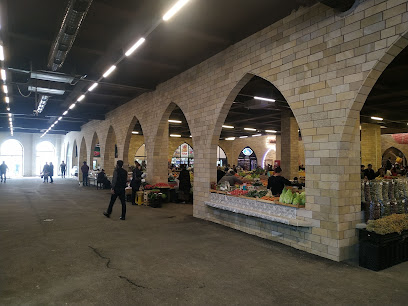
Executive Power of Ganja City
0.6 km
Explore the Executive Power of Ganja City, a stunning landmark showcasing the heart of local governance and architectural beauty in Azerbaijan.
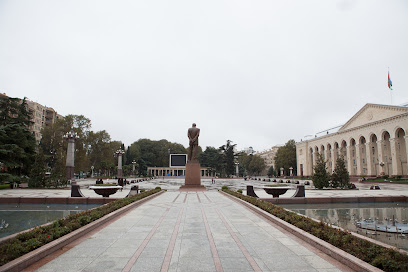
Azerbaijan State Agrarian University (Main Corpus/ Bash Bina)
1.0 km
Explore the Azerbaijan State Agrarian University, a beacon of agricultural education and innovation in Ganja, showcasing the beauty of Azerbaijani culture.
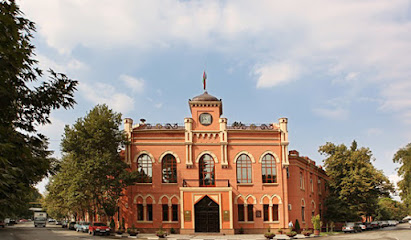
Birinci Şəhidlər Xiyabanı
1.1 km
Reflect on Azerbaijan's history and honor the fallen heroes at Ganja's poignant Birinci Şəhidlər Xiyabanı, a place of remembrance and national pride.

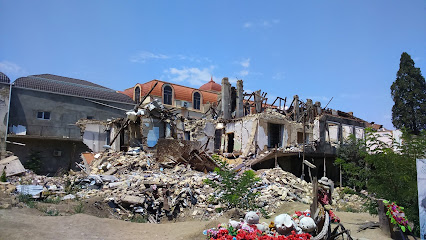
Gəncəyə raket hücumu
2.4 km
Honoring the victims of the 2020 Ganja missile attacks, this memorial stands as a testament to the city's resilience and the human cost of conflict.
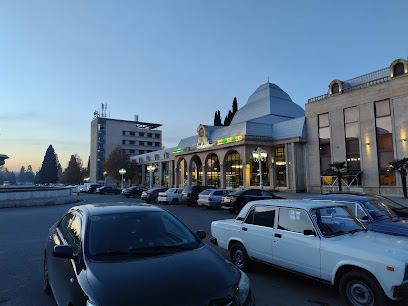
Ganja
3.9 km
Experience the historical and cultural heart of Azerbaijan. Ganja Railway Station: Your gateway to exploring the vibrant city of Ganja!
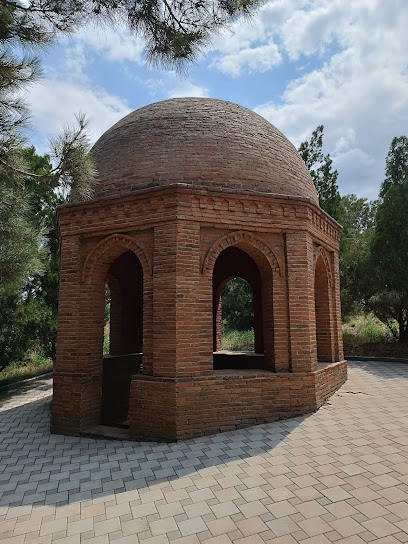
Nizami Gəncəvinin atası və anasının dəfn olduğu sərdabə
5.7 km
Pay homage to the family roots of Nizami Ganjavi, the legendary Persian poet, at this serene tomb in Ganja, Azerbaijan, reflecting on his life and legacy.
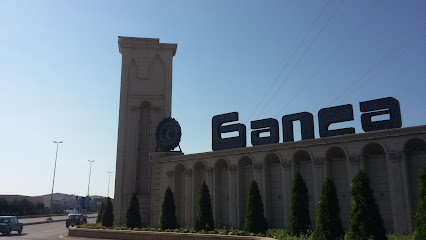
Ganja International Airport
8.7 km
Experience the vibrant culture of Ganja, Azerbaijan, starting from its welcoming Ganja International Airport—your gateway to adventure.
Ganja Castle Doors - Museum of Archaeology and Ethnography
9.7 km
Discover Ganja's captivating past at the Castle Doors Museum: Archaeology, ethnography, and military history come alive in this monumental gateway to Azerbaijani culture.
Xacisar Dagi
40.8 km
Discover the breathtaking beauty of Xacisar Dagi, a majestic mountain peak in Azerbaijan, perfect for nature lovers and outdoor enthusiasts seeking adventure.
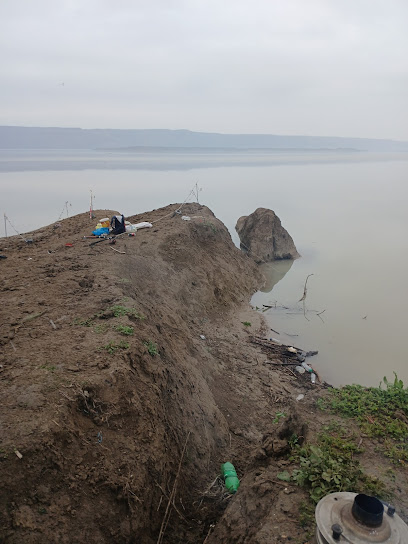
Daşlı burun
50.4 km
Discover panoramic views and tranquil landscapes at Daşlı Burun near Bayramly, Azerbaijan, offering a serene escape into the heart of the country's rural beauty and cultural charm.
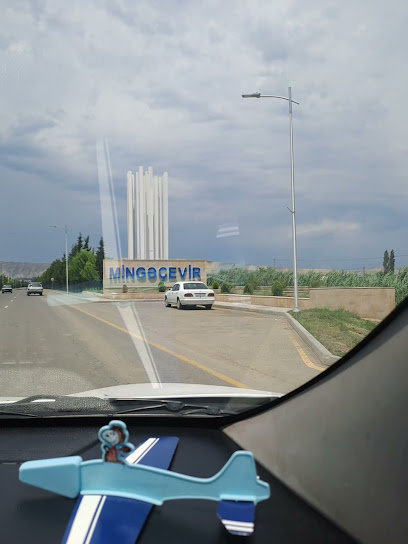
Mingəçevir sign- Nur şəhəri
53.6 km
Discover Mingəçevir, Azerbaijan's 'City of Lights': Where ancient history meets modern energy, offering serene lakeside views, rich culture, and outdoor adventures along the Kura River.
Çalburun kəndi
56.4 km
Experience the serene beauty and rich culture of Çalburun Village, a hidden gem in Azerbaijan's Gadabay region, perfect for a tranquil getaway.
Mingachevir reservoir
57.1 km
Discover the 'Mingachevir Sea,' Azerbaijan's largest reservoir, offering water sports, fishing, scenic beauty, and a tranquil escape in the heart of the Caucasus region.
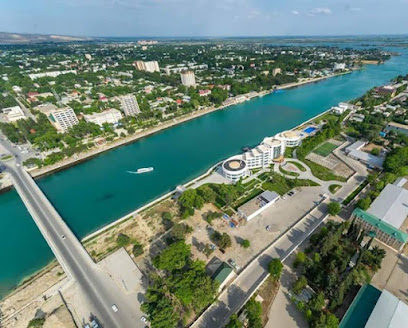
Mingechevir Hydro Power Plant
57.2 km
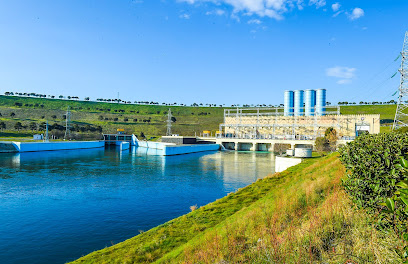
Explore the Mingechevir Hydro Power Plant, a marvel of engineering and a beautiful natural setting, showcasing sustainable energy in Azerbaijan.
Unmissable attractions to see

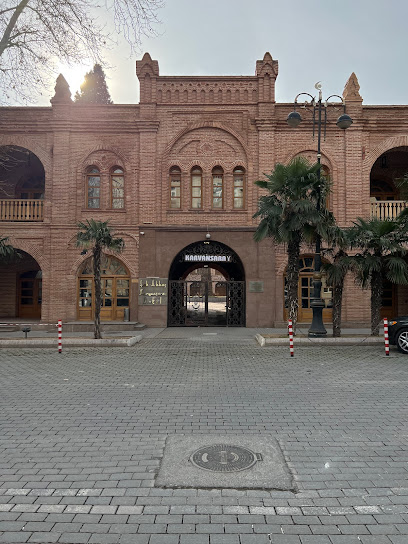
Karvansaray of Shah Abbas. Şah Abbas Karvansarayı (XVII əsr)
0.4 km
Explore the historical Karvansaray of Shah Abbas, a 17th-century architectural gem in Ganja, reflecting Azerbaijan's rich Silk Road heritage.
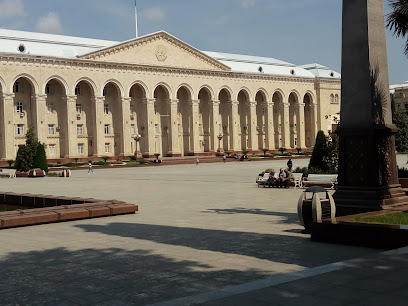
Heyder Eliyev Abidesi
0.5 km
Discover the grandeur of the Heydar Aliyev Monument in Ganja, a stunning tribute to Azerbaijan's visionary leadership and cultural heritage.
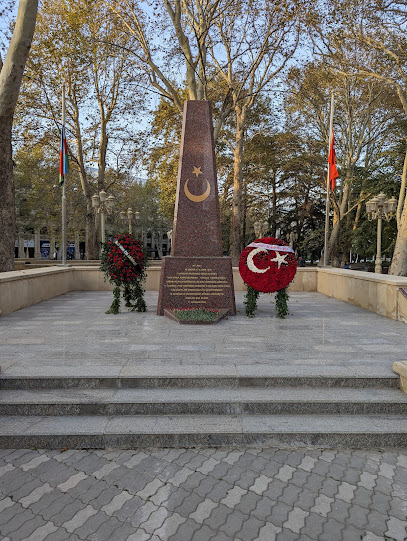
Kafkas Islam Ordusu
0.6 km
Honoring the Ottoman soldiers who aided Azerbaijan's independence in 1918, symbolizing Turkish-Azerbaijani ties in Ganja.
Shah Abbas Mosque
0.6 km
Discover the stunning Shah Abbas Mosque in Ganja, a historical gem showcasing exquisite Islamic architecture and rich cultural heritage.
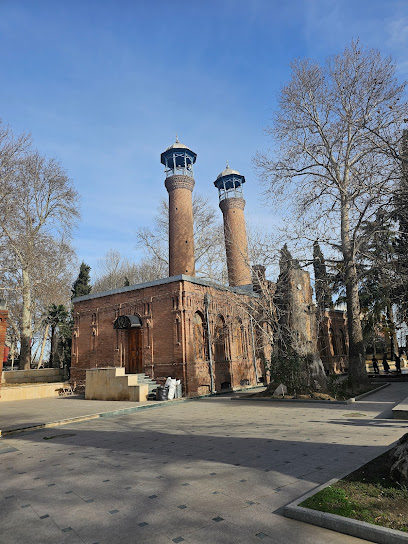
Javad Khan Mausoleum
0.6 km
Experience the rich history and architectural beauty of the Javad Khan Mausoleum, a must-visit landmark in Ganja, Azerbaijan.
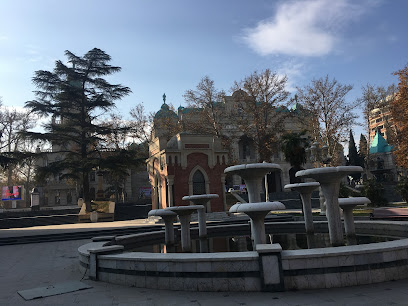
Historical Turkic Bath
0.6 km
Discover the rich history and tranquil ambiance of the Historical Turkic Bath in Ganja, a unique cultural experience for every traveler.
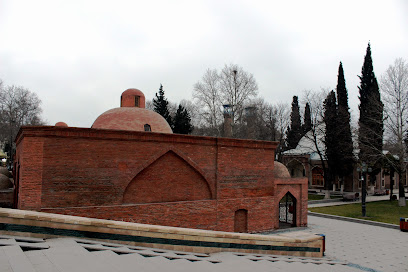
Chokak Hamam
0.6 km
Experience the serenity and cultural richness of Chokak Hamam, a historic bathhouse in Ganja, Azerbaijan, where relaxation meets tradition.
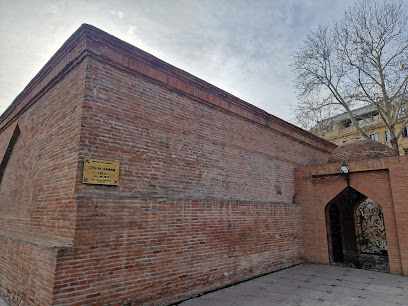
Ganja State History and Ethnography Museum
0.7 km
Explore Azerbaijan's past at Ganja's largest museum, featuring over 30,000 exhibits from ancient times to today.
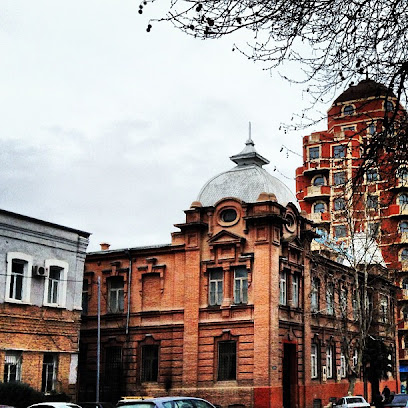
Ganja State Philharmonic Hall
0.7 km
Discover the enchanting Ganja State Philharmonic Hall, where music and culture come together in a stunning architectural setting.
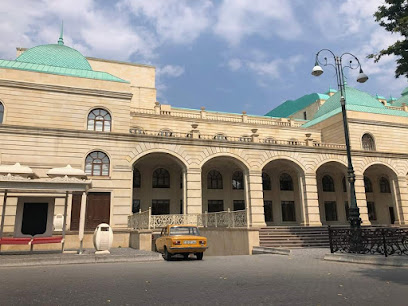
Alexander Nevsky Church, Ganja
0.8 km
Experience the architectural splendor and spiritual serenity of Alexander Nevsky Church in Ganja, a must-see for all travelers exploring Azerbaijan.
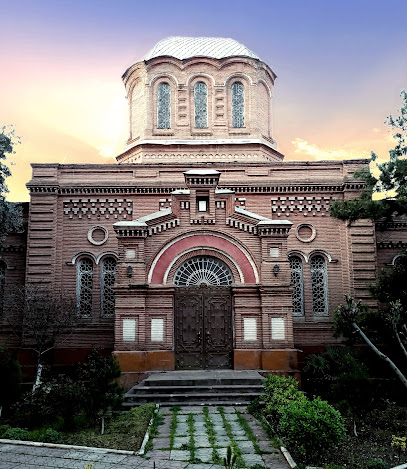
Bottle House
0.9 km
Explore the artistic wonder of Ganja's Bottle House, a unique tourist attraction made entirely of colorful glass bottles, perfect for memorable photos.
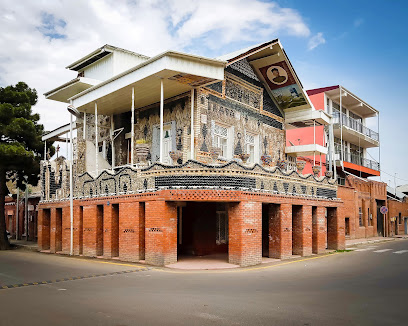
Turkish Bath XIX century
0.9 km
Discover the serene beauty and historical significance of the XIX Century Turkish Bath in Ganja, a cultural gem that reflects Azerbaijan's rich heritage.
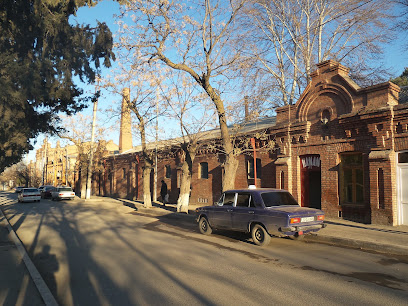
Xan Bağı
0.9 km
Experience the beauty of nature at Xan Bağı Park in Ganja, Azerbaijan – a serene escape perfect for relaxation and exploration.
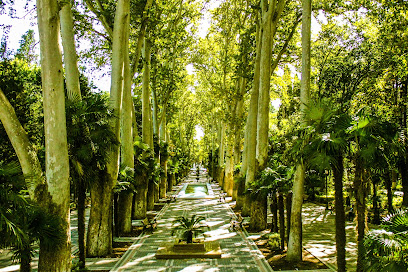
Gəncə Qalası
0.9 km
Discover the majestic Gəncə Qalası, a historical fortress in Ganja, Azerbaijan, where rich heritage meets stunning landscapes.
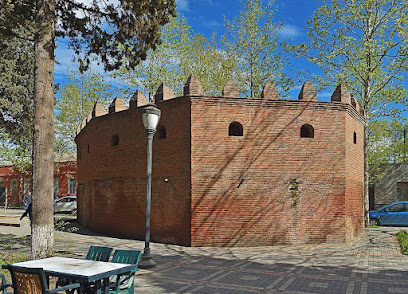
Əsgər Ağa Adıgözəlov-Gorani türbəsi
1.8 km
Discover the legacy of Əsgər Ağa Gorani at his Moorish-style tomb in Ganja, a tribute to Azerbaijani culture and intellect.
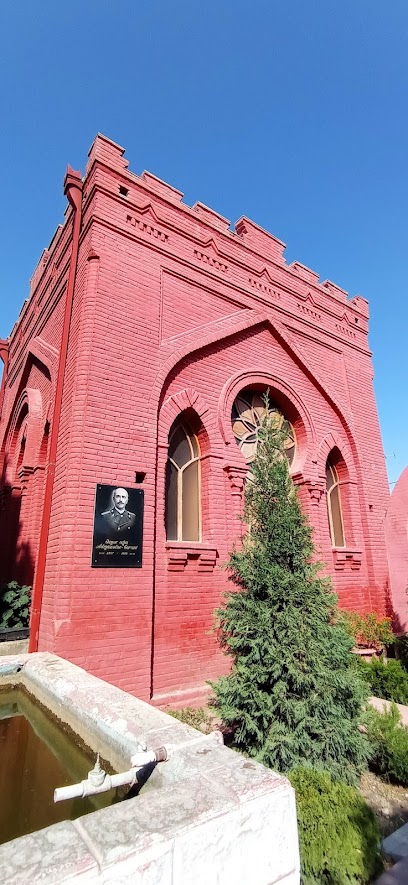
Essential places to dine

3 Qazan Restaurant
0.0 km
Experience the rich flavors of Azerbaijan at 3 Qazan Restaurant in Ganja – a must-visit destination for food lovers.
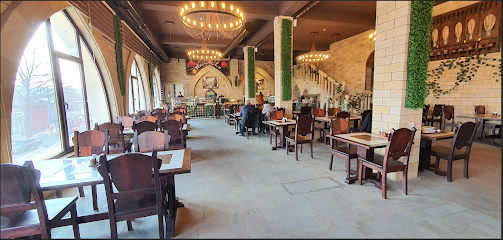
Aşxana Muzey Restoran
0.0 km
Discover authentic Azerbaijani flavors at Aşxana Muzey Restoran in Ganja - a family-friendly haven for food lovers.
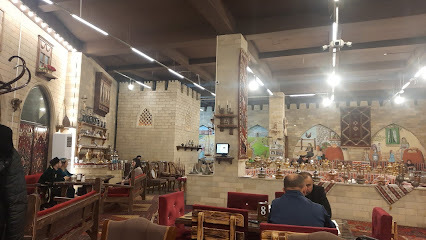
Mangal 999
0.1 km
Discover authentic Azerbaijani cuisine at Mangal 999 in Ganja - where every meal is a flavorful journey.
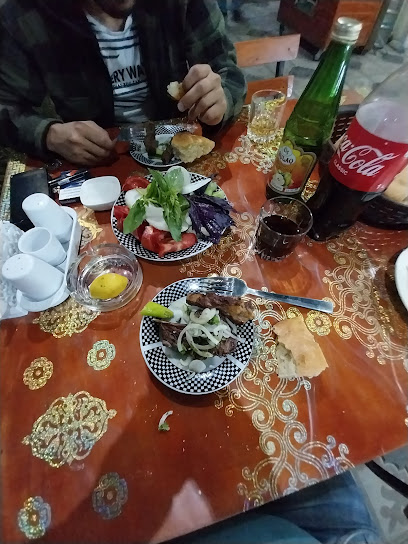
Zirzemi Restaurant
0.4 km
Experience authentic Azerbaijani flavors at Zirzemi Restaurant in Ganja – where tradition meets taste.
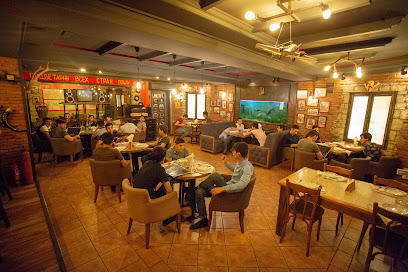
Chinar Restaurant
0.4 km
Experience authentic Azerbaijani cuisine at Chinar Restaurant in Ganja – where tradition meets taste.
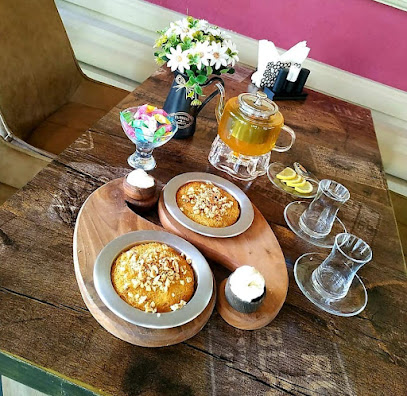
Ganja restoran
0.4 km
Experience authentic Azerbaijani cuisine in a family-friendly atmosphere at Ganja Restoran, perfect for all ages and occasions.
Kapadokya Restoran
0.4 km
Experience authentic Azerbaijani cuisine at Kapadokya Restoran in Ganja - a culinary gem blending tradition with warmth.
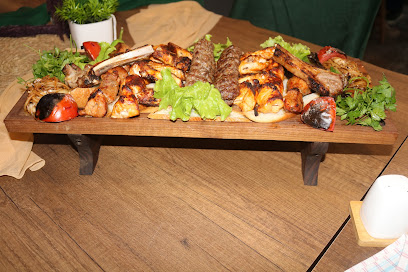
Peyzaj Cafe
0.4 km
Discover the enchanting flavors of Azerbaijani cuisine at Peyzaj Cafe in Ganja, where nature meets gastronomy in a stunning setting.
Kemo Gülü Şirniyyat Evi
0.4 km
Discover Kemo Gülü Şirniyyat Evi in Ganja for an authentic taste of traditional Azerbaijani sweets in a welcoming family-friendly environment.
Sevimli Kafe
0.4 km
Discover Sevimli Kafe in Ganja - where authentic Azerbaijani flavors meet cozy ambiance for an unforgettable dining experience.
Turk mutfagi
0.4 km
Experience authentic Turkish cuisine at Turk Mutfagi in Ganja, where family-friendly dining meets rich culinary traditions.
Göy sumkalı banditlər
0.5 km
Experience authentic Azerbaijani cuisine at Göy Sumkalı Banditlər in Ganja, where every dish tells a story and every bite is a journey.
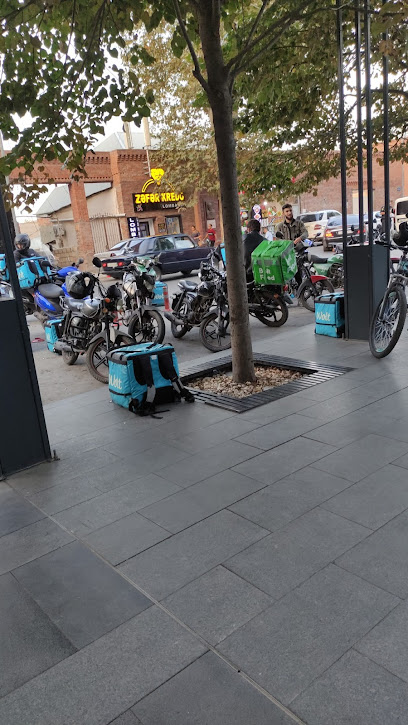
Blue Clouds Restaurant & Cafe
0.5 km
Discover the perfect blend of Azerbaijani flavors and family-friendly atmosphere at Blue Clouds Restaurant & Cafe in Ganja.
Tantuni
0.5 km
Discover Ganja's culinary gem at Tantuni – where authentic pizza meets local charm in every slice.
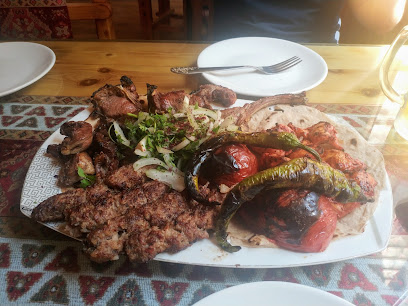
Köhnə məhəllə
0.5 km
Experience authentic Azerbaijani flavors at Köhnə məhəllə - a charming restaurant in Ganja steeped in culture and tradition.
Markets, malls and hidden boutiques

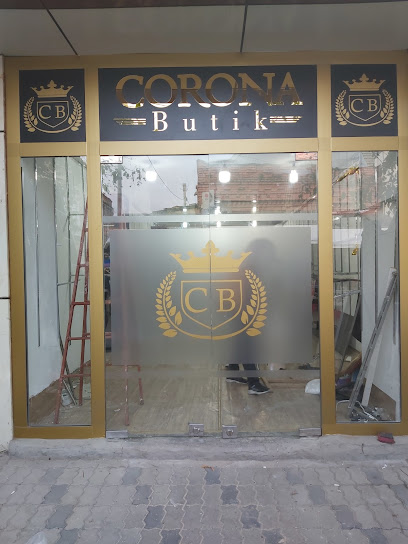
CoronaButik_Kisi
0.1 km
Experience the vibrant blend of local culture and modern shopping at CoronaButik_Kisi Shopping Mall in Ganja.
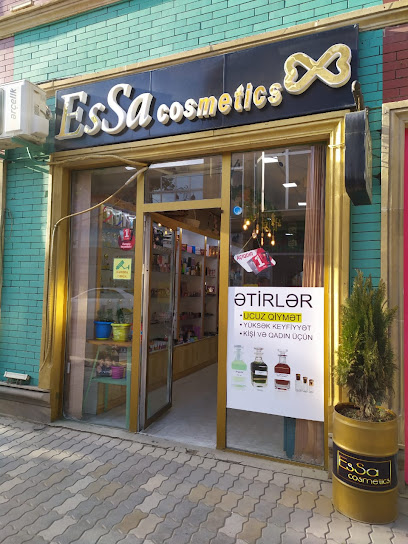
EsSa cosmetics Ganja
0.2 km
Explore EsSa Cosmetics in Ganja for a unique beauty shopping experience with personalized service and a wide range of quality products.
Megahand Gence
0.2 km
Explore the stylish trends at Megahand Gence, Ganja's premier clothing store, offering a unique shopping experience for every fashion lover.
Uşaq Aləmi
0.2 km
Shop at Uşaq Aləmi in Ganja for stylish and comfortable baby clothing and accessories, making your little ones look adorable.
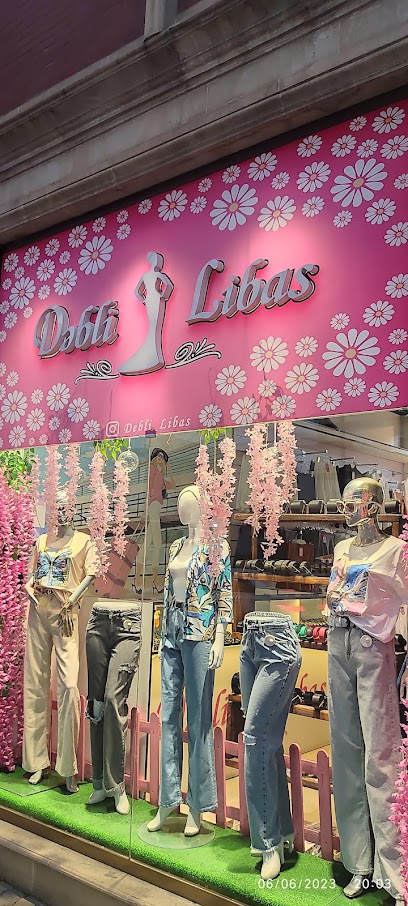
Oksi Lady
0.2 km
Explore Oksi Lady, a stylish women's clothing store in Ganja that blends local fashion trends with elegance for every occasion.
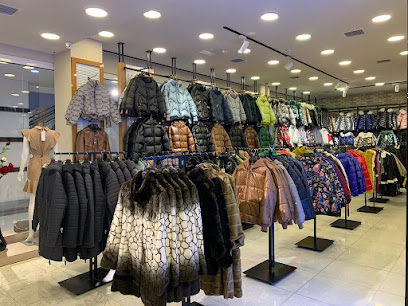
Farfor
0.3 km
Experience the rich craftsmanship of Azerbaijan at Farfor, Ganja's premier store for unique ceramics and traditional handmade crafts.
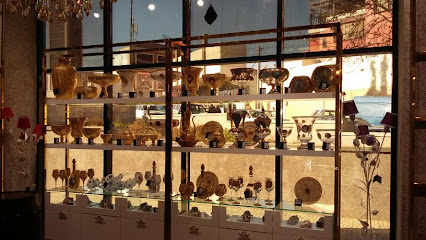
Suvari Ganja Mall
0.5 km
Discover unique men's and vintage clothing at Suvari Ganja Mall, the ultimate shopping destination in Ganja city for fashion enthusiasts.
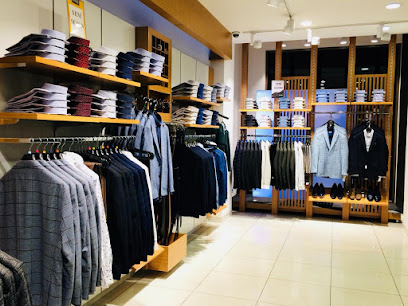
Ganja Shopping Mall
0.5 km
Discover an exciting blend of shopping, dining, and entertainment at Ganja Shopping Mall, a must-visit destination in Ganja, Azerbaijan.
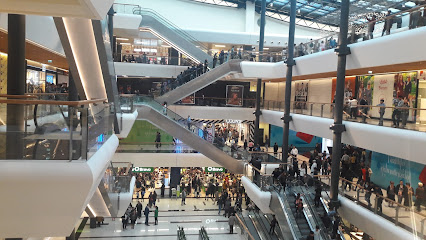
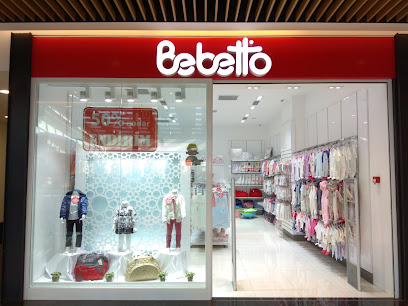
Bebetto Gence
0.5 km
Bebetto Gence in Ganja offers stylish children's clothing that combines quality and comfort, perfect for little ones and their families.
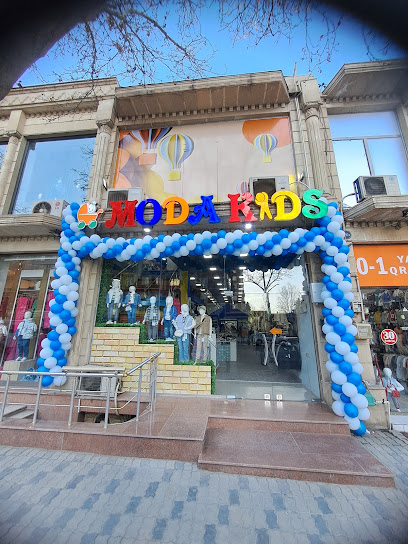
MODA KİDS
0.5 km
Fashion-forward clothing for children at MODA KİDS in Ganja, where style meets affordability.
0-1 Yaş qurupu
0.5 km
Discover stylish children's clothing in Ganja, perfect for your little ones with a variety of trendy options and quality essentials.
D'S Damat
0.5 km
Explore contemporary and vintage men's fashion at D'S Damat in Ganja, where quality meets style in a vibrant shopping atmosphere.
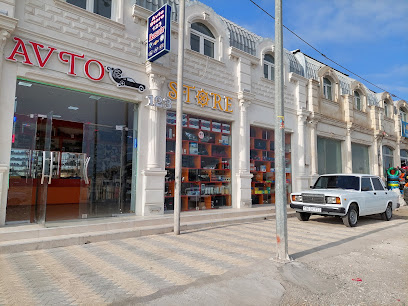
AVTO STORE 123
0.5 km
Explore top-notch car accessories at AVTO STORE 123 in Ganja, Azerbaijan – your essential stop for vehicle needs while traveling.
Sabina Perfumery & Cosmetics
0.5 km
Explore the finest selection of perfumes and cosmetics at Sabina Perfumery & Cosmetics in Ganja, Azerbaijan, where every scent tells a story.

Gəncə Mall
0.5 km
Explore Gəncə Mall in Ganja for a diverse shopping experience with local and international brands, dining delights, and family-friendly entertainment.
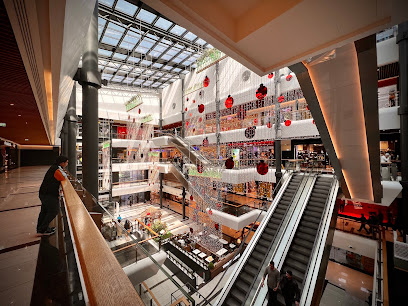
Essential bars & hidden hideouts

Alibaba Nargile Lounge
0.3 km
Discover the rich flavors and vibrant atmosphere of Alibaba Nargile Lounge in Ganja, where relaxation meets traditional Azerbaijani culture.
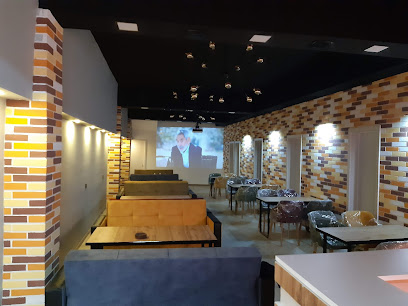
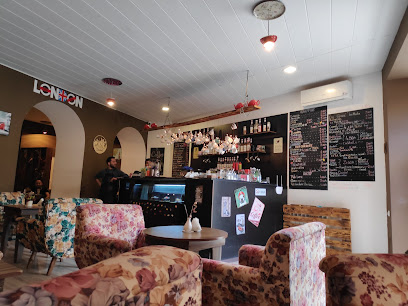
London CoffeeShop
0.7 km
Discover the charm of London CoffeeShop in Ganja, where exceptional coffee meets a cozy atmosphere for the perfect café experience.
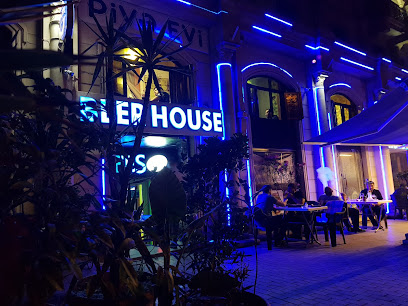
Beer House
0.7 km
Discover the lively ambiance of Beer House, a must-visit pub in Ganja offering local brews, traditional snacks, and an authentic Azerbaijani experience.
Park Karaoke
0.7 km
Experience the ultimate karaoke fun in Ganja at Park Karaoke, where every night is a celebration of music, laughter, and unforgettable memories.

Rasim Peyserdi
0.8 km
Experience the vibrant local bar scene at Rasim Peyserdi in Ganja, where authentic drinks and friendly vibes await every visitor.
Fayton
0.9 km
Discover the vibrant nightlife at Fayton, a bar in Ganja where local flavors meet modern ambiance, perfect for an unforgettable evening.
SS lounge
1.0 km
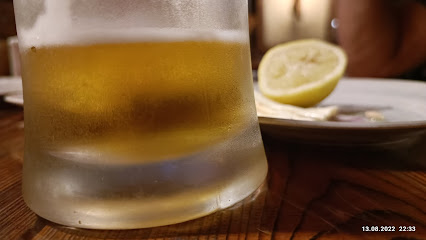
Experience the stylish ambiance of SS Lounge in Ganja, where modern comforts meet delightful refreshments in a vibrant setting.
Central.Shisha
1.2 km
Experience Ganja's vibrant nightlife at Central.Shisha, where traditional shisha meets a welcoming atmosphere and delightful drinks.
CHASHKA Anticafe
1.4 km
Experience the joy of gaming at CHASHKA Anticafe in Ganja, a unique board game club perfect for fun, relaxation, and friendship.

Bizz Time cafe
1.7 km
Experience the vibrant atmosphere of Bizz Time Cafe in Ganja, where delicious food meets the art of hookah and lively entertainment awaits.
ZEN Kokteyl
1.7 km
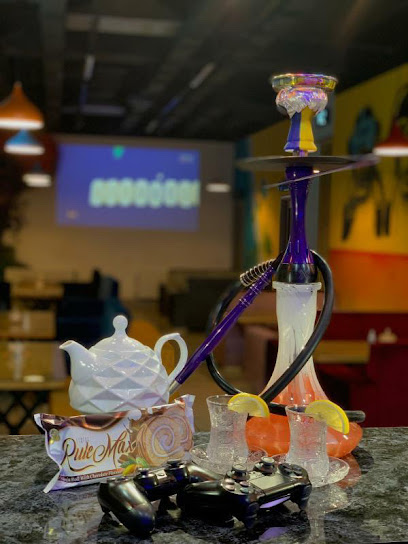
ZEN Kokteyl: A lively bar in Ganja, Azerbaijan, offering creative cocktails and a vibrant atmosphere for unforgettable evenings.
Aroma Tea Club
1.7 km
Experience the vibrant nightlife at Aroma Tea Club in Ganja, where diverse drinks and energetic ambiance create unforgettable evenings.
13 Köşk
1.8 km
Discover the lively ambiance of 13 Köşk, Ganja's premier bar for a taste of local culture and nightlife.
Fm Pub
2.2 km
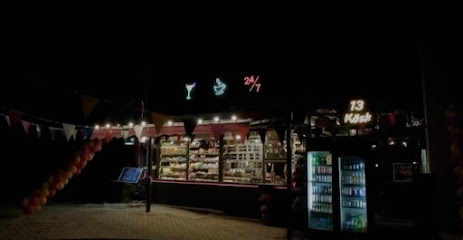
Discover the vibrant nightlife at Fm Pub in Ganja, where local flavors meet a lively atmosphere for an unforgettable experience.
Rəşadın dörd gözü
2.3 km
Discover Ganja's hidden bar gem, Rəşadın dörd gözü, where local charm meets refreshing drinks in a cozy atmosphere.


