
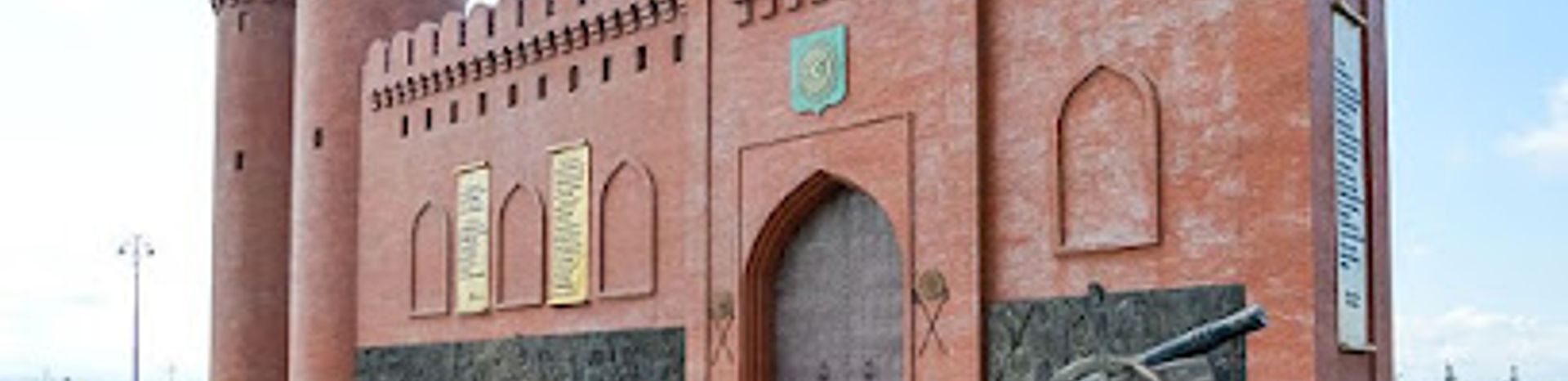
Ganja Castle Doors: A Gateway to Ancient Azerbaijan
Discover the echoes of empires at Ganja Castle Doors, a gateway to Azerbaijan's past, revealing centuries of Silk Road history and cultural fusion.
The Ganja Castle Doors, housed within the Museum of Archaeology and Ethnography, are a reconstruction of the ancient gates that once protected the city of Ganja. These doors serve as a portal to the city's rich history, showcasing its strategic importance along the Silk Road and the diverse cultural influences that have shaped its identity.
A brief summary to Ganja Castle Doors - Museum of Archaeology and Ethnography
- MFQJ+M2R, R51, Ganja, AZ
- +994553326632
Local tips
- Explore the museum's exhibits to learn about Ganja's history, culture, and the significance of the Castle Doors.
- Visit the nearby Nizami Ganjavi Mausoleum and Museum to delve deeper into the life and works of Azerbaijan's renowned poet.
- Take a stroll through Heydar Aliyev Park, the largest park in the Caucasus, located a short distance from the museum.

Getting There
-
Public Transport
From Ganja city center, you can reach the Ganja Castle Doors - Museum of Archaeology and Ethnography by public bus or minibus. Buses and minibuses are a common mode of transport in Ganja, with various routes connecting different parts of the city. Check local bus routes for the most convenient option to reach the museum. A single bus fare typically costs around 0.30 AZN.
-
Taxi
Taxis are readily available in Ganja and offer a convenient way to reach the museum. You can hail a taxi on the street or use a ride-hailing app to book a ride. Be sure to negotiate the fare before starting your journey, as most taxis may not have meters. A short taxi ride from the city center to the museum typically costs around 3-5 AZN.
Discover more about Ganja Castle Doors - Museum of Archaeology and Ethnography
Iconic landmarks you can’t miss

Ganja Castle Doors - Museum of Archaeology and Ethnography
0.0 km
Discover the echoes of empires at Ganja Castle Doors, a gateway to Azerbaijan's rich past and Silk Road history within the Museum of Archaeology.
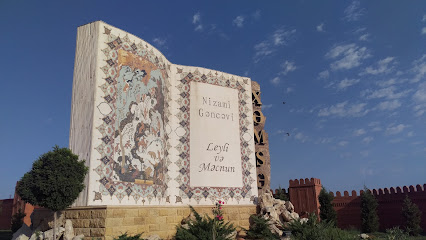
İmamzadeh İbrahim
5.4 km
Discover İmamzadeh İbrahim in Baghbanlar: A mesmerizing mosque with stunning Islamic architecture, serene tranquility, and rich cultural history.
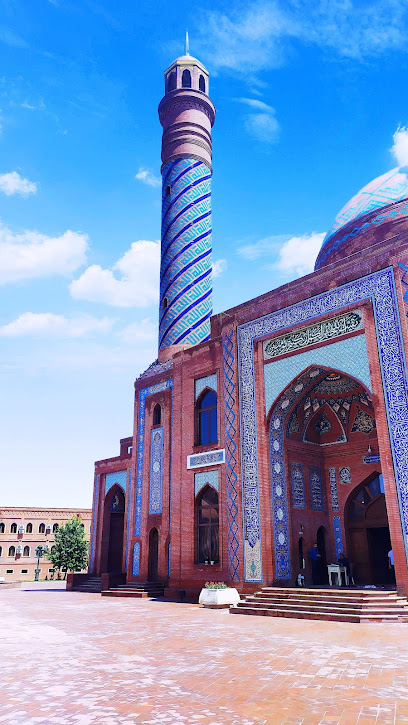
Comərd Qəssab türbəsi.
6.1 km
Explore the Comərd Qəssab Türbəsi in Ganja, a historical landmark with unique architecture and legends of a revered butcher.
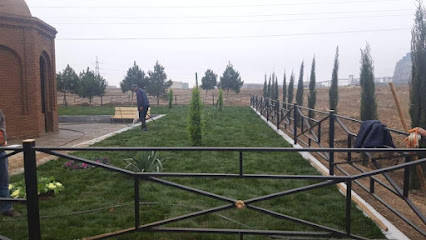
Birinci Şəhidlər Xiyabanı
9.1 km
Reflect on Azerbaijan's history and honor the fallen heroes at Ganja's poignant Birinci Şəhidlər Xiyabanı, a place of remembrance and national pride.

Gəncəyə raket hücumu
9.6 km
Honoring the victims of the 2020 Ganja missile attacks, this memorial stands as a testament to the city's resilience and the human cost of conflict.
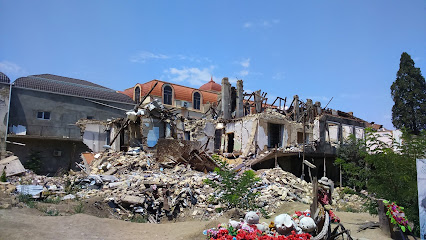
Gəncə Qalası Kompleksi
9.7 km
Explore the remnants of Ganja Fortress, a historic landmark showcasing the resilience and rich heritage of Azerbaijan's second-largest city.
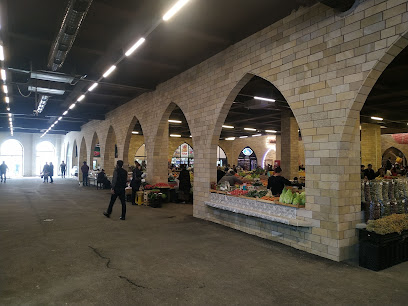
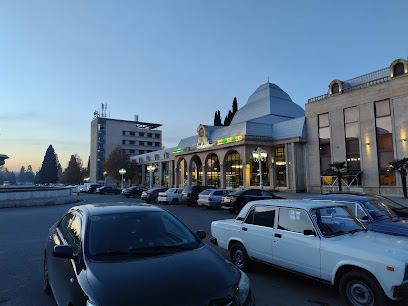
Ganja
9.9 km
Experience the historical and cultural heart of Azerbaijan. Ganja Railway Station: Your gateway to exploring the vibrant city of Ganja!
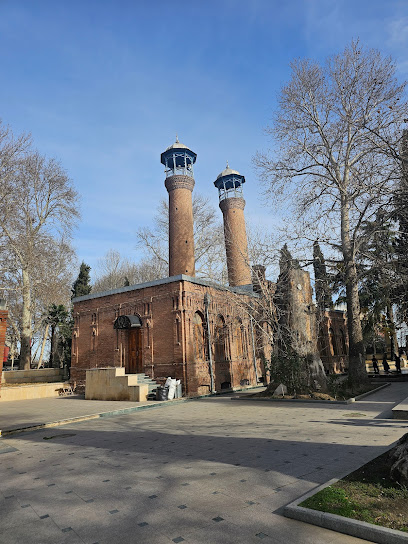
Shah Abbas Mosque
10.3 km
Explore the historical Shah Abbas Mosque in Ganja, a stunning example of Islamic architecture and a symbol of Azerbaijan's cultural heritage.
Javad Khan Mausoleum
10.3 km
Honor the last ruler of Ganja at the Javad Khan Mausoleum, a symbol of Azerbaijani resilience and architectural beauty in Shah Abbas Square.
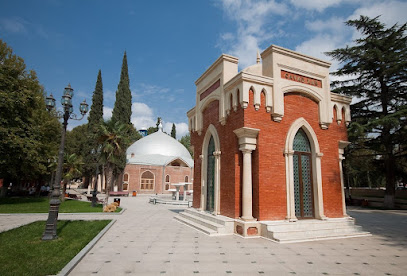
Chokak Hamam
10.4 km
Discover the historical Chokak Hamam in Ganja, a 17th-century architectural treasure offering a glimpse into Azerbaijan's rich bathing traditions.
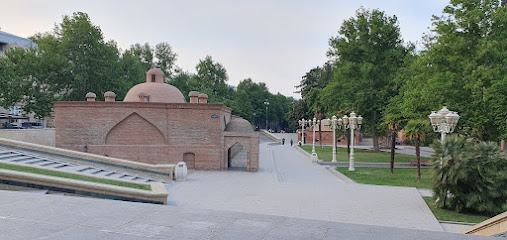
Ganja State Philharmonic Hall
10.4 km
Experience world-class musical performances in a stunning architectural setting at Ganja's cultural heart.
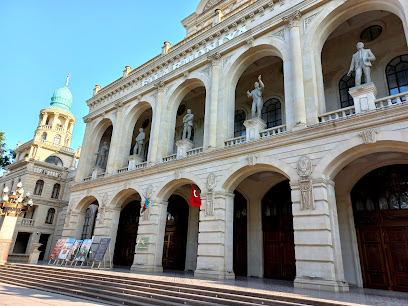
Xan Bağı
10.6 km
Discover Xan Bağı in Ganja: A historic garden offering a peaceful retreat with lush greenery and ornamental fountains.
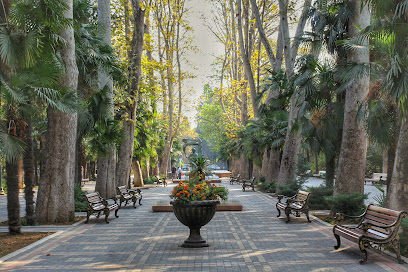
Gəncə Qalası
10.6 km
Explore the remnants of Ganja Fortress, a 16th-century defensive structure and a window into the city's vibrant past.
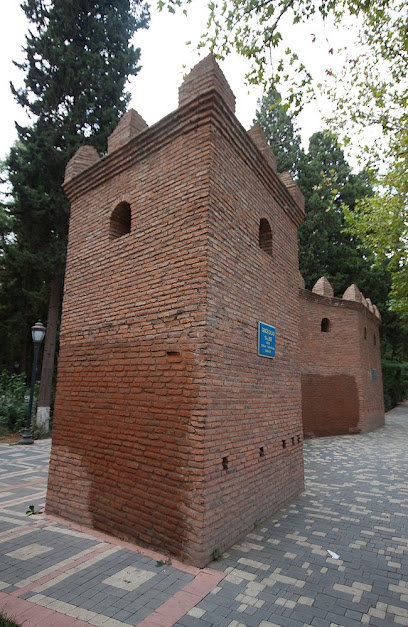
Azerbaijan State Agrarian University (Main Corpus/ Bash Bina)
10.6 km
Explore Azerbaijan's agricultural heritage at Ganja's State Agrarian University, a historic institution dedicated to education and innovation.
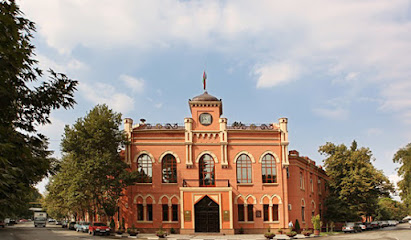
Ganja International Airport
16.2 km
Discover Ganja: Your journey begins at Ganja International Airport, connecting you to Azerbaijan's cultural heartland and beyond.
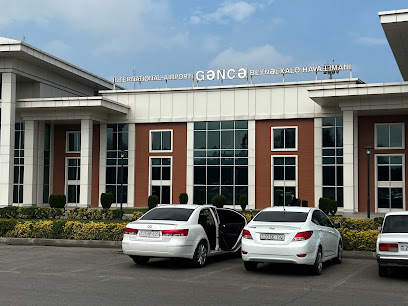
Unmissable attractions to see

Nizami Ganjavi Museum
4.1 km
Explore the life and works of the legendary poet Nizami Ganjavi at this cultural landmark in Ganja, Azerbaijan.
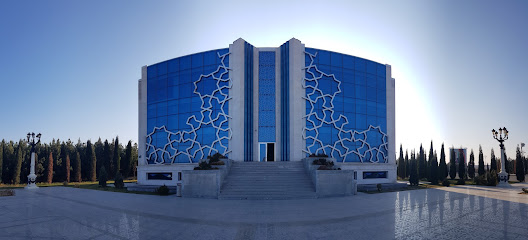
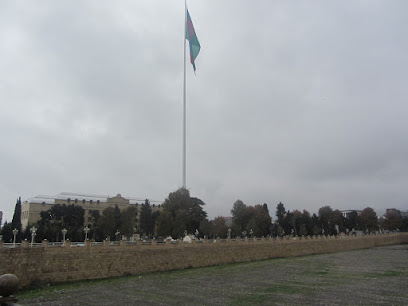
Flag Square
9.4 km
A landmark in Ganja symbolizing Azerbaijani pride, Flag Square is a modern venue for national celebrations and cultural events.
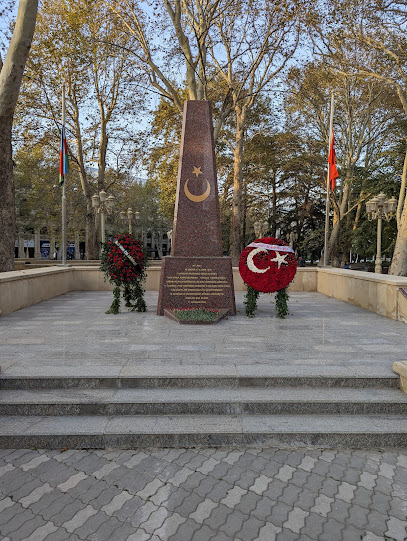
Kafkas Islam Ordusu
10.3 km
Honoring the Ottoman soldiers who aided Azerbaijan's independence in 1918, symbolizing Turkish-Azerbaijani ties in Ganja.
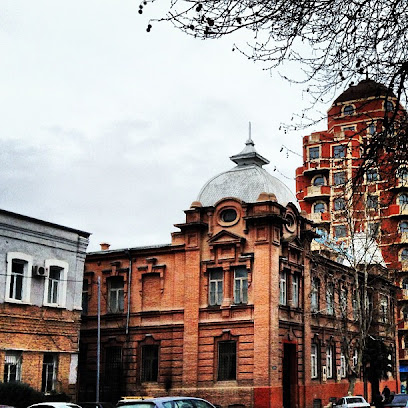
Ganja State History and Ethnography Museum
10.4 km
Explore Azerbaijan's past at Ganja's largest museum, featuring over 30,000 exhibits from ancient times to today.
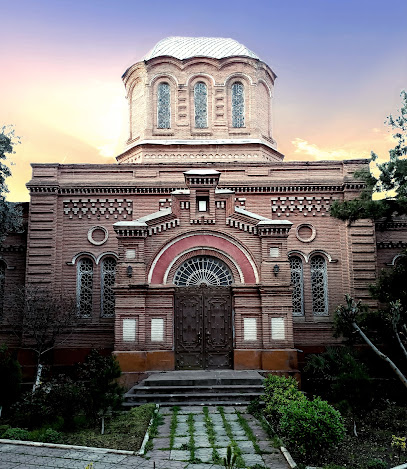
Alexander Nevsky Church, Ganja
10.5 km
Explore the Alexander Nevsky Church in Ganja, a historic landmark showcasing Byzantine architecture and interfaith heritage.
Bottle House
10.5 km
Discover Ganja's Bottle House: A dazzling architectural marvel crafted from 48,000 recycled bottles, a testament to creativity and remembrance.
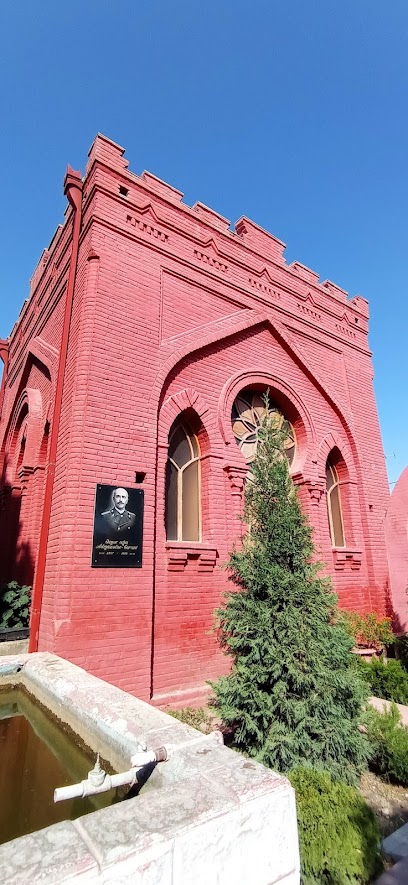
Əsgər Ağa Adıgözəlov-Gorani türbəsi
11.2 km
Discover the legacy of Əsgər Ağa Gorani at his Moorish-style tomb in Ganja, a tribute to Azerbaijani culture and intellect.
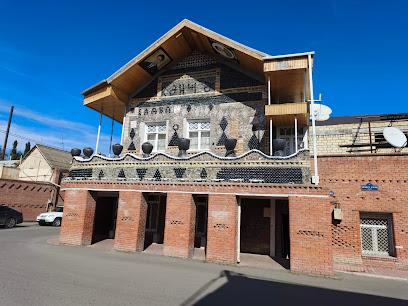
Tarixi ev (Nizami kinosu çəkilən ev)
11.5 km
Explore Tarixi Ev in Ganja, Azerbaijan, a historical landmark celebrated as the 'House where Nizami Cinema was filmed'.
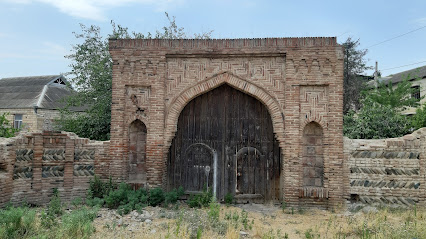
Gülüstan Parkı
12.2 km
Escape to nature in Ganja's Gülüstan Parkı, a green oasis with hiking, scenic views, and tranquility for all ages, perfect for families and outdoor enthusiasts.
Heyder Eliyev Parki Yeni Ganja
13.0 km
Explore the Caucasus' largest park in Ganja, Azerbaijan, with stunning architecture, tranquil gardens, and diverse entertainment for all ages.
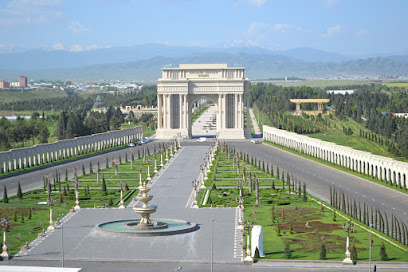
Heydər Əliyev Parkı
13.4 km
Discover Ganja's largest park: a blend of nature, culture, and recreation awaits at Heydar Aliyev Park, the Caucasus' green jewel.
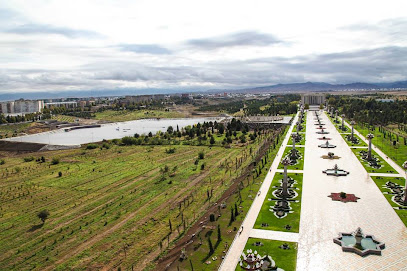
BAYRAQ MEYDANI
27.6 km
Experience Azerbaijani culture and national pride at Goranboy's Bayraq Meydani, a vibrant square with stunning architecture and a lively community atmosphere.
Kura River
27.7 km
Discover the Kura River: A historic waterway offering scenic cruises, cultural insights, and natural beauty in the heart of the Caucasus.
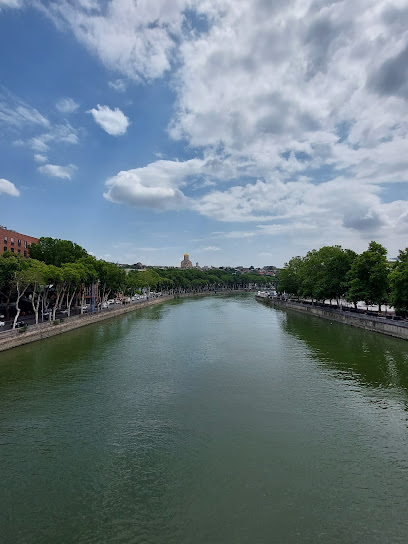
Lake Göygöl
33.2 km
Discover Lake Göygöl: Azerbaijan's breathtaking alpine lake with crystal-clear waters, stunning scenery, and tranquil hiking trails.
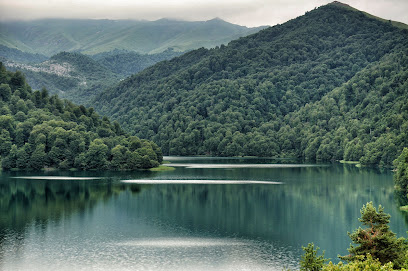
Goygol
33.6 km
Discover the pristine beauty of Goygol, Azerbaijan's 'Blue Lake,' nestled in the Caucasus Mountains, offering breathtaking scenery, hiking trails, and a tranquil escape into nature.
Essential places to dine

Qazilər kafesi
7.5 km
Experience authentic Azerbaijani cuisine at Qazilər Kafesi in Ganja, where tradition meets taste in every dish.
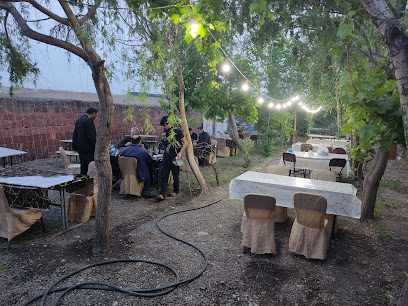
Planet
7.7 km
Experience exquisite dining at Planet Restaurant in Ganja, where authentic Azerbaijani flavors meet warm hospitality.
ISSA cake & fastfood
7.9 km
Experience the delightful blend of cakes and fast food at ISSA Cake & Fastfood in Baku – where flavor meets comfort!
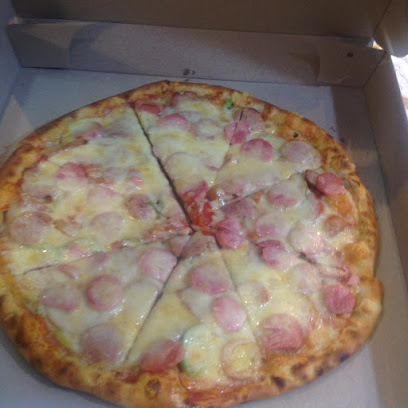
Alaturka Doner
8.3 km
Discover authentic Azerbaijani flavors at Alaturka Doner in Ganja - where every bite tells a story of tradition and taste.
Milli Mətbəx kafe
8.5 km
Experience authentic Azerbaijani cuisine at Milli Mətbəx Kafe – a family-friendly dining spot in Ganja that welcomes all!
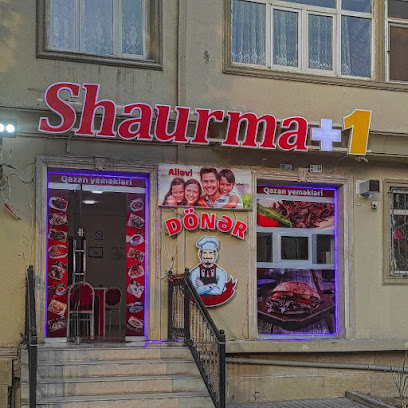
Shaurma+1
8.7 km
Experience authentic Azerbaijani shawarma at Shaurma+1 in Ganja – a must-visit for every food lover exploring the region.
Çiğ Köfte
8.7 km
Discover the authentic flavors of Turkish cuisine at Çiğ Köfte in Ganja – a family-friendly destination perfect for food lovers.
məti babanın kafesi
9.0 km
Experience authentic Azerbaijani breakfast at Məti Babanın Kafesi in Ganja—where tradition meets taste in every bite.
Coffee House Azerbaijan
9.1 km
Experience the warm ambiance and rich flavors at Coffee House Azerbaijan - your cozy retreat in Gəncə's vibrant Gənja Mall.
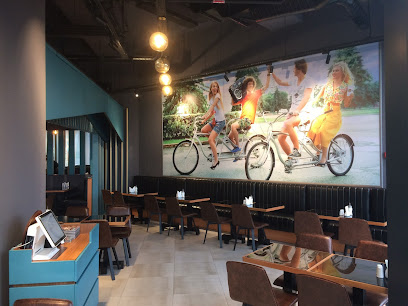
Le Farn
9.1 km
Discover Le Farn in Ganja – where authentic Azerbaijani flavors meet international cuisine in a warm and welcoming setting.
Milli Süfrə
9.2 km
Discover authentic Azerbaijani flavors at Milli Süfrə in Ganja - where every meal tells a story.
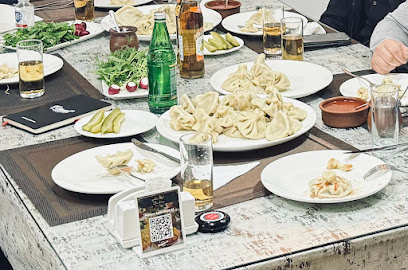
Tombik
9.2 km
Experience the authentic taste of Azerbaijan at Tombik in Ganja – where tradition meets flavor!
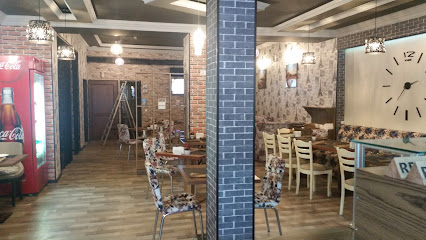
Peyzaj Cafe
9.3 km
Discover the enchanting flavors of Azerbaijani cuisine at Peyzaj Cafe in Ganja, where nature meets gastronomy in a stunning setting.
Ganja restoran
9.3 km
Experience authentic Azerbaijani cuisine in a family-friendly atmosphere at Ganja Restoran, perfect for all ages and occasions.
Zirzemi Restaurant
9.3 km
Experience authentic Azerbaijani flavors at Zirzemi Restaurant in Ganja – where tradition meets taste.
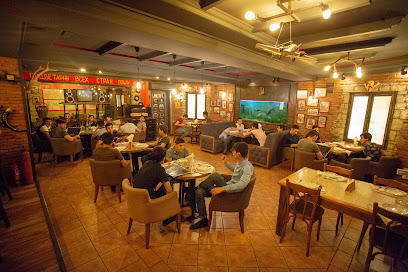
Markets, malls and hidden boutiques

Ekonom Market
5.2 km
Explore the vibrant offerings of Ekonom Market in Ganja, where local culture meets convenience in an extensive supermarket experience.
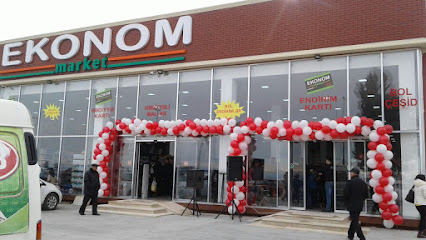
Vüsalə STUDİO
8.0 km
Explore the enchanting Vüsalə STUDİO in Ganja, a treasure trove of unique gifts and authentic Azerbaijani crafts waiting to be discovered.
VOSSEN TUNING GANJA
8.4 km
Explore top-quality electronics at Vossen Tuning Ganja, your go-to destination for tech products and accessories in Azerbaijan.

İlkin Market
8.4 km
Explore İlkin Market in Ganja for an authentic taste of Azerbaijani culture, local delicacies, and unique souvenirs.
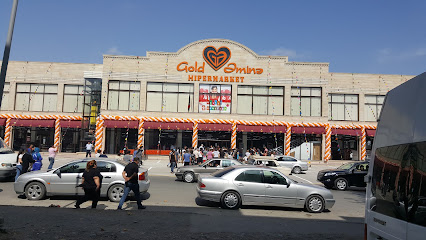
Gold Əminə marketlər şəbəkəsi
8.5 km
Experience the local flavors and vibrant atmosphere at Ganja's Gold Əminə supermarket, your go-to destination for authentic Azerbaijani goods.
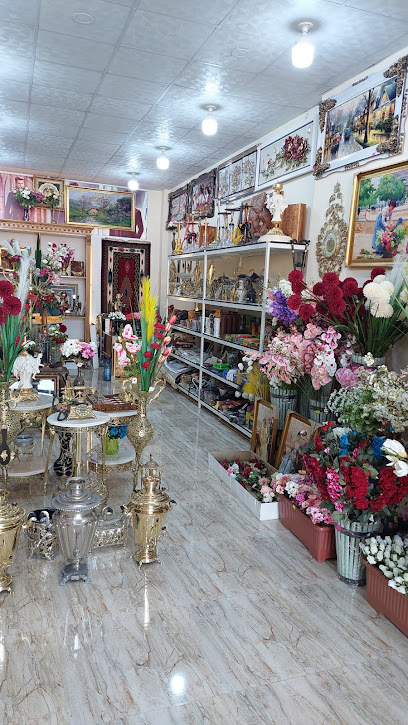
Hədiyyə Antik Aləmi Gəncə
8.5 km
Discover the charm of Azerbaijani culture at Hədiyyə Antik Aləmi Gəncə, your go-to destination for unique antiques and gifts.
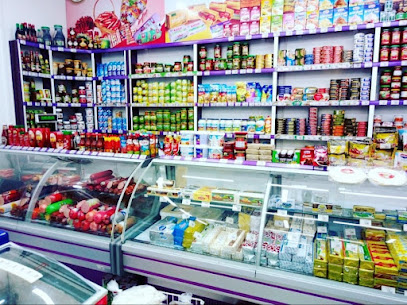
Tufər market
8.5 km
Explore Tufər Market in Ganja for fresh produce, local delicacies, and an authentic glimpse into Azerbaijani culture.
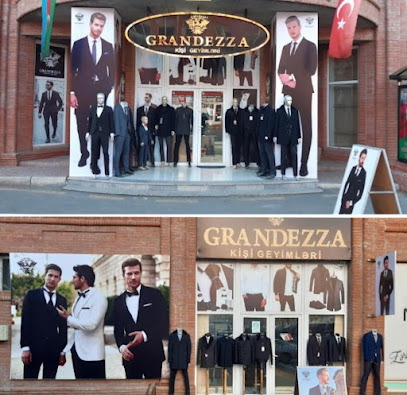
Grandezza Kişi Geyimləri
8.6 km
Discover contemporary menswear at Grandezza Kişi Geyimləri, the ultimate shopping destination for fashion in Ganja, Azerbaijan.
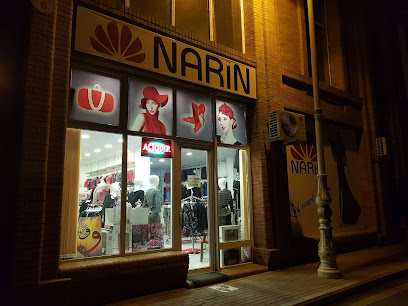
Narin geyim mağazası
8.6 km
Explore Ganja's vibrant fashion at Narin Boutique, where local culture meets contemporary style in a unique shopping experience.
Çiçəyin Teretoriası
8.6 km
Discover the enchanting floral creations at Çiçəyin Teretoriası in Ganja, where nature's beauty blossoms in every arrangement.
Kiosk
9.0 km
Discover the vibrant local culture at Kiosk in Ganja, where unique products and friendly faces await every traveler.
SUKONNU COREK ZAVODU
9.0 km
Discover authentic Azerbaijani flavors at Sukonnu Corek Zavodu, a charming grocery store in Ganja offering fresh produce and local delicacies.
İSTANBUL SHOPPİNG
9.0 km
Explore the vibrant clothing scene in Istanbul Shopping, where culture meets fashion in a captivating retail experience.
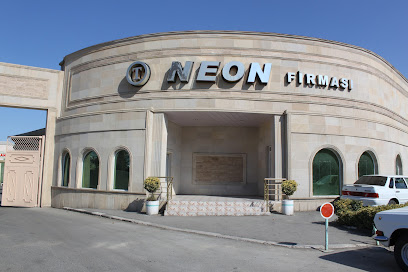
Neon firmasi
9.0 km
Explore the essence of modern business at Neon Firmasi, Ganja's innovative corporate office showcasing the city's entrepreneurial spirit.
Inayetin mekanı
9.1 km
Discover authentic Azerbaijani crafts and local delicacies at Inayetin Mekanı, a vibrant store in the heart of Ganja.
Essential bars & hidden hideouts

Fm Pub
8.9 km
Discover the vibrant nightlife at Fm Pub in Ganja, where local flavors meet a lively atmosphere for an unforgettable experience.
Central.Shisha
9.1 km
Experience Ganja's vibrant nightlife at Central.Shisha, where traditional shisha meets a welcoming atmosphere and delightful drinks.
Aroma Tea Club
9.6 km
Experience the vibrant nightlife at Aroma Tea Club in Ganja, where diverse drinks and energetic ambiance create unforgettable evenings.
Alibaba Nargile Lounge
9.9 km
Discover the rich flavors and vibrant atmosphere of Alibaba Nargile Lounge in Ganja, where relaxation meets traditional Azerbaijani culture.
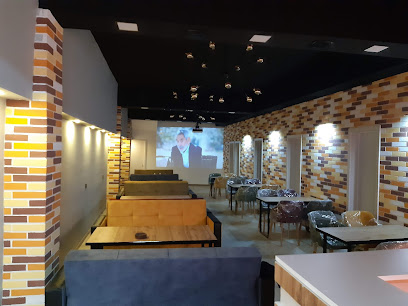
SS lounge
10.1 km
Experience the stylish ambiance of SS Lounge in Ganja, where modern comforts meet delightful refreshments in a vibrant setting.
Park Karaoke
10.1 km
Experience the ultimate karaoke fun in Ganja at Park Karaoke, where every night is a celebration of music, laughter, and unforgettable memories.

Yupka geyinib lgileniyorum.Nar CAVE Hostelde rezervasiyam var
10.1 km
Experience the vibrant sports culture at Yupka Geyinib in Ganja, Azerbaijan, where athleticism meets community spirit.
Bizz Time cafe
10.1 km
Experience the vibrant atmosphere of Bizz Time Cafe in Ganja, where delicious food meets the art of hookah and lively entertainment awaits.
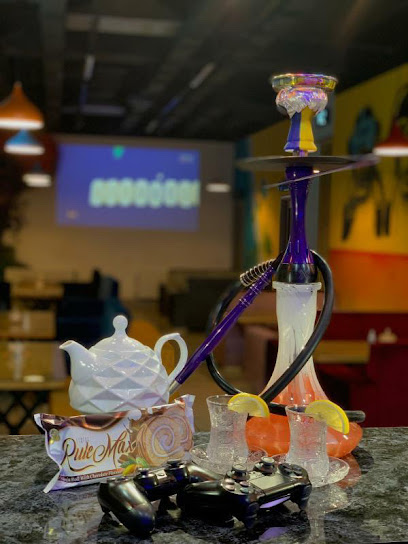
London CoffeeShop
10.2 km
Discover the charm of London CoffeeShop in Ganja, where exceptional coffee meets a cozy atmosphere for the perfect café experience.
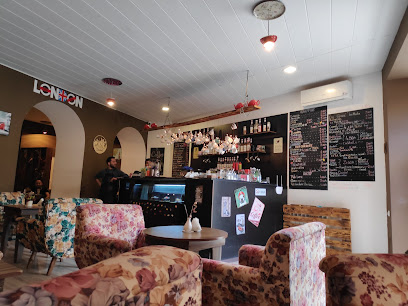
Beer House
10.4 km
Discover the lively ambiance of Beer House, a must-visit pub in Ganja offering local brews, traditional snacks, and an authentic Azerbaijani experience.
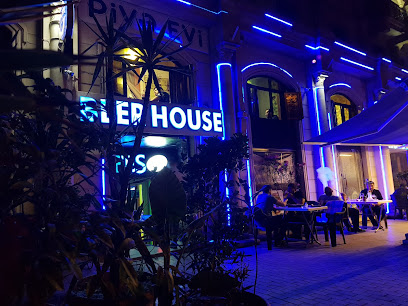
Rasim Peyserdi
10.5 km
Experience the vibrant local bar scene at Rasim Peyserdi in Ganja, where authentic drinks and friendly vibes await every visitor.
Fayton
10.6 km
Discover the vibrant nightlife at Fayton, a bar in Ganja where local flavors meet modern ambiance, perfect for an unforgettable evening.
Seymurun çayçısı
10.6 km
Experience the heart of Ganja at Seymurun çayçısı, where authentic Azerbaijani tea and local flavors await in a warm and inviting atmosphere.
13 Köşk
10.9 km
Discover the lively ambiance of 13 Köşk, Ganja's premier bar for a taste of local culture and nightlife.
CHASHKA Anticafe
11.1 km
Experience the joy of gaming at CHASHKA Anticafe in Ganja, a unique board game club perfect for fun, relaxation, and friendship.

Nightclubs & after hour spots

Avto Goll Klub. Play Stayion 4
9.3 km
Discover the nightlife of Ganja at Avto Goll Klub, where music and dance create unforgettable memories in a vibrant atmosphere.
Eliş çay evi
9.5 km
Discover the vibrant nightlife of Ganja at Eliş Çay Evi, where local culture and entertainment come together in an unforgettable experience.
Miraj Tea Club
9.6 km
Experience the vibrant nightlife at Miraj Tea Club in Ganja, where music, dance, and socializing come together for an unforgettable evening.
REX Club
9.8 km
Discover the pulsating heart of Ganja's nightlife at REX Club, where unforgettable entertainment and vibrant atmosphere await.
RAUL AMİNAKEEEE
10.1 km
Experience the electrifying atmosphere at RAUL AMİNAKEEEE, Ganja's ultimate night club for dancing and socializing.
Elsever eminin playstation'u
10.3 km
Discover the lively nightlife of Ganja at Elsever Eminin PlayStation, where pulsating music and vibrant atmosphere await you.
Şəmkir çayçısı
12.1 km
Discover the electric atmosphere of Şəmkir çayçısı, a top night club in Ganja where locals and tourists unite for unforgettable nightlife experiences.
Göygöl Rayon İrəvan İdman Klubu
17.6 km
Discover sports and recreation at Göygöl Rayon İrəvan İdman Klubu, a vibrant hub nestled in the beautiful landscapes of Goygol, Azerbaijan.
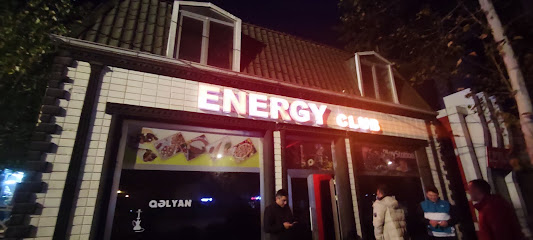
Enerji club
48.5 km
Discover the lively atmosphere of Enerji Club, Mingecevir's premier karaoke bar, where music and fun unite for an unforgettable night out.
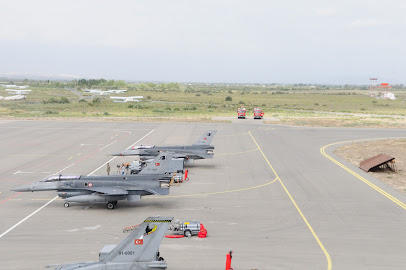
Yevlakh Airport
56.6 km
Discover the heart of Azerbaijan through Yevlakh Airport, your gateway to cultural adventures and breathtaking landscapes.
Dəhnə kafe
60.8 km
Experience the heartbeat of Böyük Dəhnə's nightlife at Dəhnə Kafe, where music, dance, and culture come alive.
Sultan House Restaurant
82.5 km
Experience the authentic taste of Azerbaijan at Sultan House Restaurant in Sheki, where tradition meets flavor in a delightful dining atmosphere.
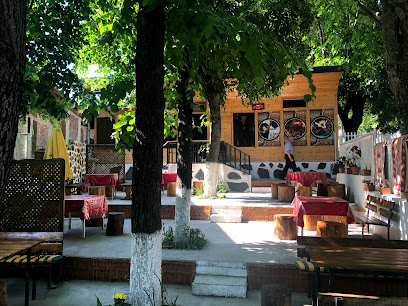
Heyat cay evi
85.7 km
Experience the vibrant nightlife at Heyat Cay Evi in Şamaxı, where traditional Azerbaijani culture meets modern entertainment!
Marxal Resort & Spa
86.6 km
Discover the perfect blend of luxury and nature at Marxal Resort & Spa in Sheki, Azerbaijan - your ultimate getaway for relaxation and adventure.
Salam Aleykum
87.5 km
Dive into the vibrant nightlife of Cunud at Salam Aleykum, a lively night club offering energetic music and a welcoming atmosphere.


