

Atashgah Zoroastrian Fire Temple, Absheron Peninsula Travel Guide
Explore the Ateshgah Fire Temple, a UNESCO site near Baku, where Zoroastrian, Hindu, and Sikh traditions converge in a historic monument to fire worship.
The Ateshgah, or "Fire Temple," is a historical religious site located in Surakhani, near Baku. With roots in ancient fire worship, the current structure dates back to the 17th and 18th centuries, built upon an earlier Zoroastrian worship site. It served as a pilgrimage and philosophical center for Zoroastrians, Hindus, and Sikhs, particularly those from the Indian subcontinent engaged in trade along the Caspian region.
A brief summary to Atashgah Zoroastrian Fire Temple
- C285+9J4, Baku, Surakhani, AZ
- Click to display
- Click to display
- Monday 10 am-7 pm
- Tuesday 10 am-7 pm
- Wednesday 10 am-7 pm
- Thursday 10 am-7 pm
- Friday 10 am-7 pm
- Saturday 10 am-7 pm
- Sunday 10 am-7 pm

Know before you go
Hi, I'm Eve. Here are a few practical things to know before exploring Atashgah Zoroastrian Fire Temple.
- Visit in the morning to avoid crowds and fully appreciate the temple's serene atmosphere.
- Combine your visit with a trip to Yanar Dag, the "Burning Mountain," another nearby natural fire phenomenon.
- Hire a local guide at the entrance for detailed explanations in English to enhance your understanding of the site's history and significance.
Do you manage this location?
Take control to get all the benefits, like improved information, better appearance, and stronger visibility across AI-powered discovery. Learn more about listing your business on Evendo
Activate your presenceOther nearby places you may find interesting
The closest places of the same kind, if this one is not quite what you had in mind.
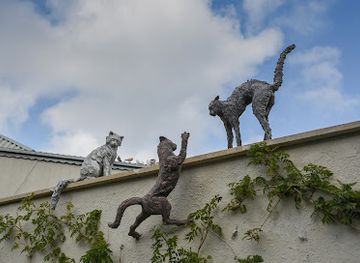
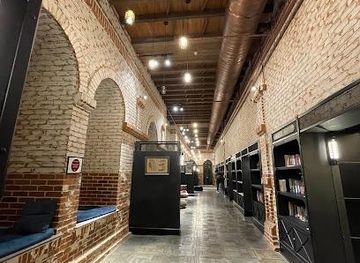


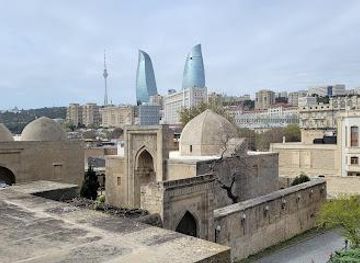
Explore Atashgah Zoroastrian Fire Temple on the Map
A handpicked selection of must-see spots near Atashgah Zoroastrian Fire Temple, mapped for you.
Unlock the Best of Atashgah Zoroastrian Fire Temple
Buy tickets
-
No tickets available
Book tours with entry


Getting There
-
Public Transport
From Baku city center, take the Baku Metro to Koroglu Station. From there, hop on bus 184 to reach the Ateshgah Fire Temple. The bus ride takes approximately 30-40 minutes. A single metro fare is 0.30 AZN, and the bus fare is also 0.30 AZN.
-
Taxi
Taxis are readily available throughout Baku. A taxi ride from the city center to the Ateshgah Fire Temple typically takes around 30-50 minutes, depending on traffic. Expect to pay between 10-15 AZN for the ride.
Discover more about Atashgah Zoroastrian Fire Temple
More to explore near Atashgah Zoroastrian Fire Temple
-

Best experiences near Atashgah Zoroastrian Fire Temple
-

Best hotels near Atashgah Zoroastrian Fire Temple
-

Best landmarks near Atashgah Zoroastrian Fire Temple
-

Best shops near Atashgah Zoroastrian Fire Temple
-

Best restaurants near Atashgah Zoroastrian Fire Temple
-

Best bars near Atashgah Zoroastrian Fire Temple







Your all‑in‑one travel companion app
Explore expert travel guides, compare and book tours, experiences, hotels, and more—all from the palm of your hand. Download now for seamless trip planning wherever your wanderlust takes you.


Explore More of Absheron Peninsula
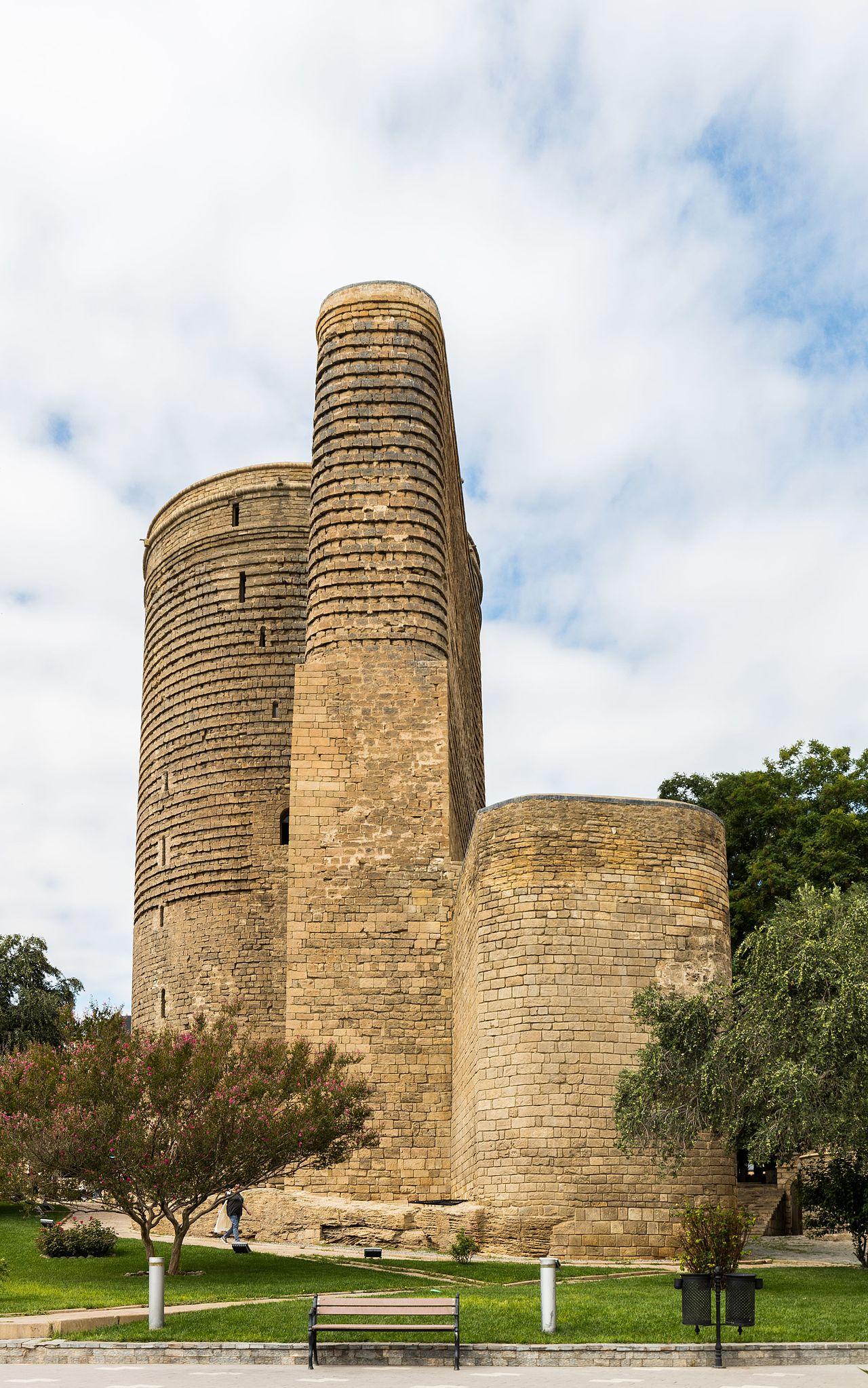
Looking beyond Atashgah Zoroastrian Fire Temple? Discover Absheron Peninsula for broader travel guides, local hot-spots, and regional highlights.
Explore Absheron Peninsula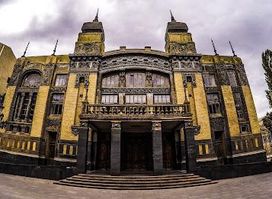
Experience world-class opera and ballet in Baku's historic and architecturally stunning Azerbaijan State Academic Opera and Ballet Theater.

Explore Baku's iconic Olympic Stadium: a modern architectural marvel hosting world-class sporting events and offering diverse leisure activities.
