

Free Yevlakh Travel Guide & Mobile App
Plan your Yevlakh trip with Evendo. Get free guides to top attractions, restaurants, hotels, and bars. Web access or download the mobile app.


Yevlakh, Azerbaijan offers Kura River landscapes, railway heritage, local markets and a practical base for exploring central Azerbaijan’s rural culture.
A Strategic Inland Setting
Yevlakh lies in central Azerbaijan on the broad Kura-Aras lowland, where the Kura River crosses an agricultural landscape of irrigated fields, orchards and open steppe. It is less a traditional sightseeing city than an important regional junction, linking western Azerbaijan with Ganja, Mingachevir, Baku and the routes towards Georgia. The surrounding plain gives Yevlakh a spacious, low-rise character, while the river provides the principal natural focus beyond the built-up centre.Read more about Yevlakh
Railways, Roads and Regional Life
Exploring Beyond the Centre
When is the best time to visit Yevlakh?
Best: April–May, September · 21–28°C| Month | High (°C) | Rainfall (mm) |
|---|---|---|
| January | 6 | 37 |
| February | 8 | 36 |
| March | 13 | 33 |
| April (best) | 21 | 29 |
| May (best) | 28 | 25 |
| June | 31 | 18 |
| July | 33 | 16 |
| August | 32 | 16 |
| September (best) | 27 | 23 |
| October | 21 | 32 |
| November | 14 | 36 |
| December | 8 | 39 |
Getting to and around Yevlakh
How to get there
Transportation
Best landmarks in Yevlakh
Yevlakh’s principal landmarks express its role as a transport and administrative centre rather than the legacy of an ancient monumental capital. The railway station is the clearest symbol of the city’s modern development, linking the Kura lowlands with Azerbaijan’s east–west rail corridor and the wider South Caucasus. The Kura River serves as the defining geographical landmark, explaining both the agricultural character of the plain and the city’s historic importance as a crossing and communications point. Central civic buildings, public parks and broad streets reflect the planned urban form established during the Soviet period and reshaped after independence. Roads and bridges around the city are also important pieces of its regional infrastructure, although they are more functional than ornamental. Yevlakh’s identity is therefore found in the relationship between railway, river, road and open agricultural landscape rather than in a dense collection of preserved monuments.
-
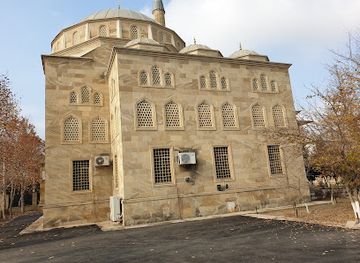
Mosque
Yevlax Məscidi
Discover Yevlax Məscidi, a serene mosque in Azerbaijan, embodying faith, culture, and architectural beauty in the heart of Yevlax.
6 min walk · 0.5 km from city centre
Explore Yevlakh on the map
Plan your Yevlakh trip on one map. See where the top attractions, landmarks, restaurants, bars and hotels are, find what's near where you're staying, and book hotels and experiences in a few clicks.
Best hotels in Yevlakh
Best restaurants in Yevlakh
Yevlakh’s dining scene reflects the food culture of central Azerbaijan rather than a specialised restaurant quarter. Traditional meals commonly draw on rice, meat, herbs, vegetables, yoghurt and seasonal produce from the surrounding agricultural districts. Plov, kebabs, dolma, qutab and soups are familiar choices, while bread, tea and preserves are important parts of everyday hospitality. Small cafés, roadside establishments and family-run eateries are generally more characteristic than formal international restaurants, and market areas provide opportunities to see local fruit, vegetables, dairy products and dried goods. The Kura lowlands and nearby farming communities influence what is available seasonally, with simple grilled meats and fresh produce often more dependable than elaborate menus. Azerbaijani tea is a customary accompaniment to conversation and sweets, and visitors should expect menus and service to be oriented primarily towards local residents rather than international tourism.
-
Restaurant
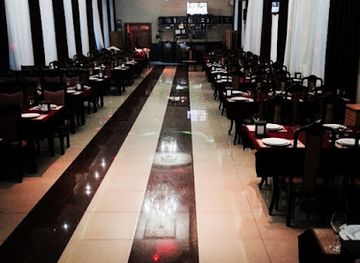
Su Sonasi
Experience authentic Azerbaijani cuisine at Su Sonasi in Yevlakh - where every meal is a celebration of flavor and hospitality.
17 min walk · 1.4 km from city centre
-
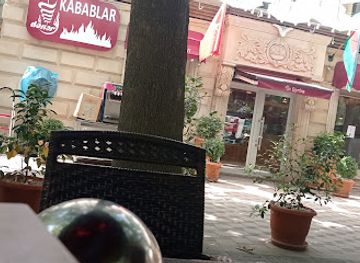
Restaurant
Üç Qardaş Restoran
Experience authentic Azerbaijani flavors at Üç Qardaş Restoran in Yevlakh - where tradition meets taste!
10 min walk · 0.8 km from city centre
-
 Family-friendly
Ruzetam Əyləncə Mərkəzi
Experience endless fun at Ruzetam Əyləncə Mərkəzi - the ultimate family-friendly entertainment center in Yevlakh!
11 min walk · 0.9 km from city centre
-
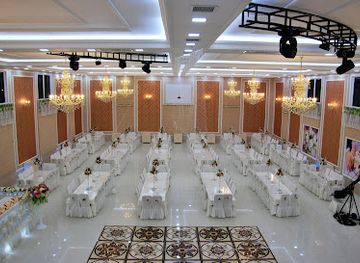
Restaurant
SENEM RESTAURANT.
Experience authentic Azerbaijani cuisine in Yevlakh at Senem Restaurant - where every meal tells a story.
9 min walk · 0.7 km from city centre
Best bars in Yevlakh
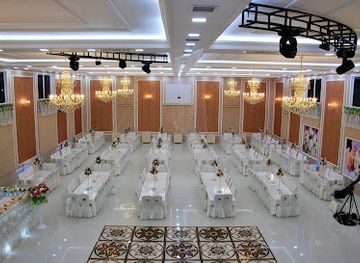
Yevlakh has a restrained evening scene centred on cafés, tea houses, restaurants and informal socialising rather than a concentration of nightclubs. After dark, central streets and public spaces may remain active, particularly when families and friends gather for tea or a meal, but entertainment is generally low-key and locally oriented. Visitors should not expect the late-night bar culture found in Baku, and alcohol may be less central to social life than tea, conversation and food. Occasional cultural or community events may provide evening entertainment, while larger choices of live music, theatres and nightlife are more likely in Baku, Ganja or other major regional centres. For a quieter evening, a meal featuring Azerbaijani home-style dishes or tea in a central café offers a more representative experience than searching for a formal club district.
-
Restaurant
Su Sonasi
Experience the authentic flavors of Azerbaijan at Su Sonasi, a must-visit restaurant in Yevlakh offering traditional dishes and a warm atmosphere.
17 min walk · 1.4 km from city centre
-
Bar
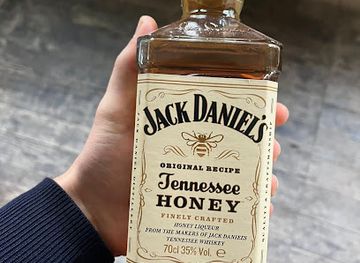
Vip status sarab evi
Discover the vibrant nightlife at Vip Status Sarab Evi, a top bar in Yevlakh offering local drinks and a lively atmosphere.
11 min walk · 0.9 km from city centre
-
Cafe
Bal Kafe
Discover the charm of Bal Kafe in Yevlakh, where local flavors and a cozy atmosphere await every traveler.
7 min walk · 0.5 km from city centre
-
Pub
PUB__360
Discover the lively atmosphere of PUB__360 in Yevlakh, where local flavors meet vibrant nightlife for an unforgettable experience.
10 min walk · 0.8 km from city centre
Best nightclubs in Yevlakh
Yevlakh has a restrained evening scene centred on cafés, tea houses, restaurants and informal socialising rather than a concentration of nightclubs. After dark, central streets and public spaces may remain active, particularly when families and friends gather for tea or a meal, but entertainment is generally low-key and locally oriented. Visitors should not expect the late-night bar culture found in Baku, and alcohol may be less central to social life than tea, conversation and food. Occasional cultural or community events may provide evening entertainment, while larger choices of live music, theatres and nightlife are more likely in Baku, Ganja or other major regional centres. For a quieter evening, a meal featuring Azerbaijani home-style dishes or tea in a central café offers a more representative experience than searching for a formal club district.
-
Airport
Yevlakh Airport
Discover the heart of Azerbaijan through Yevlakh Airport, your gateway to cultural adventures and breathtaking landscapes.
14 min walk · 1.1 km from city centre
-
Bar
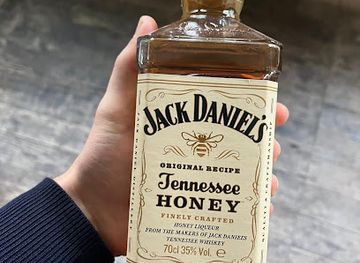
Vip status sarab evi
Experience vibrant nightlife at Vip Status Sarab Evi, a premier bar in Yevlakh, offering a lively atmosphere and diverse drink selection.
11 min walk · 0.9 km from city centre

Best shops in Yevlakh
Shopping in Yevlakh is practical and locally focused, with everyday retail streets, food shops and market areas serving residents from the city and surrounding villages. Traditional market shopping is the best way to encounter produce from the Kura lowlands, including seasonal fruit and vegetables, herbs, nuts, dairy products and dried foods. Small independent shops sell household goods, clothing and regional groceries, while bakeries and food counters provide more useful souvenirs than specialist tourist boutiques. Visitors looking for Azerbaijani gifts may find tea, preserves, sweets, spices and locally produced agricultural products, although choice is more limited than in Baku or Ganja. Bargaining can be acceptable in informal market settings, but fixed-price shops and supermarkets are also part of the city’s retail landscape. Shopping here gives a stronger impression of regional routines and rural trade than of luxury or designer commerce.
-
Grocery store
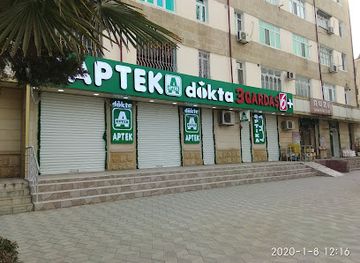
Uc Qardas
Explore Uc Qardas for an authentic taste of Azerbaijani culture with fresh produce and local delicacies in Yevlakh.
12 min walk · 1.0 km from city centre
-
Supermarket
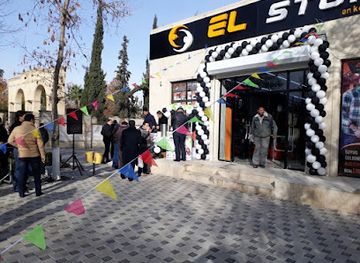
EL STORE
Discover local flavors and essentials at EL STORE, the premier supermarket in Yevlakh, Azerbaijan, where culture meets convenience.
4 min walk · 0.3 km from city centre
-
Home goods store
Soliton Yevlax
Explore Soliton Yevlax, a top home goods store in Yevlakh, offering quality products to elevate your home decor and living experience.
12 min walk · 0.9 km from city centre
-
Electronics store
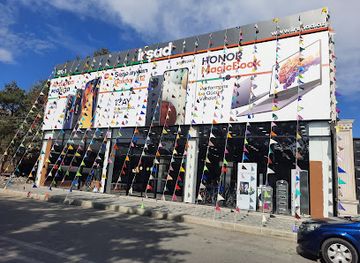
Irshad
Discover the latest electronics at Irshad in Yevlakh, Azerbaijan – a premier destination for tech enthusiasts and travelers alike.
12 min walk · 0.9 km from city centre
Get your free copy of our complete guide to Yevlakh, delivered straight to you.
Everything on this page, from attractions and restaurants to essentials and local phrases, in one PDF you can read offline, print or share.
Already have an account? Sign in
Your Yevlakh guide is ready.
We'll send it to · Not you? Sign out

Getting your guide ready…
We are putting together a fresh copy of the Yevlakh guide. This can take up to a minute.
This can take a few moments. If your browser asks, choose Allow so the download can start. You'll find the guide in your Downloads folder.
Nothing happened? Download it again
Sorry, the guide is taking longer than usual. Please try again in a minute, or get it by email instead.
Yevlakh essentials
Currency and Payment
Safety
Emergency Situations
Do's and Don'ts
Local Tips
From Eve
Local phrases worth knowing
You don't need to get them perfect. A few words go a long way, and locals appreciate the effort.
Basics
| English | Local | Say it |
|---|---|---|
| Hello | Salam | [sah-lahm] |
| Goodbye | Sag ol | [sahg awl] |
| Yes | Bəli | [buh-lee] |
| No | Xeyr | [khayr] |
| Please/You're welcome | Xahiş edirəm | [khah-heesh edir-uhm] |
| Thank you | Təşəkkür edirəm | [tesh-ek-koor edir-uhm] |
| Excuse me/Sorry | Bağışlayın | [bah-guhsh-lah-yin] |
| How are you? | Necəsən? | [neh-jay-suhn] |
| Fine. And you? | Yaxşı. Sən? | [yahk-shuh. sahn] |
| Do you speak English? | İngilis dilində danışırsınız? | [een-gee-lees dee-leen-duh dah-nuh-shir-suhn-uhz] |
| I don't understand | Anlamıram | [ahn-lah-muh-rahm] |
Eating & Drinking
| English | Local | Say it |
|---|---|---|
| I'd like to see the menu, please | Menyunu görmək istəyirəm, xahiş edirəm | [mehn-yoo-noo guhr-muhk ees-teh-yih-ruhm, khah-heesh edir-uhm] |
| I don't eat meat | Mən ət yemirəm | [muhn aht yeh-mee-ruhm] |
| Cheers! | Sağ olun! | [sahg aw-loon] |
| I would like to pay, please | Ödəmək istəyirəm, xahiş edirəm | [uh-deh-mehk ees-teh-yih-ruhm, khah-heesh edir-uhm] |
Emergencies
| English | Local | Say it |
|---|---|---|
| Help! | Kömək! | [kuh-muhk] |
| Go away! | Get! | [geht] |
| Call the Police! | Polisi çağırın! | [poh-lee-see chah-uh-ruhn] |
| Call a doctor! | Həkim çağırın! | [heh-keem chah-uh-ruhn] |
| I'm lost | Yolunu itirirəm | [yoh-loo-noo eet-ee-ree-ruhm] |
| I'm ill | Xəstəyəm | [khuh-stuh-yuhm] |
Shopping
| English | Local | Say it |
|---|---|---|
| I'd like to buy... | Almaq istəyirəm... | [ahl-mahk ees-teh-yih-ruhm] |
| I'm just looking | Sadəcə baxıram | [sah-deh-jeh bahk-see-rahm] |
| How much is it? | Bu neçəyədir? | [boo neh-jay-deer] |
| That's too expensive | Çox bahalıdır | [choh bah-hah-luh-duhr] |
| Can you lower the price? | Qiyməti endirə bilərsiniz? | [kee-yuh-meh-tee en-deer-uh bee-luhr-suh-neez] |
Time & Numbers
| English | Local | Say it |
|---|---|---|
| What time is it? | Saat necədir? | [saht neh-jay-deer] |
| It's one o'clock | Bir ətdir | [beer at-deer] |
| Half past (10) | Onda iyirmi | [awn-duh ee-yihr-mee] |
| Morning | Səhər | [seh-her] |
| Afternoon | Günorta | [goon-or-tah] |
| Evening | Axşam | [ahkh-shahm] |
| Yesterday | Dünən | [doo-nehn] |
| Today | Bu gün | [boo goon] |
| Tomorrow | Sabah | [sah-bah] |
| 1 | Bir | [beer] |
| 2 | İki | [ee-kee] |
| 3 | Üç | [ooch] |
| 4 | Dörd | [dohrd] |
| 5 | Beş | [besh] |
| 6 | Altı | [ahl-tuh] |
| 7 | Yeddi | [yehd-dee] |
| 8 | Səkkiz | [sehk-keez] |
| 9 | Doqquz | [dohk-kuhz] |
| 10 | On | [awn] |
Transport & Directions
| English | Local | Say it |
|---|---|---|
| Where's a/the...? | ...haradadır? | [...hah-rah-dah-deer] |
| What's the address? | Ünvanı nədir? | [oon-vah-nuh neh-deer] |
| Can you show me (on the map)? | Mənə (xəritədə) göstərə bilərsiniz? | [muh-nuh (khuh-ree-teh-duh) guhs-teh-ruh bee-luhr-suh-neez] |
| When's the next (bus)? | Növbəti (avtobus) ne vaxtdır? | [nuhvbuh-tee (ahv-toh-boos) neh vahkh-tduhr] |
| A ticket (to ....) | Bir biletlə (....a) | [beer bee-luh-tluh (ah)] |
History of Yevlakh
The Kura Lowland Before Urbanisation
Yevlakh’s setting has long been shaped by the Kura River and the fertile but demanding lowlands of central Azerbaijan. Communities in this wider region depended on cultivation, livestock, river corridors and movement between the Caucasus interior and the Caspian basin. The area formed part of the historical landscape of Arran, a name used for the lowlands between the Kura and Aras rivers, and was influenced over centuries by Persian, Caucasian, Turkic and Islamic political and cultural traditions. Rather than growing around a single ancient citadel, modern Yevlakh developed from the economic value of its location: it connected agricultural settlements and riverine communities across a broad, open plain.
Railway Connections Transform the Region
The opening of the Transcaucasian railway between Baku and Tbilisi in 1883 changed the scale and direction of movement through central Azerbaijan. A station at Yevlakh connected the local agricultural hinterland with Caspian trade, the commercial centres of the South Caucasus and wider imperial markets. Rail transport encouraged the growth of a service settlement alongside older rural communities, creating new employment in transport, storage and administration. The railway also helped establish the pattern that still defines Yevlakh: its importance comes less from a dense historic core than from its role as a meeting point between regional roads, rail lines and agricultural districts.
Soviet Planning and Agricultural Development
During the Soviet period, Yevlakh became more firmly integrated into a planned system of collective agriculture, irrigation, transport and local administration. The Kura lowlands were treated as an important productive zone, and investment in roads, canals, public services and industry altered the appearance of the settlement. Low-rise residential districts, civic buildings and broad streets replaced the scale of a purely rural station community. Soviet planning also tied Yevlakh closely to nearby industrial and agricultural centres, including Mingachevir. These decades established much of the townscape visible today and strengthened the city’s role as a regional centre rather than a purely railway stop.
A Modern Azerbaijani Regional Centre
Following Azerbaijan’s independence in 1991, Yevlakh retained its value as a transport and administrative centre while adapting to a market economy. Road improvements, private trade and the gradual reorganisation of agriculture reshaped commercial life. The city’s position on the route between Baku, western Azerbaijan and Georgia continued to support logistics and passenger movement, even as economic activity became less dependent on the Soviet system. Public investment in parks, civic spaces and urban infrastructure has given the centre a more contemporary appearance, while the surrounding economy remains closely connected to farming and the Kura valley.
The City in the Present Day
Contemporary Yevlakh is best understood as part of the central Azerbaijani corridor rather than as an isolated destination. Its railway, road links, agricultural hinterland and proximity to Mingachevir continue to determine its identity. The city reflects the wider transformation of Azerbaijan’s inland regions: Soviet-era planning, independent state-building, expanding mobility and the persistence of local foodways and rural connections coexist in the same landscape. For visitors, this history is read through the railway junction, the open lowland setting, public architecture and the rhythm of markets and transport, rather than through a large concentration of preserved historic monuments.
Yevlakh in Photos
Browse through our photo collection highlighting the charm and character of the destination.
Cities near Yevlakh
The closest cities to Yevlakh, if you have time for more than one stop.
-

-

-

-
-


Swipe for more cities
Explore more
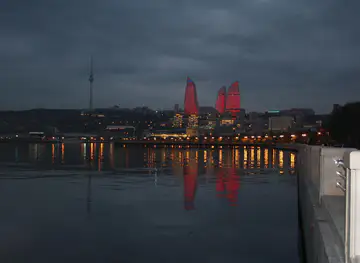
Explore more of Azerbaijan
Discover Azerbaijan: A captivating blend of ancient heritage, stunning natural landscapes, and vibrant modernity at the crossroads of Europe and Asia.
Explore Azerbaijan