

Free Mingachevir Travel Guide & Mobile App
Plan your Mingachevir trip with Evendo. Get free guides to top attractions, restaurants, hotels, and bars. Web access or download the mobile app.


Mingachevir on Azerbaijan’s Kura River combines reservoir views, hydroelectric heritage, archaeology, riverside walks and relaxed inland culture for visitors.
On the Kura River
Mingachevir stretches along the Kura River in central Azerbaijan, where the waterway broadens into the country’s largest reservoir. The city’s character is closely tied to this engineered landscape: broad river views, low-rise neighbourhoods, leafy public spaces and the imposing infrastructure of the Mingachevir Hydroelectric Power Station all form part of its identity. Compared with the historic streets of Baku or the mountain scenery of the Caucasus, Mingachevir offers a quieter inland perspective on Azerbaijan, shaped by water, work and modern industrial development.Read more about Mingachevir
Archaeology and Modern Transformation
Life Beside the Reservoir
When is the best time to visit Mingachevir?
Best: May, September–October · 23–28°C| Month | High (°C) | Rainfall (mm) |
|---|---|---|
| January | 6 | 30 |
| February | 8 | 30 |
| March | 15 | 30 |
| April | 21 | 40 |
| May (best) | 27 | 50 |
| June | 32 | 40 |
| July | 34 | 30 |
| August | 33 | 30 |
| September (best) | 28 | 30 |
| October (best) | 23 | 40 |
| November | 16 | 40 |
| December | 10 | 30 |
Getting to and around Mingachevir
How to get there
Transportation
Best attractions in Mingachevir
Mingachevir’s principal attractions centre on the Kura River and the broad reservoir created by the city’s hydroelectric project. Riverside promenades and public parks offer an accessible introduction to local life, with open views and a slower rhythm than Azerbaijan’s larger urban centres. The Mingachevir Historical Museum provides essential context, displaying archaeological material from settlements and burial grounds uncovered in the surrounding area, including evidence associated with Caucasian Albania. The reservoir itself is the city’s defining landscape, best appreciated from accessible viewpoints or during an organised outing on the water where arrangements are available. Visitors can also observe the scale of the Mingachevir Hydroelectric Power Station from permitted public areas, while central streets reveal the planned character of a Soviet-era industrial city. Together, these experiences present Mingachevir as a place shaped by archaeology, engineering and the Kura’s changing course rather than by a dense concentration of medieval monuments.
-
Park
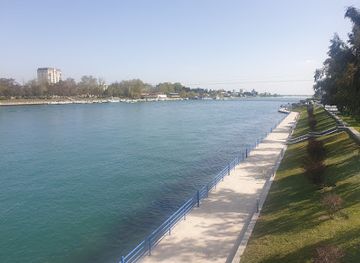
Mingachevir Kur river
Explore the scenic beauty and tranquil atmosphere of the Kur River in Mingachevir, Azerbaijan's 'City of Lights'.
13 min walk · 1.0 km from city centre
-
Museum
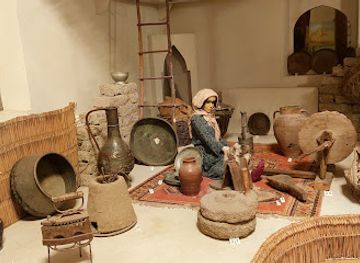
Mingəçevir Tarix muzeyi
Unearth millennia of history at Mingachevir Museum, from ancient settlements to Azerbaijan's modern 'City of Lights'.
5 min walk · 0.4 km from city centre
Best landmarks in Mingachevir
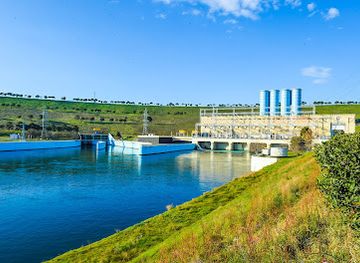
The Mingachevir Hydroelectric Power Station and its associated dam are the city’s defining modern landmarks, representing the Soviet-era engineering project that transformed the Kura valley and gave Mingachevir its present identity. The reservoir forms an equally important geographical landmark, extending the city’s visual horizon and shaping its recreational life. In the civic centre, planned streets and public buildings reflect the orderly urban design of a twentieth-century industrial settlement rather than the layered architecture of an old caravan city. The Kura River remains a living landmark, linking the urban landscape with the wider history of settlement and agriculture in central Azerbaijan. The local historical museum is significant for its preservation of archaeological finds from the region, including material connected with Caucasian Albania. Together, these places explain Mingachevir through infrastructure, water and archaeology rather than through a single monumental old quarter.
-
Reservoir
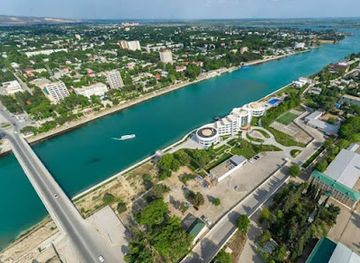
Mingachevir reservoir
Explore Azerbaijan's largest reservoir for water sports, fishing, and scenic beauty. A perfect escape by the 'City of Lights'.
8 min drive · 2.8 km from city centre
-
Hiking area
Kür'ün Qırağı
Escape to Kür'ün Qırağı in Mingecevir for riverside hiking, tranquil nature walks, and breathtaking views of Azerbaijan's Kura River.
13 min walk · 1.0 km from city centre
-
Power station
Mingechevir Hydro Power Plant
Explore Azerbaijan's engineering marvel: the Mingechevir Hydro Power Plant, a beacon of sustainable energy on the Kura River.
8 min drive · 2.8 km from city centre
-
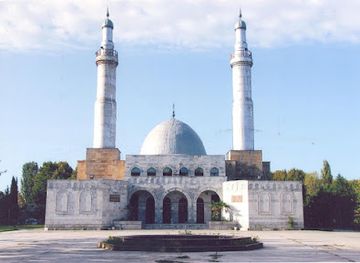
Mosque
Seher Mescidi
Discover the spiritual heart of Mingecevir at Seher Mescidi, a mosque blending Islamic architecture with Azerbaijani heritage.
14 min walk · 1.1 km from city centre
Explore Mingachevir on the map
Plan your Mingachevir trip on one map. See where the top attractions, landmarks, restaurants, bars and hotels are, find what's near where you're staying, and book hotels and experiences in a few clicks.
Best hotels in Mingachevir
Best restaurants in Mingachevir
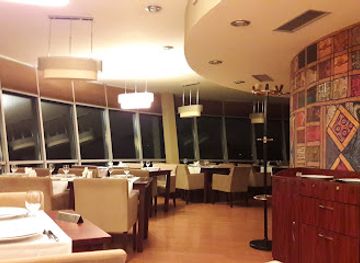
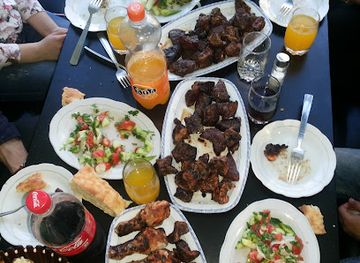
Mingachevir’s food scene reflects the broader culinary traditions of Azerbaijan, with grilled meats, kebabs, dolma, qutab and rich soups appearing in family restaurants and informal eateries. Piti, a slow-cooked meat and chickpea dish associated particularly with western Azerbaijan, may also be encountered, although menus vary from one establishment to another. Fresh herbs, vegetables, bread and seasonal fruit are important to everyday meals, while tea is commonly served in small glasses after eating or during conversation. The city’s restaurants tend to be practical and relaxed rather than highly formal, with local cafés and tea houses providing much of the social atmosphere. Market stalls and food shops offer a useful glimpse of regional produce, especially in warmer months. Visitors should expect Azerbaijani, Turkish and familiar international influences rather than a narrowly defined Mingachevir cuisine.
-
Restaurant
Qüllә Restoranı
Discover authentic Azerbaijani cuisine at Qüllә Restoranı in Mingecevir - a perfect blend of tradition and flavor awaits!
16 min walk · 1.3 km from city centre
-
Restaurant
Ay Isigi
Experience authentic Azerbaijani cuisine at Ay Isigi in Mingecevir – where tradition meets flavor in an inviting setting.
11 min walk · 0.9 km from city centre
-
Restaurant
İnci Restoran
Experience authentic Azerbaijani cuisine at İnci Restoran in Mingecevir - a must-visit dining destination for food lovers.
12 min walk · 1.0 km from city centre
-
Restaurant
Khur Side Mingecevir
Experience exceptional Azerbaijani cuisine at Khur Side Mingecevir - where culinary tradition meets modern dining.
5 min drive · 1.6 km from city centre
Best bars in Mingachevir
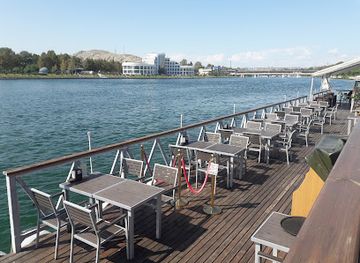
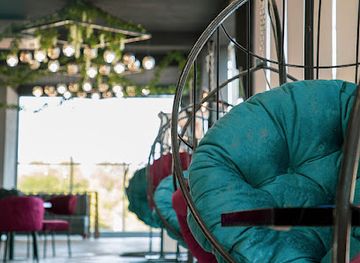
Evenings in Mingachevir are generally low-key, centred on tea houses, cafés, family restaurants and public areas near the river rather than a large nightclub circuit. Tea is an important part of social life, and a quiet gathering over conversation can be more characteristic than late-night drinking. Some restaurants and hotels may offer music or an evening dining atmosphere, while public parks and the waterfront become popular for strolling after the heat of the day has eased. The city does not have the concentrated bar districts associated with Baku, so nightlife is better understood as relaxed socialising and riverside leisure. Visitors should expect venue availability and opening patterns to vary, particularly outside the busiest seasons, and should observe local sensitivities around public behaviour and photography.
-
Pub
Qarabağ Pub
Discover the vibrant spirit of Mingecevir at Qarabağ Pub, where local flavors meet a lively atmosphere.
6 min drive · 1.9 km from city centre
-
Pub
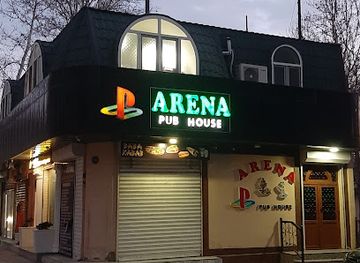
Arena Pub House
Dive into the lively atmosphere of Arena Pub House in Mingecevir, where local flavors and vibrant nightlife await every visitor.
6 min walk · 0.5 km from city centre
-
Pub
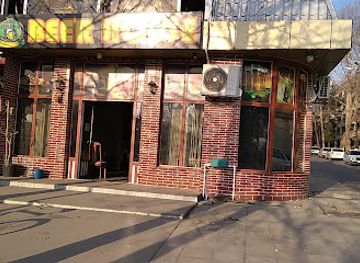
Beer House Pub
Discover the vibrant atmosphere of Beer House Pub in Mingecevir, where excellent drinks and hearty meals come together for an unforgettable experience.
5 min walk · 0.4 km from city centre
-
Bar
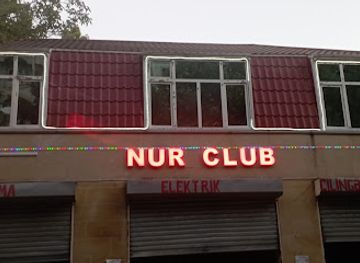
Nur club
Unwind at Nur Club, Mingecevir's lively bar offering a stylish atmosphere, diverse drink selection, and unforgettable nightlife experiences.
17 min walk · 1.3 km from city centre
Best nightclubs in Mingachevir
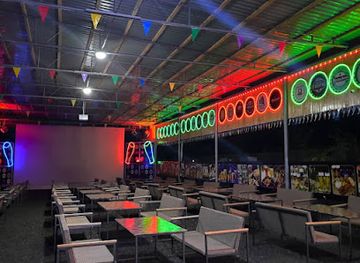
Evenings in Mingachevir are generally low-key, centred on tea houses, cafés, family restaurants and public areas near the river rather than a large nightclub circuit. Tea is an important part of social life, and a quiet gathering over conversation can be more characteristic than late-night drinking. Some restaurants and hotels may offer music or an evening dining atmosphere, while public parks and the waterfront become popular for strolling after the heat of the day has eased. The city does not have the concentrated bar districts associated with Baku, so nightlife is better understood as relaxed socialising and riverside leisure. Visitors should expect venue availability and opening patterns to vary, particularly outside the busiest seasons, and should observe local sensitivities around public behaviour and photography.
-
 Bar
BarClub 45
Discover the vibrant nightlife of Mingecevir at Club 45, where lively ambiance meets exquisite drinks and friendly service.
5 min walk · 0.4 km from city centre
-
Karaoke bar
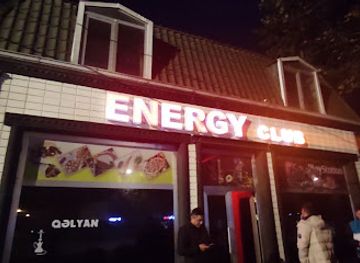
Enerji club
Discover the lively atmosphere of Enerji Club, Mingecevir's premier karaoke bar, where music and fun unite for an unforgettable night out.
5 min walk · 0.4 km from city centre
-
Karaoke bar
Hollywood Mingəçevir
Discover the ultimate karaoke experience in Mingecevir at Hollywood Mingəçevir, where music and fun collide for an unforgettable night out.
6 min walk · 0.5 km from city centre
-
Karaoke bar
Atmosfera karaoke
Experience the vibrant nightlife of Mingecevir at Atmosfera Karaoke, where music and fun come together in an unforgettable atmosphere.
7 min drive · 2.3 km from city centre

Best shops in Mingachevir
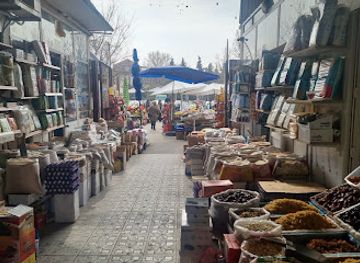
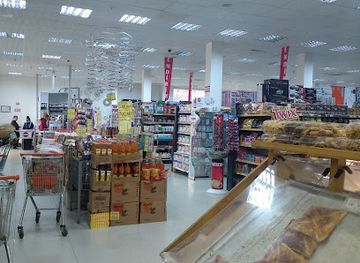
Shopping in Mingachevir is practical and local in character, with everyday shops, supermarkets, small specialist retailers and market-style stalls rather than a major luxury or designer district. The city market is useful for seeing seasonal produce, herbs, bread and household goods, while independent food shops provide opportunities to buy Azerbaijani sweets, tea and packaged regional products. Visitors may also find locally made textiles, ceramics or small crafts, but stock varies and not every item will be produced in Mingachevir itself. Central commercial streets are best suited to ordinary purchases and browsing, whereas market areas offer more insight into daily life and local bargaining habits. Azerbaijan’s familiar gifts, including tea, preserves, spices and confectionery, are generally easier to find than highly specialised souvenirs linked specifically to the city.
-
Supermarket
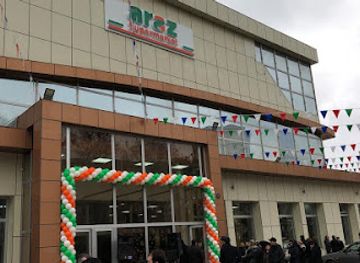
Araz Supermarket (Mingəçevir)
Discover the best of Azerbaijani flavors at Araz Supermarket in Mingəçevir, your go-to destination for fresh produce and local delicacies.
8 min walk · 0.7 km from city centre
-
Shopping mall
Kalxoz Bazari
Discover the local culture and unique shopping experience at Kalxoz Bazari, a vibrant bazaar in Mingecevir, Azerbaijan.
9 min walk · 0.7 km from city centre
-
General store
5+ Market
Experience the heart of Mingecevir at the 5+ Market, where local culture and vibrant goods come together for a unique shopping adventure.
5 min walk · 0.4 km from city centre
-
Stationery store
Evrika Dəftərxana
Explore Evrika Dəftərxana, Mingecevir’s top destination for stationery, art supplies, and creative inspiration.
13 min walk · 1.1 km from city centre
Get your free copy of our complete guide to Mingachevir, delivered straight to you.
Everything on this page, from attractions and restaurants to essentials and local phrases, in one PDF you can read offline, print or share.
Already have an account? Sign in
Your Mingachevir guide is ready.
We'll send it to · Not you? Sign out

Getting your guide ready…
We are putting together a fresh copy of the Mingachevir guide. This can take up to a minute.
This can take a few moments. If your browser asks, choose Allow so the download can start. You'll find the guide in your Downloads folder.
Nothing happened? Download it again
Sorry, the guide is taking longer than usual. Please try again in a minute, or get it by email instead.
Mingachevir essentials
Currency and Payment
Safety
Emergency Situations
Do's and Don'ts
Local Tips
From Eve
Local phrases worth knowing
You don't need to get them perfect. A few words go a long way, and locals appreciate the effort.
Basics
| English | Local | Say it |
|---|---|---|
| Hello | Salam | [sah-lahm] |
| Goodbye | Başqa sağ ol | [bah-shah sah oal] |
| Yes | Bəli | [bay-lee] |
| No | Xeyr | [khayr] |
| Please/You're welcome | Xahiş edirəm | [khah-heesh ed-ir-em] |
| Thank you | Təşəkkür edirəm | [tesh-ek-koor ed-ir-em] |
| Excuse me/Sorry | Bağışlayın | [bah-ghish-lah-yin] |
| How are you? | Necəsən? | [neh-jeh-sen] |
| Fine. And you? | Yaxşıyam. Sən? | [yahkh-shi-yam. sen] |
| Do you speak English? | İngiliscə danışırsınız? | [ing-ee-lee-she dah-nuh-shir-sin-uz] |
| I don't understand | Anlamıram | [an-lah-mi-ram] |
Eating & Drinking
| English | Local | Say it |
|---|---|---|
| I'd like to see the menu, please | Xahiş edirəm menyunu görmək istəyirəm | [khah-heesh ed-ir-em meh-nyu-nu goer-mek is-te-yi-rem] |
| I don't eat meat | Mən ət yemirəm | [men et ye-mi-rem] |
| Cheers! | Sağ ol | [sah oal] |
| I would like to pay, please | Ödəmək istəyirəm, xahiş edirəm | [o-de-mek is-te-yi-rem, khah-heesh ed-ir-em] |
Emergencies
| English | Local | Say it |
|---|---|---|
| Help! | Kömək! | [ko-mek] |
| Go away! | Uzaq get! | [oo-zak get] |
| Call the Police! | Polisi çağırın! | [poh-lee-see cha-ghir-in] |
| Call a doctor! | Həkim çağırın! | [he-kim cha-ghir-in] |
| I'm lost | Yolları itirmişəm | [yo-la-ri it-ir-mi-shem] |
| I'm ill | Həssasam | [he-sa-sam] |
Shopping
| English | Local | Say it |
|---|---|---|
| I'd like to buy... | Almaq istəyirəm... | [al-mak is-te-yi-rem] |
| I'm just looking | Sadəcə baxıram | [sa-de-je bakh-ir-am] |
| How much is it? | Bu neçəyədir? | [boo ne-che-yed-ir] |
| That's too expensive | Bu çox bahadır | [boo chok ba-ha-dir] |
| Can you lower the price? | Qiyməti aşağı sala bilərsiniz? | [kiy-me-ti a-sha-ghuh sa-la bi-le-er-si-niz] |
Time & Numbers
| English | Local | Say it |
|---|---|---|
| What time is it? | Saat neçədir? | [sa-at ne-che-dir] |
| It's one o'clock | Bir tamamdır | [bir ta-mam-dir] |
| Half past (10) | Onun yarısıdır | [o-nun ya-ri-si-dir] |
| Morning | Səhər | [se-her] |
| Afternoon | Günorta | [goon-or-ta] |
| Evening | Axşam | [akh-sham] |
| Yesterday | Dünən | [du-ne-en] |
| Today | Bu gün | [boo goon] |
| Tomorrow | Sabah | [sa-bah] |
| 1 | Bir | [beer] |
| 2 | İki | [ee-kee] |
| 3 | Üç | [ooch] |
| 4 | Dörd | [dord] |
| 5 | Beş | [besh] |
| 6 | Altı | [al-tuh] |
| 7 | Yeddi | [yed-dee] |
| 8 | Səkkiz | [se-keez] |
| 9 | Doqquz | [dok-kooz] |
| 10 | On | [on] |
Transport & Directions
| English | Local | Say it |
|---|---|---|
| Where's a/the...? | .... harada? | [ha-ra-da] |
| What's the address? | Ünvan nədir? | [oon-van ne-deer] |
| Can you show me (on the map)? | Mənə göstərə bilərsiniz? | [me-ne go-sta-re bi-le-er-si-niz] |
| When's the next (bus)? | Növbəti (avtobus) ne vaxt gələcək? | [noev-be-tee (av-to-bus) ne vahkht ge-le-jek] |
| A ticket (to ....) | Bir biletlə (....-ə) | [beer bi-let-le (ee-lee-ke)] |
History of Mingachevir
Ancient Settlements by the Kura
The territory around present-day Mingachevir has been occupied since antiquity, benefiting from the Kura River’s water, fertile plains and position between eastern and western parts of the South Caucasus. Archaeological work has revealed settlements, ceramics, tools and burial sites representing several periods of regional history. Mingachevir is particularly associated with the heritage of Caucasian Albania, an ancient kingdom whose communities adopted Christianity in late antiquity. Excavations also identified remains connected with agricultural, craft and trading activity, showing that the river valley supported settled life long before the modern city was established. Much of this evidence emerged during twentieth-century construction work, when the changing landscape exposed archaeological material later preserved in local collections.
The Heritage of Caucasian Albania
Caucasian Albania occupied parts of what is now Azerbaijan from antiquity into the early medieval period, and the Mingachevir area provides important evidence of its cultural and religious history. Archaeologists found cemetery complexes, religious remains, inscriptions and artefacts that illuminate the development of Christianity in the region alongside older local traditions. The discoveries are significant because they connect the Kura valley with wider movements of people, ideas and trade across the South Caucasus. Mingachevir’s archaeological heritage should be understood as part of a broader regional story rather than as the remains of a single surviving ancient city. Today, museum displays and excavated finds preserve this otherwise largely invisible past.
A Soviet Industrial Foundation
The modern history of Mingachevir began with Soviet plans to harness the Kura River for electricity, irrigation and industrial development. Construction of the Mingachevir Hydroelectric Power Station and its reservoir transformed the surrounding landscape and required the growth of a planned urban settlement for engineers, construction workers and their families. The city received city status in 1948, during a period when industrialisation was reshaping many parts of the Soviet Union. New roads, housing, public institutions and utilities replaced the dispersed rural character of the area. Mingachevir therefore emerged not from a medieval urban core but from a large state-led engineering project whose effects remain visible in its layout and economy.
The Dam and Reservoir Era
The Mingachevir Hydroelectric Power Station became one of the major infrastructure projects of Soviet Azerbaijan, with the dam and reservoir regulating the Kura and supporting electricity generation and irrigation. The reservoir, completed in the mid-twentieth century, changed local geography on a vast scale, creating a prominent inland body of water and altering settlement, agriculture and transport patterns. It also brought archaeological consequences, as excavations conducted before and during the project documented sites that would otherwise have been submerged or disturbed. The power station remains central to Mingachevir’s identity, while the reservoir has developed into a setting for recreation, fishing and views across the surrounding lowlands.
Mingachevir in Independent Azerbaijan
After Azerbaijan restored independence in 1991, Mingachevir retained its role as an important energy and industrial centre while developing a broader civic and recreational identity. The Kura waterfront, public parks and local cultural institutions became part of everyday urban life, and the city continued to attract visitors interested in its reservoir landscape and archaeological heritage. Its position in central Azerbaijan also gives it practical importance between Baku, Ganja and western parts of the country. Contemporary Mingachevir reflects several layers at once: an ancient river corridor, a Soviet-planned industrial city and a modern Azerbaijani community adapting its waterside setting for public life and tourism.
Mingachevir in Photos
Browse through our photo collection highlighting the charm and character of the destination.
Cities near Mingachevir
The closest cities to Mingachevir, if you have time for more than one stop.
-

-

-

-

-


Swipe for more cities
Explore more
Explore more of Azerbaijan
Discover Azerbaijan: A captivating blend of ancient heritage, stunning natural landscapes, and vibrant modernity at the crossroads of Europe and Asia.
Explore Azerbaijan