

Free Shaki Travel Guide & Mobile App
Plan your Shaki trip with Evendo. Get free guides to top attractions, restaurants, hotels, and bars. Web access or download the mobile app.


Shaki, Azerbaijan, pairs Silk Road history with palace architecture, mountain scenery, artisan traditions and rich local cuisine in a rewarding cultural escape.
A Historic City in the Caucasus
Shaki, also written Şəki, lies in north-western Azerbaijan beneath the forested slopes of the Greater Caucasus. Its setting is part of its character: streets rise gently towards wooded hills, while traditional houses, tiled roofs and garden walls give the historic centre a distinctly provincial atmosphere. For centuries, Shaki prospered through silk production, craft, agriculture and trade across the Caucasus, leaving behind a remarkable concentration of caravanserais, workshops and ornate civic buildings.Read more about Shaki
Palaces, Crafts and Old Streets
Food and Mountain Landscapes
When is the best time to visit Shaki?
Best: April–May, October · 20–27°C| Month | High (°C) | Rainfall (mm) |
|---|---|---|
| January | 4 | 22 |
| February | 6 | 16 |
| March | 11 | 14 |
| April (best) | 20 | 11 |
| May (best) | 27 | 7 |
| June | 33 | 5 |
| July | 36 | 4 |
| August | 36 | 4 |
| September | 30 | 6 |
| October (best) | 22 | 11 |
| November | 14 | 14 |
| December | 7 | 16 |
Getting to and around Shaki
How to get there
Transportation
Best attractions in Shaki
Shaki’s principal attractions centre on its historic urban fabric and its connections with trade, craft and court culture. The Palace of the Shaki Khans is the essential cultural visit, with painted interiors and finely worked şəbəkə windows that reveal the sophistication of eighteenth-century local artisans. The Upper and Lower Caravanserais offer a sense of the city’s former commercial life, their courtyards once accommodating merchants, animals and goods moving across the Caucasus. The Shaki Regional History Museum adds archaeological and historical context, while the House Museum of Mirza Fatali Akhundov introduces one of Azerbaijan’s important nineteenth-century literary figures. Around the centre, traditional brick-and-stone houses, sweet shops and craft workshops reward unhurried exploration. Beyond the urban area, wooded foothills, mountain roads and nearby villages provide a contrasting landscape, although these are regional outings rather than attractions within the compact historic core.
-
Museum
Winter Palace - House of Sheki Khan's
Explore the Winter Palace in Sheki, Azerbaijan, a historical gem showcasing the opulent architecture and rich culture of the Sheki Khanate.
6 min drive · 2.0 km from city centre
-
Museum
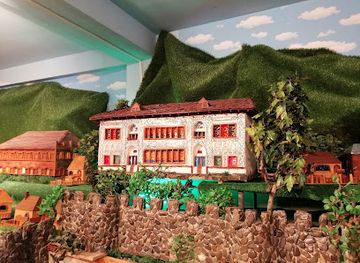
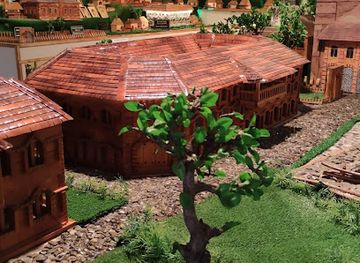
Miniatür Muzey
Explore Sheki's iconic landmarks in miniature form at Yurd Yaddashi Museum, a cultural gem offering a unique glimpse into the city's rich heritage.
5 min drive · 1.8 km from city centre
-
Museum
Yurd Yaddashi Miniature Museum
Discover Sheki's architectural heritage in miniature at this unique museum, showcasing the city's iconic landmarks and cultural treasures.
7 min drive · 2.2 km from city centre
-
Tourist attraction
Museum Of History, Ethnography And Local Lore
Discover Sheki's captivating history and culture through a vast collection of artifacts at this local museum.
7 min drive · 2.5 km from city centre

Best landmarks in Shaki
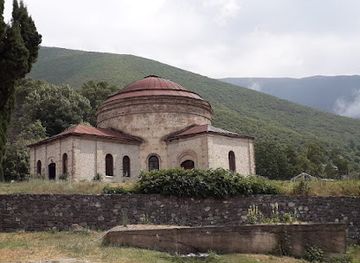
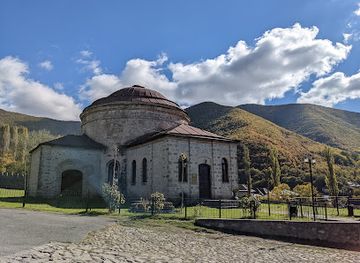
The Palace of the Shaki Khans is Shaki’s defining landmark, built in 1762 for the khanate’s ruling family and distinguished by painted rooms, carved decoration and elaborate şəbəkə windows assembled without conventional nails or adhesive. The Upper and Lower Caravanserais are substantial reminders of the city’s Silk Road-era commerce, with enclosed courtyards and rooms designed for merchants, animals and stored goods. Shaki’s historic mosques, including the Khan Mosque and its associated complex, reflect the religious and civic life of the khanate period, while the fortress area near the palace evokes the city’s former defensive role. Traditional houses built from local materials give the old quarters much of their visual coherence. Together, these buildings show how courtly residence, faith, trade and domestic life were organised within a small but prosperous Caucasian urban centre.
-
Historical place
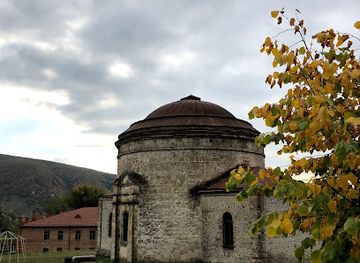
Shaki Castle
Explore Shaki Castle, a majestic 18th-century fortress showcasing Azerbaijan's rich history, stunning architecture, and cultural heritage.
8 min drive · 2.6 km from city centre
-
 Hotel
HotelKarvansaray
Experience the Silk Road's legacy at Sheki's 18th-century Karvansaray, a historic caravanserai turned hotel.
6 min drive · 2.2 km from city centre
-
Serviced accommodation
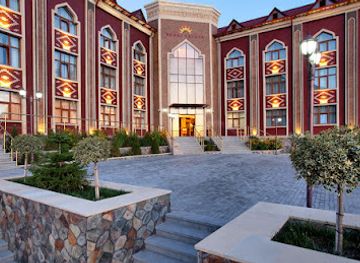
Sheki Palace Hotel
Experience comfort and culture at Sheki Palace Hotel, your gateway to exploring the historic Silk Road city of Sheki, Azerbaijan.
7 min drive · 2.3 km from city centre
-
Historical landmark
Shakikhanovs' Palace
Discover the architectural brilliance of the Shakikhanovs' Palace in Sheki, a treasure trove of Azerbaijani history and culture. A must-see destination!
6 min drive · 2.0 km from city centre
Explore Shaki on the map
Plan your Shaki trip on one map. See where the top attractions, landmarks, restaurants, bars and hotels are, find what's near where you're staying, and book hotels and experiences in a few clicks.
Best hotels in Shaki
Best restaurants in Shaki
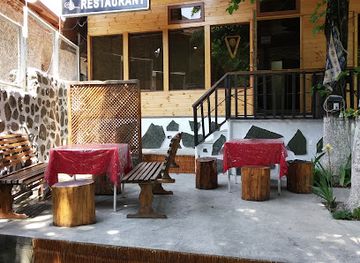
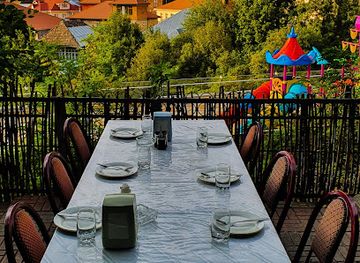
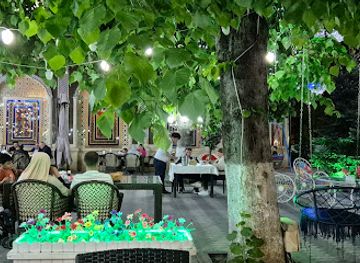
Shaki’s food culture is closely tied to its agricultural surroundings and long history of hospitality. The city is especially associated with piti, a slow-cooked dish of lamb, chickpeas and vegetables traditionally prepared in individual earthenware pots, and with Shaki halva, a layered sweet made with pastry, nuts, spices and saffron. Traditional restaurants and family-run eateries generally offer Azerbaijani dishes such as plov, dolma, kebabs, soups and fresh herbs, while tea accompanies both conversation and sweets. Small bakeries and specialist halva shops are part of the local food landscape, and roadside establishments serve practical meals for travellers heading into the surrounding region. Dining in Shaki tends to be informal, with menus reflecting home cooking and seasonal ingredients more than elaborate international gastronomy. Regional wines, fruit preserves and locally produced dairy goods may also appear alongside the traditional repertoire.
-
Restaurant
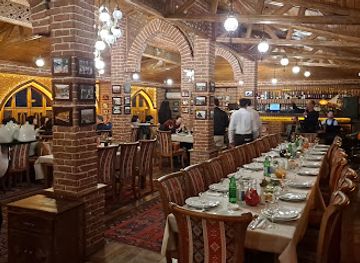
VIP Karvan Restaurant
Discover Sheki's culinary gem at VIP Karvan Restaurant - where delicious food meets vibrant entertainment.
7 min walk · 0.6 km from city centre
-
Restaurant
Sultan House Restaurant
Discover authentic Azerbaijani cuisine at Sultan House Restaurant in Sheki – where every meal tells a story.
6 min drive · 2.1 km from city centre
-
Restaurant
Restoran Qaqarin
Discover authentic Azerbaijani cuisine at Restoran Qaqarin in Sheki—where flavor meets tradition in a welcoming atmosphere.
7 min drive · 2.3 km from city centre
-
Restaurant
Restoran Çələbi Xan
Experience authentic Azerbaijani cuisine at Restoran Çələbi Xan, set in beautiful Bakhtiyar Vahabzade Park in Sheki.
18 min walk · 1.5 km from city centre
Best bars in Shaki
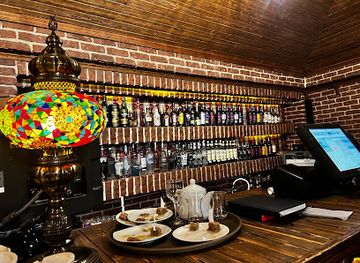
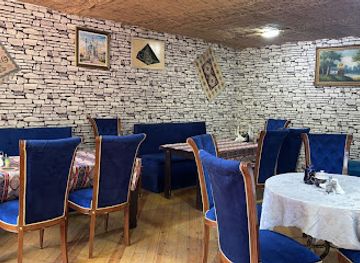
Shaki has a restrained evening scene rather than a large club culture. After sunset, activity is concentrated in hotel lounges, traditional restaurants, cafés and tea houses, where conversation, black tea, sweets and leisurely meals are more characteristic than late-night dancing. Some restaurants serve Azerbaijani wine, beer and spirits, but alcohol is not central to every social setting, particularly near religious buildings or in family-oriented venues. The historic centre can be atmospheric after dark, although lighting and opening times vary beyond the main streets. Evening entertainment may also take the form of cultural performances, local music or seasonal events rather than dedicated nightlife venues. Visitors seeking nightclubs and a broad choice of cocktail bars will find a far greater selection in Baku; in Shaki, the appeal lies in a quiet evening shaped by food, hospitality and the surrounding mountain air.
-
Restaurant
VIP Karvan Restaurant
Experience the vibrant flavors and lively entertainment at VIP Karvan Restaurant in Sheki, Azerbaijan—a perfect blend of culinary delights and local culture.
7 min walk · 0.6 km from city centre
-
Restaurant
Sultan House Restaurant
Discover the authentic taste of Azerbaijani cuisine at Sultan House Restaurant in Sheki, where tradition meets flavor in a charming setting.
6 min drive · 2.1 km from city centre
-
Restaurant
Restoran Qaqarin
Experience the rich flavors of Azerbaijani cuisine at Restoran Qaqarin, a must-visit restaurant in Sheki for every food lover.
7 min drive · 2.3 km from city centre
-
Restaurant
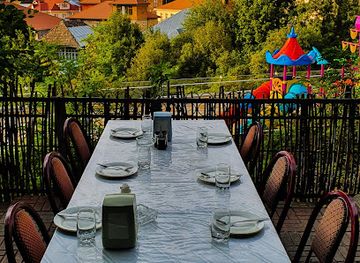
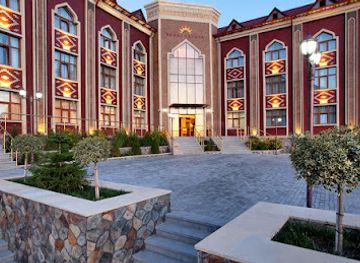
Sheki Palace Hotel
Experience the charm of Sheki Palace Hotel, where traditional Azerbaijani cuisine meets stunning architecture in a serene setting.
7 min drive · 2.3 km from city centre
Best nightclubs in Shaki
Shaki has a restrained evening scene rather than a large club culture. After sunset, activity is concentrated in hotel lounges, traditional restaurants, cafés and tea houses, where conversation, black tea, sweets and leisurely meals are more characteristic than late-night dancing. Some restaurants serve Azerbaijani wine, beer and spirits, but alcohol is not central to every social setting, particularly near religious buildings or in family-oriented venues. The historic centre can be atmospheric after dark, although lighting and opening times vary beyond the main streets. Evening entertainment may also take the form of cultural performances, local music or seasonal events rather than dedicated nightlife venues. Visitors seeking nightclubs and a broad choice of cocktail bars will find a far greater selection in Baku; in Shaki, the appeal lies in a quiet evening shaped by food, hospitality and the surrounding mountain air.
-
Restaurant
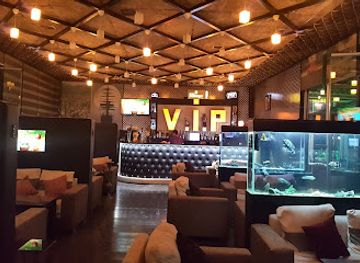
VIP Karvan Restaurant
Discover the vibrant atmosphere and delicious Azerbaijani cuisine at VIP Karvan Restaurant in Sheki, perfect for food lovers and night owls alike.
7 min walk · 0.6 km from city centre
-
Restaurant
Elit Restoran & Pub
Experience the vibrant flavors of Azerbaijan at Elit Restoran & Pub, a delightful restaurant, karaoke bar, and tea house in the heart of Sheki.
5 min walk · 0.4 km from city centre
-
Night club
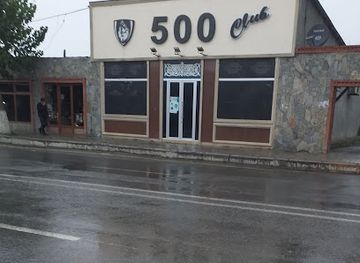
CLUB500
Experience the vibrant nightlife at CLUB500 in Sheki, where cocktails, dancing, and hookah come together for an unforgettable evening.
5 min drive · 1.6 km from city centre

Best shops in Shaki
Shopping in Shaki is closely connected with food, craft and the city’s historic identity. Specialist sweet shops sell Shaki halva, while markets and small food retailers offer dried fruit, nuts, preserves, honey and other products associated with Azerbaijan’s agricultural regions. Craft workshops are a more distinctive part of the visitor experience than large-scale retail, particularly those connected with şəbəkə, woodwork, copperware, textiles and traditional decorative arts. The central streets contain everyday shops and souvenir stalls, while the historic area provides opportunities to browse locally made objects in a less formal setting. Visitors should distinguish handmade pieces from mass-produced souvenirs and ask about materials or production methods when buying craftwork. Azerbaijan’s national carpets and regional textiles may also be available, but provenance and authenticity vary, so specialist advice is useful for valuable purchases.
-
Supermarket
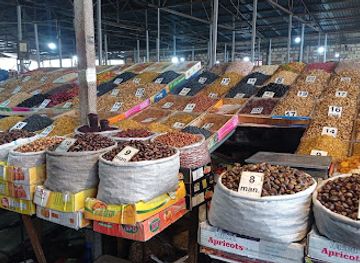
Sheki Bazarstore
Explore Sheki Bazarstore for an authentic taste of Azerbaijani culture and delightful local flavors.
13 min walk · 1.1 km from city centre
-
Supermarket
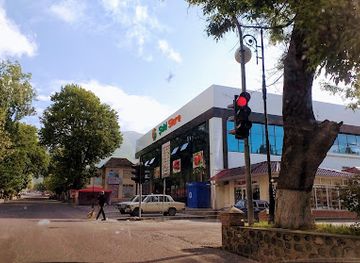
Şəki Store
Discover the essence of Azerbaijani culture at Şəki Store, your friendly neighborhood supermarket with a wide selection of local and international goods.
10 min walk · 0.8 km from city centre
-
Children's clothing store
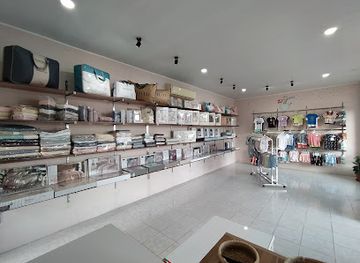
Evlee Kids
Discover Evlee Kids in Sheki for stylish and comfortable children's clothing that combines quality, fun, and the latest fashion trends.
6 min walk · 0.5 km from city centre
-
Shopping mall
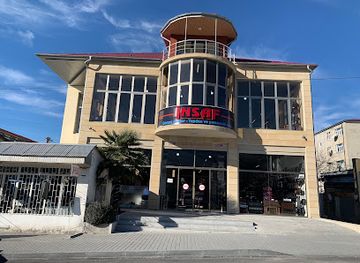
İnsaf Mağazası
Explore İnsaf Mağazası in Sheki, Azerbaijan, a vibrant shopping mall showcasing local crafts, culinary delights, and unique souvenirs.
8 min walk · 0.6 km from city centre
Get your free copy of our complete guide to Shaki, delivered straight to you.
Everything on this page, from attractions and restaurants to essentials and local phrases, in one PDF you can read offline, print or share.
Already have an account? Sign in
Your Shaki guide is ready.
We'll send it to · Not you? Sign out

Getting your guide ready…
We are putting together a fresh copy of the Shaki guide. This can take up to a minute.
This can take a few moments. If your browser asks, choose Allow so the download can start. You'll find the guide in your Downloads folder.
Nothing happened? Download it again
Sorry, the guide is taking longer than usual. Please try again in a minute, or get it by email instead.
Shaki essentials
Currency and Payment
Safety
Emergency Situations
Do's and Don'ts
Local Tips
From Eve
Local phrases worth knowing
You don't need to get them perfect. A few words go a long way, and locals appreciate the effort.
Basics
| English | Local | Say it |
|---|---|---|
| Hello | Salam | [sah-lahm] |
| Goodbye | Sag ol | [sahg awl] |
| Yes | Bəli | [buh-lee] |
| No | Xeyir | [khay-eer] |
| Please/You're welcome | Xahiş edirəm | [khah-heesh eh-dee-rem] |
| Thank you | Çox sağ ol | [chox sahg awl] |
| Excuse me/Sorry | Bağışlayın | [bah-ee-shlah-yuhn] |
| How are you? | Necəsən? | [neh-jeh-suhn] |
| Fine. And you? | Yaxşıyam. Sən? | [yahkh-shee-yahm. sahn] |
| Do you speak English? | İngilis dilinə bilsən? | [een-gee-lees dee-lee-neh beel-suhn] |
| I don't understand | Anlamıram | [ahn-lah-muh-rahm] |
Eating & Drinking
| English | Local | Say it |
|---|---|---|
| I'd like to see the menu, please | Xahiş edirəm menyuni görmək istəyirəm | [khah-heesh eh-dee-rem mehn-yoo-nee gohr-mehk is-teh-yee-rem] |
| I don't eat meat | Mən ət yemirəm | [muhn aht yeh-mee-rehm] |
| Cheers! | Sağ olun! | [sahg aw-loon] |
| I would like to pay, please | Xahiş edirəm ödəmək istəyirəm | [khah-heesh eh-dee-rem oh-deh-mehk is-teh-yee-rem] |
Emergencies
| English | Local | Say it |
|---|---|---|
| Help! | Kömək! | [kuh-muhk] |
| Go away! | Uzun get! | [oo-zoon geh-t] |
| Call the Police! | Polisi çağırın! | [poh-lee-see chah-ghuh-ruhn] |
| Call a doctor! | Həkim çağırın! | [heh-keem chah-ghuh-ruhn] |
| I'm lost | Yolları itmişəm | [yohl-lah-ruh eet-me-suhm] |
| I'm ill | Xəstəyəm | [khuh-stuh-yehm] |
Shopping
| English | Local | Say it |
|---|---|---|
| I'd like to buy... | Almaq istəyirəm... | [ahl-mahk is-teh-yee-rem] |
| I'm just looking | Sadəcə baxıram | [sah-deh-jeh bah-khee-rahm] |
| How much is it? | Nə qədərdir? | [neh guh-dehr-deer] |
| That's too expensive | Çox bahadır | [chox bah-hah-deer] |
| Can you lower the price? | Qiyməti endirə bilərsiniz? | [kee-y-meh-tee en-dee-reh bee-lehr-see-neez] |
Time & Numbers
| English | Local | Say it |
|---|---|---|
| What time is it? | Saat necədir? | [sah-aht neh-jeh-deer] |
| It's one o'clock | Saat birdir | [sah-aht beer-deer] |
| Half past (10) | Onun yarısı | [o-noon yah-ruh-suh] |
| Morning | Səhər | [suh-hehr] |
| Afternoon | Günorta | [goon-oor-tah] |
| Evening | Axşam | [akh-shahm] |
| Yesterday | Dünən | [doo-nehn] |
| Today | Bu gün | [boo goon] |
| Tomorrow | Sabah | [sah-bah] |
| 1 | Bir | [beer] |
| 2 | İki | [ee-kee] |
| 3 | Üç | [ooch] |
| 4 | Dörd | [durrd] |
| 5 | Beş | [besh] |
| 6 | Altı | [ahl-tuh] |
| 7 | Yeddi | [yehd-dee] |
| 8 | Səkkiz | [sehk-keez] |
| 9 | Doqquz | [dohk-koos] |
| 10 | On | [ohn] |
Transport & Directions
| English | Local | Say it |
|---|---|---|
| Where's a/the...? | ...haradadır? | [...hah-rah-dah-deer] |
| What's the address? | Ünvan necədir? | [oon-vahn neh-jeh-deer] |
| Can you show me (on the map)? | Mənə göstərə bilərsən (xəritədə)? | [muh-neh guhs-teh-reh bee-lehr-suhn (khuh-ree-teh-duh)] |
| When's the next (bus)? | Növbəti (avtobus) neçədədir? | [nuhvbuh-tee (ahv-toh-boos) neh-chuh-deer] |
| A ticket (to ....) | Bir biletlə (....-ə) | [beer bee-leht-leh (....-uh)] |
History of Shaki
Early Settlements and Caucasian Albania
The Shaki area has been inhabited since antiquity and formed part of the wider cultural landscape of the eastern Caucasus. Ancient sources associate the region with the kingdom of Caucasian Albania, a state that occupied parts of present-day Azerbaijan and the southern Caucasus. Its fertile valleys, access to mountain passes and position between lowland routes and the Greater Caucasus encouraged farming, craft production and exchange. The precise development of the early settlement is complex, but the area’s long history of movement between mountain communities and lowland trading centres helps explain Shaki’s later importance. Archaeological remains and regional historical collections provide evidence of successive cultures rather than a single uninterrupted urban tradition.
Medieval Trade and Islamic Rule
During the medieval period, Shaki occupied a strategically useful position on routes crossing the Caucasus. The town and surrounding region experienced the influence of successive Persian, Arab, Turkic and local political powers, while Islam became an important part of public and cultural life. Silk cultivation and textile production gradually strengthened Shaki’s commercial identity, supported by the climate and agricultural resources of the foothills. Merchants travelling between the Caspian region, the Caucasus and Anatolia brought goods, ideas and artistic techniques through the area. This combination of trade and craft laid the foundations for the caravanserais and prosperous urban culture that would become especially visible in the eighteenth century.
The Rise of the Shaki Khanate
In 1743, Haji Chelebi established the independent Shaki Khanate, one of several regional khanates that emerged in the eastern Caucasus during a period of political fragmentation. Shaki became the khanate’s principal centre and developed as a seat of administration, commerce and court culture. The khanate’s rulers cultivated links with neighbouring powers while managing a territory that included productive agricultural land and mountain approaches. The city’s prosperity was closely connected with silk, whose production and trade supported merchants, dyers, weavers and specialist craftsmen. This period gave Shaki much of the architectural and artistic character that visitors encounter today.
The Palace and Eighteenth-Century Shaki
The Palace of Shaki Khans was built in 1762 during the rule of Huseyn Khan Mushtaq and served as a residence and administrative complex for the khanate. Its richly painted rooms, carved details and şəbəkə windows demonstrate the skill of local and regional artisans, while the building’s modest scale reflects the courtly culture of a small Caucasian khanate rather than an imperial capital. Shaki also expanded its commercial infrastructure during this era, with caravanserais providing accommodation, storage and trading space for merchants. These buildings remain among the clearest physical expressions of the city’s role in long-distance commerce.
Russian Annexation and Modern Change
Shaki came under Russian imperial control in the early nineteenth century after the khanates of the eastern Caucasus were incorporated into the Russian Empire. The Shaki Khanate was abolished in 1819, and the town was administered within the new imperial system. Political authority changed, but silk production, agriculture and local crafts continued to shape the economy. The city was later known as Nukha in Russian and Soviet usage, while Shaki remained important as a regional centre. Roads, administrative institutions and new political structures altered urban life, although many traditional houses, religious buildings and commercial monuments survived.
Heritage Recognition and Contemporary Identity
The twentieth century brought Soviet industrial and administrative changes, followed by Azerbaijan’s independence in 1991 and renewed attention to regional heritage. Shaki’s historic centre and the Palace of the Shaki Khans were inscribed on the UNESCO World Heritage List in 2019, recognising the city’s surviving urban fabric and its role in the history of the Silk Roads. Today, restored historic buildings, museums, craft traditions and foodways connect contemporary Shaki with its khanate-era and commercial past. Heritage tourism has become increasingly important, while the surrounding mountains and villages preserve the city’s links with rural and highland life.
Shaki in Photos
Browse through our photo collection highlighting the charm and character of the destination.
Cities near Shaki
The closest cities to Shaki, if you have time for more than one stop.
-

-

-

-

-


Swipe for more cities
Explore more
Explore more of Azerbaijan
Discover Azerbaijan: A captivating blend of ancient heritage, stunning natural landscapes, and vibrant modernity at the crossroads of Europe and Asia.
Explore Azerbaijan