

Free Gabala Travel Guide & Mobile App
Plan your Gabala trip with Evendo. Get free guides to top attractions, restaurants, hotels, and bars. Web access or download the mobile app.


Gabala, Azerbaijan pairs ancient Caucasian Albanian heritage with mountain resorts, forested landscapes, lakes, waterfalls and memorable outdoor experiences.
Mountain Landscapes and Ancient Roots
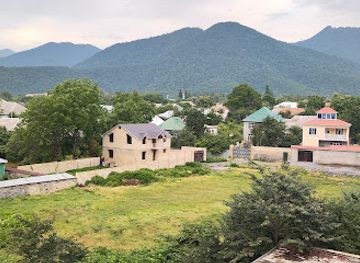
Gabala lies in northern Azerbaijan, where the wooded foothills of the Greater Caucasus rise behind a broad, fertile valley. Known locally as Qəbələ, the city combines a modern resort atmosphere with an unusually deep past: nearby archaeological remains mark the site of Kabalaka, the capital of Caucasian Albania from the fourth century BC until the fifth century AD. Today, visitors encounter that history alongside forested slopes, rushing streams and village landscapes shaped by orchards, hazelnut groves and mountain farming.Read more about Gabala
Outdoor Life and Resort Culture
When is the best time to visit Gabala?
Best: June–August · 24–28°C| Month | High (°C) | Rainfall (mm) |
|---|---|---|
| January | 2 | 70 |
| February | 3 | 60 |
| March | 8 | 50 |
| April | 16 | 40 |
| May | 20 | 40 |
| June (best) | 24 | 20 |
| July (best) | 28 | 20 |
| August (best) | 28 | 20 |
| September | 23 | 40 |
| October | 18 | 50 |
| November | 10 | 60 |
| December | 4 | 70 |
Getting to and around Gabala
How to get there
Transportation
Best attractions in Gabala
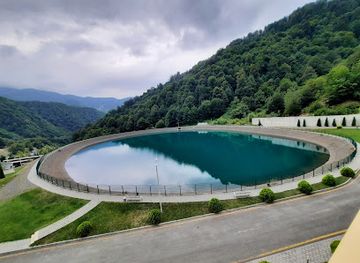
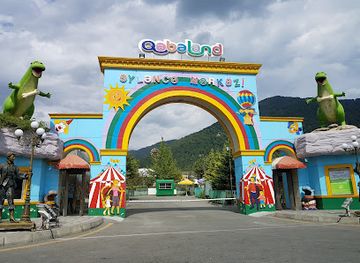
Gabala’s attractions spread from the modern town into a wooded mountain district. Tufandag Mountain Resort is the principal outdoor centre, offering cable-car rides and seasonal activities with expansive views over the valley and Greater Caucasus foothills. Nohur Lake provides a gentler setting among forested slopes, with quiet walking and boating rather than a developed urban waterfront. At Chukhur Gabala, the remains of ancient Kabalaka reveal the foundations, defences and craft life of the former Caucasian Albanian capital, while the Gabala Archaeological Centre provides useful context. The Yeddi Gözəl waterfalls, reached through the surrounding woodland, are among the area’s best-known natural sights, and the villages around Vandam show the agricultural character of the district. Families may also find entertainment at Qabaland, a leisure park in Gabala, while the Gabala Shooting Center reflects the city’s newer recreational infrastructure.
-
Ski resort
Tufandag Mountain Resort
Experience world-class skiing and breathtaking views at Tufandag Mountain Resort, a year-round destination in the heart of the Azerbaijani Caucasus.
20 min drive · 6.7 km from city centre
-
Amusement park
Gabaland Amusement Park
Experience thrilling rides, family fun, and scenic beauty at Gabaland Amusement Park, the largest entertainment destination in the South Caucasus.
11 min drive · 3.6 km from city centre
-
Scenic spot
Yeddi Gozel Waterfall
Discover the enchanting Yeddi Gozel Waterfall in Gabala, Azerbaijan: a breathtaking cascade of seven unique beauties nestled in the Caucasus Mountains.
17 min drive · 5.7 km from city centre
-
Hiking area
Laza Waterfalls - Laza şəlalə
Discover the breathtaking beauty of Laza Waterfalls in Azerbaijan's Gusar region, a perfect blend of nature and culture.
1 h 1 min drive · 41 km from city centre


Best landmarks in Gabala
The most significant landmark associated with Gabala is the archaeological site at Chukhur Gabala, where defensive remains and urban layers mark ancient Kabalaka, the capital of Caucasian Albania. Its importance lies less in a single monumental building than in the scale and historical depth of the buried and excavated settlement. The Gabala Archaeological Centre provides an interpretive landmark for the region’s ancient past and displays material connected with long periods of occupation. Tufandag Mountain Resort represents a very different phase of the city’s identity: its cable-car infrastructure and mountain setting express Gabala’s transformation into a modern leisure destination. Around the town, mosques, village homes, orchards and wooded hills form a softer cultural landscape, while Nohur Lake and the surrounding peaks are natural landmarks that define the district’s visual character.
-
Ski resort
Tufandag Mountain Resort
Experience year-round adventure at Tufandag Mountain Resort in Gabala: skiing, hiking, stunning views, and luxurious comfort in the Caucasus Mountains.
20 min drive · 6.7 km from city centre
-
Amusement park
Gabaland Amusement Park
Experience thrilling rides, family fun, and scenic beauty at Gabaland Amusement Park, the largest amusement park in the South Caucasus.
11 min drive · 3.6 km from city centre
-
Scenic spot
Yeddi Gozel Waterfall
Discover the enchanting Yeddi Gozel Waterfall in Gabala, Azerbaijan, where seven cascades create a breathtaking spectacle of nature's artistry.
17 min drive · 5.7 km from city centre
-
 Hotel
HotelGabala Garden Hotel
Experience luxury and nature at Gabala Garden Hotel, your gateway to the stunning landscapes and rich culture of Gabala, Azerbaijan.
18 min walk · 1.4 km from city centre
Explore Gabala on the map
Plan your Gabala trip on one map. See where the top attractions, landmarks, restaurants, bars and hotels are, find what's near where you're staying, and book hotels and experiences in a few clicks.
Best hotels in Gabala
Best restaurants in Gabala
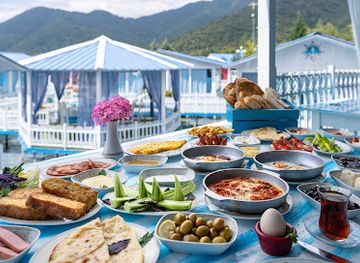
Gabala’s food culture is shaped by the produce of northern Azerbaijan: hazelnuts, walnuts, chestnuts, honey, cherries, apples, herbs and fruit preserves appear in homes, markets and rural eateries. Traditional meals may include plov, kebabs, dolma, qutab and hearty soups, with regional variations depending on the ingredients available in the mountain foothills. Restaurants in the town and resort areas tend to offer Azerbaijani staples alongside broader Caucasian and international menus, while village dining often places greater emphasis on grilled meats, fresh salads, bread and homemade preserves. Tea is an important part of hospitality and is commonly served with jam or sweets. The most atmospheric meals are often found outside the compact centre, where garden terraces and family-run settings connect the table with orchards, woodland and mountain air.
-
Restaurant
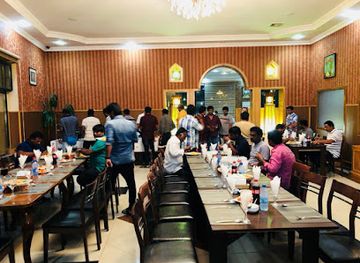
RaJa Indian & Azerbaijani Cuisine
Experience the exquisite blend of Indian and Azerbaijani flavors at RaJa Indian & Azerbaijani Cuisine in beautiful Gebele.
10 min drive · 3.3 km from city centre
-
Restaurant
Caspian Balıq Evi
Discover exquisite seafood at Caspian Balıq Evi in Gabala—where tradition meets modern culinary artistry amidst stunning landscapes.
11 min drive · 3.7 km from city centre
-
Restaurant
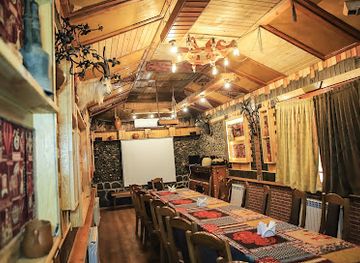
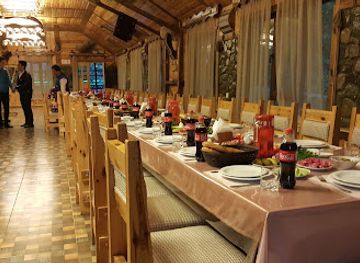
Fontan Restoran Qebele
Discover Fontan Restoran Qebele: A culinary gem offering exquisite Azerbaijani dishes and international flavors in the heart of nature's beauty.
5 min drive · 1.5 km from city centre
-
Restaurant
Qabala Xanlar resort
Discover exquisite dining at Qabala Xanlar Resort with stunning views and authentic Azerbaijani flavors amid nature's beauty.
14 min drive · 4.7 km from city centre
Best bars in Gabala
Gabala’s evenings are quieter and more resort-oriented than those of Baku. Hotels and larger resorts provide the main settings for drinks, live music, lounges and late dining, while restaurants and cafés in the town offer relaxed places for tea, conversation and Azerbaijani wine. During cultural events such as the Gabala International Music Festival, concert venues and open-air settings bring a more international evening atmosphere, although programming varies by season. Tufandag and other resort facilities may have après-ski or leisure entertainment when mountain activities are operating, but Gabala is not primarily a clubbing destination and nightlife can be limited outside peak holiday periods. Visitors staying in rural accommodation should arrange transport before heading out, as public options become less dependable after dark.
-
Restaurant
RaJa Indian & Azerbaijani Cuisine
Experience the fusion of Indian and Azerbaijani flavors at RaJa Indian & Azerbaijani Cuisine in Gebele, where every meal tells a story.
10 min drive · 3.3 km from city centre
-
Restaurant
Caspian Balıq Evi
Experience the freshest seafood and delightful Azerbaijani hospitality at Caspian Balıq Evi in Gabala.
11 min drive · 3.7 km from city centre
-
Restaurant
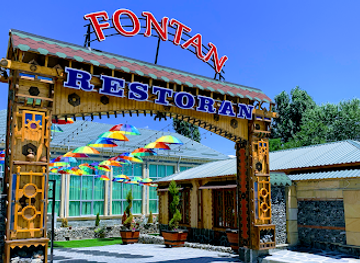
Fontan Restoran Qebele
Discover the flavors of Azerbaijan at Fontan Restoran Qebele, where tradition meets culinary excellence in a stunning setting.
5 min drive · 1.5 km from city centre
-
Restaurant
Qabala Xanlar resort
Experience the rich flavors of Azerbaijani cuisine amidst the stunning backdrop of nature at Qabala Xanlar Resort.
14 min drive · 4.7 km from city centre


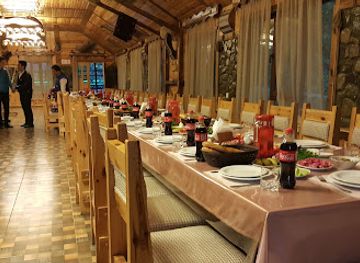
Best nightclubs in Gabala
Gabala’s evenings are quieter and more resort-oriented than those of Baku. Hotels and larger resorts provide the main settings for drinks, live music, lounges and late dining, while restaurants and cafés in the town offer relaxed places for tea, conversation and Azerbaijani wine. During cultural events such as the Gabala International Music Festival, concert venues and open-air settings bring a more international evening atmosphere, although programming varies by season. Tufandag and other resort facilities may have après-ski or leisure entertainment when mountain activities are operating, but Gabala is not primarily a clubbing destination and nightlife can be limited outside peak holiday periods. Visitors staying in rural accommodation should arrange transport before heading out, as public options become less dependable after dark.
-
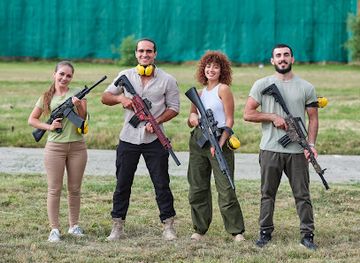
Shooting range
Gabala Shooting Club
Discover the thrill of shooting and archery at Gabala Shooting Club, surrounded by breathtaking landscapes and exceptional amenities.
14 min drive · 4.5 km from city centre
-
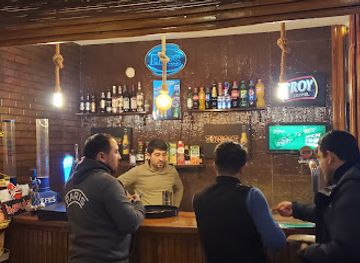
Bar
Limak Pub
Discover the vibrant nightlife at Limak Pub in Gebele, where great drinks and lively company await in a welcoming atmosphere.
14 min walk · 1.1 km from city centre
-
Night club
Gabala Riverside Hotel Disco Line
Discover Gabala's nightlife at Gabala Riverside Hotel Disco Line, where music, dance, and karaoke create unforgettable memories in Azerbaijan.
12 min drive · 4.0 km from city centre
-
Club
Vip Club
Discover the vibrant nightlife at Vip Club in Gebele, where lively music and a friendly atmosphere await you for an unforgettable experience.
3 min walk · 0.2 km from city centre
Best shops in Gabala
Shopping in Gabala is closely tied to its agricultural and village economy rather than to a large urban retail scene. Local markets and small food shops are useful places to look for hazelnuts, chestnuts, honey, dried fruit, jams, pickles and other products from the surrounding orchards and foothills. Azerbaijani tea, sweets and packaged regional foods are practical gifts, while carpets and woven textiles may be found through specialist sellers or traditional craft outlets, though provenance and workmanship should be considered carefully. The town has ordinary supermarkets, pharmacies and everyday shops, and resort areas provide convenience retail rather than a distinctive shopping district. In nearby villages, roadside stalls can offer seasonal produce and preserves, giving visitors a clearer sense of Gabala’s agricultural character than polished souvenir displays.
-
Grocery store
Bazar store
Explore the Bazar Store in Gebele for a delightful selection of local groceries and unique Azerbaijani products to enhance your travel experience.
6 min walk · 0.5 km from city centre
-
Shopping mall
Gabala Shopping Center
Explore the Gabala Shopping Center: A vibrant shopping destination featuring local culture, dining, and entertainment in the heart of Azerbaijan.
3 min walk · 0.2 km from city centre
-
Cake decorating equipment shop
Flamingo tort ləvazımatları Qəbələ
Explore Flamingo Tort Ləvazımatları in Qəbələ for top-notch cake decorating supplies and unleash your baking creativity.
4 min walk · 0.3 km from city centre
-
General store
MARKET
Discover the heart of Gebele at its vibrant market, where local culture, delicious food, and unique finds await every traveler.
4 min walk · 0.4 km from city centre

Get your free copy of our complete guide to Gabala, delivered straight to you.
Everything on this page, from attractions and restaurants to essentials and local phrases, in one PDF you can read offline, print or share.
Already have an account? Sign in
Your Gabala guide is ready.
We'll send it to · Not you? Sign out

Getting your guide ready…
We are putting together a fresh copy of the Gabala guide. This can take up to a minute.
This can take a few moments. If your browser asks, choose Allow so the download can start. You'll find the guide in your Downloads folder.
Nothing happened? Download it again
Sorry, the guide is taking longer than usual. Please try again in a minute, or get it by email instead.
Gabala essentials
Currency and Payment
Safety
Emergency Situations
Do's and Don'ts
Local Tips
From Eve
Local phrases worth knowing
You don't need to get them perfect. A few words go a long way, and locals appreciate the effort.
Basics
| English | Local | Say it |
|---|---|---|
| Hello | Salam | [sah-lahm] |
| Goodbye | Sag ol | [sahg ohl] |
| Yes | Bəli | [buh-lee] |
| No | Xeyr | [khayr] |
| Please/You're welcome | Zəhmət olmasa | [zuhm-eht ohl-mah-sah] |
| Thank you | Çox sağ ol | [choh sahg ohl] |
| Excuse me/Sorry | Bağışlayın | [bah-guh-shlahy-uhn] |
| How are you? | Necəsən? | [neh-jeh-suhn] |
| Fine. And you? | Yaxşıyam. Sən necəsən? | [yahkh-shuh-yahm. sahn neh-jeh-suhn] |
| Do you speak English? | İngilis dilində danışırsız? | [een-gee-lees dee-leen-duh dah-nuh-shuhrz] |
| I don't understand | Anlamıram | [ahn-lah-muh-rahm] |
Eating & Drinking
| English | Local | Say it |
|---|---|---|
| I'd like to see the menu, please | Menyunu görmək istəyirəm, zəhmət olmasa | [mehn-yoo-noo guhr-muhk ees-teh-yee-rehm, zuh-met ohl-mah-sah] |
| I don't eat meat | Mən et yemirəm | [muhn eht yeh-mee-rehm] |
| Cheers! | Sağ olun! | [sahg oh-loon] |
| I would like to pay, please | Ödəmək istəyirəm, zəhmət olmasa | [uh-duh-mehk ees-teh-yee-rehm, zuh-met ohl-mah-sah] |
Emergencies
| English | Local | Say it |
|---|---|---|
| Help! | Kömək! | [kuh-muhk] |
| Go away! | Get! | [get] |
| Call the Police! | Polisi çağır! | [poh-lee-see chah-guhr] |
| Call a doctor! | Həkim çağır! | [heh-keem chah-guhr] |
| I'm lost | Yolumu itirmişəm | [yoh-loo-moo ee-teer-mee-shehm] |
| I'm ill | Xəstəyəm | [khuh-stuh-yehm] |
Shopping
| English | Local | Say it |
|---|---|---|
| I'd like to buy... | Almaq istəyirəm... | [ahl-mahk ees-teh-yee-rehm...] |
| I'm just looking | Sadəcə baxıram | [sah-deh-jeh bah-koo-rahm] |
| How much is it? | Nə qədərdir? | [neh guh-dehr-deer] |
| That's too expensive | Çox bahalıdır | [choh bah-hah-luh-duhr] |
| Can you lower the price? | Qiyməti endirə bilərsən? | [kee-muh-tee ehn-dee-reh bee-lehr-suhn] |
Time & Numbers
| English | Local | Say it |
|---|---|---|
| What time is it? | Saat necədir? | [saht neh-jeh-deer] |
| It's one o'clock | Birinçi saatdir | [bee-reench-ee sahht-deer] |
| Half past (10) | Onu çəkdən sonra | [oh-noo chehk-dehn soh-rah] |
| Morning | Səhər | [suh-hehr] |
| Afternoon | Günortası | [goon-ohr-tah-suh] |
| Evening | Axşam | [ahk-shahm] |
| Yesterday | Dünən | [doo-nehn] |
| Today | Bu gün | [boo goon] |
| Tomorrow | Sabah | [sah-bah] |
| 1 | Bir | [beer] |
| 2 | İki | [ee-kee] |
| 3 | Üç | [ooch] |
| 4 | Dörd | [durrd] |
| 5 | Beş | [besh] |
| 6 | Altı | [ahl-tuh] |
| 7 | Yeddi | [yeh-dee] |
| 8 | Səkkiz | [suhk-keez] |
| 9 | Doqquz | [dohk-koos] |
| 10 | On | [ohn] |
Transport & Directions
| English | Local | Say it |
|---|---|---|
| Where's a/the...? | ...haradadır? | [hah-rah-dah-deer] |
| What's the address? | Ünvan nədir? | [oon-vahn neh-deer] |
| Can you show me (on the map)? | Mənə göstərə bilərsən (xəritədə)? | [muh-nuh guhs-teh-ruh bee-lehr-suhn (khuh-ree-teh-deh)] |
| When's the next (bus)? | Növbəti (avtobus) neçədədir? | [nohvbuh-tee (ahv-toh-boos) neh-chuh-deer] |
| A ticket (to ....) | Bir bilet (.... üçün) | [beer bee-leht (oo-chuhn)] |
History of Gabala
Kabalaka and Caucasian Albania
The settlement associated with ancient Gabala emerged in the Kura–Araz cultural world and became known as Kabalaka, the capital of Caucasian Albania from the fourth century BC. Caucasian Albania was a kingdom occupying parts of the eastern Caucasus, although its political borders and ethnic composition changed over time. Gabala’s position between mountain routes and lowland trade corridors helped it develop as a political and commercial centre. Excavations around Chukhur Gabala have revealed fortifications, craft areas, pottery and coins, providing evidence of a substantial urban settlement rather than an isolated stronghold. The archaeological remains are among the most important links between the modern city and Azerbaijan’s ancient history.
A Kingdom Between Powers
Caucasian Albania existed between larger regional powers, including the Roman and Sasanian empires, and its rulers navigated shifting military and commercial pressures. Christianity reached the kingdom during late antiquity, while local religious traditions and cultural influences continued to shape daily life. Gabala’s importance declined as political centres moved and regional power structures changed, but the settlement remained part of the wider networks connecting the Caucasus with Iran and the Caspian lowlands. The archaeological layers around Chukhur Gabala reflect this changing world through imported objects, defensive construction and evidence of specialised production.
Islamic Rule and Regional Change
From the seventh century, Arab conquests brought the region into the orbit of the Muslim caliphates, followed by the influence of successive local and Iranian dynasties. Islam gradually became the dominant religious tradition, while mountain communities retained varied languages, customs and economic practices. Gabala’s fortunes were affected by the movement of political authority across Shirvan and the wider Caucasus. The area’s valleys supported agriculture, orchards and livestock, while routes through the mountains encouraged contact between settlements. Although the ancient capital was no longer the principal seat of power, its location remained connected to the historical development of northern Azerbaijan.
The Caucasus Under Russian Rule
The political order of the region changed profoundly in the early nineteenth century, when the Russian Empire extended its control over northern Azerbaijan after the Russo-Persian wars and the treaties of Gulistan in 1813 and Turkmenchay in 1828. Gabala became part of the imperial administrative system, and new patterns of taxation, transport and commerce encouraged closer integration with other parts of the Caucasus. Rural production remained important, particularly fruit growing, forestry and livestock keeping. The period also brought wider demographic and administrative changes that shaped the modern social geography of the district.
Soviet Transformation and Agriculture
After the establishment of Soviet rule in Azerbaijan in 1920, Gabala was incorporated into the Azerbaijan Soviet Socialist Republic. Collective agriculture and state planning altered land use, employment and village life, while roads and public services connected the mountain district more closely with regional centres. Orchards, tobacco and other agricultural activities formed part of the local economy, alongside forestry and livestock. Soviet archaeological work helped draw renewed attention to ancient Gabala, although systematic investigations expanded particularly after Azerbaijan’s independence. The modern town developed as an administrative and service centre for surrounding villages.
Independence and Tourism Development
Since Azerbaijan regained independence in 1991, Gabala has been developed as a destination for domestic and international tourism. Investment in roads, accommodation and mountain recreation has complemented the district’s archaeological and natural attractions. Tufandag Mountain Resort helped establish Gabala as a centre for cable-car excursions and winter sports, while the Gabala International Music Festival, founded in 2009, gave the city a prominent cultural event. Contemporary Gabala therefore rests on several layers: the ancient urban site at Chukhur Gabala, agricultural villages and a newer resort economy oriented towards the forests and peaks of the Greater Caucasus.
Gabala in Photos
Browse through our photo collection highlighting the charm and character of the destination.
Cities near Gabala
The closest cities to Gabala, if you have time for more than one stop.
-

-

-

-

-


Swipe for more cities
Explore more
Explore more of Azerbaijan
Discover Azerbaijan: A captivating blend of ancient heritage, stunning natural landscapes, and vibrant modernity at the crossroads of Europe and Asia.
Explore Azerbaijan