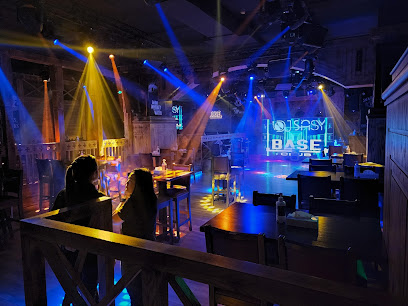
Traditional Houses of Muharraq: A Journey into Bahrain's Pearling Past
Discover Bahrain's pearling history and unique architecture in the beautifully restored Traditional Houses of Muharraq, a UNESCO World Heritage site.
Explore the beautifully restored traditional houses of Muharraq, Bahrain's former capital, and discover the rich history of the island's pearling industry. These architectural gems showcase a unique blend of Persian, Arab, and Indian influences, offering a glimpse into the lives of past residents.
A brief summary to Traditional Houses of Muharraq
- 7J36+MPP, Muharraq, BH
Local tips
- Visit during the cooler months (October to April) to avoid the intense heat and humidity.
- Check the Shaikh Ebrahim Center's website for information on cultural events and exhibitions.
- Take a guided tour to gain a deeper understanding of the history and architecture of the houses.
- Wear comfortable shoes, as the area is best explored on foot.
- Be prepared for narrow streets and limited parking options.

Getting There
-
Walking
The Traditional Houses of Muharraq are best explored on foot. From the Muharraq Souq, head east, following the signs for the Pearling Path. The houses are located within a compact area, easily navigable by walking. Landmarks like the Shaikh Isa bin Ali House and the Shaikh Ebrahim Center serve as good orientation points.
-
Public Transport
If arriving by public transport, take bus A1 or 12 to Muharraq Bus Terminal. From the terminal, it's approximately a 10-15 minute walk to the heart of the Traditional Houses. Head east towards the Muharraq Souq and follow the signs for the Pearling Path. A single bus fare is approximately 0.30 BHD.
-
Taxi/Ride-Share
Taxis and ride-sharing services are readily available in Muharraq. A taxi from Bahrain International Airport to the Traditional Houses will cost approximately 3-5 BHD and take around 10-15 minutes, depending on traffic. From Manama, a taxi ride will take approximately 10-15 minutes and cost around 3-4 BHD. Ask the driver to drop you off near the Shaikh Isa bin Ali House or the Shaikh Ebrahim Center.
-
Driving
If driving, be aware that parking in the immediate vicinity of the Traditional Houses can be challenging due to the narrow streets. Several car parks are available within a 5-10 minute walk, including the Christian Kerez-designed parking facilities. Parking fees typically range from 0.5 to 1 BHD per hour. Consider parking near the Muharraq Souq and walking the remaining distance.
Discover more about Traditional Houses of Muharraq
Iconic landmarks you can’t miss

Muharraq Heritage valley
0.0 km
Discover Bahrain's vibrant past in Muharraq Heritage Valley, a UNESCO site showcasing traditional architecture and the island's pearling legacy.
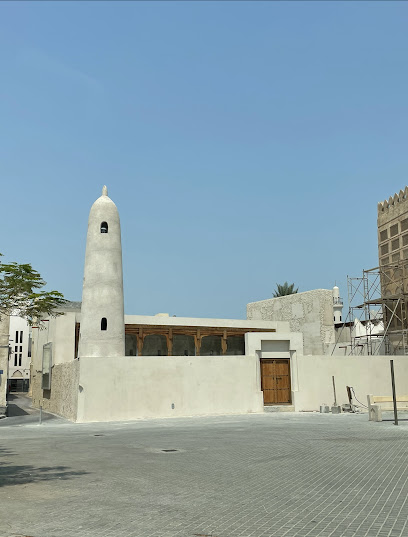
Kurar House
0.1 km
Discover Bahrain's heritage at Kurar House in Muharraq, a museum and working studio preserving the art of Kurar embroidery.
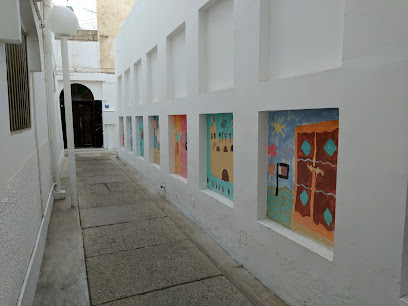
Jamsheer House
0.1 km
Explore Jamsheer House in Muharraq, a pearl merchant's home on the Pearling Path, and discover Bahrain's pearling history and cultural heritage.
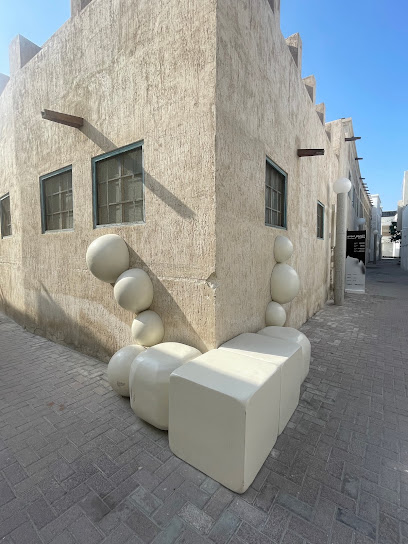
Busaad Art Gallery
0.2 km
Explore Bahrain's vibrant art scene at Busaad Art Gallery, a cultural gem in Muharraq showcasing the works of Ebrahim Busaad.
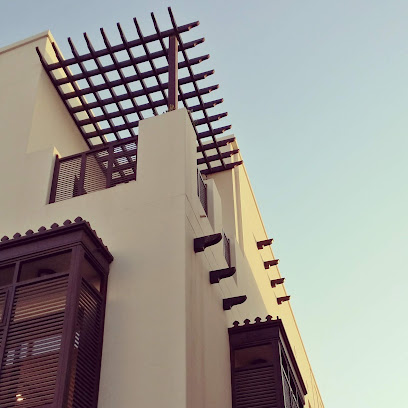
The Green Corner
0.2 km
Discover Bahrain's artistic soul at The Green Corner in Muharraq, a unique architectural gem housing art, literature, and environmental treasures.
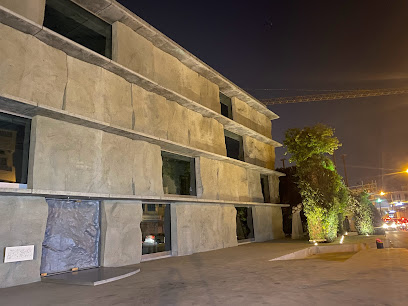
Al Muharraq historical downtown
0.4 km
Discover Bahrain's pearling past in Al Muharraq's historical downtown, a UNESCO World Heritage site with traditional architecture and vibrant culture.
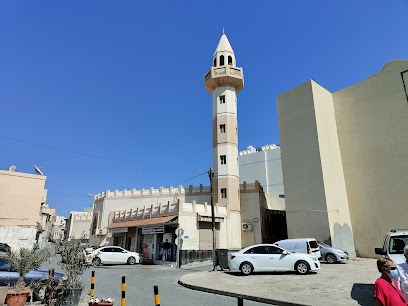
منزل المرحوم علي أمرالله الأسدي The house of Ali Amrallah ALasadi
0.5 km
Explore the House of Ali Amrallah ALasadi in Muharraq, a heritage building that reveals Bahrain's rich cultural history and pearling past.
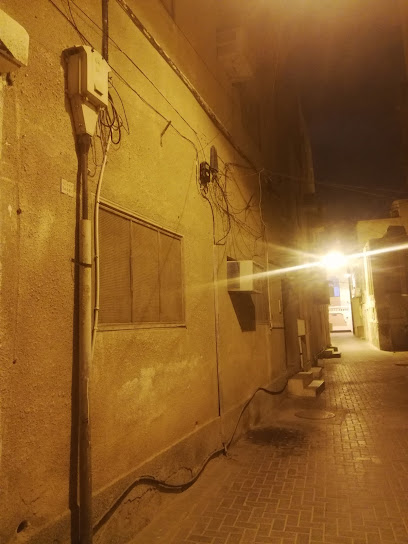
Pearling Path Visitor and Experience Center
0.6 km
Explore Bahrain's pearling heritage at this Muharraq center, the gateway to a UNESCO World Heritage site showcasing the island's rich maritime history.
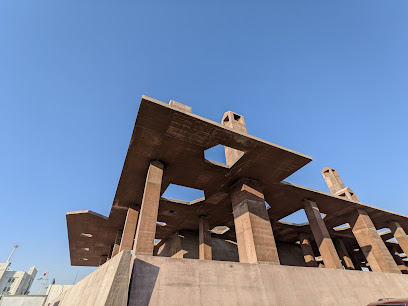
Fakhro House
0.7 km
Step back in time at Fakhro House in Muharraq, a preserved pearl merchant's residence on the UNESCO-listed Pearling Path, showcasing Bahrain's rich heritage.
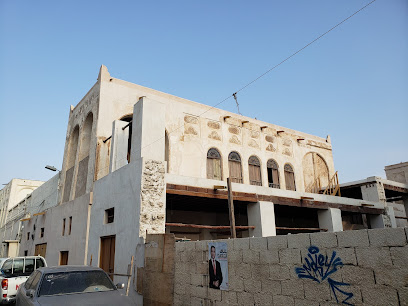
Star Marine Services - Boat Trip / Sea Trip to Jarada Island
0.8 km
Experience the magic of Jarada Island with Star Marine Services: Luxury sea tours, unforgettable memories.
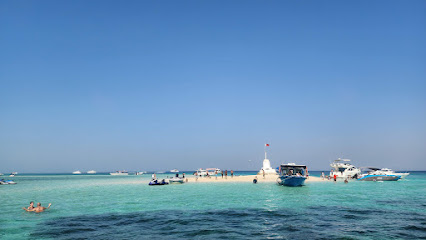
Al Ghouse Park
0.8 km
Escape to Al Ghouse Park in Muharraq for a serene retreat amidst lush greenery, perfect for relaxation and outdoor activities.
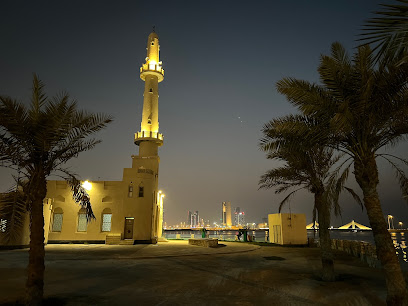
Bahrain tour
1.1 km
Discover Muharraq: Bahrain's historic capital, a UNESCO-listed pearling center with traditional souqs, architecture, and cultural experiences.
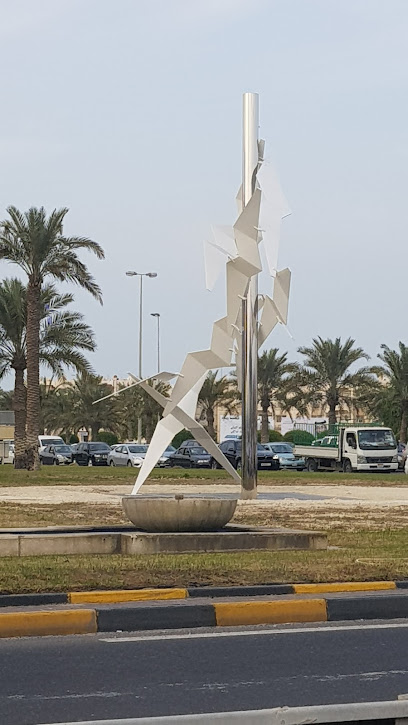
Seagulls Monument
1.2 km
Discover the Seagulls Monument in Al Sayh, Bahrain: a tribute to nature's elegance, offering peace and breathtaking sunset views by the coast.
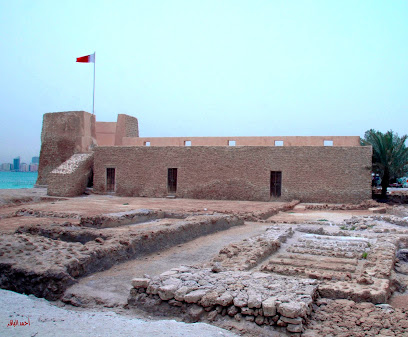
Qala't Bu Mahir
1.4 km
Explore Qala't Bu Mahir, the gateway to Bahrain's pearling past, offering panoramic views and a glimpse into the island's rich maritime heritage.
Unmissable attractions to see

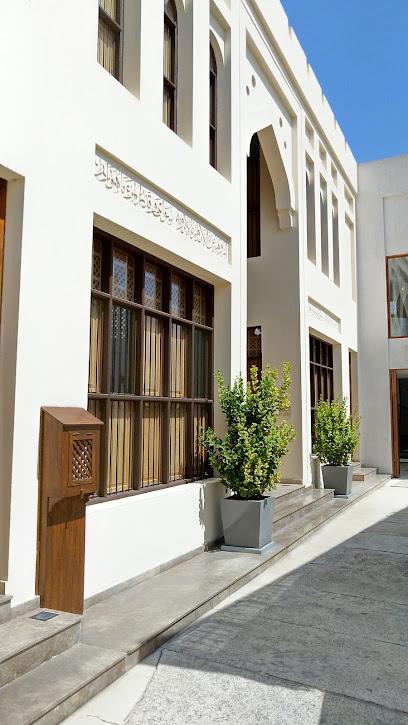
Shaikh Ebrahim Center
0.1 km
Explore Bahrain's heritage at the Shaikh Ebrahim Center, a hub of culture, history, and architectural preservation in Muharraq.
Archaeologies of Green Pavilion
0.1 km
Discover Bahrain's agricultural roots at this tranquil Muharraq botanical garden, blending nature and ancient history.
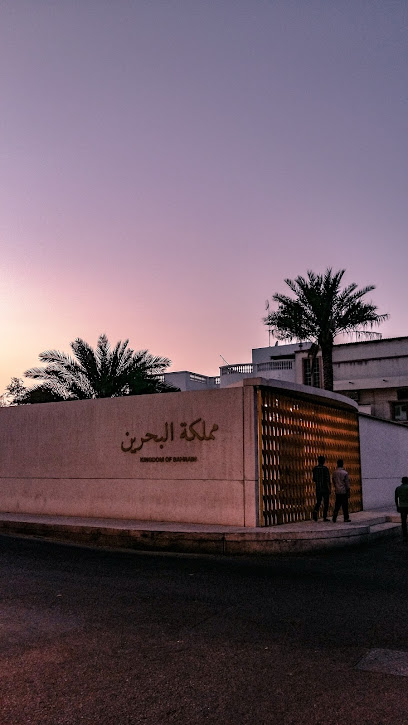
Beit Sheikh Isa Bin Ali Al Khalifa (House)
0.1 km
Explore the meticulously preserved 19th-century residence of Sheikh Isa Bin Ali Al Khalifa and immerse yourself in Bahrain's royal history and architecture.
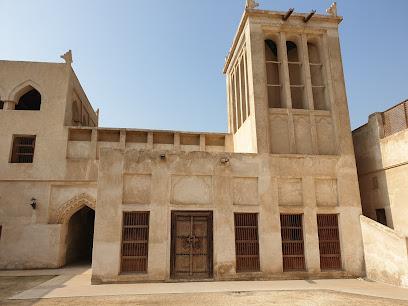
Abdullah Al Zayed House for Bahraini Press Heritage
0.1 km
Explore Bahrain's journalistic roots at the Abdullah Al Zayed House, a beautifully restored tribute to the Kingdom's press heritage and cultural evolution.
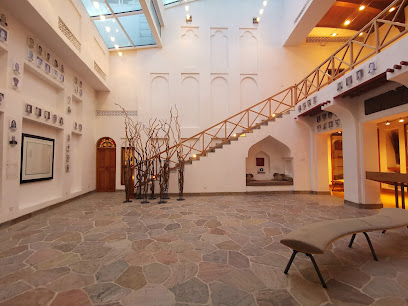
Siyadi Mosque
0.1 km
Discover Muharraq's oldest mosque, a serene landmark on the Pearling Path, reflecting Bahrain's rich cultural and Islamic heritage.
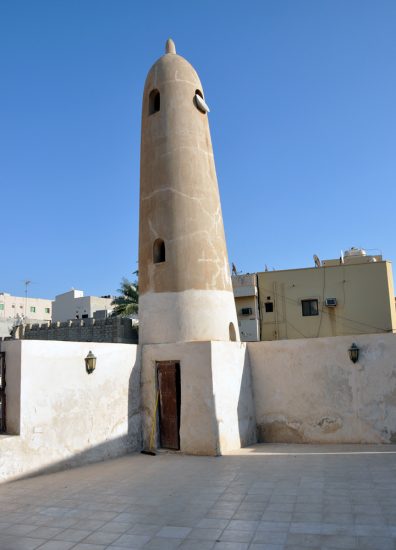
House of Architectural Heritage
0.1 km
Explore Muharraq's architectural story at this unique exhibition space, showcasing the city's heritage through preserved walls and historical archives.
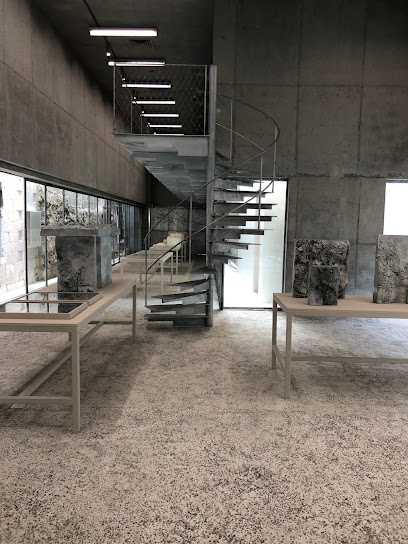
The Pearling Path
0.1 km
Explore Bahrain's Pearling Path in Muharraq: A UNESCO World Heritage site revealing the island's rich pearl diving history and cultural heritage.
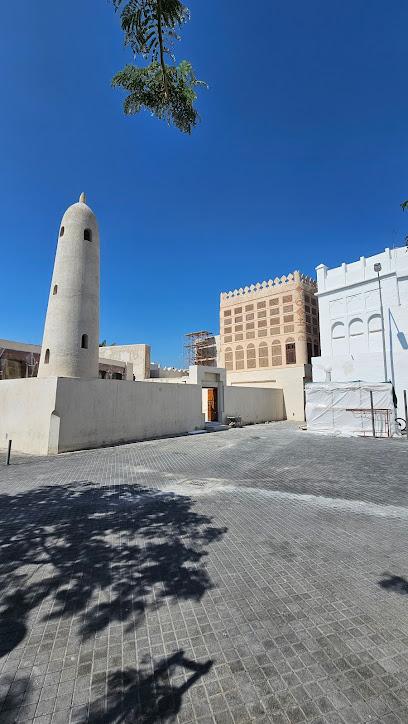
Seyadi House
0.2 km
Explore Seyadi House in Muharraq, a historic landmark on the Pearling Path, showcasing Bahrain's rich pearling heritage and unique architecture.
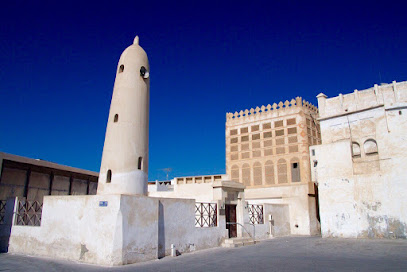
Vertical Garden
0.3 km
Discover a unique urban oasis in Muharraq, showcasing 200+ plant species in a stunning display of nature, art, and Bahraini heritage.
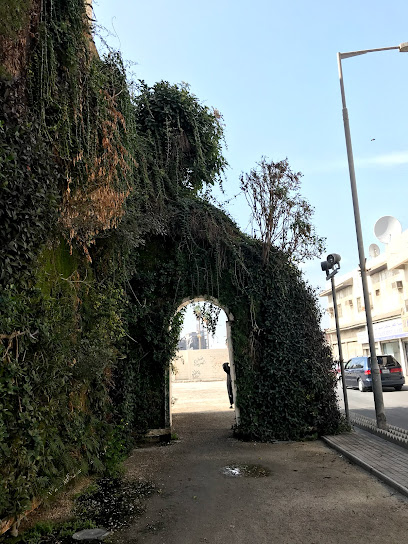
Bin Matar House
0.3 km
Explore Bahrain's pearling history at Bin Matar House, a beautifully restored museum showcasing traditional architecture and cultural heritage.
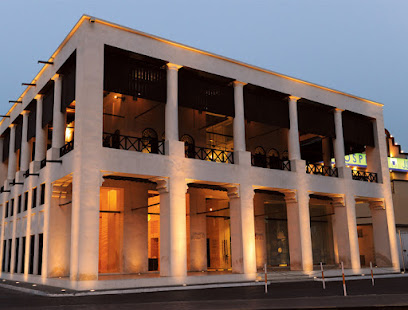
Mohammed Bin Faris House for vocal Music
0.4 km
Discover Bahrain's soul at the Mohammed Bin Faris House for Vocal Music, where traditional melodies and cultural heritage come to life.
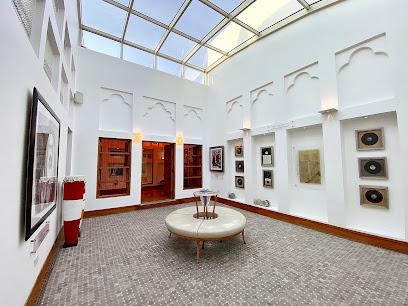
ZUHOOR AL MUHARRAQ SWEETS
0.5 km
Experience authentic Bahraini sweets at Zuhoor Al Muharraq Sweets, a traditional confectionery in the heart of Muharraq's bustling market.
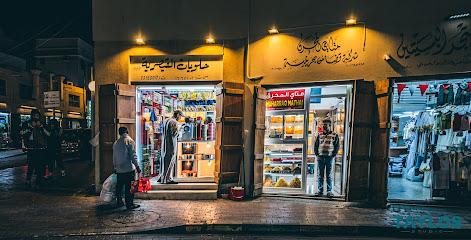
Casino Garden
0.8 km
Discover a peaceful retreat in Muharraq's Casino Garden, a historic landmark offering lush greenery and serene landscapes for relaxation.
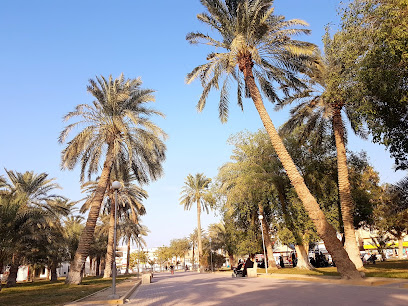
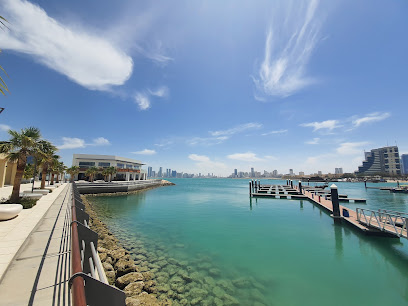
Sa'ada Sea Front
0.9 km
Discover Muharraq's vibrant waterfront: stunning sea views, cultural experiences, and diverse dining connect Bahrain's heritage with modern leisure.
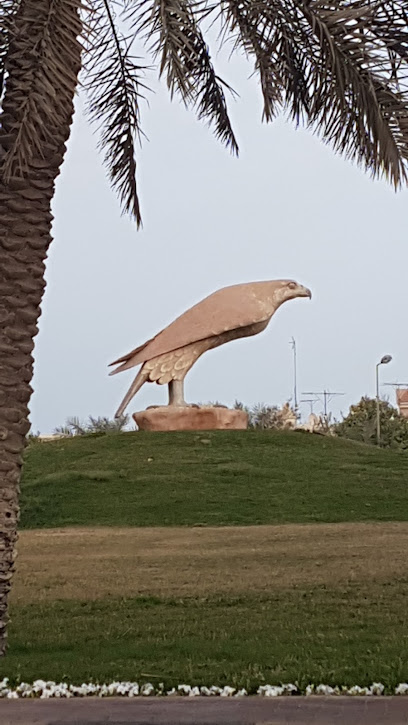
Muharraq's Falcon Monument
1.1 km
Discover Bahrain's falconry heritage at Muharraq's Falcon Monument, a serene park offering a glimpse into the island’s cultural identity.
Essential places to dine

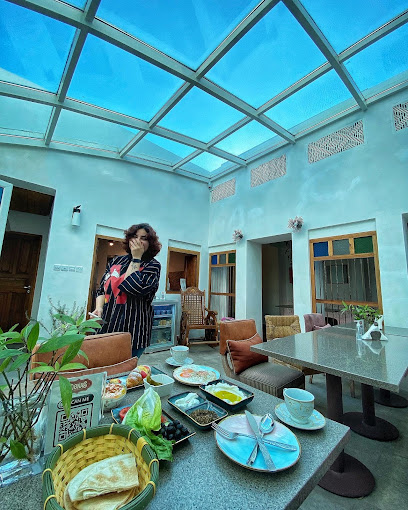
Dona’s Wonders at Lugmatina
0.1 km
Experience authentic Bahraini cuisine at Dona's Wonders - where tradition meets taste in every delightful dish.
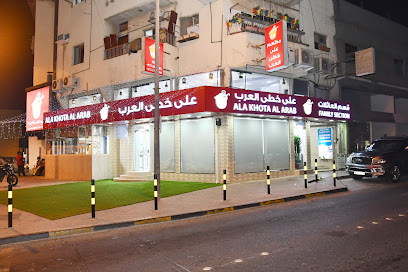
Restaurant Dar Al Arab
0.2 km
Discover authentic Middle Eastern flavors at Restaurant Dar Al Arab in Muharraq – where tradition meets taste.
Blue Whale Fish
0.3 km
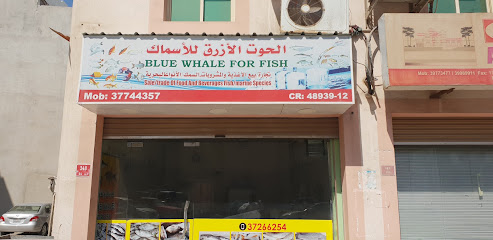
Experience authentic Fish & Chips at Blue Whale Fish in Muharraq - fresh flavors and friendly service await you.
Kerala Restaurant
0.3 km
Experience authentic South Indian flavors at Kerala Restaurant in Muharraq – where every dish tells a story.
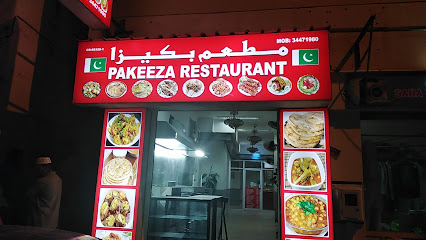
PAKEEZA RESTAURANT
0.3 km
Discover authentic Middle Eastern flavors at Pakeeza Restaurant in Muharraq—where every dish tells a story of culinary tradition.
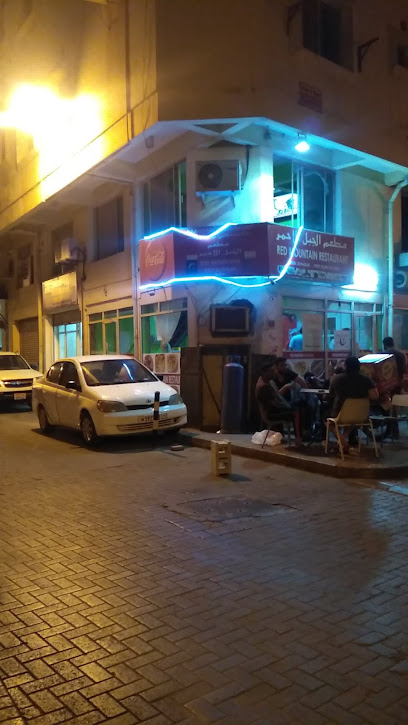
Red Mountain Restaurant
0.4 km
Experience the vibrant flavors of Bahrain at Red Mountain Restaurant in Muharraq—where tradition meets taste.
Ruchi Restaurant Muharraq
0.5 km
Discover the rich flavors of authentic Indian cuisine at Ruchi Restaurant in Muharraq – where every meal is a celebration.
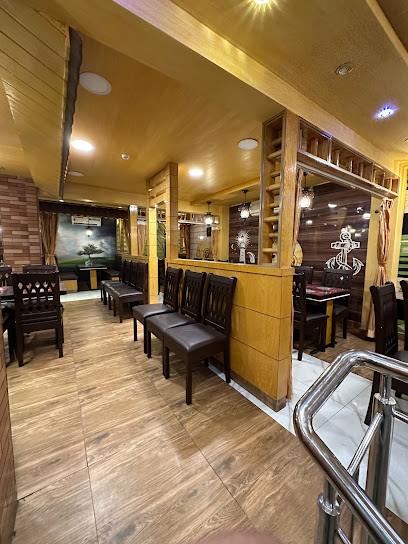
CALICUT RAHMATH RESTAURANT
0.5 km
Experience authentic Indian cuisine at Calicut Rahmath Restaurant in Muharraq – where every dish is crafted to perfection.
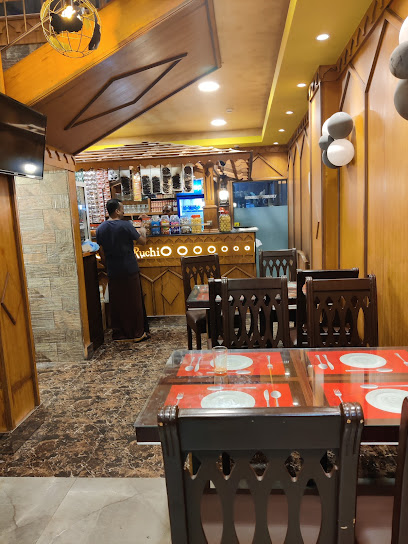
Raazji
0.5 km
Experience authentic Bahraini cuisine at Raazji - where tradition meets flavor in every dish.
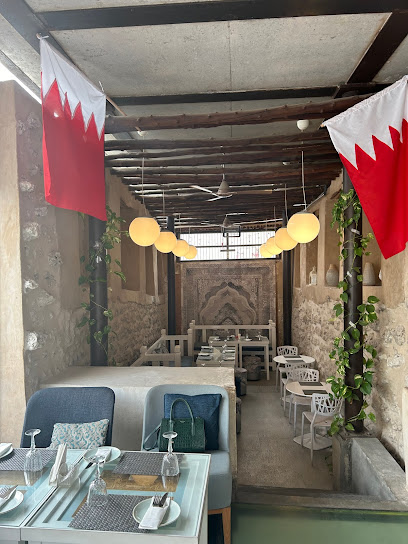
مطبخ امي للاكلات الخليجية
0.5 km
Discover authentic Gulf cuisine at مطبخ امي للاكلات الخليجية in Muharraq—where every dish tells a story.
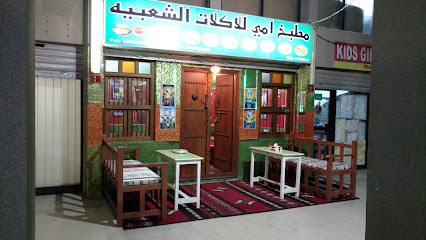
Eat Right
0.5 km
Experience the best hamburgers in Muharraq at Eat Right – where flavor meets convenience in a lively atmosphere.
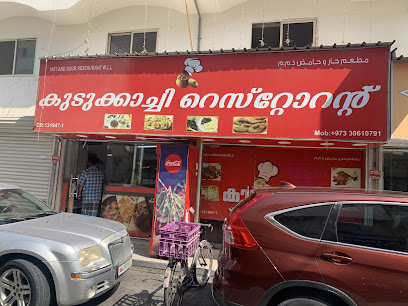
Kudukkachi Restaurant
0.5 km
Experience authentic Indian cuisine at Kudukkachi Restaurant in Muharraq – where every dish tells a story of flavor.
Star Pakistani restaurant
0.5 km
Experience the rich flavors of Pakistan at Star Pakistani Restaurant in Muharraq—where every meal is a celebration of culinary tradition.
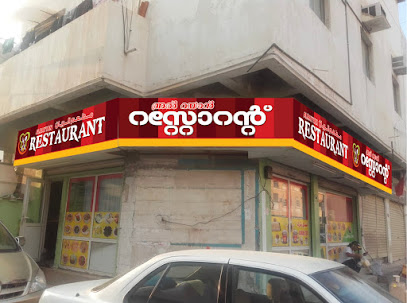
Kappaalam Live (Muharraq)
0.6 km
Discover the rich flavors of Kerala at Kappaalam Live in Muharraq—where every meal is a celebration of tradition and taste.
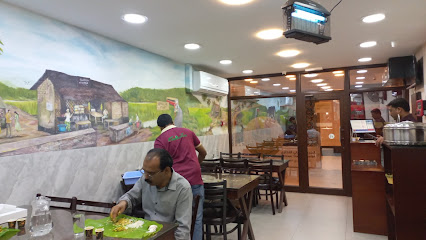
Al Sedra Traditional Bahraini Restaurant and lounge
0.6 km
Discover the rich flavors of Bahrain at Al Sedra Traditional Bahraini Restaurant, where authentic cuisine meets warm hospitality in Muharraq.

Markets, malls and hidden boutiques

Abdulla Buzaboon Antique Shop
0.2 km
Explore the enchanting world of antiques at Abdulla Buzaboon Antique Shop in Muharraq, where every piece has a story to tell.
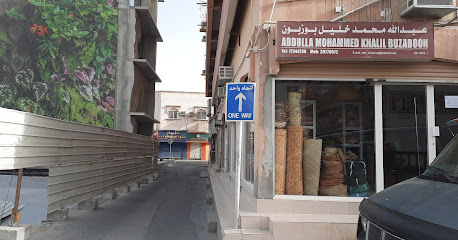
أحلى الاطفال للملابس الجاهزة Beautiful Kids Garments
0.3 km
Explore Beautiful Kids Garments in Muharraq Souq for stylish children's clothing at affordable prices while enjoying the local culture.
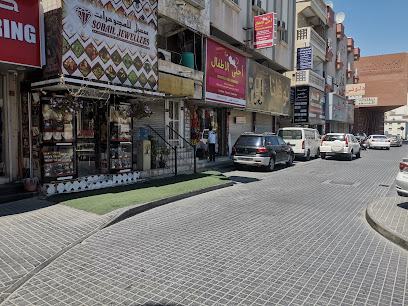
Raftel
0.3 km
Explore the heart of anime culture at Raftel in Muharraq, a vibrant club for fans to connect and celebrate their passion.
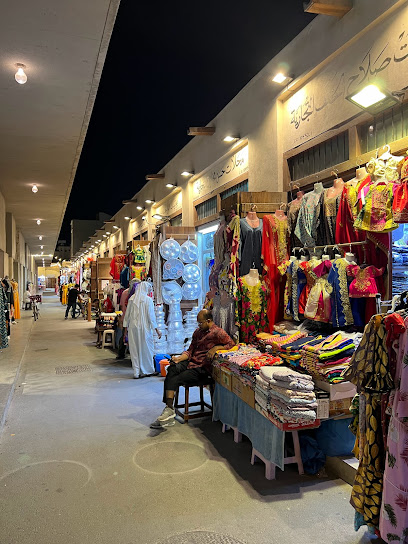
شركة العمري للتجاره اكسسورات مطليات. تجميل
0.3 km
Explore Al Omari Trading Accessories: Your destination for unique gifts and authentic Bahraini treasures in Muharraq.
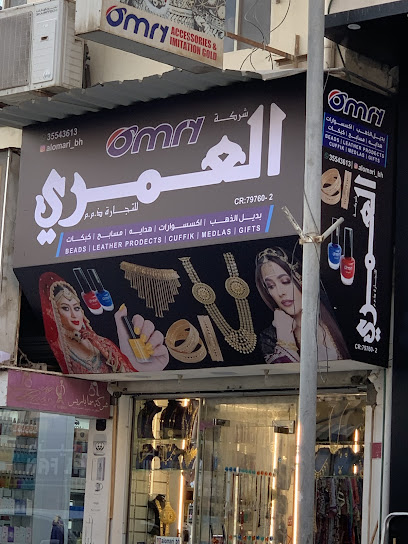
KISWAH BOUTIQUE MUHARRAQ
0.3 km
Explore the essence of Bahraini craftsmanship at Kiswah Boutique in Muharraq, where unique fashion meets local artistry.
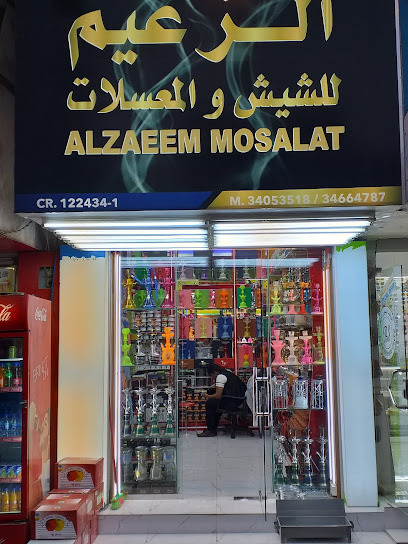
الزعيم المعسلات واشياشAlzaeem Mosalat
0.3 km
Explore the cultural richness of Muharraq at Alzaeem Mosalat, your premier destination for premium tobacco products and a vibrant social atmosphere.
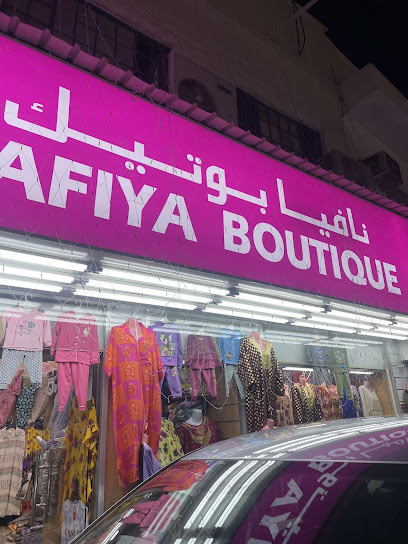
NAFIYA BOUTIQUE MUHARRAQ
0.3 km
Explore NAFIYA BOUTIQUE MUHARRAQ for a unique blend of local fashion and contemporary clothing styles in the heart of Muharraq.
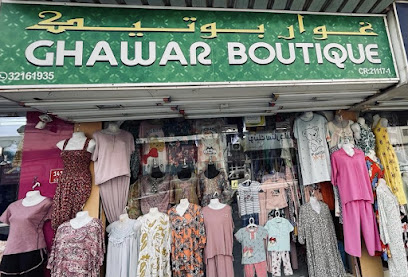
Ghawar Boutique Muharraq
0.3 km
Discover stylish women's and children's clothing at Ghawar Boutique in Muharraq, where fashion meets Bahraini culture in a charming shopping experience.
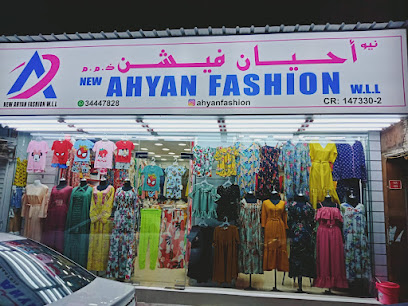
Ahyan Fashion
0.3 km
Explore Ahyan Fashion in Muharraq for a unique shopping experience featuring stylish women's clothing that combines modern trends with local culture.
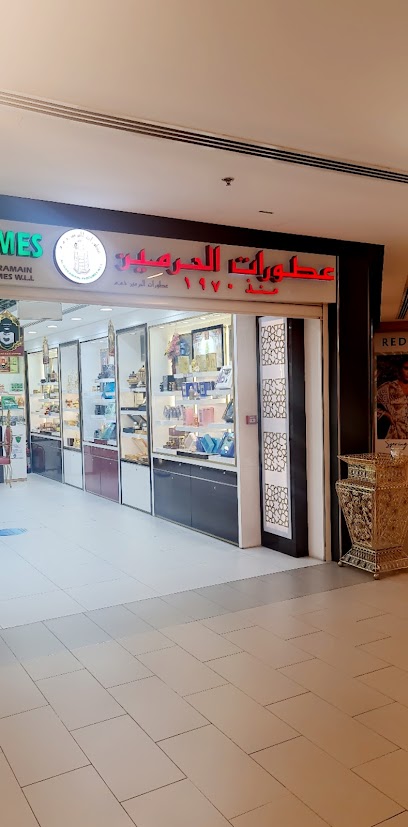
Al Haramain Perfumes - Muharraq
0.3 km
Discover the exquisite world of fragrances at Al Haramain Perfumes in Muharraq, where quality meets tradition and unique scents await.
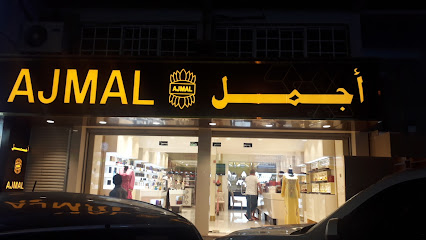
Ajmal Perfume, Souq Muharraq
0.4 km
Explore the exquisite world of Arabian fragrances at Ajmal Perfume in Souq Muharraq, where tradition meets elegance in every bottle.
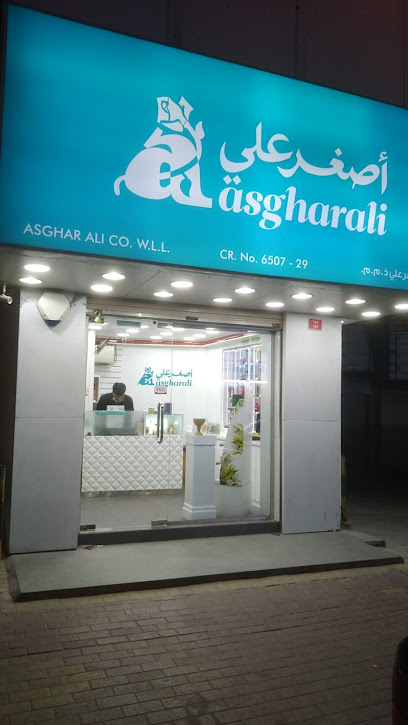
Asgharali Perfumes
0.4 km
Explore the enchanting fragrances of Asgharali Perfumes in Muharraq Souq, where tradition meets luxury in an aromatic journey.
Hadeya
0.4 km
Explore Hadeya Souvenir Store in Muharraq for unique Bahraini crafts, traditional gifts, and authentic memorabilia that capture the spirit of your travels.
Al Sahel Al lama trading
0.4 km
Explore the cultural richness of Bahrain at Al Sahel Al Lama Trading in Muharraq, offering unique crafts and souvenirs that embody local heritage.
Peonia Line
0.4 km
Explore the latest trends and unique styles at Peonia Line, a premier clothing store in Muharraq, perfect for fashion-loving tourists.
Essential bars & hidden hideouts

Beard Club
0.8 km
Experience the vibrant social scene at Beard Club, a must-visit bar in Muharraq, Bahrain, perfect for unwinding and enjoying local culture.
Shift 7
1.3 km
Experience the vibrant nightlife of Manama at Shift 7, a trendy bar with stunning views and innovative cocktails.
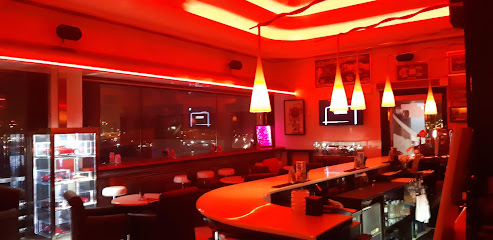
Mövenpick Bahrain
1.8 km
Discover the ultimate in luxury and comfort at Mövenpick Bahrain, where traditional hospitality meets modern elegance in Muharraq.
Gallery Lounge
1.8 km
Experience the fusion of French cuisine and modern elegance at Gallery Lounge in Muharraq, your perfect retreat for delightful dining.
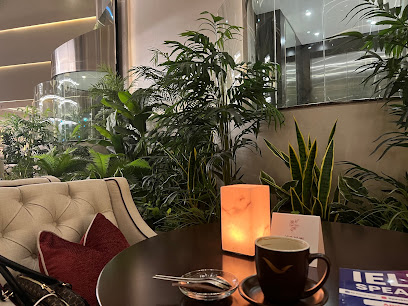
Xenia Bar and Lounge
1.9 km
Discover the refined atmosphere of Xenia Bar and Lounge in Muharraq, where exquisite cocktails and gourmet dining await you.
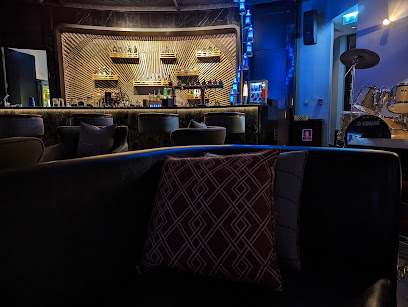
Gulf Air Lounge
2.3 km
Experience comfort and luxury at Gulf Air Lounge in Muharraq, with top-notch service and a relaxing atmosphere for every traveler.
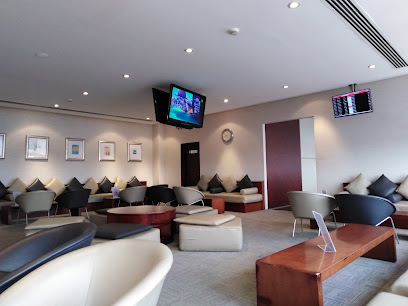
Jaipur Indo Asian
2.3 km
Experience the best of Asian cuisine at Jaipur Indo Asian, where authentic flavors meet a welcoming atmosphere in the heart of Muharraq.
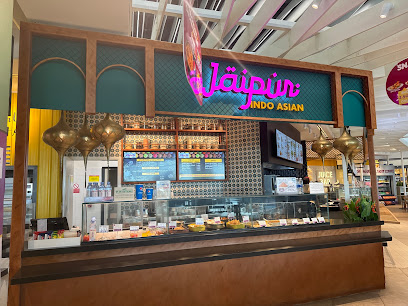
R12 Bar & Lounge
2.3 km
Discover the vibrant R12 Bar & Lounge at Bahrain International Airport, your perfect stop for refreshing drinks and delicious bites before your flight.
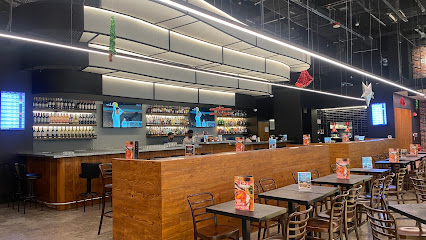
The Pearl Lounge
2.4 km
Experience comfort and tranquility at The Pearl Lounge in Bahrain International Airport, a perfect retreat for travelers seeking relaxation.
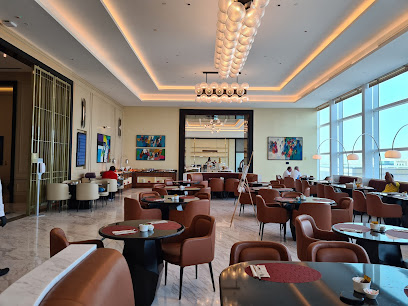
TGI Fridays - Bahrain Airport
2.4 km
Experience the vibrant American dining culture at TGI Fridays in Bahrain Airport, where delicious meals meet a lively atmosphere.
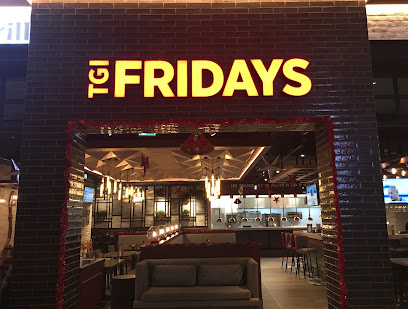
The Harvesters
2.4 km
Experience the vibrant atmosphere of The Harvesters, a cozy bar in Manama, offering a delightful selection of drinks and a welcoming ambiance.
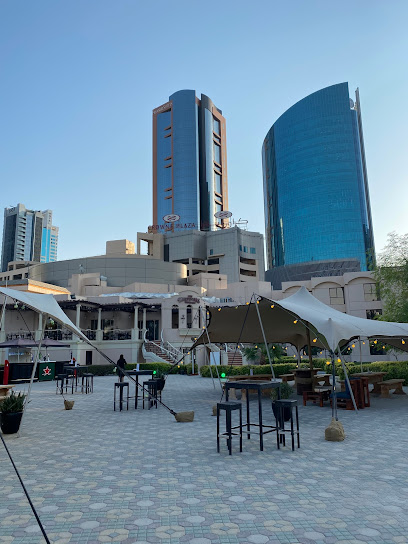
Fiddlers Green Irish Pub
2.4 km
Experience authentic Irish hospitality at Fiddlers Green Irish Pub in Manama, where good food, great drinks, and lively entertainment await you.
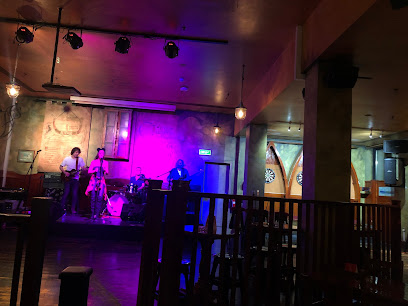
Bahrain
2.8 km
Discover Bahrain, an island paradise where rich heritage meets contemporary nightlife and stunning coastal beauty.
Voltage Lounge Bahrain
2.8 km
Experience the lively ambiance of Voltage Lounge Bahrain, where culture meets cosmopolitan nightlife in the heart of Manama.
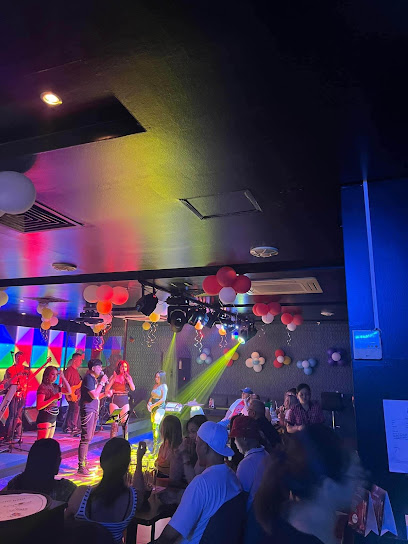
Havana Bar & Lounge
3.0 km
Experience the lively atmosphere and delicious grilled cuisine at Havana Bar & Lounge in Manama, the perfect spot for food lovers and nightlife enthusiasts.
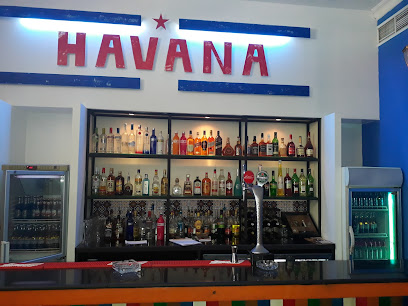
Nightclubs & after hour spots

Maya's
1.4 km
Discover the vibrant nightlife at Maya's, a premier night club in Manama, offering electrifying music, innovative cocktails, and a captivating atmosphere.
Cloud 8 Lounge
2.4 km
Discover the vibrant nightlife of Manama at Cloud 8 Lounge, where music meets style and energy ignites the night.
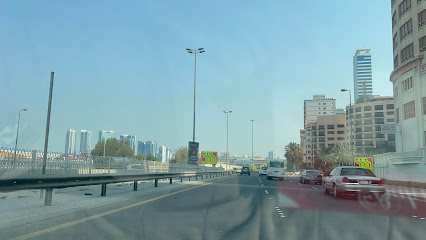
Golden Club
2.5 km
Unveil the nightlife magic at Golden Club, Manama's premier lounge and club, featuring electrifying performances and a vibrant atmosphere.
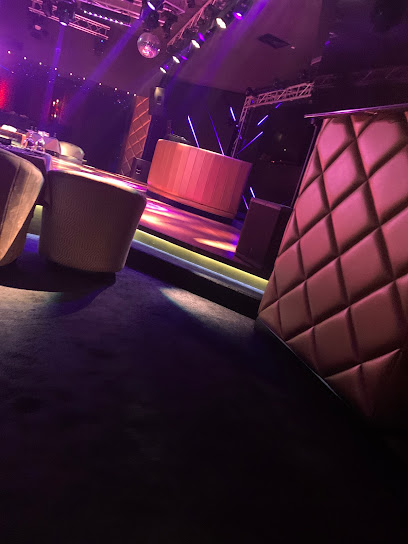
Pulse Bahrain
2.5 km
Discover the electrifying nightlife at Pulse Bahrain, where captivating music, vibrant ambiance, and a diverse crowd create unforgettable nights out.
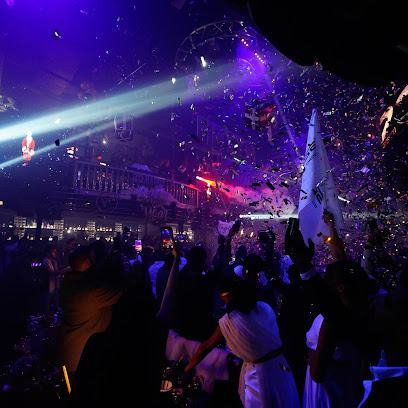
The plan b , rockstart club
2.5 km
Discover the electrifying atmosphere of The Plan B Rockstart Club in Manama, where unforgettable nights and vibrant music come alive.
Oxygen Club Lounge
2.6 km
Discover the pulsating nightlife of Manama at Oxygen Club Lounge, where music, dance, and vibrant energy come together for an unforgettable experience.
The One
3.6 km
Experience electrifying nights at The One, Bahrain's top night club, where music, dance, and vibrant atmosphere come together for unforgettable memories.
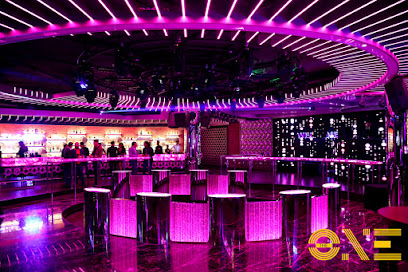
Theatro club lounge
3.6 km
Experience the vibrant nightlife at Theatro Club Lounge in Manama, where music, dance, and unforgettable memories await.

Club Ozone
3.7 km
Experience the electrifying nightlife of Manama at Club Ozone, where music, dancing, and vibrant energy come together for an unforgettable evening.
Dublin Club
3.7 km
Experience the vibrant nightlife at Dublin Club, Manama's premier dance club and pub for unforgettable nights out.
Cavallo club
3.8 km
Discover the energetic nightlife of Bahrain at Cavallo Club, where great music, vibrant atmosphere, and unforgettable moments await.
Z LOUNGE CLUB
3.8 km
Discover the pulse of Manama's nightlife at Z Lounge Club - where music, dance, and unforgettable experiences await.
SKY CLUB LOUNGE
3.9 km
Discover the electrifying nightlife at SKY CLUB LOUNGE, where signature cocktails and live entertainment create unforgettable evenings in Bahrain.

Chic CLub
4.0 km
Unleash your nightlife spirit at Chic Club, the premier destination for Moroccan-inspired fun and unforgettable nights in Manama.
BAZE CLUB
4.0 km
Experience the vibrant nightlife of Manama at BAZE CLUB, where music, culture, and flavor come together to create unforgettable evenings.