Dar al-Naft Oil Museum: Bahrain's Black Gold Legacy
Discover Bahrain's oil heritage at Dar al-Naft Oil Museum, showcasing the kingdom's transformation into a modern, oil-rich nation.
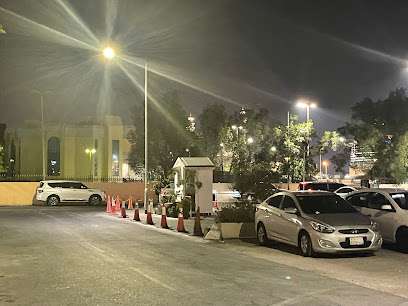
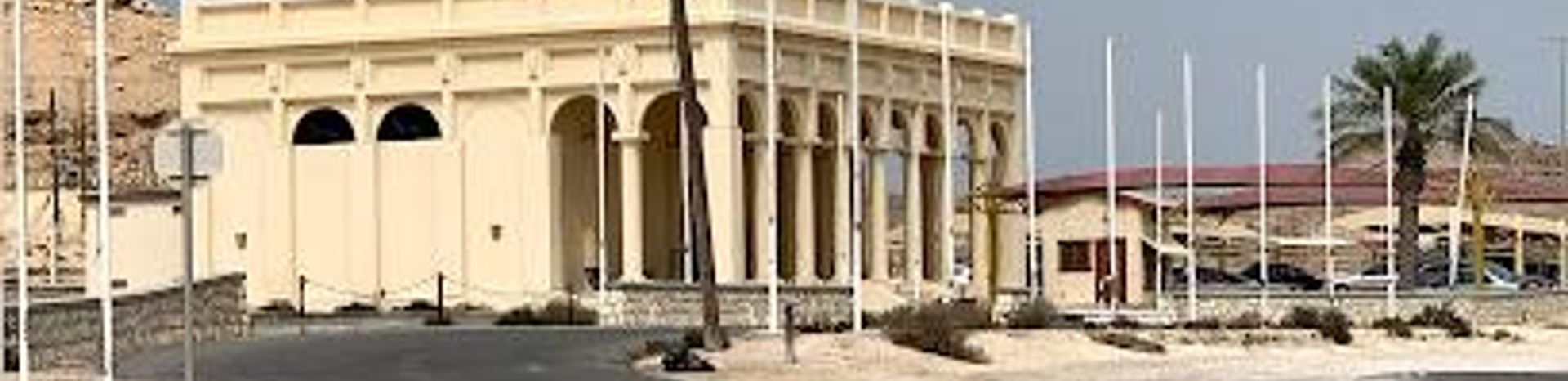
Explore Bahrain's rich petroleum history at the Dar al-Naft Oil Museum, a monument to the country's transformation from a small pearling community to a modern, oil-producing nation. Located near the first oil well, the museum showcases the profound impact of oil on Bahraini life.
A brief summary to Dar al-Naft Oil Museum
- 2HH3+225, BH
- +97317753475
Local tips
- Visit during weekdays for a quieter experience, as weekends tend to attract more visitors.
- Check the museum's opening hours before visiting, as they can be subject to change.
- Combine your visit with a trip to the nearby Bahrain International Circuit for a taste of modern Bahrain.

Getting There
-
Taxi/Ride-Share
From central Manama, a taxi or ride-sharing service (Careem or Uber) is the most convenient way to reach Dar al-Naft Oil Museum. The journey typically takes around 40 minutes, depending on traffic. Direct the driver to Jebel Dukhan, near Awali. A one-way trip will likely cost between 5 BHD and 8 BHD.
-
Public Transport
To reach the museum by public transport from Manama, locate the nearest bus stop with service towards Sitra or Awali. Bus routes may vary, so it's best to confirm with locals or check the bus schedule. Once on the bus, inform the driver that you wish to get off at the closest stop to Dar al-Naft Oil Museum. From the bus stop near Awali, take a taxi to the museum. The bus fare is approximately 0.5 BHD , and the taxi from Awali to the museum will cost around 2-3 BHD.
Discover more about Dar al-Naft Oil Museum
Iconic landmarks you can’t miss

Bahrain Island
3.1 km
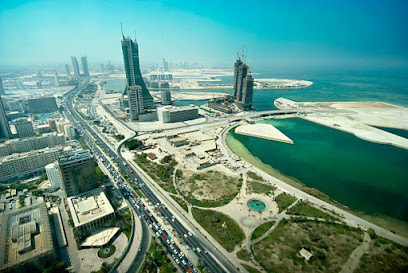
Explore Bahrain Island: A blend of ancient history, modern marvels, and Arabian charm in the heart of the Persian Gulf.
The Quarry
3.6 km
Experience upscale entertainment, live music, and signature international cuisine at The Quarry Bahrain in Zallaq.
BIC dragstrip
4.2 km
Experience the thrill of high-speed racing at Bahrain International Circuit's Dragstrip, the heart of motorsports in the Middle East.

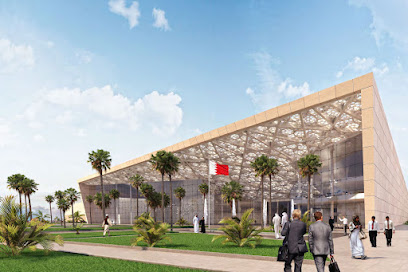
Exhibition World Bahrain
5.3 km
Bahrain's premier venue for unforgettable experiences: exhibitions, conferences, concerts, and more. A world-class destination for global events.
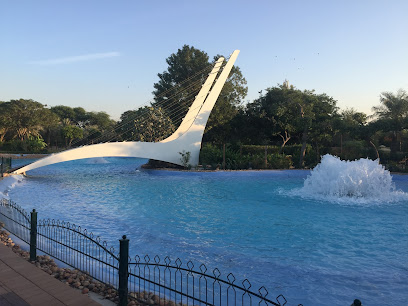
Princess Sabeeka Park
6.9 km
Discover Princess Sabeeka Park in Awali: A lush oasis promoting sustainability, recreation, and community engagement in the heart of Bahrain.
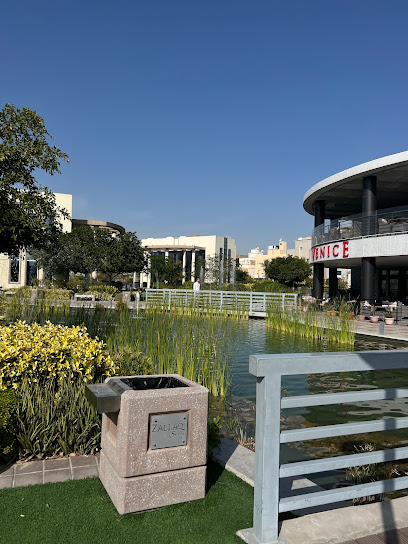
Gardens @ Zallaq
6.9 km
Discover a serene escape at Gardens @ Zallaq in Bahrain, where lush landscapes and tranquil ambiance create a perfect retreat for nature lovers.
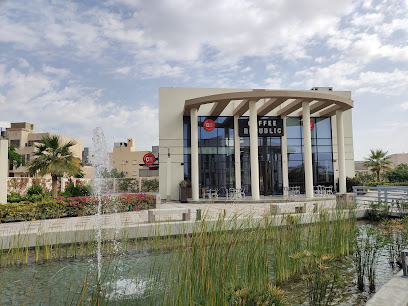
Zallaq Springs
7.0 km
Discover Zallaq Springs: A serene escape in Bahrain blending nature, recreation, and culture, inspired by Japanese Zen gardens.
Rashid Equestrian & Horseracing Club
7.2 km
Experience the excitement of horse racing at Bahrain's premier equestrian club, a blend of sport, culture, and tradition in Riffa.
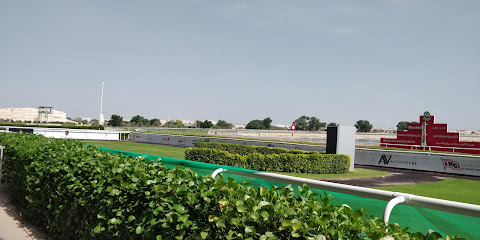
Asker Beach
7.2 km
Escape to Asker Beach in Bahrain for tranquil relaxation, stunning sunsets, and a taste of local culture along the Arabian Gulf.
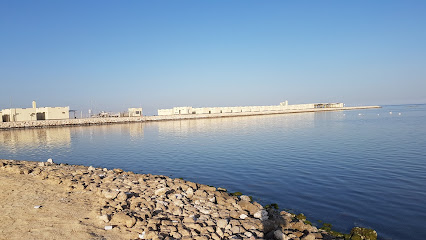
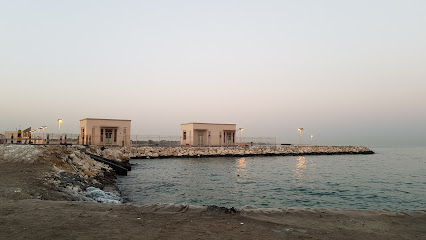
Zallaq Fishers Harbour
7.3 km
Experience the authentic maritime soul of Bahrain at Zallaq Fishers Harbour, a vibrant hub of tradition, fresh seafood, and picturesque views on the western coast.
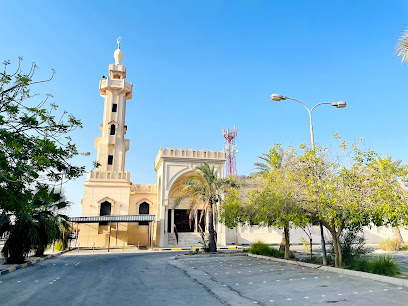
Zallaq Mosque
7.3 km
Discover the architectural beauty and tranquil atmosphere of Zallaq Mosque, a cultural gem reflecting Bahrain's Islamic heritage.
منتجع سوفيتل الزلاق ثالاسا سي أند سبا البحرين
7.3 km
Experience luxurious relaxation and unique thalassotherapy treatments at Sofitel Bahrain Zallaq, a beachfront oasis blending French elegance with Arabian charm.
The Z Ruins
7.4 km
Explore the ancient Z Ruins in Zallaq, Bahrain: a captivating journey through time, offering a glimpse into the island's rich history and architectural heritage.
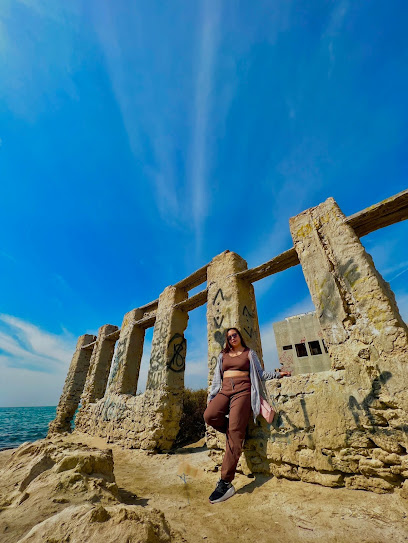
Bait alabdulla
7.4 km
Explore Bait Alabdulla in Zallaq, Bahrain: A historical landmark showcasing Bahrain's rich cultural heritage and architectural beauty.
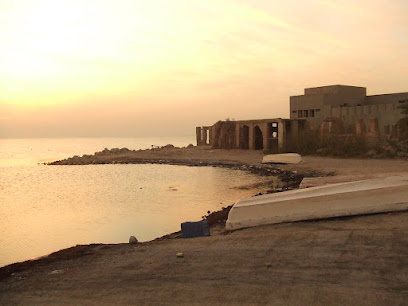
الرفاع الجنوبي
8.0 km
Discover Al Rifaa Al Janubi in Bahrain: Where rich cultural heritage meets breathtaking landscapes and warm hospitality.
Unmissable attractions to see

Dragon Rocks
1.3 km
Discover Dragon Rocks in Bahrain: a geological wonder with stunning desert landscapes, rich history, and a tranquil escape for adventurers and nature lovers.
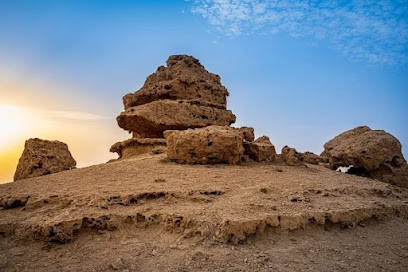
Kabul Caves Bahrain
1.4 km
Explore the geological wonders of Kabul Caves in Bahrain, a haven for hikers and nature lovers seeking unique rock formations.

City of Lights
1.4 km
Discover Zallaq's City of Lights: A captivating blend of culture, modern allure, and illuminated beauty, offering unique shops, dining, and vibrant local experiences in Bahrain.
Jabal ad Dukhan
1.4 km
Explore Bahrain's highest point, Jabal ad Dukhan: panoramic views, ancient history, and a tranquil desert escape await. A must-see natural wonder!
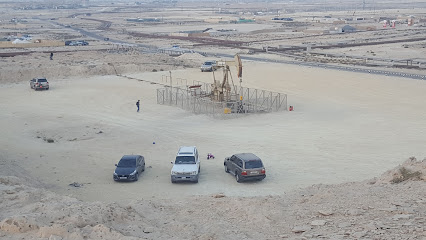
Black panda camp
2.1 km
Discover Bahrain's natural beauty at Black Panda Camp in Askar, offering wildlife exploration and outdoor adventures for all ages.
The Caves
2.2 km
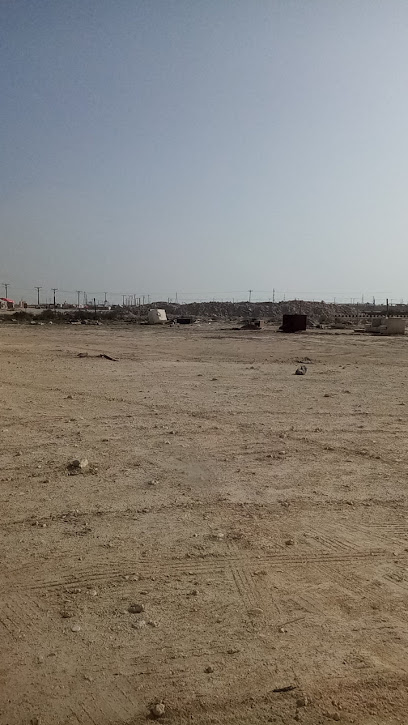
Explore the geological wonders and ancient history of The Caves near Jebel Dukhan, Bahrain, a captivating destination for nature lovers and history enthusiasts alike.
مخيم المعجزة
2.5 km
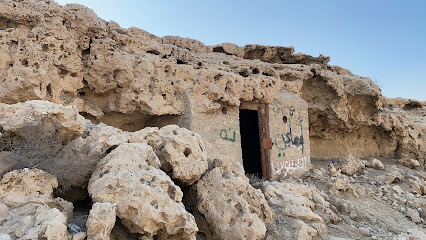
Experience the magic of the desert at مخيم المعجزة, a tranquil camping escape in Bahrain's Sakhir Desert under a starlit sky.
مخيم العظماء
2.7 km
Experience Bahrain's desert charm at Al-Azma Oasis in Jaww: cultural immersion, desert adventures, and tranquil escape await under the starry skies.

Durga Mata Temple, Bramco
3.1 km
A serene Hindu temple in Riffa, Bahrain, dedicated to Goddess Durga, offering a vibrant cultural and spiritual experience.
Oasis Camp مخيم الواحة
3.2 km
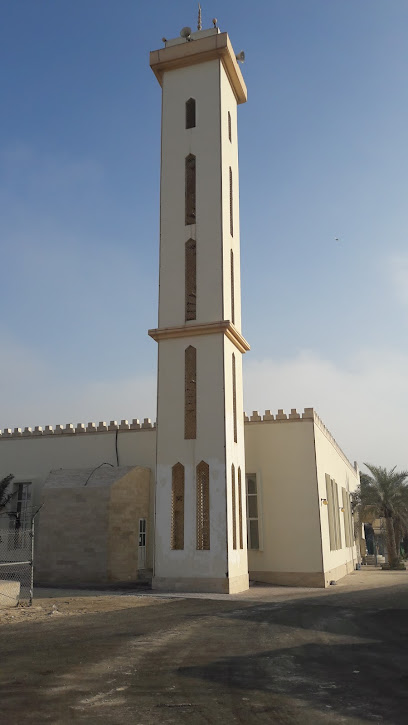
Experience Bahrain's desert charm at Oasis Camp in Jaww: cultural immersion, desert adventures, and Bedouin hospitality await!

Al Dana Amphitheatre
3.6 km
Bahrain's premier entertainment venue, Al Dana Amphitheatre, merges desert scenery with cutting-edge technology for unforgettable events.
مخيم وادي إبراهيم
3.9 km
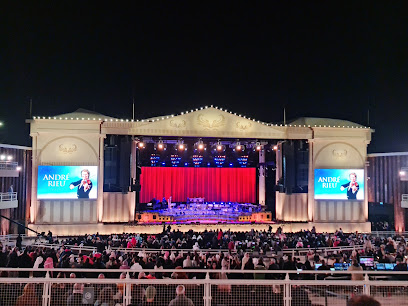
Discover Wadi Ibrahim Camp in Zallaq: A serene Bahraini escape for nature lovers, hikers, and those seeking tranquility away from the city.
Bahrain International Circuit
4.2 km
Experience the thrill of motorsport at Bahrain International Circuit, the Middle East's premier racing destination in the heart of Sakhir.
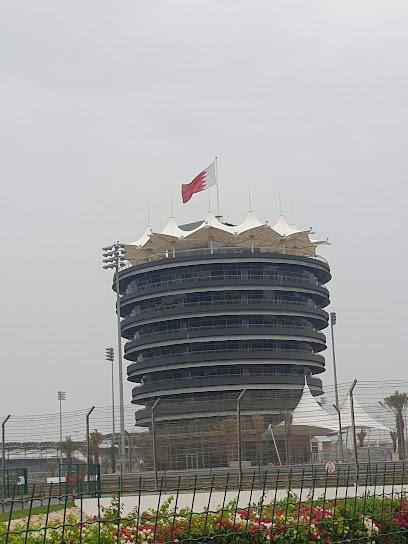
Sakhir Tower
4.2 km
Experience breathtaking panoramic views from Sakhir Tower, Bahrain's architectural marvel at the heart of the Bahrain International Circuit.
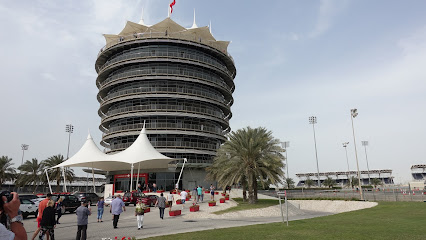
مخيم العودة
4.3 km
Experience Bahrain's cultural heart at مخيم العودة: where tradition meets nature in a breathtaking tourist attraction. Discover local crafts, cuisine, and stories.
Essential places to dine

Rooftop View Bahrain
3.7 km
Experience exquisite dining with breathtaking views at Rooftop View Bahrain—where culinary delight meets stunning scenery.
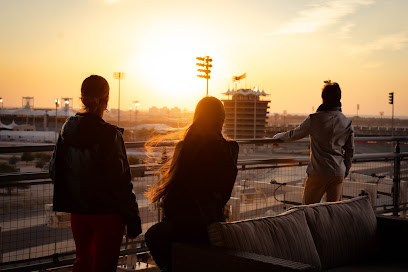
Palma
4.4 km
Experience the vibrant flavors of Bahrain at Palma - where culinary excellence meets warm hospitality in Manama.
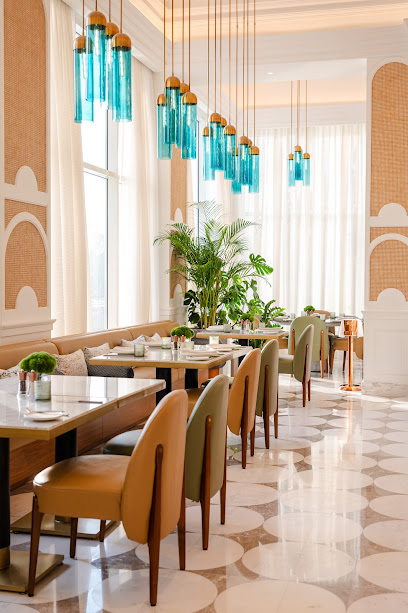
sangeetha
4.4 km
Experience authentic Bahraini flavors at Sangeetha – where every meal is a celebration of culinary excellence.
Panda Cafe
4.4 km
Experience delightful culinary offerings at Panda Cafe in Buhair – where local flavors meet warm hospitality.
مطاعم البحرين
4.4 km
Experience Bahrain's rich culinary heritage at this delightful restaurant in Al Mazrowiah, offering traditional dishes with modern flair.
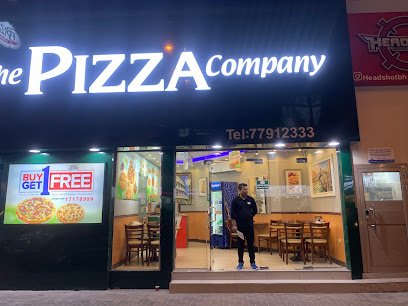
The pizza company busaiteen
4.4 km
Discover the flavors of Italy at The Pizza Company Busaiteen - where every slice tells a story!
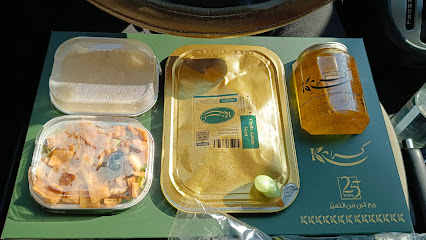
Karami
4.7 km
Experience authentic Bahraini cuisine at Karami in Zallaq—where every dish celebrates tradition and flavor.
FINE CAFFE
4.8 km
Experience exceptional dining at Fine Caffe in Zallaq, where local flavors meet global cuisine in a cozy setting.
بليلة دلمون المفقودة
5.2 km
Experience authentic Bahraini cuisine at بليلة دلمون المفقودة - where tradition meets taste in every dish.

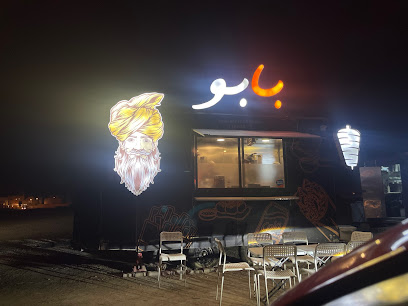
babu shawarma
5.9 km
Discover authentic Middle Eastern cuisine at Babu Shawarma in Zallaq—where every bite tells a story.
Fatma kitchen كيكة ورق عنب
5.9 km
Discover authentic Bahraini cuisine at Fatma Kitchen in Zallaq - a must-visit for food lovers seeking traditional flavors.
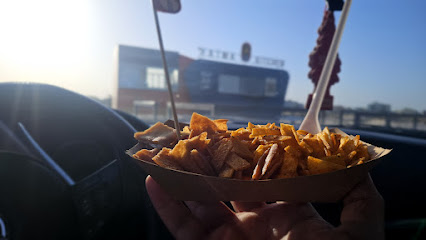
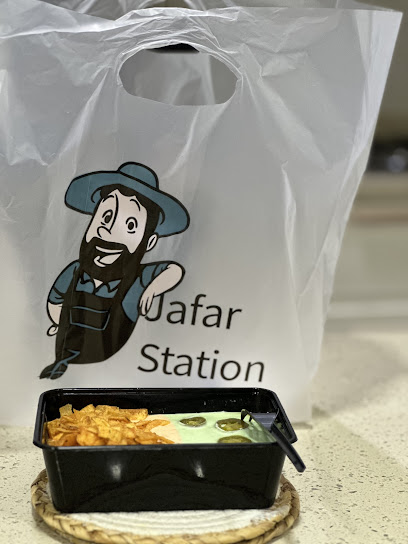
جعفر ستيشن الزلاق
5.9 km
Savor exquisite flavors at جعفر ستيشن الزلاق - a culinary gem offering diverse dishes in an inviting atmosphere.
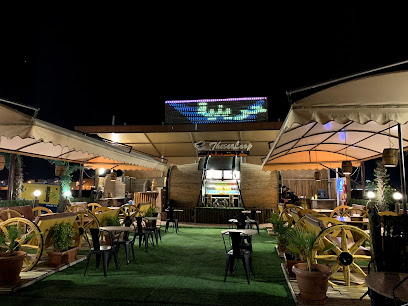
The sea loop
5.9 km
Experience exquisite seafood dining at The Sea Loop in Zallaq, where fresh flavors meet stunning coastal views.
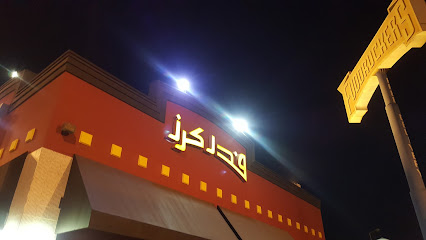
Fuddruckers- Zallaq
5.9 km
Discover Fuddruckers Zallaq: Indulge in gourmet burgers made with fresh ingredients in a lively atmosphere perfect for tourists.
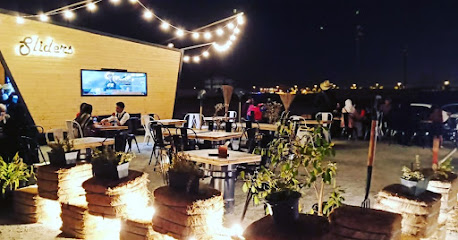
Sliders
5.9 km
Experience the best burgers in Bahrain at Sliders in Zallaq - where flavor meets freshness!
Markets, malls and hidden boutiques

ESSA LOGISTICS (CUSTOM CLEARANCE & TRANSPORT)
1.0 km
Discover efficient customs clearance and transport services at ESSA Logistics in Zallaq, your partner for a seamless travel experience in Bahrain.

الوافي للمواشئ
2.8 km
Explore Wafi Supermarket in Al Mazrowiah for a unique shopping experience filled with fresh produce and local specialties.

BIC Welcome center
4.3 km
Discover the vibrant world of Bahraini fashion at the BIC Welcome Center, your go-to clothing store in Zallaq for unique styles and local flair.
بيت المرحوم راشد محمد جلال
4.4 km
Experience the vibrant fishing culture of Bahrain at Bait Al-Mahroom Rashid Mohammed Jalal, your go-to bait shop for local fishing supplies and expert advice.
nadegda
4.4 km
Uncover vintage fashion and local art at Nadegda, a unique store where every piece holds a story waiting to be discovered.
Pakistan electric and mobile shap
4.4 km
Explore the best in electronics at Pakistan Electric and Mobile Store in Nehar, where local culture meets modern technology.
Al Kahrman
4.4 km
Explore Al Kahrman, a premier leather goods store in ضاحية السيف, offering exquisite craftsmanship and stylish fashion accessories for discerning travelers.
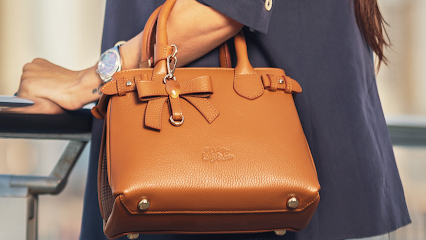
EcoBrim
4.4 km
Explore EcoBrim in Ma'ameer for a unique selection of organic products and a glimpse into sustainable living.

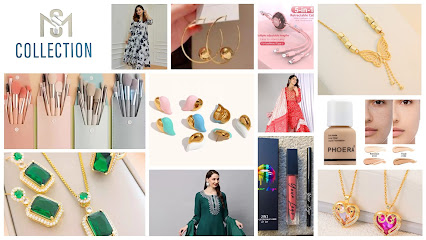
SM COLLECTION WOMENS BEAUTY & FASHION
4.4 km
Explore exquisite jewelry and stylish accessories at SM Collection Women's Beauty & Fashion in Al Fatih, an essential stop for fashion enthusiasts.
Janabiyah- kingdom of Bahrain
4.4 km
Explore Janabiyah, a vibrant grocery hub in Bahrain where local flavors and culinary delights await every visitor.
The Exiles
4.4 km
Explore The Exiles for a unique blend of traditional and contemporary fashion in Bahrain, perfect for every style and occasion.
Bahrain
4.4 km
Explore Bahrain's rich heritage, modern attractions, and vibrant culture, making it a must-visit destination in the Arabian Gulf.
Emirates gift market
4.4 km
Explore the Emirates Gift Market in Al Mazrowiah for authentic Bahraini crafts, traditional clothing, and a rich cultural shopping experience.
البحرين
4.4 km
Explore Bahrain: A Shopping Paradise Blending Modern Luxury with Traditional Charm in a Vibrant Atmosphere.
LuLu
4.4 km
Experience the vibrant shopping atmosphere at LuLu in Al Mazrowiah, where diverse products meet local culture and unique finds await.
Essential bars & hidden hideouts

Hazel
3.7 km
Discover the vibrant nightlife at Hazel in Zallaq, where exquisite drinks and captivating music create an unforgettable bar experience.
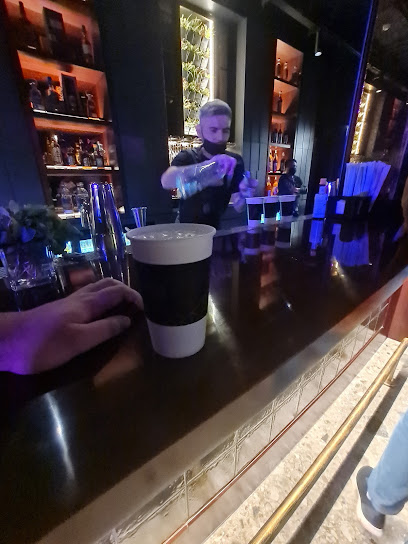
The Dome Lounge
4.3 km
Discover the tranquility and elegance of The Dome Lounge in Zallaq, where relaxation meets stylish ambiance and delightful refreshments.
dfgdf
4.4 km
Explore the vibrant nightlife at this charming bar in Dfgdfg, offering a delightful selection of drinks and a warm atmosphere for all.
Arman Hotel
4.4 km
Experience the cozy ambiance and delightful beverages at the Arman Hotel Bar, a must-visit spot in Al Mazrowiah for relaxation and entertainment.
BBM
4.4 km
Discover the lively ambiance and diverse drink selection at BBM, Bahrain's premier bar for a memorable night out.
هول لاونج
4.4 km
Immerse yourself in the dynamic nightlife of Bahrain at هول لاونج, where great drinks and vibrant ambiance await every visitor.
mohammedanka bar and grills
7.0 km
Experience the authentic flavors of Bahrain at Mohammedanka Bar and Grills, where grilled delights meet a vibrant atmosphere in Dar Kulaib.
Romana Tree Cafeteria
7.0 km
Experience the authentic flavors of Bahrain at Romana Tree Cafeteria, where cozy ambiance meets delightful culinary creations.
Inuit Cafeteria
7.0 km
Discover a culinary haven in Zallaq, where Inuit Cafeteria serves up authentic local flavors in a welcoming atmosphere.
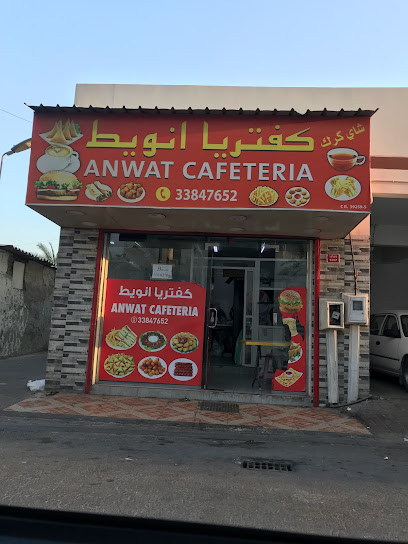
Home
8.6 km
Experience the vibrant local nightlife at the top bar in Hamad Town, where great drinks and friendly faces await you.
ديوآنية الچلوة
8.9 km
Explore the lively ديوآنية الچلوة in Sadad, a bar where local culture meets vibrant nightlife, perfect for drinks and socializing.
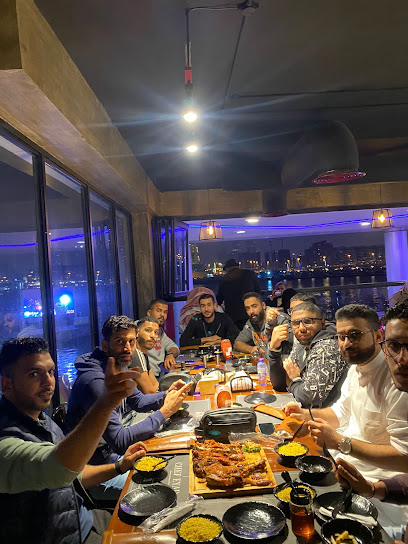
مجلس الحاج احمد علي
10.3 km
Discover the enchanting ambiance of مجلس الحاج احمد علي in Malkiya, a perfect lounge for relaxation and refreshments amidst Bahrain's stunning scenery.
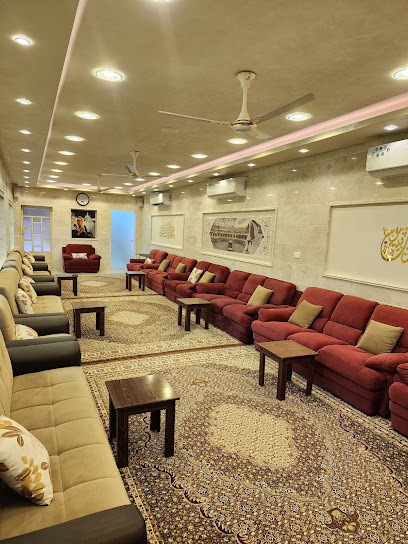
Abu Zakir Grill W.L.L
10.4 km
Experience the best grilled dishes in Riffa at Abu Zakir Grill W.L.L, where authentic flavors meet a vibrant dining atmosphere.
MULTANI RESTAURANT
10.4 km
Discover the lively ambiance and authentic cuisine at Multani Restaurant, a top destination for food lovers in Malkiya.
Bucho's Street Food
11.2 km
Discover the vibrant flavors of Mediterranean cuisine at Bucho's Street Food in West Riffa, Bahrain – a culinary gem for food lovers.
Nightclubs & after hour spots

Giri park
8.1 km
Experience the electrifying nightlife at Giri Park, Al Mazrowiah's top destination for dancing and entertainment.
ali majnoon house
9.1 km
Dive into the vibrant nightlife of Sadad at Ali Majnoon House, where music and energy come alive in the heart of Bahrain.
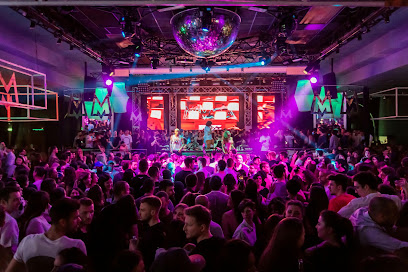
المجرة
15.3 km
Discover tranquility and local flavors at المجرة Lounge in Zayed Town, a perfect spot for relaxation and cultural immersion during your travels.
خايسو
16.7 km
Discover the vibrant nightlife of Salmabad at خايسو, where music, dancing, and unforgettable moments come alive.
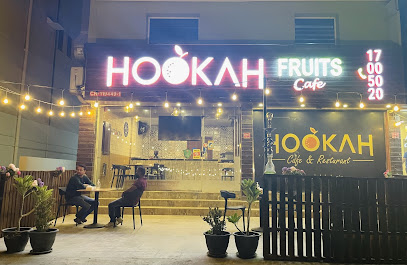
Hookah Fruit Cafe & Restaurant
19.3 km
Experience the ultimate chill at Hookah Fruit Cafe & Restaurant, where flavors meet relaxation in a cozy Saar setting.
Dilmun Club
20.1 km
Discover Saar's social hub, Dilmun Club, where friendly vibes and affordable drinks create the perfect atmosphere for relaxation and fun.
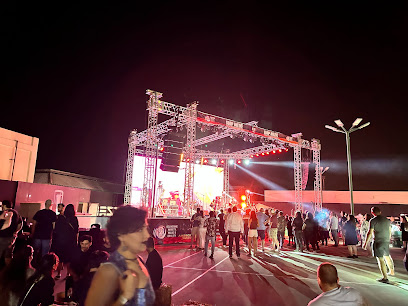
The-Mode
20.5 km
Discover the electrifying nightlife at The-Mode, Shakhurah's top night club with vibrant music and an unforgettable atmosphere.
Highbeats Lounge Rooftop by MEISEI
21.0 km
Discover the vibrant ambiance and stunning skyline views at Highbeats Lounge Rooftop in Manama, where every night is a celebration.
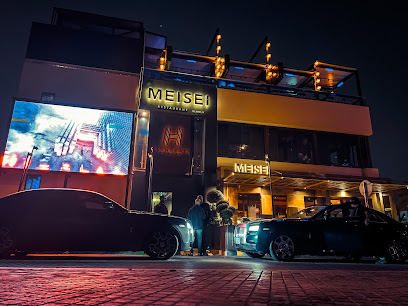
M LOUNGE
21.0 km
Experience the vibrant nightlife of Manama at M LOUNGE, where music, cocktails, and ambiance come together for an unforgettable night out.
Adilya
21.0 km
Experience the vibrant nightlife of Manama at Adilya, where music, energy, and unforgettable moments collide.
Kasko Lounge
21.1 km
Experience the vibrant nightlife at Kasko Lounge, Manama's premier destination for music, dancing, and unforgettable moments.
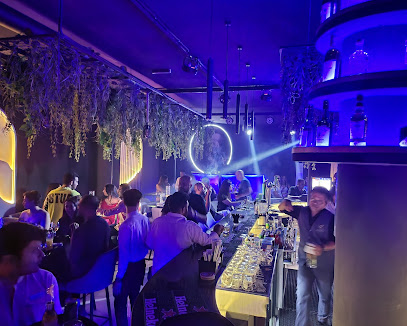
LNT Lounge
21.1 km
Experience the vibrant nightlife of Manama at LNT Lounge, where delicious cuisine meets a lively atmosphere.
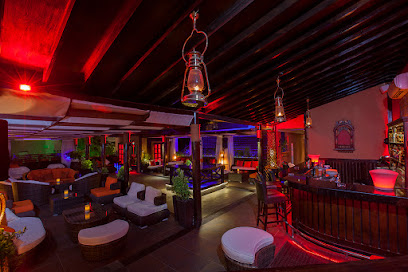
Black truffles
21.1 km
Discover the vibrant nightlife at Black Truffles, Manama's premier night club, featuring electrifying music and a lively atmosphere.
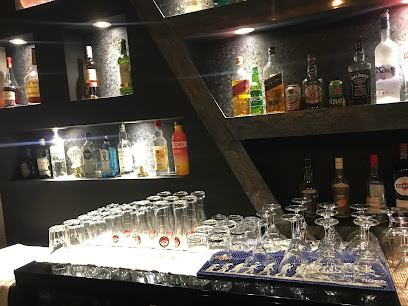
PLAYROOM.bh
21.2 km
Experience the electrifying nightlife of Loudtao at PLAYROOM.bh, the ultimate night club destination for party lovers and music enthusiasts.
جالوريا ٢١
21.2 km
Dive into the vibrant nightlife at جالوريا ٢١, where electrifying music and energetic crowds create unforgettable evenings in Manama.