

Free Isa Town Travel Guide & Mobile App
Plan your Isa Town trip with Evendo. Get free guides to top attractions, restaurants, hotels, and bars. Web access or download the mobile app.


Isa Town, Bahrain, introduces local markets, everyday island life, educational venues, traditional cafés and easy access to Manama, Riffa and southern heritage sites.
A Planned Town in Central Bahrain
Isa Town lies in central Bahrain, south-west of Manama, and offers a more residential view of the kingdom than the capital’s commercial districts. Established in the 1960s and named after Sheikh Isa bin Salman Al Khalifa, the town grew as part of Bahrain’s post-war programme of planned housing and urban expansion. Its broad roads, family neighbourhoods and civic institutions reflect that modern development, while the traditional market preserves a more recognisable connection with older Bahraini town life.Read more about Isa Town
Markets, Education and Local Life
Position for Exploring Bahrain
When is the best time to visit Isa Town?
Best: February–March, December · 23–26°C| Month | High (°C) | Rainfall (mm) |
|---|---|---|
| January | 22 | 0 |
| February (best) | 23 | 0 |
| March (best) | 26 | 0 |
| April | 30 | 0 |
| May | 35 | 0 |
| June | 38 | 0 |
| July | 40 | 0 |
| August | 40 | 0 |
| September | 37 | 0 |
| October | 33 | 0 |
| November | 29 | 0 |
| December (best) | 24 | 0 |
Getting to and around Isa Town
How to get there
Transportation
Best attractions in Isa Town
Isa Town’s principal attraction is its traditional market, a broad commercial area where visitors can browse clothing, household goods, fabrics, food products and everyday items while observing the rhythms of local shopping. The surrounding streets and cafés offer a more ordinary view of Bahrain than the purpose-built tourist districts. Bahrain Polytechnic provides an insight into the kingdom’s contemporary educational landscape, although it is an operating institution rather than a conventional sightseeing venue. Isa Town is also well placed for nearby excursions: Riffa’s Shaikh Salman bin Ahmed Al-Fateh Fort presents a more concentrated historical experience, while Manama’s museums, heritage quarter and waterfront lie to the north. These surrounding sites are outside Isa Town itself, so the town works best as part of a central Bahrain itinerary focused on markets, civic life and the contrast between planned residential districts and older landmark settings.
-
Tourist attraction
Al-Estiqlal Jogging Park
Escape to Al-Estiqlal Jogging Park in Riffa for a refreshing outdoor experience, perfect for relaxation, exercise, and family fun in a tranquil setting.
5 min drive · 1.8 km from city centre
-
City park
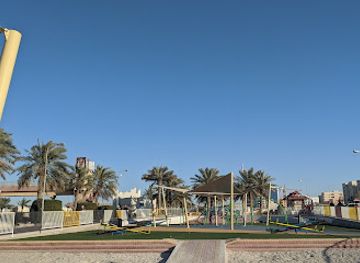
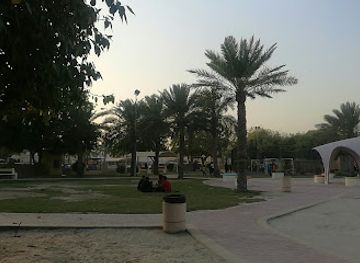
Isa Town Garden
Discover a serene escape in Bahrain's Isa Town Garden: a blend of nature, recreation, and community in a beautifully designed green space.
6 min drive · 1.9 km from city centre
Best landmarks in Isa Town
Isa Town’s landmarks are primarily civic and commercial rather than monumental. Isa Town Market is the clearest physical symbol of the community, combining a traditional trading function with the practical retail life of a planned modern town. Bahrain Polytechnic represents a newer institutional landscape, reflecting the country’s emphasis on technical education and workforce development. The town’s broad roads, residential layouts and public facilities are also significant as examples of Bahrain’s twentieth-century urban planning, even when they are not formal monuments. For older architectural landmarks, visitors can travel nearby to Riffa’s Shaikh Salman bin Ahmed Al-Fateh Fort, a restored historic fort associated with the ruling Al Khalifa family and the history of Riffa. The fort is outside Isa Town and should be understood as a neighbouring landmark rather than part of the town itself.
-
Shopping mall
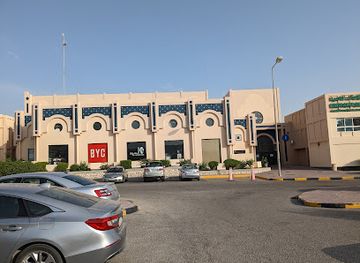
Seef Mall - Isa Town
Experience diverse shopping, dining, and entertainment at Seef Mall Isa Town, a community hub since 1993.
6 min walk · 0.5 km from city centre
-
Park
Al-Estiqlal Jogging Park
Escape to Riffa's green heart: jogging tracks, play areas, and community events await at Al-Estiqlal Jogging Park.
5 min drive · 1.8 km from city centre
-
City park
Isa Town Garden
Discover a tranquil escape in the heart of Isa Town, Bahrain, with lush greenery, vibrant flowers, and peaceful pathways at Isa Town Garden.
6 min drive · 1.9 km from city centre
-
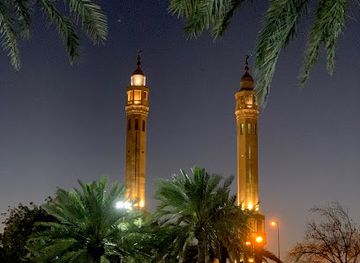
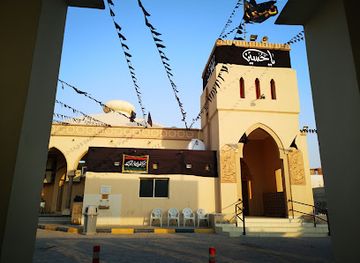
Religious organization
Matam Madinat Isa
Discover the spiritual essence of Isa Town at Matam Madinat Isa, showcasing local culture and stunning architecture in a serene setting.
13 min walk · 1.1 km from city centre
Explore Isa Town on the map
Plan your Isa Town trip on one map. See where the top attractions, landmarks, restaurants, bars and hotels are, find what's near where you're staying, and book hotels and experiences in a few clicks.
Best hotels in Isa Town
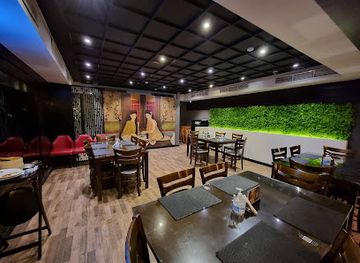
Best restaurants in Isa Town
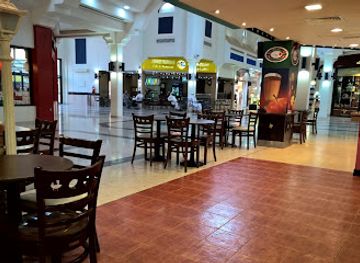
Dining in Isa Town is centred on Bahraini and wider Gulf home-style cooking, casual cafés and practical eateries serving residents rather than a dedicated fine-dining quarter. Visitors may encounter machboos, rice cooked with spiced meat or fish, grilled dishes, stews, flatbreads and sweet treats such as halwa, alongside South Asian and other expatriate influences that are part of Bahrain’s everyday food culture. The market area and nearby commercial streets are useful for informal meals, tea and snacks, while larger restaurant selections are available in Manama and other connected districts. Bahraini coffee and cardamom tea accompany social visits, and seafood remains an important feature of island cuisine even when menus vary from one establishment to another. Dining customs are generally relaxed, though modest dress and consideration for family spaces are appropriate.
-
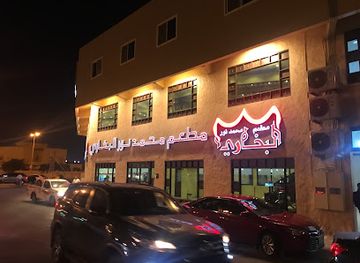
Traditional restaurant
Mohammed Noor Bokhari Restaurant - Isa Town
Experience authentic Bahraini cuisine at Mohammed Noor Bokhari Restaurant – where tradition meets flavor in every dish.
7 min walk · 0.6 km from city centre
-
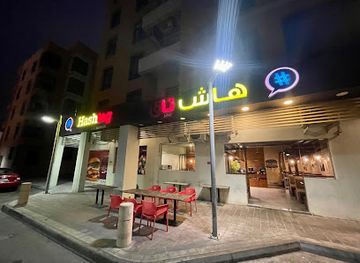
Hamburger
Hashtag Burger
Experience mouthwatering gourmet burgers in Isa Town at Hashtag Burger - where flavor meets fun in every bite.
3 min walk · 0.3 km from city centre
-
Thai
Eathai Bahrain
Experience authentic Thai cuisine at Eathai Bahrain, where every dish tells a story of flavor and tradition in Isa Town.
4 min walk · 0.3 km from city centre
-
Restaurant
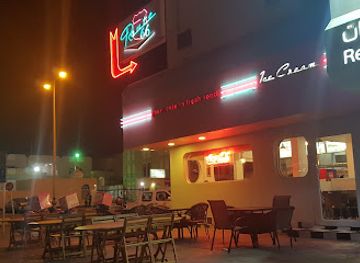
Route 66 Restaurant
Discover delicious hamburgers and vibrant atmosphere at Route 66 Restaurant in Isa Town - a must-visit dining destination for food lovers.
16 min walk · 1.2 km from city centre
Best bars in Isa Town
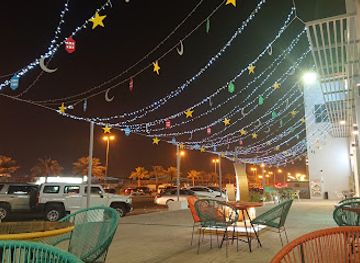
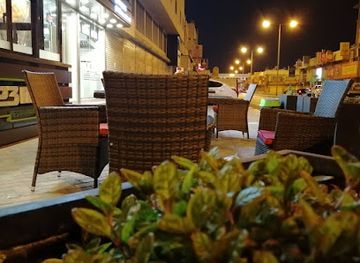
Isa Town is not one of Bahrain’s main nightlife centres, and its evening life is more strongly associated with cafés, family restaurants, shopping and social visits than with nightclubs. After sunset, local commercial streets become more comfortable for strolling in cooler weather, while cafés provide settings for tea, coffee and conversation. Visitors seeking licensed bars, hotel lounges, live entertainment or a larger choice of late-night venues generally look towards Manama, Adliya, Juffair or Seef rather than staying within Isa Town. Evening cultural activity in Bahrain can also include performances and events in the capital’s theatres and arts spaces, depending on the calendar. Alcohol regulations and venue policies vary, and visitors should follow local law and the guidance of each establishment.
-
Thai
Eathai Bahrain
Experience authentic Thai flavors at Eathai Bahrain, a must-visit culinary destination in Isa Town, offering a delightful atmosphere and diverse menu.
4 min walk · 0.3 km from city centre
-
Restaurant
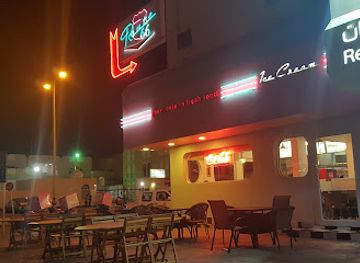
Route 66 Restaurant
Experience the taste of America at Route 66 Restaurant in Isa Town, where every burger tells a story and every meal is a celebration.
16 min walk · 1.2 km from city centre
-
Restaurant
Villa Rosa Pizzeria & Restaurant
Discover authentic Italian flavors at Villa Rosa Pizzeria & Restaurant, a culinary gem in Isa Town's Seef Mall, perfect for family outings and casual dining.
5 min walk · 0.4 km from city centre
-
Restaurant
123 Max Restaurant
Experience a culinary journey at 123 Max Restaurant in Isa Town, where Bahraini flavors meet international cuisine in a vibrant setting.
7 min walk · 0.6 km from city centre
Best nightclubs in Isa Town
Isa Town is not one of Bahrain’s main nightlife centres, and its evening life is more strongly associated with cafés, family restaurants, shopping and social visits than with nightclubs. After sunset, local commercial streets become more comfortable for strolling in cooler weather, while cafés provide settings for tea, coffee and conversation. Visitors seeking licensed bars, hotel lounges, live entertainment or a larger choice of late-night venues generally look towards Manama, Adliya, Juffair or Seef rather than staying within Isa Town. Evening cultural activity in Bahrain can also include performances and events in the capital’s theatres and arts spaces, depending on the calendar. Alcohol regulations and venue policies vary, and visitors should follow local law and the guidance of each establishment.
-
 Lounge
المجرة
Discover tranquility and local flavors at المجرة Lounge in Zayed Town, a perfect spot for relaxation and cultural immersion during your travels.
18 min walk · 1.4 km from city centre
-
Night club
خايسو
Discover the thrilling nightlife at خايسو, a premier night club in Salmabad, where music and excitement blend into unforgettable nights.
7 min drive · 2.3 km from city centre
Best shops in Isa Town
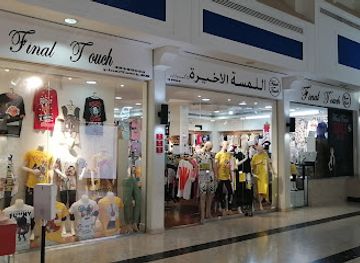
Shopping in Isa Town is closely associated with its traditional market, where small retailers and stalls cater to everyday needs rather than presenting a polished luxury-shopping environment. Visitors can browse clothing, textiles, household goods, accessories, food products and practical souvenirs, with the market’s appeal lying in its local scale and informal atmosphere. Small shops and cafés around the commercial area add to the experience, while larger malls and international retail are more readily found in Manama and other parts of Bahrain. Traditional food products, spices, dates, sweets and Bahraini-style textiles can make more meaningful purchases than generic souvenirs, although stock and payment options vary between traders. Bargaining may be possible in some independent shops, but it should be approached politely rather than assumed.
-
Shopping mall
Seef Mall - Isa Town
Explore Seef Mall in Isa Town, Bahrain’s vibrant shopping destination featuring an array of shops, dining options, and family-friendly entertainment.
6 min walk · 0.5 km from city centre
-
Hypermarket
Carrefour Market Isa Town
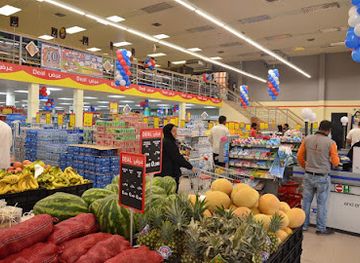
Explore Carrefour Market in Isa Town for a diverse shopping experience featuring local delights and international favorites that cater to every taste.
15 min walk · 1.2 km from city centre
-
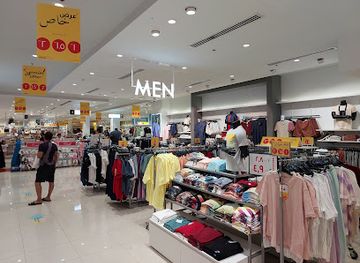
Clothing store
REDTAG
Discover stylish clothing and accessories for everyone at REDTAG in Isa Town Mall, where quality meets affordability.
6 min walk · 0.5 km from city centre
-
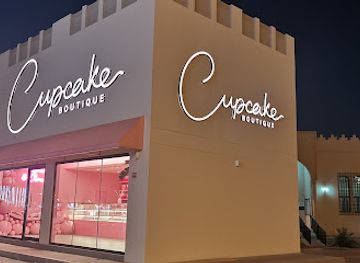
Cake shop
Cupcake Boutique
Discover the sweetest escape at Cupcake Boutique in Isa Town, where every bite of gourmet cupcakes and treats promises a delightful experience.
6 min walk · 0.5 km from city centre
Get your free copy of our complete guide to Isa Town, delivered straight to you.
Everything on this page, from attractions and restaurants to essentials and local phrases, in one PDF you can read offline, print or share.
Already have an account? Sign in
Your Isa Town guide is ready.
We'll send it to · Not you? Sign out

Getting your guide ready…
We are putting together a fresh copy of the Isa Town guide. This can take up to a minute.
This can take a few moments. If your browser asks, choose Allow so the download can start. You'll find the guide in your Downloads folder.
Nothing happened? Download it again
Sorry, the guide is taking longer than usual. Please try again in a minute, or get it by email instead.
Isa Town essentials
Currency and Payment
Safety
Emergency Situations
Do's and Don'ts
Local Tips
From Eve
Local phrases worth knowing
You don't need to get them perfect. A few words go a long way, and locals appreciate the effort.
Basics
| English | Local | Say it |
|---|---|---|
| Hello | مرحبا | [Marhaba] |
| Goodbye | وداعا | [Wada'an] |
| Yes | نعم | [Na'am] |
| No | لا | [La] |
| Please/You're welcome | من فضلك | [Min fadlik] |
| Thank you | شكرا لك | [Shukran lak] |
| Excuse me/Sorry | عذرا | [Athan] |
| How are you? | كيف حالك؟ | [Kayfa halak?] |
| Fine. And you? | بخير. وأنت؟ | [Bikhair. Wa ant?] |
| Do you speak English? | هل تتكلم الإنجليزية؟ | [Hal tatakallam al'injlizia?] |
| I don't understand | أنا لا أفهم | [Ana la afham] |
Eating & Drinking
| English | Local | Say it |
|---|---|---|
| I'd like to see the menu, please | أرغب في رؤية القائمة، من فضلك | [Uridu an ara alqaimah, min fadlik] |
| I don't eat meat | أنا لا آكل اللحم | [Ana la aakul allahm] |
| Cheers! | في صحتك! | [Fi sahtak!] |
| I would like to pay, please | أود أن أدفع، من فضلك | [Awaddu an adfa', min fadlik] |
Emergencies
| English | Local | Say it |
|---|---|---|
| Help! | النجدة! | [Alnajdah!] |
| Go away! | اذهب بعيدا! | [Ithhab ba'eedan!] |
| Call the Police! | اتصل بالشرطة! | [Itsal bialshurta!] |
| Call a doctor! | اتصل بطبيب! | [Itsal batabib!] |
| I'm lost | لقد ضللت الطريق | [Laqad dalalt altariq] |
| I'm ill | أنا مريض | [Ana mareed] |
Shopping
| English | Local | Say it |
|---|---|---|
| I'd like to buy... | أرغب في شراء... | [Uridu an ashtari...] |
| I'm just looking | أنا فقط أتطلع | [Ana faqat atatallaa] |
| How much is it? | كم سعره؟ | [Kam sa'ruhu?] |
| That's too expensive | هذا غالي جدا | [Hatha ghali jiddan] |
| Can you lower the price? | هل يمكنك خفض السعر؟ | [Hal yumkinuka khafd alsu'ur?] |
Time & Numbers
| English | Local | Say it |
|---|---|---|
| What time is it? | كم الساعة؟ | [Kam alsaa'ah?] |
| It's one o'clock | الساعة الواحدة | [Alsaa'ah alwahidah] |
| Half past (10) | الساعة العاشرة والنصف | [Alsaa'ah al'ashirah walnisf] |
| Morning | الصباح | [Assabah] |
| Afternoon | بعد الظهر | [Ba'd althuhr] |
| Evening | المساء | [Almasa'] |
| Yesterday | أمس | [Ams] |
| Today | اليوم | [Alyawm] |
| Tomorrow | غدا | [Ghadan] |
| 1 | واحد | [Wahid] |
| 2 | اثنان | [Ithnan] |
| 3 | ثلاثة | [Thalatha] |
| 4 | أربعة | [Arba'a] |
| 5 | خمسة | [Khamsa] |
| 6 | ستة | [Sitta] |
| 7 | سبعة | [Sab'a] |
| 8 | ثمانية | [Thamania] |
| 9 | تسعة | [Tisa'a] |
| 10 | عشرة | [Ashara] |
Transport & Directions
| English | Local | Say it |
|---|---|---|
| Where's a/the...? | أين ...؟ | [Ayna ...?] |
| What's the address? | ما هو العنوان؟ | [Ma huwa al'unnwan?] |
| Can you show me (on the map)? | هل يمكنك أن تريني (على الخريطة)؟ | [Hal yumkinuka an tureeni (ala alkhareetah)?] |
| When's the next (bus)? | متى يأتي الحافلة القادمة؟ | [Mata ya'ti alhaflah alqadimah?] |
| A ticket (to ....) | تذكرة (إلى ....) | [Tathkirah (ila ....)] |
History of Isa Town
The Island Before Modern Isa Town
The area now known as Isa Town formed part of Bahrain’s settled island landscape before the establishment of the modern town. Bahrain’s communities historically developed around oases, coastal settlements and agricultural land, with date palms, wells and small-scale cultivation shaping life away from the old commercial centres of Manama and Muharraq. Political authority rested with the Al Khalifa dynasty from the late eighteenth century, while pearling, fishing, trade and agriculture supported the island’s economy. Isa Town does not preserve a large ancient or medieval quarter, because its present urban form belongs chiefly to the period of twentieth-century planning and expansion. Its history is therefore best understood within Bahrain’s broader transition from village-based settlement to a connected modern state.
A Planned Town in the 1960s
Isa Town was established in the 1960s during a period when Bahrain was expanding public housing and reorganising settlement beyond the older urban cores. The town was named after Sheikh Isa bin Salman Al Khalifa, who became ruler in 1961 and remained in office until 1999. Its layout reflected new ideas about planned neighbourhoods, with residential areas, roads, schools and public services arranged for a growing population. This development formed part of Bahrain’s wider social transformation as oil revenues supported infrastructure, education and healthcare. Rather than growing gradually from a historic souq or port, Isa Town emerged as a purpose-built community intended to accommodate families within an increasingly modernising kingdom.
Education and National Development
As Bahrain developed its state institutions during the second half of the twentieth century, Isa Town became associated with schools, training and public facilities. This role reflects the kingdom’s wider investment in education after the oil economy began to change patterns of employment and social mobility. The town’s identity was shaped less by a single historic monument than by the institutions serving its residents and the surrounding districts. Bahrain Polytechnic’s presence continues that educational association, linking Isa Town with technical and vocational learning. The growth of these facilities also helped connect the town to national economic priorities, including the preparation of a workforce for industry, administration and newer service sectors.
Bahrain’s Constitutional Transformation
Isa Town’s modern history unfolded alongside Bahrain’s changing political framework. The country became independent from Britain in 1971, and the first constitution of the independent state was promulgated in 1973. After a period in which the National Assembly was suspended, political reforms under Sheikh Hamad bin Isa Al Khalifa led to the National Action Charter in 2001 and a constitutional monarchy in 2002. These national developments affected public administration, civic expectations and the organisation of urban communities throughout Bahrain, including planned towns such as Isa Town. The town’s broad residential fabric and public institutions belong to this wider era of state-building rather than to a dynastic or colonial historic centre.
Contemporary Central Bahrain
In the twenty-first century, Isa Town has remained a primarily residential and civic community within Bahrain’s increasingly connected urban network. Roads, schools, sports facilities, educational campuses and retail areas link it closely with Manama, Riffa and other parts of the island. The Isa Town Market continues to provide a visible local focus, while newer commercial patterns and changing transport habits have altered how residents shop and socialise. The town’s significance lies in this mixture of planned neighbourhoods and everyday commerce: it shows how Bahrain’s urban growth extended beyond the historic seafront settlements and created communities designed for contemporary family life.
Isa Town in Photos
Browse through our photo collection highlighting the charm and character of the destination.
Cities near Isa Town
The closest cities to Isa Town, if you have time for more than one stop.
-

-

-

-

-


Swipe for more cities
Explore more

Explore more of Bahrain
Discover Bahrain, where modernity meets history, from bustling markets to ancient ruins, and from luxurious shopping to serene beaches.
Explore Bahrain