Background

Barbar Temple: Echoes of the Dilmun Civilization

Explore the ancient wonders of the Barbar Temple in Bahrain, a UNESCO World Heritage Site and a testament to the Dilmun civilization's rich history and religious practices dating back millennia.

4

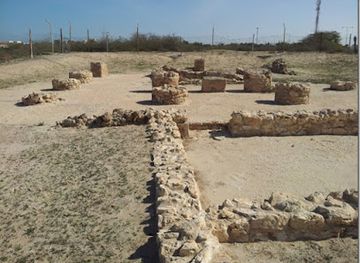
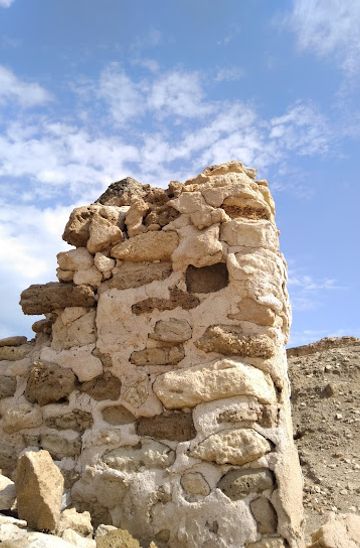
The Barbar Temple, nestled in the village of Barbar, Bahrain, is an extraordinary archaeological site that transports visitors back to the Dilmun civilization, which thrived over 4,000 years ago. This UNESCO World Heritage Site comprises three temples built successively atop one another, each layer revealing advancements in design and spiritual practices. Dedicated to Enki, the Mesopotamian god of wisdom and freshwater, the temple complex offers a glimpse into ancient rituals, architectural innovation, and mythological beliefs. Explore the temple's limestone foundations, sacred spring, and stone courtyards, and learn about the Dilmun civilization's pivotal role as a trade hub connecting Mesopotamia and the Indus Valley. A visit to the Barbar Temple is a captivating journey into Bahrain's rich and ancient past, offering a unique and memorable experience for history enthusiasts and culture seekers alike.

A brief summary to Barbar Temple

Local tips

  • Visit during the cooler months (November to February) for a more comfortable experience, as Bahrain experiences extremely hot temperatures during the summer.
  • Wear comfortable shoes suitable for walking on uneven terrain, as the site involves exploring ancient ruins.
  • Bring sunscreen, a hat, and plenty of water, as there is limited shade available at the site.
  • Consider hiring a local guide for a more in-depth understanding of the temple's history and significance.
  • Check for any special events or exhibitions that may be taking place during your visit to enhance your experience.
widget icon

Getting There

  • Taxi/Ride-Share

    From Manama, the most convenient way to reach the Barbar Temple is by taxi or ride-sharing service. The journey typically takes around 15-20 minutes, depending on traffic. A taxi from Manama to Barbar Temple will cost approximately 15-18 BHD. Direct the driver towards Barbar village, north of Manama, near the Budaiya Highway. Landmarks to watch for include the turnoff to Diraz; the temple is a short distance from there. Parking is available near the temple entrance.

  • Public Transport

    To reach the Barbar Temple by public transport from Manama, head to the Manama Central Bus Station. Take bus X2 or X3 towards Budaiya Highway. The bus ride takes approximately 30-40 minutes. Get off at the Budaiya Highway-9/Markh bus stop, which is the closest to the temple. From the bus stop, it is a short 3-minute walk (157 meters) to the temple. The bus fare is minimal, typically less than 1 BHD. Note that bus schedules may be infrequent, so check the timings in advance.

Unlock the Best of Barbar Temple

Buy tickets

    No tickets available

Book tours with entry

    No tours available

Book tours without entry

    No tours available

Discover more about Barbar Temple

The Barbar Temple, located in the village of Barbar in Bahrain, is an archaeological treasure that offers a profound connection to the ancient Dilmun civilization. Dating back to the 3rd and 2nd millennia BC, this temple complex is not just a collection of stones; it's a layered narrative of religious practices, architectural evolution, and the cultural exchange that defined this region for centuries. Originally discovered by Danish expeditions in the 1950s and 60s, and later re-excavated by the Department of Antiquities and Museums in 1983, the Barbar Temple is, in fact, three temples built successively on the same sacred site. This unique construction provides archaeologists and visitors with a rare opportunity to witness the development of religious architecture and understand the changing beliefs of the Dilmun people. The first temple, constructed around 2100 BCE, was built on a rectangular platform of sand and clay. The subsequent temples, built a century later, showcase more sophisticated designs, including altars and a freshwater well, indicating the importance of water in their religious practices. The third temple, while sharing the same sacred ground, exhibits distinct differences, suggesting an evolution in religious beliefs and practices. The architectural style of the Barbar Temple bears a striking resemblance to Sumerian temples in Mesopotamia, indicating a strong cultural and religious connection between the two civilizations. This connection is further supported by the discovery of a copper bull's head at the site, a symbol of strength and fertility that was significant in Sumerian culture. The temple complex is organized around a central courtyard, which likely served as a gathering place for religious ceremonies and rituals. A sunken chamber enclosing a freshwater spring forms the focal point of the cult, believed to be associated with Enki, the Mesopotamian god of wisdom and sweet water. This sacred spring highlights the importance of water in the Dilmun civilization, not only as a life-sustaining resource but also as a symbol of purity and divinity. Excavations at the Barbar Temple have unearthed a wealth of artifacts, including pottery, copper items, and jewelry, providing valuable insights into the daily lives and religious practices of the Dilmun people. These artifacts, along with the temple's architectural features, offer a tangible connection to a civilization that played a crucial role in ancient maritime trade routes, linking Mesopotamia and the Indus Valley. Visiting the Barbar Temple is more than just a sightseeing trip; it's a journey through time that allows you to connect with the spiritual heart of the Dilmun civilization. As you walk through the ruins, imagine the priests and worshippers who once gathered here, performing rituals and offering prayers to their gods. Feel the weight of history beneath your feet and marvel at the ingenuity and artistry of the people who built this sacred place. To enhance your visit, consider joining a guided tour led by knowledgeable archaeologists and historians. These tours provide in-depth information about the temple's history, architecture, and significance, as well as the Dilmun civilization and its place in the ancient world. Be sure to wear comfortable shoes, as you'll be walking on uneven terrain while exploring the ruins. And don't forget to bring water and sun protection, especially during the hotter months, as the site has limited shade. The Barbar Temple stands as a testament to the enduring power of human civilization and the importance of preserving our cultural heritage. It's a place where history comes alive, where you can connect with the past and gain a deeper understanding of the world we live in today. Beyond the historical and archaeological significance, the Barbar Temple offers a tranquil and serene atmosphere, perfect for quiet reflection and contemplation. The surrounding landscape, with its lush greenery and palm trees, adds to the sense of peace and tranquility, making it an ideal escape from the hustle and bustle of modern life. The ongoing archaeological discoveries and the government's focus on tourism have made Barbar a significant spot in Bahrain's cultural and tourist map. Integrating its rich past with modern amenities, Barbar now serves as a bridge between the ancient and the new, offering insights into the continual evolution of Bahraini society. Whether you're a history buff, an archaeology enthusiast, or simply someone who appreciates the beauty and wonder of the ancient world, the Barbar Temple is a must-visit destination in Bahrain. It's a place where you can explore the mysteries of the Dilmun civilization, connect with the spiritual heart of the region, and create memories that will last a lifetime.

Popular Experiences near Barbar Temple

Popular Hotels near Barbar Temple

Select Currency