

Shalban Bihar, Comilla Travel Guide
Free Guide: Explore Shalban Bihar, an 8th-century Buddhist monastery in Comilla, Bangladesh, revealing ancient Bengal's rich history and serene beauty within its well-preserved ruins.


A brief summary of Shalban Bihar
Explore Shalban Bihar, an 8th-century Buddhist monastery in Comilla, Bangladesh, revealing ancient Bengal's rich history and serene beauty within its well-preserved ruins.
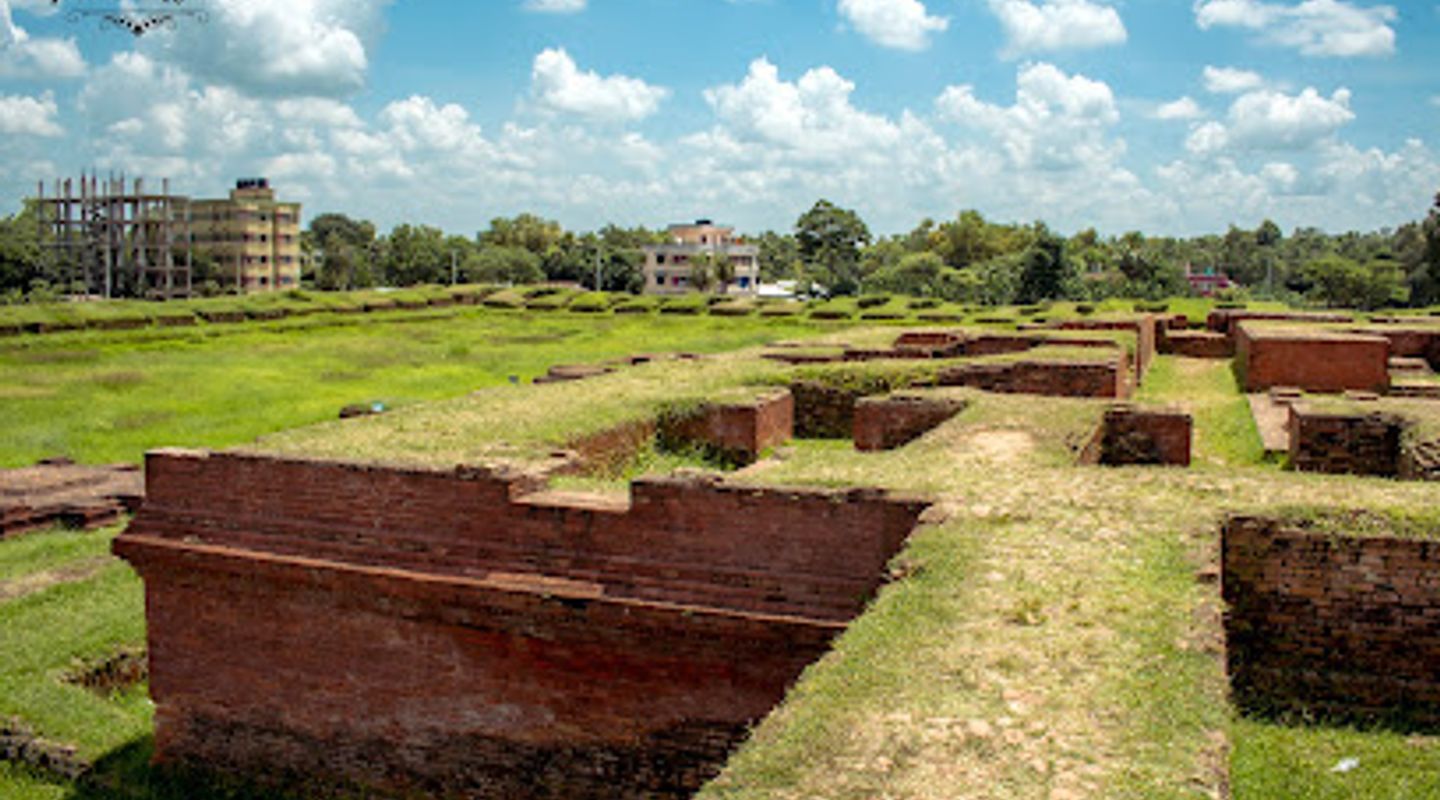
Shalban Bihar, located near Comilla, Bangladesh, is an 8th-century archaeological marvel, offering a captivating glimpse into the region's rich Buddhist past. As part of the Mainamati-Lalmai complex, this ancient monastery features well-preserved ruins, including a central shrine, monastic cells, and stupas, all set amidst a serene landscape. Wander through the remains of this once-thriving center of learning and spirituality, imagining the lives of the monks who once resided within its walls. The intricate carvings and architectural details provide insight into the artistic and cultural achievements of ancient Bengal. A visit to Shalban Bihar is not just a historical excursion; it's an immersive experience that connects you to the spiritual heritage of the region, making it a must-see destination for history enthusiasts and cultural explorers alike. Don't miss the Mainamati Museum nearby, which houses artifacts unearthed from the site, providing further context to your visit.
Opening hours
- Mon–Sat9 am–5 pm
- SunClosed
Opening hours as listed on the venue’s Google Business Profile. Hours can change for services and special events, so check with the venue before you go.
- Address
- Comilla Univ Rd, Shalmanpur 3506
- Phone
- Website
Getting there
Public Transport
Taxi/Ride-Share
Driving
Discover more about Shalban Bihar
Overview
Shalban Bihar, an ancient Buddhist monastery located in Mainamati, near Comilla, Bangladesh, stands as a significant testament to the region's rich historical and cultural heritage. Dating back to the 8th century, this archaeological site offers visitors a captivating journey into the world of ancient Bengal and its deep-rooted Buddhist traditions. Originally known as Shalban Rajar Bari, the site was later identified as Shalban Vihara following archaeological excavations that unearthed terracotta seals and copper plates. These discoveries revealed that the monastery was founded by Bhava Deva, the fourth ruler of the Early-Deva dynasty, during the 7th to 8th centuries AD. The name 'Shalban' is derived from the once-dense forests of Sal and Ghazari trees that surrounded the area. The monastery complex is a large, square structure, with each side measuring approximately 167.7 meters. Its design follows the traditional Paharpur-style Buddhist Bihar architecture, featuring 115 monastic cells arranged around a central courtyard. These cells, once the living quarters for Buddhist monks, provide a fascinating glimpse into their daily lives and religious practices. Each cell originally had three niches in the walls to hold idols or oil lamps. The central shrine, located in the heart of the complex, is a focal point of Shalban Bihar. Over the centuries, six different structures were built successively on the same spot, each reflecting evolving architectural styles and influences. The remains of the first two periods lie beneath the cruciform shrine of the third period, showcasing the transformation of Buddhist stupa architecture into Hindu temple designs. This cruciform shrine, with its chapels in the projecting arms, is a remarkable architectural piece. Archaeological excavations at Shalban Bihar have unearthed a wealth of artifacts, providing valuable insights into the region's history, culture, and religious practices. These discoveries include approximately 400 gold and silver coins, bronze and clay idols, eight copperplate inscriptions, seals, and numerous terracotta plaques. Many of these artifacts are now housed in the Mainamati Museum, located nearby, offering visitors a chance to delve deeper into the site's history and significance. Beyond the main monastery complex, excavations have revealed several subsidiary structures, including a community dining hall, shrines, chapels, and votive stupas. These structures highlight the vibrant monastic life that once thrived within Shalban Bihar's walls. Visiting Shalban Bihar is an immersive experience that transports you back in time. As you wander through the ruins, you can almost hear the echoes of ancient chants and the footsteps of monks who dedicated their lives to learning and spiritual practice. The serene atmosphere and lush greenery surrounding the site create a tranquil setting for contemplation and reflection. The architectural style of Shalban Bihar is a testament to the ingenuity and artistic skills of the artisans of ancient Bengal. The intricate carvings, the layout of the monastic cells, and the design of the central shrine all reflect a unique blend of Buddhist and local influences. Shalban Bihar played a crucial role in the spread of Buddhism in the region, serving as a center of learning and religious practice. Its influence extended beyond its walls, shaping the cultural landscape of ancient Bengal and contributing to the development of Buddhist art and architecture in Southeast Asia. Today, Shalban Bihar stands as a protected archaeological site, attracting tourists, scholars, and history enthusiasts from around the world. Its well-preserved ruins offer a tangible connection to the past, allowing visitors to appreciate the rich heritage of Bangladesh and its contribution to the world's cultural tapestry. A visit to Shalban Bihar is not just about seeing ancient ruins; it's about experiencing the spirit of a bygone era, connecting with the traditions and beliefs of those who came before us, and gaining a deeper understanding of the human story. It's a journey that will leave you with a sense of wonder, appreciation, and a renewed respect for the power of history and culture. To enhance your visit, consider exploring the nearby Mainamati Museum, which houses a remarkable collection of artifacts unearthed from Shalban Bihar and other archaeological sites in the region. The museum provides valuable context and insights into the history and significance of these sites, enriching your overall experience. Whether you are a history buff, an architecture enthusiast, or simply a traveler seeking a unique and meaningful experience, Shalban Bihar is a destination that will captivate your senses and leave a lasting impression. Come and discover the echoes of ancient Bengal in this remarkable archaeological treasure.
Evendo Review Centre
 Google
Guest reviews
Explore Shalban Bihar on the map
A handpicked selection of must-see spots near Shalban Bihar, mapped for you.
Get your free copy of our complete guide to Shalban Bihar, delivered straight to you.
Everything on this page, from opening hours and how to get there to Eve’s tips and the best time to go, in one PDF you can read offline, print or share.
Already have an account? Sign in
Your Shalban Bihar guide is ready.
We'll send it to · Not you? Sign out

Getting your guide ready…
We are putting together a fresh copy of the Shalban Bihar guide. This can take up to a minute.
This can take a few moments. If your browser asks, choose Allow so the download can start. You'll find the guide in your Downloads folder.
Nothing happened? Download it again
Sorry, the guide is taking longer than usual. Please try again in a minute, or get it by email instead.
Unlock the best of Shalban Bihar
Skip-the-line tickets, guided tours with entry, and walking tours of the area, booked in a few clicks.


Other nearby places you may find interesting
The closest places of the same kind, if this one is not quite what you had in mind.
-
-
-
-
-


Swipe for more places
More to explore near Shalban Bihar

 Best experiences near Shalban Bihar
 Best hotels near Shalban Bihar
 Best landmarks near Shalban Bihar
 Best attractions near Shalban Bihar
 Best shops near Shalban Bihar
 Best restaurants near Shalban Bihar
 Best bars near Shalban Bihar
Do you manage this location?
Take control to get all the benefits, like improved information, better appearance, and stronger visibility across AI-powered discovery.
Explore more

Explore more of Comilla
Explore Comilla, Bangladesh: A city rich in history, culture, and natural beauty, offering ancient ruins, serene lakes, and delicious local cuisine.
Explore Comilla
Explore more of Bangladesh
Discover Bangladesh: A land of rivers, rich culture, and breathtaking landscapes. Explore ancient sites, vibrant cities, and the unique flavors of this South Asian gem.
Explore Bangladesh
