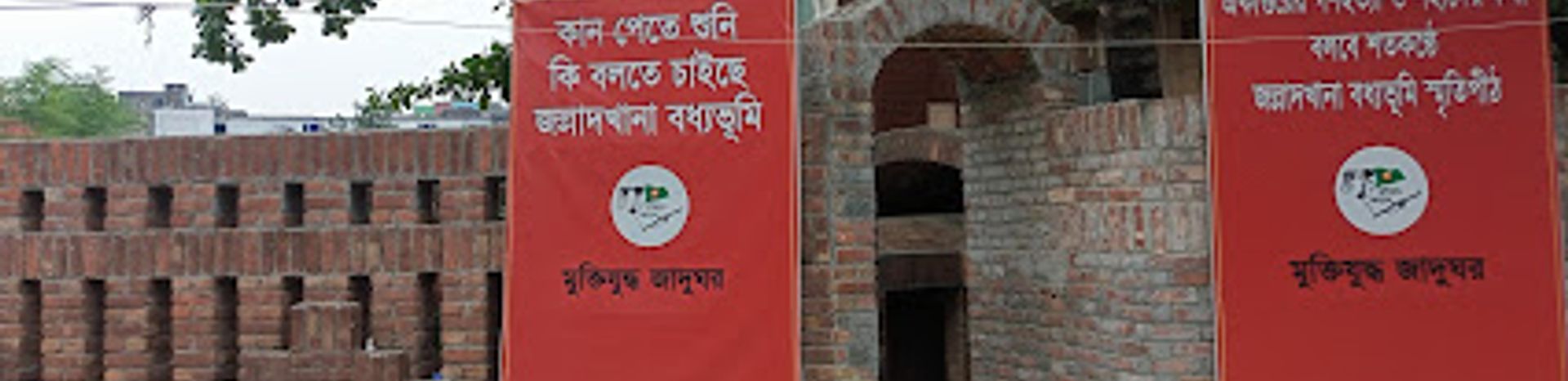
Jalladkhana Killing Field: A Memorial to Atrocities
A poignant memorial in Dhaka, Bangladesh, commemorating the victims of the 1971 Liberation War and standing as a testament to the resilience of the Bengali people.
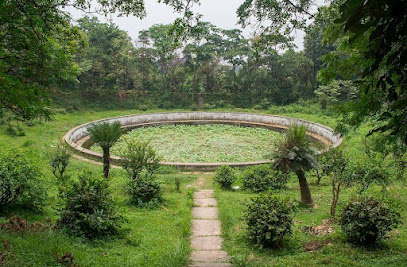
Jalladkhana Killing Field, also known as the Butcher's Den, stands as a chilling reminder of the 1971 Bangladesh Liberation War. Located in Mirpur, Dhaka, this site was used by the Pakistani Army and their local collaborators to systematically execute and dispose of thousands of Bengali people. Excavations in 1999 unearthed a mass grave containing skulls, bones, and personal belongings of the victims, transforming the area into a memorial. Today, visitors can reflect on the poignant history, view recovered artifacts, and pay respects to those who perished. The site serves as a place of remembrance, education, and a call for justice, ensuring that the sacrifices made during the war are never forgotten. It is a place to reflect on the cost of freedom and the importance of standing against oppression, offering a somber yet essential experience for anyone seeking to understand the history of Bangladesh.
A brief summary to Jalladkhana Killing Field
- R96G+F33, Dhaka, Mirpur, 1216, BD
Local tips
- Visit during the cooler months (November to February) for a more comfortable experience, as Dhaka can be very hot and humid.
- Dress respectfully when visiting, as it is a site of remembrance and mourning.
- Consider hiring a local guide or contacting the Liberation War Museum for a more in-depth understanding of the site's history.

Getting There
-
Public Transport
From Mirpur 10 Circle, a major transport hub, Jalladkhana Killing Field is a short ride away. You can take a local bus or an auto-rickshaw (CNG) heading towards Benarshi Palli. Ask to be dropped off at the first gate of Benarshi Palli; from there, it's a short walk to the memorial. Bus fare typically costs around 10-20 BDT, and CNG fare ranges from 30-50 BDT depending on negotiation.
-
Taxi/Ride-Share
From anywhere in Mirpur, a taxi or ride-sharing service (Uber, Pathao) is a convenient option. Use the destination 'Jalladkhana Killing Field' or the address 'R96G+F33, Dhaka 1216'. The ride will typically cost between 80-150 BDT depending on the distance and traffic conditions. Be aware that fares may increase during peak hours.
Discover more about Jalladkhana Killing Field
Iconic landmarks you can’t miss

Jollad Khana Boddhovumi
0.0 km
Reflect on the somber history of the 1971 Bangladesh genocide at Jollad Khana Boddhovumi, a place of remembrance and education in Dhaka.
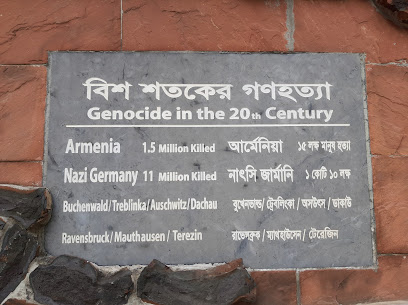
Good bye Bangladesh
0.8 km
Explore Good bye Bangladesh in Dhaka's Mirpur: A historical landmark symbolizing the nation's resilience and offering a reflective experience for travelers.
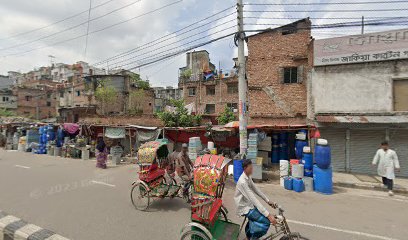
MES Park
3.0 km
Escape the city bustle at MES Park in Dhaka, a serene urban oasis with lush greenery, tranquil lakeside views, and a secure environment perfect for relaxation and recreation.
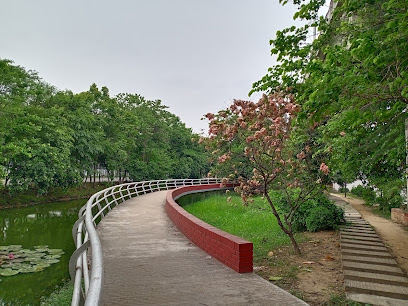
Army Graveyard
3.2 km
Pay tribute to Bangladesh's military heroes at the Army Graveyard in Dhaka, a serene and historically significant landmark honoring the nation's defenders.
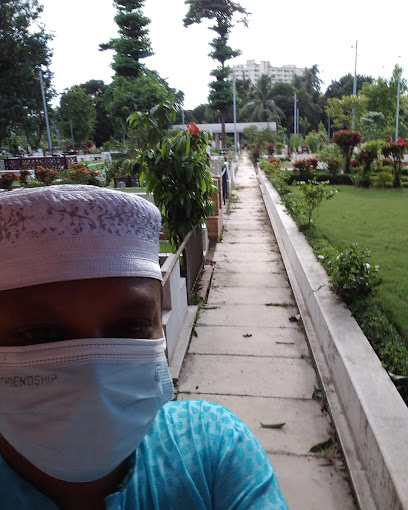
Banani Graveyard
3.2 km
Discover a serene oasis in Dhaka's heart at Banani Graveyard, a place of reflection and remembrance, honoring Bangladesh's history and its notable figures in a tranquil setting.
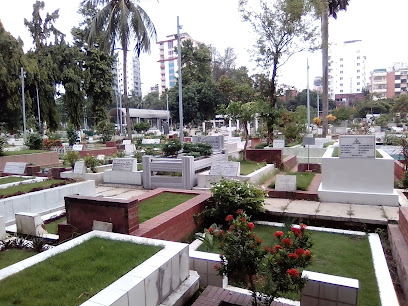
Late Abdul Ahad Khan, 1947 - 2021, Block D4
3.3 km
Reflect on Bangladesh's history at Banani Military Graveyard, the final resting place of war heroes, politicians, and artists, offering a tranquil escape in bustling Dhaka.

Brindabon
3.4 km
Escape the city bustle at Brindabon Park in Mirpur, Dhaka. A serene green space for relaxation, recreation, and community enjoyment, open daily.
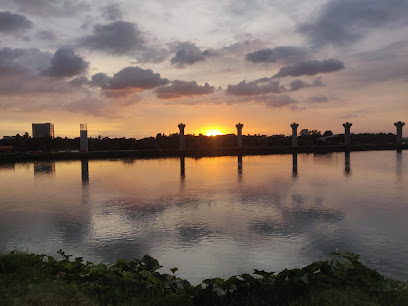
Mirpur Buddijibi Shahid Minar
3.6 km
Explore the Mirpur Buddijibi Shahid Minar, a serene memorial park in Dhaka honoring the intellectuals who shaped Bangladesh's history.
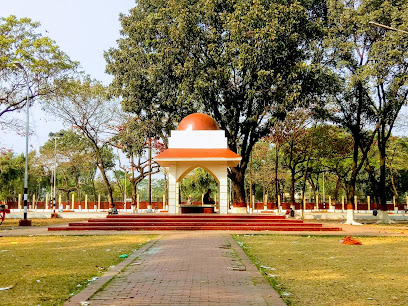
Banani Chairmanbari Masjid
3.6 km
Discover the serene beauty and spiritual significance of Banani Chairmanbari Masjid, a cultural gem in Dhaka offering peace and community.
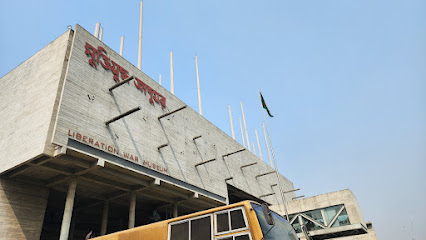
Liberation War Museum
4.0 km
Explore Bangladesh's struggle for independence at the Liberation War Museum in Dhaka, a poignant tribute to the nation's history and the spirit of its people.
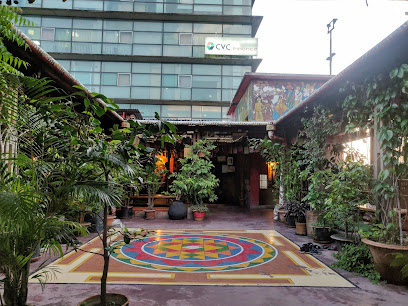
Jatra Biroti
4.0 km
Experience the rich flavors of Bengali cuisine at Jatra Biroti, a top dining destination in Dhaka, perfect for brunch and cultural exploration.
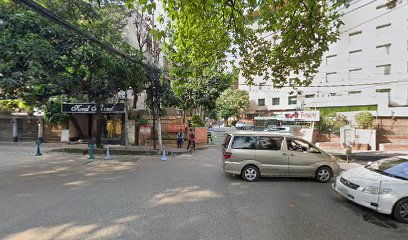
Moshang
4.2 km
Explore Moshang in Dhaka: A serene historical landmark offering a glimpse into the city's rich cultural heritage and a tranquil escape.
১৩০ হৃষিকেশ দাস রোড, সূত্রাপুর, পুরান ঢাকা
4.2 km
Discover Hrishikesh Das Road in Old Dhaka: A historic street with British-era architecture, temples, and a glimpse into the city's rich cultural heritage.
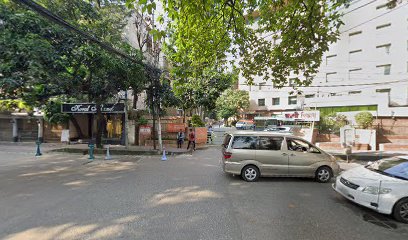
গুলশান ২ গোল চত্তর
4.4 km
Experience the heart of modern Dhaka at Gulshan 2 Gol Chottor, a bustling hub surrounded by upscale shops, diverse restaurants, and a vibrant cosmopolitan atmosphere, reflecting the city's dynamic growth.
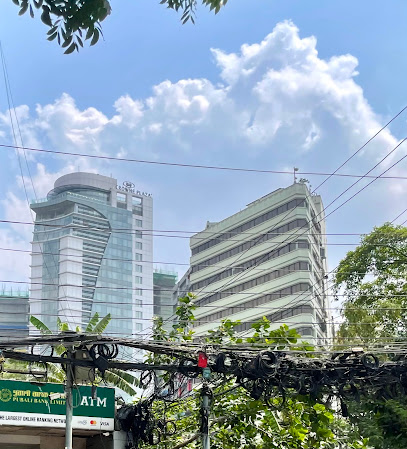
Nikunja-1 Lake
4.5 km
Escape the city bustle at Nikunja-1 Lake, a tranquil oasis in Dhaka's Nikunja, perfect for relaxation and enjoying nature's simple pleasures.
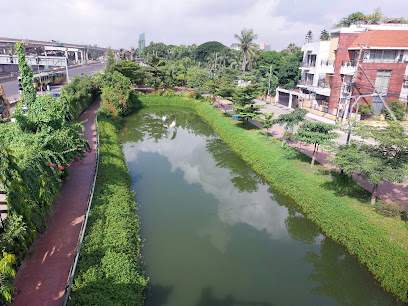
Unmissable attractions to see

Love Road
1.8 km
Experience the vibrant street food and youthful energy of Love Road, a popular hangout in the heart of Mirpur, Dhaka.
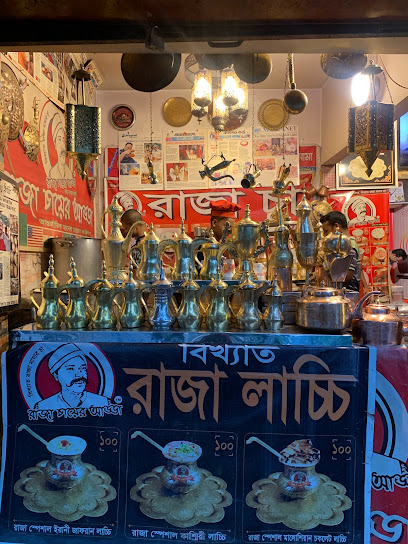
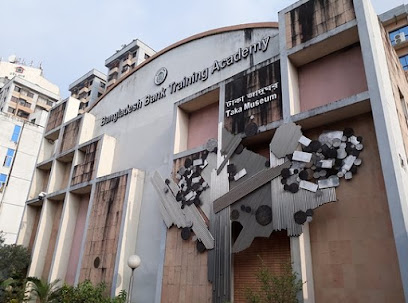
Taka Museum
1.9 km
Explore the fascinating history of Bangladeshi currency at the Taka Museum, showcasing coins and banknotes from ancient times to the present.
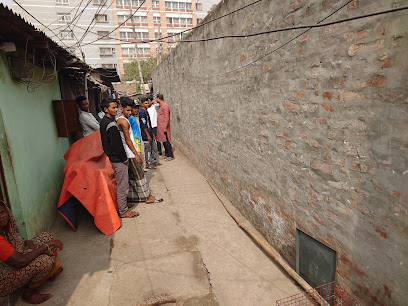
Beguntila・越ちひろ SHAKEHANDS Wall art
2.0 km
Discover the vibrant SHAKEHANDS Wall Art in Dhaka's Mirpur, a colorful symbol of unity and community spirit by 越ちひろ.
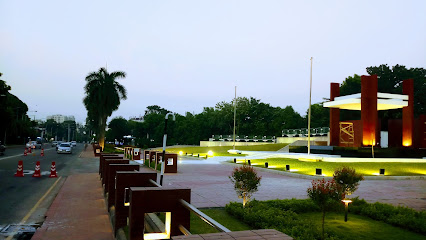
Shikha Anirban
2.4 km
A solemn tribute to Bangladesh's Liberation War martyrs, featuring an eternal flame in a serene setting within Dhaka Cantonment.
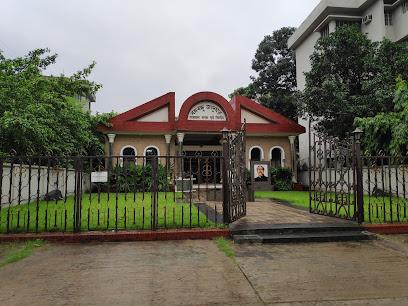
Sheikh Mujib—Agartala Case Memorial Museum
2.6 km
Explore the Agartala Conspiracy Case and Sheikh Mujibur Rahman's pivotal role in Bangladesh's independence at this Dhaka museum.
Artificial lake
2.7 km
Find serenity by the water at Dhaka's Botanical Garden, a peaceful escape amidst diverse plant life and tranquil landscapes.
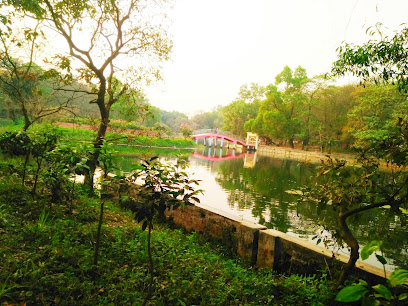
National Botanical Garden, Mirpur, Dhaka
2.8 km
Discover tranquility amidst Dhaka's hustle at the National Botanical Garden, a diverse plant haven and serene escape.
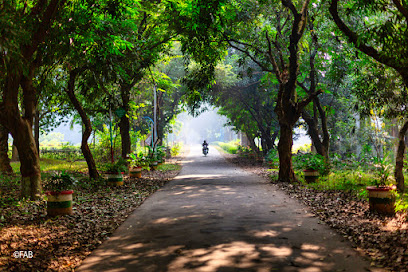
Bangladesh National Zoo
2.9 km
Discover diverse wildlife at Bangladesh National Zoo in Dhaka, a premier destination for animal lovers and family outings.
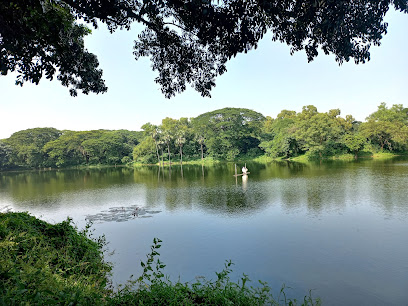
Royal Bengal Tiger Monastery
2.9 km
Observe majestic Royal Bengal tigers in a dedicated sanctuary within Dhaka Zoo, promoting wildlife conservation and education.
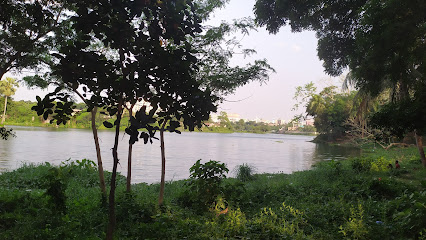
Botanical Garden Waterfall
3.0 km
Escape to nature in Dhaka's National Botanical Garden, where tranquility meets biodiversity at the picturesque Botanical Garden Waterfall.
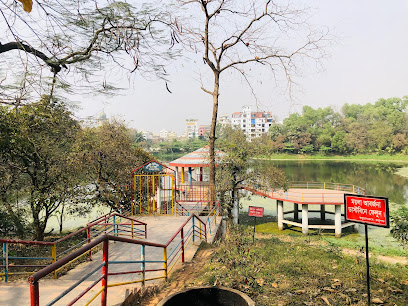
Mirpur Beribadh River View point
3.3 km
Enjoy tranquil riverside walks, stunning sunsets, and authentic Bangladeshi culture at Mirpur Beribadh on the banks of the Turag River.
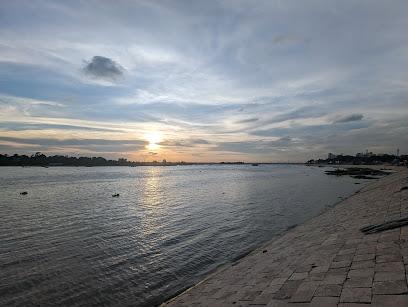
Banani Bidyaniketan Park
3.4 km
Escape the city bustle at Banani Bidyaniketan Park, a green space for relaxation and community in Dhaka's Banani.
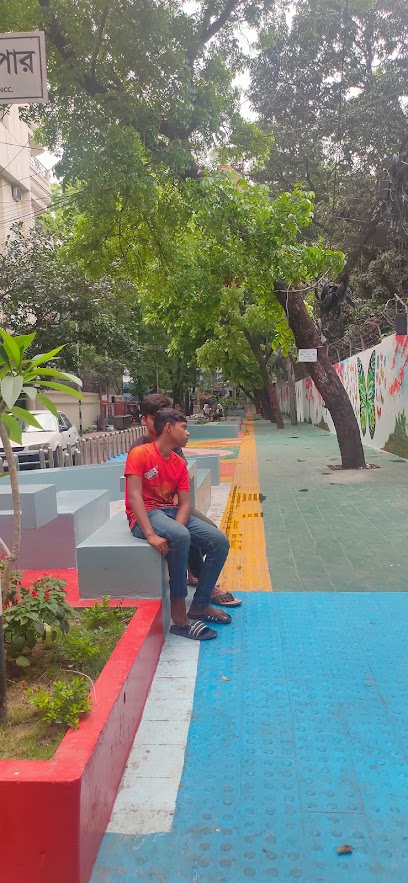
Bangladesh Parjatan Corporation
3.4 km
Explore Bangladesh with the official tourism authority. Your journey starts here!
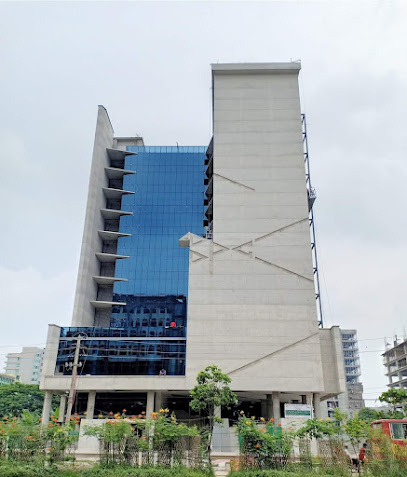
Mirpur Beribadh
3.4 km
Escape to Mirpur Beribadh: Enjoy riverside walks, stunning sunsets, and authentic Bangladeshi culture on the banks of the Turag River.

Botanical Garden
3.5 km
Discover Dhaka's largest botanical garden: a serene escape with diverse plant life, tranquil lakes, and themed gardens for nature lovers.
Essential places to dine

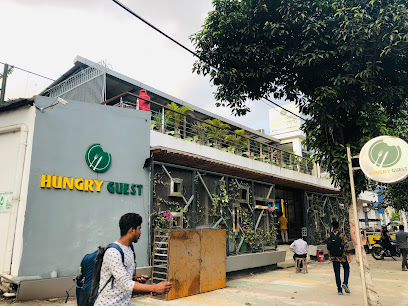
Hungry Guest
1.2 km
Experience culinary delight at Hungry Guest, Dhaka's favorite fast food spot serving delicious meals in a lively atmosphere.
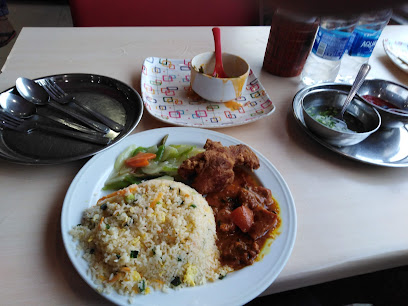
Purnima Restaurant
1.4 km
Experience the vibrant flavors of India, Bangladesh, and China at Purnima Restaurant in Dhaka's lively Mirpur area.
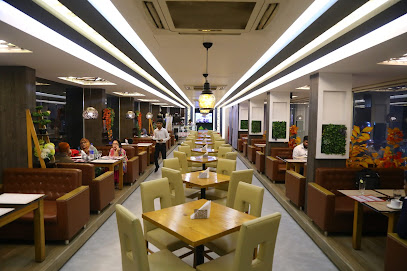
Galleria Restaurant and Cafe
1.7 km
Experience the flavors of Bangladesh at Galleria Restaurant and Cafe in Dhaka - where culinary tradition meets modern dining.
Tribeni Restaurant, Dhaka.
1.7 km
Discover authentic Bangladeshi flavors at Tribeni Restaurant in Dhaka - where tradition meets culinary excellence.
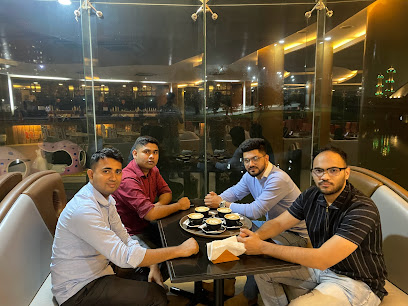
Uttar Bongo Cataring
1.8 km
Discover authentic North Bengali cuisine at Uttar Bongo Catering in Mirpur, Dhaka - where tradition meets flavor.
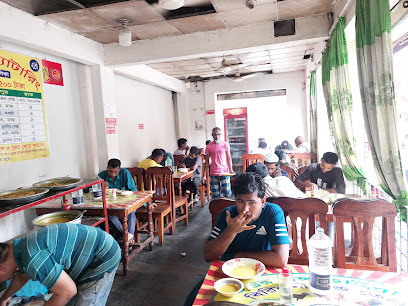
Food Bungalow- A Greenview Rooftop Restaurant
2.0 km
Discover culinary bliss at Food Bungalow - A Greenview Rooftop Restaurant in Dhaka, where exquisite flavors meet stunning skyline views.
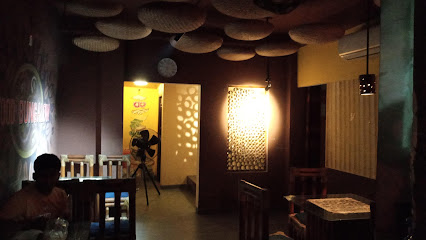
Pankouri Restaurant
2.1 km
Experience the best of Bangladeshi cuisine at Pankouri Restaurant in Dhaka - where flavor meets hospitality.
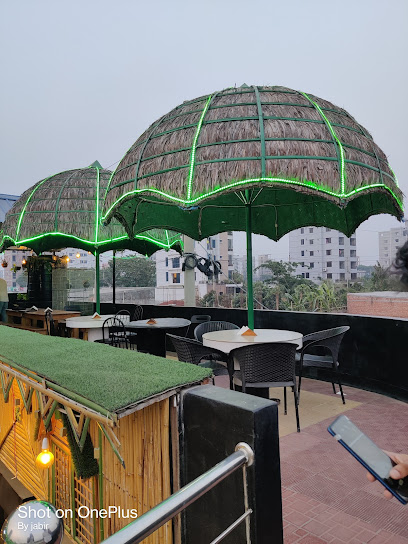
Chef's Rooftop
2.4 km
Experience exquisite cuisine and breathtaking views at Chef's Rooftop in Dhaka – where every meal becomes a memorable occasion.
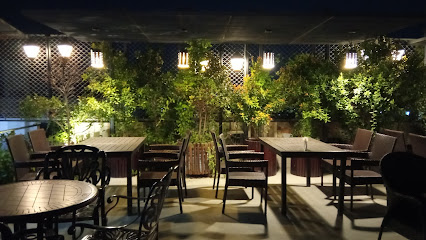
Royal Bengal Restaurant
2.4 km
Experience authentic Bangladeshi cuisine at Royal Bengal Restaurant in Dhaka – a true taste of tradition and flavor.
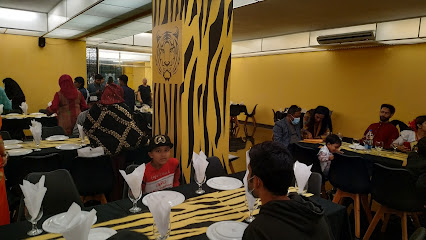
New Chader Bari Roof Top Restaurant
2.8 km
Discover exceptional Chinese cuisine at New Chader Bari Roof Top Restaurant in Dhaka - where taste meets stunning views.
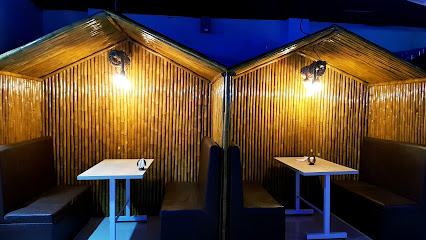
OWL'S HOTPOT
2.9 km
Discover the unique culinary experience at Owl's Hotpot in Dhaka - where every meal becomes a shared celebration.
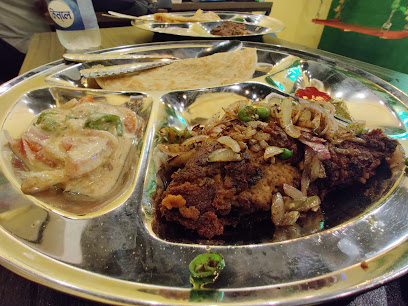
Star Kabab & Restaurant
3.4 km
Experience authentic Bangladeshi cuisine at Star Kabab & Restaurant - where flavorful kebabs meet warm hospitality.
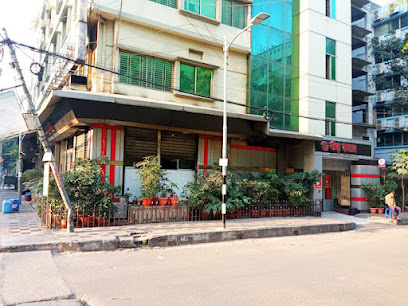
Evviva Italian Ristorante
3.5 km
Discover the perfect blend of Southern Italian cuisine and local flavors at Evviva Italian Ristorante in Dhaka.
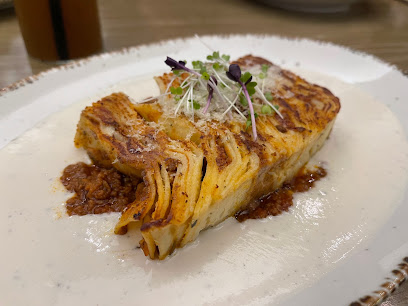
Lucknow Dhaka
3.5 km
Discover authentic Indian flavors at Lucknow Dhaka – where tradition meets taste in an exquisite dining experience.
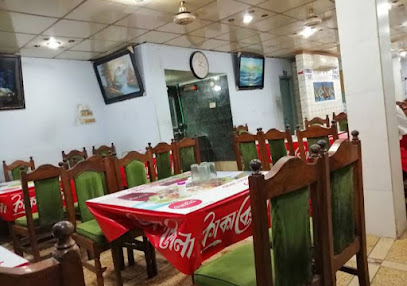
Jadu Bangla Restaurant - জাদু বাংলা রেস্টুরেন্ট
3.5 km
Discover the authentic tastes of Bengali cuisine at Jadu Bangla Restaurant in Gulshan, Dhaka - where tradition meets flavor.
Markets, malls and hidden boutiques

Moon Gallery
0.9 km
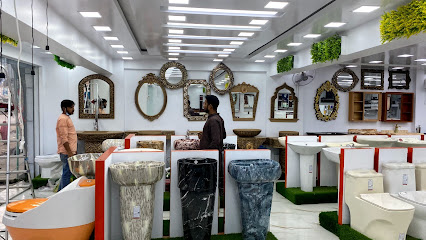
Discover a world of building materials at Moon Gallery in Dhaka; your one-stop-shop for home improvement essentials.
Us
1.5 km
Discover the literary charm of Dhaka at 'Us,' a delightful book store in Mirpur offering a diverse collection and cozy ambiance for all book lovers.
Daily Shop BD
2.1 km
Explore Daily Shop BD in Dhaka for a unique shopping experience that offers women's clothing, baby essentials, cosmetics, and more.

the
2.2 km
Explore Cockatiel Heaven in Dhaka for all your bird care needs, from food to toys and expert advice in a welcoming environment.
DhakaShop dot com
2.2 km
Explore DhakaShop in Dhaka for a unique shopping experience featuring local fashion and handcrafted gifts from Bangladesh's vibrant culture.
Multi Shop BD
2.4 km
Explore Multi Shop BD in Dhaka, a vibrant variety store offering unique bags, home goods, jewelry, and kitchen supplies for an unforgettable shopping experience.

Muktobangla Shopping Complex
2.6 km
Discover the vibrant Muktobangla Shopping Complex in Dhaka, where shopping meets culture and culinary delights await every visitor.
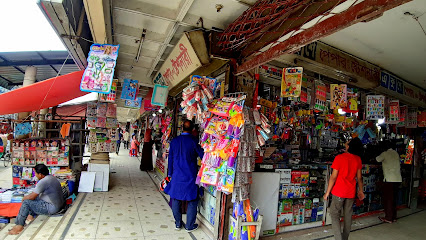
Unique.we
2.6 km
Discover Unique.we in Dhaka: Your ultimate destination for trendy clothing and local fashion gems.
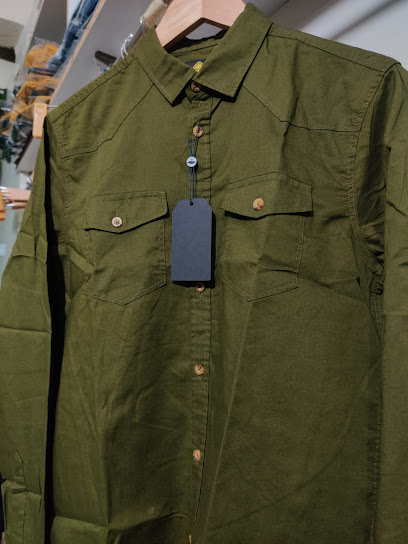
ekusheyshop.com
2.6 km
Explore Ekushey Shop in Dhaka, where local culture and modern shopping come together in a vibrant outlet mall experience.
Fairshop : Online Shop
2.7 km
Explore the vibrant fashion scene of Dhaka at Fairshop, where unique styles and local culture come together.
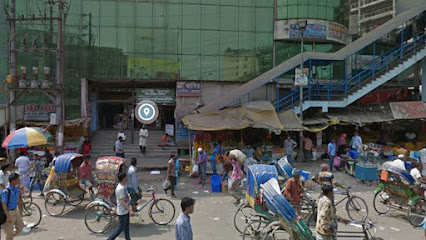
Magic Condom
2.7 km
Explore the vibrant shopping scene at Magic Condom in Dhaka, where local culture and unique finds await every traveler.
Send Gifts to Bangladesh BDGift.com
2.7 km
Explore BDGift.com in Dhaka for unique gifts and flowers that capture the essence of Bangladeshi culture, perfect for every occasion.
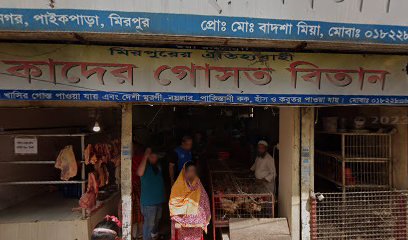
Kader Enterprise
2.8 km
Discover the authentic flavors of Bangladesh at Kader Enterprise, a leading meat products store in Dhaka's vibrant Mirpur area.
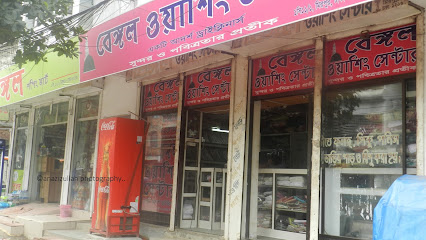
Bengal Shopping Mart
2.9 km
Explore the vibrant Bengal Shopping Mart in Dhaka, where local culture meets diverse shopping experiences and delightful street food.
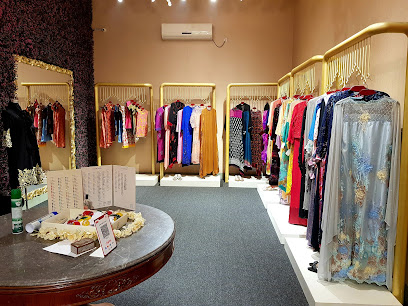
Nova With Genuine Swarovski Elements
3.3 km
Experience the elegance of Swarovski crystals at Nova, Dhaka's premier boutique for exquisite jewelry and decor.
Essential bars & hidden hideouts

Seoul Restaurant
2.0 km
Savor the best of eclectic culinary experiences at Seoul Restaurant in Dhaka, where vibrant flavors meet a lively atmosphere.
Fu Wang Bar
2.3 km
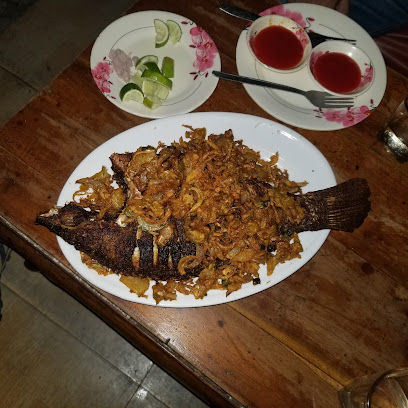
Discover the vibrant nightlife of Dhaka at Fu Wang Bar, where refreshing drinks and a lively atmosphere await you.
Sky Lounge
2.3 km
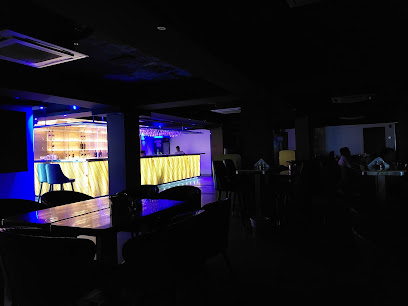
Experience exquisite dining and breathtaking views at Sky Lounge, the premier fine dining destination in Dhaka.
Peacock Bar & Restaurant
2.3 km
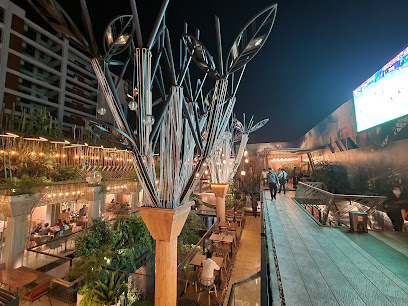
Experience the vibrant flavors of Dhaka at Peacock Bar & Restaurant, blending local and international cuisine in a welcoming atmosphere.
Korean Bangladesh Club restaurant L.T.D
2.7 km
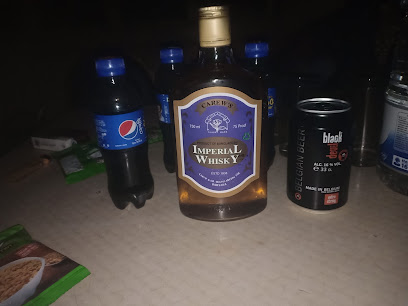
Experience a unique blend of Korean and Bangladeshi cuisines at the Korean Bangladesh Club Restaurant in Dhaka, where vibrant flavors meet a lively atmosphere.
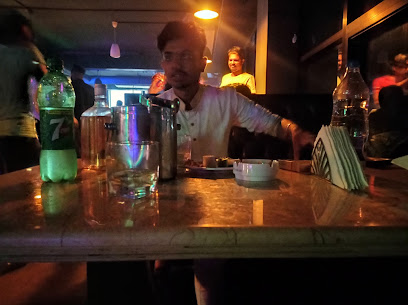
Plan B Restro & Bar
3.4 km
Experience the vibrant nightlife of Dhaka at Plan B Restro & Bar, where delicious food and refreshing drinks come together in a lively atmosphere.
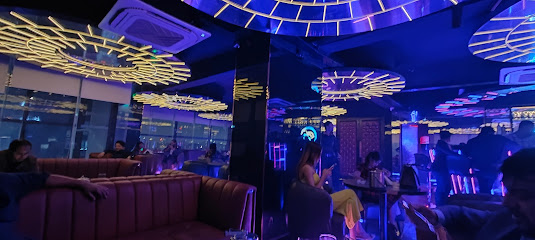
নোয়া খালি মাইজদি
3.5 km
Discover the heart of Dhaka's nightlife at Noa Khali Maijdhi, where music and fun create unforgettable experiences.
The Elite
3.6 km
Discover The Elite, Dhaka's premier bar where exquisite cocktails meet an upscale atmosphere and vibrant nightlife.
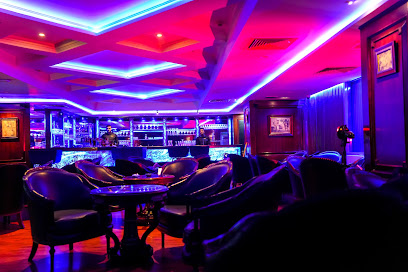
Loki Restaurant & Bar
3.6 km
Discover the vibrant dining experience at Loki Restaurant & Bar in Banani, Dhaka, a perfect blend of delicious cuisine and lively ambiance.
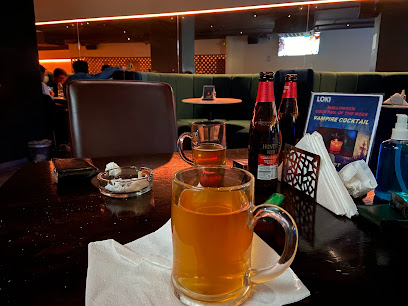
Jazz Reloaded Lounge
3.6 km
Discover the lively spirit of Dhaka at Jazz Reloaded Lounge, where live jazz meets a stylish atmosphere and delightful cocktails.
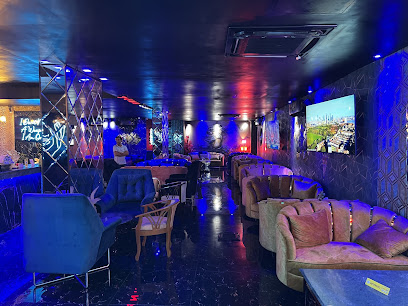
Ocean Blend (ওশান ব্লেন্ড)
3.6 km
Experience the coastal charm of Ocean Blend in Gulshan, Dhaka, where expertly crafted cocktails meet a relaxed atmosphere.
TRIBE Rooftop Lounge
3.7 km
Experience the vibrant nightlife and stunning views at TRIBE Rooftop Lounge in Dhaka, a perfect blend of relaxation and culinary delight.
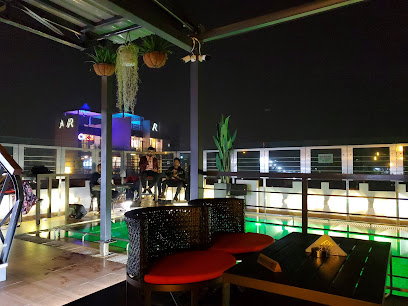
YA HABiBi
3.8 km
Discover the vibrant flavors and lively atmosphere of YA HABiBi, a top-notch restaurant and lounge in Dhaka's Gulshan neighborhood.
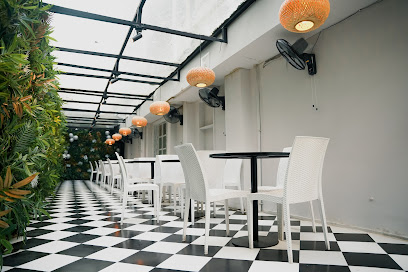
New Dacca tea bar
3.8 km
Experience authentic Bangladeshi tea culture at New Dacca Tea Bar, a cozy haven for tea lovers in the heart of Dhaka.
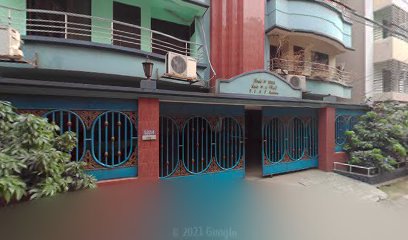
SKYe Lounge Bar
3.8 km
Discover the vibrant nightlife of Dhaka at SKYe Lounge Bar, where chic meets comfort and every drink tells a story.
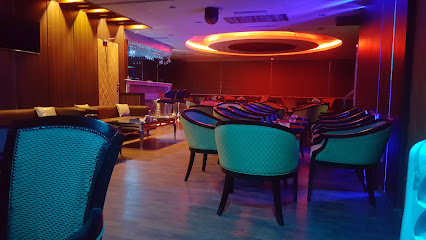
Nightclubs & after hour spots

Renad Mansion
1.3 km
Discover the electrifying nightlife at Renad Mansion, a premier night club in Dhaka offering vibrant music and a lively atmosphere.
AR Lounge (pool club + gaming fun zone)
1.9 km
Discover AR Lounge in Dhaka: Your ultimate destination for relaxation, gaming, and unforgettable dining experiences.
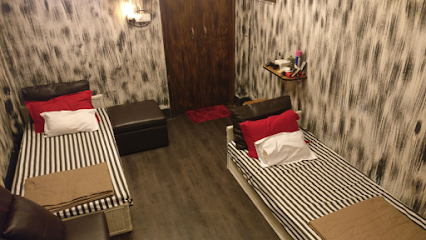
Mamar Basa Mirpur
2.0 km
Explore the vibrant nightlife of Dhaka at Mamar Basa Mirpur, where music, dance, and unforgettable memories await you.
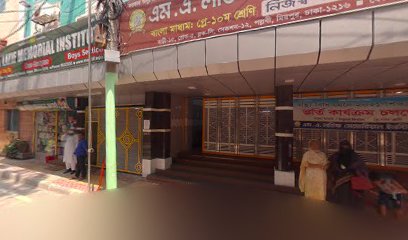
বি.বি.পি - A.Zone
2.2 km
Discover the pulsating nightlife of Dhaka at বি.বি.পি - A.Zone, where music, dance, and unforgettable memories await you.
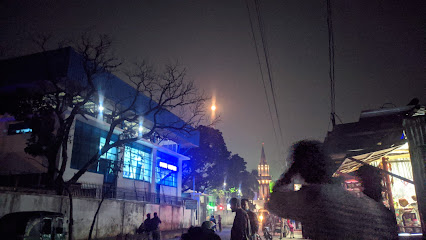
উত্তর ইব্রাহিমপুর আশিদাগ
2.9 km
Discover the heart of Dhaka's nightlife at Uttar Ibrahimpur Ashidag, a vibrant night club offering music, dance, and local culture.
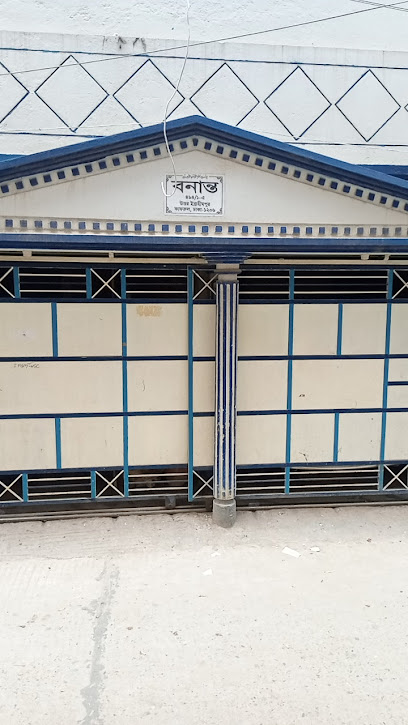
Signature lounge
3.5 km
Discover the electrifying nightlife at Signature Lounge in Dhaka, where vibrant music and exceptional service create unforgettable experiences.
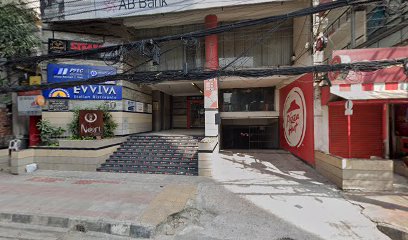
Gulshan North Club
3.8 km
Experience the vibrant nightlife of Dhaka at Gulshan North Club, where music, dance, and excitement await every night.
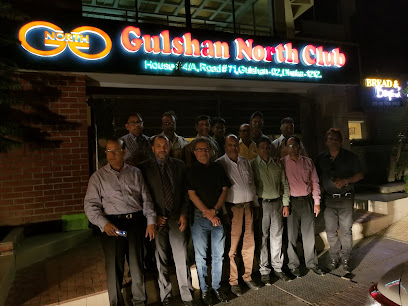
ANGAARA CAFE
3.9 km
Discover the electrifying vibe of Angaara Cafe, Dhaka's premier night club for an unforgettable blend of music, cuisine, and nightlife.
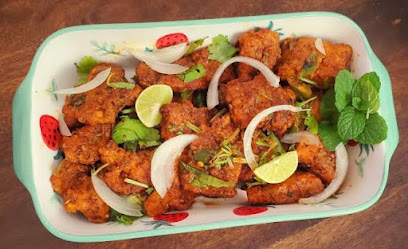
The Capital Recreation Club
4.1 km
Discover the vibrant nightlife at The Capital Recreation Club, Dhaka's premier destination for music, dancing, and socializing.
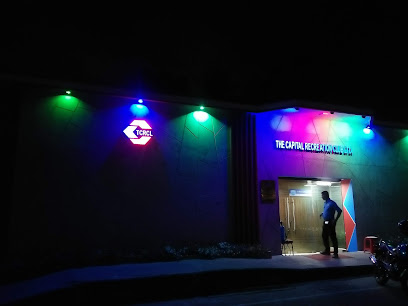
International Club Dhaka
4.1 km
Discover the dynamic ambiance and diverse culinary delights at International Club Dhaka, your social hub in the heart of the city.
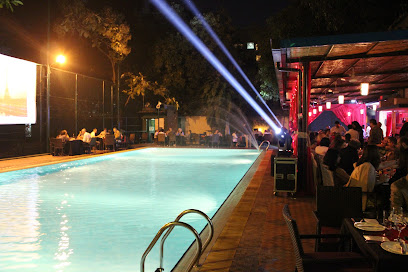
Vanga Bari
4.3 km
Experience the vibrant nightlife and delicious barbecue delights at Vanga Bari, Dhaka's premier night club for an unforgettable evening.
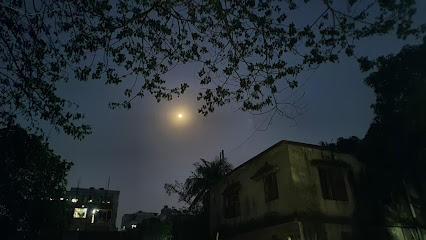
Naveed's Comedy Club
4.5 km
Experience the vibrant comedy scene at Naveed's Comedy Club in Dhaka, where laughter and entertainment come together for an unforgettable night.
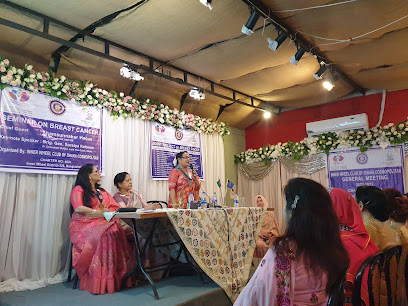
Bagha Club
4.5 km
Experience the vibrant social scene at Bagha Club, a hub of community and culture in the heart of Dhaka, perfect for tourists seeking local flavor.
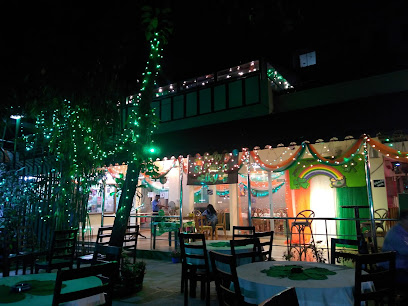
Hanif Khan
4.6 km
Experience the heart of Dhaka's nightlife at Hanif Khan, where music, dance, and culture come alive for an unforgettable evening.
RayofNoor
4.8 km
Experience the electric nightlife of Dhaka at RayofNoor, a vibrant night club with great music and exquisite drinks, perfect for an unforgettable evening.