

Free Dhaka Division Travel Guide & Mobile App
Explore Dhaka Division with free travel guides. Discover regional history, expert tips, proposed trips, and audio guides on web or mobile app.


Explore Dhaka Division for Mughal monuments, river journeys, historic Sonargaon, craft traditions, lively markets and central Bangladesh’s layered culture.
Read more about Dhaka Division
When is the best time to visit Dhaka Division?
Best: December–February · 25–28°C| Month | High (°C) | Rainfall (mm) |
|---|---|---|
| January (best) | 25 | 10 |
| February (best) | 28 | 20 |
| March | 33 | 40 |
| April | 35 | 70 |
| May | 34 | 130 |
| June | 32 | 300 |
| July | 31 | 350 |
| August | 31 | 350 |
| September | 31 | 300 |
| October | 31 | 130 |
| November | 30 | 40 |
| December (best) | 26 | 10 |
Getting to and around Dhaka Division
How to get there
Transportation
Top city travel guides in Dhaka Division
The cities of Dhaka Division, and the easiest places to base yourself.
-

-

-

-

-


Swipe for more cities
Destinations in Dhaka Division
Resorts, valleys and scenic spots worth a trip of their own.
-

-


Swipe for more destinations
Best attractions in Dhaka Division
Dhaka Division offers an unusually broad range of attractions within a landscape shaped by rivers and dense settlement. In Dhaka, the principal cultural circuit includes Lalbagh Fort, Ahsan Manzil, the National Museum, the Liberation War Museum and the National Parliament complex, while the old city’s mosques, markets and riverfront provide a more informal historical experience. Sonargaon and Panam Nagar in Narayanganj district extend the story beyond the capital through medieval associations, folk-art collections and merchant architecture. Munshiganj is important for the heritage of Vikrampur, while districts such as Manikganj, Faridpur and Shariatpur offer access to rural waterways, agricultural landscapes and ferry-linked communities. Gazipur provides green recreational areas and nature-focused day trips close to the metropolitan region. Tangail is associated with handloom weaving and offers opportunities to see how textiles remain part of local economic life. The division is best explored through a mixture of museums and monuments, carefully planned town visits, river journeys, craft encounters and observation of everyday life rather than through a single concentrated sightseeing route.
-
Amusement park
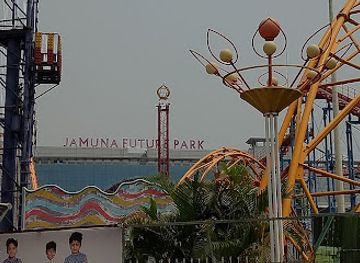
Jamuna Future Park
Explore South Asia's largest shopping mall in Dhaka, offering diverse retail, dining, and entertainment experiences for all ages.
-
Amusement park
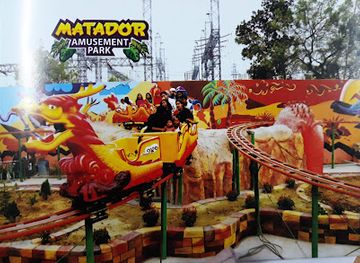
Matador Amusement Park
Enjoy family-friendly fun with dry and water rides at Matador Amusement Park in Dhaka's Kamrangirchar area.
-
Park
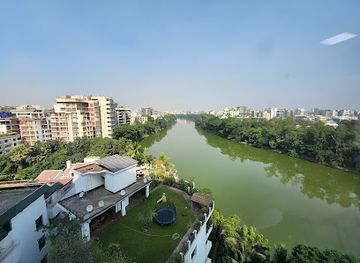
Baridhara Lakeside Rajuk Park
Escape the city bustle at Baridhara Lakeside Park, a serene oasis in Dhaka with a picturesque lake and lush greenery.
-
Garden
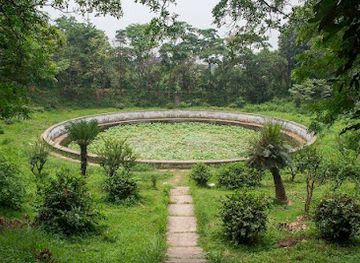
Botanical Garden
Discover Dhaka's largest botanical garden: a serene escape with diverse plant life, tranquil lakes, and themed gardens for nature lovers.
Best landmarks in Dhaka Division
Dhaka’s most recognisable historic landmark is Lalbagh Fort, an unfinished seventeenth-century Mughal complex whose gateways, walls and surviving buildings evoke the city’s period as an imperial provincial capital. Ahsan Manzil, the pink palace beside the Buriganga, represents the later wealth and political influence of the Nawab family of Dhaka. The National Parliament complex at Sher-e-Bangla Nagar is a major work of twentieth-century civic architecture, known for its monumental geometric forms and carefully composed relationship with water and open space. Star Mosque and other historic mosques in the old city illustrate the religious and architectural history of Mughal and later Dhaka. Outside the capital, Panam Nagar in Sonargaon is distinguished by its continuous streetscape of former merchant houses, while the waterways around Munshiganj and southern Dhaka Division are themselves significant geographical landmarks. Together these places show how political authority, commerce, religion, architecture and river geography have shaped central Bangladesh.
-
Historical landmark
Lalbagh Fort
Explore the unfinished Mughal masterpiece of Lalbagh Fort in Old Dhaka, a testament to the region's rich history and architectural splendor.
-
Historical landmark
Sohrawardy Udyan
Discover the historical heart of Dhaka at Sohrawardy Udyan, a sprawling park where Bangladesh's independence was forged, offering a tranquil escape and a journey through time.
-
Historical landmark
National Martyrs' Monument
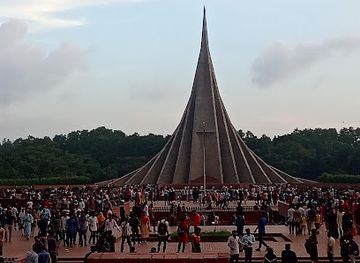
Explore the National Martyrs' Monument in Savar, a powerful symbol of Bangladesh's resilience and a tribute to the heroes of the Liberation War.
-
Historical landmark
Central Shaheed Minar
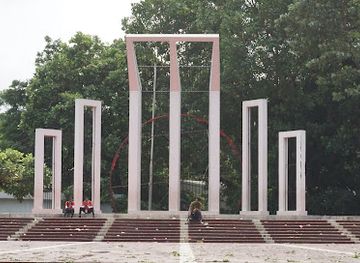
A national monument in Dhaka, Central Shaheed Minar commemorates the martyrs of the Bengali Language Movement, symbolizing the enduring spirit of Bengali identity and cultural pride.

Explore Dhaka Division on the map
Plan your trip on one map. See where the top cities, national parks and sights are, and book hotels and experiences in a few clicks.
Best hotels in Dhaka Division
Best restaurants in Dhaka Division
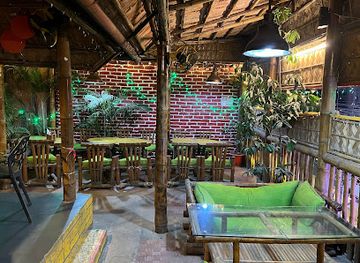
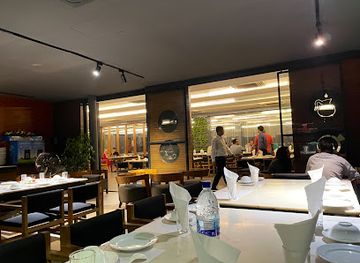
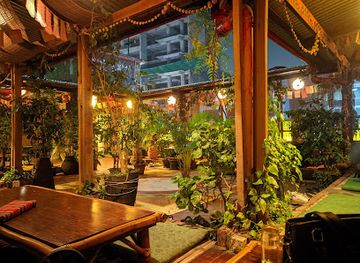
Dining in Dhaka Division ranges from old-city eateries and roadside tea stalls to contemporary restaurants serving regional and international food. Rice, freshwater fish, lentils, vegetables, bhortas, meat curries and paratha form the foundation of everyday Bengali cooking, while Dhaka is particularly useful for sampling dishes from many parts of Bangladesh in one place. Street snacks, kebabs and sweets are prominent around busy commercial areas, and milk-based desserts, doi and syrup-soaked confections are common in markets and specialist sweet shops. Narayanganj and the river districts reflect the importance of fish, while rural bazaars offer seasonal produce and simple meals prepared for local customers. Tangail and neighbouring areas are better known for textiles than for a single defining dish, so food exploration is usually about household and regional cooking rather than a narrow local cuisine. Hygiene standards vary, making busy establishments with a high turnover of food a sensible choice for visitors.
-
Restaurant
Chef's Table ~ Gulshan 2
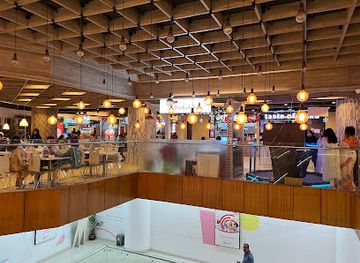
Experience an exquisite blend of local and international cuisines at Chef's Table - Dhaka’s premier food court destination.
-
Restaurant
Ozz Cafe
Discover Ozz Cafe in Dhaka: A perfect blend of local cuisine and international flavors in a serene atmosphere.
-
Restaurant
Thai Chi Restaurant & Cafe
Experience the rich flavors of Southeast Asian cuisine at Thai Chi Restaurant & Cafe in Dhaka – a must-visit dining destination for food lovers.
-
Bengali
Jatra Biroti
Experience the best of Bengali cuisine at Jatra Biroti – where tradition meets taste in Dhaka's vibrant dining scene.
Best bars in Dhaka Division
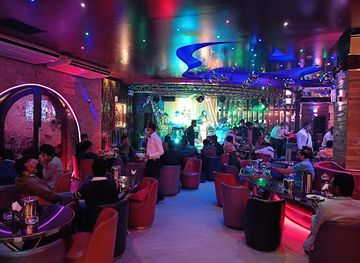
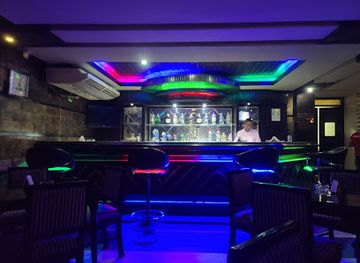
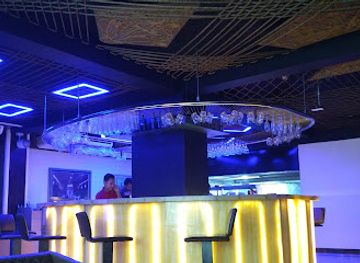
Dhaka contains the division’s most varied evening scene, with hotel lounges, cafés, restaurants, live-music spaces and a limited number of licensed bars serving business districts and expatriate communities. Alcohol is regulated and is not central to public social life, so visitors should not expect a nightlife culture comparable with major European or Southeast Asian capitals. In the old city and district towns, evenings are more commonly spent at tea stalls, restaurants, sweet shops, markets or family gatherings. Narayanganj, Gazipur and other larger urban centres have local restaurants and informal evening activity, but options are more dispersed and closing arrangements can change. Rural areas generally become quiet earlier, with social life focused on tea shops, community spaces and home visits. Dress respectfully, follow venue rules and avoid photographing people without consent, particularly in crowded evening settings.
-
Bar
Chalet Restaurant & Bar
Explore the vibrant nightlife of Dhaka at Chalet Restaurant & Bar, where delightful cuisine meets a lively atmosphere.
-
Bar
La Diplomat Restaurant & Bar
Experience exquisite dining and vibrant nightlife at La Diplomat Restaurant & Bar, Dhaka's premier destination for culinary delights.
-
Bar
DPL Restaurant & Bar
Discover the vibrant flavors of Dhaka at DPL Restaurant & Bar – where local cuisine meets a lively atmosphere.
-
Bar
Hotel Grand Galaxy
Experience the vibrant nightlife and delicious cuisine at Hotel Grand Galaxy, a top bar and grill in Dhaka, perfect for food lovers and social gatherings.

Best nightclubs in Dhaka Division
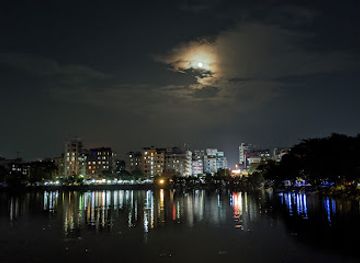
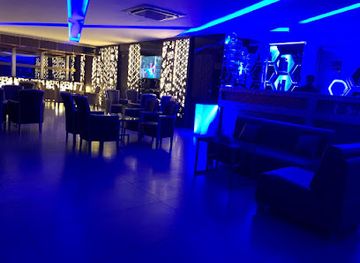
Dhaka contains the division’s most varied evening scene, with hotel lounges, cafés, restaurants, live-music spaces and a limited number of licensed bars serving business districts and expatriate communities. Alcohol is regulated and is not central to public social life, so visitors should not expect a nightlife culture comparable with major European or Southeast Asian capitals. In the old city and district towns, evenings are more commonly spent at tea stalls, restaurants, sweet shops, markets or family gatherings. Narayanganj, Gazipur and other larger urban centres have local restaurants and informal evening activity, but options are more dispersed and closing arrangements can change. Rural areas generally become quiet earlier, with social life focused on tea shops, community spaces and home visits. Dress respectfully, follow venue rules and avoid photographing people without consent, particularly in crowded evening settings.
-
Bar
Bluemoon Recreation Club
Discover the perfect blend of relaxation and entertainment at Bluemoon Recreation Club in Dhaka, featuring a lively bar, restaurant, and gym.
-
Bar
Lake View Recreation Club, Gulshan-1
Discover the serene charm of Lake View Recreation Club in Gulshan-1, where relaxation meets vibrant local culture amidst stunning lake views.
-
Bar
SKYe Lounge Bar
Discover SKYe Lounge Bar in Gulshan, Dhaka: A perfect blend of relaxation, entertainment, and exquisite drinks in a chic setting.
-
Bar
Fuwang Club
Experience the vibrant nightlife of Dhaka at Fuwang Club, where great drinks and lively music create unforgettable moments.


Best shops in Dhaka Division
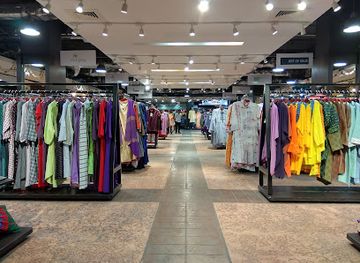
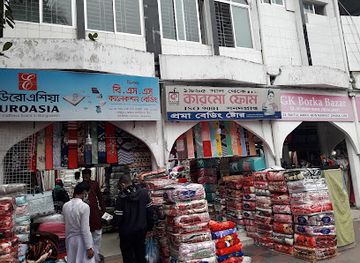
Dhaka is Bangladesh’s principal shopping centre, combining traditional bazaars, modern malls, bookshops, department stores, craft outlets and specialist textile retailers. The old city is particularly useful for everyday goods, fabrics, jewellery and food products, while areas such as New Market and larger commercial districts offer a broad range of clothing and household items. Jamdani and Tangail handloom textiles are among the most meaningful purchases associated with the wider division, although genuine production takes place in particular weaving communities and not every urban seller represents the source accurately. Sonargaon’s folk-art setting introduces visitors to rural craft traditions, while district markets in Munshiganj, Manikganj, Tangail and Faridpur provide seasonal produce, sweets, pottery and practical goods rather than polished souvenir collections. Bargaining is common in many markets but not necessarily in fixed-price shops. Keep textiles dry and protected during travel, and ask about fibre, provenance and care before buying expensive fabric.
-
Shopping mall
Bashundhara City Shopping Complex
Explore the vibrant Bashundhara City Shopping Complex in Dhaka for top brands, delicious dining, and entertaining experiences.
-
Market
Dhaka New Market
Experience the vibrant shopping culture of Dhaka at New Market, where you can find everything from local crafts to delicious street food.
-
Shopping mall
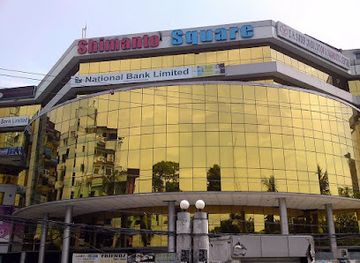
Shimanto Square
Explore Shimanto Square: Dhaka's premier shopping mall offering a vibrant mix of local and international brands, dining options, and entertainment.
-
Shopping mall
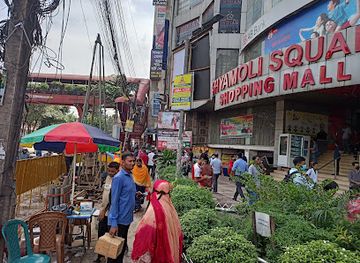
Shyamoli Square Shopping Mall
Explore the vibrant shopping scene at Shyamoli Square Shopping Mall in Dhaka, offering a unique blend of local and international brands.
Get your free copy of our complete guide to Dhaka Division, delivered straight to you.
Everything on this page, from attractions and restaurants to essentials and local phrases, in one PDF you can read offline, print or share.
Already have an account? Sign in
Your Dhaka Division guide is ready.
We'll send it to · Not you? Sign out

Getting your guide ready…
We are putting together a fresh copy of the Dhaka Division guide. This can take up to a minute.
This can take a few moments. If your browser asks, choose Allow so the download can start. You'll find the guide in your Downloads folder.
Nothing happened? Download it again
Sorry, the guide is taking longer than usual. Please try again in a minute, or get it by email instead.
Dhaka Division essentials
Currency and Payment
Safety
Emergency Situations
Do's and Don'ts
Local Tips
From Eve
Local phrases worth knowing
You don't need to get them perfect. A few words go a long way, and locals appreciate the effort.
Basics
| English | Local | Say it |
|---|---|---|
| Hello | হ্যালো | [Hyalo] |
| Goodbye | বিদায় | [Biday] |
| Yes | হ্যাঁ | [Hya] |
| No | না | [Na] |
| Please/You're welcome | দয়া করে/স্বাগতম | [Doya kore/Swagatam] |
| Thank you | ধন্যবাদ | [Dhonnobad] |
| Excuse me/Sorry | মাফ করবেন/দুঃখিত | [Maf korben/Dukhito] |
| How are you? | আপনি কেমন আছেন? | [Apni kemon achen?] |
| Fine. And you? | ভাল। আপনি কেমন? | [Bhalo. Apni kemon?] |
| Do you speak English? | আপনি কি ইংরেজি বলেন? | [Apni ki Ingreji bolen?] |
| I don't understand | আমি বুঝি না | [Ami bujhi na] |
Eating & Drinking
| English | Local | Say it |
|---|---|---|
| I'd like to see the menu, please | মেনু দেখতে চাই, দয়া করে | [Menu dekhte chai, doya kore] |
| I don't eat meat | আমি মাংস খাই না | [Ami mangsho khai na] |
| Cheers! | চিয়ার্স! | [Cheers!] |
| I would like to pay, please | আমি বিল দিতে চাই, দয়া করে | [Ami bil dite chai, doya kore] |
Emergencies
| English | Local | Say it |
|---|---|---|
| Help! | সাহায্য করুন! | [Sahajjo korun!] |
| Go away! | চলে যান! | [Chole jan!] |
| Call the Police! | পুলিশ ডাকুন! | [Polish dakun!] |
| Call a doctor! | ডাক্তারের ডাকুন! | [Daktar er dakun!] |
| I'm lost | আমি হারিয়ে গেছি | [Ami hariye gechi] |
| I'm ill | আমি অসুস্থ | [Ami oshustho] |
Shopping
| English | Local | Say it |
|---|---|---|
| I'd like to buy... | আমি কিনতে চাই... | [Ami kinte chai...] |
| I'm just looking | আমি শুধু দেখছি | [Ami shudhu dekhchi] |
| How much is it? | এটার দাম কত? | [Etar dam koto?] |
| That's too expensive | এটা খুব দামি | [Eta khub dami] |
| Can you lower the price? | আপনি কি দাম কমাতে পারেন? | [Apni ki dam komate paren?] |
Time & Numbers
| English | Local | Say it |
|---|---|---|
| What time is it? | এখন কটা বাজে? | [Ekhon koto baze?] |
| It's one o'clock | এটি একটা বাজে | [Eti ekta baze] |
| Half past (10) | সাড়ে (১০) | [Sare (10)] |
| Morning | সকাল | [Sokal] |
| Afternoon | দুপুর | [Dupur] |
| Evening | সন্ধ্যা | [Shondhya] |
| Yesterday | গতকাল | [Gotokal] |
| Today | আজ | [Aj] |
| Tomorrow | কাল | [Kal] |
| 1 | ১ | [1] |
| 2 | ২ | [2] |
| 3 | ৩ | [3] |
| 4 | ৪ | [4] |
| 5 | ৫ | [5] |
| 6 | ৬ | [6] |
| 7 | ৭ | [7] |
| 8 | ৮ | [8] |
| 9 | ৯ | [9] |
| 10 | ১০ | [10] |
Transport & Directions
| English | Local | Say it |
|---|---|---|
| Where's a/the...? | কোথায় একটি...? | [Kothay akta...?] |
| What's the address? | ঠিকানা কী? | [Thikana ki?] |
| Can you show me (on the map)? | আপনি কি আমাকে (ম্যাপে) দেখাতে পারেন? | [Apni ki amake (map e) dekhate paren?] |
| When's the next (bus)? | পরবর্তী (বাস) কখন? | [Poroborti (bus) kokhon?] |
| A ticket (to ....) | একটি টিকিট (....) | [Ekti ticket (....)] |
History of Dhaka Division
Early settlements and the legacy of Vikrampur
The territories south and east of present-day Dhaka include the historic region of Vikrampur, centred broadly in what is now Munshiganj district. It was an important centre of learning and political authority in early and medieval Bengal. Archaeological remains, old religious sites and local traditions point to centuries of settlement shaped by changing river channels. Much of the earlier landscape has been altered by erosion and silt deposition, but Vikrampur remains important for understanding the deep historical roots of the Dhaka region before the rise of the modern capital.
Sonargaon and medieval Bengal’s trading networks
Sonargaon, in present-day Narayanganj district, became one of Bengal’s prominent medieval political and commercial centres. Its position beside major waterways connected it with inland markets and wider routes across the Bengal delta. The area is associated with the development of fine textiles and long-distance trade, while its later buildings reflect the changing fortunes of merchant communities. Panam Nagar, with its rows of nineteenth- and early twentieth-century merchant houses, is a visible reminder of the commercial importance that continued after the political centre had shifted elsewhere.
Mughal Dhaka and the growth of the river port
Dhaka rose to major prominence under Mughal rule, particularly in the seventeenth century when it served as a provincial capital known as Jahangirnagar. Its location beside the Buriganga supported administration, military movement, river commerce and textile production. Lalbagh Fort, the remains of Bara Katra and several historic mosques belong to this era, although the fort was never completed. Fine muslin associated with Bengal’s textile economy became internationally valued, and Dhaka’s prosperity was closely linked to skilled production and river transport.
Colonial commerce, railways and industrial change
Under British rule, Dhaka’s political importance fluctuated, but its commercial connections expanded through river transport, roads and railways. The nineteenth century brought new administrative buildings, educational institutions, printing activity and merchant investment. Narayanganj developed as a major river port and trading centre, while surrounding districts remained important for agriculture and handloom production. Colonial infrastructure did not replace older waterways; instead, it became part of a layered transport system that helped link the division’s towns to Calcutta and other markets in Bengal.
Partition, East Pakistan and the transformation of Dhaka
The 1947 Partition of British India changed the political and demographic setting of Dhaka and the wider division. Dhaka became the capital of East Pakistan, encouraging administrative expansion, migration and new educational and industrial institutions. The city grew beyond its historic core, while towns such as Tongi, Narayanganj and Gazipur became increasingly connected to manufacturing and transport networks. These decades established many of the urban patterns that still define the division: rapid population growth, expanding suburbs and strong dependence on roads and waterways.
The Liberation War and Bangladesh’s independence
The Dhaka region was central to the events of 1971, when the political crisis in East Pakistan became the Bangladesh Liberation War. Dhaka was the principal centre of government, protest and military control, and the conflict affected towns and rural communities throughout the division. The war ended with Bangladesh’s independence in December 1971. Memorials, museums and public commemorations in Dhaka preserve this national history, while local accounts across the division reflect the varied experiences of civilians, freedom fighters and displaced families.
Post-independence urbanisation and the garment economy
Since independence, Dhaka Division has undergone sustained urbanisation. Dhaka became the country’s principal centre for government, higher education, media, finance and culture, while Gazipur, Narayanganj and other neighbouring districts developed large industrial and manufacturing zones. Ready-made garments, textiles, pharmaceuticals and trading activities have contributed to economic growth and employment, alongside serious pressures on housing, roads, waterways and the environment. The contrast between dense metropolitan districts and agricultural or riverine communities remains one of the division’s defining contemporary characteristics.
Dhaka Division in Photos
Browse through our photo collection highlighting the charm and character of the destination.
Neighbouring regions of Dhaka Division
The closest regions to Dhaka Division, if you have time for more than one.
-

-

-

-

-


Swipe for more regions
Explore more

Explore more of Bangladesh
Discover Bangladesh: A land of rivers, rich culture, and breathtaking landscapes. Explore ancient sites, vibrant cities, and the unique flavors of this South Asian gem.
Explore Bangladesh