Freedom Wall (স্বাধীনতার দেয়াল), Dhaka Travel Guide
Discover Dhaka's vibrant spirit at the Freedom Wall: a dynamic canvas showcasing Bangladesh's history, culture, and voices of its people.
The Freedom Wall (স্বাধীনতার দেওয়াল) in Dhaka's Lalbagh area is a dynamic public art installation and a symbol of Bangladesh's journey to independence. It serves as a canvas for the city's voices, reflecting its ever-changing social, political, and cultural landscape.
A brief summary to Freedom Wall (স্বাধীনতার দেয়াল)
- 18 Zahir Raihan Rd, Dhaka, Lalbagh, 1211, BD

Know before you go
Hi, I'm Eve. Here are a few practical things to know before exploring Freedom Wall (স্বাধীনতার দেয়াল).
- Visit during the day to fully appreciate the artwork and avoid crowds.
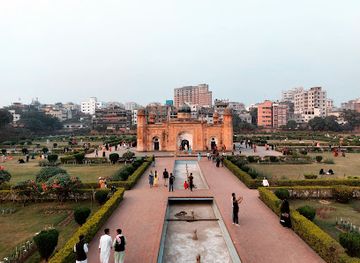
- Combine your visit with a trip to nearby Lalbagh Fort to explore more of Dhaka's history.
- Take your time to observe the details in the murals and graffiti, as they often carry deep meaning.
Do you manage this location?
Take control to get all the benefits, like improved information, better appearance, and stronger visibility across AI-powered discovery. Learn more about listing your business on Evendo
Activate your presenceOther nearby places you may find interesting
The closest places of the same kind, if this one is not quite what you had in mind.
Explore Freedom Wall (স্বাধীনতার দেয়াল) on the Map
A handpicked selection of must-see spots near Freedom Wall (স্বাধীনতার দেয়াল), mapped for you.
Getting There
-
Public Transport
If arriving by bus, the closest bus stop is near Lalbagh Shahi Masjid. From there, walk south on Zahir Raihan Road for about 5 minutes. The Freedom Wall will be on your left. Bus fares in Dhaka typically range from BDT 10-30 depending on the distance. Ensure you have small denomination notes for the fare.
-
Taxi/Ride-Share
From anywhere in Dhaka, a taxi or ride-sharing service (Uber, Pathao) is a convenient option. Simply enter 'Freedom Wall, Lalbagh' as your destination. The ride will drop you off directly in front of the wall on Zahir Raihan Road. A short taxi ride from Dhaka University will cost approximately BDT 150-250, depending on traffic. Be sure to negotiate the fare beforehand with CNG auto-rickshaws.
-
Walking
The Freedom Wall is located near Lalbagh Fort. If you are already visiting the fort, you can easily walk to the Freedom Wall in about 5-10 minutes. Head east on Lalbagh Road, then turn left onto Zahir Raihan Road. The Freedom Wall will be on your right.
Discover more about Freedom Wall (স্বাধীনতার দেয়াল)
More to explore near Freedom Wall (স্বাধীনতার দেয়াল)
-

Best experiences near Freedom Wall (স্বাধীনতার দেয়াল)
-

Best hotels near Freedom Wall (স্বাধীনতার দেয়াল)
-

Best landmarks near Freedom Wall (স্বাধীনতার দেয়াল)
-

Best shops near Freedom Wall (স্বাধীনতার দেয়াল)
-

Best restaurants near Freedom Wall (স্বাধীনতার দেয়াল)
-

Best bars near Freedom Wall (স্বাধীনতার দেয়াল)







Your all‑in‑one travel companion app
Explore expert travel guides, compare and book tours, experiences, hotels, and more—all from the palm of your hand. Download now for seamless trip planning wherever your wanderlust takes you.


Explore More of Dhaka
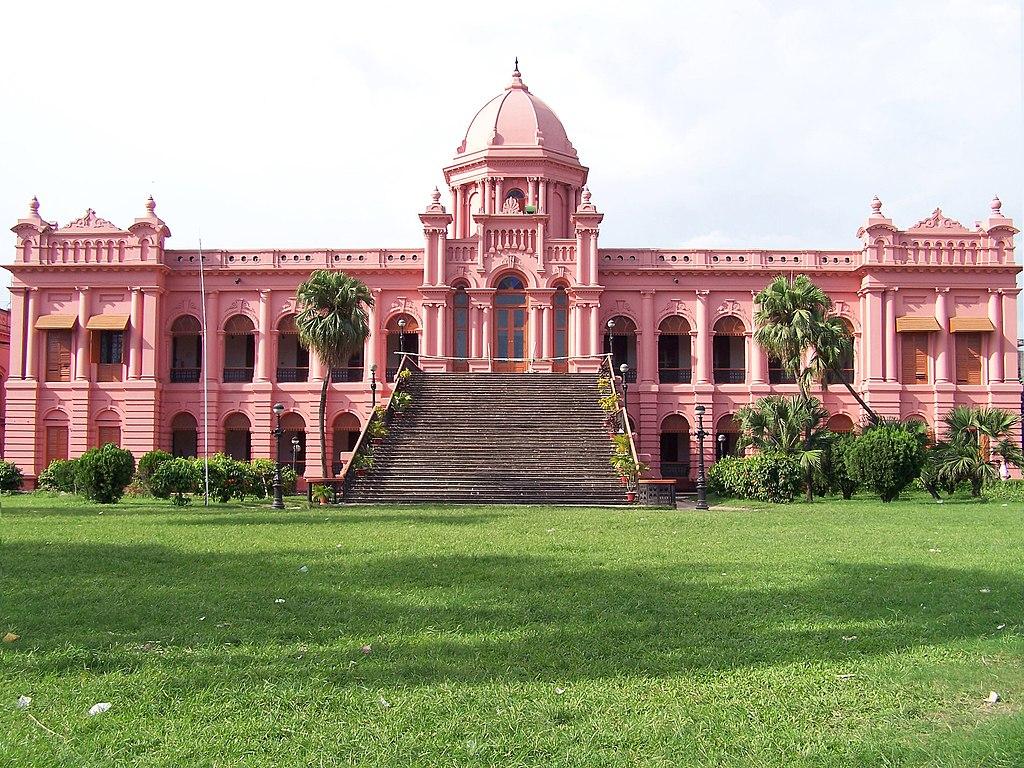
Looking beyond Freedom Wall (স্বাধীনতার দেয়াল)? Discover Dhaka for broader travel guides, local hot-spots, and regional highlights.
Explore Dhaka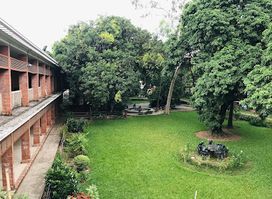
Explore the artistic heart of Dhaka University at Charukola, a vibrant hub of Bengali art, culture, and history. A must-see landmark!
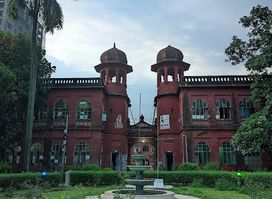
Experience the vibrant heart of Dhaka University at Shahidullah Hall Zero Point, a landmark of history, culture, and student life.