
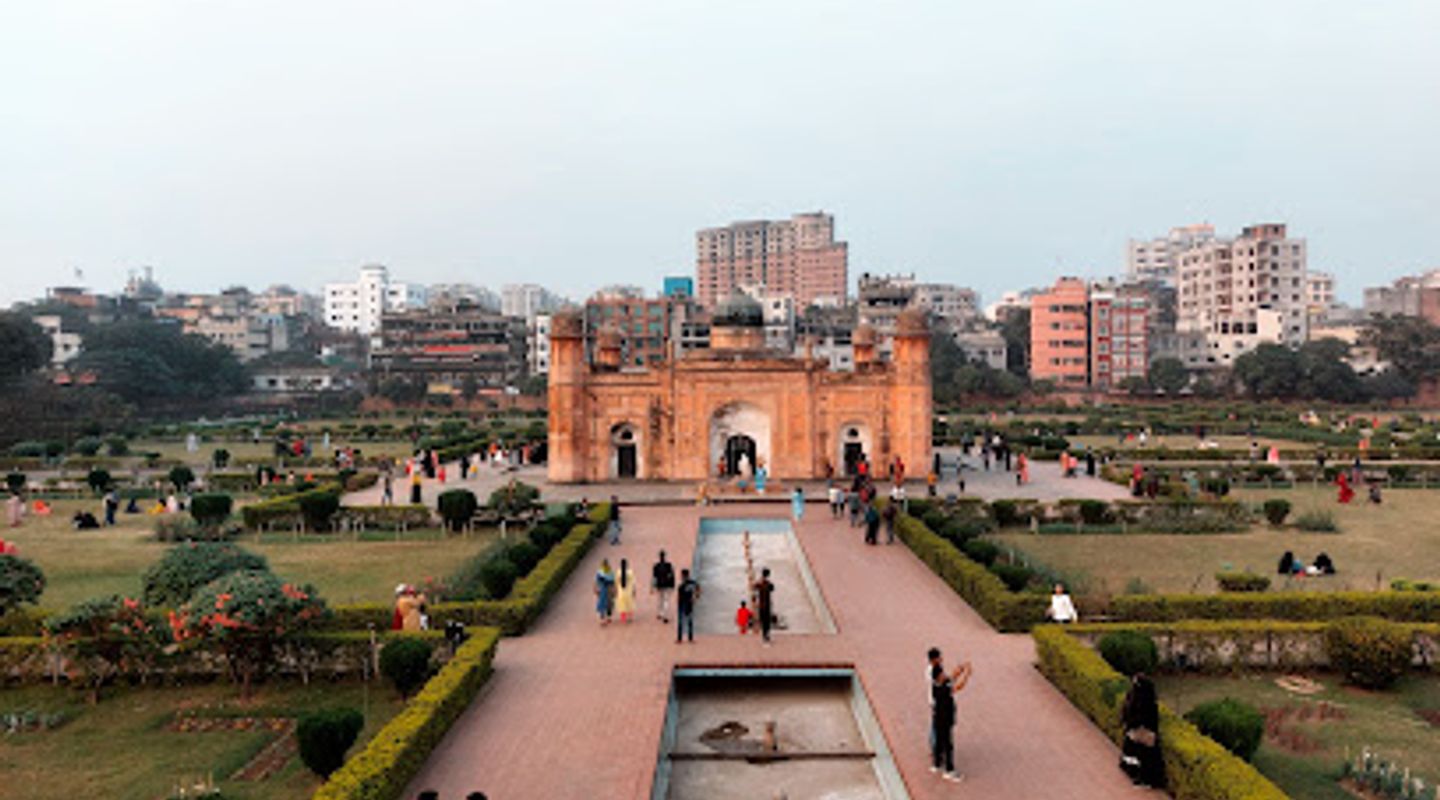
Lalbagh Fort Museum, Dhaka Travel Guide
Explore Mughal history at the incomplete Lalbagh Fort, a 17th-century architectural marvel in the heart of Dhaka.
Lalbagh Fort Museum, situated within the incomplete 17th-century Lalbagh Fort in Dhaka, Bangladesh, offers a captivating journey into the Mughal era. Explore artifacts, weaponry, and art that narrate the fort's rich history and the lives of those who once resided within its walls, providing a tangible connection to the past.
A brief summary to Lalbagh Fort Museum
- Main Road, Dhaka, Lalbagh, 1205, BD
- Click to display
- Monday 9 am-5 pm
- Tuesday 9 am-5 pm
- Wednesday 9 am-5 pm
- Thursday 9 am-5 pm
- Friday 9 am-5 pm
- Saturday 9 am-5 pm
- Sunday 9 am-5 pm

Know before you go
Hi, I'm Eve. Here are a few practical things to know before exploring Lalbagh Fort Museum.
- Visit during the cooler months (November to March) for a more comfortable experience, as Dhaka can get quite hot and humid.
- Allow at least 2 hours to explore the entire fort complex, including the museum, gardens, and historical structures.
- Photography is allowed, but commercial photography may require a separate permit.
- Combine your visit with other nearby attractions in Old Dhaka, such as Ahsan Manzil (Pink Palace) and the Star Mosque, for a full day of exploration.
Do you manage this location?
Take control to get all the benefits, like improved information, better appearance, and stronger visibility across AI-powered discovery. Learn more about listing your business on Evendo
Activate your presenceOther nearby places you may find interesting
The closest places of the same kind, if this one is not quite what you had in mind.

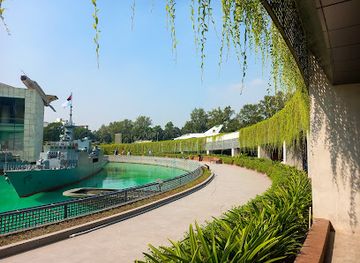
Explore Lalbagh Fort Museum on the Map
A handpicked selection of must-see spots near Lalbagh Fort Museum, mapped for you.
Getting There
-
Public Transport
From areas like Gulistan or New Market, take a local bus heading towards Lalbagh. Look for buses with signs indicating 'Lalbagh' or 'Sadarghat'. The bus fare is approximately 20 BDT. Alight near Lalbagh and walk towards Main Road, where the fort is located, about a 10-15 minute walk.
-
Rickshaw
From Newmarket, Shahbagh, TSC, or Azimpur, a rickshaw ride to Lalbagh Fort is a convenient option. Negotiate the fare beforehand, typically ranging from 60-80 BDT from New Market. Be prepared for a potentially bumpy ride through the narrow streets.
-
Taxi/Ride-Share
Ride-sharing services like Uber or Pathao are readily available in Dhaka. A taxi or ride-share from areas like Dhaka University or Sadarghat to Lalbagh Fort will cost approximately 150-250 BDT, depending on traffic and distance. This is a comfortable and relatively quick option.
Discover more about Lalbagh Fort Museum













Your all‑in‑one travel companion app
Explore expert travel guides, compare and book tours, experiences, hotels, and more—all from the palm of your hand. Download now for seamless trip planning wherever your wanderlust takes you.


Explore More of Dhaka
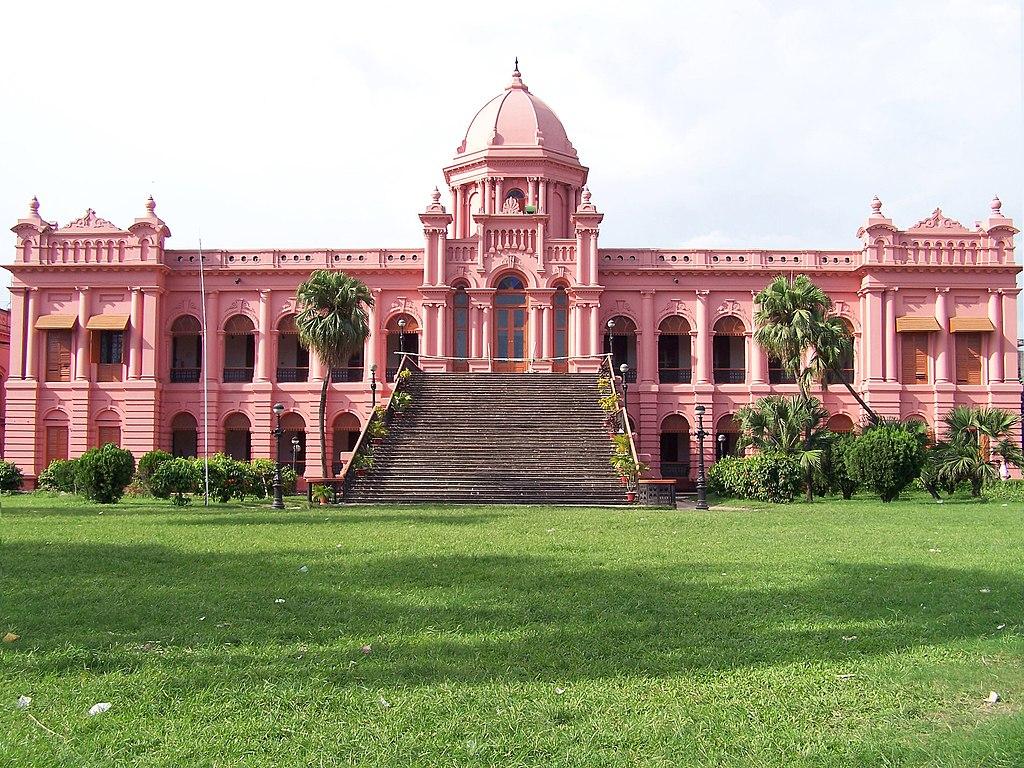
Looking beyond Lalbagh Fort Museum? Discover Dhaka for broader travel guides, local hot-spots, and regional highlights.
Explore Dhaka
Explore Bangladesh's journey to independence at this poignant Dhaka museum, featuring historical exhibits in the historic Suhrawardi Udyan.
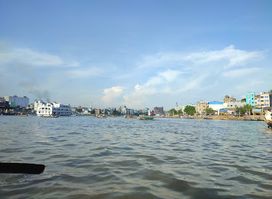
Experience the vibrant river life of Dhaka at Showari Ghat, a bustling hub of transport, commerce, and culture on the Buriganga River.
