

Dhanmondi (Dhaka) Travel Guide - Free
Explore Dhanmondi in Dhaka with Evendo's free guide. Find the best shops, historic streets, restaurants, and gems on web or mobile.


Dhanmondi, Dhaka blends a lakeside park, art spaces, cafés, Bengali history, leafy roads and lively local dining in one of the capital’s cultural quarters.
Planned Streets and a Living Lake
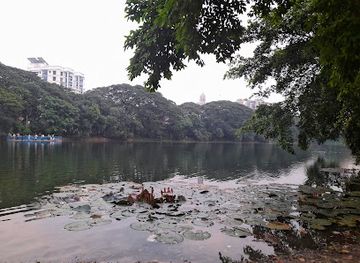
Dhanmondi occupies a leafy section of west-central Dhaka, where numbered residential roads, busy commercial corridors and the long, irregular edge of Dhanmondi Lake create a distinctive urban rhythm. The area developed as a planned residential neighbourhood in the mid-twentieth century, and its broad roads and low-rise plots still contrast with the density found across much of the capital. Today, however, houses share space with apartment buildings, medical institutions, schools, restaurants, cafés and specialist shops. Dhanmondi Lake Park provides the neighbourhood’s defining open space: a chain of water, footpaths, bridges and shaded banks where residents walk, exercise, meet friends and watch the city slow down at the water’s edge.Read more about Dhanmondi
Art, Memory and Public Life
Everyday Dhanmondi
Best attractions in Dhanmondi
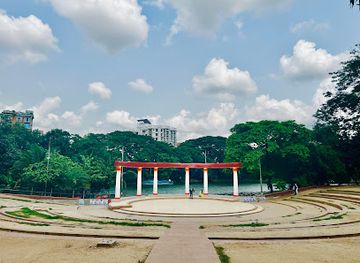
Dhanmondi Lake Park is the neighbourhood’s principal public attraction, with water views, footpaths, bridges, shaded stretches and lively scenes of residents walking, exercising and socialising. Along its edge, Rabindra Sarobar provides an open-air setting for cultural programmes and performances when events are scheduled. The Bangabandhu Memorial Museum on Road 32 offers an important connection to Bangladesh’s political history, although visitors should verify current access before arriving. Dhanmondi’s attractions also include its numbered residential roads, lakeside public art and the galleries and cultural institutions concentrated around the area. Alliance Française de Dhaka contributes exhibitions, language and cultural programming, while nearby galleries provide a window into Bangladesh’s contemporary art scene. The appeal is less a sequence of monumental sights than the way water, civic memory, creative activity and everyday neighbourhood life are encountered within a walkable, if traffic-heavy, urban setting.
-
Park
Rabindra Sarobar
Escape to Kolkata's tranquil oasis: Rabindra Sarobar, a serene lake and park named after Rabindranath Tagore.
3 min walk · 0.2 km from neighbourhood centre
-
Lake
Dhanmondi Lake
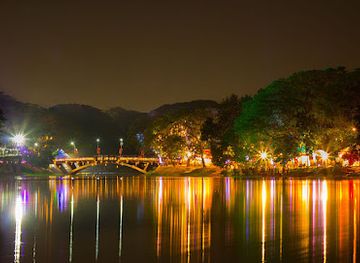
Escape the city bustle at Dhanmondi Lake, a scenic recreational hub with lush greenery, cultural events, and tranquil waters in the heart of Dhaka.
3 min walk · 0.2 km from neighbourhood centre
-
Tourist attraction
Dhanmondi Eidgah Math
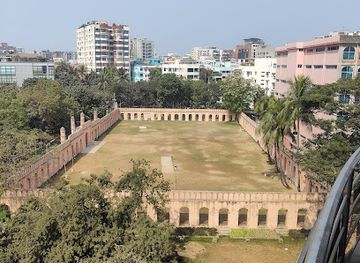
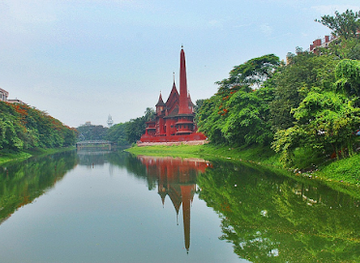
Explore Dhaka's Mughal past at the Dhanmondi Shahi Eidgah, a historic prayer ground and architectural treasure from 1640.
6 min walk · 0.4 km from neighbourhood centre
-
Tourist attraction
32 No Lake
Escape the city bustle at Dhanmondi Lake, a green oasis in the heart of Dhaka.
6 min walk · 0.5 km from neighbourhood centre
Best landmarks in Dhanmondi
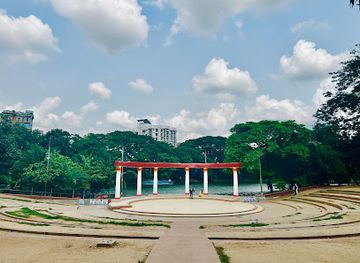
Dhanmondi Lake is both a landscape landmark and an essential part of the neighbourhood’s planned identity, its elongated water body surviving amid decades of urban construction. Road 32 is associated with the residence of Sheikh Mujibur Rahman, now known as the Bangabandhu Memorial Museum, and carries national political significance because of the events of 15 August 1975. Rabindra Sarobar is a recognisable civic landmark beside the lake, combining an open-air amphitheatre with a setting for public cultural activity. The numbered roads themselves are significant elements of Dhanmondi’s urban design, reflecting the district’s post-Partition planning. Its older houses, remaining trees, institutions and lake bridges are less monumental but help explain the transition from planned residential suburb to dense mixed-use neighbourhood.
-
Amphitheater
Rabindra Sarobar
Discover Rabindra Sarobar in Dhaka: A serene lake and park offering cultural events, natural beauty, and a peaceful escape from the city's hustle.
3 min walk · 0.2 km from neighbourhood centre
-
Lake
Dhanmondi Lake
Escape the city bustle at Dhanmondi Lake, a serene oasis in Dhaka offering scenic beauty, recreational activities, and cultural experiences for a refreshing retreat.
3 min walk · 0.2 km from neighbourhood centre
-
Tourist attraction
32 No Lake
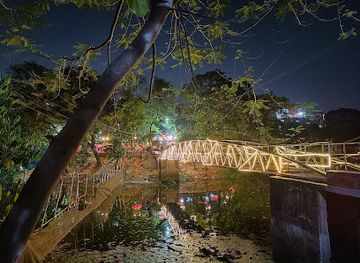
Escape the city bustle at Dhanmondi Lake, a serene urban oasis offering lush greenery, cultural events at Rabindra Sarobar, and recreational activities for all ages in the heart of Dhaka.
6 min walk · 0.5 km from neighbourhood centre
-
Art gallery
Safiuddin Shilpalay
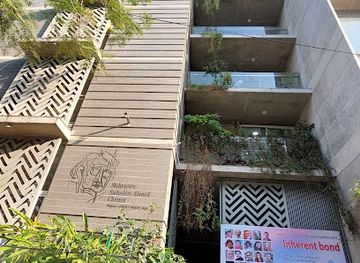
Explore the vibrant art scene of Dhaka at Safiuddin Shilpalay, a fine art complex honoring Shilpaguru Safiuddin Ahmed and showcasing diverse contemporary and historical Bangladeshi art.
10 min walk · 0.8 km from neighbourhood centre
Explore Dhanmondi on the map
A handpicked selection of must-see spots in Dhanmondi, mapped for you.
Best hotels in Dhanmondi
Best restaurants in Dhanmondi
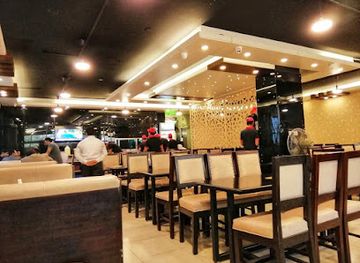
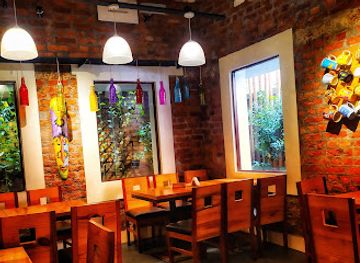
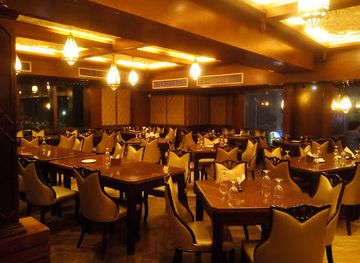
Dhanmondi has one of Dhaka’s broadest local dining landscapes, shaped by its large residential population, students, offices, medical institutions and cultural venues. Restaurants and cafés are concentrated along Sat Masjid Road, Dhanmondi 27 and several numbered roads, with choices ranging from Bengali rice-and-fish meals and biryani to kebabs, South Asian vegetarian food, Chinese-influenced dishes, bakeries, coffee and contemporary casual dining. Long-established local food businesses sit beside newer cafés and restaurant interiors aimed at younger customers, while snack stalls and small eateries offer a more immediate taste of everyday Dhaka. The area’s food culture is varied rather than tied to a single speciality, and menus can change as businesses move or rebrand. Visitors should distinguish independent restaurants from chain outlets and ask about ingredients when dietary requirements matter, particularly with fish, meat and spice levels.
-
Bangladeshi
Sultan's Dine (Dhanmondi Branch)
Experience authentic Bangladeshi flavors at Sultan's Dine in Dhaka – a culinary delight blending tradition with modern dining.
11 min walk · 0.9 km from neighbourhood centre
-
Restaurant
Pinewood Cafe n' Restaurant
Discover delightful flavors at Pinewood Cafe n' Restaurant in Dhaka—where cozy ambiance meets delectable cuisine.
8 min walk · 0.6 km from neighbourhood centre
-
Indian
Handi | Dhanmondi
Experience the rich flavors of India at Handi in Dhanmondi - where culinary tradition meets modern elegance.
6 min walk · 0.5 km from neighbourhood centre
-
Chinese
Four Seasons Restaurant
Discover exquisite Chinese and Thai cuisine at Four Seasons Restaurant in Dhaka – where authentic flavors meet elegant dining.
12 min walk · 0.9 km from neighbourhood centre
Best bars in Dhanmondi
Dhanmondi is not one of Dhaka’s principal nightclub districts, and alcohol-focused nightlife is limited by Bangladesh’s laws and licensing arrangements. Evenings instead centre on restaurants, coffee shops, dessert places, informal street-side gatherings and cultural programmes around venues such as Rabindra Sarobar when events are taking place. Sat Masjid Road, Dhanmondi 27 and the lake-adjacent commercial areas remain active after sunset, though the atmosphere is more social and dining-oriented than club-led. Some hotels and licensed establishments in the wider Dhaka area may serve alcohol under applicable regulations, but visitors should not assume that a restaurant or bar offers it. Traffic, noise and crowds can build around popular dining streets, while the lakeside is better suited to an early evening walk than to late-night wandering.
-
Bar
Hotel Eram International
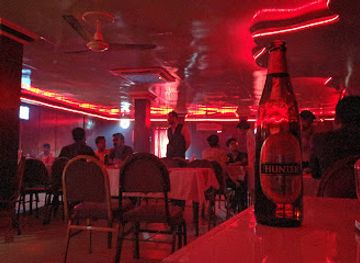
Experience the vibrant nightlife at Hotel Eram International, a favorite bar in Dhaka, blending local charm with a lively atmosphere.
8 min walk · 0.6 km from neighbourhood centre
-
Restaurant
The Dark Music Cafe And Restaurant
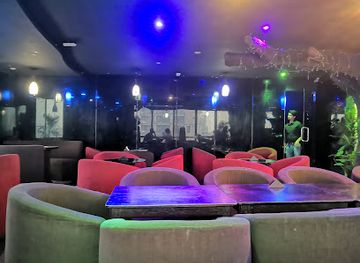
Discover a unique fusion of music and cuisine at The Dark Music Cafe and Restaurant, the perfect dining spot for food lovers in Dhaka.
6 min walk · 0.5 km from neighbourhood centre
-
Restaurant
ওজঙ রেস্টুরেন্ট
Discover the vibrant flavors of Dhaka at Ojong Restaurant, a must-visit culinary destination in Dhanmondi, known for its delicious dishes and inviting atmosphere.
5 min walk · 0.4 km from neighbourhood centre
-
Bar
Cha Bar
Discover the vibrant charm of Cha Bar in Dhaka, where traditional teas and a cozy atmosphere create an unforgettable experience.
6 min walk · 0.5 km from neighbourhood centre
Best nightclubs in Dhanmondi
Dhanmondi is not one of Dhaka’s principal nightclub districts, and alcohol-focused nightlife is limited by Bangladesh’s laws and licensing arrangements. Evenings instead centre on restaurants, coffee shops, dessert places, informal street-side gatherings and cultural programmes around venues such as Rabindra Sarobar when events are taking place. Sat Masjid Road, Dhanmondi 27 and the lake-adjacent commercial areas remain active after sunset, though the atmosphere is more social and dining-oriented than club-led. Some hotels and licensed establishments in the wider Dhaka area may serve alcohol under applicable regulations, but visitors should not assume that a restaurant or bar offers it. Traffic, noise and crowds can build around popular dining streets, while the lakeside is better suited to an early evening walk than to late-night wandering.
-
Convention center
Dhanmondi Club Limited
Discover the vibrant atmosphere of Dhanmondi Club Limited, where elegance meets unforgettable experiences in the heart of Dhaka.
8 min walk · 0.6 km from neighbourhood centre
-
Lounge
Griddle Cafe & Lounge
Discover the vibrant culinary scene at Griddle Cafe & Lounge in Dhaka, where delicious flavors meet a cozy atmosphere.
11 min walk · 0.9 km from neighbourhood centre
Best shops in Dhanmondi
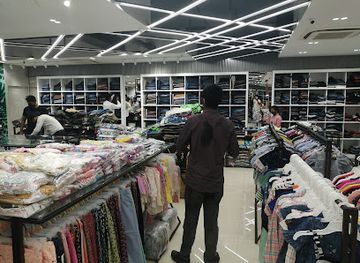
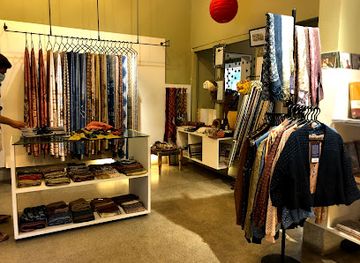
Shopping in Dhanmondi is practical, dispersed and closely tied to everyday neighbourhood life rather than concentrated in one historic bazaar. Commercial activity gathers around Dhanmondi 27, Sat Masjid Road and the numbered roads, where visitors find pharmacies, clothing shops, bookshops, salons, household retailers, bakeries, cafés and small specialist businesses alongside larger modern outlets. The area is also known for services supporting students, families and medical visitors, so its retail character changes noticeably from one block to the next. Rather than seeking a single souvenir market, visitors can browse independent book and lifestyle shops, local fashion and craft displays, and food businesses reflecting contemporary urban Bangladesh. Pavements are often crowded and shopfronts can be set behind busy traffic, making short shopping trips more comfortable with patience and a clear meeting point.
-
Shopping mall
প্লাজা এ.আর
Explore the best shopping, dining, and entertainment at Plaza A.R, Dhaka's vibrant shopping mall that embraces local culture.
11 min walk · 0.9 km from neighbourhood centre
-
Men's clothing store
Artisan Outfitters Dhanmondi
Discover the latest trends in men's, women's, and children's fashion at Artisan Outfitters Dhanmondi, a stylish shopping hub in Dhaka.
12 min walk · 0.9 km from neighbourhood centre
-
Clothing store
Artisan Dhanmondi 2
Discover a world of fashion at Artisan Dhanmondi 2, where quality meets style in the heart of Dhaka.
12 min walk · 1.0 km from neighbourhood centre
-
Outlet store
Aranya Dhanmondi Showroom
Discover the charm of Bangladeshi craftsmanship at Aranya Dhanmondi Showroom, a top shopping destination in Dhaka's vibrant Dhanmondi area.
11 min walk · 0.9 km from neighbourhood centre
Dhanmondi essentials
Getting There
Getting Around
Safety
Emergency Situations
Do's and Don'ts
Local Tips

From Eve
Local phrases worth knowing
You don't need to get them perfect. A few words go a long way, and locals appreciate the effort.
Basics
| English | Local | Say it |
|---|---|---|
| Hello | হ্যালো | [halo] |
| Goodbye | বিদায় | [bidae] |
| Yes | হ্যাঁ | [ha] |
| No | না | [na] |
| Please/You're welcome | দয়া করে/আপনাকে স্বাগত | [doya kore/apnakē swāgat] |
| Thank you | ধন্যবাদ | [dhonyabād] |
| Excuse me/Sorry | দুঃখিত/দুঃখিত | [duḥkhita/duḥkhita] |
| How are you? | আপনি কেমন আছেন? | [āpani kēmana āchēna?] |
| Fine. And you? | ঠিক আছি। আর আপনি? | [ṭhika āchi. āra āpani?] |
| Do you speak English? | আপনি ইংরেজি বলতে পারেন? | [āpani iṅrēji baltē pārēna?] |
| I don't understand | আমি বুঝিনি | [āmi bujhini] |
Eating & Drinking
| English | Local | Say it |
|---|---|---|
| I'd like to see the menu, please | দয়া করে তালিকা দেখতে চাই | [doya kore tālikā dēkh'tē chai] |
| I don't eat meat | আমি মাংস খাই না | [āmi māṅsa khāi nā] |
| Cheers! | চিয়ার্স! | [ciẏārs!] |
| I would like to pay, please | দয়া করে দাম দিতে চাই | [doya kore dām ditē chai] |
Emergencies
| English | Local | Say it |
|---|---|---|
| Help! | বাঁচাও! | [bāñchā'ō!] |
| Go away! | চলে যাও! | [chalē yā'ō!] |
| Call the Police! | পুলিশকে কল করুন! | [puliśkē kala karuna!] |
| Call a doctor! | ডাক্তারকে কল করুন! | [ḍāktārkē kala karuna!] |
| I'm lost | আমি হারানো গিয়েছি | [āmi hārānō giẏēchi] |
| I'm ill | আমি অসুস্থ | [āmi asustha] |
Shopping
| English | Local | Say it |
|---|---|---|
| I'd like to buy... | আমি ... কিনতে চাই | [āmi ... kinatē chai] |
| I'm just looking | আমি কেবল দেখছি | [āmi kēbala dēkha chi] |
| How much is it? | এটা কত? | [ēṭā kata?] |
| That's too expensive | এটা খুব বাজে | [ēṭā khuba bājē] |
| Can you lower the price? | দাম কমাতে পারবেন? | [dām kamātē pārabēna?] |
Time & Numbers
| English | Local | Say it |
|---|---|---|
| What time is it? | এখানে কতটা সময়? | [ēkhanē kataṭā samaya?] |
| It's one o'clock | এটা একটা ঘণ্টা | [ēṭā ēkaṭā ghaṇṭā] |
| Half past (10) | দশের পাঁচে অর্ধেক | [daśēra pām̐cē ardhēka] |
| Morning | সকাল | [sakāla] |
| Afternoon | অপরাহ্ন | [aparāhna] |
| Evening | সন্ধ্যা | [sōndhyā] |
| Yesterday | গতকাল | [gatakāla] |
| Today | আজ | [āja] |
| Tomorrow | আগামীকাল | [āgāmīkāla] |
| 1 | এক | [ēka] |
| 2 | দুই | [du'i] |
| 3 | তিন | [tina] |
| 4 | চার | [cāra] |
| 5 | পাঁচ | [pām̐cē] |
| 6 | ছয় | [chôẏa] |
| 7 | সাত | [sāta] |
| 8 | আট | [āṭa] |
| 9 | নয় | [nôẏa] |
| 10 | দশ | [daśa] |
Transport & Directions
| English | Local | Say it |
|---|---|---|
| Where's a/the...? | এখানে কোথায় ...? | [ēkhanē kōthā'ẏa ...?] |
| What's the address? | ঠিকানাটি কি? | [ṭhikānāṭi ki?] |
| Can you show me (on the map)? | আপনি আমাকে দেখাতে পারবেন (ম্যাপে)? | [āpani āmākē dēkhātē pārabēna (myāpē)?] |
| When's the next (bus)? | পরের (বাস) কওয়ান্ত হবে? | [parēra (bāsa) kōẏānta habē?] |
| A ticket (to ....) | একটি টিকেট (পর্যন্ত ....) | [ēkaṭi ṭikēṭa (paryanta ....)] |
History of Dhanmondi
From Wetland to Planned Suburb
The area now known as Dhanmondi was once part of the low-lying landscape on Dhaka’s western side, with water bodies, cultivated land and rural settlement beyond the older urban core. Its name is commonly explained through the Bengali words dhan, meaning rice, and mandi, meaning a market, although the precise historical development of the name is not always presented consistently. Dhanmondi’s modern form emerged after the 1947 Partition of British India, when Dhaka expanded and new residential areas were planned beyond the traditional city. Roads were laid out in a numbered pattern, plots were allocated for houses and institutions, and the lake was retained as a major landscape feature rather than entirely built over.
Residential Dhaka Takes Shape
During the 1950s and 1960s, Dhanmondi became associated with planned middle- and upper-income housing, government employees, professionals and families moving into an expanding capital. Its spacious plots, tree-lined roads and proximity to central Dhaka gave it a different character from the older neighbourhoods east of the Buriganga and around the historic city centre. Schools, clinics, religious buildings and local markets gradually filled out the residential framework. The retention of Dhanmondi Lake helped preserve a sense of open space, although the surrounding urban fabric became steadily busier as Dhaka’s population and institutional activity grew.
Road 32 and National Memory
Dhanmondi acquired an enduring place in Bangladesh’s political history through Road 32, the residence associated with Sheikh Mujibur Rahman, a central figure in the country’s independence movement and its first government. He and most members of his family present in the house were assassinated there on 15 August 1975. The building later became the Bangabandhu Memorial Museum, turning a private home into a site of national remembrance and historical interpretation. Its presence gave Dhanmondi a significance extending beyond local residential history, linking the neighbourhood’s numbered streets to the country’s formative political story.
Cultural and Commercial Transformation
From the late twentieth century onwards, Dhanmondi changed from a predominantly residential district into a mixed urban quarter. Apartment construction, private hospitals, schools, coaching centres, restaurants, cafés and retail businesses spread along roads such as Sat Masjid Road and around Dhanmondi 27, while many original houses disappeared or were adapted for institutional use. Cultural organisations, galleries and public venues strengthened the area’s reputation as a place for art, performance and discussion. The lake remained central to neighbourhood life, even as construction pressure, traffic and changing land values altered the scale and pace of the streets around it.
Dhanmondi in Photos
Browse through our photo collection highlighting the charm and character of the destination.
Neighbourhoods near Dhanmondi
The closest neighbourhoods to Dhanmondi, if you have time for more than one stop.
-

-

-


Swipe for more neighbourhoods
Explore more

Explore more of Dhaka
Dhaka, Bangladesh blends Mughal history, riverfront life, vibrant markets, Bengali cuisine and distinctive architecture for immersive city sightseeing.
Explore Dhaka