

Gulshan (Dhaka) Travel Guide - Free
Explore Gulshan in Dhaka with Evendo's free guide. Find the best shops, historic streets, restaurants, and gems on web or mobile.


Gulshan, Dhaka blends leafy lakefront walks, diplomatic avenues, contemporary dining, art spaces and refined shopping in Bangladesh’s capital city.
Planned Streets and Urban Character
Gulshan occupies a distinctive position in Dhaka: a planned, relatively spacious neighbourhood of broad avenues, lakeside roads, office towers, embassies, apartment buildings and enclosed residential compounds. Developed as a modern residential area beyond the older city, it is now one of the capital’s principal business and diplomatic districts. Gulshan 1 and Gulshan 2 serve as its best-known commercial nodes, while Gulshan Avenue forms a major north–south corridor linking offices, hotels, restaurants and shopping centres.Read more about Gulshan
Lake, Parks and Public Life
Dining, Culture and Everyday Gulshan
Best attractions in Gulshan
Gulshan’s attractions are shaped less by monumental heritage than by the experience of a planned modern district framed by water and greenery. Gulshan Lake Park and Gulshan Society Lake Park offer the clearest opportunity to pause beside the neighbourhood’s surviving landscape, with paths and planted areas used by walkers and local residents. The roads around Gulshan 1 and Gulshan 2 provide a changing streetscape of offices, apartment towers, embassies and busy commercial corners, while Gulshan Avenue illustrates the district’s transformation into a major business corridor. Bengal Gallery of Fine Arts brings contemporary and modern Bangladeshi art into the neighbourhood, with exhibitions that provide cultural context beyond the malls and restaurants. Gulshan 1 DCC Market offers a more everyday view of local commerce, and the neighbourhood’s cafés, galleries and lake-edge spaces reward visitors who explore in short, carefully chosen sections rather than expecting a single central sightseeing route.
-
Mosque
Gulshan Central Masjid
Discover Gulshan Central Masjid in Dhaka: a blend of modern architecture and Islamic tradition, offering a serene space for worship and community engagement.
3 min walk · 0.3 km from neighbourhood centre
-
Park
Gulshan Society Lake Park
Escape to tranquility in Dhaka's Gulshan Society Lake Park: A serene urban oasis offering scenic beauty and a vibrant community atmosphere.
14 min walk · 1.1 km from neighbourhood centre
-
Park
Justice Shahabuddin Ahmed Park
A serene urban escape in Dhaka's Gulshan, offering lush greenery, a tranquil lake, and vibrant cultural experiences for all ages.
9 min walk · 0.7 km from neighbourhood centre
-
Park
Shahid Dr. Fazle Rabbi Park
Escape to nature in the heart of Dhaka at Shahid Dr. Fazle Rabbi Park, a revitalized urban oasis in Gulshan-1.
6 min drive · 2.0 km from neighbourhood centre


Best landmarks in Gulshan
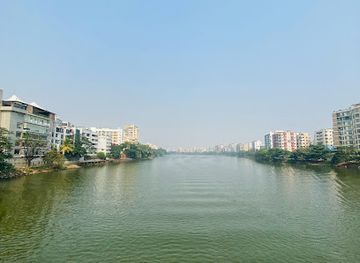
Gulshan’s most significant landmarks are urban rather than ancient. Gulshan Lake is the defining geographical feature, preserving a visible connection to the wetlands and watercourses that shaped eastern Dhaka before the planned town was built. The two circles, Gulshan 1 and Gulshan 2, function as civic and commercial reference points, while Gulshan Avenue represents the neighbourhood’s shift from low-rise residential development towards offices, hotels and high-rise mixed use. Gulshan Society Mosque is an important local religious and architectural presence, serving the surrounding community amid the district’s commercial activity. Gulshan 1 DCC Market is significant in a different way: its everyday trade records the neighbourhood’s practical retail life beneath the polished surface of international offices and restaurants. The contrast between lake, mosque, market, diplomatic compounds and towers explains Gulshan’s local identity more clearly than any single monument.
-
Mosque
Gulshan Central Masjid
Discover the architectural beauty and spiritual serenity of Gulshan Central Masjid, a prominent religious and cultural landmark in Dhaka's upscale Gulshan neighborhood, offering a tranquil escape.
3 min walk · 0.3 km from neighbourhood centre
-
Park
Gulshan Lake Park
Discover a tranquil escape in the heart of Dhaka at Gulshan Lake Park, a community-maintained oasis with scenic beauty and a refreshing atmosphere.
14 min walk · 1.1 km from neighbourhood centre
-
Historical landmark
গুলশান ১ চত্বর
Experience the heart of Dhaka's urban sophistication at Gulshan 1 Chattar, a vibrant hub connecting the city's modern and traditional life.
14 min walk · 1.1 km from neighbourhood centre
-
Tourist attraction
Gulshan Square গুলশান স্কয়ার
Experience the vibrant heart of Dhaka at Gulshan Square, where urban energy meets tranquil green spaces.
4 min walk · 0.3 km from neighbourhood centre



Explore Gulshan on the map
A handpicked selection of must-see spots in Gulshan, mapped for you.
Best hotels in Gulshan
Best restaurants in Gulshan
Gulshan has one of Dhaka’s broadest concentrations of internationally oriented dining, reflecting its diplomatic, corporate and expatriate presence as well as the city’s increasingly diverse middle-class food culture. Around Gulshan Avenue, Gulshan 1 and Gulshan 2, visitors find Bangladeshi restaurants serving rice, fish, kebabs and regional specialities alongside Japanese, Thai, Indian, Middle Eastern, Italian and contemporary international menus. Cafés and bakeries provide meeting places throughout the office district, while local sweets and traditional Bengali snacks offer a more distinctly Dhaka flavour. Restaurants vary from polished hotel dining rooms and independent establishments to casual eateries in busy commercial buildings, so the setting can change quickly from a quiet, air-conditioned interior to a crowded roadside frontage. The area is well suited to comparing formal and informal food cultures, though current menus, access arrangements and opening times should always be checked directly.
-
Restaurant
Star Kabab & Restaurant
Experience authentic Bangladeshi cuisine at Star Kabab & Restaurant - where flavorful kebabs meet warm hospitality.
13 min walk · 1.0 km from neighbourhood centre
-
Restaurant
138 East
Discover the exquisite flavors and inviting atmosphere at 138 East – Dhaka's go-to gastropub and café for unforgettable dining experiences.
5 min drive · 1.7 km from neighbourhood centre
-
Restaurant
Thai Emerald
Experience authentic Thai flavors in Dhaka at Thai Emerald - where every dish tells a story.
5 min drive · 1.6 km from neighbourhood centre
-
Indian
Sajna Restaurant
Discover authentic Indian cuisine at Sajna Restaurant in Gulshan, Dhaka - where tradition meets taste in every dish.
8 min walk · 0.6 km from neighbourhood centre


Best bars in Gulshan
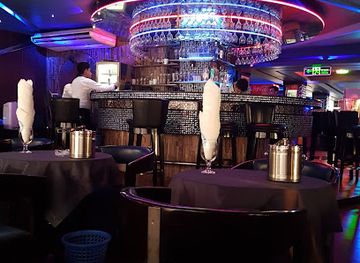
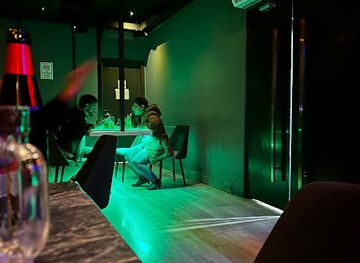
Gulshan’s evening scene is more restaurant-led and hotel-based than club-centred, with after-work cafés, lounges, rooftop dining rooms and bars attached to larger hotels or international-style restaurants providing much of the nightlife. Some venues offer live music or late-evening socialising, but the district does not resemble a single pedestrian bar quarter: entertainment is dispersed between Gulshan 1, Gulshan 2, Gulshan Avenue and nearby commercial roads. Alcohol service is regulated in Bangladesh and may be restricted to licensed venues, so visitors should not assume that every restaurant or hotel lounge serves it. After dark, the neighbourhood’s business traffic eases in places, but roads remain busy and compounds can be security-conscious. A planned evening around one or two venues is generally more practical than moving spontaneously between distant addresses, and current access policies are worth confirming before arrival.
-
Bar
La Diplomat Restaurant & Bar
Experience the vibrant culinary scene of Dhaka at La Diplomat Restaurant & Bar, where delicious food and lively ambiance meet.
16 min walk · 1.3 km from neighbourhood centre
-
Bar
Korea Bangladesh Club & Restaurant Ltd.
Discover a culinary fusion of Asian and Continental delights at Korea Bangladesh Club & Restaurant Ltd. in the heart of Dhaka.
17 min walk · 1.3 km from neighbourhood centre
-
Bar
Kingfisher Restaurant & Bar
Experience the vibrant flavors and lively atmosphere at Kingfisher Restaurant & Bar, a must-visit dining destination in Dhaka.
3 min walk · 0.2 km from neighbourhood centre
-
Bar
Lake View Recreation Club, Gulshan-1
Experience the charm of Lake View Recreation Club, a serene bar in Gulshan-1 offering stunning lake views and a delightful menu.
15 min walk · 1.2 km from neighbourhood centre


Best nightclubs in Gulshan
Gulshan’s evening scene is more restaurant-led and hotel-based than club-centred, with after-work cafés, lounges, rooftop dining rooms and bars attached to larger hotels or international-style restaurants providing much of the nightlife. Some venues offer live music or late-evening socialising, but the district does not resemble a single pedestrian bar quarter: entertainment is dispersed between Gulshan 1, Gulshan 2, Gulshan Avenue and nearby commercial roads. Alcohol service is regulated in Bangladesh and may be restricted to licensed venues, so visitors should not assume that every restaurant or hotel lounge serves it. After dark, the neighbourhood’s business traffic eases in places, but roads remain busy and compounds can be security-conscious. A planned evening around one or two venues is generally more practical than moving spontaneously between distant addresses, and current access policies are worth confirming before arrival.
-
Bar
Bluemoon Recreation Club
Experience the perfect blend of relaxation and entertainment at Bluemoon Recreation Club, Dhaka's premier destination for leisure and socializing.
7 min walk · 0.6 km from neighbourhood centre
-
Bar
Lake View Recreation Club, Gulshan-1
Experience the perfect blend of relaxation and socializing at Lake View Recreation Club in Gulshan-1, Dhaka, with stunning lake views and a welcoming atmosphere.
15 min walk · 1.2 km from neighbourhood centre
-
Bar
SKYe Lounge Bar
Discover the vibrant nightlife at SKYe Lounge Bar in Dhaka, where stylish ambiance meets exquisite drinks and captivating entertainment.
7 min walk · 0.6 km from neighbourhood centre
-
Bar
Loki Restaurant & Bar
Discover the vibrant nightlife at Loki Restaurant & Bar, a must-visit destination in Banani, Dhaka, offering a lively atmosphere and delightful drinks.
10 min walk · 0.8 km from neighbourhood centre


Best shops in Gulshan
Shopping in Gulshan ranges from practical local commerce to polished contemporary retail. Gulshan 1 DCC Market is the most recognisable traditional commercial stop within the neighbourhood, with stalls and shops serving everyday needs and offering clothing, accessories, household goods and other locally traded items; browsing is more about atmosphere and comparison than a fixed sightseeing circuit. Around Gulshan 1, Gulshan 2 and Gulshan Avenue, visitors encounter supermarkets, fashion outlets, beauty businesses, bookshops, cafés and specialist retailers in mixed-use buildings and shopping centres. Boutiques and design-led stores reflect Dhaka’s growing creative economy, while Bengali clothing, textiles, sweets and handicrafts can be found across the wider retail scene rather than in one dedicated bazaar. Expect security checks and changing shop line-ups in larger complexes, and ask before photographing market stalls or people. Gulshan is not an old handicraft quarter, but its retail mix reflects the neighbourhood’s role as a modern commercial and diplomatic district.
-
Outlet mall
Gulshan Shopping Centre
Experience the vibrant shopping scene at Gulshan Shopping Centre, where fashion, food, and culture converge in the heart of Dhaka.
17 min walk · 1.4 km from neighbourhood centre
-
Clothing store
Artisan | Gulshan-2
Explore the finest selection of export-quality clothing at Artisan in Gulshan-2, a premier shopping destination for fashion lovers in Dhaka.
4 min walk · 0.3 km from neighbourhood centre
-
Clothing store
YELLOW - Gulshan Flagship Store
Discover the essence of Dhaka's fashion scene at the YELLOW - Gulshan Flagship Store, offering a unique blend of contemporary and traditional clothing.
5 min walk · 0.4 km from neighbourhood centre
-
Gift shop
Archies Gallery
Explore Archies Gallery in Dhaka for unique gifts and local artistry, capturing the essence of Bangladesh's vibrant culture.
6 min walk · 0.5 km from neighbourhood centre


Gulshan essentials
Getting There
Getting Around
Safety
Emergency Situations
Do's and Don'ts
Local Tips

From Eve
Local phrases worth knowing
You don't need to get them perfect. A few words go a long way, and locals appreciate the effort.
Basics
| English | Local | Say it |
|---|---|---|
| Hello | হ্যালো | [helo] |
| Goodbye | বিদায় | [bidae] |
| Yes | হ্যাঁ | [haan] |
| No | না | [na] |
| Please/You're welcome | অনুগ্রহ করে | [onugroho kore] |
| Thank you | ধন্যবাদ | [dhonnobad] |
| Excuse me/Sorry | দুঃখিত | [dukkhito] |
| How are you? | আপনি কেমন আছেন? | [apni kemon achhen?] |
| Fine. And you? | ভালো। আর আপনি? | [bhalo. ar apni?] |
| Do you speak English? | আপনি ইংরেজি কথা বলতে পারেন? | [apni ingreji kotha bolte paren?] |
| I don't understand | আমি বুঝতে পারছি না | [ami bujhte parchhi na] |
Eating & Drinking
| English | Local | Say it |
|---|---|---|
| I'd like to see the menu, please | মেনু দেখতে চাই | [menu dekhte chai] |
| I don't eat meat | আমি মাংস খাই না | [ami mangsho khai na] |
| Cheers! | চিয়ার্স! | [cheers!] |
| I would like to pay, please | দয়া করে পরিশোধ করতে চাই | [doya kore porishodh korte chai] |
Emergencies
| English | Local | Say it |
|---|---|---|
| Help! | সাহায্য! | [sahayyo!] |
| Go away! | চলে যাও! | [chole jao!] |
| Call the Police! | পুলিশ কল করুন! | [police kol korun!] |
| Call a doctor! | ডাক্তার কল করুন! | [daktar kol korun!] |
| I'm lost | আমি হারিয়ে গেছি | [ami hariye geshi!] |
| I'm ill | আমি অসুস্থ | [ami osustho] |
Shopping
| English | Local | Say it |
|---|---|---|
| I'd like to buy... | আমি ... কিনতে চাই | [ami ... kinte chai] |
| I'm just looking | আমি শুধুমাত্র দেখছি | [ami shudhumatro dekhchi] |
| How much is it? | এটা কত টাকা? | [eta koto taka?] |
| That's too expensive | এটা খুব বাজে | [eta khub baje] |
| Can you lower the price? | দাম কমাতে পারবেন? | [dam komate parben?] |
Time & Numbers
| English | Local | Say it |
|---|---|---|
| What time is it? | এখন কত বাজে? | [ekhon koto baje?] |
| It's one o'clock | এটা একটা বাজে | [eta ekta baje] |
| Half past (10) | দশের অর্ধেক | [dasher ordhek] |
| Morning | সকাল | [shokal] |
| Afternoon | দুপুর | [dupur] |
| Evening | সন্ধ্যা | [shondhya] |
| Yesterday | গতকাল | [gotokal] |
| Today | আজ | [aj] |
| Tomorrow | আগামীকাল | [agogikol] |
| 1 | এক | [ek] |
| 2 | দুই | [dui] |
| 3 | তিন | [tin] |
| 4 | চার | [char] |
| 5 | পাঁচ | [pach] |
| 6 | ছয় | [chhoy] |
| 7 | সাত | [shat] |
| 8 | আট | [at] |
| 9 | নয় | [noy] |
| 10 | দশ | [dosh] |
Transport & Directions
| English | Local | Say it |
|---|---|---|
| Where's a/the...? | ... কোথায়? | [... kothay?] |
| What's the address? | ঠিকানা কি? | [thikana ki?] |
| Can you show me (on the map)? | আমাকে দেখাতে পারবেন? | [amake dekhate parben?] |
| When's the next (bus)? | পরের (বাস) কখন? | [porer (bosh) kohon?] |
| A ticket (to ....) | একটি টিকেট (.... এ) | [ekti ticket (.... e)] |
History of Gulshan
From Wetland Fringe to Planned Town
Before its modern development, the land around present-day Gulshan formed part of Dhaka’s low-lying eastern fringe, where waterways, ponds, cultivated land and village settlements shaped movement and drainage. The area’s transformation followed post-Partition urban expansion, as Dhaka required new residential districts beyond the congested historic core. The Dhaka Improvement Trust, generally known as DIT, planned Gulshan as a modern town during the 1960s, laying out larger plots, broad roads and residential streets in a setting that retained substantial water and open land.
Residential Expansion in the 1960s
Gulshan’s early identity was primarily residential. Detached houses, gardens and institutional compounds occupied plots connected by a more spacious road network than was available in old Dhaka. The planned neighbourhood represented a new model of urban living for a rapidly growing capital, although its tree-lined streets and lakes were always part of a wider metropolitan landscape rather than an isolated garden suburb. Gulshan 1 gradually became an important local commercial centre, providing shops and services for residents of the surrounding planned areas.
Diplomatic and Commercial Transformation
As Dhaka expanded after Bangladesh’s independence in 1971, Gulshan acquired uses beyond private housing. Diplomatic missions, international organisations, corporate offices, hotels and restaurants established a strong presence, particularly along Gulshan Avenue and around Gulshan 2. Nearby Banani and Baridhara developed in related ways, producing a connected northern urban zone with overlapping commercial and diplomatic functions. Rising land values and demand for central office space encouraged apartment towers and office buildings to replace or incorporate many earlier low-rise properties.
A Denser Contemporary District
Gulshan today reflects the pressures of metropolitan Dhaka: redevelopment, intense traffic, security requirements, commercial growth and continuing concern for lakes, drainage and public open space. The neighbourhood’s original planned geometry remains visible in its broad avenues and numbered sectors, but high-rise construction and mixed-use activity have altered its scale. Gulshan Lake parks and civic improvements preserve fragments of the area’s landscape identity, while galleries, cafés, restaurants and international businesses have made it one of Dhaka’s most recognisable modern urban districts.
Gulshan in Photos
Browse through our photo collection highlighting the charm and character of the destination.
Neighbourhoods near Gulshan
The closest neighbourhoods to Gulshan, if you have time for more than one stop.
-

-
-


Swipe for more neighbourhoods
Explore more

Explore more of Dhaka
Dhaka, Bangladesh blends Mughal history, riverfront life, vibrant markets, Bengali cuisine and distinctive architecture for immersive city sightseeing.
Explore Dhaka