Bangladesher More: A Borderland Landmark
Discover Bangladesher More in Lotamari, West Bengal: A historical landmark symbolizing the shared heritage and cultural connections between India and Bangladesh.
Bangladesher More, a historical landmark in Lotamari, West Bengal, marks a significant point of connection between India and Bangladesh. More than just a physical location, it represents the shared history and cultural ties between the two nations. Visitors can experience the tranquil surroundings while reflecting on the historical narratives that have shaped the region. The landmark serves as a reminder of the partition of India and the subsequent creation of Bangladesh, offering a poignant glimpse into the past. Engage with locals to hear firsthand accounts and stories that enrich the experience, making it a memorable visit for history enthusiasts and those interested in cross-cultural understanding. The area's serene environment provides a peaceful backdrop for contemplation and appreciation of the region's heritage.
A brief summary to Bangladesher More
- 9WV7+V4F, Changrabandh- Lotamari- Mekliganj Rd, Lotamari, West Bengal, 735301, IN
Local tips
- Visit early in the morning for a peaceful experience and optimal lighting for photography.
- Engage with local residents to learn more about the history and significance of the landmark from firsthand accounts.
- Bring a picnic to enjoy in the surrounding green spaces after exploring the site.

Getting There
-
Taxi/Ride-Share
From Mekliganj, taxis and auto-rickshaws are readily available for the final leg to Bangladesher More in Lotamari. The ride is approximately 10-15 minutes, depending on traffic. Negotiate the fare beforehand; expect to pay around ₹150-₹250 for a taxi or ₹80-₹120 for an auto-rickshaw. Alternatively, shared jeeps operate on this route for a more budget-friendly option, costing around ₹30-₹50 per person. Be mindful of potential delays due to road conditions.
-
Public Transport
From Mekliganj Bus Stand, take a local bus heading towards Changrabandha. Ask the conductor to drop you off near Lotamari, close to Bangladesher More. From the drop-off point, it's a short walk or cycle-rickshaw ride (approx. ₹20-₹40) to the landmark. Bus fares are typically very low, around ₹10-₹20. Buses can be crowded, especially during peak hours.
Discover more about Bangladesher More
Iconic landmarks you can’t miss

Zero Point, Bangladesh- India
11.9 km
Discover the captivating intersection of cultures and histories at Zero Point, where Bangladesh and India meet.
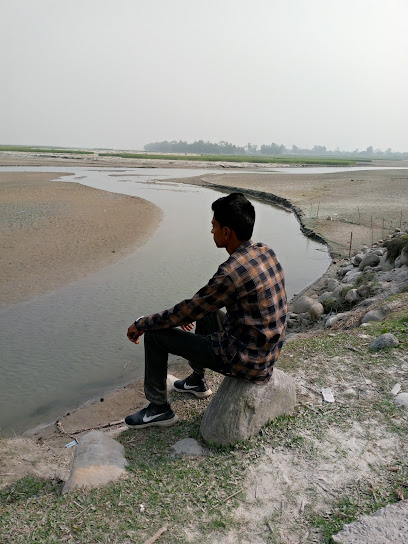
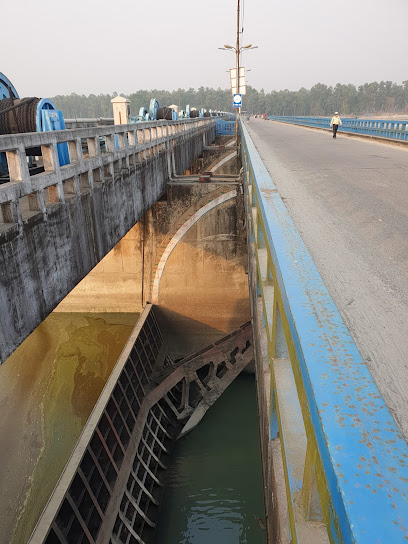
Teesta Barrage
27.8 km
Experience the breathtaking views and engineering marvel of Teesta Barrage, a must-visit destination in Bangladesh for nature lovers, photography enthusiasts, and those seeking a peaceful retreat.
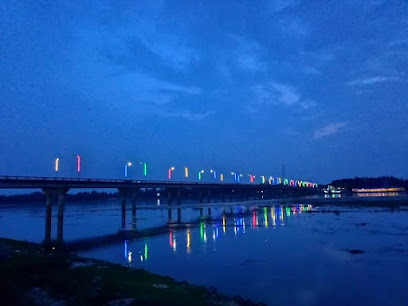
Karatoya Bridge, Debiganj
34.6 km
Discover the Karatoya Bridge in Debiganj, a symbol of Bangladesh-China friendship offering stunning river views and a peaceful escape in the heart of Panchagarh's scenic landscapes.
Mirzapur Shahi Jame Masjid
48.3 km
Discover the Mughal-era splendor of Mirzapur Shahi Jame Masjid in Panchagarh, Bangladesh, showcasing intricate terracotta art and serene Islamic architecture, a testament to rich cultural heritage.
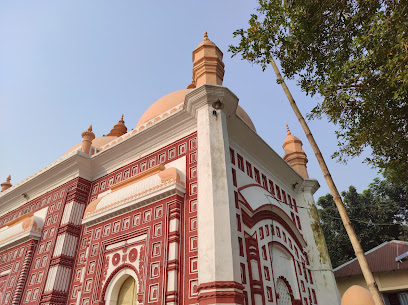
Nilphamari Central Shaheed Minar
51.6 km
A solemn tribute to the martyrs of the Bengali Language Movement, symbolizing cultural identity and the spirit of freedom.

Cooch Behar Raj Palace
52.9 km
Discover the royal heritage at Cooch Behar Raj Palace, a stunning historical landmark showcasing India's rich architectural legacy.
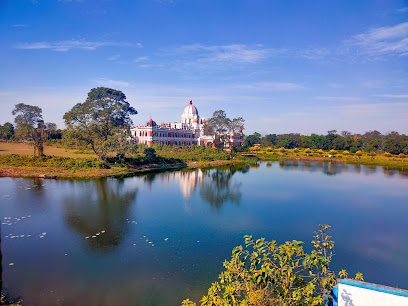
Banglabandha Zero Point
56.2 km
Explore the stunning natural beauty and cultural richness of Banglabandha Zero Point, the northernmost gem of Bangladesh.
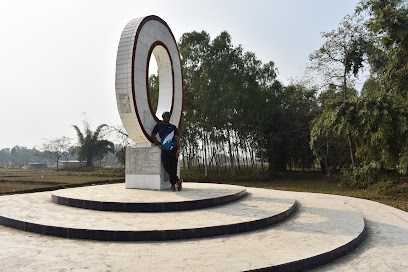
KALPADEEP HOLIDAYS
57.6 km
Explore Sikkim's hidden gems with Kalpadeep Holidays, your trusted tour operator in Siliguri for unforgettable travel experiences.
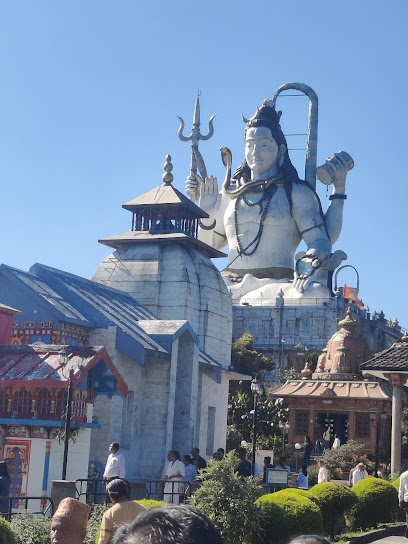
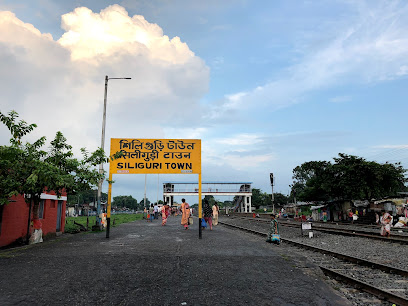
Siliguri Town
59.2 km
Explore Siliguri Town, a cultural melting pot and the gateway to the breathtaking landscapes of Northeast India.
SILIGURI
59.5 km
Explore Siliguri, a charming city in West Bengal, where history meets nature at the gateway to the breathtaking Northeast region of India.
Kanchenjunga Stadium
59.9 km
Discover the vibrant atmosphere of Kanchenjunga Stadium in Siliguri, a hub for sports and cultural events that showcases the spirit of West Bengal.
Bidhan Market
60.1 km
Discover the vibrant Bidhan Market in Siliguri, where local culture, unique shopping, and delectable street food await every visitor.
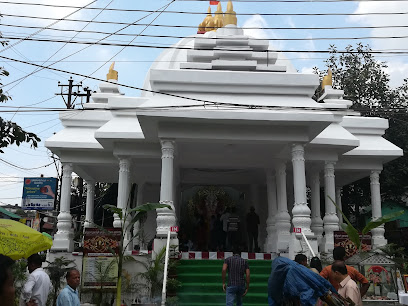
Hong Kong Market
60.2 km
Explore Hong Kong Market in Siliguri for a unique blend of shopping, local culture, and delicious street food in the heart of West Bengal.
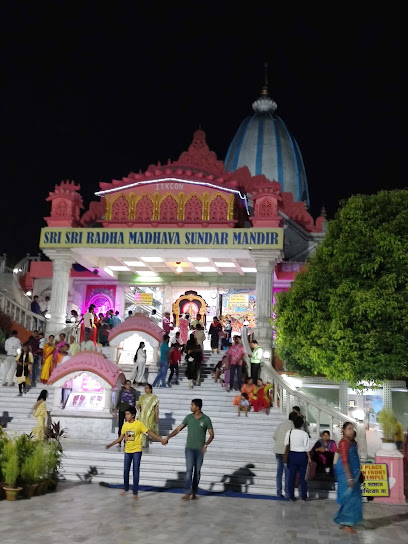
Central Shaheed Minar, Thakurgaon
60.2 km
A poignant memorial in Thakurgaon honoring the Language Movement martyrs and celebrating Bengali cultural identity, a site for reflection and remembrance.
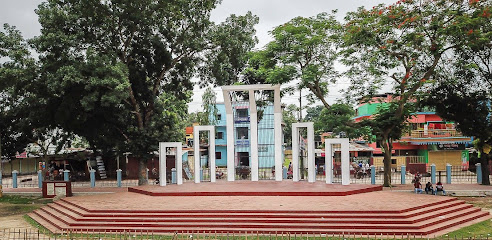
The Imperial Inn
60.2 km
Experience comfort and hospitality at The Imperial Inn, the ideal hotel for exploring Siliguri and its breathtaking surroundings.
Unmissable attractions to see

তিন বিঘা করিডর, বাংলাদেশ- ভারত
12.6 km
Explore the historic Tin Bigha Corridor, a unique passage connecting Bangladesh to its enclave, and a symbol of Indo-Bangladesh cooperation.
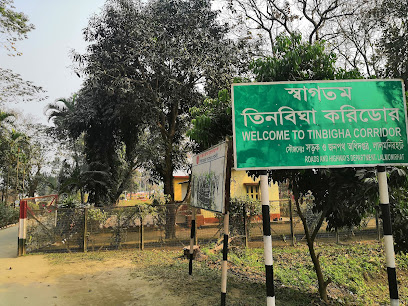
Last point of India
14.5 km
Explore the Last Point of India in West Bengal, where breathtaking views and rich culture converge in a tranquil natural setting.

Tista Barrage
27.8 km
Explore the Tista Barrage: A scenic spot in northern Bangladesh offering engineering marvels and natural beauty.
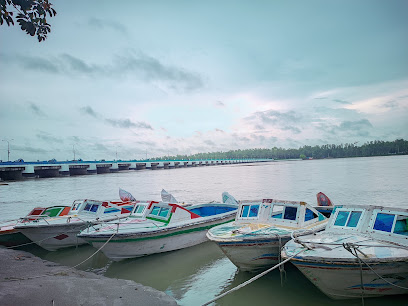
Dolon nadi
34.2 km
Discover the serene beauty of Dolon Nadi in West Bengal, a hidden gem perfect for nature lovers and adventure seekers alike.
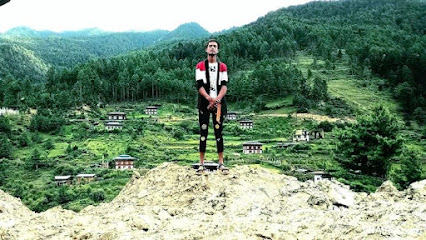
Ramsai Picnic Spot
37.0 km
Discover tranquility at Ramsai Picnic Spot, a serene retreat in West Bengal perfect for family picnics and nature lovers seeking relaxation.
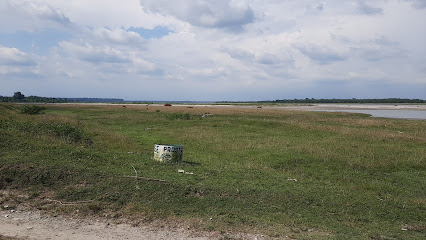
Gorumara National Park
41.8 km
Discover the enchanting beauty and rich wildlife of Gorumara National Park in West Bengal, a paradise for nature lovers and adventure seekers.
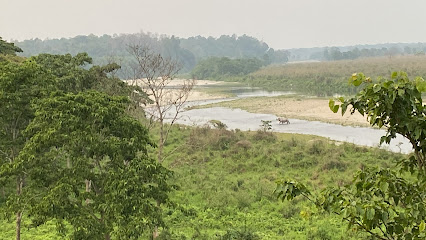
Nilsagar Eco Park, Sadar Nilphamari
46.3 km
Discover the serene beauty of Nilsagar Eco Park, a haven for migratory birds and nature lovers in Nilphamari, Bangladesh.

Bagan Bari
51.8 km
Escape to Bagan Bari in Nilphamari: A serene park with lush greenery, vibrant flowers, and a tranquil atmosphere for relaxation and recreation.

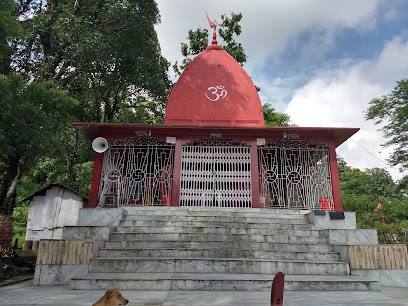
Makrapara Kali Temple
54.0 km
Explore the spiritual tranquility of Makrapara Kali Temple, a hidden gem nestled in the heart of West Bengal's tea gardens, rich in culture and devotion.
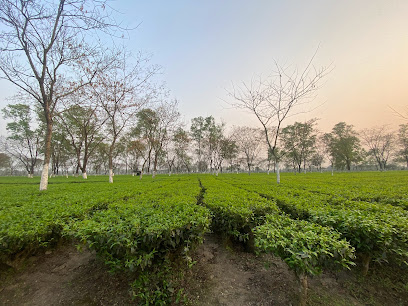
Banglow (.बंगलों.)
54.2 km
Experience the peaceful charm of Banglow in Chengmari Tea Garden, a serene tourist attraction in West Bengal, perfect for picnics and nature photography.
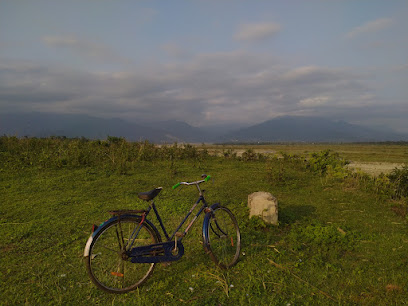
Lovers point
54.8 km
Discover the serene beauty of Lovers Point, where stunning coastal views and romantic sunsets create an unforgettable experience for every traveler.
No mans land Bangladesh & India
55.2 km
Explore the intriguing intersection of Bangladesh and India in No Man's Land, a place where borders blur and cultures connect.
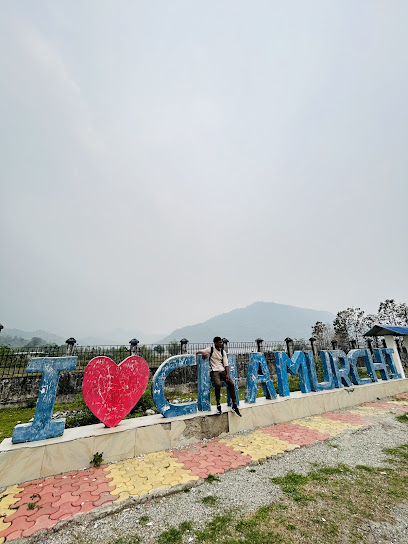
Chamurchi View Point
55.4 km
Discover stunning vistas at Chamurchi View Point, a serene escape in West Bengal, India, surrounded by lush tea gardens and breathtaking scenery.
Northernmost point of Bangladesh
56.6 km
Discover the serene beauty and cultural significance of Banglabandha, the northernmost point of Bangladesh, a unique border crossing and gateway to the Himalayas.
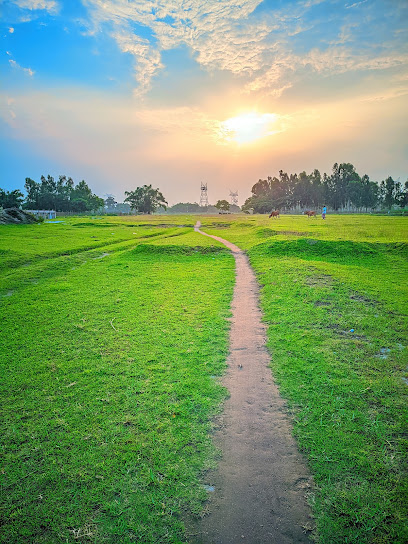
Nunu Para Siliguri
57.4 km
Experience the natural beauty and rich culture of Nunu Para Siliguri, a must-visit tourist attraction in West Bengal, India.
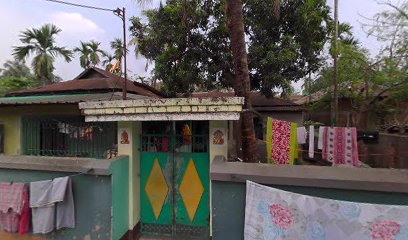
Essential places to dine

Restaurant
4.3 km
Experience authentic West Bengal cuisine at this charming Kamat Chandrabandha restaurant, where every dish tells a story.
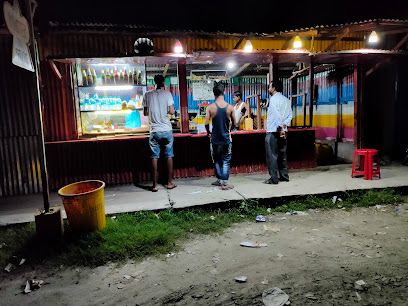
The Indian Chulha by Unique
56.9 km
Savor authentic Indian cuisine at The Indian Chulha in Siliguri – where tradition meets taste!
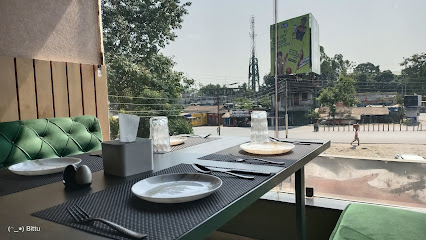
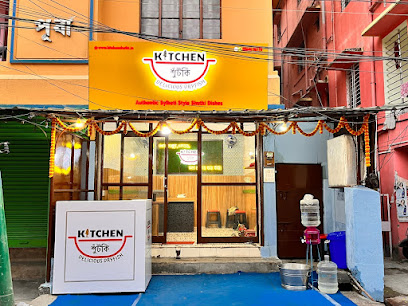
Kitchen Shutki
57.5 km
Experience authentic Bengali cuisine at Kitchen Shutki, where traditional flavors meet modern culinary creativity in Siliguri.
Delicious Restaurant
58.0 km
Discover the flavors of Siliguri at Delicious Restaurant - a family-friendly haven offering unique dishes and warm hospitality.
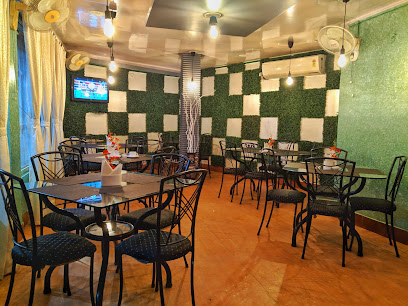
Desi Oven Restaurant & Cafe
58.9 km
Discover the heart of Indian flavors at Desi Oven Restaurant & Cafe in Siliguri - where every dish tells a story.
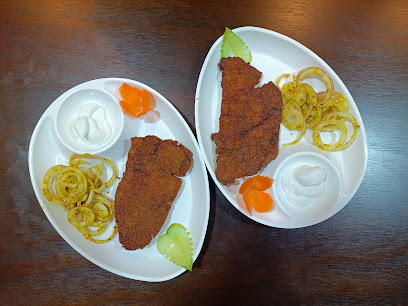
The Origins - Fine Dining Restaurant
59.5 km
Discover an exquisite blend of Chinese and North Indian cuisines at The Origins - Fine Dining Restaurant in Siliguri.
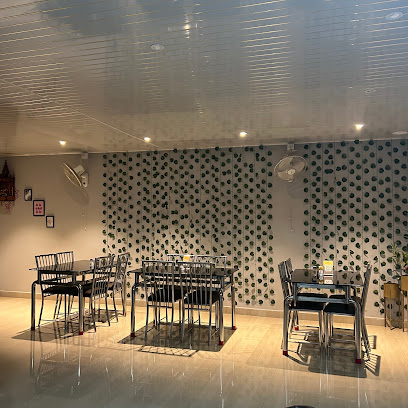
Backyard Bistro Hakimpara
59.6 km
Experience delightful culinary adventures at Backyard Bistro Hakimpara - where local flavors meet international flair in a cozy setting.
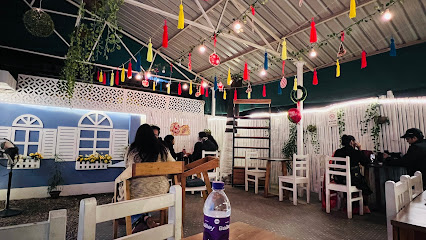
Rajasthani Tadka
59.8 km
Discover authentic Rajasthani cuisine at Rajasthani Tadka in Siliguri—where every dish tells a story through rich flavors and vibrant spices.
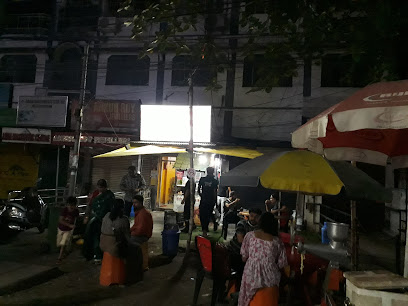
Bhojohori Manna
59.9 km
Experience authentic Bengali flavors at Bhojohori Manna in Siliguri, where tradition meets taste in every dish.
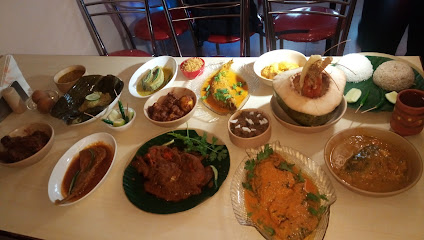
Atrangi Restaurant Siliguri
60.0 km
Discover the exquisite flavors of India at Atrangi Restaurant Siliguri - where fine dining meets cultural elegance.
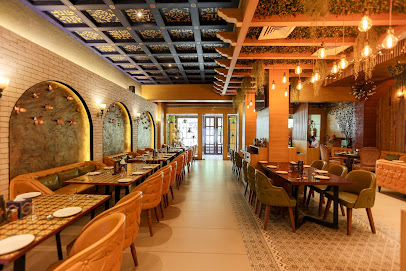
The Wok Monk
60.1 km
Experience the essence of Chinese cuisine at The Wok Monk in Siliguri—where flavor meets affordability.
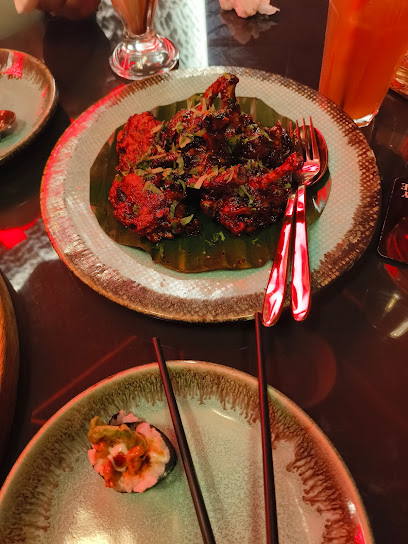
AKSARA MULTICUISINE RESTAURANT
60.2 km
Discover diverse flavors at Aksara Multicuisine Restaurant in Siliguri—where culinary excellence meets warm hospitality.
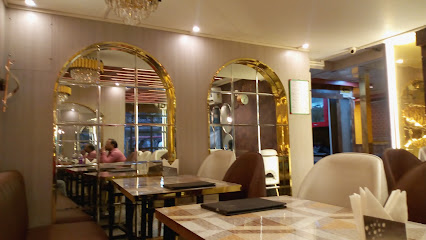
Dhaba by Amber
60.2 km
Experience the rich flavors of North Indian cuisine at Dhaba by Amber in Siliguri – where every meal is a delightful journey through India’s culinary heritage.
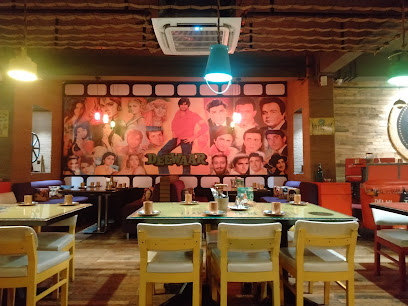
Haveli
60.2 km
Experience the best of family dining at Haveli in Siliguri, offering delicious Chinese cuisine in a friendly atmosphere.
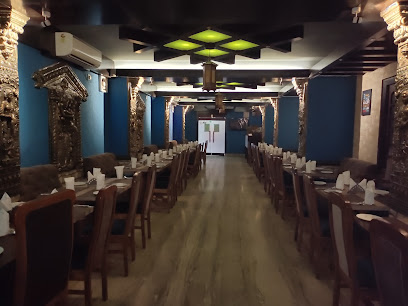
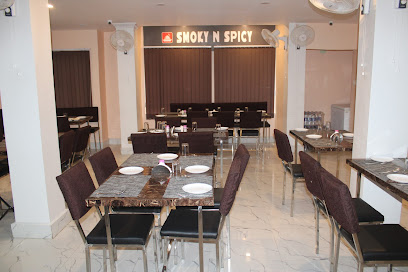
Smoky N Spicy
60.3 km
Discover the flavors of India at Smoky N Spicy in Siliguri - A family-friendly restaurant serving delicious meals in a vibrant market setting.
Markets, malls and hidden boutiques

Rashid Fashion House
56.5 km
Experience the vibrant local culture and shop unique clothing at Rashid Fashion House, a must-visit clothes market in Darwani.

D'CUBE Gift Shop
57.8 km
Discover unique gifts and local crafts at D'CUBE Gift Shop in Siliguri, a perfect stop for souvenirs that embody the essence of West Bengal.
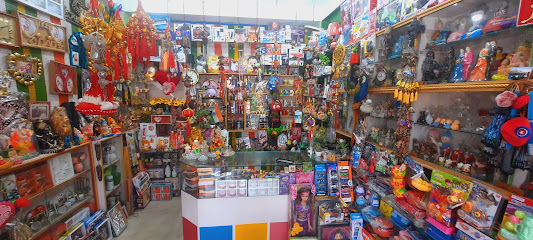
Shopping Bazaar India
58.5 km
Discover unique clothing and exquisite costume jewelry at Shopping Bazaar India, a vibrant marketplace in Siliguri, West Bengal.
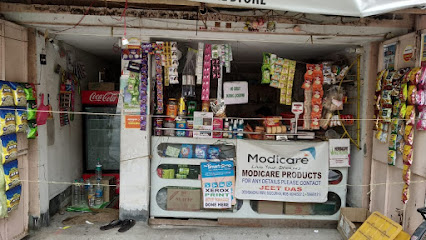
কাচারী বাজার (Kachari Bazaar)
58.6 km
Discover the essence of Bangladesh at Kachari Bazaar, a lively marketplace filled with local culture, unique shops, and delectable street food.

K K STORE
58.9 km
Discover the local charm at K K STORE in Samtse, where vibrant shopping meets authentic Bhutanese culture.
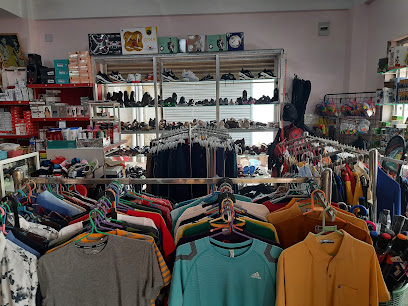
DEVSONS Floral & Gifts
59.6 km
Explore the enchanting DEVSONS Floral & Gifts in Siliguri, offering exquisite floral arrangements, delectable baked goods, and unique gifts for every occasion.
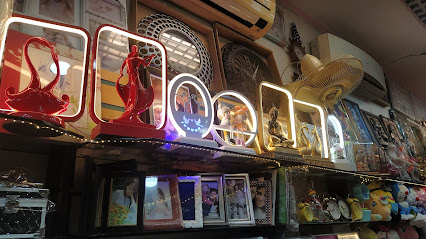
Fashion Factory
59.7 km
Discover the latest fashion trends at Fashion Factory, Siliguri's premier clothing store for all your style needs.
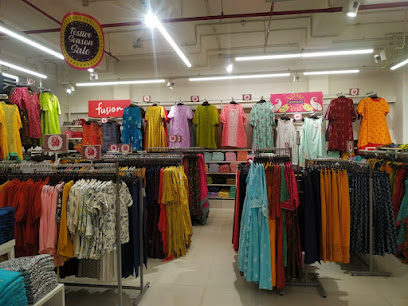
Studio Chitrali
59.7 km
Explore Studio Chitrali in Siliguri for unique gifts, corporate supplies, and photography services that celebrate local culture and creativity.
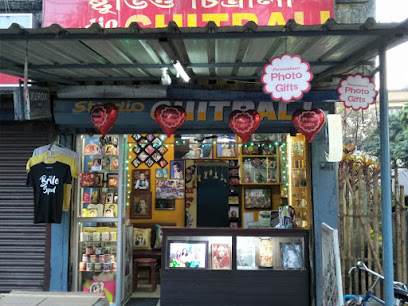
Shalimar - Designer Menswear In Siliguri | Suit | Indo Western | Sherwani | Blazer | Kurta | Shirts | Trousers
60.0 km
Explore Shalimar in Siliguri for the finest in men's fashion, offering suits, sherwanis, and stylish clothing for every occasion.
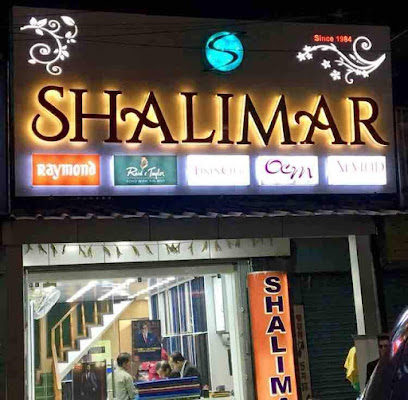
Super 95
60.1 km
Explore the vibrant culture of West Bengal at Super 95 Gift Shop, where unique souvenirs and local crafts await your discovery.
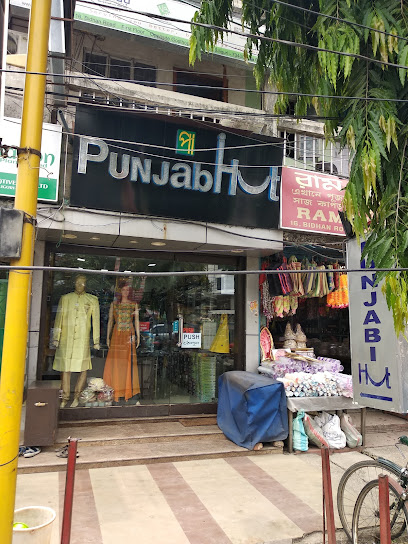
Punjabi Hut | Best Punjabi Shop in Siliguri | Best Kurta Dealer in Siliguri
60.1 km
Explore the vibrant essence of Punjabi culture at Punjabi Hut, Siliguri's premier destination for stylish men's kurtas and traditional attire.
Unique Collection
60.2 km
Discover Stylish Men's Fashion at Unique Collection in Siliguri's Bustling Hongkong Market.
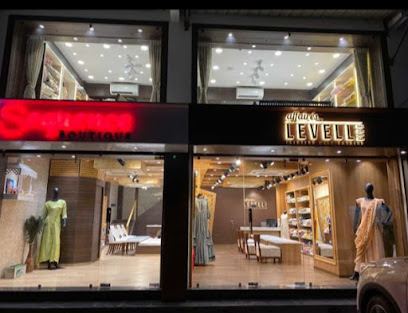
Sequence Boutique
60.2 km
Explore the vibrant selections at Sequence Boutique, Siliguri's premier destination for unique fashion and local craftsmanship.
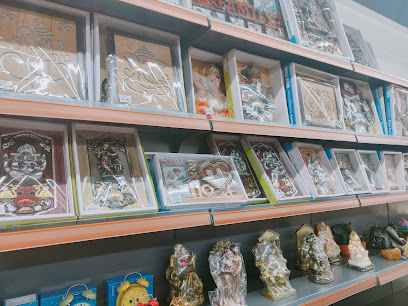
Sushil toys & gifts
60.5 km
Explore the enchanting world of Sushil Toys & Gifts in Siliguri, where every toy sparks joy and creativity for all ages.

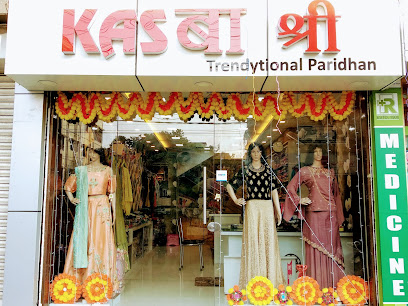
Kasba Shree | Best Boutique in Siliguri - Sikkim.
60.5 km
Explore the elegance of women's fashion at Kasba Shree Boutique in Siliguri, featuring exquisite sarees, trendy clothing, and stunning jewelry.
Essential bars & hidden hideouts

Arpon vai
33.9 km
Discover the charm of Arpon Vai, a cozy bar in Domar, perfect for unwinding and enjoying a selection of delightful beverages.

Grand Bar
59.5 km
Discover Siliguri's Grand Bar: A lively destination for drinks, delicious food, and vibrant social experiences.
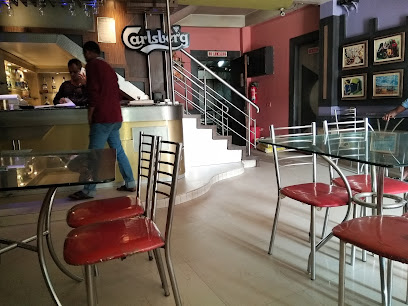
Amber The Vintage Bar
60.2 km
Experience the charm of Amber The Vintage Bar in Siliguri, where exquisite drinks and warm ambiance meet to create unforgettable moments.
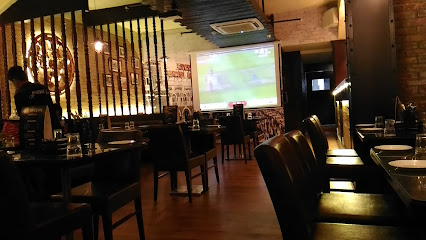
LEV1 BAR & KITCHEN
60.2 km
Discover the vibrant ambiance of LEV1 Bar & Kitchen in Siliguri, where delightful cuisine meets an exciting nightlife experience.
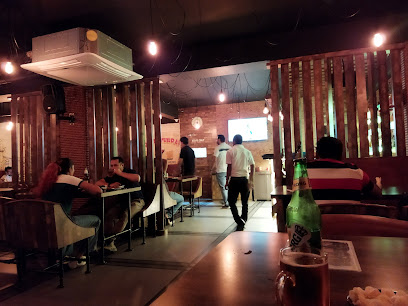
New Nanking Bar and Restaurant
60.4 km
Savor the fusion of local and international flavors at New Nanking Bar and Restaurant, Siliguri's culinary gem.
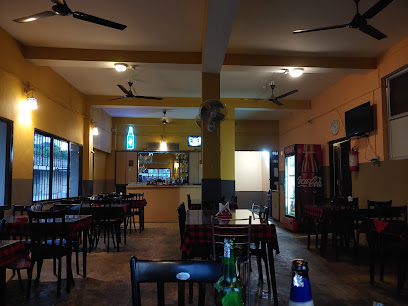
MINT The Resto-Bar Lounge
60.6 km
Experience the perfect blend of grill delights and vibrant bar atmosphere at MINT The Resto-Bar Lounge in Siliguri.
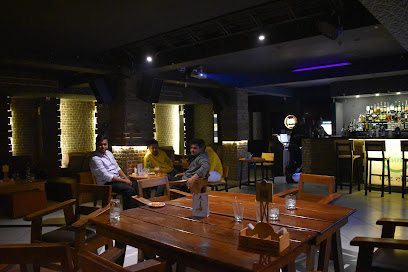
Madira Rooftop Bar Cum Restaurant
60.7 km
Experience the serene ambiance and delightful cuisine at Madira Rooftop Bar Cum Restaurant in Siliguri, a perfect escape for every traveler.
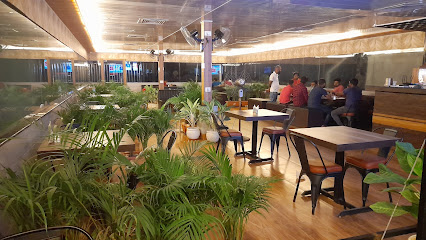
Worth The Hype
61.0 km
Discover Worth The Hype, Siliguri's premier pub offering a vibrant ambiance and a diverse menu that promises a delightful culinary adventure.
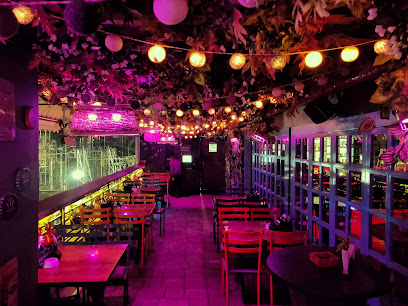
HIGH FIVE
61.0 km
Discover the perfect blend of relaxation and entertainment at HIGH FIVE Pub in Siliguri, where good food meets vibrant nightlife.
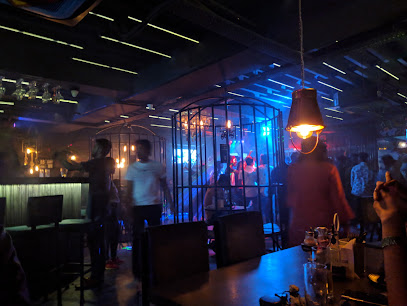
Rave up Restro Bar
61.1 km
Experience the vibrant nightlife of Siliguri at Rave Up Restro Bar, where delightful drinks and lively ambiance await.
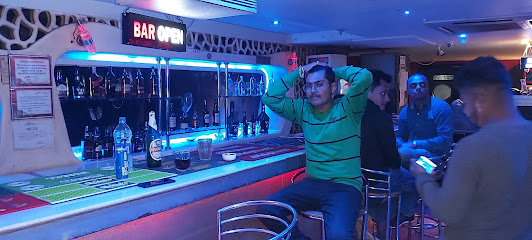
RAAG Kitchen and Pub
61.2 km
Discover the vibrant ambiance and diverse menu at RAAG Kitchen and Pub, Siliguri's premier spot for food and nightlife.
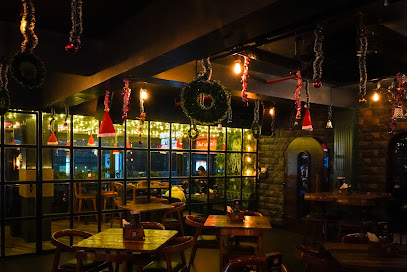
Firangee
61.3 km
Experience the vibrant nightlife of Siliguri at Firangee, where delightful drinks meet a lively atmosphere and live entertainment.
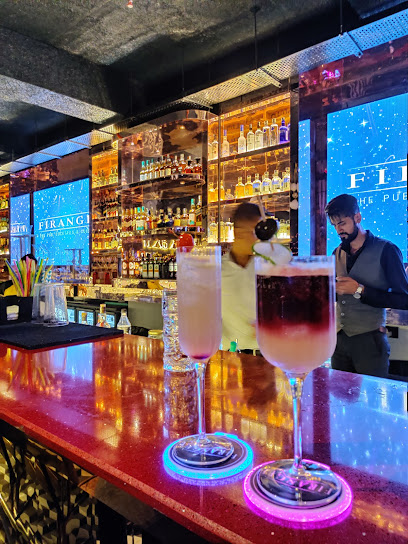
Terytree - High Energy Pub - Siliguri
61.5 km
Experience the vibrant nightlife at Terytree, Siliguri's top pub with stunning views, lively atmosphere, and delicious drinks.
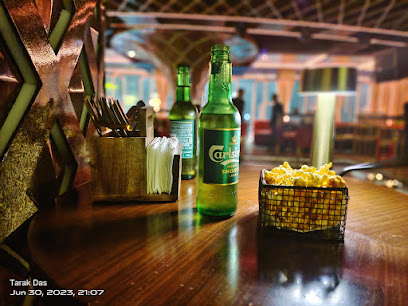
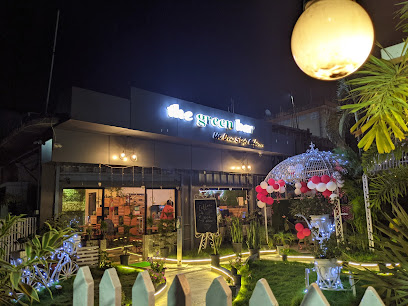
The Green Bar
61.6 km
Experience the vibrant atmosphere and diverse menu at The Green Bar in Siliguri, where every visit is a delightful culinary adventure.
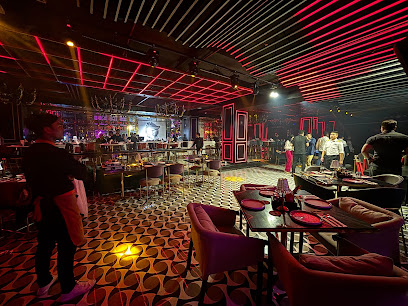
Lord Of The Drinks
61.7 km
Discover the lively atmosphere and extensive drink selection at Lord Of The Drinks, Siliguri's premier nightlife destination.
Nightclubs & after hour spots

Suryanagar Friends Union
57.9 km
Discover the vibrant nightlife of Suryanagar Friends Union in Siliguri, where music, dance, and socializing come together in a pulsating atmosphere.
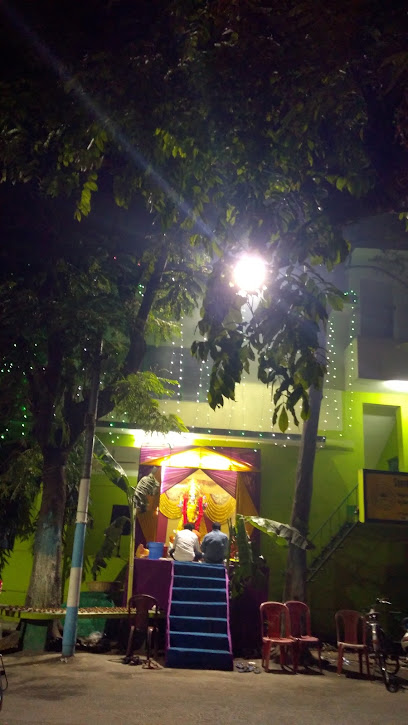
NJS Club
58.7 km
Experience the vibrant nightlife of Siliguri at NJS Club, where music, dance, and fun come together in an unforgettable atmosphere.
Rajdoot Club
60.1 km
Experience the vibrant nightlife of Siliguri at Rajdoot Club, a must-visit destination for unforgettable parties and entertainment.
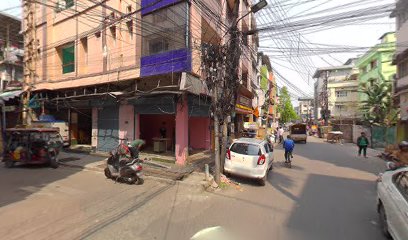
Exosphere Club and Resto Bar
61.0 km
Discover a vibrant nightlife scene at Exosphere Club and Resto Bar in Siliguri, where music, dance, and culinary delights come together for an unforgettable experience.
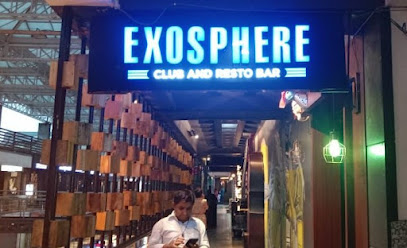
MAX CLUB (THE DISCOTHEQUE)
61.3 km
Dive into the vibrant nightlife at MAX CLUB, Siliguri's premier nightclub with electrifying music and a lively atmosphere.
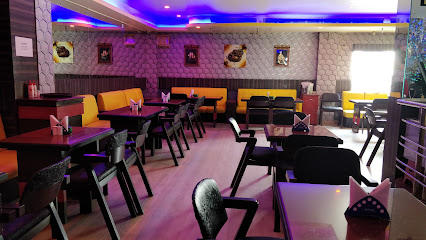
JAZZ CLUB
63.2 km
Experience the vibrant nightlife of Siliguri at the Jazz Club, where live music meets a lively atmosphere for an unforgettable night.

Dawat In Bengal Pub & Disc
63.2 km
Experience the vibrant nightlife of Siliguri at Dawat In Bengal Pub & Disc, where culinary delights meet energetic dance floors.
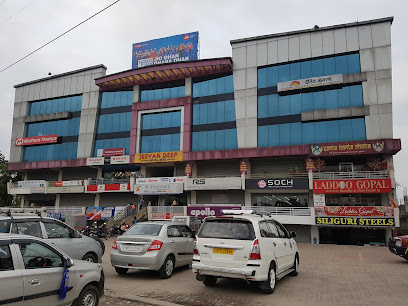
Zizzi
63.3 km
Experience the vibrant nightlife at Zizzi, a premier night club in Siliguri offering great music, dancing, and a lively atmosphere.
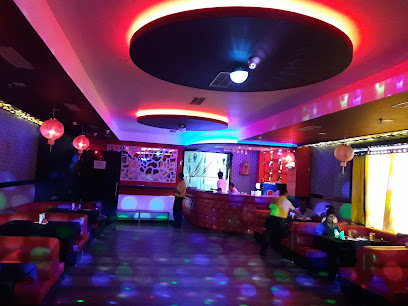
HANGOVER DISC ANDPUB
64.1 km
Discover the electrifying nightlife of Siliguri at Hangover Disc and Pub – a premier destination for dance, drinks, and live music.
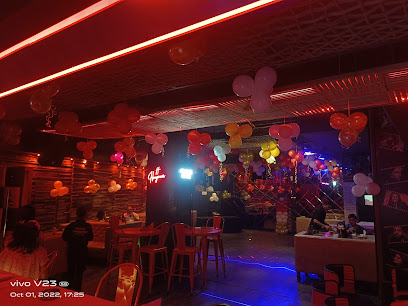
The Lion Club
69.7 km
Experience the vibrant nightlife of Phuentsholing at The Lion Club, where music, dance, and unforgettable moments await.
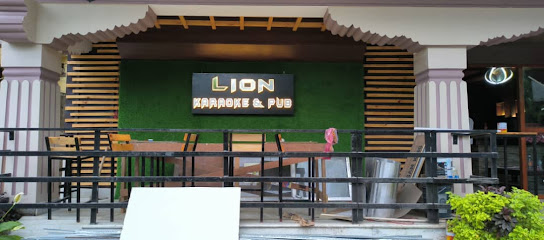
Kajathrom
70.5 km
Discover the ultimate nightlife experience at Kajathrom, Phuentsholing's premier night club, where music meets culture and unforgettable moments await.
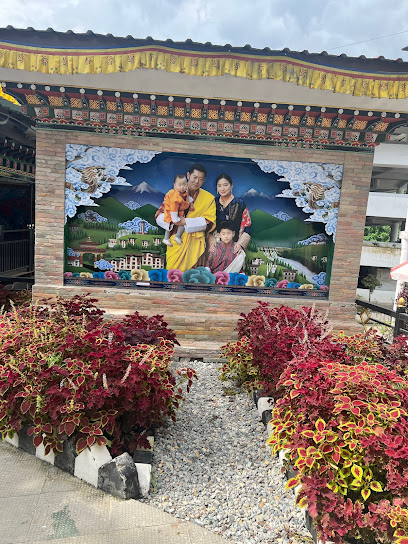
হোসেন স্টোর
73.6 km
Immerse yourself in the vibrant nightlife of Marneya at হোসেন স্টোর, the ultimate destination for dancing, live music, and unforgettable experiences.
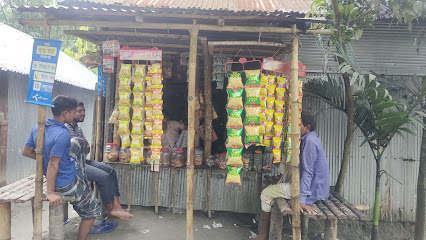
Saint gobain Picnic spot
74.6 km
Experience the lively charm of Saint Gobain Picnic Spot, a perfect blend of relaxation and social vibrancy amidst stunning natural landscapes.
Rangpur Rifles Club
78.1 km
Discover the vibrant spirit of sports at Rangpur Rifles Club, where locals and tourists unite for thrilling activities and community fun.
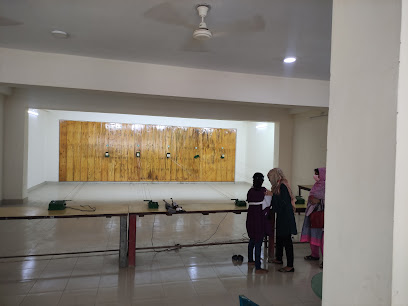
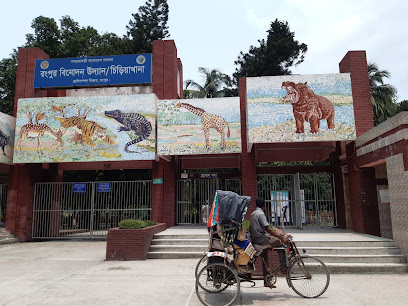
Rangpur Zoo
78.7 km
Explore Rangpur Zoo, a vibrant destination filled with exotic wildlife and educational experiences nestled in the heart of Rangpur, Bangladesh.