Sundarban National Park: Realm of the Royal Bengal Tiger
Explore the Sundarban National Park, a UNESCO World Heritage Site and the world's largest mangrove forest, home to the Royal Bengal tiger and a unique ecosystem.
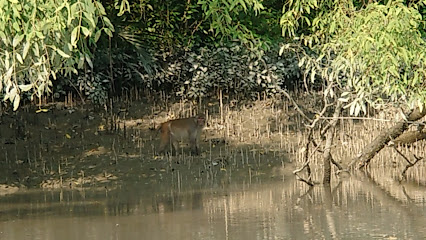
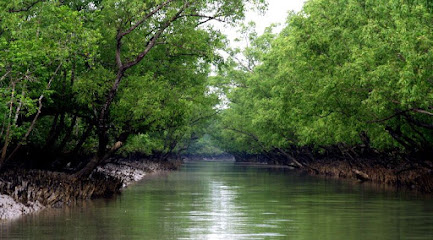
Sundarban National Park, a UNESCO World Heritage Site, is a mesmerizing maze of mangrove forests, tidal waterways, and small islands in the Ganges River delta. Shared between Bangladesh and India, this unique ecosystem is renowned for its rich biodiversity, including the elusive Royal Bengal tiger, saltwater crocodiles, and diverse bird species. Explore the park by boat, visit watchtowers for wildlife spotting, and immerse yourself in the local culture. The Sundarbans offer an unparalleled experience for nature lovers and adventure seekers, providing a glimpse into a world where land and water intertwine in a delicate balance. Remember to obtain necessary permits and follow safety guidelines to ensure a memorable and secure journey through this natural wonder. The best time to visit is during the winter months (October to March) for pleasant weather and optimal wildlife viewing opportunities.
A brief summary to Sundarban National Park - Bangladesh
- R5RG+2W8, BD
- Visit website
Local tips
- Obtain necessary permits in advance from the Forest Department at Sajnekhali or the West Bengal Tourism Office in Kolkata to avoid last-minute hassles.
- Hire a local guide for your boat safari to enhance your wildlife spotting opportunities and gain insights into the park's ecosystem.
- Pack insect repellent, sunscreen, and appropriate clothing for the weather, as the Sundarbans can be hot, humid, and mosquito-prone.
- Respect the park's guidelines by staying on the boat, avoiding loud noises, and refraining from littering to minimize disturbance to the wildlife.
- Visit during the winter months (October to March) for pleasant weather and optimal chances of spotting the elusive Royal Bengal tiger and other wildlife.

Getting There
-
Train & Boat
From Kolkata, take a suburban train from Sealdah Railway Station to Canning (approx. 1.5-2 hours, ₹20-₹30). From Canning, hire a local shared van or auto-rickshaw to Godkhali Jetty (approx. 1 hour, ₹50-₹70 per person). At Godkhali, arrange for a boat to Sajnekhali, the entry point for Sundarban National Park. Boat rentals vary depending on size and duration (₹2500-₹6000 per day). Entry fees to the park are ₹180 for Indians and ₹1000 for foreigners per day. A guide is mandatory (₹500-₹1000 per day).
-
Road & Boat
Alternatively, hire a taxi or take a bus from Kolkata to Godkhali (approx. 3-4 hours, ₹200-₹400 by bus, ₹2500-₹3500 by taxi). From Godkhali, follow the same boat arrangement as above to reach Sajnekhali. Remember to factor in potential waiting times for ferries at various points. Entry fees to the park are ₹180 for Indians and ₹1000 for foreigners per day. A guide is mandatory (₹500-₹1000 per day).
Discover more about Sundarban National Park - Bangladesh
Iconic landmarks you can’t miss

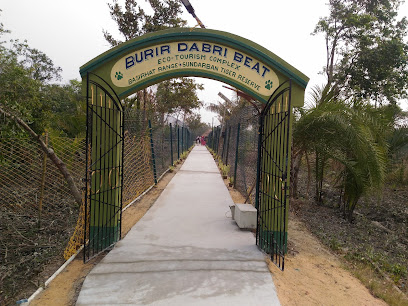
Burirdabri Forest Camp
30.5 km
Experience the tranquility of nature at Burirdabri Forest Camp, a haven for wildlife lovers in West Bengal's lush landscapes.
Sundarban সুন্দরবন National Forest (Bangladesh)
40.0 km
Explore the Sundarbans: A biodiverse mangrove forest, home to the Royal Bengal Tiger and a UNESCO World Heritage Site.
Dublar Char
40.1 km
Discover Dublar Char: A unique island in the Sundarbans, known for fishing, festivals, and natural beauty. Experience the heart of Bangladesh's coastal culture.
Sundarban Tiger Roar Resort - Resort &Tourism in sundarban
44.7 km
Experience the magic of the Sundarbans at Sundarban Tiger Roar Resort, where nature meets luxury in an unforgettable escape.
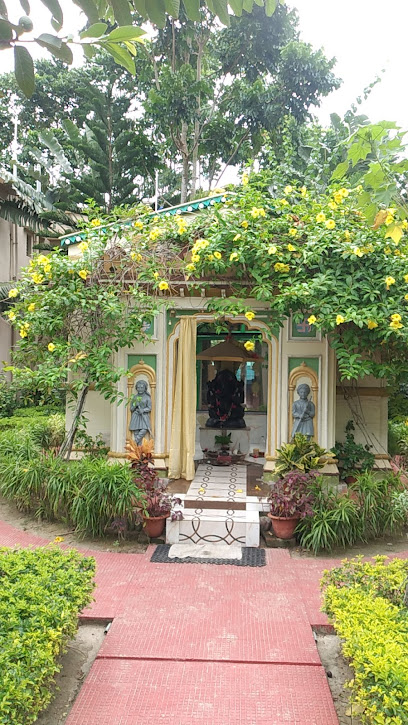
Sunderban Tiger Camp- Wildlife Resort (fully vaccinated staff)
46.5 km
Discover the enchanting Sunderban Tiger Camp Wildlife Resort, where adventure meets relaxation in the heart of nature's paradise.

Sundarban Jungle Mahal Resort
47.6 km
Experience the tranquility of the Sundarbans at Sundarban Jungle Mahal Resort - your gateway to nature's paradise in West Bengal.
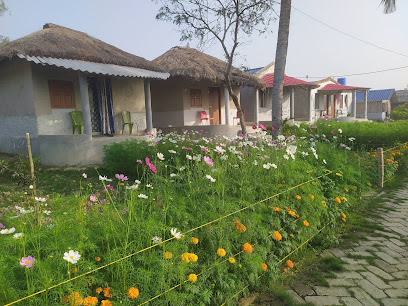
Maity Sundarban Tour
48.8 km
Discover the unparalleled beauty and wildlife of the Sundarbans with Maity Sundarban Tour, where adventure and nature harmoniously blend.
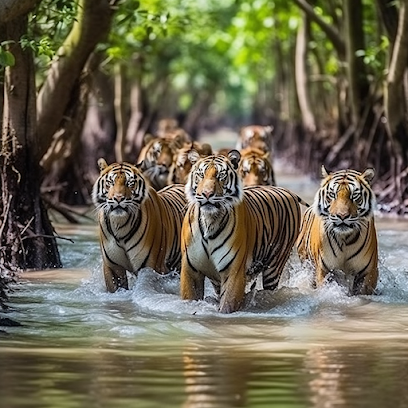
Larica Inn Sundarban
50.5 km
Experience the wild beauty of Sundarban at Larica Inn, your perfect retreat for relaxation and adventure in India's largest mangrove forest.

Sunderbans Jungle Camp
51.0 km
Experience the breathtaking beauty of the Sundarbans at Sunderbans Jungle Camp, where luxury meets nature in a stunning eco-friendly resort.
SUNDARBAN BEST TOURISM
53.4 km
Explore the breathtaking Sundarbans with Sundarban Best Tourism - a premier tour operator for nature lovers and adventure seekers.
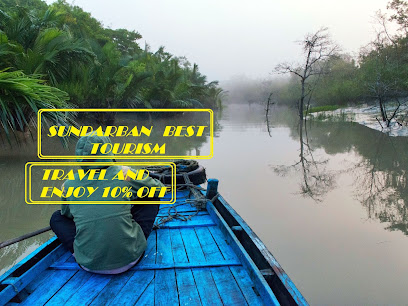
The Sundarbans (Bangladesh)
64.8 km
Explore the Sundarbans, the world's largest mangrove forest, a UNESCO site teeming with wildlife, stunning landscapes, and vibrant local culture.
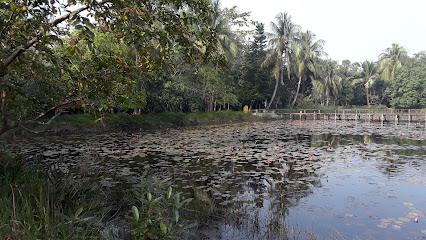
NASKAR PARA
67.5 km
Discover the enchanting Naskar Para in West Bengal, a historical landmark that reveals the rich heritage and cultural stories of the region.
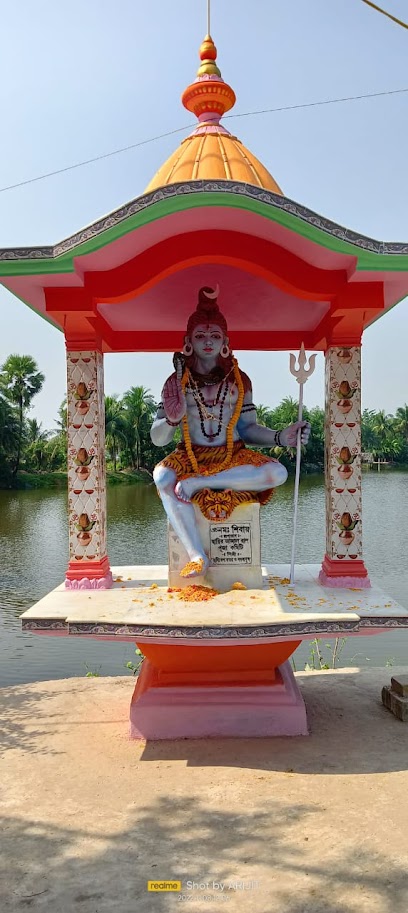
Harbaria Eco Tourism Center
68.1 km
Discover the serene beauty and diverse wildlife of the Sundarbans at Harbaria Eco Tourism Center, an accessible gateway to the world's largest mangrove forest, perfect for a day of nature and adventure.
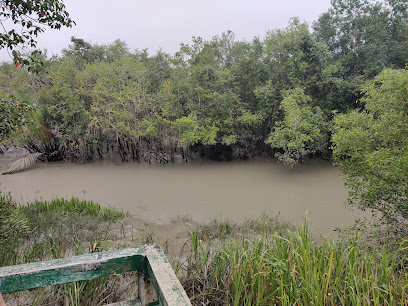
Sundarban Lokenath Travels
73.8 km
Explore the vast wonders of the Sundarbans with Sundarban Lokenath Travels, your gateway to unforgettable wildlife adventures and cultural experiences.
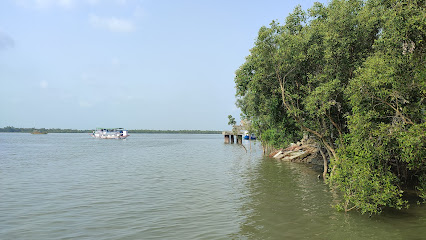
Sundarban Forest Tours
74.8 km
Explore the breathtaking beauty and rich biodiversity of Sundarban Forest, the world's largest mangrove ecosystem, in an unforgettable tour experience.
Unmissable attractions to see

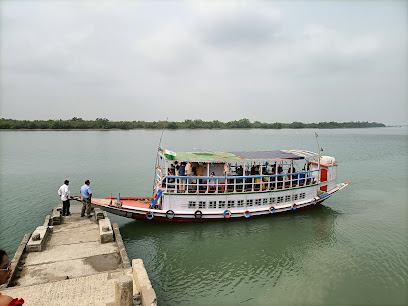
Sundarban Bangladesh Part
10.2 km
Explore the breathtaking Sundarbans in Bangladesh, a UNESCO World Heritage Site renowned for its stunning mangrove forests and diverse wildlife.
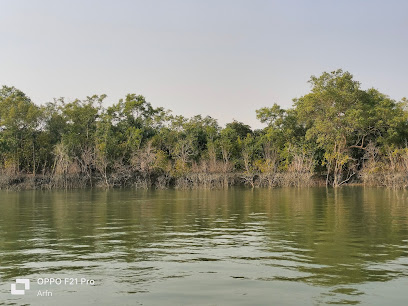
M.V The Crown
12.2 km
Experience the Sundarbans in style and comfort aboard the M.V. The Crown, a luxurious cruise through the world's largest mangrove forest.

Sundarbans
12.2 km
Explore the Sundarbans, the world's largest mangrove forest and home to the Royal Bengal Tiger, a UNESCO World Heritage Site.
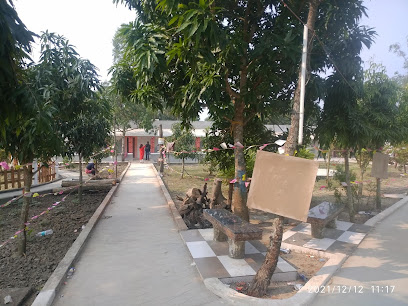
Sundarban/ সুন্দরবন National mangrove Park (Bangladesh)
12.2 km
Explore the Sundarban National Mangrove Park: A UNESCO site, home to the Royal Bengal tiger, and the world's largest mangrove forest.
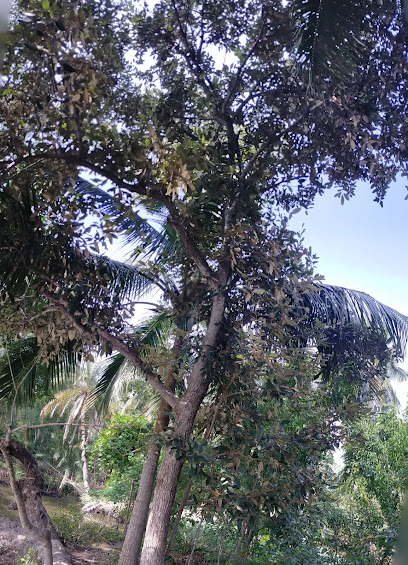
Tiger Leg Island, satkhira, Bangladesh
12.4 km
Escape to Tiger Leg Island: Discover serene beaches, lush mangroves, and unique wildlife in the heart of the Sundarbans, Bangladesh.
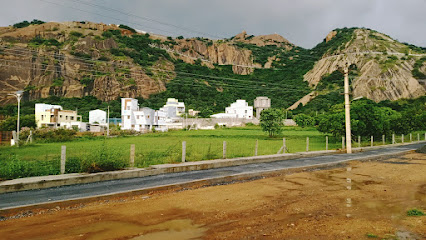
মান্দারবাড়িয়া সমুদ্র সৈকত, সাতক্ষীরা, বাংলাদেশে
14.3 km
Discover Mandarbaria Sea Beach: An untouched coastal haven where the serene Sundarbans meet the Bay of Bengal, offering tranquility and natural beauty.
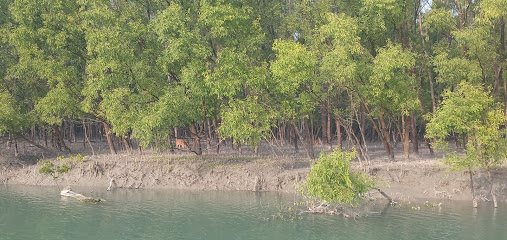
Mandarbaria Sea Beach
21.3 km
Discover the untouched beauty of Mandarbaria Sea Beach, a serene escape where the Sundarbans meets the Bay of Bengal in tranquil harmony.
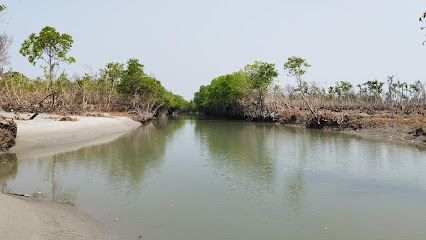
Hiron point trail. Khulna
28.2 km
Discover Hiron Point: A scenic and biodiverse haven in the Sundarbans, offering unparalleled wildlife viewing and natural beauty.
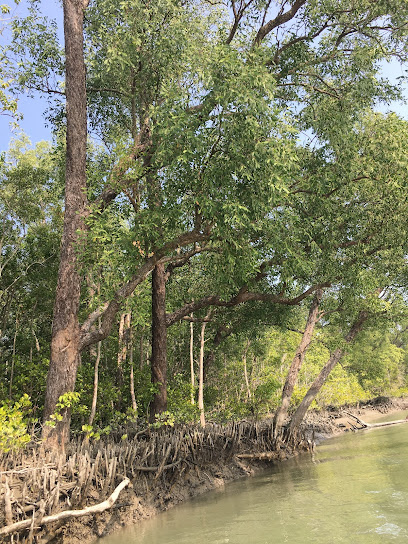
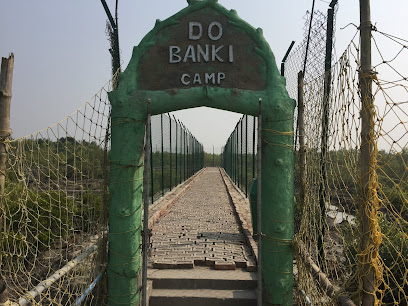
Dobeki Forest Camp
28.8 km
Escape to Dobeki Forest Camp for a tranquil Sundarbans experience, offering wildlife sightings and serene mangrove exploration.
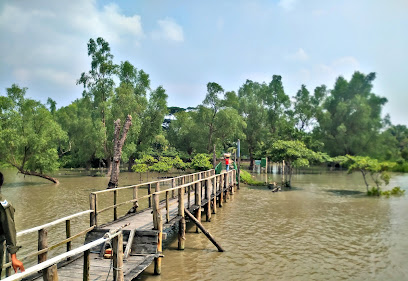
Hiron Point
29.6 km
Explore Hiron Point: A serene gateway to the Sundarbans, offering breathtaking views, rich wildlife, and unforgettable experiences in Bangladesh.
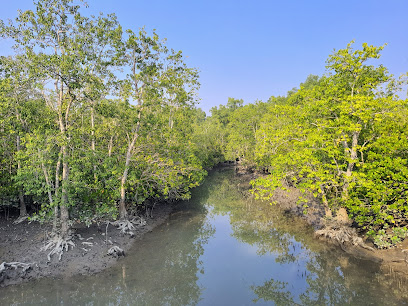
Sundarban National Park (West Bengal)
30.5 km
Discover the breathtaking landscapes and rich wildlife of Sundarban National Park, a UNESCO World Heritage Site in West Bengal, India.
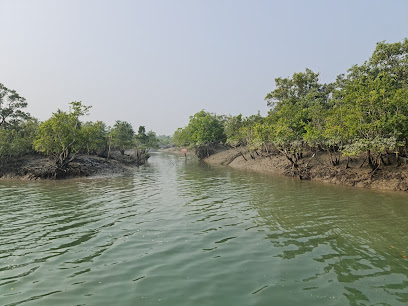
Sundarban Mangrove Forest
30.6 km
Explore the Sundarbans: World's largest mangrove forest, home to the Royal Bengal Tiger, and a UNESCO World Heritage Site. A unique blend of nature and adventure.
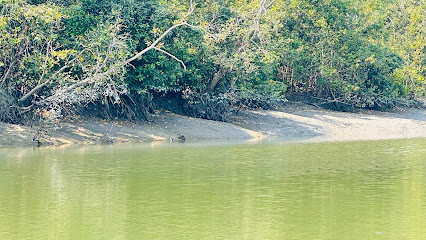
অরণ্য তাবু Forest camp
30.8 km
Discover tranquility and adventure at Aranya Tabu Forest Camp, your gateway to the natural wonders of the Sundarbans.
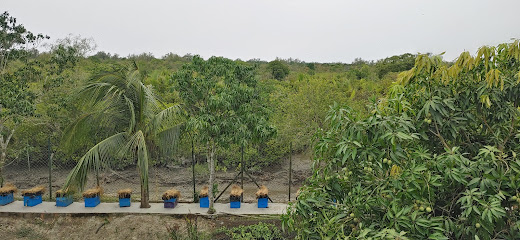
Sundarban Mangrove Forest - Bangladesh
32.0 km
Explore the Sundarbans, the world's largest mangrove forest and a UNESCO site, home to the Royal Bengal tiger and unique biodiversity.
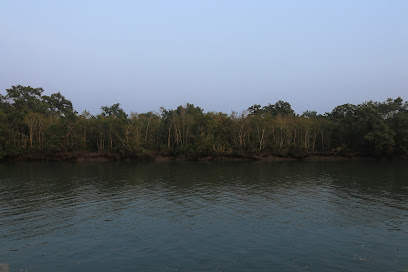
Baro chilmari
38.7 km
Discover the serene beauty of Baro Chilmari National Forest in West Bengal, a perfect escape for nature lovers and birdwatching enthusiasts.
Essential places to dine

Sundarban Residency
41.6 km
Experience tranquility at Sundarban Residency - your gateway to exploring West Bengal's stunning natural beauty and rich wildlife.
SuNdArBaN FoOdS
46.1 km
Discover SuNdArBaN FoOdS: A Crab Lover's Paradise Offering Authentic Seafood Delights in Nildumur.

Royal Bengal Resort - Sundarban
47.6 km
Discover tranquility and wildlife at Royal Bengal Resort - Sundarban, your gateway to nature's wonders.

Sundarban Solitary Nook - Best Resort & Hotel
48.3 km
Discover unparalleled tranquility at Sundarban Solitary Nook – your perfect retreat in the enchanting Sundarbans.
SPOT ON 43674 Apanjan Hotel
48.8 km
Experience comfort and nature's beauty at SPOT ON 43674 Apanjan Hotel in West Bengal's stunning Sundarbans region.
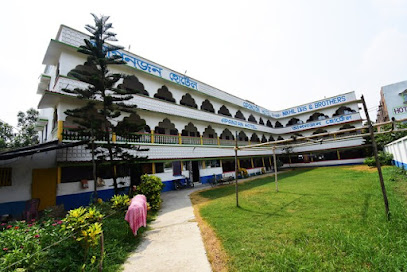
Banani Resort
49.0 km
Discover tranquility at Banani Resort - your perfect retreat in West Bengal with exceptional service and scenic surroundings.
Hotel Sonar Bangla - Sundarban
49.7 km
Experience serene luxury amidst nature at Hotel Sonar Bangla - your gateway to exploring Sundarban's wonders.
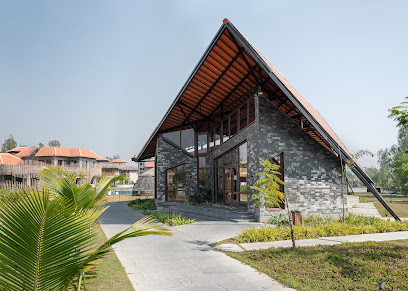
Sundarban Dhaba
74.2 km
Discover authentic Bengali cuisine at Sundarban Dhaba in Canning - where every dish tells a story.
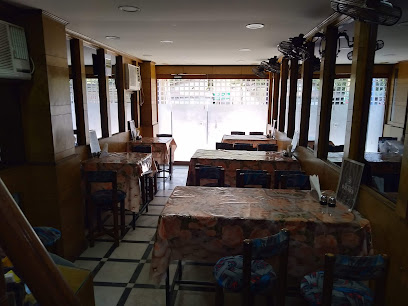
Bonobibi Forest Resort Sundarban
77.5 km
Experience tranquility at Bonobibi Forest Resort Sundarban - where nature meets comfort amidst breathtaking landscapes.
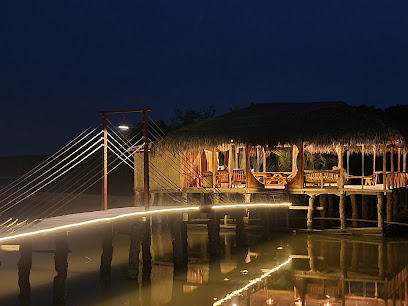
Mangrove Haven Resort
79.2 km
Experience tranquility and adventure at Mangrove Haven Resort in Kailashganj, where luxury meets nature amidst stunning mangroves.
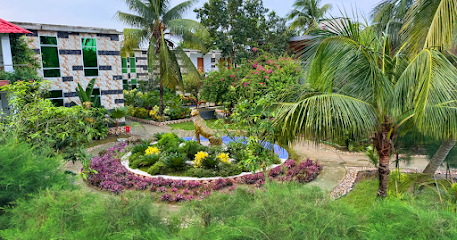
Nishan Crab Culture
81.6 km
Indulge in authentic crab dishes at Nishan Crab Culture, where fresh flavors meet traditional Bangladeshi cuisine.
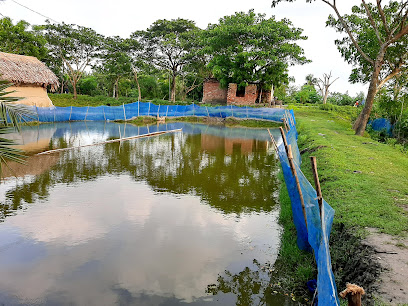
সুন্দরবন হোটেল এন্ড রেস্টুরেন্ট ট্যুরিস্ট স্পট
82.8 km
Experience family-friendly hospitality at Sundarbans Hotel and Restaurant while exploring the enchanting beauty of Bangladesh's Sundarbans.

Sundarban Hotel & Resturent
86.0 km
Experience authentic Bengali cuisine at Sundarban Hotel & Restaurant, where tradition meets comfort in beautiful Balihati.
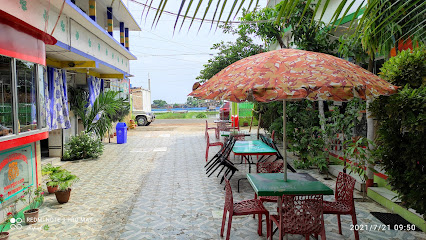
BASANTI Highway Dhaba
86.9 km
Discover authentic Indian flavors at BASANTI Highway Dhaba – your ultimate roadside dining experience in West Bengal.
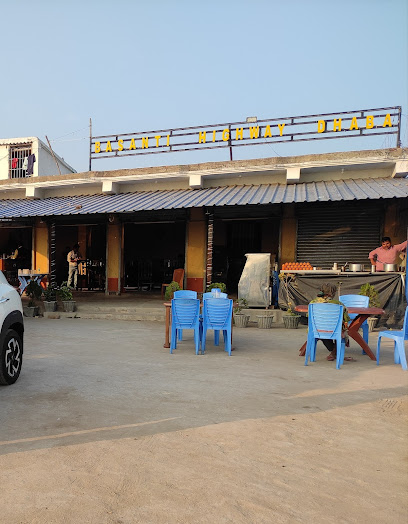
Asma Dhaba
96.8 km
Experience authentic Indian flavors at Asma Dhaba in Baruipur – a culinary haven where tradition meets taste.
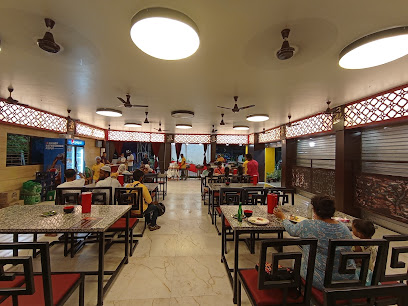
Markets, malls and hidden boutiques

Sundarban Medical Hal
12.2 km
Discover wellness and beauty at Sundarban Medical Hal, where health meets nature in an enchanting setting.
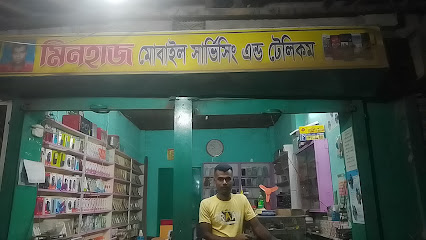
Salman Store
40.9 km
Explore the local flavors at Salman Store, your go-to grocery destination in Bangladesh for fresh produce and authentic snacks.
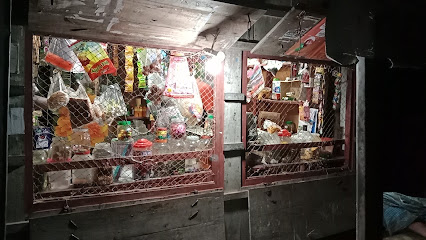
Mehedi Store
40.9 km
Explore Mehedi Store for an authentic taste of Bangladesh, featuring local crafts, snacks, and unique souvenirs.

Mokka Storr
41.4 km
Explore Mokka Storr, Bangladesh's premier cosmetics store, offering a unique blend of international and local beauty products for all your needs.
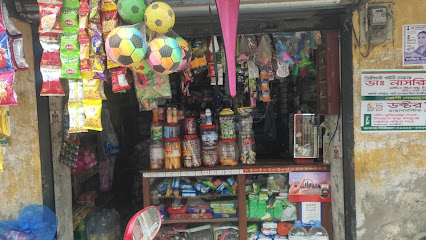
Dino Grocery
41.6 km
Explore the essence of Bangladeshi culture at Dino Grocery, where fresh local produce meets community spirit.
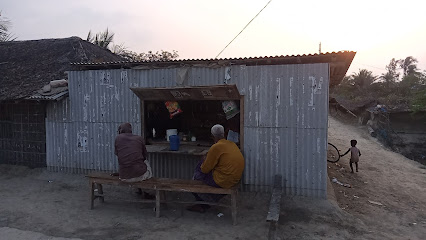
Zubayer Grocery (মল্লু)
41.8 km
Discover the vibrant local culture and flavors at Zubayer Grocery, a must-visit grocery store in Ramjannagar for authentic Bangladeshi products.
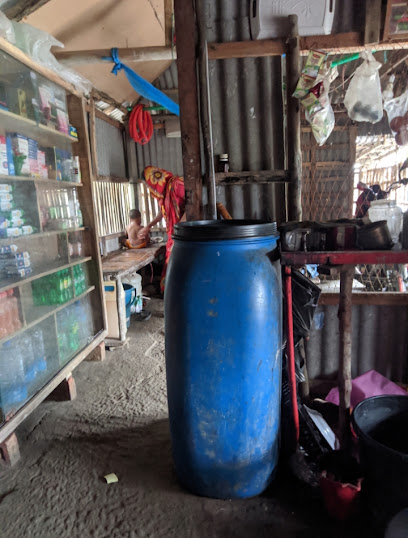
Matri Mistanna Bhandar And Electronic's
43.4 km
Explore a wide range of electronics at Matri Mistanna Bhandar And Electronic's in Luxbagan, West Bengal, where local culture meets modern technology.

Ashirbad Shoe House
43.5 km
Explore the whimsical Ashirbad Shoe House in West Bengal, a unique shoe store that combines shopping with a delightful architectural experience.
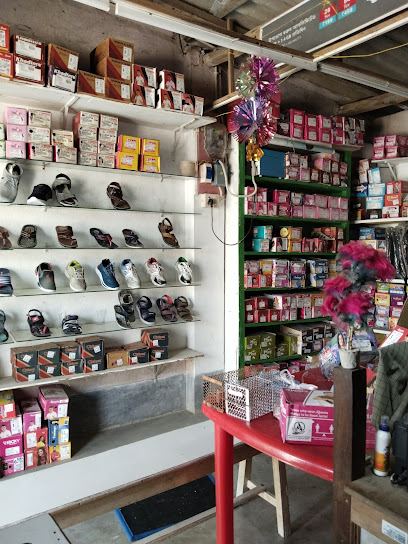
Matango sardar shop
44.1 km
Explore the unique offerings at Matango Sardar Shop, where local craftsmanship meets modern design in a delightful shopping experience.
Mahim store
44.4 km
Explore Mahim Store, a vibrant shopping destination in Bangladesh, showcasing local crafts and unique treasures that reflect the region's rich heritage.
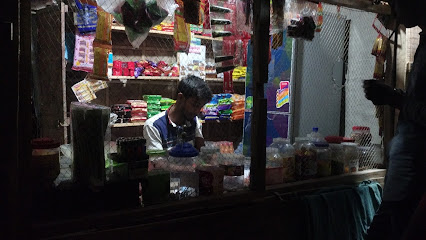
Sunderban Mangrove Retreat
44.8 km
Discover the tranquility of Sunderban Mangrove Retreat, where nature's beauty meets cultural richness in the heart of the world's largest mangrove forest.
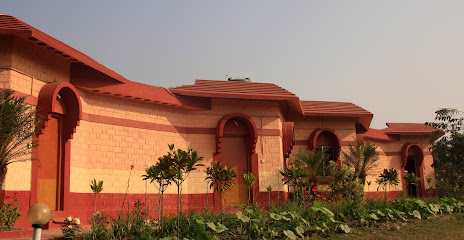
Sotota mudi vaender
44.8 km
Explore the rich culture and craftsmanship at Sotota Mudi Vaender, a charming store in Bangladesh offering unique local goods.
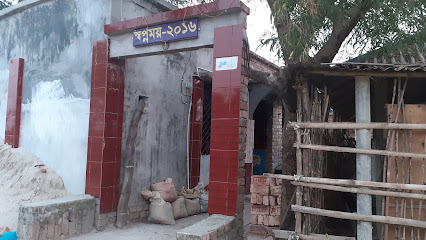
Robiul General store
44.8 km
Discover the essence of Bangladesh at Robiul General Store—your destination for authentic local products and a warm community experience.
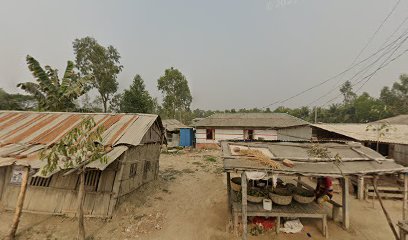
Poultry Shop
44.9 km
Explore the vibrant Poultry Shop, a local gem offering fresh poultry delights and a taste of the region's culinary heritage.
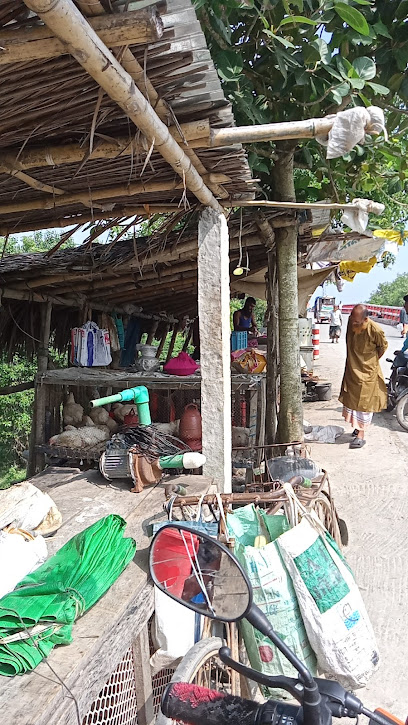
Jeher Ali Grocery
45.0 km
Explore the authentic tastes of Bangladesh at Jeher Ali Grocery, where local flavors and culinary traditions come to life.
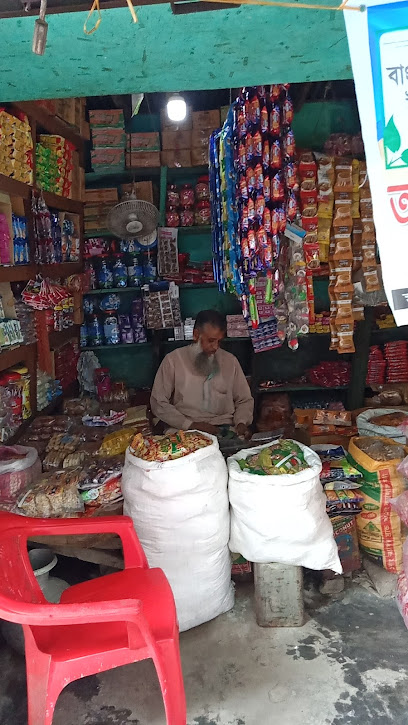
Essential bars & hidden hideouts

Md Razab Ali Moral
45.7 km
Discover the vibrant nightlife at Md Razab Ali Moral, a lively bar in Harinagar, offering local drinks and a welcoming ambiance for tourists.
মাহিম ষ্টোর
48.9 km
Discover the spirit of Bangladesh at মাহিম ষ্টোর, a vibrant bar offering unique local drinks and a lively atmosphere for travelers.

Crocodila
49.6 km
Discover the vibrant nightlife at Crocodila, a must-visit bar in Dulki, West Bengal, perfect for tourists seeking fun and relaxation.
Valo bashi
55.7 km
Experience the vibrant nightlife of Shyamnagar at Valo Bashi, a lively bar offering a delightful mix of local and international drinks.
Mask Onn Restaurant Cum Bar
56.2 km
Discover a vibrant culinary experience at Mask Onn Restaurant Cum Bar, where traditional flavors meet modern dining in the heart of West Bengal.
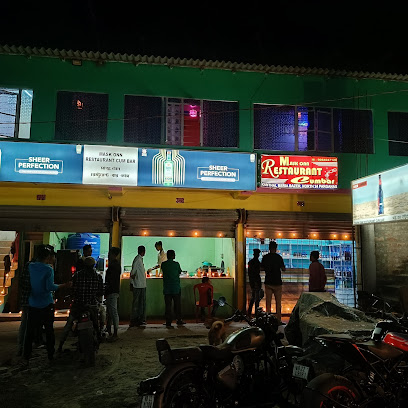
ANATH SARDAR
56.8 km
Discover the lively nightlife of Chandipur at Anath Sardar, where refreshing drinks and a vibrant atmosphere await every visitor.
Jononi Digital Studio
57.6 km
Experience the vibrant culture of Koyra at Jononi Digital Studio, a lively bar offering a wide selection of drinks and a welcoming atmosphere.

SABBIR Tower
59.4 km
Experience the vibrant atmosphere and diverse drink selection at SABBIR Tower, a must-visit bar in Bangladesh for every traveler.
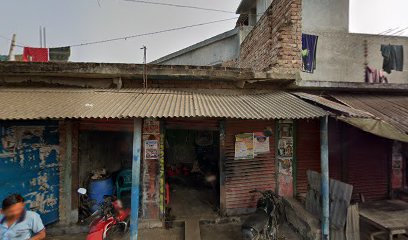
DURGAPADA (R.C.B) F.L OFF SHOP
60.3 km
Experience the vibrant local culture at Durgapada (R.C.B) F.L Off Shop, a charming bar in Daudpur, West Bengal.
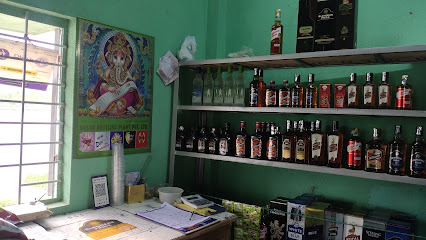
RAKHI RESTAURANT CUM BAR
62.0 km
Discover the lively atmosphere and exquisite flavors at Rakhi Restaurant cum Bar in Daudpur, West Bengal – a must-visit for all travelers.
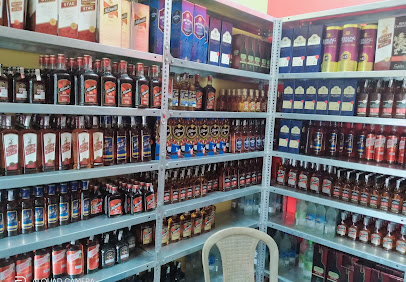
gabdu hoise
63.9 km
Discover the lively ambiance and local flavors at Gabdu Hoise, a vibrant bar in Bangladesh perfect for unwinding after exploration.
Chunakhali F.L shop & Bar
64.0 km
Discover the vibrant atmosphere and inventive cocktails at Chunakhali F.L. Shop & Bar, the perfect retreat in Bugulakhali, West Bengal.

AKASH RESTAURANT& CUM BAR
64.4 km
Experience the delightful blend of local and international flavors at Akash Restaurant & Bar in Ketarchak, West Bengal.

Habibur
64.5 km
Experience the vibrant nightlife at Habibur, a popular bar in Moth Bari, where locals and tourists gather for great drinks and lively entertainment.
SAMANTA RESTAURANT & BAR
64.7 km
Experience the essence of local and global cuisine at Samanta Restaurant & Bar in Uttar Sonakhali, a must-visit culinary destination.