Sundarbans Reserved Forest, Sundarbans Travel Guide
Explore the Sundarbans Reserved Forest: a UNESCO World Heritage Site, home to the Royal Bengal Tiger, and the world's largest mangrove forest.
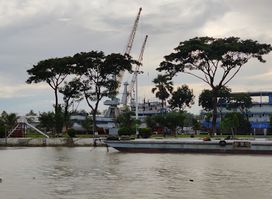
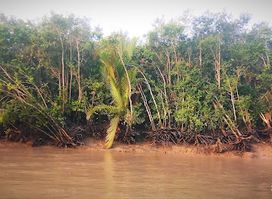
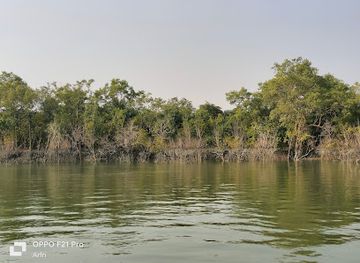
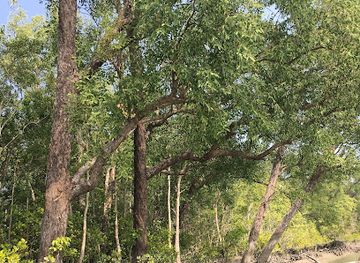
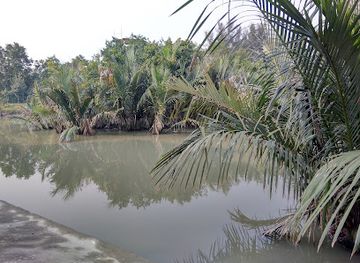
The Sundarbans Reserved Forest is the world's largest mangrove forest, a UNESCO World Heritage Site teeming with unique flora, fauna, and waterways. Straddling Bangladesh and India, it's a mesmerizing realm where land and water engage in a perpetual dance, offering unparalleled natural beauty and biodiversity.
A brief summary to Sundarbans Reserved Forest
- Koromjal Watch Tower, Mongla-Chila Rd, BD
- Click to display

Know before you go
Hi, I'm Eve. Here are a few practical things to know before exploring Sundarbans Reserved Forest.
- The best time to visit is during the dry winter months (November to February) for favorable weather and wildlife spotting.
- Obtain necessary permits from the Forest Department before entering the forest, often managed by tour operators.
- Hire a local guide to enhance your experience and support the local economy.
- Respect the local customs and culture by dressing modestly and interacting respectfully with local communities.
- Stay quiet while on boat tours to increase your chances of spotting wildlife.
Do you manage this location?
Take control to get all the benefits, like improved information, better appearance, and stronger visibility across AI-powered discovery. Learn more about listing your business on Evendo
Activate your presenceOther nearby places you may find interesting
The closest places of the same kind, if this one is not quite what you had in mind.
Explore Sundarbans Reserved Forest on the Map
A handpicked selection of must-see spots near Sundarbans Reserved Forest, mapped for you.
Getting There
-
Boat
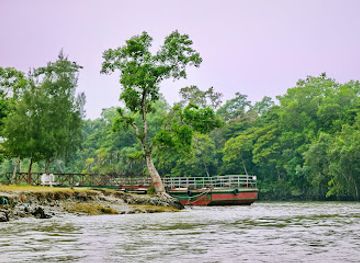
The final approach to the Sundarbans Reserved Forest invariably involves boat travel, as it's a vast network of waterways. From nearby towns like Mongla, Khulna, or Canning (India), you'll need to hire a boat or join a tour. Several types of boats are available, from basic fishing vessels to larger, more comfortable tourist boats. The journey from Mongla to Karamjal, a popular entry point, takes approximately 1-2 hours by boat. Boat hire costs vary significantly depending on size, amenities, and duration of the trip; expect to pay between BDT 4,000 to 8,000 (USD $35-75) for a day boat that can accommodate 10-12 people. For overnight tours, prices range from USD $150-$300 per person, including boat transportation, food, lodging, guides, and park fees. Ensure your boat operator has the necessary permits from the Bangladesh Forest Department.
-
Public Transport
To reach the Sundarbans from Kolkata, India, take a local train to Canning. Trains are available from Sealdah at an interval of every one hour. From Canning, take an auto-rickshaw or bus to Gadkhali or Sonakhali. Then, cross over from Gadkhali to Gosaba by a local ferry. Finally, hire a boat from Sonakhali to enter the Sundarbans forests. Train fare from Sealdah to Canning is approximately INR 20-30. Auto-rickshaw fare from Canning to Gadkhali is approximately INR 50-100. Ferry fare from Gadkhali to Gosaba is approximately INR 10.
Discover more about Sundarbans Reserved Forest
More to explore near Sundarbans Reserved Forest













Your all‑in‑one travel companion app
Explore expert travel guides, compare and book tours, experiences, hotels, and more—all from the palm of your hand. Download now for seamless trip planning wherever your wanderlust takes you.


Explore More of Sundarbans
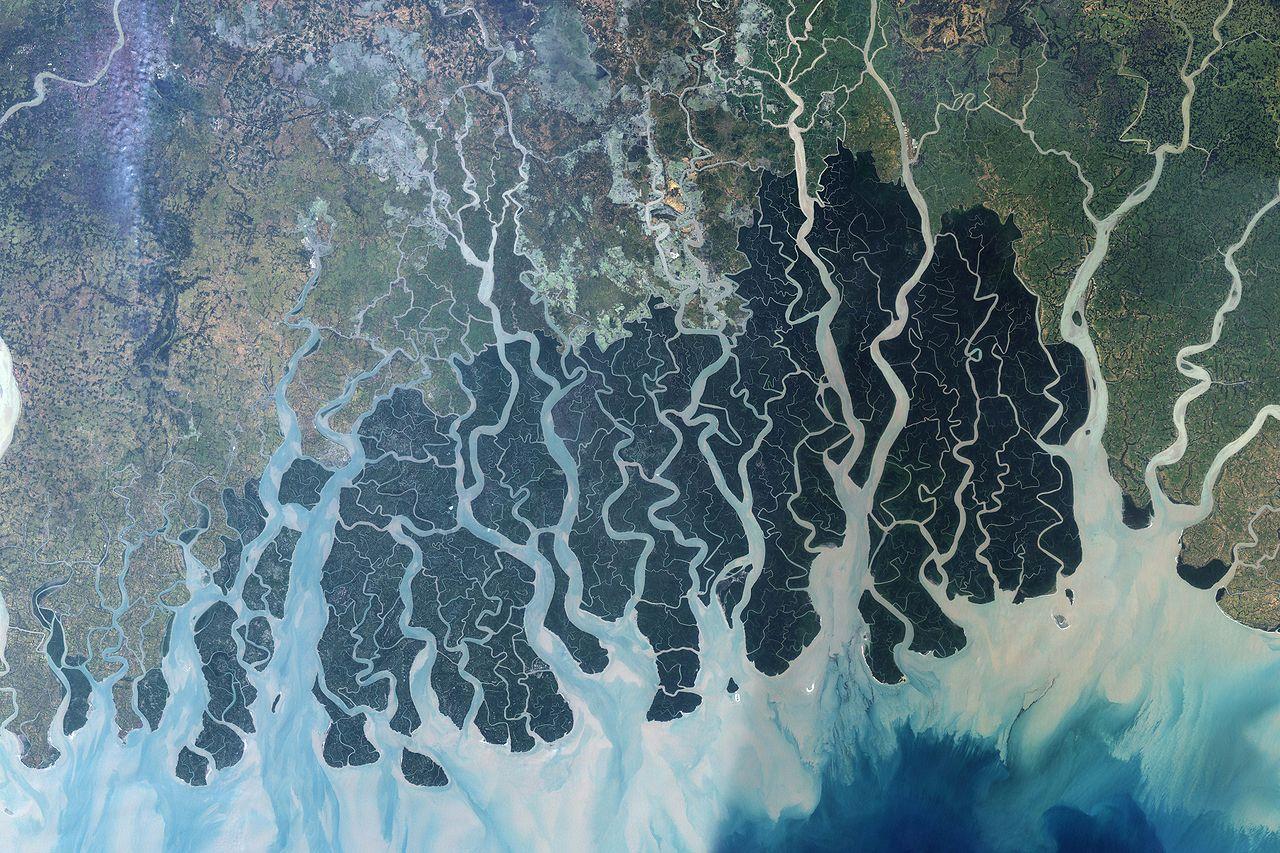
Looking beyond Sundarbans Reserved Forest? Discover Sundarbans for broader travel guides, local hot-spots, and regional highlights.
Explore Sundarbans