

Sundarban Zero Point Travel Guide
Free Guide: Witness the confluence of nature and nations at Sundarban Zero Point, where India and Bangladesh meet amidst the world's largest mangrove forest.


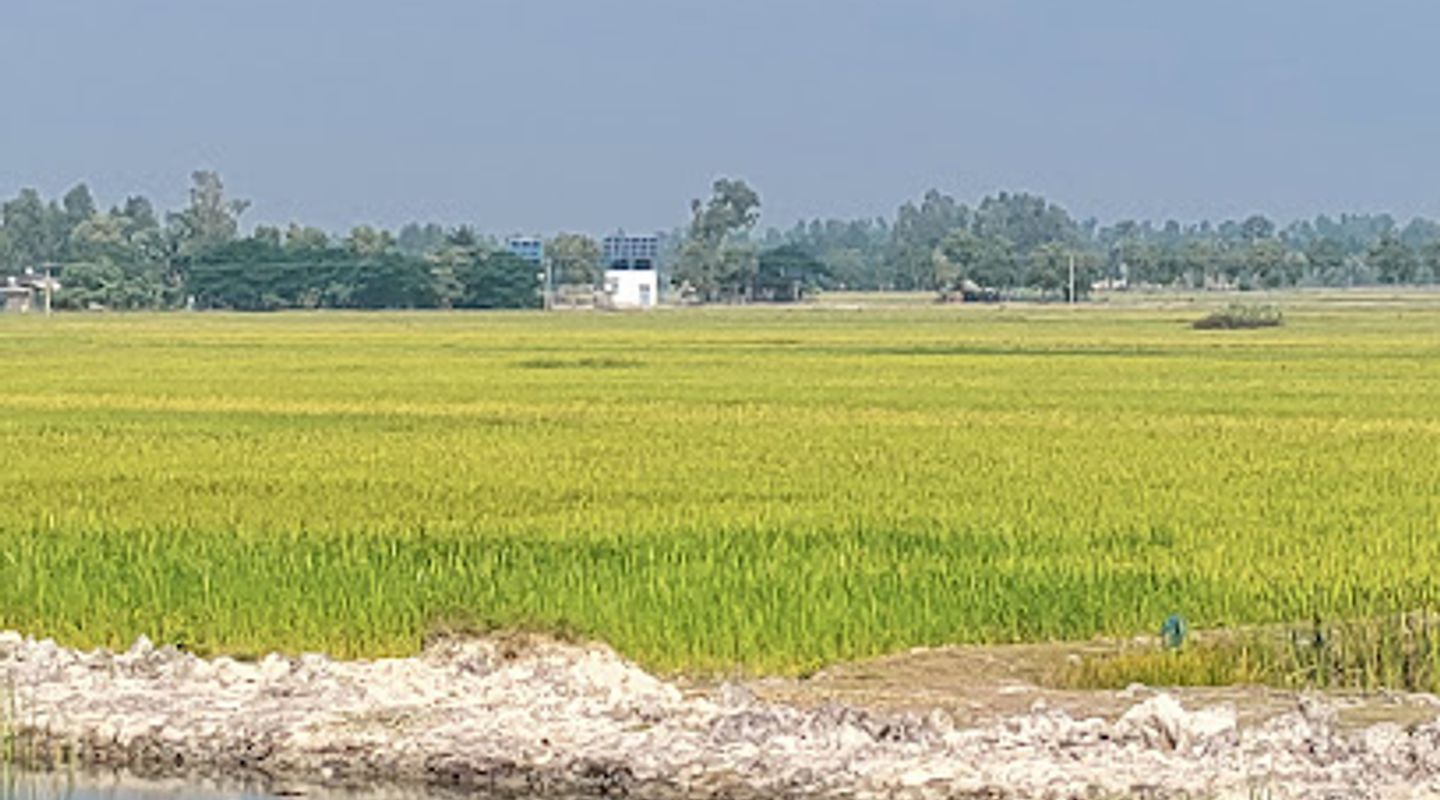
A brief summary of Sundarban Zero Point
Witness the confluence of nature and nations at Sundarban Zero Point, where India and Bangladesh meet amidst the world's largest mangrove forest.
Sundarban Zero Point is a unique vantage point in West Bengal where the mangrove forests of India and Bangladesh converge, offering stunning views and a chance to witness the Sundarbans' ecological significance. It's a serene escape into nature, teeming with diverse wildlife and rich cultural heritage.
- Address
- 53H7+X68, Samsher Nagar, Hingalganj, West Bengal 743439, India
Getting there
Boat
Public Transportation
Car
Discover more about Sundarban Zero Point
Overview
Sundarban Zero Point, situated in Hingalganj, West Bengal, is more than just a geographical marker; it's where the vast and ecologically significant Sundarbans truly come to life. Here, the mangrove forests of India and Bangladesh meet, offering visitors a unique perspective on this expansive and vital ecosystem. The Sundarbans, a UNESCO World Heritage Site, is the world's largest mangrove forest, a sprawling labyrinth of waterways, mudflats, and dense vegetation. From this vantage point, you can witness the striking natural beauty of the region and the fascinating interplay between the Indian and Bangladeshi sides of the Sundarbans. The area is teeming with wildlife, including the elusive Royal Bengal tiger, various bird species, and aquatic life, making it a paradise for nature lovers and wildlife enthusiasts alike. The best time to visit is during the cooler months, from November to February, when the weather is pleasant and wildlife sightings are more frequent.The journey to Sundarban Zero Point is an integral part of the experience, often involving a boat ride through the intricate network of rivers and creeks that characterize the Sundarbans. As you navigate the waterways, keep an eye out for the diverse birdlife, including kingfishers, eagles, and migratory species. You might also spot deer grazing on the riverbanks or even signs of a tiger's presence. The local communities, rich in traditions and history, have a deep connection to the land and its resources. Visitors can engage with the local culture through guided tours, which often include stories of the area's heritage and the livelihoods of the people who call this place home.The history of the Sundarbans dates back centuries, with evidence of human settlement from the Mauryan era. During the Mughal period, the forests were leased to nearby residents, and they later became a refuge for those fleeing the armies of Emperor Akbar. The British East India Company gained control in the 18th century, and systematic management of the forests began in the 19th century. Today, the Sundarbans are recognized for their crucial role in mitigating climate change, protecting coastal communities from storms, and providing habitat for a wealth of species.
Evendo Review Centre
 Google
Guest reviews
Explore Sundarban Zero Point on the map
A handpicked selection of must-see spots near Sundarban Zero Point, mapped for you.
Get your free copy of our complete guide to Sundarban Zero Point, delivered straight to you.
Everything on this page, from opening hours and how to get there to Eve’s tips and the best time to go, in one PDF you can read offline, print or share.
Already have an account? Sign in
Your Sundarban Zero Point guide is ready.
We'll send it to · Not you? Sign out

Getting your guide ready…
We are putting together a fresh copy of the Sundarban Zero Point guide. This can take up to a minute.
This can take a few moments. If your browser asks, choose Allow so the download can start. You'll find the guide in your Downloads folder.
Nothing happened? Download it again
Sorry, the guide is taking longer than usual. Please try again in a minute, or get it by email instead.
Other nearby places you may find interesting
The closest places of the same kind, if this one is not quite what you had in mind.
-
-
-
-
-


Swipe for more places
More to explore near Sundarban Zero Point

 Best experiences near Sundarban Zero Point
 Best hotels near Sundarban Zero Point
 Best landmarks near Sundarban Zero Point
 Best attractions near Sundarban Zero Point
 Best shops near Sundarban Zero Point
 Best restaurants near Sundarban Zero Point
 Best bars near Sundarban Zero Point
Do you manage this location?
Take control to get all the benefits, like improved information, better appearance, and stronger visibility across AI-powered discovery.
Explore more

Explore more of Sundarbans
Experience the Sundarbans, the world's largest mangrove forest, teeming with wildlife, including the elusive Bengal tiger. An unmissable natural wonder in Bangladesh.
Explore Sundarbans
Explore more of Bangladesh
Discover Bangladesh: A land of rivers, rich culture, and breathtaking landscapes. Explore ancient sites, vibrant cities, and the unique flavors of this South Asian gem.
Explore Bangladesh
