Jor Bangla Temple: A Terracotta Masterpiece
Discover the exquisite terracotta art and unique 'Jor-Bangla' architecture of this 17th-century Krishna temple, a testament to Bishnupur's rich cultural heritage and the Malla dynasty's artistic legacy.
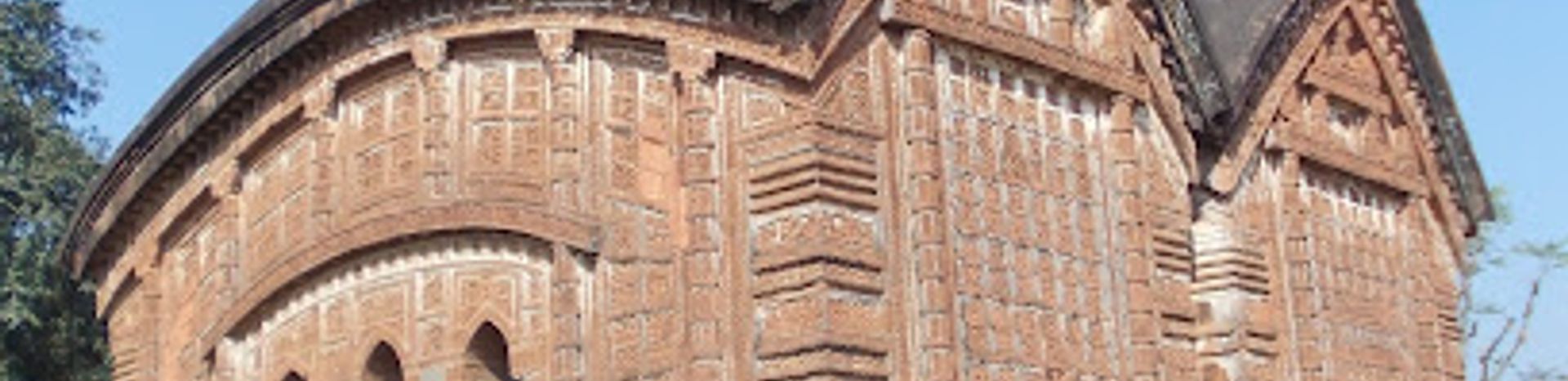
The Jor Bangla Temple, also known as Keshto Rai Temple, stands as one of Bishnupur's most exquisite examples of terracotta artistry. Constructed in 1655 by King Raghunath Singha, this unique temple showcases the classic 'chala' style of Bengal architecture, resembling two traditional thatched huts joined together. The temple's walls are adorned with intricate terracotta carvings depicting scenes from the Ramayana, Mahabharata, and the life of Krishna, offering a glimpse into the region's rich cultural heritage. Though small, the temple's elegant design and detailed artwork make it a must-see attraction for history buffs and art enthusiasts alike. Visitors are not allowed to explore the interior, but the exterior is a sight to behold. The temple is a testament to the skill and artistry of the Malla dynasty, who ruled the region and were great patrons of art and architecture.
A brief summary to Jor Bangla Temple
- Bishnupur, Rajdarbar, Dalmadal Para, West Bengal, 722122, IN
- +9118002121655
- Visit website
Local tips
- Visit during the winter months (October to March) for pleasant weather ideal for exploring the temples.
- Combine your visit with other nearby temples like Shyam Rai Temple and Rasmancha for a comprehensive experience of Bishnupur's terracotta art.
- Explore the local markets for Baluchari sarees and terracotta artifacts, Bishnupur's famous handicrafts.

Getting There
-
Walking
From the Bishnupur bus stand or central market area, the Jor Bangla Temple is approximately 2 km away. A leisurely walk towards Dalmadal Para, using landmarks like the Rasmancha as a reference point, will lead you to the temple. The walk takes about 25-30 minutes. Cycle-rickshaws and auto-rickshaws are readily available for those who prefer not to walk. Auto-rickshaws typically charge ₹20-₹30 for the trip.
-
Taxi/Ride-Share
Taxis and ride-sharing services (like Uber, if available) can be used for a direct route to the temple. From the Bishnupur bus stand or railway station, a taxi ride to Jor Bangla Temple takes around 10-15 minutes, depending on traffic. The approximate fare for a taxi or ride-share is ₹80-₹120. Confirm the fare before starting the journey.
-
Public Transport
Local auto-rickshaws are a convenient public transport option. From the main bus stand, take an auto-rickshaw heading towards Dalmadal Para. Inform the driver you want to visit Jor Bangla Temple. The fare is typically ₹10-₹15 per person. The journey takes around 10 minutes. From there, it's a short walk to the temple.
Discover more about Jor Bangla Temple
Iconic landmarks you can’t miss

Ras Mancha
0.6 km
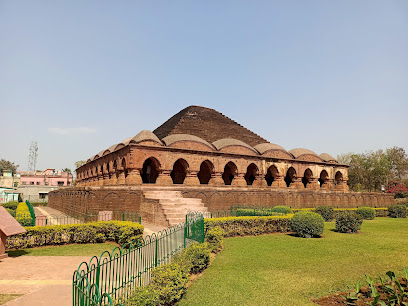
Explore Ras Mancha, an iconic Hindu temple in Bishnupur, West Bengal, known for its unique architecture and vibrant cultural heritage.
Shib Khuthir.
53.4 km
Explore the enchanting historical landmark of Shib Khuthir, where rich heritage meets stunning architecture in the heart of West Bengal.
Nile Dighi
54.9 km
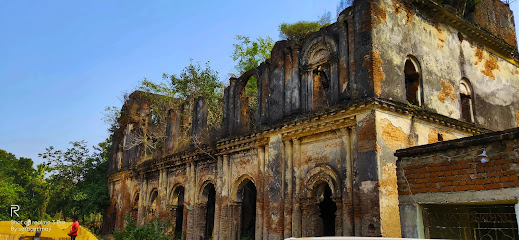
Discover the tranquil beauty of Nile Dighi in West Bengal, where nature's serenity meets local culture in a picturesque landscape.
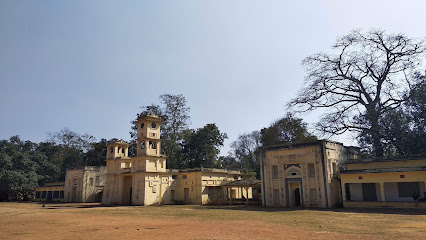
Chhatim Tala
77.0 km
Discover the serene beauty and cultural heritage of Chhatim Tala, a historical landmark in Santiniketan, West Bengal.
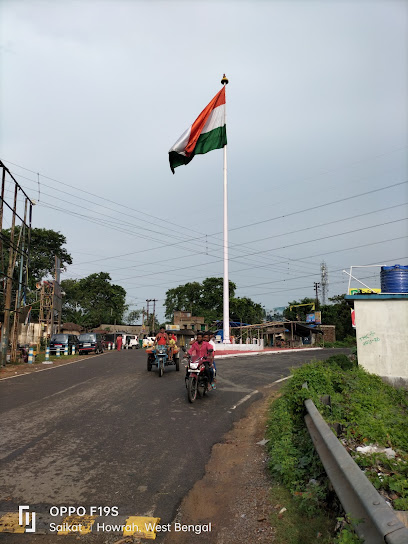
Indian National Flag
84.5 km
Experience the pride of India at the Indian National Flag in Mankur, a landmark that celebrates national unity and cultural heritage.
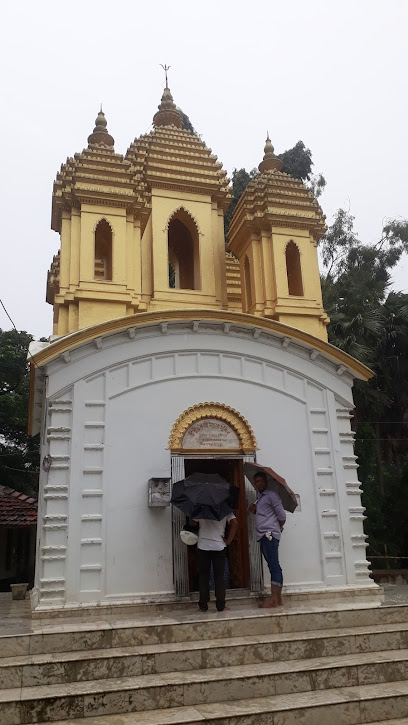
Sarat Chandra Chattopadhyay Kuthi
89.1 km
Discover the serene charm and literary legacy of Sarat Chandra Chattopadhyay Kuthi in Deulti, West Bengal – a must-visit for history and literature enthusiasts.
Unmissable attractions to see

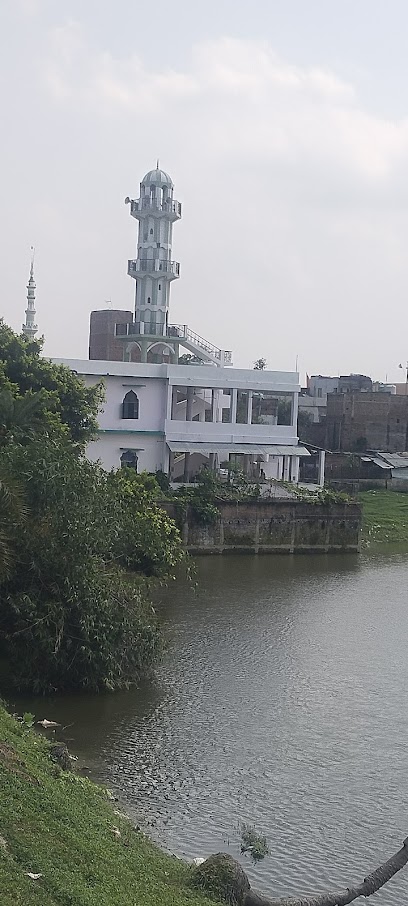
The Big well
3.9 km
Explore the ancient marvel of The Big Well in Basudebpur, West Bengal - a historical treasure amidst natural beauty.
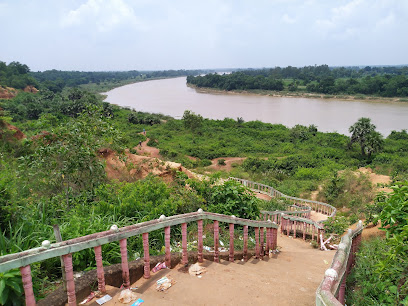
Gangani - The Grand Canyon
23.9 km
Experience the breathtaking beauty and rich heritage of Gangani, the Grand Canyon of West Bengal, a must-visit destination for all travelers.
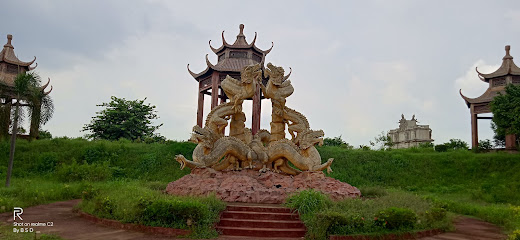
Japanese Theme Park
41.7 km
Experience the blend of adventure and culture at the Japanese Theme Park in West Bengal, where enchanting gardens meet thrilling rides.
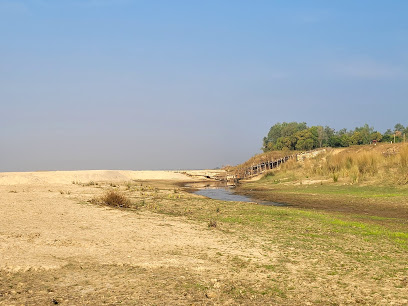
Mana Forest Spot
51.0 km
Explore the lush wonders of Mana Forest Spot in Gaitanpur, West Bengal – a peaceful retreat rich in biodiversity and local culture.
India Map Statue
54.3 km
Discover the breathtaking India Map Statue in Durgapur, a stunning sculpture symbolizing national pride and artistic brilliance in West Bengal.
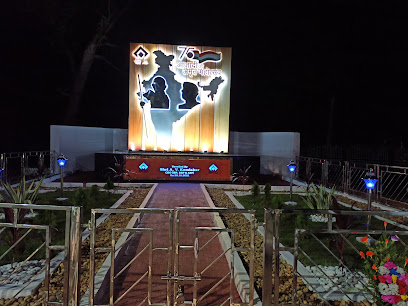
Hawa Mahal
57.1 km
Discover the enchanting Hawa Mahal, a historical gem in Bardhaman, West Bengal, showcasing exquisite architecture and rich cultural heritage.
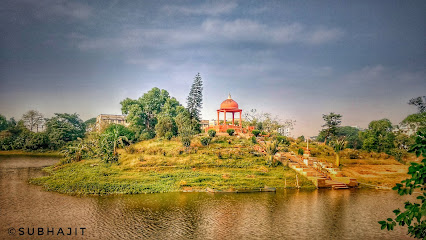
Ramnabagan Wildlife Sanctuary
57.2 km
Explore the vibrant ecosystems and diverse wildlife at Ramnabagan Wildlife Sanctuary, a nature lover's paradise in West Bengal.
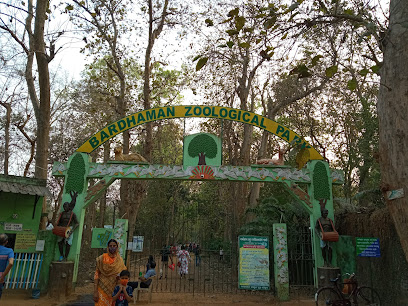
Big Ben Burdwan
57.9 km
Explore the beauty and history of Big Ben Burdwan, a stunning clock tower that stands as a testament to Bardhaman's rich cultural heritage.
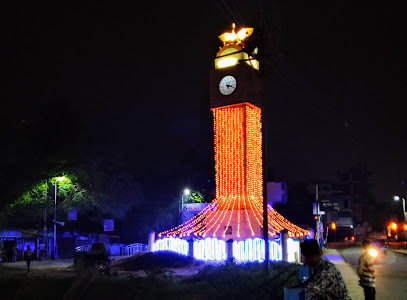
Begor Mukh
65.1 km
Discover the serene beauty of Begor Mukh, where the Damodar and Mundeswari rivers meet in a tranquil escape perfect for nature lovers.
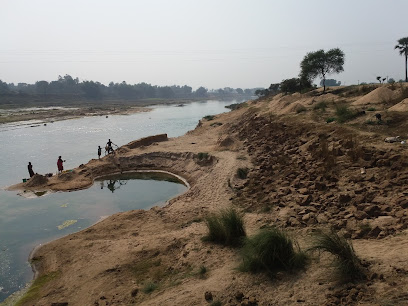
Sat Deule
73.9 km
Explore Sat Deule, a stunning tourist attraction in West Bengal, showcasing the grandeur of ancient Indian architecture amidst serene landscapes.
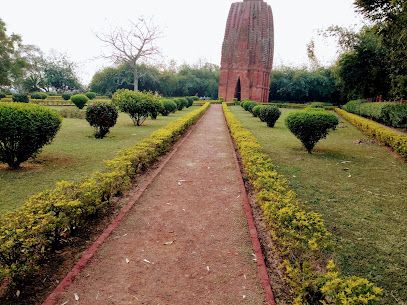
Srijani Shilpagram
75.3 km
Discover the vibrant art, crafts, and cultural heritage of Eastern India at Srijani Shilpagram in Santiniketan, West Bengal.
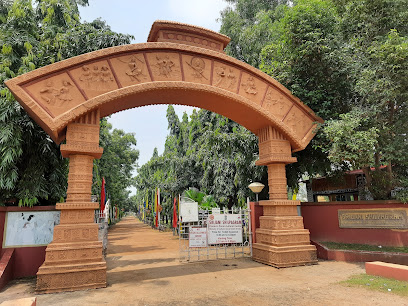
Flowers valley of gurtala
77.6 km
Explore the vibrant blooms and serene landscapes of the Flowers Valley of Gurtala, a hidden gem in West Bengal perfect for nature lovers and photographers.
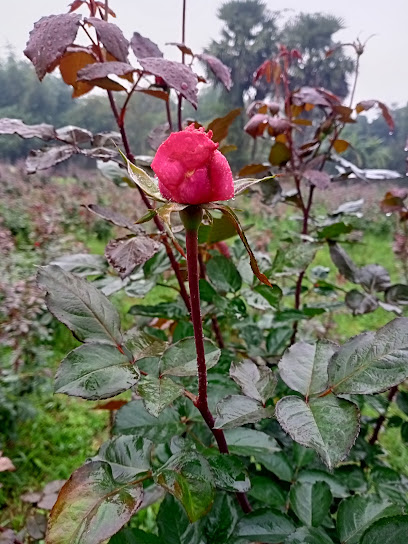
Gadrasini Hill with cave
78.7 km
Explore Gadrasini Hill with Cave, a serene Hindu temple and a stunning tourist attraction in West Bengal, where nature and spirituality harmoniously blend.
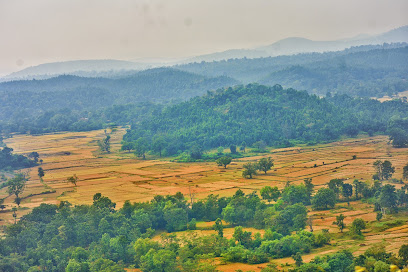
Manur, the original valley of flowers
79.3 km
Explore Manur, the Original Valley of Flowers, where vibrant blooms and breathtaking landscapes create an unforgettable escape in West Bengal.
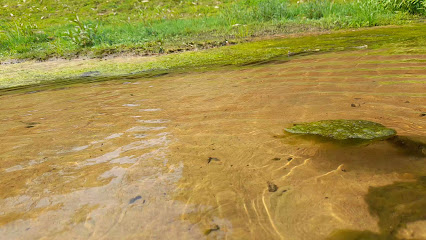
Panchakot Pahar
84.1 km
Explore Panchakot Pahar: Where history meets nature in the serene landscapes of West Bengal.
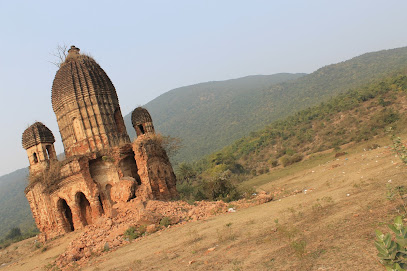
Essential places to dine

Dining hall
36.2 km
Indulge in exquisite fine dining at this elegant hall in West Bengal, where culinary artistry meets exceptional service.
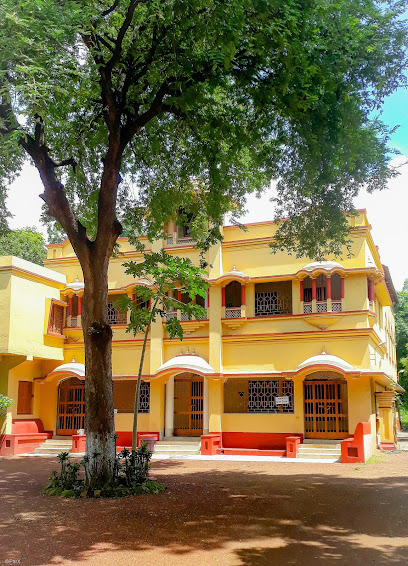
Snacks zone Resturant
54.9 km
Enjoy delicious snacks in a cozy family-friendly setting at Snacks Zone Restaurant in Chhota Bainan, West Bengal.

Best restaurant
86.9 km
Experience the best family-friendly dining in Deulbar, where authentic flavors meet warm hospitality.
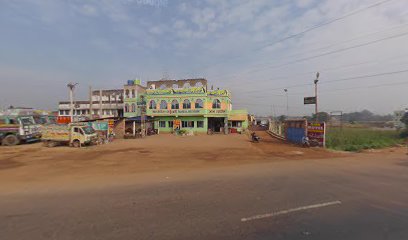
Hotel New Hindusthan
98.6 km
Savor the essence of India at Hotel New Hindusthan - a culinary gem in Singur offering authentic flavors and unforgettable experiences.
Markets, malls and hidden boutiques

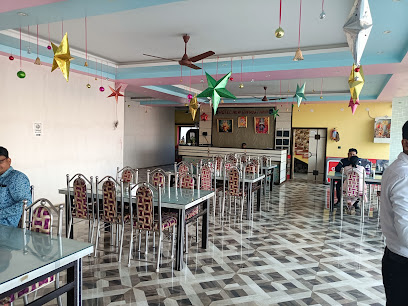
The Unique Store দি ইউনিক স্টোর (Gift, Cosmetics, CityGold & Kitchen Items)
37.6 km
Explore The Unique Store for an unforgettable shopping experience, featuring a wide array of gifts, cosmetics, and local treasures in Randiha, West Bengal.
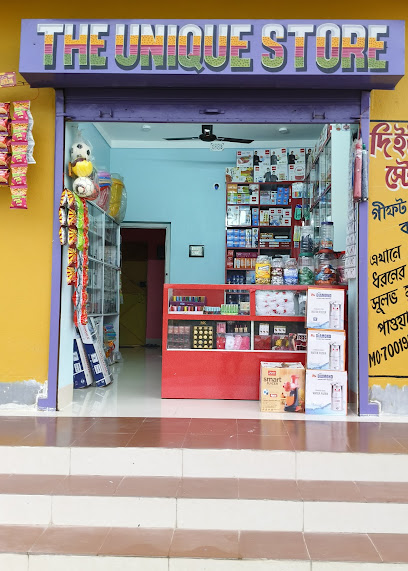
Unique Bazar
45.3 km
Discover Unique Bazar in Chhatna, a vibrant clothing store offering a blend of traditional and modern fashions that reflect the essence of West Bengal.
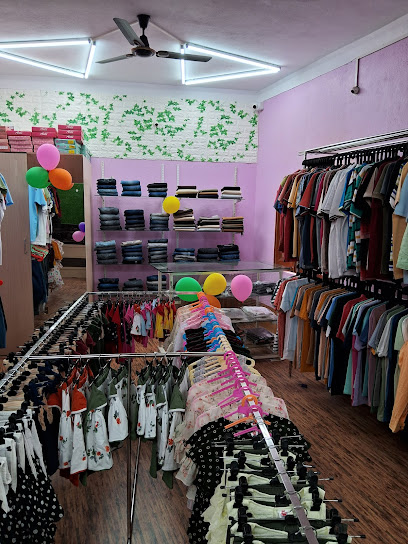
Baazar Kolkata - Arambagh
51.2 km
Explore Baazar Kolkata - Arambagh for an unforgettable shopping experience featuring traditional and modern Indian clothing.

Shaluk
55.3 km
Discover the essence of Indian culture at Shaluk, where tradition meets style with exquisite sarees and clothing.
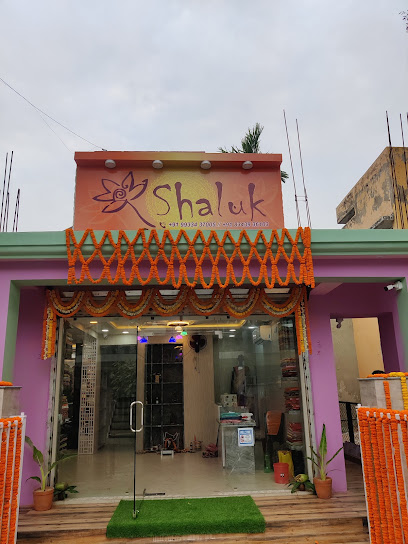
B.D. AUTOMOBILE
60.6 km
Discover the vibrant shopping experience at B.D. Automobile in Pilkhan, West Bengal, where local culture meets modern retail.
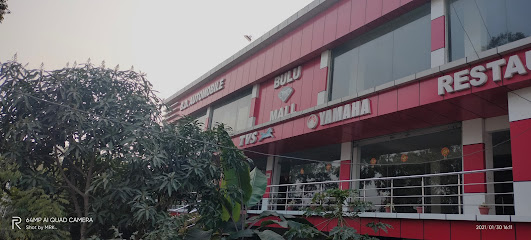
UNIQUE
65.4 km
Explore UNIQUE in Raniganj: A charming gift shop and toy store offering unique souvenirs and delightful toys for all ages.
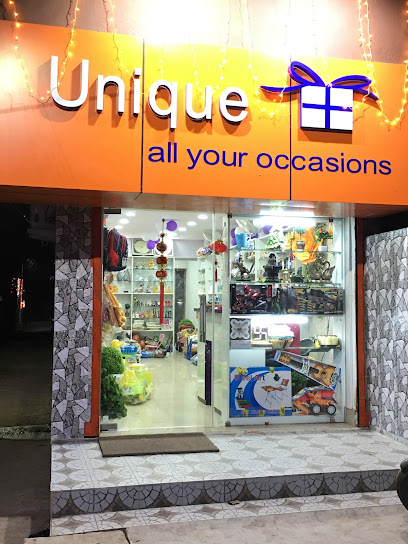
Faijur Unique Store
76.7 km
Discover unique local products and embrace the spirit of Kendradangal at Faijur Unique Store, your go-to general store for authentic souvenirs.
Mallick Variety -An Unique Shop
95.3 km
Explore Mallick Variety, a unique gift shop in Balarambati, offering handcrafted treasures that celebrate West Bengal's rich cultural heritage.
Kismat Furniture
98.6 km
Explore Kismat Furniture in Pandua, West Bengal for unique, handcrafted furniture that reflects India's rich cultural heritage.