
Apes Hill Lime Kiln: A Glimpse into Barbados' Past
Discover Barbados' industrial past at the Apes Hill Lime Kiln, a historical landmark offering panoramic views and a tranquil escape into the island's rich heritage and natural beauty.
The Apes Hill Lime Kiln, nestled in the serene hills of St. Thomas, Barbados, offers a captivating journey into the island's industrial heritage. Dating back to the 19th century, this historical landmark stands as a testament to the island's lime production, a crucial element in construction and agriculture. The weathered stone structure, surrounded by lush greenery, invites visitors to imagine the bustling activity that once defined this site. More than just a relic, the kiln provides a tranquil escape and a unique photo opportunity, showcasing the ingenuity and industrious spirit of the Barbadian people. Explore this hidden gem and connect with Barbados' rich cultural tapestry, appreciating the stories etched in its stones and the panoramic views it commands. A visit promises a rewarding experience, blending history, nature, and a sense of peaceful reflection.
A brief summary to Apes Hill Lime Kiln
- Apes Hill Access Road, Dunscombe, Saint Thomas, BB
Local tips
- Visit during the early morning or late afternoon for the best lighting for photography and to avoid the midday heat.
- Wear comfortable walking shoes, as the terrain around the kiln can be uneven.
- Bring water and snacks, as there are no facilities directly at the site.

Getting There
-
Driving
From Highway 1 (the main coastal road), head inland towards Highway 2 and then follow signs for Highway 2A. Continue on Highway 2A until you see signs for Apes Hill. Turn onto Apes Hill Access Road. Follow this road for approximately 1.5 km. The Lime Kiln will be on your left. Parking is available on the roadside near the kiln. Be mindful of leaving space for other vehicles. There are no parking fees.
-
Public Transport
From Bridgetown, take a bus (routes 2, 2A, 29, 1G or 3) heading towards Rock Hall or Speightstown. Ask the driver to let you off at the Apes Hill stop on Highway 2A. From the bus stop, walk north along Apes Hill Access Road for approximately 1 km. The Lime Kiln will be on your left. The bus fare is $3.50 BBD. Be prepared to walk, as the road can be steep in places.
-
Taxi/Ride-Share
Taxis are readily available throughout Barbados. A taxi from Bridgetown to Apes Hill Lime Kiln will cost approximately $50 - $60 BBD. Confirm the fare with the driver before starting your journey. Ride-sharing services are less common in Barbados, so taxis are generally the more reliable option.
Discover more about Apes Hill Lime Kiln
Iconic landmarks you can’t miss

Apes Hill Lime Kiln
0.0 km
Explore the rich history of Barbados at the Apes Hill Lime Kiln, a significant landmark showcasing the island's industrial heritage and natural beauty.

BarbadosBarbados
0.6 km
Experience the ultimate Barbadian getaway at Apes Hill, where luxury meets tropical charm in the heart of Saint James.
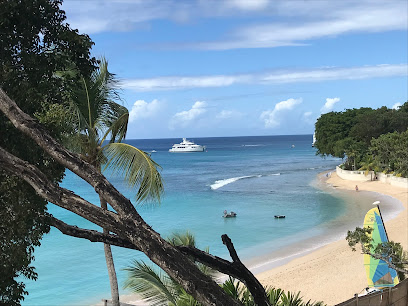
Palm Sanctuary
0.8 km
Experience luxury and tranquility at Palm Sanctuary, a contemporary villa within the exclusive Apes Hill Golf Resort in Barbados. Stunning views and world-class amenities.
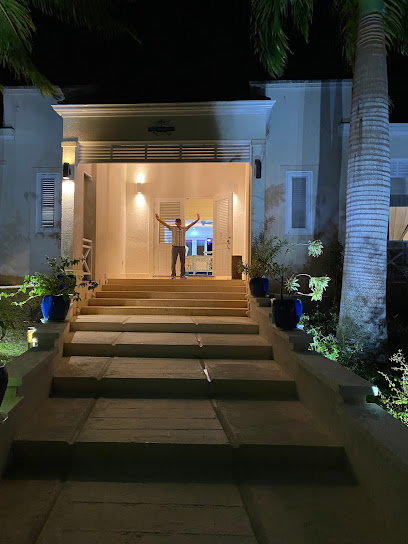
Royal Westmoreland
2.8 km
Experience luxury living at Royal Westmoreland in Barbados: championship golf, stunning villas, and world-class amenities await in this exclusive retreat.
Rock Hall Monument of Freedom
3.1 km
Discover the Rock Hall Monument of Freedom in Saint Thomas, Barbados—a symbol of resilience and a must-visit for history lovers.
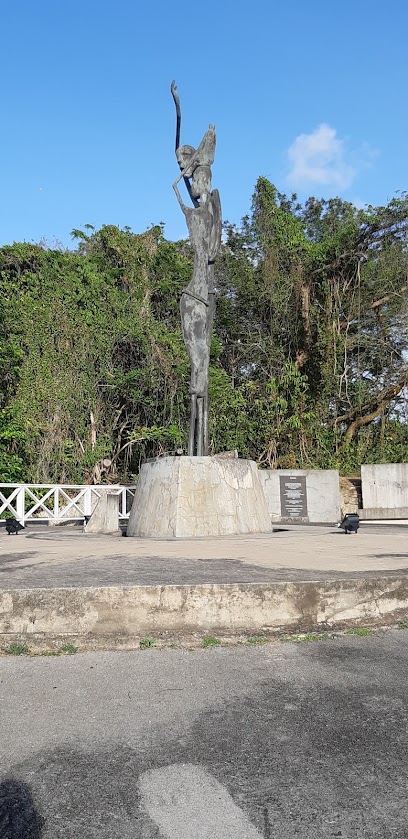
Portvale Sugar Factory
3.2 km
Discover the sweet legacy of Barbados at Portvale Sugar Factory, a historic site showcasing the island's rich sugar production heritage.
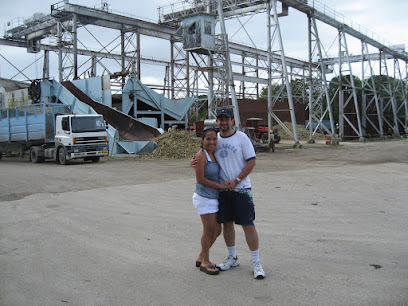
Welchman Hall SDA Church
3.2 km
Experience the tranquility and community spirit at Welchman Hall SDA Church in beautiful Saint Thomas, Barbados, a unique cultural and spiritual destination.
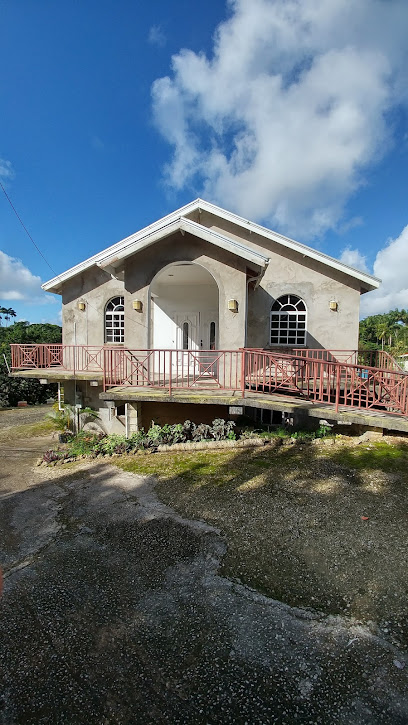
Welchman Hall New Testament Church Of God
3.7 km
Discover the serene beauty and rich cultural heritage at Welchman Hall New Testament Church Of God in Saint Thomas, Barbados.
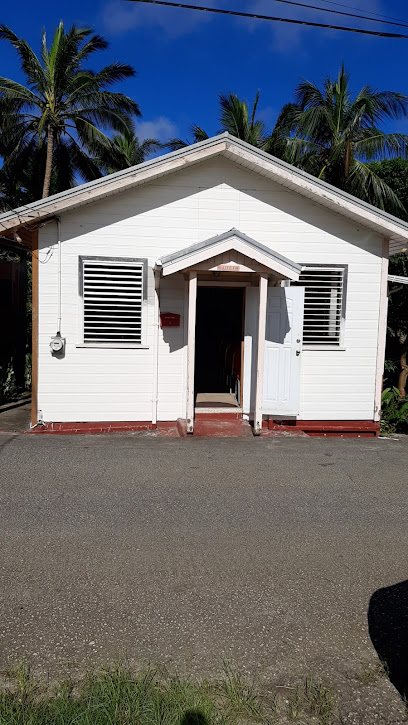
Welchman Church of God
3.8 km
Experience the tranquility of Welchman Church of God, a serene spiritual haven in the heart of Barbados.
Unmissable attractions to see

Springvale eco-heritage museum
2.6 km
Explore the rich cultural and ecological tapestry of Barbados at Springvale Eco-Heritage Museum in Saint Thomas, an unforgettable tourist attraction.
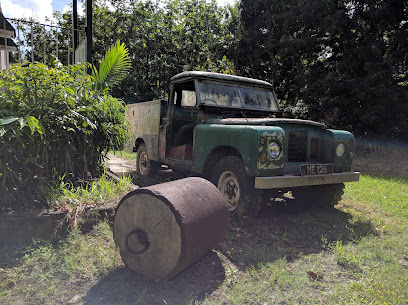
TORE Offroad Park (TOP)
2.6 km
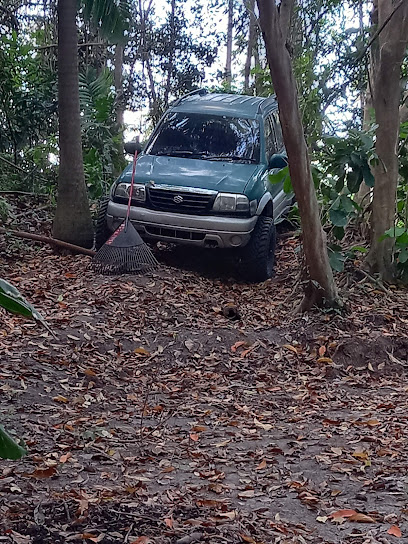
Unleash your adventurous spirit at TORE Offroad Park in Barbados. Hike scenic trails or conquer rugged terrain on an ATV for an unforgettable outdoor experience.
Turner's Hall Wood
2.8 km
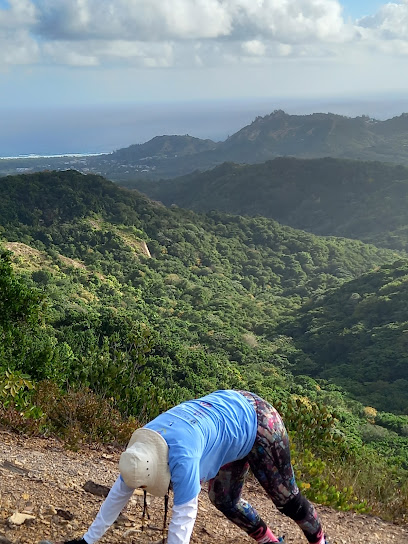
Discover Barbados's primeval past in Turner's Hall Wood, a lush tropical forest offering hiking, wildlife spotting, and a serene escape into the island's natural heritage in St. Andrew.
Welchman Hall Gully
3.1 km
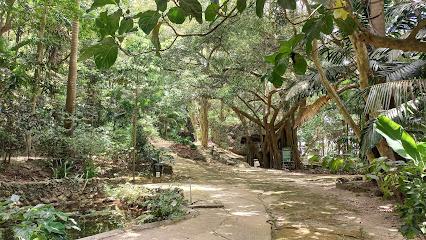
Discover the breathtaking beauty of Welchman Hall Gully, a lush tropical haven in Barbados, perfect for nature lovers and adventure seekers.
Ichirouganaim
3.3 km
Discover Welchman Hall Gully: A tropical rainforest in Barbados, home to green monkeys and diverse plant life within a collapsed cave system.
St. Thomas Parish Church
3.4 km
Discover St. Thomas Parish Church in Holetown, Barbados: a historic landmark blending colonial architecture with Bajan heritage and spiritual serenity.
Cane Garden
3.5 km
Discover the serene beauty and rich history of Cane Garden, a former sugar plantation in the heart of Barbados.
Flower Forest Botanical Gardens
3.5 km
Discover a serene escape in Barbados' Flower Forest Botanical Gardens, a vibrant paradise of flora, panoramic views, and tranquil trails on a historic plantation.
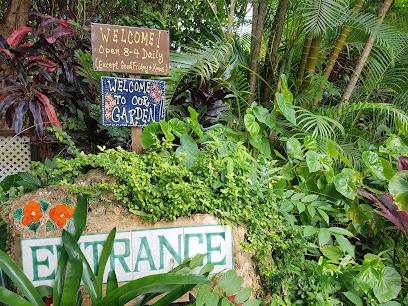
Welchman Hall Recreational Park
3.6 km
Experience the natural beauty and tranquility of Welchman Hall Recreational Park in Saint Thomas, Barbados, perfect for relaxation and exploration.
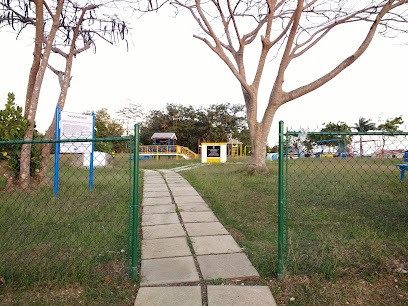
Black Bess Wood
3.7 km
Discover the serene beauty of Black Bess Wood, a national forest in Saint Peter, Barbados, perfect for hiking, picnicking, and immersing in nature's wonders.
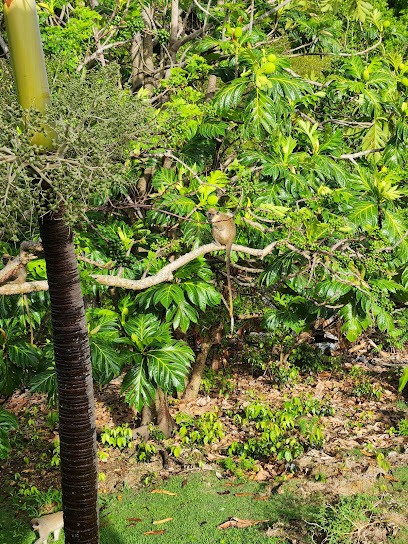
Coco Hill Forest
3.8 km
Discover Barbados' hidden gem: Coco Hill Forest, a 53-acre rainforest offering hiking, nature walks, and a commitment to sustainability in the heart of St. Joseph.
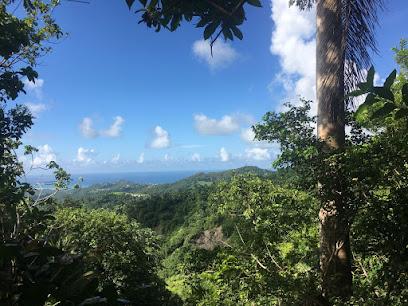
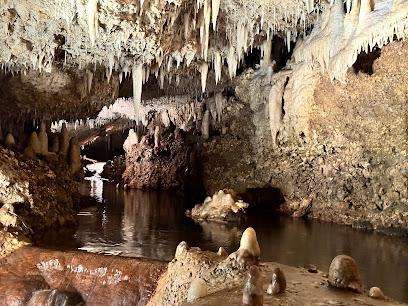
Harrison's Cave Eco-Adventure Park
4.0 km
Explore the stunning underground world of Harrison's Cave Eco-Adventure Park, a must-visit destination in Barbados for nature lovers and adventure seekers alike.
Bawdens Aquaculture Park
4.1 km
Discover a tranquil escape in Saint Andrew, Barbados, where sustainable fish farming meets natural beauty and environmental stewardship.
Taylors Gap
4.2 km
Discover Taylors Gap in Saint James, Barbados, a tranquil garden oasis with vibrant flora and peaceful landscapes – the perfect escape for nature lovers.
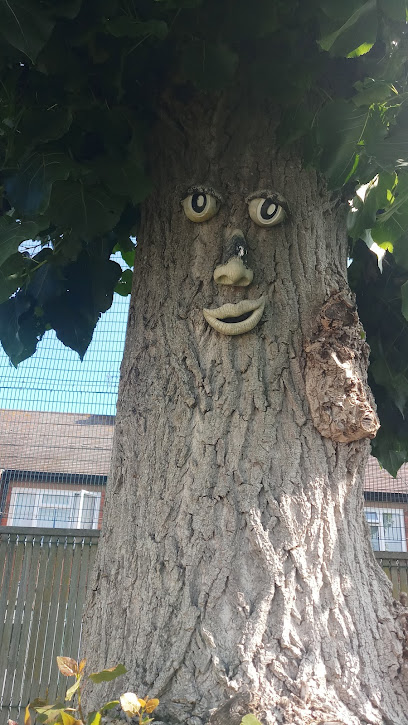
A Day With the Perrys'
4.3 km
Discover the serene beauty and cultural richness of Barbados at A Day With the Perrys', a hidden gem in Saint James offering stunning gardens and local insights.
Essential places to dine

Jell's Canteen
0.8 km
Experience authentic Barbadian flavors at Jell's Canteen, where every dish tells a story of island culture and culinary tradition.

Sonia's Sports Bar and Grill
0.9 km
Discover the vibrant taste of Caribbean cuisine at Sonia's Sports Bar and Grill in Dunscombe, Saint Thomas - where food meets fun!
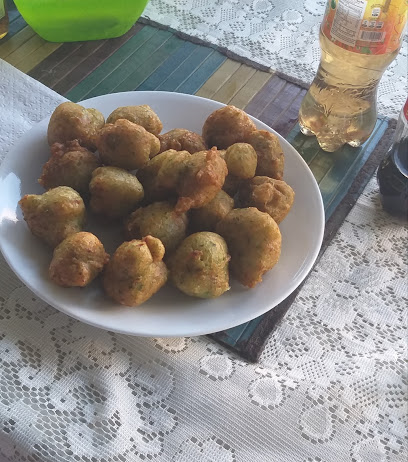
What The Fork
1.8 km
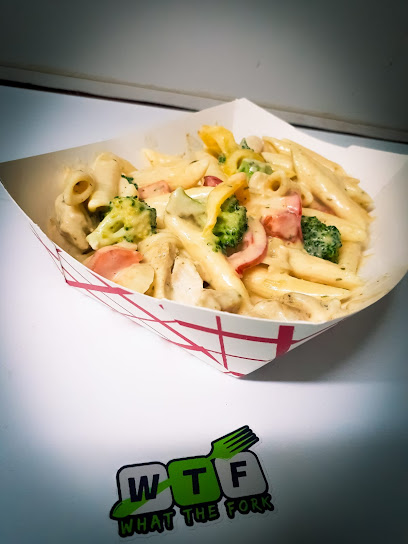
Experience the vibrant flavors of Caribbean cuisine at What The Fork in Orange Hill - where every meal is a delightful adventure.
Pondbottom Restaurant & Event Centre
2.5 km
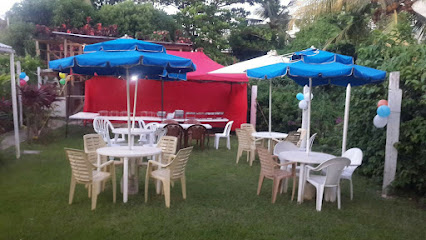
Experience the best of Barbadian flavors at Pondbottom Restaurant & Event Centre—where culinary delight meets stunning scenery.
LANCASTER GREAT HOUSE
2.5 km
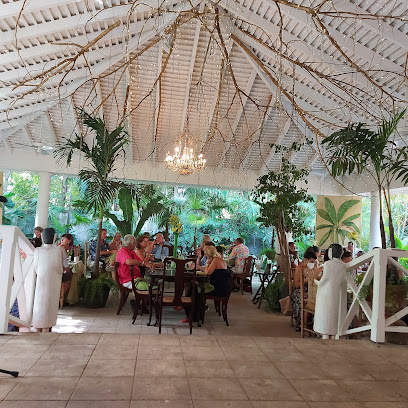
Savor exquisite Barbadian flavors at Lancaster Great House – where culinary art meets warm hospitality in Saint James.
Seafoodboil Saturdays
2.6 km
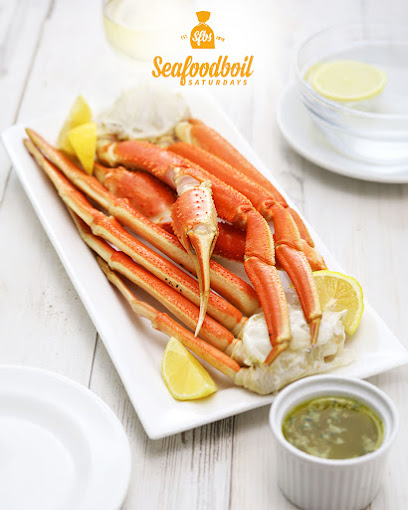
Discover Barbados' culinary gem at Seafoodboil Saturdays - where fresh seafood meets island vibes for an unforgettable dining experience.
Laurelle's Kitchen
2.7 km
Discover authentic Caribbean cuisine at Laurelle's Kitchen in Bridgetown – where every meal tells a story!
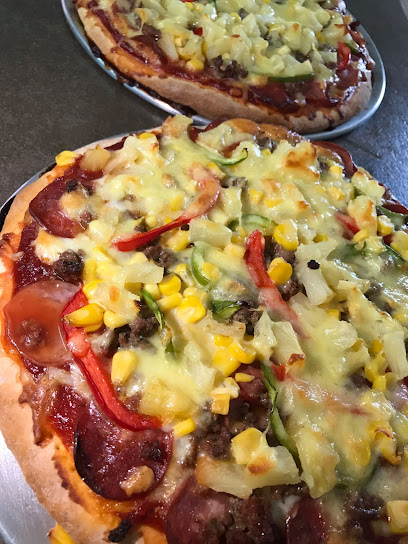
Jamdown Bar & Restaraunt Barbados
2.9 km
Savor authentic Barbadian flavors at Jamdown Bar & Restaurant in Rock Hall—where every bite tells a story.
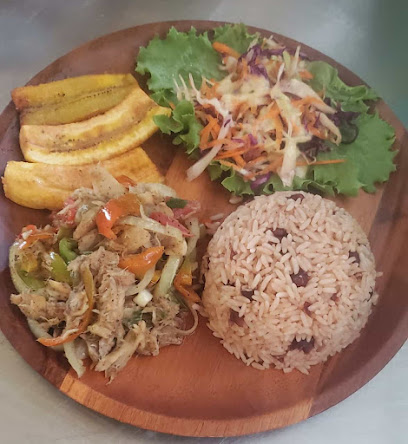
GPS VARIETY
2.9 km
Savor the authentic taste of Barbados at GPS Variety - where local flavors meet exceptional grilling.
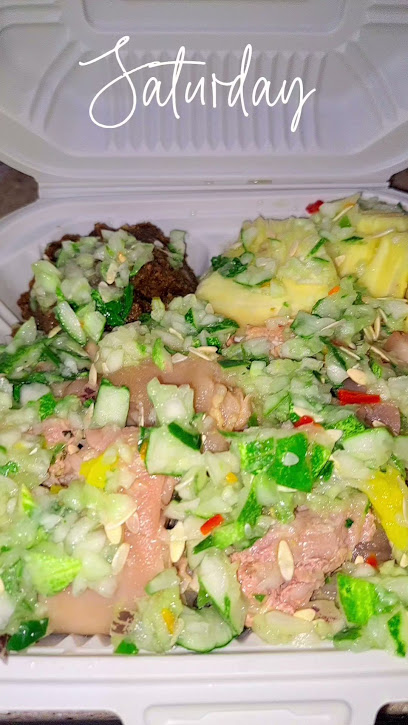
Loaded Street Food
3.0 km
Experience authentic Caribbean street food at Loaded Street Food in Rock Hall, Saint Thomas - a family-friendly destination bursting with flavor.
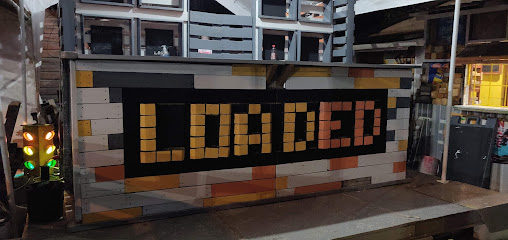
WEST COAST PIZZA HOUSE
3.0 km
Experience authentic Barbadian pizza at West Coast Pizza House in beautiful Greenwich Village, St. James - A must-visit for food lovers!
Orton's Place
3.1 km
Discover authentic Barbadian flavors at Orton's Place in Carrington - where great food meets vibrant culture.
Clubhouse Restaurant
3.2 km
Experience the perfect blend of local Barbadian cuisine and international dishes at Clubhouse Restaurant in Saint James.
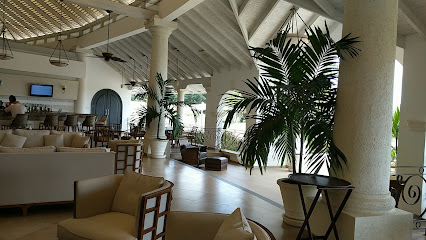
Judy's Watering Hole Rum Shop
3.2 km
Experience authentic Barbadian cuisine at Judy's Watering Hole Rum Shop in Chapman, Saint Thomas—where food and community come together.
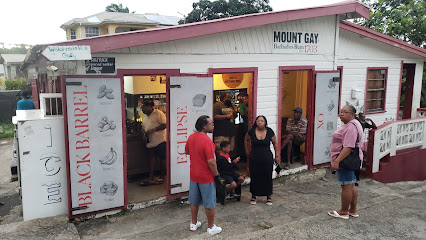
Souse (upper Carlton
3.5 km
Discover authentic Barbadian cuisine at Souse in Upper Carlton - a must-visit dining spot for every traveler.
Markets, malls and hidden boutiques

A Gift For You Barbados
1.0 km
Discover unique Barbados souvenirs at A Gift For You Barbados, your perfect destination for local crafts and charming keepsakes.
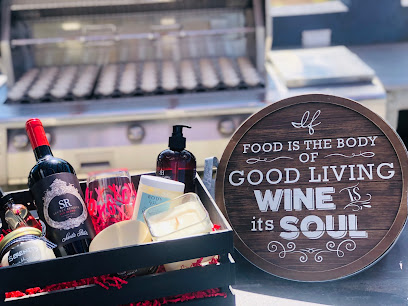
Gift Baskets Barbados
1.0 km
Discover unique Barbadian gifts at Gift Baskets Barbados, where local flavors and craftsmanship come together for an unforgettable shopping experience.

DK Fasion Co
1.2 km
Discover the vibrant Barbadian fashion scene at DK Fasion Co in Hillaby, offering unique styles and local designer pieces for every taste.
Little Gems Boutique
1.4 km
Explore the vibrant and unique fashion offerings at Little Gems Boutique in Bridgetown, Barbados, where local design meets island charm.
Hillside Variety Store
1.6 km
Discover the charm of Hillside Variety Store, a local grocery haven in Orange Hill, Barbados, offering fresh produce and unique local products.
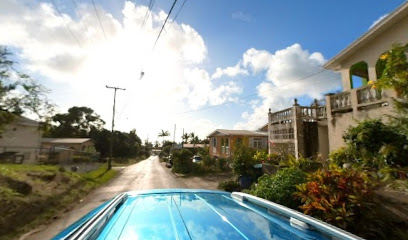
Nicholls Emporium
2.7 km
Experience the flavors of Barbados at Nicholls Emporium, where every pastry tells a story of local tradition and culinary delight.
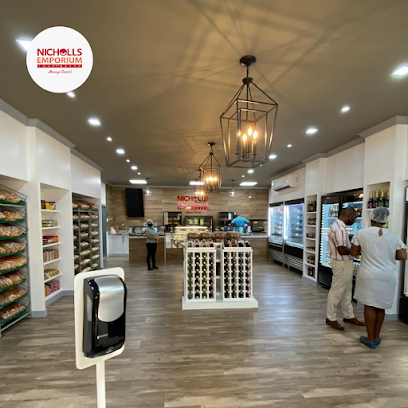
Greenwich House Antiques & Dairy Farm
3.3 km
Discover unique antiques and fresh local dairy products at Greenwich House Antiques & Dairy Farm in Saint James, Barbados.
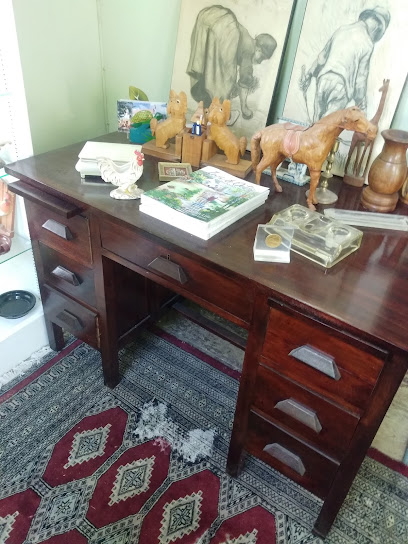
DesertCart reborn baby doll
3.4 km
Explore the enchanting world of lifelike dolls at DesertCart Reborn Baby Doll in Chapman, Saint Thomas, Barbados, a unique shopping experience for all ages.
Double Inch Hardware
3.5 km
Discover quality tools and expert advice at Double Inch Hardware in Welchman Hall, a local favorite for all your hardware needs.
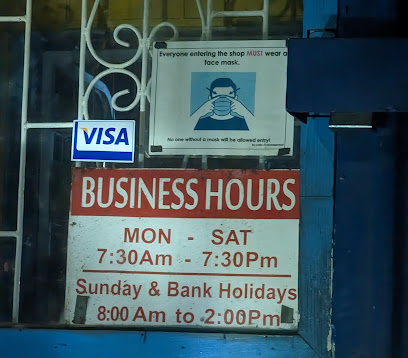
The Pharmacy Shoppe Inc
3.7 km
Explore wellness and local remedies at The Pharmacy Shoppe Inc in Welchman Hall, your trusted health partner in Barbados.
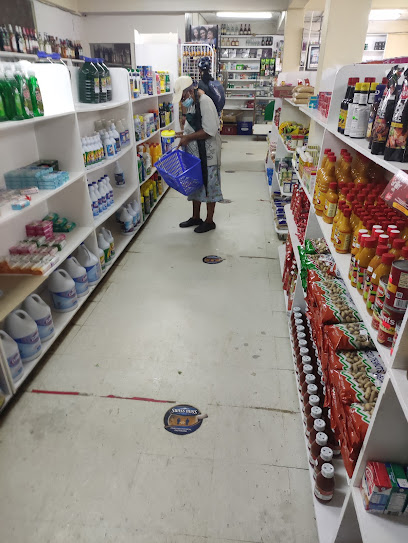
Two Guys Supermarket
3.7 km
Explore the vibrant offerings of Two Guys Supermarket in Welchman Hall, your gateway to Barbadian flavors and local specialties.
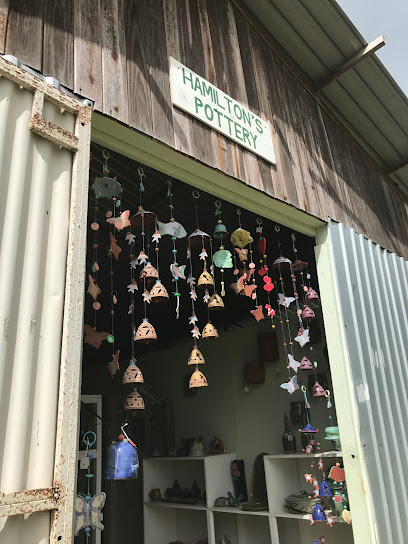
Hamilton's Pottery
4.1 km
Explore the vibrant artistry of Hamilton's Pottery, a treasure trove of handcrafted ceramics nestled in the stunning landscapes of Barbados.
Sweet Limón by She Markets WEC
4.5 km
Explore Sweet Limón in Speightstown, Barbados - where island charm meets contemporary fashion for an unforgettable shopping experience.
The Nubianaire Club
4.6 km
Discover a treasure trove of literature and unique finds at The Nubianaire Club in Saint Peter, Barbados, a must-visit for book lovers.

R’s Meat, Variety and Hardware
4.6 km
Explore the best of local flavors and unique products at R's Meat, Variety and Hardware in Bridgetown, Barbados.
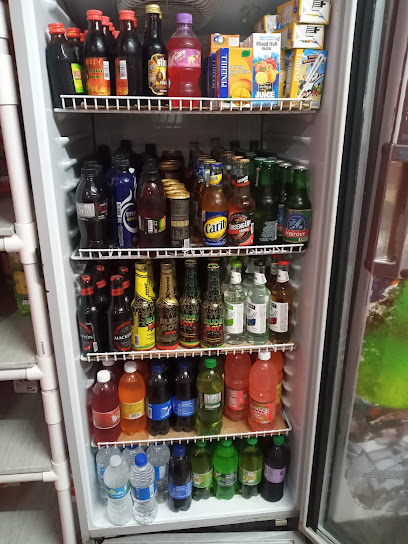
Essential bars & hidden hideouts

Gamby's Bar
1.1 km
Discover the vibrant spirit of Barbados at Gamby's Bar, a local favorite in Orange Hill offering exquisite rum and a lively atmosphere.
Crystal's outback
1.4 km
Discover the laid-back charm of Crystal's Outback, a local bar in Saint James, Barbados, offering refreshing drinks and stunning views.
The Family Inn Bar
1.5 km
Discover the charm of The Family Inn Bar in Mose Bottom, where Barbadian hospitality meets delicious local drinks and snacks.
Rakshak Bar
1.9 km
Experience the relaxed charm of Rakshak Bar in Orange Hill, the perfect spot for drinks and music in Barbados.
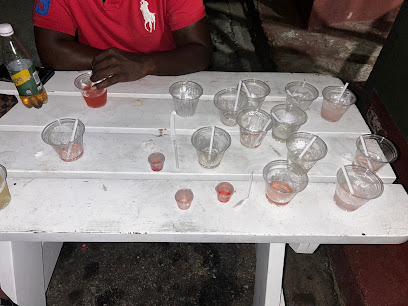
May's Bar & Grocery
2.6 km
Discover the local charm and vibrant atmosphere at May's Bar & Grocery in Rock Hall, Saint Thomas - a must-visit for a taste of Barbadian culture.
First and Last End Bar
3.0 km
Discover the vibrant atmosphere and flavorful drinks at First and Last End Bar in Saint James, Barbados - a must-visit for any traveler.
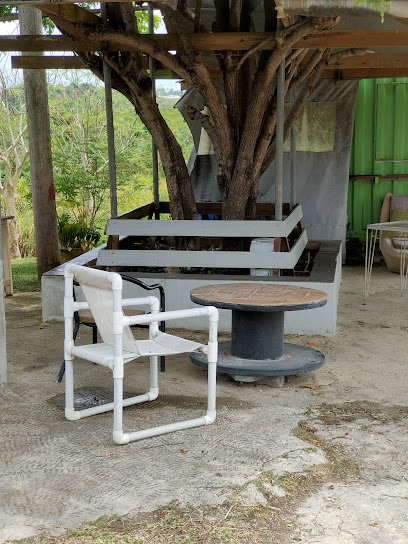
Springboyzbar
3.0 km
Discover the lively charm of Springboyzbar in Rock Hall, Saint Thomas, where refreshing drinks and local vibes await every visitor.
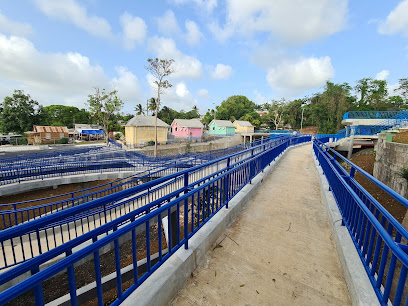
Hidden Valley Bar
3.0 km
Experience the laid-back vibe and vibrant culture at Hidden Valley Bar in Barbados, where refreshing drinks and friendly faces await you.
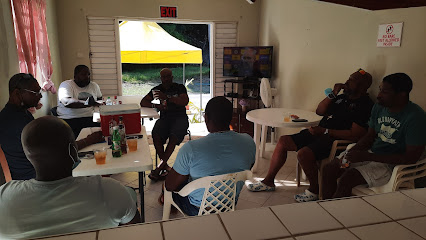
Ackee Tree Bar
3.2 km
Discover the lively Ackee Tree Bar in Saint Andrew, Barbados, where Caribbean culture meets refreshing drinks and warm hospitality.
First And Last Bar
3.4 km
Experience authentic Caribbean hospitality at First And Last Bar, the perfect place to unwind with refreshing drinks in the heart of Saint James.
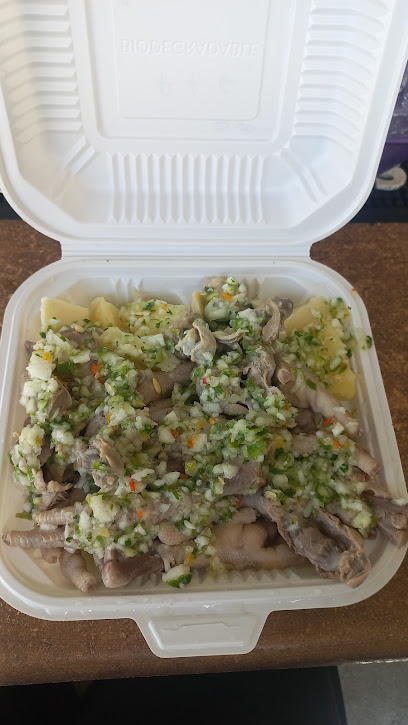
P&M Variety Shop & Bar
3.6 km
Discover the local flavors and charm at P&M Variety Shop & Bar in Belleplaine, a must-visit for an authentic Barbadian experience.
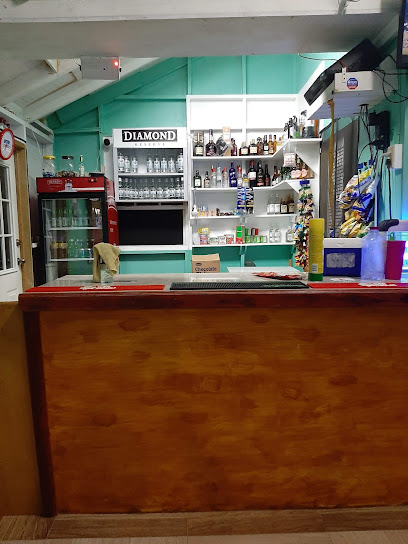
Chris' Place Bar & Variety
3.8 km
Experience the vibrant local culture at Chris' Place Bar & Variety in Rock Dundo, Saint James, where good drinks and great vibes await.
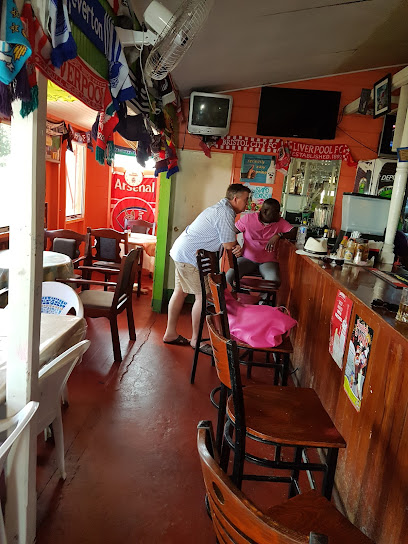
Pon De Off Bar & Restaurant
4.1 km
Discover the lively Pon De Off Bar & Restaurant in Saint Thomas, Barbados, where local cuisine meets vibrant Caribbean culture.
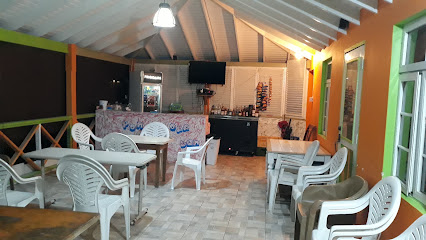
Green Monkey Bar & Grill
4.1 km
Experience the vibrant flavors of the Caribbean at Green Monkey Bar & Grill in Saint Thomas, where delicious food meets a relaxing island atmosphere.
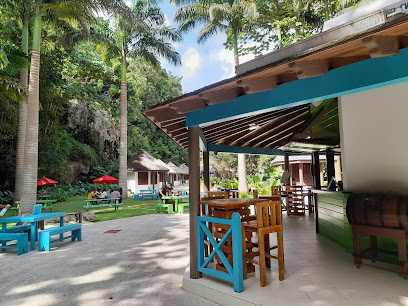
De Estate Bar
4.4 km
Discover De Estate Bar, a vibrant hotspot in Bridgetown, Saint James, perfect for cocktails, live music, and soaking in local culture.
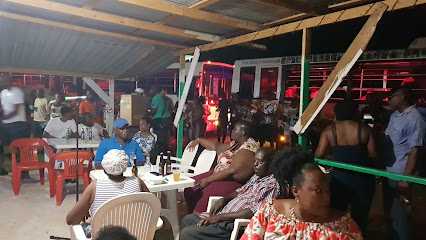
Nightclubs & after hour spots

Charlie Spice Lounge
4.9 km
Dive into the vibrant nightlife at Charlie Spice Lounge, a top night club in Folkestone, Barbados, where music and dance unite for unforgettable evenings.
Chef Michael Hinds x West Bar Barbados
5.1 km
Experience an unforgettable culinary journey at Chef Michael Hinds x West Bar Barbados, where Caribbean flavors meet a vibrant nightlife scene.
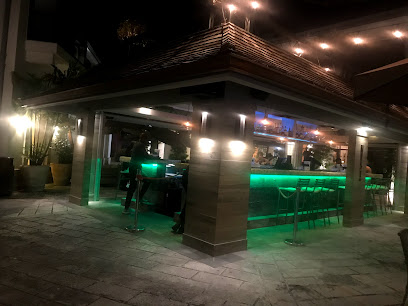
The Penthouse
5.1 km
Experience the epitome of luxury and relaxation at The Penthouse, Holetown's premier lounge with stunning views and exquisite cocktails.
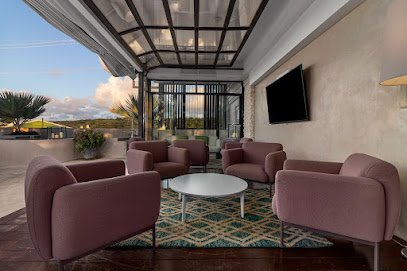
Red Door Lounge
5.1 km
Red Door Lounge: Your ultimate destination for nightlife in Holetown, Barbados, where cocktails, music, and fun come together for an unforgettable experience.
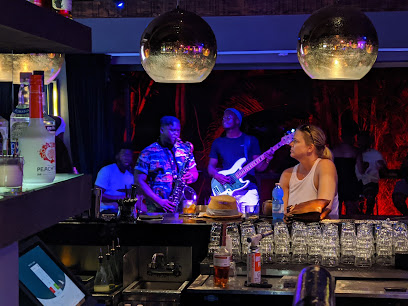
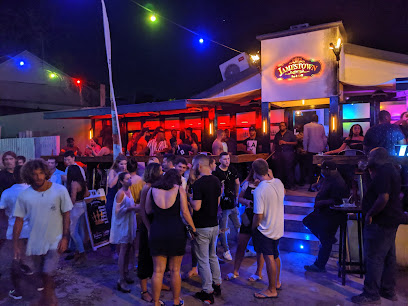
Jamestown Bar & Grill
5.1 km
Experience the vibrant nightlife of Holetown at Jamestown Bar & Grill, where great food, cocktails, and live sports create an unforgettable atmosphere.
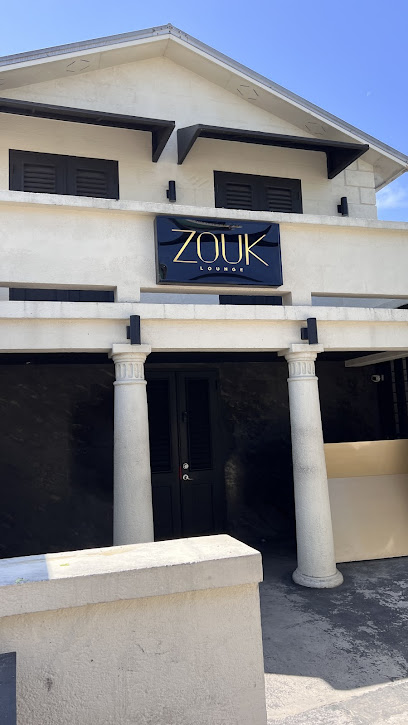
Zouk Lounge
5.1 km
Discover vibrant nightlife at Zouk Lounge in Holetown, a hotspot for crafted cocktails, dancing, and unforgettable memories on the beautiful island of Barbados.
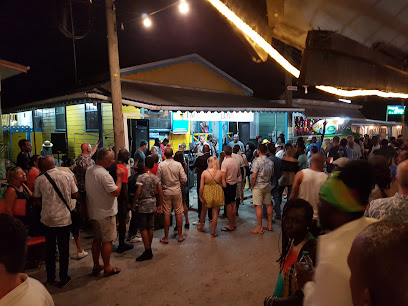
TML One Love Bar
5.2 km
Experience the vibrant nightlife at TML One Love Bar in Holetown, where affordable drinks and a lively atmosphere await you.
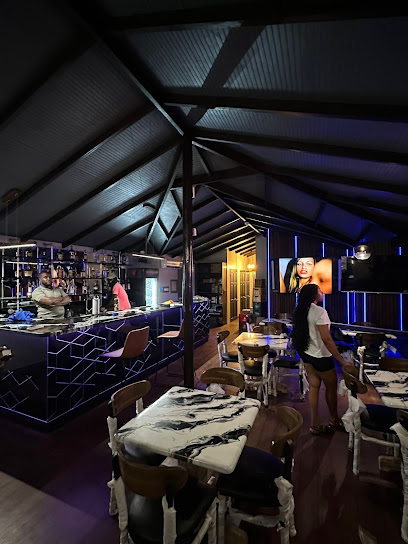
The Tipsy Monkey Sports Bar
5.2 km
The Tipsy Monkey Sports Bar: Your ultimate destination for sports, great food, and vibrant nightlife in Holetown, Barbados.
Adrian’s bar
5.3 km
Experience the vibrant atmosphere of Adrian’s Bar in Mullins, a Caribbean haven for relaxation and socializing with stunning beach views.
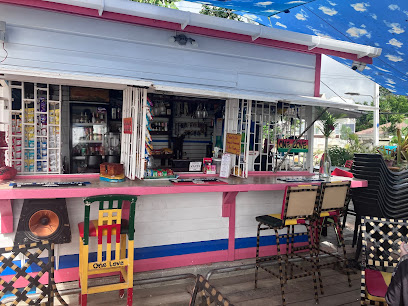
Royal Westmoreland Beach Club
5.3 km
Experience exquisite dining at Royal Westmoreland Beach Club, where Caribbean flavors meet stunning ocean views in Speightstown, Barbados.
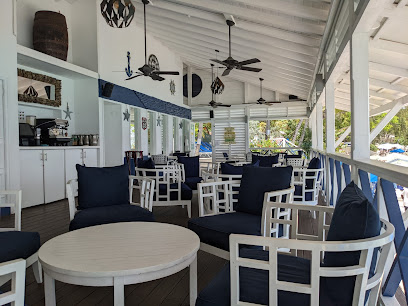
Larry Rogers at Mullins Bay
5.3 km
Discover the vibrant atmosphere of Larry Rogers at Mullins Bay, a perfect blend of bar, restaurant, and beach club in Speightstown, Barbados.
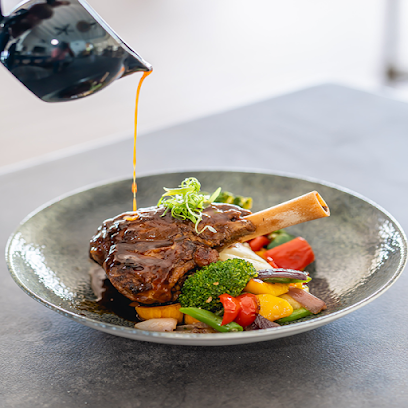
Walcott Bar
5.5 km
Discover the vibrant atmosphere and authentic Caribbean flavors at Walcott Bar in Saint Thomas, Barbados.
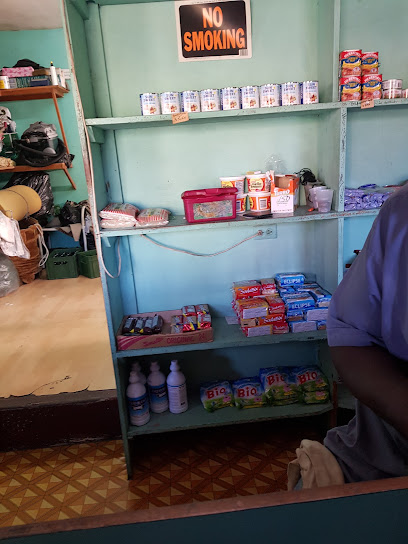
Drift Ocean Terrace Lounge
5.5 km
Experience breathtaking ocean views and crafted cocktails at Drift Ocean Terrace Lounge in Holetown, Barbados - a must-visit for relaxation.
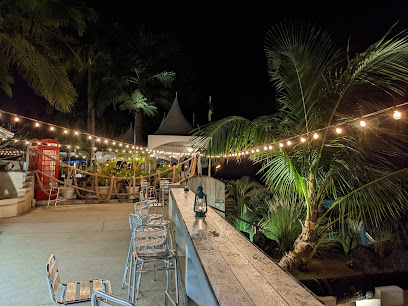
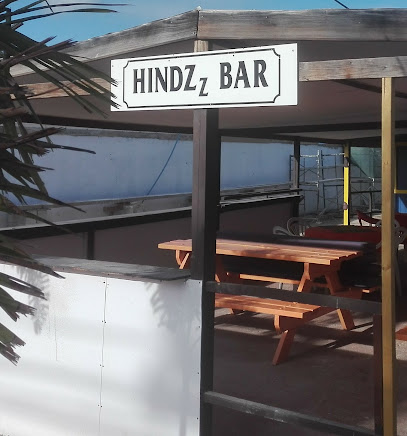
Hindzz Bar
5.5 km
Discover the vibrant flavors and lively atmosphere of Hindzz Bar in Mullins, Barbados – a must-visit dining destination for every traveler.
Babbie's Cool Spot
6.0 km
Experience the vibrant spirit of Barbados at Babbie's Cool Spot, Speightstown's favorite bar for drinks and local culture.


