Gravensteen: Ghent's Medieval Fortress
Explore Ghent's iconic medieval fortress, the Gravensteen, and journey through centuries of history, from its imposing architecture to its intriguing past as a castle, prison, and more.
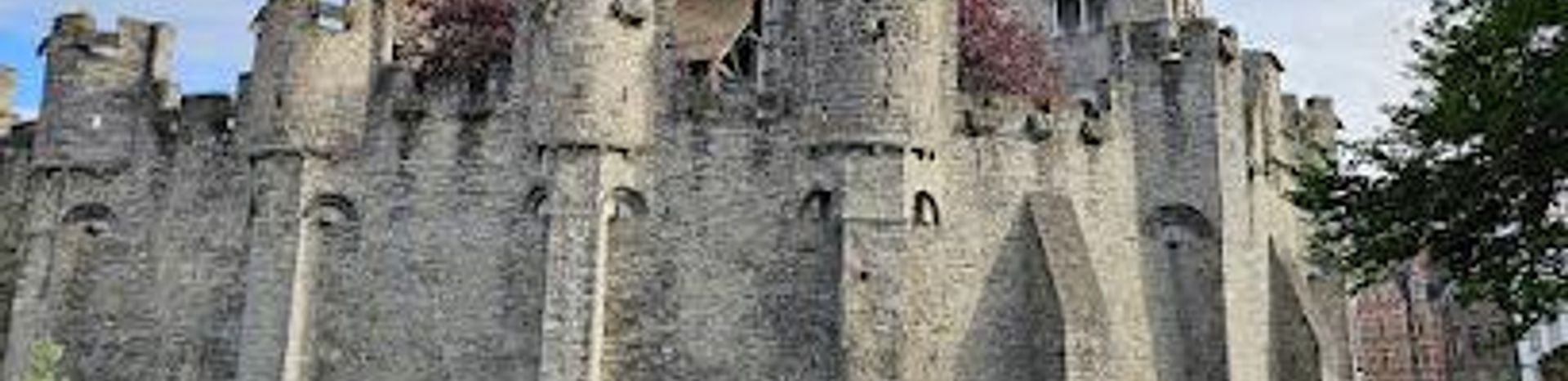
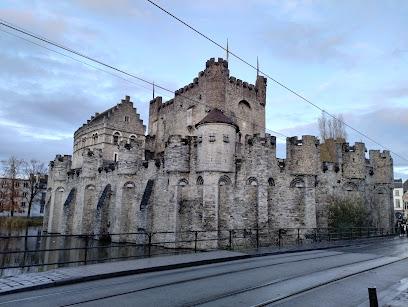
The Gravensteen, or Castle of the Counts, is a formidable medieval castle in the heart of Ghent, Belgium, offering a captivating journey back in time. Built in 1180 by Count Philip of Alsace, this imposing fortress served as the seat of power for the Counts of Flanders. Its design, inspired by Crusader castles, features thick stone walls, crenellated towers, and a central keep, all testaments to its strategic importance. Over the centuries, the Gravensteen has evolved from a residential castle to a court of justice, a prison, and even a cotton mill, reflecting Ghent's turbulent history. Today, it stands as a remarkably well-preserved monument, inviting visitors to explore its ramparts, discover its intriguing past, and enjoy panoramic views of the city. Interactive displays, audio guides, and a unique collection of torture equipment add to the immersive experience, making it a must-see attraction for history enthusiasts and casual travelers alike. Don't miss the opportunity to step back in time and witness the grandeur of medieval Ghent at the Gravensteen.
A brief summary to Castle of the Counts
- Sint-Veerleplein 11, Ghent, Arrondissement of Ghent, 9000, BE
- +3292668500
- Visit website
- Monday 10 am-4:40 pm
- Thursday 10 am-4:40 pm
- Friday 10 am-4:40 pm
- Saturday 10 am-4:40 pm
- Sunday 10 am-4:40 pm
Local tips
- Purchase tickets online in advance to avoid potential lines, especially during peak season, and guarantee your entry at a specific time.
- Wear comfortable shoes as you'll be walking on cobblestones and climbing numerous stairs throughout the castle.
- Take advantage of the audio guide included with your ticket for an in-depth understanding of the castle's history and significance.
- Visit early in the morning or later in the afternoon to avoid the largest crowds and enjoy a more peaceful experience.
- Check the event calendar for special reenactments or activities that may be taking place during your visit for an enhanced experience.

Getting There
-
Public Transport
From Gent-Sint-Pieters railway station, take tram line 2 towards Zwijnaarde and disembark at the Gravensteen/Veerleplein stop. Alternatively, take bus lines 10, 11, or 12 (a/b) to the Korenmarkt stop, which is a short walk from the castle. A single tram or bus fare costs approximately €3. Tickets can be purchased at the Lijnwinkel in the station or via the De Lijn app.
-
Walking
From the Korenmarkt, walk north towards the Sint-Niklaaskerk (Saint Nicholas' Church). Continue past the church, following Cataloniëstraat. Sint-Veerleplein, where the Gravensteen is located, will be on your left. The walk is approximately 5-10 minutes and offers scenic views of the city center.
-
Taxi/Ride-Share
A taxi or ride-share from Gent-Sint-Pieters railway station to the Gravensteen typically costs between €10-€15, depending on traffic and demand. The journey takes approximately 10-15 minutes. Be aware of potential surge pricing during peak hours.
-
Driving
If driving, be aware that the Gravensteen is located within Ghent's low emission zone (LEZ). Verify your vehicle meets the emission standards to avoid a fine. Limited parking is available near the castle. Consider parking in one of the underground car parks at Vrijdagmarkt, Kouter, or Sint-Michiels, all within a 5-10 minute walk. Parking fees typically range from €2-€4 per hour.
Discover more about Castle of the Counts
Iconic landmarks you can’t miss

Sire van Maldegem
0.1 km
Explore the captivating Sire van Maldegem in Ghent, Belgium, a historical landmark showcasing stunning Gothic and Renaissance architecture amidst a vibrant cultural backdrop.
Sint-Veerleplein
0.1 km
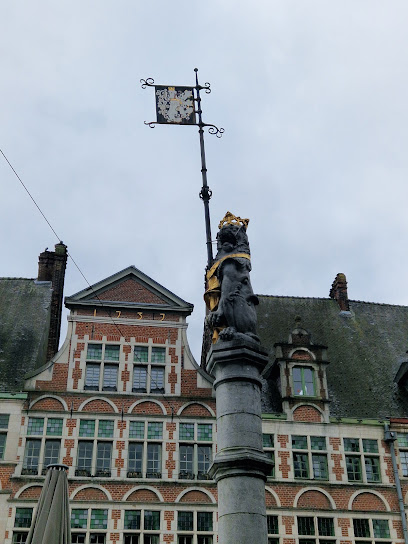
Explore Sint-Veerleplein, a captivating historical landmark in Ghent, where medieval charm meets vibrant local culture.
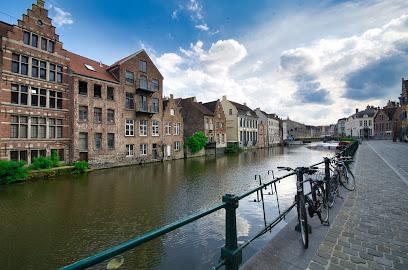
Kraanlei
0.1 km
Explore Kraanlei, a picturesque street in Ghent, Belgium, known for its charming medieval architecture and vibrant canal views.
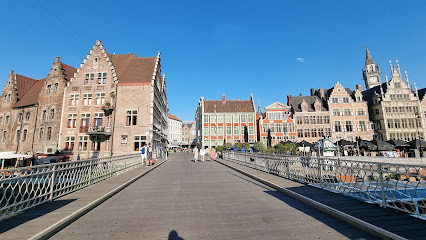
Grasbrug
0.2 km
Experience the beauty of Grasbrug Bridge in Ghent, a historical landmark that embodies the charm and romance of this vibrant Belgian city.
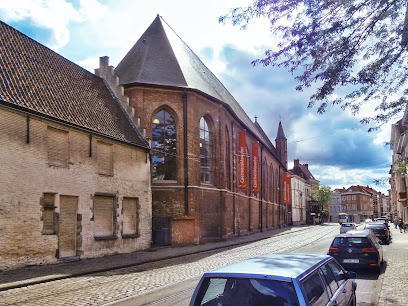
Kunsthal Gent
0.2 km
Explore contemporary art in a historic convent at Kunsthal Gent, where creativity flourishes amidst serene architecture in the heart of Ghent.
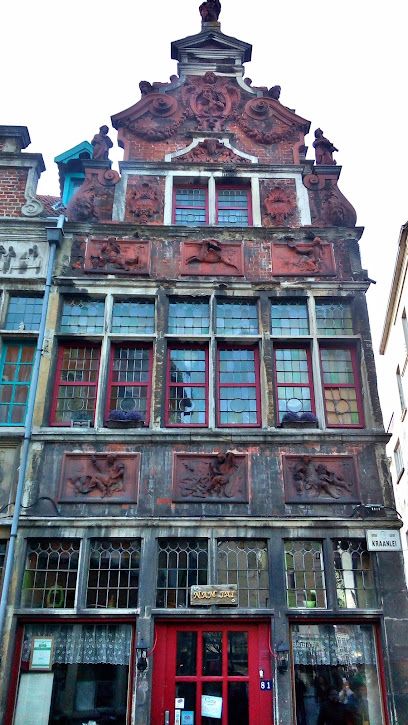
House Kraanlei 81
0.2 km
Discover the enchanting beauty of House Kraanlei 81, a historical gem nestled along Ghent's scenic canals, rich with architectural heritage.
Wonen in klooster - Augustijnenklooster
0.2 km
Explore the serene Wonen in Klooster - Augustijnenklooster, a historic monastery in Ghent, perfect for a tranquil retreat and cultural immersion.
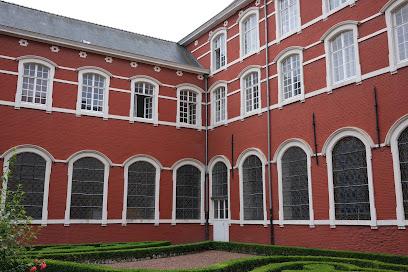
Korenlei
0.3 km
Explore the enchanting Korenlei in Ghent, a historical riverside promenade adorned with stunning medieval architecture and vibrant local culture.
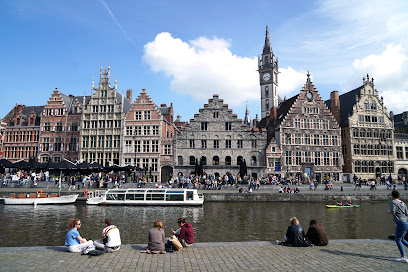
Graslei
0.3 km
Experience the charm of Graslei, Ghent's historic street lined with medieval architecture and vibrant culture along the River Lys.
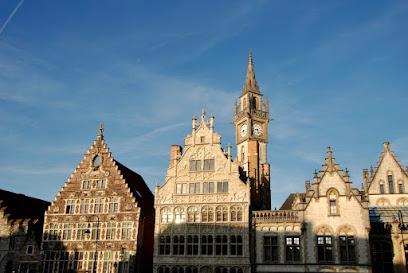
Gildenhuis van de Vrije Schippers
0.3 km
Discover Ghent's maritime legacy at Gildenhuis van de Vrije Schippers, a key visitor center rich in history and culture along the scenic waterways.
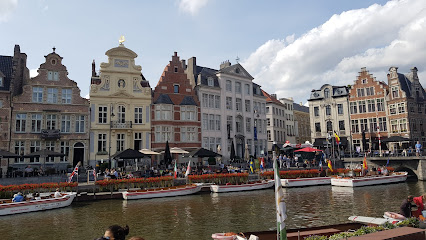
Dulle Griet
0.3 km
Experience the vibrant atmosphere and over 500 beers at Dulle Griet, a must-visit pub in the heart of Ghent.
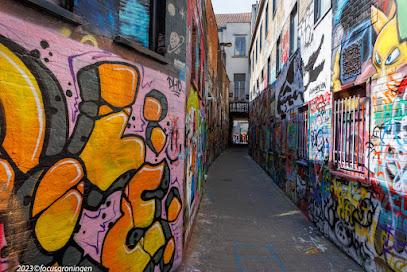
Werregarenstraat
0.3 km
Explore the artistic charm of Werregarenstraat in Ghent, a vibrant street filled with stunning murals and local culture.
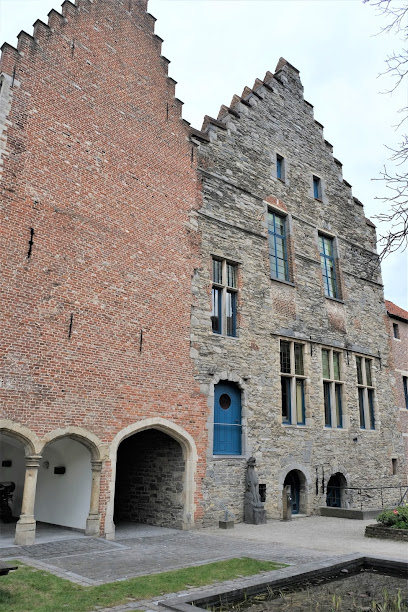
Hof van Rijhove
0.3 km
Explore the Hof van Rijhove in Ghent, a captivating museum showcasing the rich history and culture of this enchanting Belgian city.
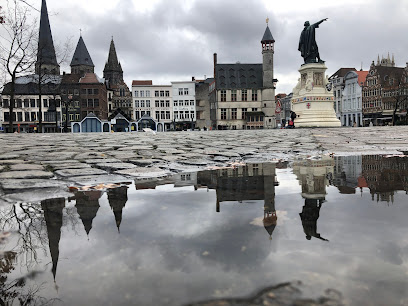
Jacob van Artevelde
0.3 km
Explore the vibrant Vrijdagmarkt and pay homage to Jacob van Artevelde, a key figure in Ghent's history, captured in a stunning sculpture.
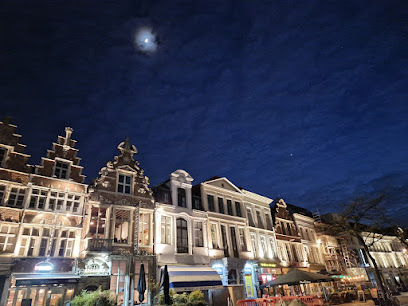
Ghent Belgium
0.4 km
Experience Ghent, Belgium - A captivating city where medieval charm meets vibrant culture in the heart of Europe.
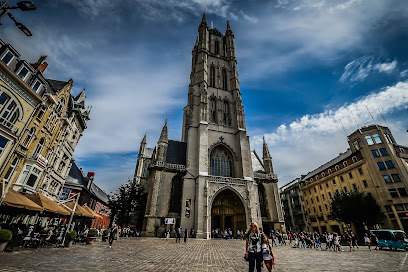
Unmissable attractions to see

Kleine Vismarkt
0.1 km
Experience the vibrant atmosphere of Kleine Vismarkt in Ghent, where culinary delights and historical charm meet for an unforgettable visit.
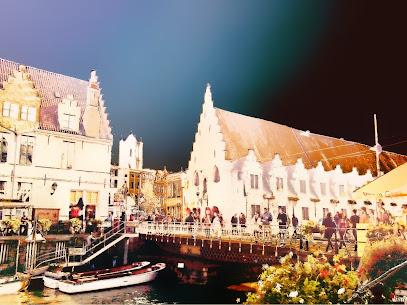
Appelbrugparkje
0.1 km
Discover the tranquil beauty of Appelbrugparkje, a must-visit park in Ghent offering lush landscapes and a peaceful escape in the city's heart.
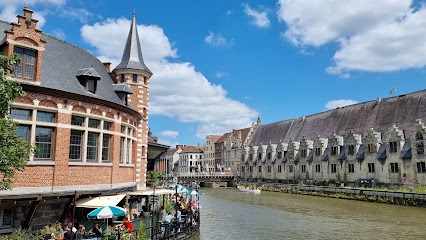
't Dreupelkot
0.2 km
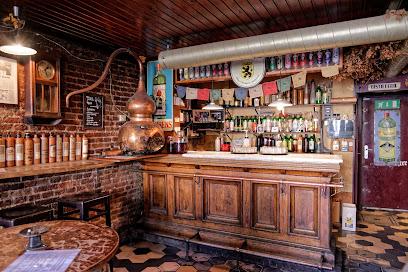
Discover the charm of 't Dreupelkot in Ghent, where authentic Belgian jenever meets a cozy atmosphere, perfect for tourists seeking local flavor.
Mural by Strook
0.2 km
Discover the vibrant Mural by Strook in Ghent, a stunning showcase of street art reflecting the city's artistic spirit and cultural heritage.
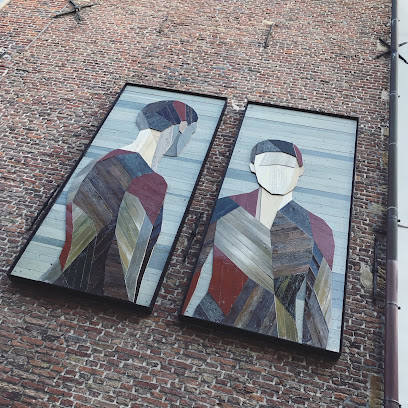
Old Meat Market Hall
0.2 km
Explore Ghent's Old Meat Market Hall, a historical gem blending culinary delights with stunning neo-Gothic architecture in the heart of the city.
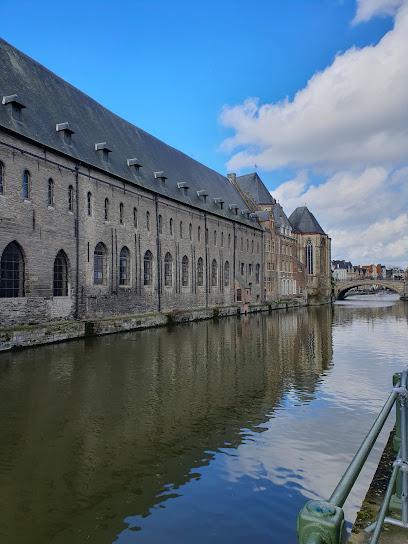
Groentenmarkt
0.2 km
Experience the vibrant culture of Ghent at Groentenmarkt, a bustling market square filled with fresh produce and rich history.
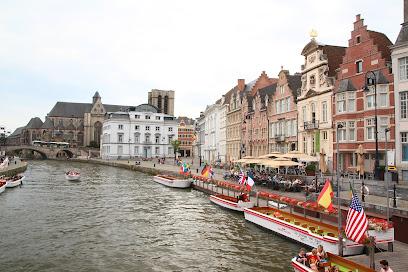
Design Museum Gent
0.2 km
Explore the innovative world of design at Design Museum Gent, a cultural gem in the heart of Ghent offering inspiring exhibitions and unique experiences.
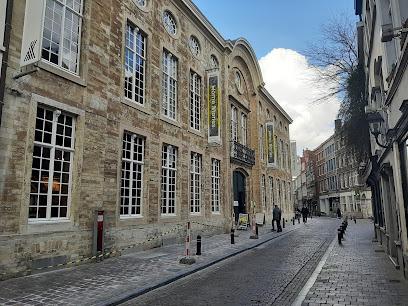
Huis van Alijn
0.2 km
Explore the rich cultural heritage and captivating exhibits at Huis van Alijn, a must-visit museum in the heart of Ghent, Belgium.
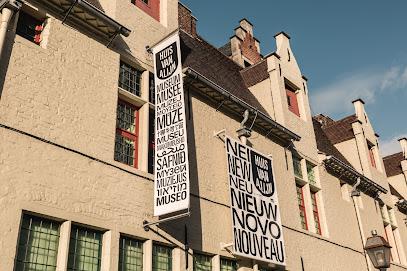
Calle Langemunt
0.2 km
Discover the enchanting Calle Langemunt in Ghent, a captivating blend of shopping, dining, and historic charm in the heart of Belgium.
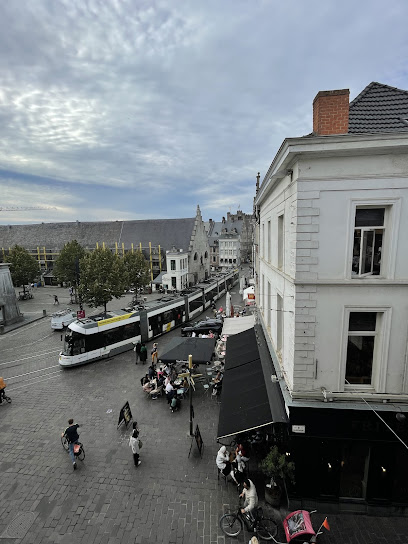
Gent Watertoerist
0.2 km
Discover the beauty of Ghent's canals with Gent Watertoerist, where every boat tour reveals a new facet of this historical city.
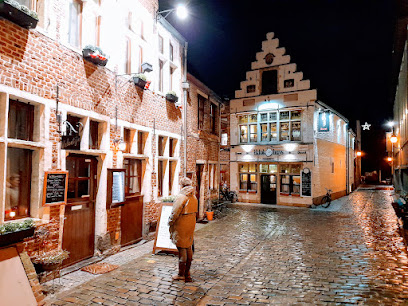
Patershol
0.2 km
Explore the medieval charm and culinary delights of Patershol, a historic neighborhood in Ghent, Belgium, rich with culture and vibrant local life.
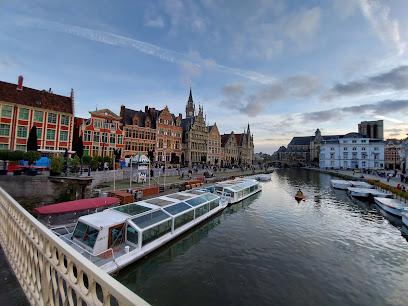
Zuivelbrugstraat
0.2 km
A charming bridge in Ghent offering picturesque views of the Leie River and surrounding historic architecture.
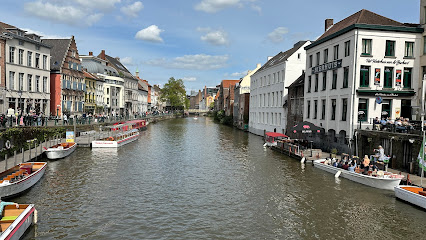
Groot Kanon
0.2 km
A massive, never-fired 15th-century cannon in Ghent, known as 'Mad Meg,' standing as a silent witness to the city's vibrant history.
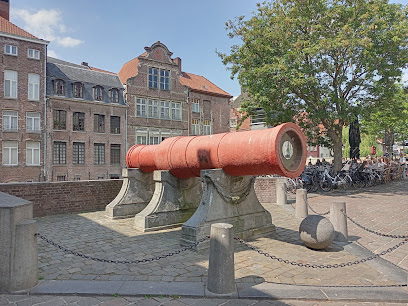
View point promenade
0.3 km
Discover the breathtaking beauty of Ghent from the Viewpoint Promenade, a perfect blend of history, culture, and stunning scenery.
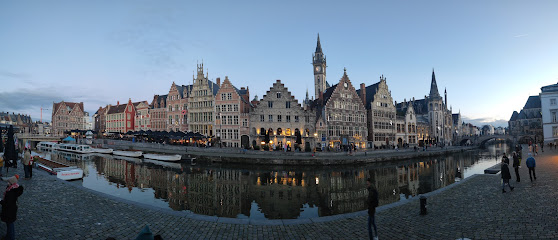
Korenmarkt
0.3 km
Explore Korenmarkt in Ghent, a vibrant square filled with history, stunning architecture, and a lively atmosphere perfect for tourists.
Essential places to dine

Maison Elza
0.1 km
Experience the authentic taste of Belgium at Maison Elza, where traditional cuisine meets modern elegance in the heart of Ghent.
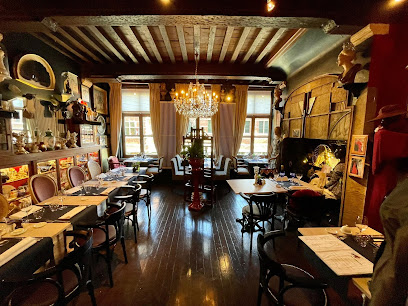
Otomat Gent
0.1 km
Discover Otomat Gent: where traditional pizza meets local flavors in a charming setting in Ghent.
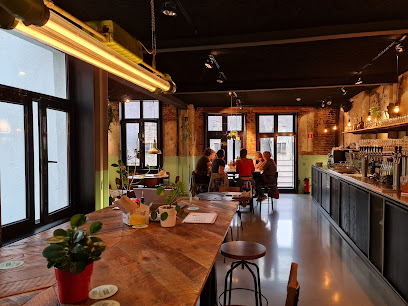
Oak
0.1 km
Experience exquisite fine dining at Oak in Ghent, where innovation meets tradition through seasonal local ingredients.
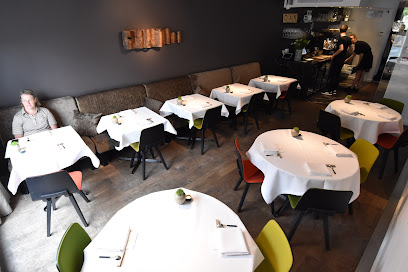
Vier Tafels
0.1 km
Discover exquisite Belgian cuisine with an international twist at Vier Tafels in Ghent - a must-visit culinary experience.
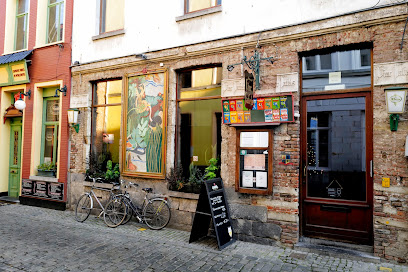
Amadeus Gent 1 (Patershol)
0.1 km
Experience authentic Belgian cuisine at Amadeus Gent in Patershol - where tradition meets taste in a cozy atmosphere.
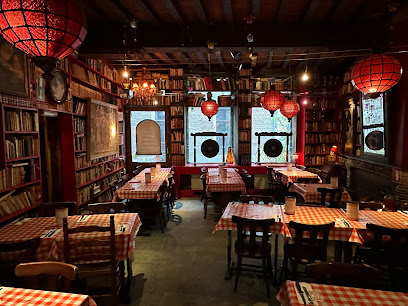
Mémé Gusta
0.2 km
Experience authentic Belgian cuisine at Mémé Gusta in Ghent - where tradition meets flavor in every dish.
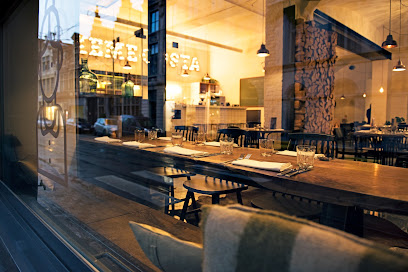
Roots
0.2 km
Experience exquisite Belgian cuisine at Roots in Ghent - where tradition meets innovation in every bite.
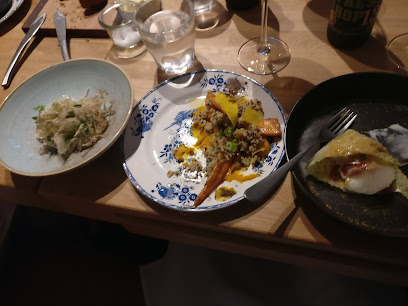
Karel de Stoute
0.2 km
Experience exquisite Belgian cuisine at Karel de Stoute in Ghent – where tradition meets innovation in an elegant setting.
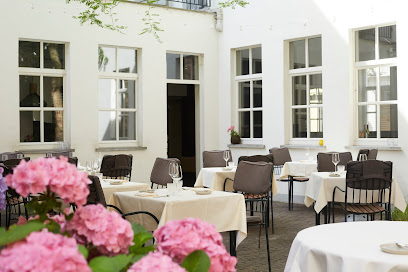
Korenlei Twee
0.2 km
Experience exquisite dining with local flavors at Korenlei Twee in Ghent - where every meal is a celebration of culinary artistry.
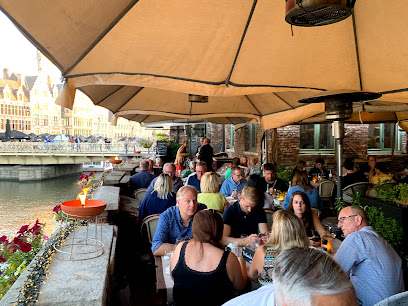
't verschil
0.2 km
Experience authentic Belgian cuisine with stunning canal views at 't Verschil in Ghent.
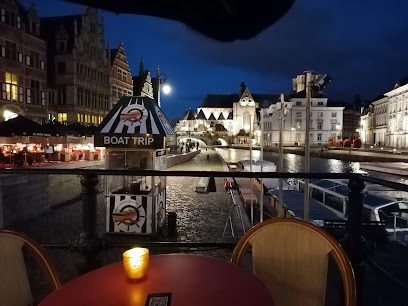
Frites Atelier | Gent
0.2 km
Experience the essence of Belgian cuisine at Frites Atelier in Ghent - home to gourmet fries and unique dipping sauces.
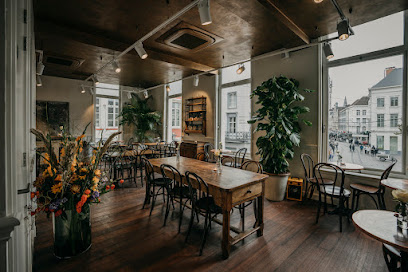
Godot
0.2 km
Experience the best of Belgian cuisine at Godot in Ghent – where tradition meets innovation in every bite.
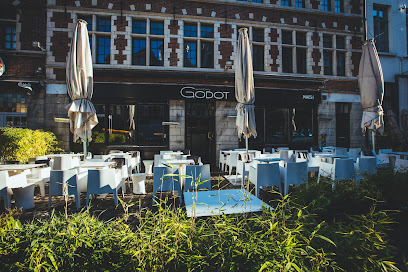
't Klaverblad
0.2 km
Discover 't Klaverblad in Ghent: A charming restaurant serving authentic Belgian cuisine with a modern twist.
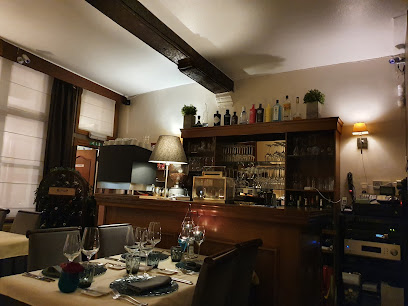
OSTERIA DELICATI
0.2 km
Experience authentic Italian flavors at Osteria Delicati in Ghent—where culinary passion meets warm hospitality.
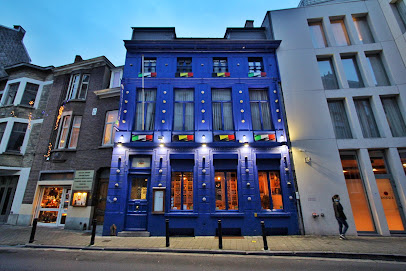
't Klokhuys
0.2 km
Discover authentic Belgian cuisine at 't Klokhuys, a charming brasserie in Ghent offering seasonal dishes and delightful ambiance.
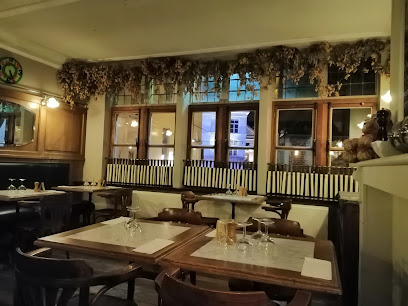
Markets, malls and hidden boutiques

Vandezande - Martine
0.1 km
Discover authentic Belgian souvenirs at Vandezande / Martine, a charming shop in Ghent offering unique local crafts and memorable gifts.
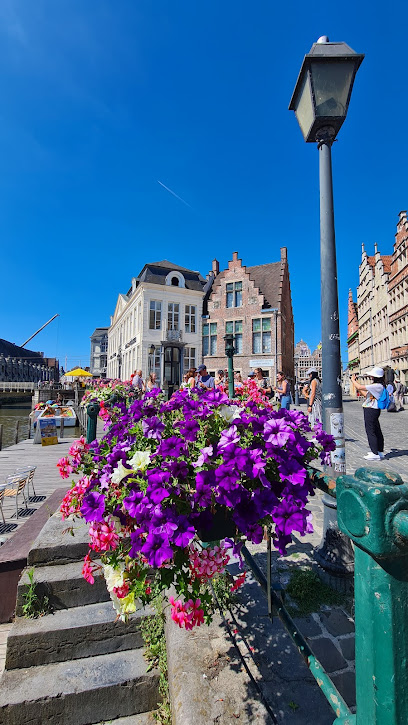
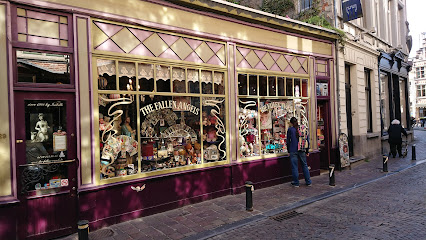
The Fallen Angels
0.1 km
Explore The Fallen Angels in Ghent for unique gifts and antiques that capture the essence of Belgian culture and charm.
Kaat Tilley Experience Store
0.2 km
Explore the Kaat Tilley Experience Store in Ghent for a unique shopping adventure featuring stylish women's clothing and accessories.
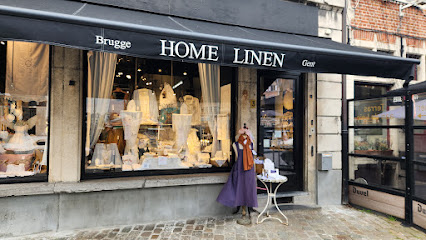
Home Linen
0.2 km
Explore unique gifts and exquisite handicrafts at Home Linen, a charming shop in Ghent offering a taste of local artistry.
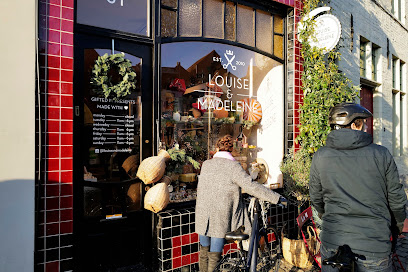
Louise & Madeleine
0.2 km
Explore the charming Louise & Madeleine gift shop in Ghent for unique homeware and fashion finds that embody local artistry.
A'pril
0.2 km
Explore A'pril in Ghent for unique gifts and authentic souvenirs, from handcrafted items to detailed maps that capture the city's essence.
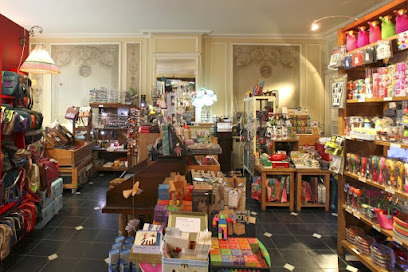
CASA Gent Korenmarkt
0.2 km
Explore CASA Gent Korenmarkt for unique gifts, stylish furniture, and quality kitchen supplies in the heart of Ghent's vibrant marketplace.
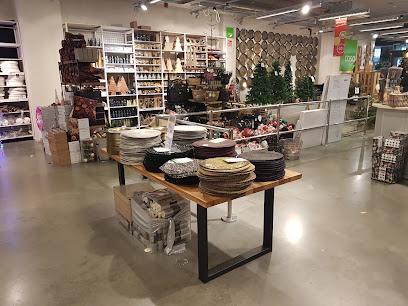
ICI PARIS XL
0.3 km
Explore the luxurious world of fragrances and cosmetics at ICI PARIS XL in Ghent, where beauty meets elegance.
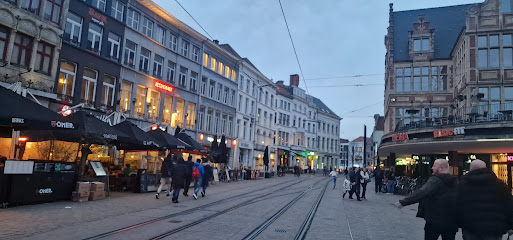
C&A
0.3 km
Discover stylish clothing for the whole family at C&A in Ghent, where fashion meets affordability in a vibrant shopping environment.
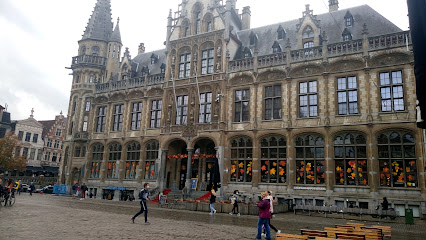
HEMA
0.3 km
Discover HEMA in Ghent: a vibrant gift shop offering stylish clothing, unique home goods, and delightful souvenirs for every taste.
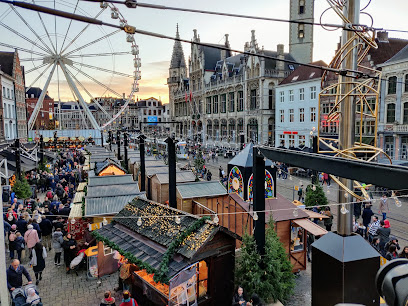
Department Gent
0.3 km
Explore Department Gent for unique fashion accessories that blend local craftsmanship with contemporary style in the heart of Ghent.
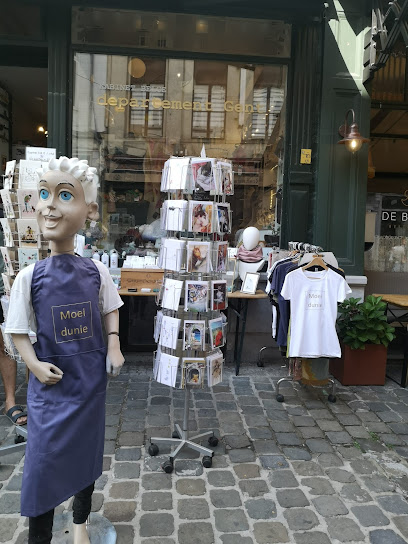
TissAme
0.3 km
Discover TissAme in Ghent: A stylish clothing store offering unique fashion pieces and accessories in a picturesque setting.
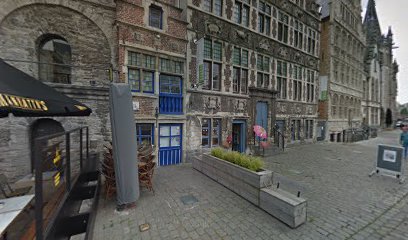
Cooremetershuys
0.3 km
Explore Cooremetershuys in Ghent for unique fashion accessories that blend local artistry with contemporary style.
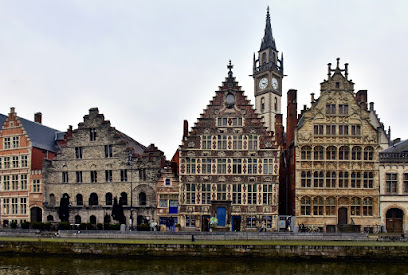
Paul's Boutique
0.3 km
Explore unique fashion at Paul's Boutique in Ghent, where local charm meets modern style in a delightful shopping experience.
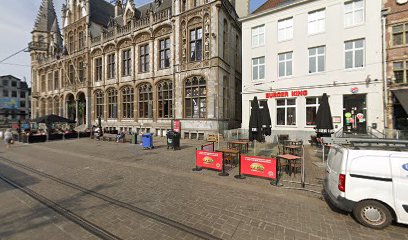
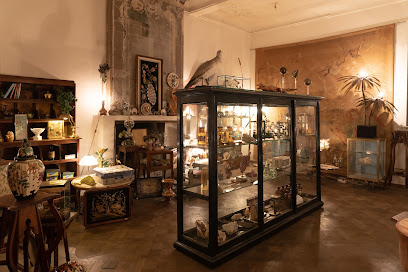
Wunderkammer Gent
0.3 km
Discover unique home goods and artistic treasures at Wunderkammer Gent, a must-visit store for tourists in Ghent, Belgium.
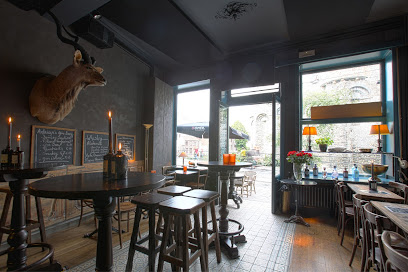
Essential bars & hidden hideouts

De Alchemist
0.1 km
Experience the vibrant atmosphere and extensive drink menu at De Alchemist, a beloved pub in Ghent offering a taste of Belgian culture.
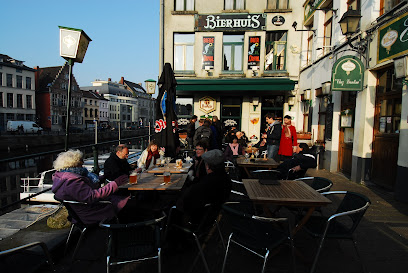
Het Waterhuis aan de Bierkant
0.2 km
Discover the heart of Ghent's beer culture at Het Waterhuis aan de Bierkant, where over 200 local brews await your tasting pleasure.
't Galgenhuis
0.2 km
Experience the warmth and charm of 't Galgenhuis, a historic pub in Ghent, perfect for enjoying local beers and traditional Belgian cuisine.
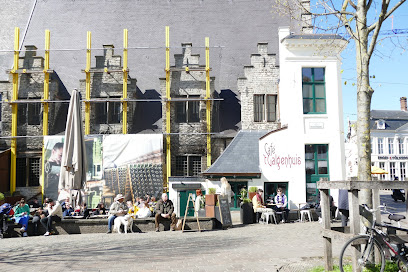
Hot Club de Gand
0.2 km
Discover the heart of Ghent's jazz culture at Hot Club de Gand, where live music and a vibrant atmosphere await every evening.
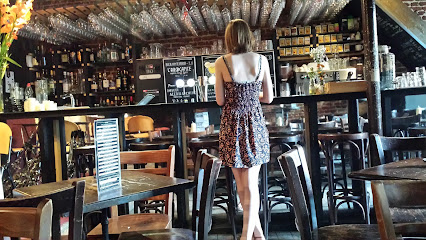
Rococo
0.2 km
Experience the charm of local Belgian culture at Rococo, a cozy pub in Ghent serving delightful drinks and snacks in a friendly atmosphere.
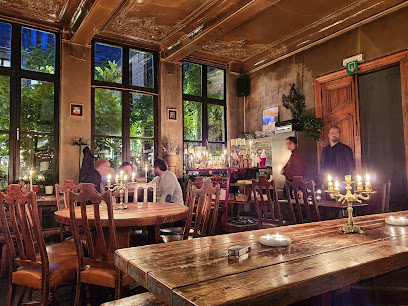
Zoo Cafe
0.2 km
Experience the quirky charm and vibrant atmosphere of Zoo Cafe in Ghent, a must-visit bar for tourists seeking local flavor.
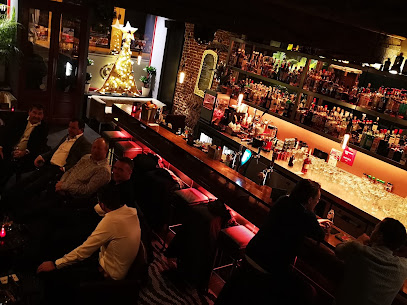
Poppi Coffee & Wine Bar - We Proudly Serve Starbucks
0.2 km
Experience the perfect blend of coffee and wine at Poppi Coffee & Wine Bar in the heart of Ghent, where charming views meet delightful beverages.
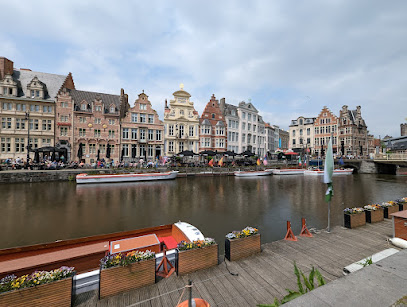
Jigger's
0.3 km
Experience the art of mixology at Jigger's, Ghent's premier cocktail bar known for innovative drinks and vibrant atmosphere.
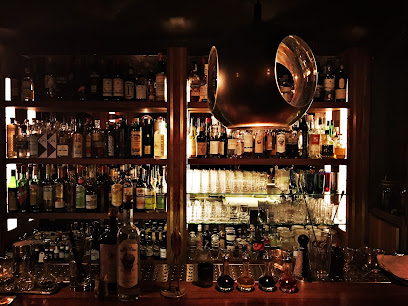
Yo’s Place
0.3 km
Experience the vibrant atmosphere of Yo's Place, a charming beer garden and coffee shop in the heart of Ghent, perfect for relaxation and local flavors.
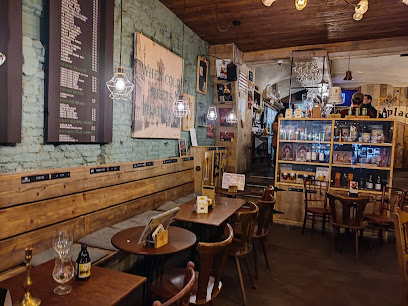
De Bank
0.3 km
Discover the lively ambiance and extensive drink menu at De Bank, a must-visit bar in the heart of Ghent's vibrant nightlife.
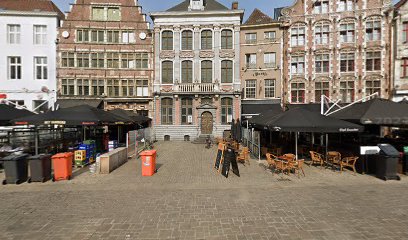
Folklore
0.3 km
Experience the charm of Ghent at Folklore, a cozy bar with unique decor and an excellent selection of drinks.
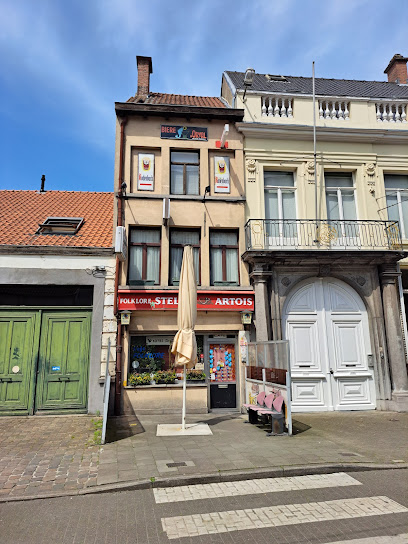
Café Damberd
0.3 km
Discover the vibrant atmosphere of Café Damberd in Ghent, where great drinks, live jazz music, and a cozy ambiance await visitors.
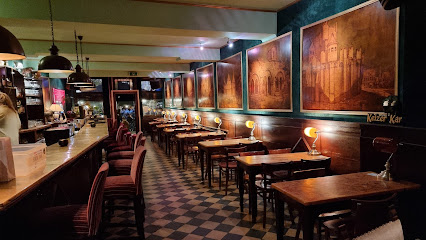
The mix
0.3 km
Experience the vibrant cocktail culture at The Mix in Ghent, where expertly crafted drinks and a lively atmosphere await.
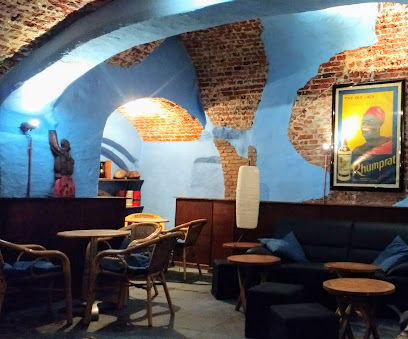
Vijf Voor Twaalf
0.3 km
Discover Vijf Voor Twaalf, a vibrant bar in Ghent offering a diverse drink menu and a lively atmosphere perfect for relaxation and socializing.
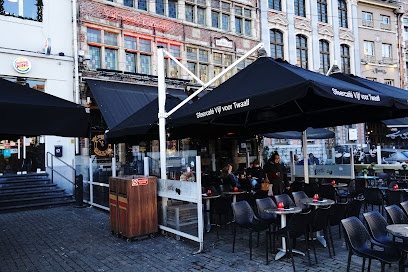
De Maecht van Ghent
0.3 km
Experience the lively nightlife of Ghent at De Maecht van Ghent, where bar culture meets club energy in a vibrant atmosphere.
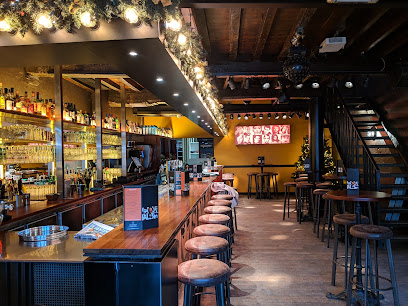
Nightclubs & after hour spots

Club Embassy
0.2 km
Experience the vibrant nightlife at Club Embassy in Ghent, where electrifying music and a stunning ambiance create unforgettable nights.
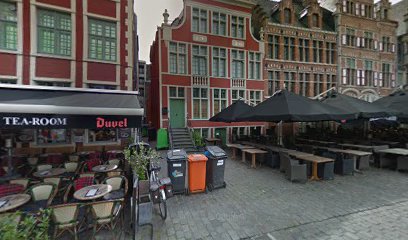
Abacho
0.2 km
Discover the unique silent disco experience at Abacho, Ghent's vibrant night club, where you choose your music and dance the night away.
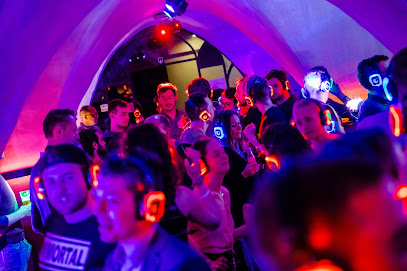
Missy Sippy Blues & Roots Club
0.3 km
Dive into the heart of Ghent's music scene at Missy Sippy Blues & Roots Club, where soulful blues and vibrant atmosphere await.
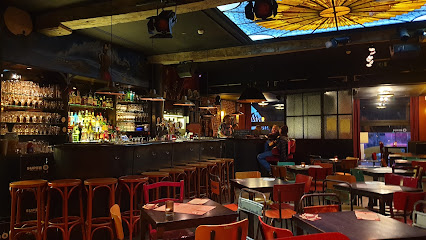
Club 1847
0.4 km
Club 1847 in Ghent offers an electrifying nightlife experience with diverse music, vibrant atmosphere, and unforgettable dance parties.
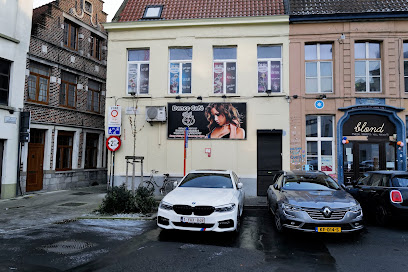
Charlatan
0.6 km
Experience the vibrant nightlife of Ghent at Charlatan, a premier disco club that offers an unforgettable atmosphere and diverse music.
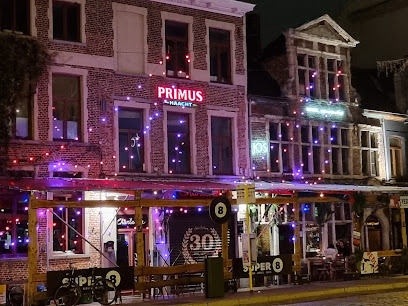
‘t Koerke
0.6 km
Discover the vibrant nightlife at 't Koerke, Ghent's premier night club, known for its electrifying atmosphere and unforgettable dance parties.
CLUB VIER
0.8 km
Discover CLUB VIER in Ghent: A premier night club offering electrifying music, vibrant atmosphere, and unforgettable nightlife experiences.

Club 69
0.8 km
Discover the heart of Ghent's nightlife at Club 69, where music, dance, and vibrant energy create unforgettable nights.
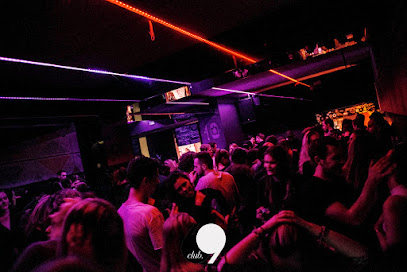
Light Club
0.8 km
Discover the vibrant nightlife of Ghent at Light Club, where electrifying beats and a lively atmosphere create unforgettable nights.
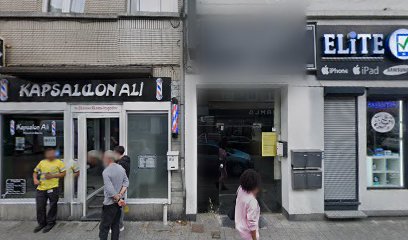
Kitsch Club
1.2 km
Discover the vibrant nightlife at Kitsch Club in Ghent, where unforgettable music and an energetic atmosphere await every night.
Crystal Bar
1.2 km
Crystal Bar in Ghent: Experience electrifying nightlife with vibrant music, stylish ambiance, and unforgettable dance parties.
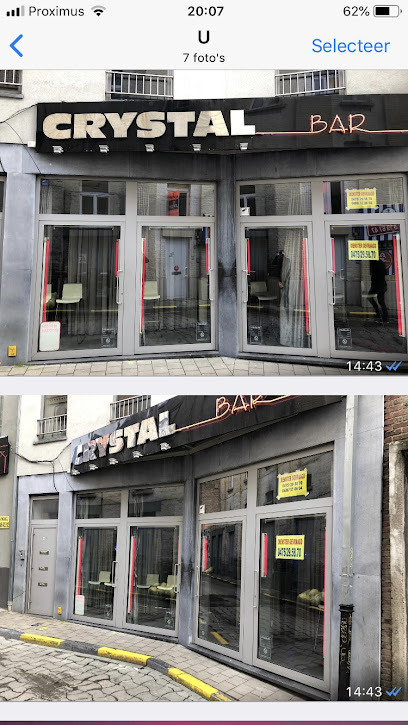
Point Final
1.9 km
Dive into Ghent's nightlife at Point Final, a vibrant night club where music and fun never stop!
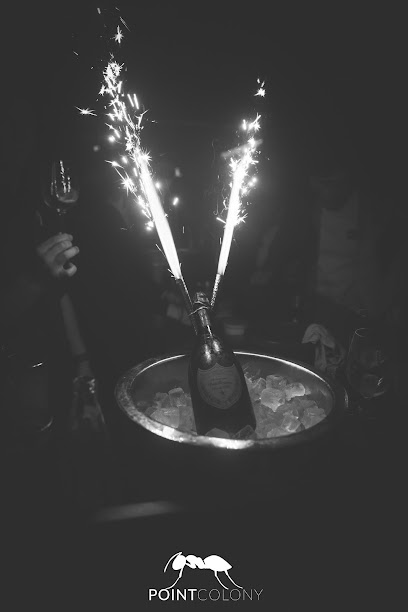
Decadance
2.0 km
Experience the vibrant nightlife of Ghent at Decadance, where pulsating beats and an electric atmosphere await party enthusiasts.
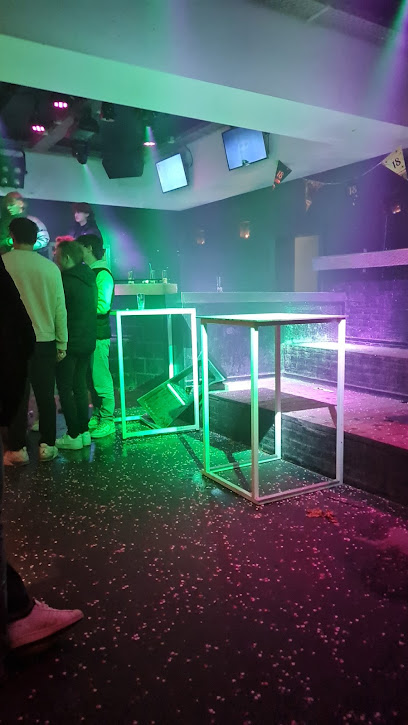
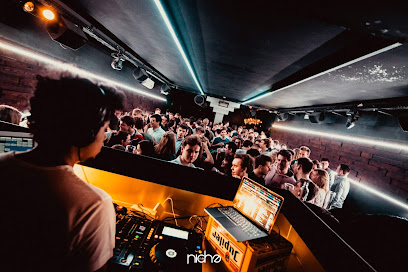
Niche Club
2.0 km
Discover the essence of Ghent's nightlife at Niche Club, where music, dance, and culture converge for an unforgettable experience.
Kompass
2.4 km
Dive into the electrifying nightlife at Kompass, Ghent's premier night club, where unforgettable music and vibrant energy meet.