Background

Museum voor Schone Kunsten: A Ghent Gem

Discover masterpieces from Bosch to Magritte at Ghent's Museum voor Schone Kunsten, a treasure trove of Flemish and European art housed in a stunning neoclassical building.

4.5

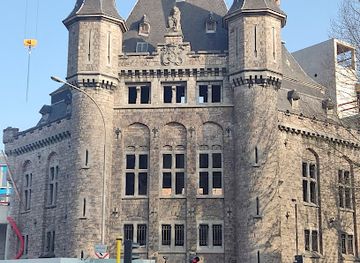
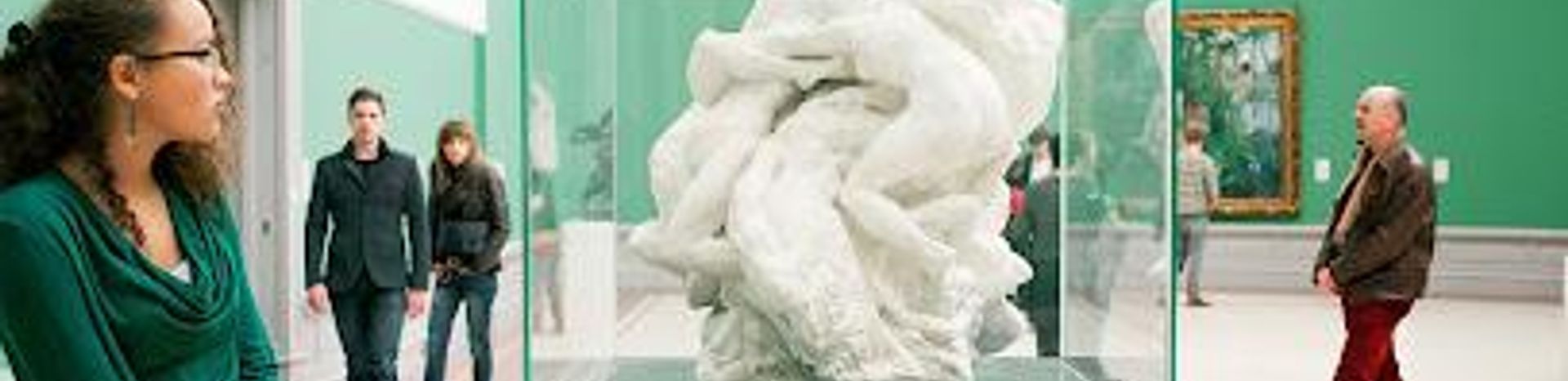
The Museum voor Schone Kunsten (MSK) in Ghent, Belgium, is a treasure trove of European art from the Middle Ages to the 20th century. As one of Belgium's oldest museums, it boasts a diverse collection ranging from Flemish masters to Impressionists and Surrealists. Housed in a stunning neoclassical building in the Citadelpark, the MSK offers a captivating journey through art history. Visitors can admire works by Bosch, Rubens, Magritte, and many more, with a strong emphasis on Belgian art. The museum also features temporary exhibitions, a family route, and a restoration workshop for the Ghent Altarpiece, making it a dynamic and engaging cultural destination. With its rich collection and beautiful setting, the MSK is a must-see for art lovers visiting Ghent.

A brief summary to Museum voor Schone Kunsten

  • Tuesday 9:30 am-5:30 pm
  • Wednesday 9:30 am-5:30 pm
  • Thursday 9:30 am-5:30 pm
  • Friday 9:30 am-5:30 pm
  • Saturday 10 am-6 pm
  • Sunday 10 am-6 pm

Local tips

  • Visit on the first Thursday of the month for 'Late Thursday' when the museum stays open until 10 PM.
  • Take advantage of the free family route to engage children with the art in a fun and interactive way.
  • Witness the ongoing restoration of the Ghent Altarpiece and learn about the conservation of this iconic masterpiece.
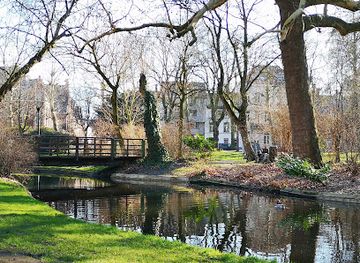
  • Combine your visit with a stroll through the Citadelpark and a visit to the nearby S.M.A.K. for a full day of cultural exploration.
  • Check the museum's website for temporary exhibitions and special events to enhance your visit.
widget icon

Getting There

  • Walking

    From Gent-Sint-Pieters train station, the MSK is approximately a 15-minute walk. Exit the station and walk along Koningin Astridlaan. Enter the Citadelpark and follow the paths through the park to reach the museum. Alternatively, walk along Clementinalaan and Parklaan around the park to the museum entrance.

  • Public Transport

    The MSK is a 5-minute walk from the 'Heuvelpoort' bus stop. From Gent-Sint-Pieters or Gent-Dampoort stations, take bus lines 55, 70, 76, or 78 to 'Heuvelpoort'. From there, walk along the street towards the Citadelpark; the museum will be on your left. A single ride on the bus or tram costs €3 if paying contactless on the bus or tram. Purchasing a day ticket costs €9.

  • Taxi/Ride-Share

    A taxi or ride-share from Gent-Sint-Pieters train station to the MSK will typically cost between €8 and €12, depending on traffic and the specific service. The journey takes approximately 5-10 minutes.

  • Driving

    If driving, parking is available in the Robert Hoozepark, about 30 meters from the museum entrance. Alternatively, park at one of the park-and-ride (P+R) facilities outside the city center (Expo-The Loop or Arsenaal) and take a tram or bus to the museum. Street parking near the museum is limited and metered, costing €1.00 for 1 hour or €2.00 for 2 hours (Monday-Saturday, 9:00-19:00). Free parking is available for disabled persons without a time limit.

Unlock the Best of Museum voor Schone Kunsten

Buy tickets

    No tickets available

Book tours with entry

    No tours available

Book tours without entry

    No tours available

q

Discover more about Museum voor Schone Kunsten

The Museum voor Schone Kunsten (MSK) in Ghent stands as a testament to the city's rich cultural heritage and its enduring appreciation for the arts. Founded in 1798, it is one of the oldest museums in Belgium, housing a diverse collection that spans from the Middle Ages to the 20th century. The MSK offers visitors a comprehensive overview of European art history, with a particular focus on Flemish masters and Belgian artists. The museum's origins can be traced back to the late 18th century when Ghent was under French rule. During this period, many of the city's art treasures were seized and sent to Paris, some of which remain in the Louvre to this day. In response, the city decided to establish its own public collection, which initially consisted of works from local churches and monasteries. This modest collection was first housed in the Baudelo Abbey, then the Sint-Pietersabdijkerk, before finding a temporary home in the Municipal Academy. As the collection grew, the need for a dedicated museum building became apparent. In 1898, the city commissioned Charles van Rysselberghe, a renowned local architect, to design a new museum. Van Rysselberghe created a magnificent neoclassical structure in the Citadelpark, which was completed in 1904 and expanded in 1913. The building itself is a work of art, with its grand facade, spacious galleries, and abundant natural light. The MSK's collection is incredibly diverse, encompassing paintings, sculptures, drawings, prints, and tapestries. Visitors can explore a wide range of artistic styles and movements, from the religious art of the Middle Ages to the avant-garde works of the 20th century. The museum is particularly renowned for its collection of Flemish art, which includes masterpieces by Jheronimus Bosch, Peter Paul Rubens, Anthony van Dyck, and Jacob Jordaens. In addition to its Flemish art, the MSK also boasts a significant collection of Belgian and international art. Highlights include works by James Ensor, René Magritte, Auguste Rodin, and Emile Claus. The museum's collection also features a selection of French paintings, sculptures, and drawings, providing a broader European context for the Flemish works. The MSK is not just a repository of historical art; it is also a dynamic and engaging cultural center. The museum regularly hosts temporary exhibitions, showcasing both historical and contemporary art. These exhibitions provide visitors with fresh perspectives on the collection and introduce them to new and exciting artists. One of the MSK's most unique features is its ongoing restoration of the Ghent Altarpiece, a masterpiece of early Flemish painting by Hubert and Jan van Eyck. Visitors can witness the restoration process firsthand and learn about the techniques and challenges involved in preserving this iconic work of art. The restoration is expected to continue until 2026. The MSK is committed to making art accessible to everyone. The museum offers a variety of programs and activities for families, children, and visitors with disabilities. A family route guides young visitors through the collection, encouraging them to explore and discover the art in a fun and engaging way. The museum also provides audio guides, tactile displays, and guided tours for visitors with visual impairments. The MSK is more than just a museum; it is a place where people can come together to experience the power and beauty of art. Whether you are a seasoned art historian or a casual visitor, you are sure to find something to inspire and delight you at the Museum voor Schone Kunsten in Ghent. Located on the east side of the Citadelpark, the MSK is easily accessible by public transportation, bicycle, or on foot. After your visit, take a stroll through the park, visit the nearby S.M.A.K. (Stedelijk Museum voor Actuele Kunst), or explore the charming streets of Ghent's city center. The Museum voor Schone Kunsten is a cornerstone of Ghent's cultural landscape, offering a rich and diverse collection, engaging exhibitions, and a welcoming atmosphere for all. A visit to the MSK is an essential part of any trip to Ghent, providing a unique and unforgettable experience of art and culture. The MSK's collection also extends to more modern and abstract pieces, ensuring a comprehensive overview of artistic evolution. The museum possesses works such as René Magritte's "Perspective II. The Balcony of Manet," offering a unique twist on classic art. The graphic works from Georges Rouault's "Miserere" series are also a highlight, depicting human suffering and the atrocities of war. The MSK plays an active role in preserving and promoting Flemish art. As a member of The Flemish Art Collection, the museum collaborates with other major art institutions in Flanders to share expertise, manage collections, and raise international awareness of Flemish art. This partnership ensures that the MSK remains a vital center for the study and appreciation of Flemish art for generations to come.

Popular Experiences near Museum voor Schone Kunsten

Popular Hotels near Museum voor Schone Kunsten

Select Currency