Sint-Pieterstoren (Peperbusse): A Resilient Landmark
A historic belfry in Ostend, the Sint-Pieterstoren (Peperbusse) is the enduring symbol of the city's resilience and rich architectural heritage.
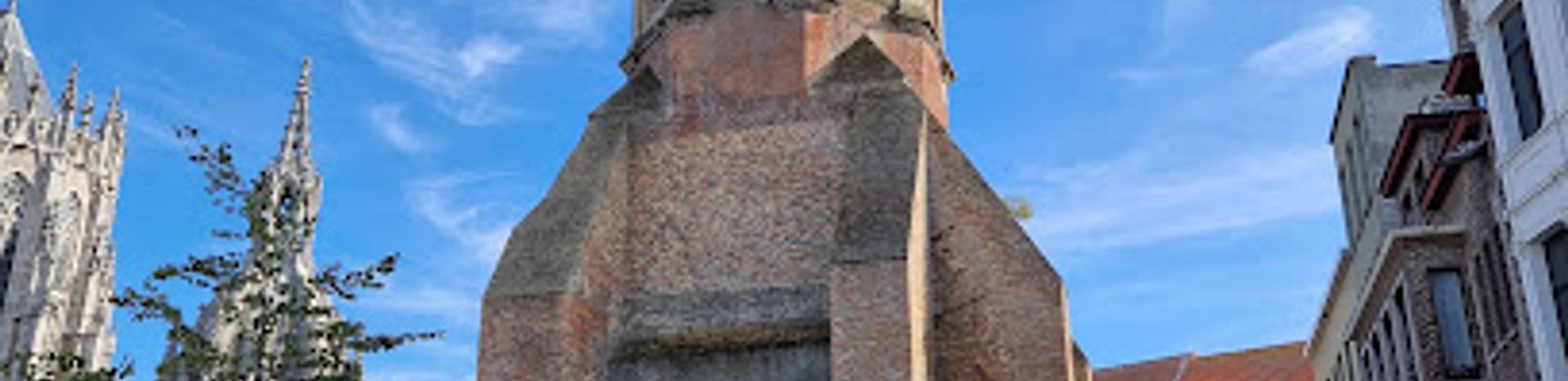
The Sint-Pieterstoren, or Peperbusse as it's known locally, is the last remnant of the old St. Peter's Church in Ostend, Belgium, which was destroyed by fire in 1896. This sturdy tower, with its square base dating back to 1478 and octagonal upper section completed in 1729, has become a beloved symbol of the city.
A brief summary to Sint-Pieterstoren (Peperbusse)
- Prins Boudewijnstraat 5, Ostend, 8400, BE
- +3259805500
Local tips
- Take a stroll around the tower to admire its architecture and the adjacent Sint-Petrus-en-Pauluskerk.
- Visit the tower during the Christmas Market to experience the festive atmosphere.
- Explore the nearby Leopold Park for a relaxing break.

Getting There
-
Walking
From the Oostende train station, walk straight ahead along the Leopold II-laan. Turn left onto the Sint-Pietersstraat. Walk for two blocks, and the Sint-Pieterstoren will be on your left, next to the Sint-Petrus-en-Pauluskerk. The walk is approximately 5-10 minutes. No cost involved.
-
Public Transport
From anywhere in Ostend, take a local bus or tram to the Oostende Stadhuis stop. From there, walk along the Christinastraat, turn right onto the Sint-Pietersstraat, and the Sint-Pieterstoren will be on your left. The tower is a few minutes walk from the Stadhuis. A single-journey ticket on De Lijn costs around €2.50.
-
Taxi
From the train station, a taxi to the Sint-Pieterstoren will take approximately 5 minutes, depending on traffic. Taxi stands are available outside the station. The estimated fare is between €10-€15.
Discover more about Sint-Pieterstoren (Peperbusse)
Iconic landmarks you can’t miss

Ostende / Oostende
0.4 km
Experience the vibrant coastal charm of Ostende, Belgium, where history, culture, and scenic beaches come together for an unforgettable getaway.
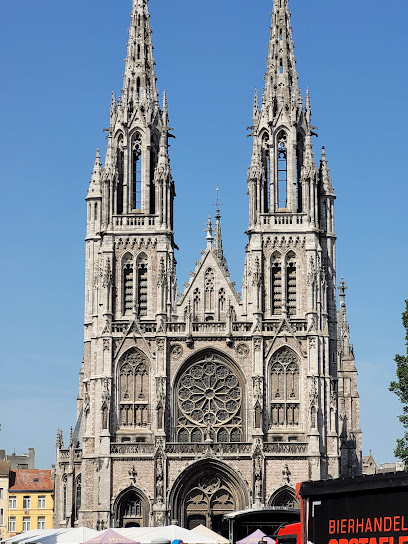
Kapucijnenkerk
0.4 km
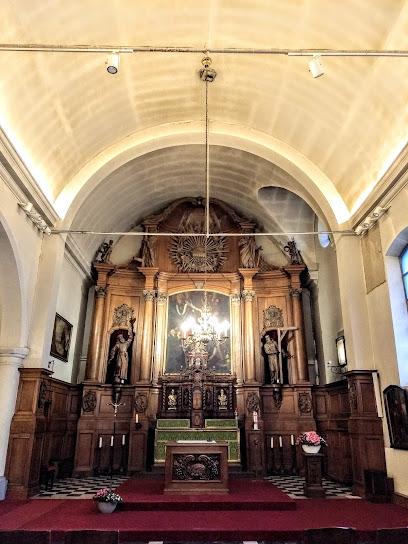
Explore Kapucijnenkerk in Oostende, a breathtaking Catholic church featuring stunning Gothic architecture and a tranquil atmosphere perfect for reflection.
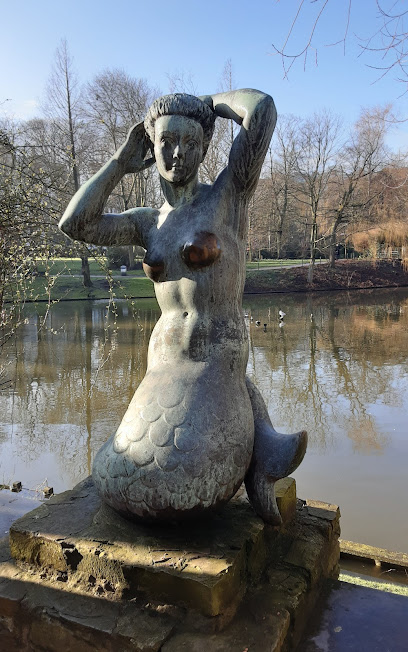
Zeemeermin
0.4 km
Explore the mystical Zeemeermin sculpture in Ostend, a symbol of maritime folklore and a must-visit coastal attraction.
Tourism Ostend
0.5 km
Explore Ostend: A Coastal Gem with Rich Culture, Stunning Beaches, and Vibrant Atmosphere for Every Traveler.
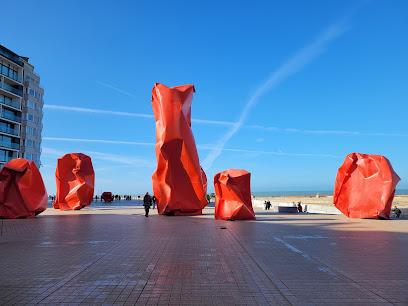
Beaufort Beeldenpark: Rock Strangers - Arne Quinze
0.7 km
Discover the stunning 'Rock Strangers' installation by Arne Quinze at Beaufort Beeldenpark, an outdoor sculpture park along the beautiful Ostend coast.
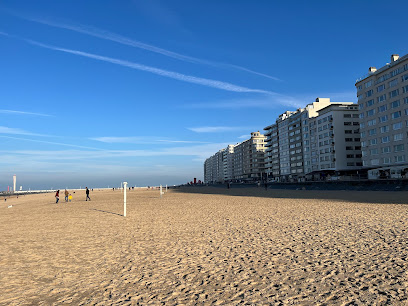
Strand Oostende
0.7 km
Discover the beauty of Strand Oostende, the ultimate beach destination on the Belgian coast, where relaxation meets vibrant seaside culture.
Sint-Jozefskerk
0.7 km
Experience the beauty and tranquility of Sint-Jozefskerk, a captivating Catholic church in Oostende, rich in history and stunning architecture.
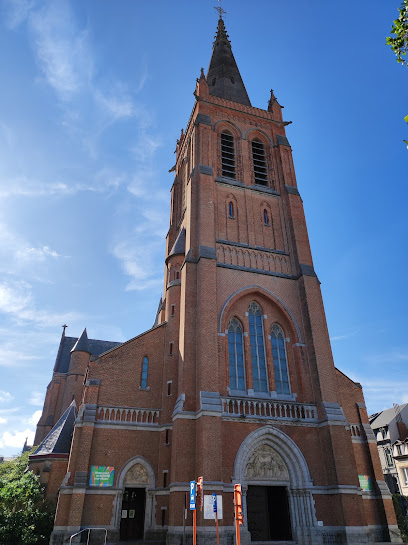
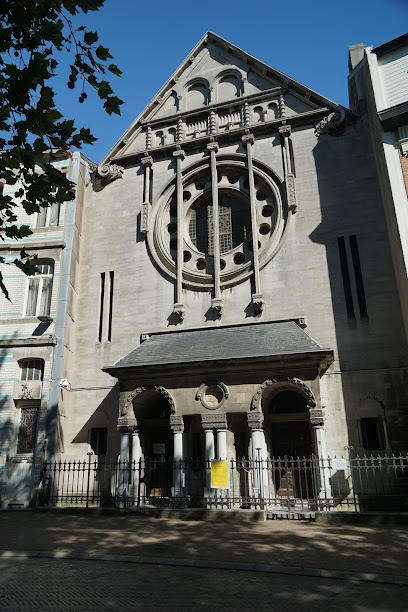
Synagoge Oostende
0.7 km
Explore the tranquil beauty and rich history of Synagoge Oostende, a captivating cultural landmark in the heart of Ostend, Belgium.
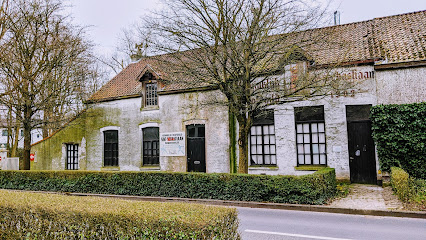
Koninklijk Hoofdgild Sint Sebastiaan Oostende 1302 VZW
1.0 km
Discover the rich tradition of archery at Koninklijk Hoofdgild Sint Sebastiaan in Ostend - a memorable experience for all skill levels.
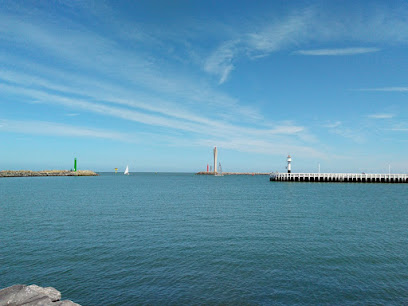
Oostende Pier
1.0 km
Discover the enchanting Oostende Pier, a perfect blend of relaxation, fishing, and captivating ocean views in the heart of Ostend, Belgium.
Japanse Tuin - Shin Kai Tei
1.0 km
Discover the tranquility of Japan in Ostend's Japanse Tuin - Shin Kai Tei, a serene garden filled with beauty and cultural charm.
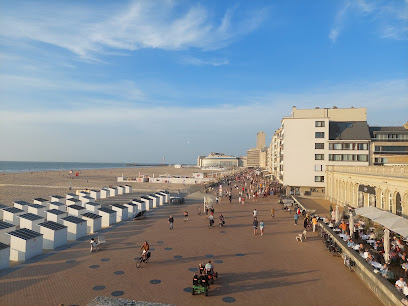
Lighthouse Lange Nelle
1.0 km
Explore Lighthouse Lange Nelle, a historic gem in Ostend offering breathtaking coastal views and rich maritime heritage.
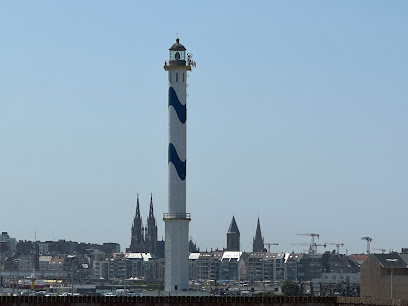
Maria Hendrikapark
1.1 km
Experience the natural beauty and serenity of Maria Hendrikapark in Ostend, Belgium, a perfect retreat for relaxation and outdoor activities.
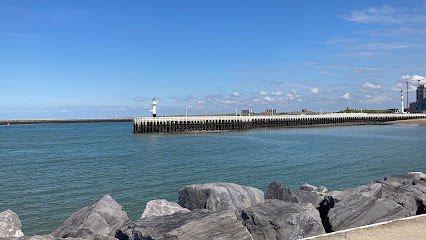
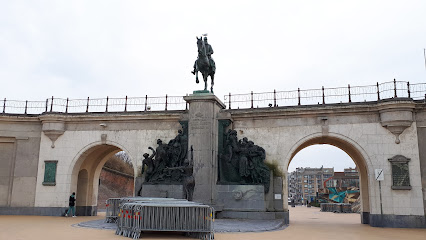
Monument of Leopold II
1.1 km
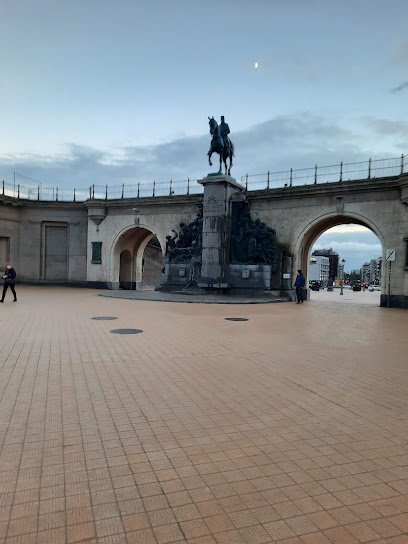
Discover the Monument of Leopold II in Ostend - a captivating historical landmark reflecting Belgium's rich history and stunning coastal views.
Plaque commémorative Aristide Doorme
1.1 km
Explore the Aristide Doorme Commemorative Plaque in Ostend, a cultural gem celebrating local history and heritage amidst the beauty of this vibrant Belgian coastal city.
Unmissable attractions to see

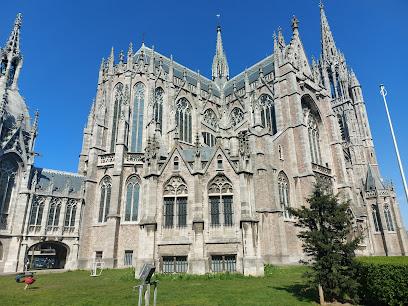
Church of Saint Peter and Saint Paul
0.1 km
Discover the architectural beauty and serene atmosphere of the Church of Saint Peter and Saint Paul in Ostend, a must-see tourist attraction in Belgium.
James Ensor - Inspired by Light
0.2 km
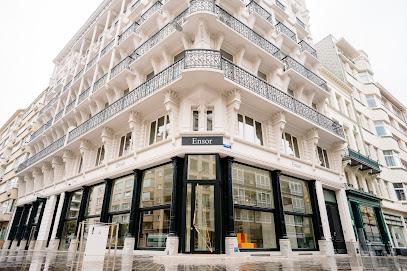
Explore the vibrant world of James Ensor at 'Inspired by Light' in Ostend, where art and culture come together in a stunning exhibition.

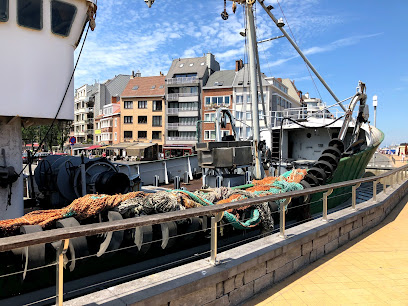
IJslandvaarder Amandine
0.2 km
Explore the rich maritime history of Ostend at IJslandvaarder Amandine, where the sea's stories come alive aboard a historic vessel.
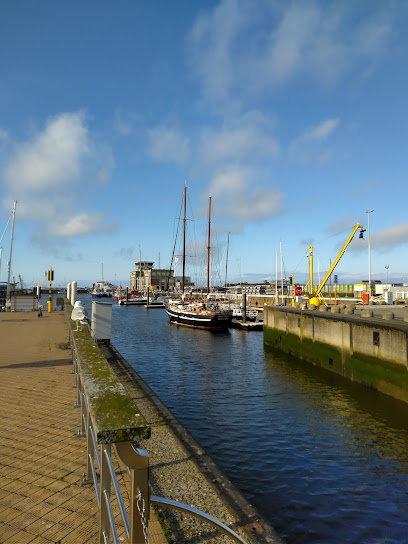
Visserskaai écluse
0.3 km
Experience the vibrant atmosphere and stunning views at Visserskaai Écluse, a must-visit destination in Ostend, Belgium.
Speedboattochten Captain Blue
0.3 km
Experience the thrill of speedboat rides with Captain Blue in Ostend, where adventure meets stunning coastal views for an unforgettable outing.
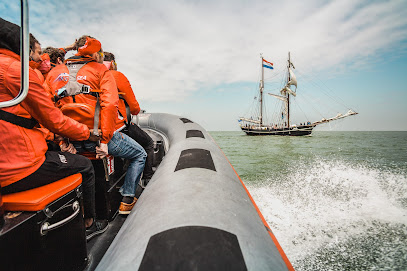
Достопримечательность
0.3 km
Explore the vibrant charm and rich maritime heritage of Ostend's premier tourist attraction, a must-visit for all travelers.
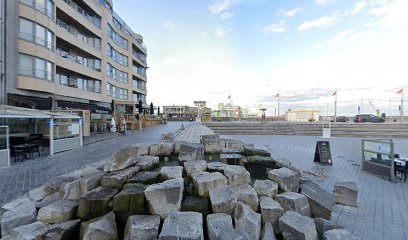
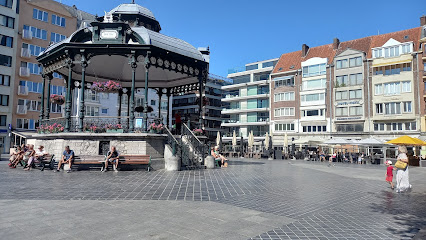
Kiosk Wapenplein
0.3 km
Discover the charm of Kiosk Wapenplein in Ostend, a delightful seaside spot perfect for refreshments and relaxation amidst stunning coastal views.
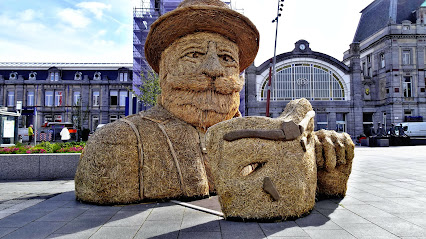
Het masker van Ensor
0.3 km
Explore the vibrant world of James Ensor at The Mask of Ensor in Ostend, a must-visit cultural attraction for art lovers and curious travelers alike.
Bloemenuurwerk
0.4 km
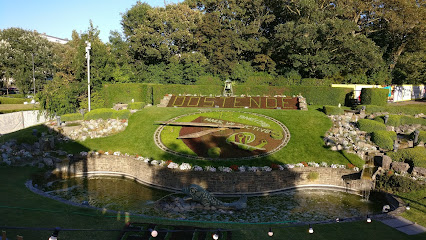
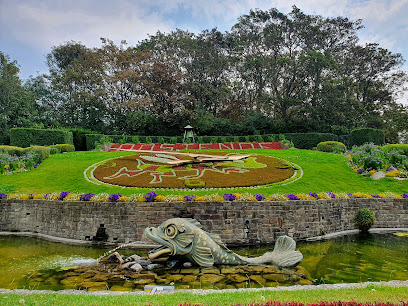
Experience the mesmerizing Bloemenuurwerk in Ostend, a floral clock that beautifully combines nature, art, and the essence of time.
Doodle all the way
0.4 km
Discover your artistic side at Doodle All the Way in Ostend, Belgium, where creativity, fun, and vibrant activities await every visitor.
Oostends Historisch Museum De Plate
0.4 km
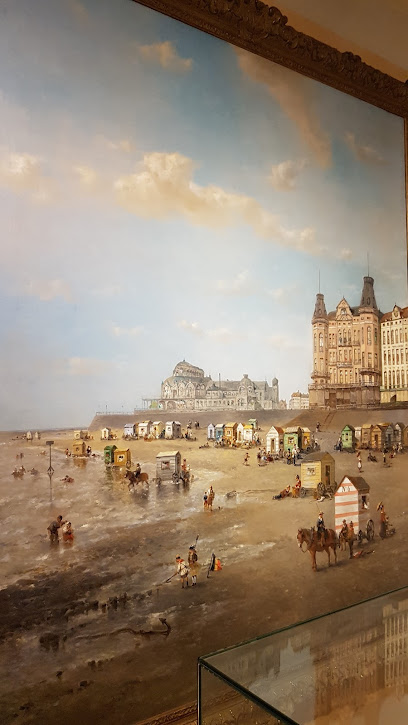
Explore the fascinating history and culture of Ostend at the Oostends Historisch Museum De Plate, a must-visit heritage museum.
Lunapark REFLEX
0.5 km
Experience the thrill and excitement of Lunapark REFLEX, Ostend's premier amusement center with rides and fun for all ages.
Leopoldpark
0.5 km
Discover the natural beauty and artistic charm of Leopoldpark in Ostend, a serene oasis perfect for relaxation and exploration.
The James Ensor House
0.5 km
Explore the life and artistic journey of James Ensor at his former home in Ostend, a treasure trove of Belgian art and culture.
The Crystal Ship
0.5 km
Explore The Crystal Ship: Ostend's vibrant open-air museum transforming urban landscapes into artistic masterpieces.
Essential places to dine

Restaurant Marmite
0.2 km
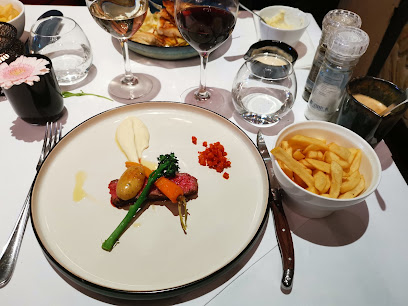
Experience the rich flavors of Belgium at Restaurant Marmite – where culinary excellence meets coastal charm in Ostend.
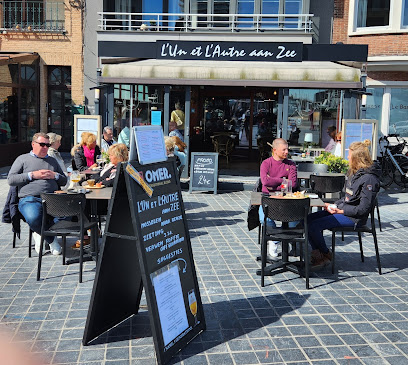
L'un et L'autre aan zee
0.2 km
Experience authentic local flavors at L'un et L'autre aan zee in Ostend - A charming restaurant and brewery by the sea.
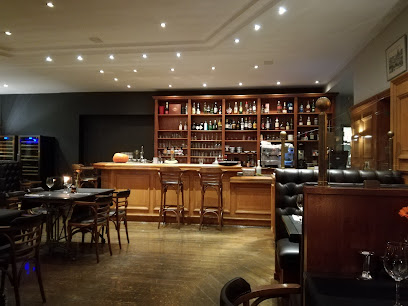
De kleine Garnaal
0.2 km
Experience authentic Belgian cuisine at De Kleine Garnaal in Ostend - a must-visit brasserie for seafood lovers.
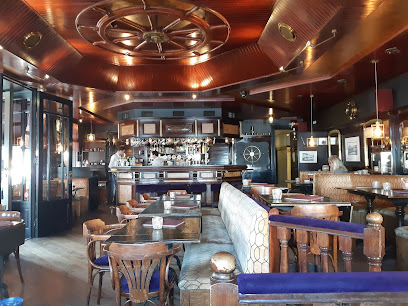
't Waterhuis
0.2 km
Experience authentic Belgian cuisine at 't Waterhuis in Ostend – where every meal is a celebration of local flavors.
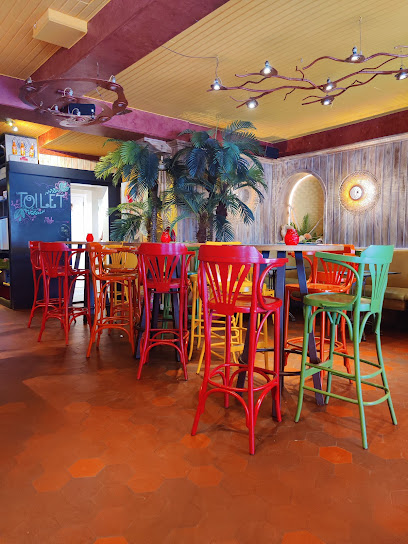
La Siesta Oostende
0.2 km
Experience the vibrant fusion of Mexican and Belgian cuisine at La Siesta Oostende – a must-visit dining destination on your Ostend adventure.
Dolce Mare
0.3 km
Discover the exquisite flavors of Ostend at Dolce Mare – where fresh seafood meets stunning waterfront views.
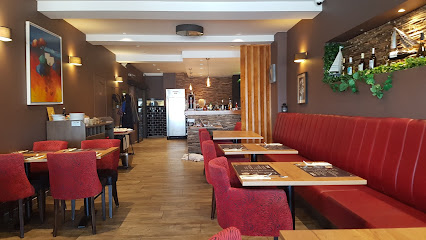
La Moulinière Oostende
0.3 km
Discover exquisite seafood dining at La Moulinière in Oostende - where local flavors meet stunning waterfront views.
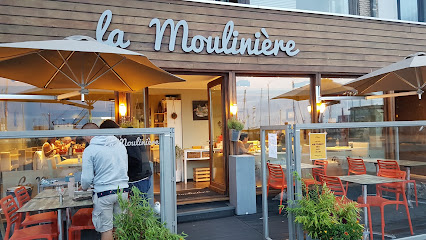
Bistrot de la Mer
0.3 km
Experience authentic Belgian coastal cuisine at Bistrot de la Mer in Ostend – where fresh seafood meets delightful flavors.
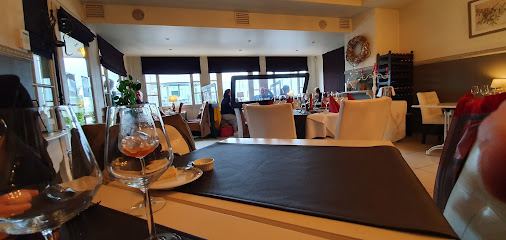
Mange Tout
0.3 km
Discover the exquisite seafood experience at Mange Tout in Ostend - where fresh flavors meet stunning coastal views.
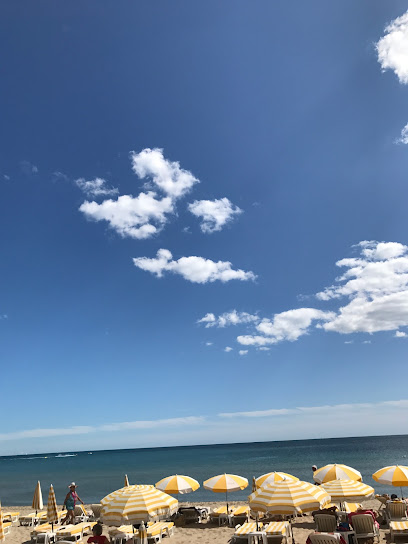
Aquamarine (Aqua - Grill)
0.3 km
Experience authentic Belgian cuisine at Aquamarine (Aqua - Grill) in Ostend – where fresh seafood meets traditional flavors.
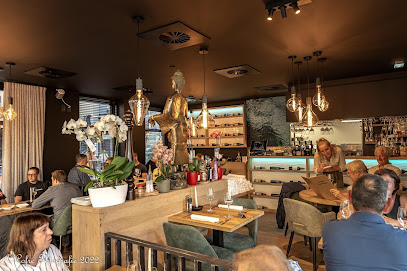
Mommy's Bastards
0.3 km
Experience the best of Belgian cuisine at Mommy's Bastards—a lively gastropub offering delicious food and local brews in Ostend.
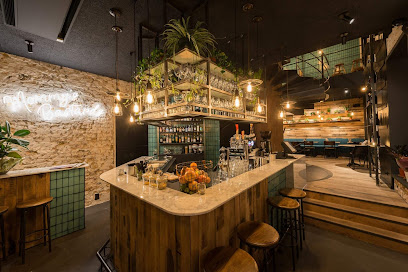
A Capella
0.3 km
Experience the best of Belgian cuisine at A Capella in Ostend, where delicious food meets a cozy atmosphere.
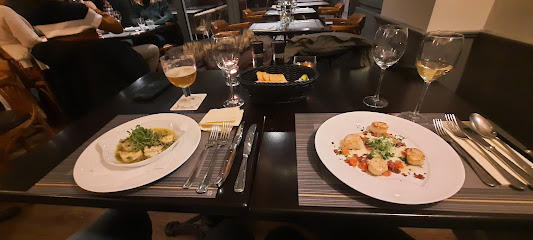
Apero Fish Palace
0.3 km
Discover fresh seafood delights at Apero Fish Palace in Ostend - your go-to destination for authentic Belgian coastal cuisine.
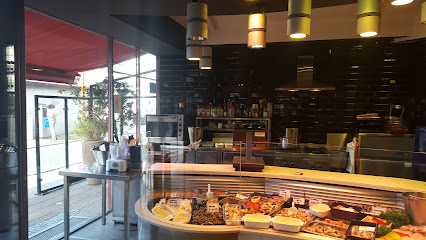
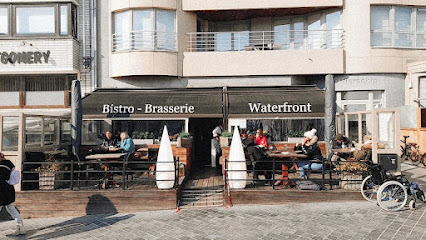
Waterfront
0.3 km
Experience the best of Belgian cuisine at Waterfront in Ostend – where fresh seafood meets stunning waterfront views.
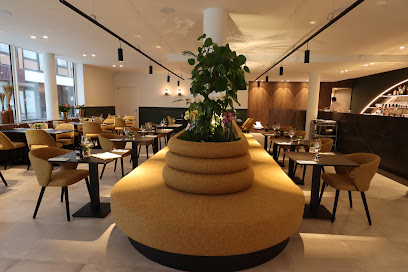
Tarbot Royal
0.4 km
Experience exquisite seafood dining at Tarbot Royal in Ostend - where fresh flavors meet elegant ambiance.
Markets, malls and hidden boutiques

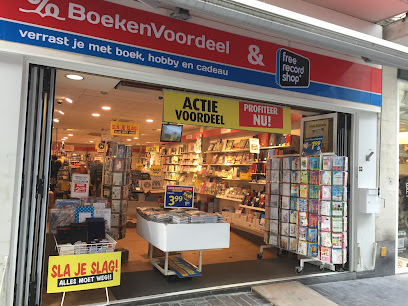
BoekenVoordeel Oostende
0.0 km
Explore BoekenVoordeel Ostend, a treasure trove of books, toys, and unique gifts, perfect for tourists seeking vibrant local culture.
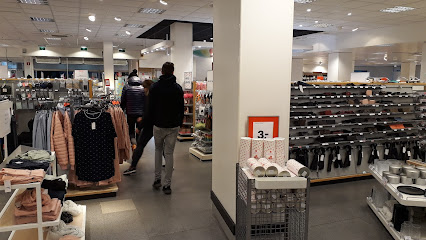
HEMA
0.0 km
Explore HEMA in Ostend for an eclectic mix of gifts, home essentials, and trendy items, perfect for every visitor's needs.
Ferm Homme
0.1 km
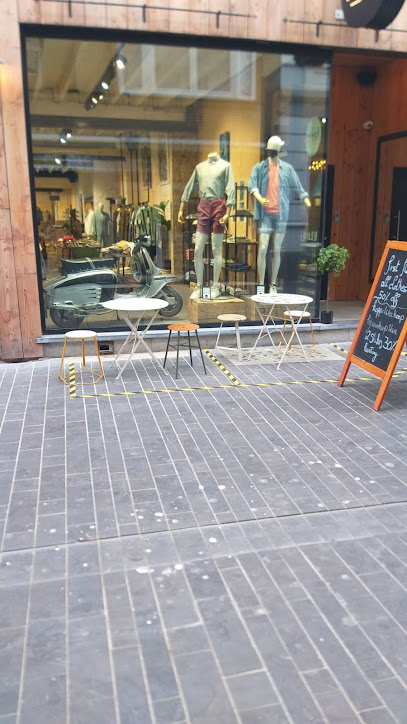
Explore Ferm Homme in Ostend for contemporary men's fashion, featuring stylish apparel and personalized service that reflects the vibrant local culture.
C&A
0.1 km
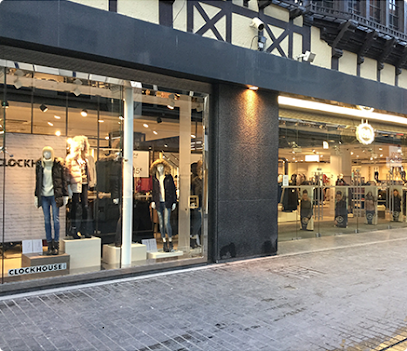
Explore C&A in Oostende for a wide selection of affordable and trendy clothing for the whole family, blending style with comfort.
Oil & Vinegar
0.1 km
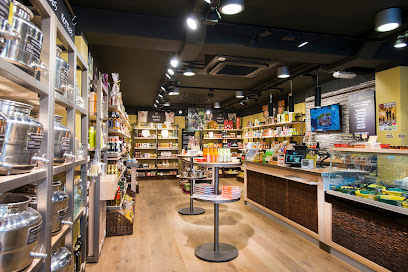
Explore a gourmet paradise in Ostend at Oil & Vinegar, featuring exquisite oils, vinegars, spices, and local delicacies to delight every palate.
Flying Tiger Copenhagen
0.1 km
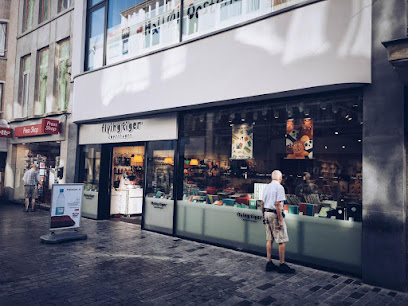
Explore Flying Tiger Copenhagen in Ostend for quirky gifts, stylish home goods, and unique party supplies that make every occasion special.
Tupperware
0.1 km
Explore Tupperware Gift Shop in Ostend for unique, eco-friendly kitchenware and memorable gifts that capture the essence of your travels.
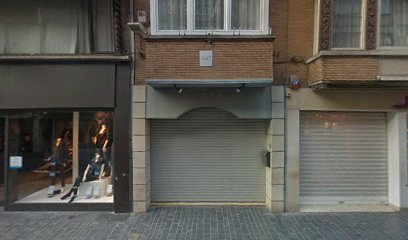
INNO Oostende
0.2 km
Discover INNO Oostende, your ultimate destination for fashion, cosmetics, and accessories on the Belgian coast.
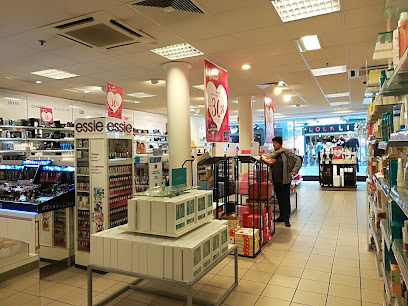
Xpress Shop...Oostende
0.2 km
Explore Xpress Shop in Oostende for a warm local experience, offering a wide selection of tobacco products and a friendly atmosphere.
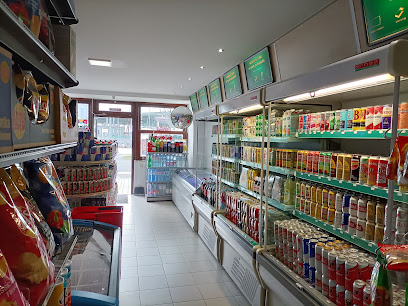
JACK & JONES
0.2 km
Discover JACK & JONES in Ostend - where fashion meets style with a unique selection of men's clothing and accessories.
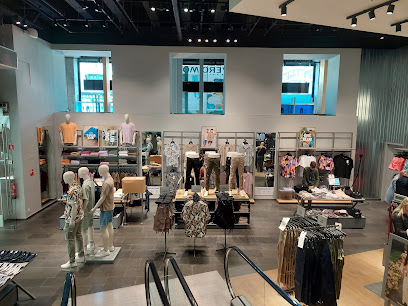
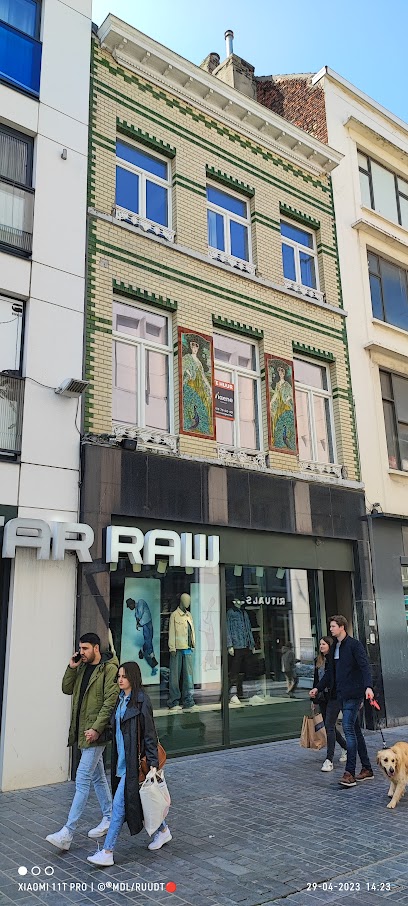
G-Star RAW Store
0.2 km
Discover contemporary fashion and innovative denim at G-Star RAW Store in Ostend, your ultimate shopping destination for stylish clothing and accessories.
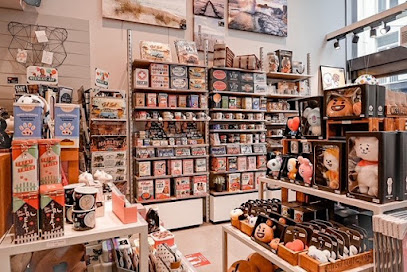
Jelly Jazz - Oostende
0.3 km
Explore Jelly Jazz in Oostende for unique gifts and souvenirs that capture the essence of this vibrant coastal city.
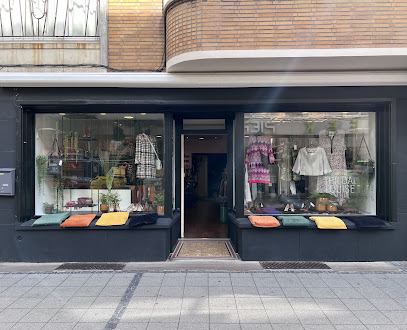
THILDA&LOUISE
0.3 km
Explore Thilda & Louise in Ostend, a charming gift shop offering unique clothing and artisan goods for memorable souvenirs.
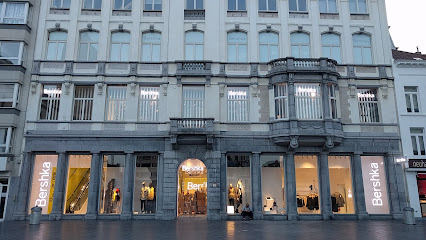
Bershka
0.3 km
Discover trendy clothing and stylish accessories at Bershka in Ostend, the ultimate destination for fashion lovers seeking the latest styles.
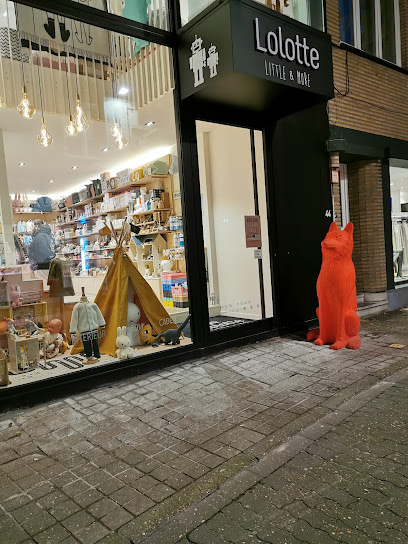
Lolotte Little and more
0.3 km
Explore Lolotte Little and More, the enchanting children's store in Ostend, offering unique toys, furniture, and baby products in a vibrant setting.
Essential bars & hidden hideouts

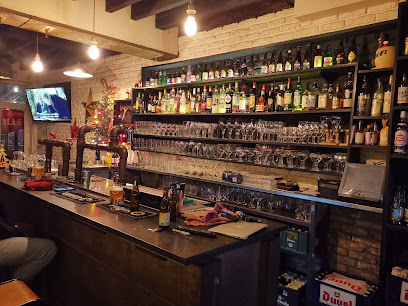
De Crayon
0.3 km
Discover the vibrant atmosphere of De Crayon, a lively bar in Oostende offering local drinks and a unique ambiance for every tourist's delight.
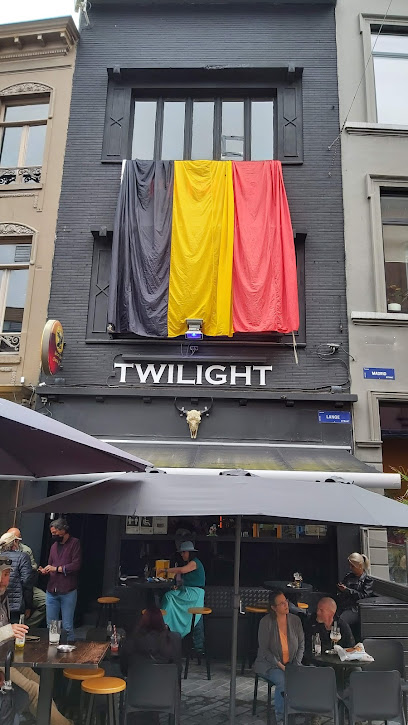
Twilight - Oostende
0.5 km
Discover the heart of Oostende's nightlife at Twilight, a cozy pub offering a diverse drink menu and vibrant local atmosphere.
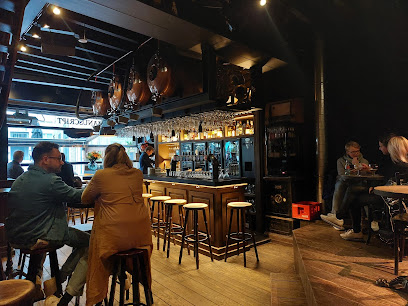
Manuscript
0.5 km
Experience the lively atmosphere and unique drink selection at Manuscript Bar, the heart of Oostende's vibrant nightlife.
Café Botteltje
0.5 km
Experience the flavors of Belgium at Café Botteltje, a premier gastropub in Ostend offering exquisite dishes and an extensive drink selection.
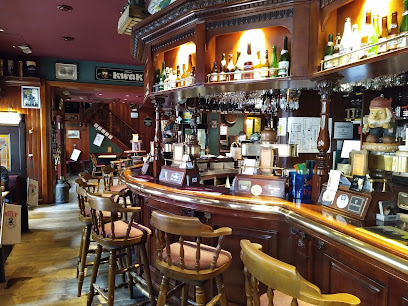
Bangkok pub
0.5 km
Discover the lively charm of Ostend's premier pub, where good drinks and great company await in a vibrant atmosphere.
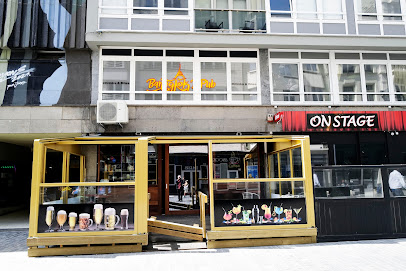
VINES OOSTENDE
0.5 km
Discover the exquisite wine and tapas experience at VINES OOSTENDE, where every sip and bite tells a story of flavor and tradition.
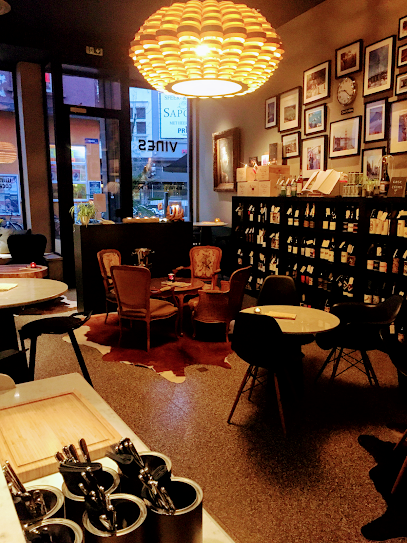
De Zeegeuzen
0.5 km
Discover the vibrant nightlife of Ostend at De Zeegeuzen, a lively bar with an extensive drink menu and a welcoming atmosphere.
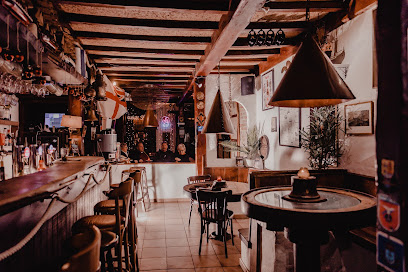
Hemingway
0.5 km
Discover the vibrant nightlife at Hemingway Bar in Ostend, where expertly crafted cocktails and a lively atmosphere await every visitor.
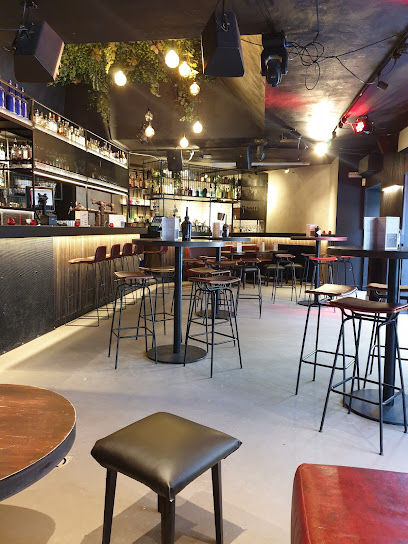
Lafayette Music Bar
0.5 km
Experience the vibrant ambiance and live music at Lafayette Music Bar in Ostend, the perfect spot for nightlife enthusiasts and music lovers.
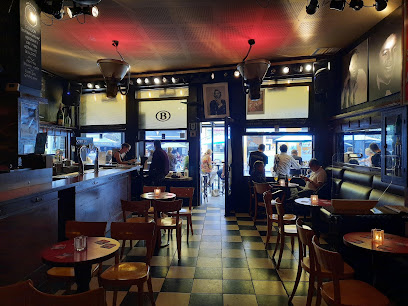
Bar des Amis Oostende
0.5 km
Experience the vibrant nightlife of Oostende at Bar des Amis, a cozy bar offering a great selection of drinks and a friendly atmosphere.
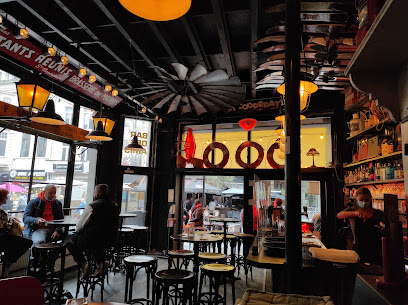
Copador
0.5 km
Experience the vibrant nightlife at Copador, a lively bar in Ostend, offering delightful drinks and a welcoming atmosphere for all.
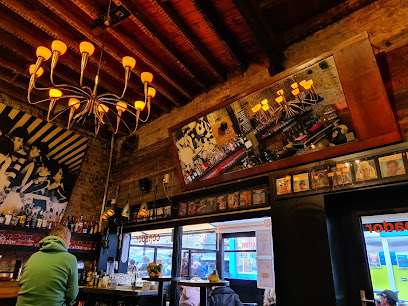
Sous-Sol
0.5 km
Discover the vibrant nightlife at Sous-Sol, Ostend’s premier cocktail bar, where expertly crafted drinks and an inviting atmosphere await you.
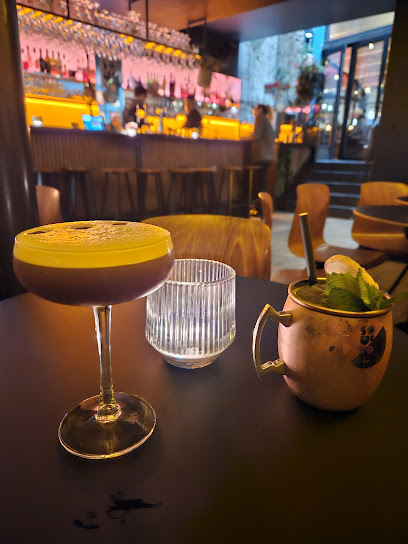
Rhumerie Louis
0.5 km
Discover the vibrant Rhumerie Louis in Ostend, a cocktail bar dedicated to rum lovers with an extensive selection and lively atmosphere.
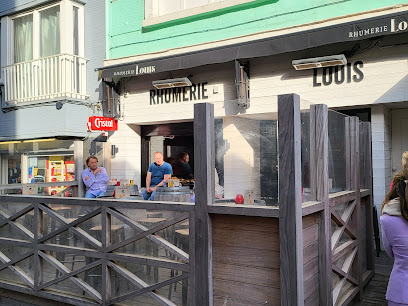
Pura Vida
0.5 km
Discover the lively ambiance and great live music at Pura Vida, the ultimate bar experience in Ostend for music lovers and night owls.
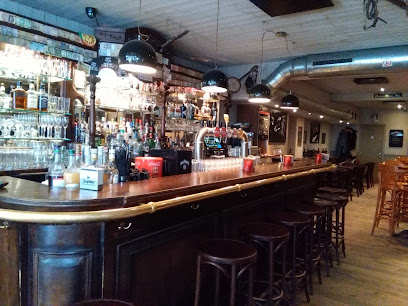
Brazza cocktailbar
0.5 km
Discover the vibrant atmosphere and exquisite cocktails at Brazza Cocktailbar in Ostend, where every sip is a celebration.
Nightclubs & after hour spots

Valentino - Oostende
0.2 km
Experience the lively atmosphere and vibrant nightlife at Valentino, Oostende's premier gay bar, perfect for socializing and entertainment.
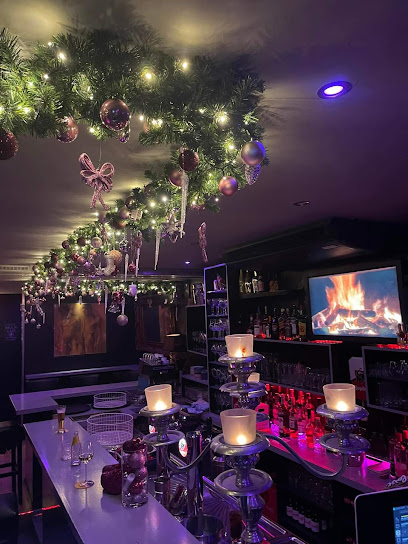
Filip's Place
0.5 km
Filip's Place in Ostend offers a unique blend of bistro dining, karaoke fun, and a vibrant night club atmosphere perfect for unforgettable nights.
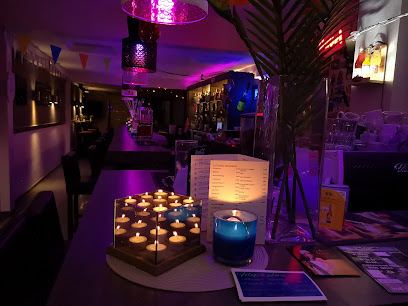
The Switch
0.5 km
Discover the lively nightlife of Ostend at The Switch, where music, dancing, and unforgettable experiences await you.

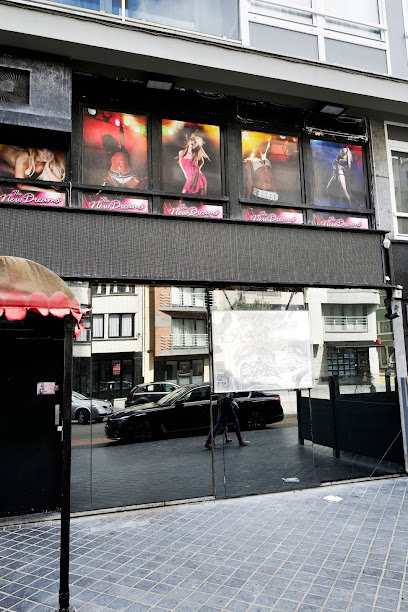
The New Dreams
0.5 km
Discover the lively nightlife at The New Dreams in Ostend, where music and dance create unforgettable experiences in a vibrant setting.
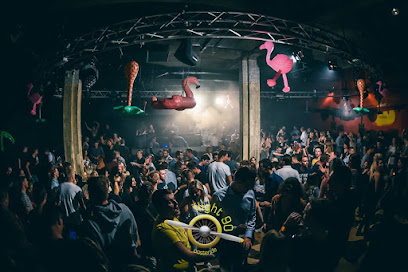
Flight 90
0.6 km
Unleash your night at Flight 90, Ostend's ultimate night club experience with electrifying music and lively events.
Disques
2.1 km
Discover the ultimate nightlife experience at Disques in Ostend, Belgium, where vibrant music and dancing create unforgettable memories.
SureStep Consulting - Stephan Surmont
3.8 km
Experience the perfect blend of professional consulting and vibrant nightlife at SureStep Consulting in Ostend.
Champagne & Oyster Bar (Bar René)
9.3 km
Experience the perfect blend of fresh seafood and exquisite champagnes at De Haan's premier Champagne & Oyster Bar.
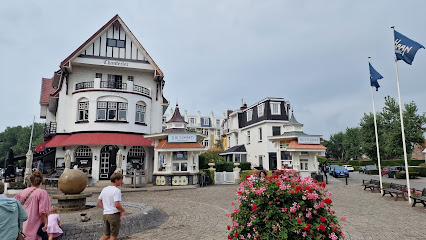
Plaza d'Amanté
9.3 km
Experience the best of local cuisine at Plaza d'Amanté, a charming tapas bar and boutique eatery by the sea.
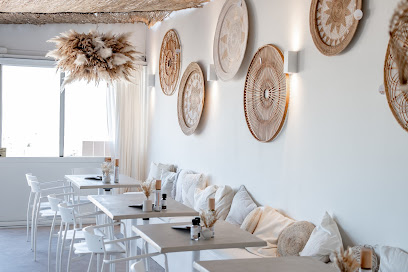
De Witte Doorn
9.9 km
Experience the delightful flavors of Belgium at De Witte Doorn, a charming brasserie and lounge in De Haan, perfect for food lovers and beachgoers alike.
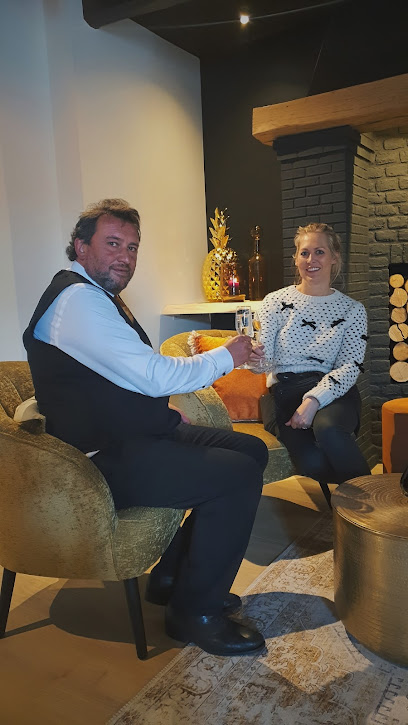
Beachbar De Windhaan
10.1 km
Experience the charm of Beachbar De Windhaan, a vibrant beachfront bar in De Haan with refreshing drinks and stunning ocean views.
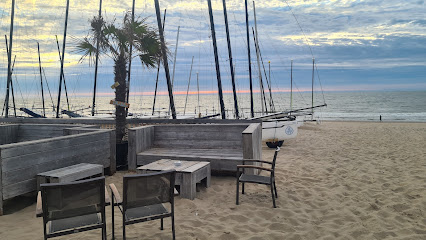
Koco Loco
14.5 km
Discover Koco Loco in Nieuwpoort, a vibrant bar with a lively atmosphere, perfect for enjoying drinks and mingling with locals and travelers alike.
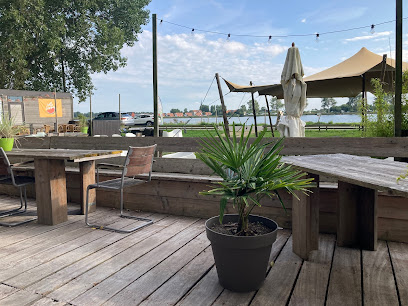
Bv Horeca Oostkust
15.7 km
Discover the vibrant culinary and social scene at Bv Horeca Oostkust, where hospitality meets community spirit in De Haan.
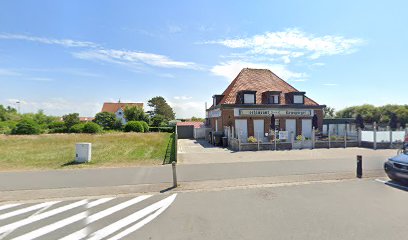
The Sailors
15.8 km
Experience the coastal flavors at The Sailors, a premier grill and café in Nieuwpoort offering delicious meals and stunning marina views.
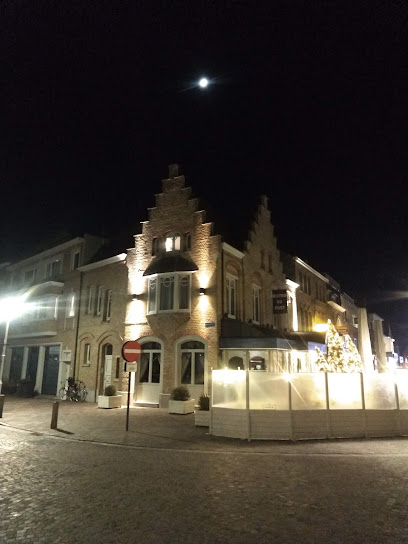
C-Port Lounge Bar
16.1 km
Discover the charm of C-Port Lounge Bar in Nieuwpoort, where relaxation meets stunning waterfront views and delightful refreshments.