Manneken Pis: Brussels' Iconic Pissing Boy
Discover the cheeky charm of Brussels' Manneken Pis, a small statue with a big history and an even bigger wardrobe. A must-see icon!
Manneken Pis, a small bronze fountain sculpture of a urinating boy, is a beloved symbol of Brussels. Located near the Grand Place, the statue embodies the city's humor and rebellious spirit, attracting visitors from around the world with its quirky charm and extensive wardrobe.
A brief summary to Manneken Pis
- Brussels, Pentagone, 1000, BE
- Visit website
Local tips
- Visit early in the morning or later in the evening to avoid crowds.
- Check the schedule to see if Manneken Pis is dressed in costume.
- Explore the GardeRobe MannekenPis museum to see the statue's extensive wardrobe.
- Look for Jeanneke Pis and Zinneke Pis, the statue's counterparts, for a complete experience.

Getting There
-
Walking
Manneken Pis is located a short walk from the Grand Place. From the Grand Place, walk south on Rue Charles Buls, then turn right onto Rue de l'Étuve/Stoofstraat. The statue is at the corner of Rue de l'Étuve/Stoofstraat and Rue du Chêne/Eikstraat.
-
Public Transport
The closest metro and tram station is Bourse - Grand-Place/Beurs - Grote Markt, served by lines 4 and 10. Several bus lines also stop nearby, including lines 33, 48, and 95. From the station, walk south on Rue Paul Devaux, then turn left onto Rue de l'Étuve/Stoofstraat. The statue is at the corner of Rue de l'Étuve/Stoofstraat and Rue du Chêne/Eikstraat. A single ticket costs €3.
-
Taxi
Taxis and ride-sharing services are readily available in Brussels. A short taxi ride from Brussels Central Station to Manneken Pis typically costs between €6 and €8.
Discover more about Manneken Pis
Iconic landmarks you can’t miss

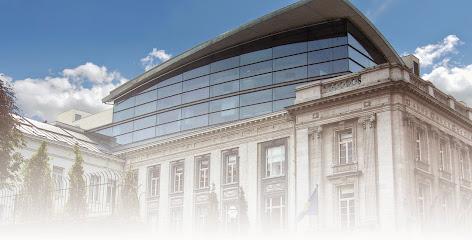
Brussels Parlement
0.1 km
Explore the Brussels Parliament, a stunning architectural marvel and the heart of democratic governance in Belgium, rich in history and political significance.
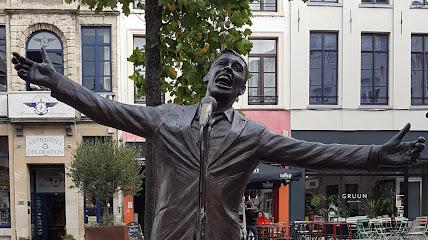
L'envol - Statue de Jacques Brel
0.2 km
Discover L'envol, the iconic statue of Jacques Brel in Brussels, celebrating the life and legacy of Belgium's beloved musician.
Pl. de la Vieille Halle aux Blés
0.2 km
Discover the historical and cultural allure of Pl. de la Vieille Halle aux Blés in Brussels, a vibrant square that captures the city's essence.
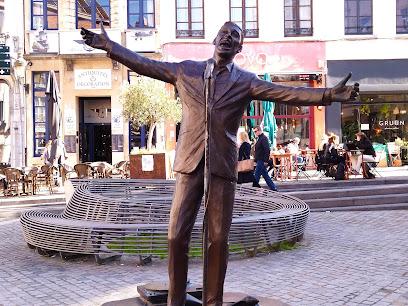
Pl. Saint-Jean
0.2 km
Discover the captivating ambiance of Pl. Saint-Jean, a historic square in Brussels, where culture, architecture, and community come together.
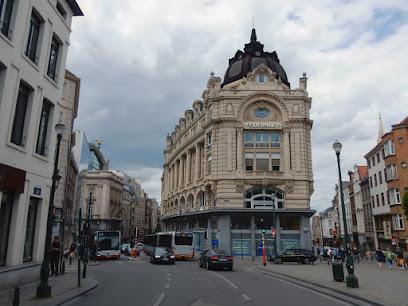
Statue of Gabrielle Petit
0.2 km
Discover the Statue of Gabrielle Petit in Brussels, a powerful symbol of courage and resilience from World War I, nestled in the vibrant Place Saint-Jean.
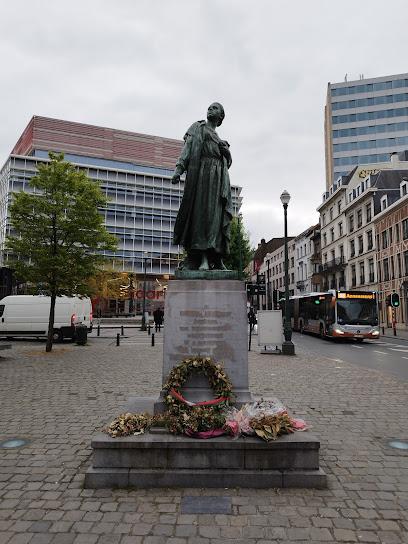
Grand Place 8
0.2 km
Explore the enchanting Grand Place in Brussels, a UNESCO World Heritage site that showcases stunning architecture and vibrant culture, perfect for every traveler.
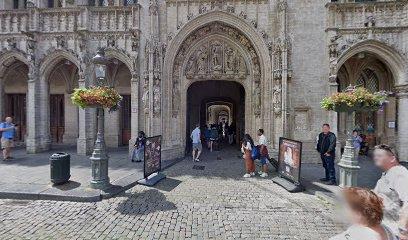
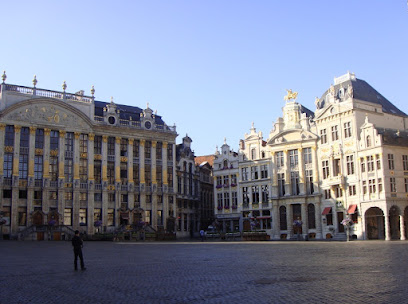
Maison du Cornet
0.2 km
Explore the architectural marvel of Maison du Cornet, a historical landmark in the heart of Brussels' stunning Grand Place.
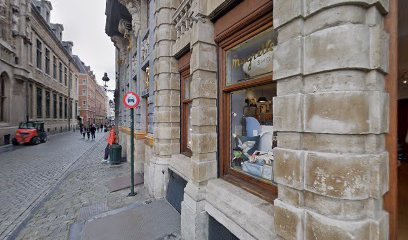
Maison des Ducs de Brabant
0.3 km
Experience the grandeur of the Maison des Ducs de Brabant, a historical landmark in Brussels, showcasing captivating architecture and rich cultural heritage.
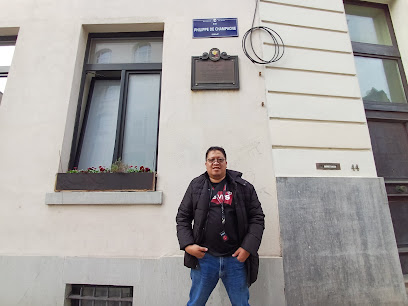
Jose Rizal Historical Marker - Brussels, Belgium
0.3 km
Explore the Jose Rizal Historical Marker in Brussels, where history meets culture and the legacy of a national hero inspires visitors.
Unmissable attractions to see

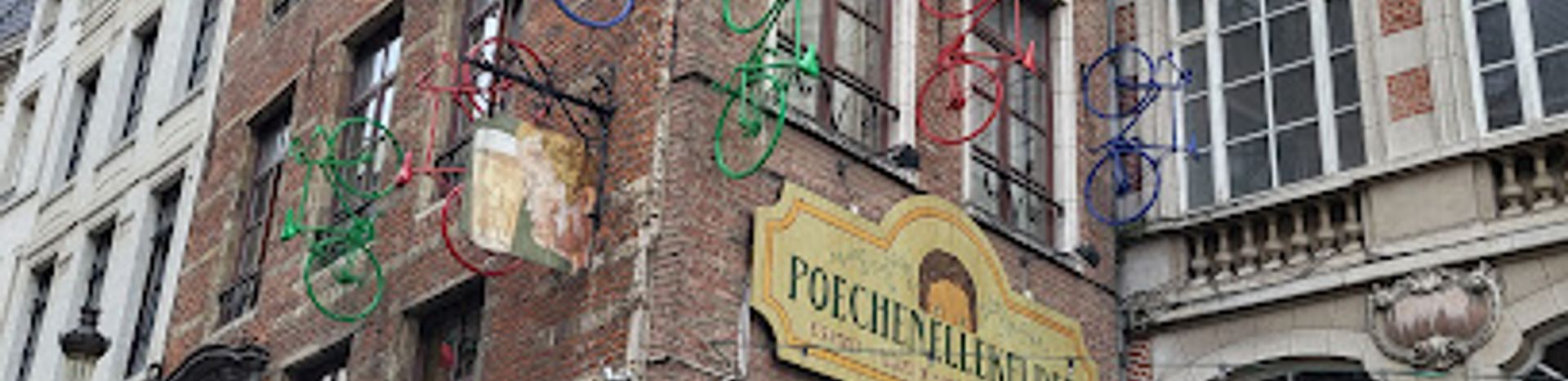
Poechenellekelder
0.0 km
Experience the essence of Belgian beer culture at Poechenellekelder, a cozy bar in Brussels with an extensive selection and charming atmosphere.
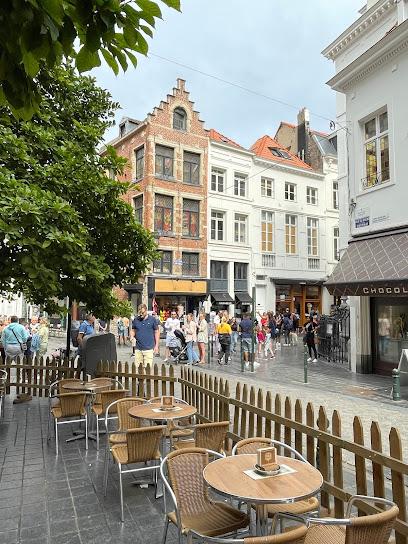
Choco-Story Brussels
0.0 km
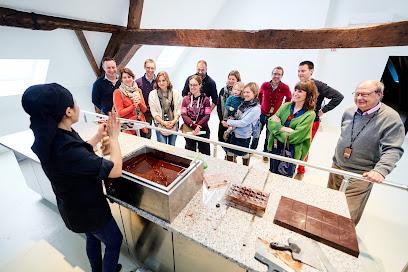
Discover the sweet secrets of Belgian chocolate at Choco-Story Brussels, where every bite tells a delicious story of history and craftsmanship.
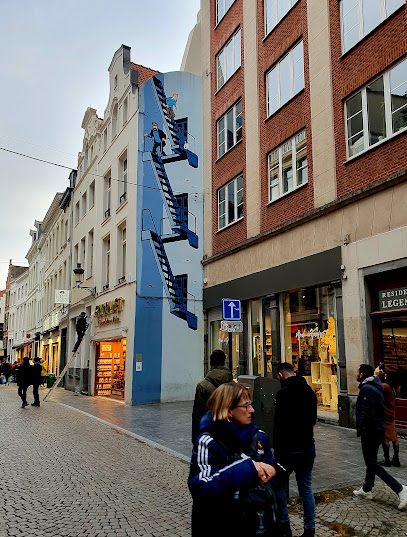
Tintin Comic Mural
0.0 km
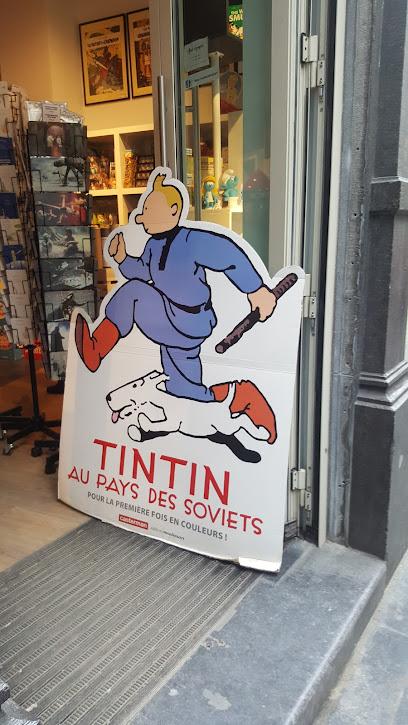
Discover the iconic Tintin Comic Mural, a vibrant celebration of Hergé's beloved characters in the heart of Brussels, perfect for comic fans and art lovers.
Chocolaterie Mary
0.1 km
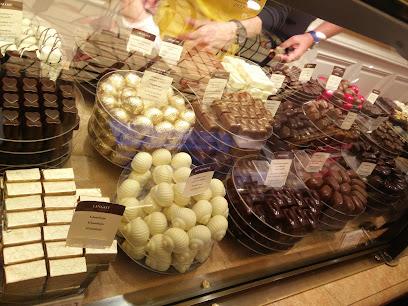
Discover the art of Belgian chocolate at Chocolaterie Mary, a renowned chocolatier in Brussels offering exquisite handcrafted delights.
Sculpture Madame Chapeau
0.1 km
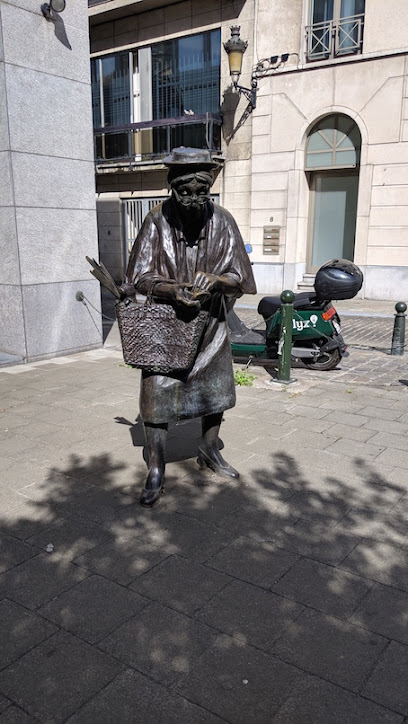
A whimsical bronze statue in Brussels embodying the city's humor, depicting Madame Chapeau from the classic play 'Bossemans et Coppenolle'.
Pierre Ow artworks
0.1 km
Discover the vibrant artistic expressions of Pierre Ow Artworks in Brussels, a must-visit destination for art lovers and cultural explorers.
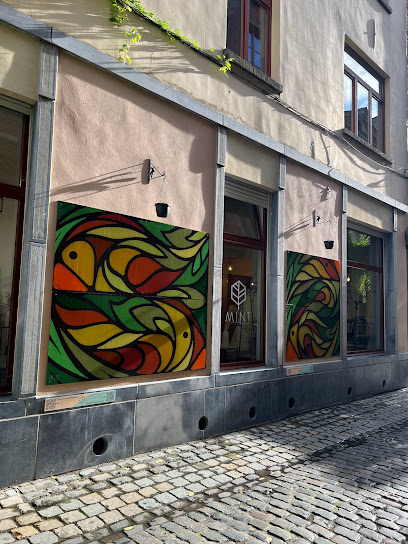
Fresque dinosaure
0.2 km
Discover the whimsical Fresque Dinosaure in Brussels, a captivating mural that brings the prehistoric world to life in vibrant color and creativity.
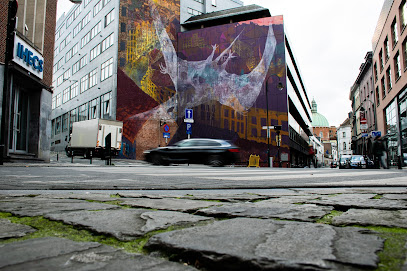
Le Passage Mur BD (Street Art)
0.2 km
Discover the colorful world of street art at Le Passage Mur BD, Brussels' vibrant open-air gallery showcasing local and international talent.
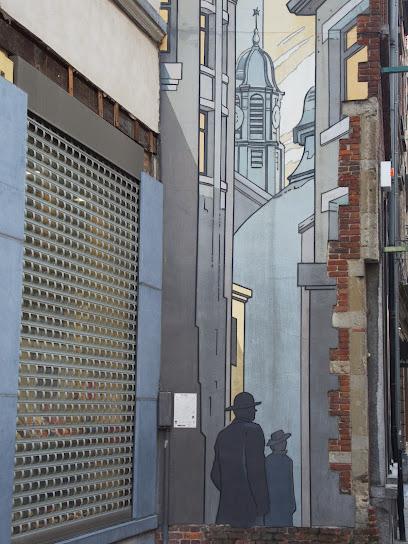
Broussaille - Mur BD - Street Art
0.2 km
Explore the captivating street art at Broussaille - Mur BD in Brussels, where vibrant murals tell the tales of culture and creativity.
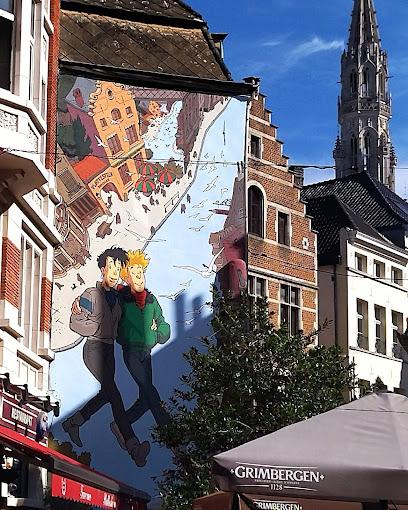
Mural de Cómic: Le Passage - Autor: Péplum-Carez y François Schuiten
0.2 km
Discover the artistic brilliance of Mural de Comic: Le Passage in Brussels, where comic art comes alive in vibrant colors and intricate storytelling.
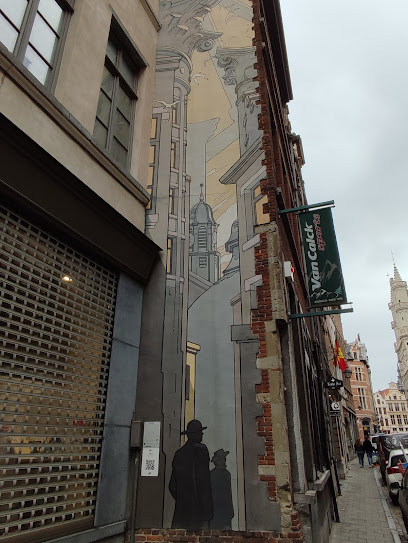
Stadsmuur en Villerstoren
0.2 km
Discover the majestic Stadsmuur en Villerstoren, a historical gem in Brussels showcasing medieval fortifications and stunning architecture.
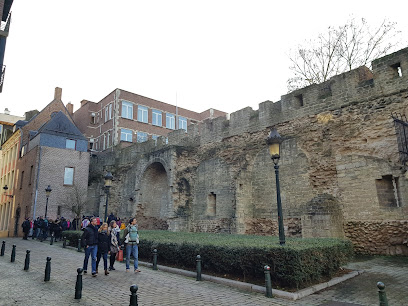
Fontaine Les Lions
0.2 km
Discover the enchanting Fontaine Les Lions, a captivating fountain in Brussels, perfect for a cultural experience and stunning photographs.
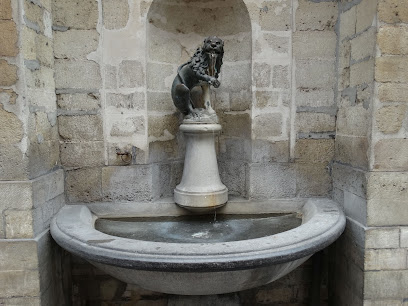
Belgian Brewers Museum
0.2 km
Explore the Belgian Brewers Museum in Brussels, where beer culture comes alive through history, interactive exhibits, and delightful tastings.
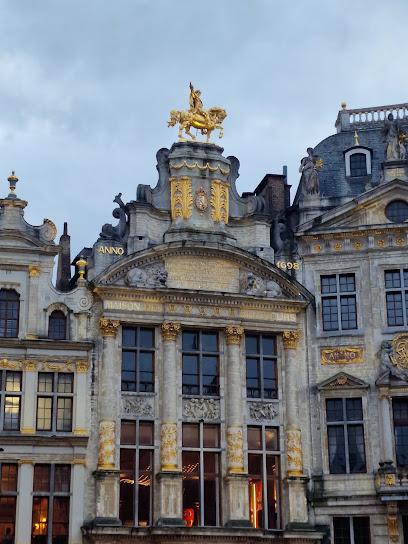
Everard 'T Serclaes
0.2 km
Discover the enchanting Everard 'T Serclaes sculpture in Brussels, a captivating historical landmark steeped in local lore and artistry.
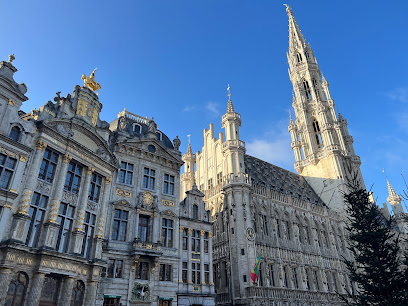
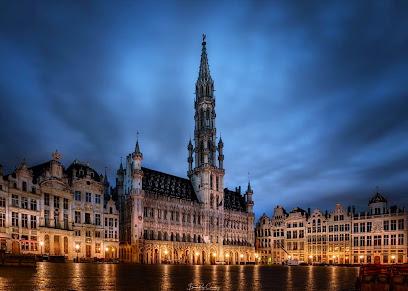
Brussels Town Hall
0.2 km
Discover the grandeur of Brussels Town Hall, a stunning Gothic masterpiece at the heart of the city's historic Grand Place.
Essential places to dine

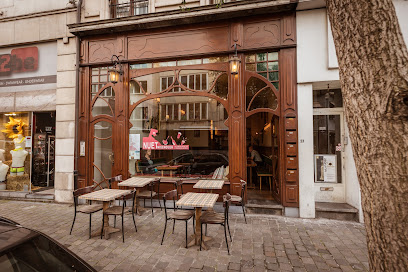
Nüetnigenough
0.1 km
Experience authentic Belgian cuisine and craft beers at Nüetnigenough in Brussels – a must-visit brewpub for every traveler.
Bocconi
0.2 km
Experience authentic Italian cuisine at Bocconi in Brussels – where tradition meets elegance for an unforgettable dining experience.
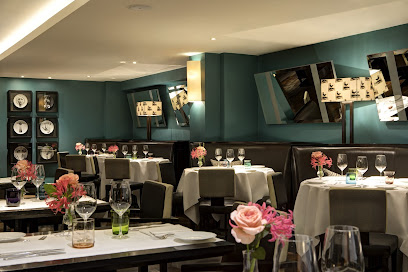
La Table de Mus
0.2 km
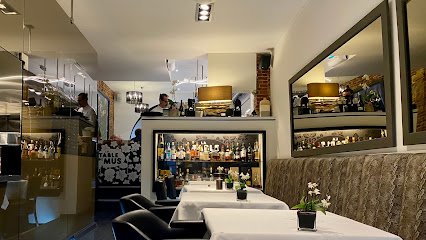
Experience modern European cuisine at La Table de Mus in Brussels - where tradition meets innovation on your plate.
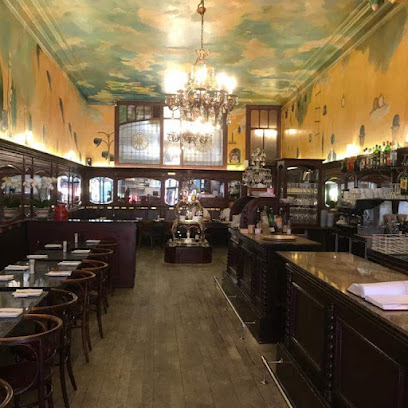
La Roue d'Or
0.2 km
Discover authentic Belgian cuisine at La Roue d'Or in Brussels - where tradition meets taste in a delightful dining experience.
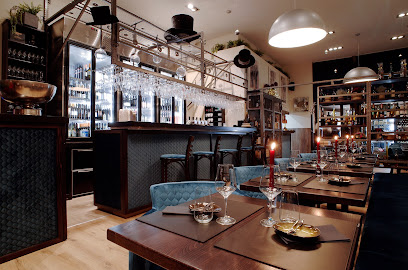
Encore Bruxelles
0.2 km
Experience modern European dining at Encore Bruxelles – where exquisite cuisine meets vibrant bar culture in the heart of Belgium's capital.
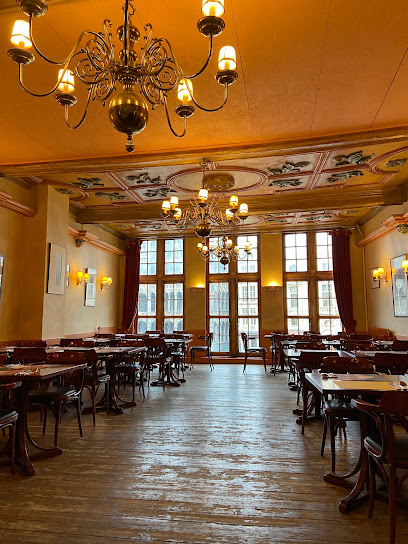
La Rose Blanche
0.2 km
Experience authentic Belgian cuisine at La Rose Blanche in Brussels—where traditional flavors meet modern dining.
The Noodle Bar Brussels
0.2 km
Discover the vibrant flavors of South East Asia at The Noodle Bar Brussels - your go-to spot for delicious vegan noodles and quick bites.
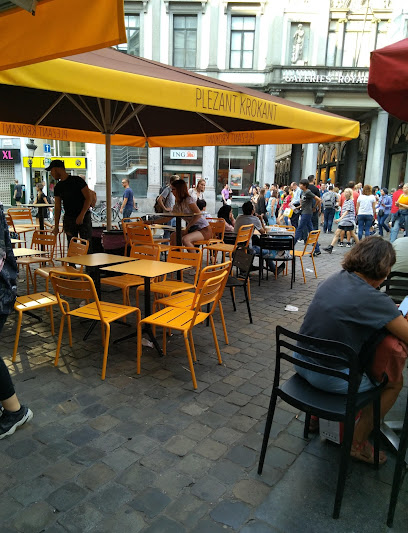
The blue
0.2 km
Experience authentic Belgian cuisine and an extensive beer selection at The Blue in Brussels - a must-visit culinary destination.
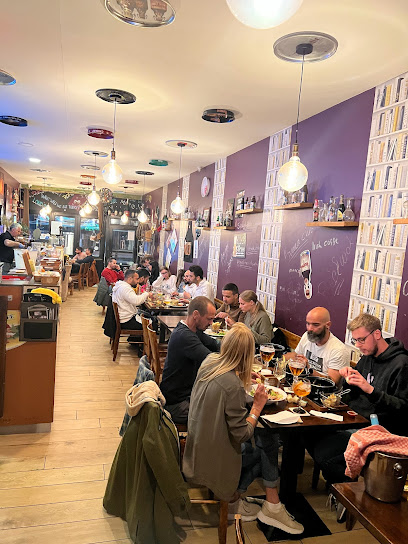
't Kelderke
0.3 km
Experience authentic Belgian cuisine at 't Kelderke, a charming brasserie in the heart of Brussels offering delightful traditional dishes.
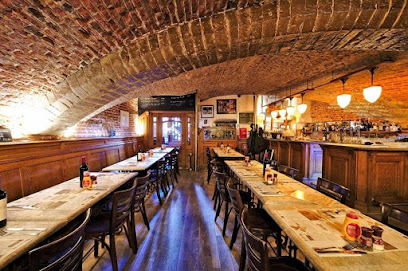
La Brouette
0.3 km
Experience the best of Belgian cuisine at La Brouette in the heart of Brussels, where delicious burgers and local dishes await.
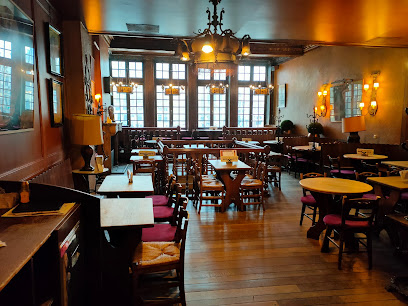
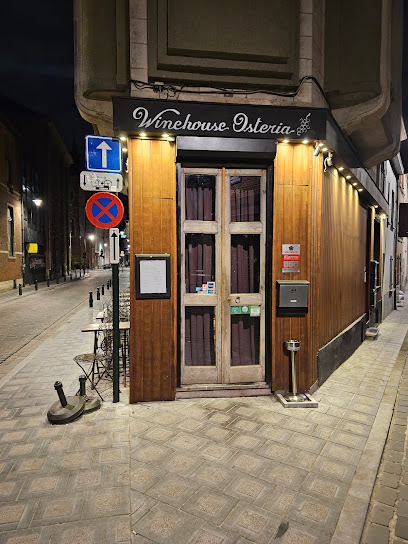
Winehouse Osteria
0.3 km
Experience authentic Italian flavors and exquisite wines at Winehouse Osteria in Brussels' vibrant heart.
Le Roy d'Espagne
0.3 km
Discover authentic Belgian cuisine and craft brews at Le Roy d'Espagne in Brussels' stunning Grand Place.
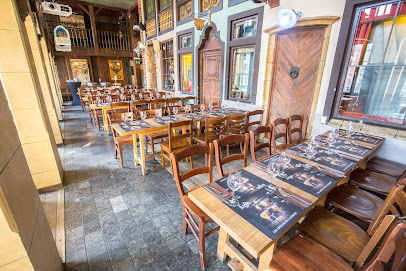
The Brothers Brasserie
0.3 km
Experience authentic Belgian cuisine at The Brothers Brasserie in Brussels - where tradition meets taste in a cozy setting.
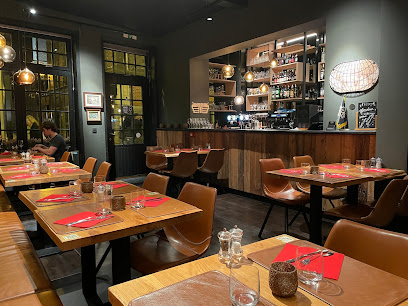
Au Pleysier
0.3 km
Experience the perfect blend of traditional Belgian flavors and modern French cuisine at Au Pleysier in Brussels.
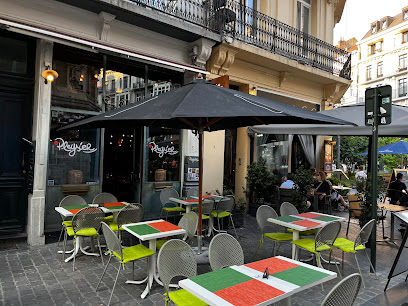
HOUTSIPLOU
0.3 km
Discover Houtsiplou: Your gateway to authentic Belgian cuisine in the heart of Brussels with delectable dishes and warm hospitality.
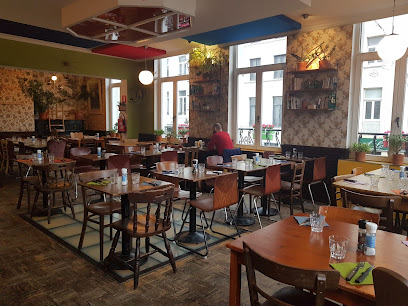
Markets, malls and hidden boutiques

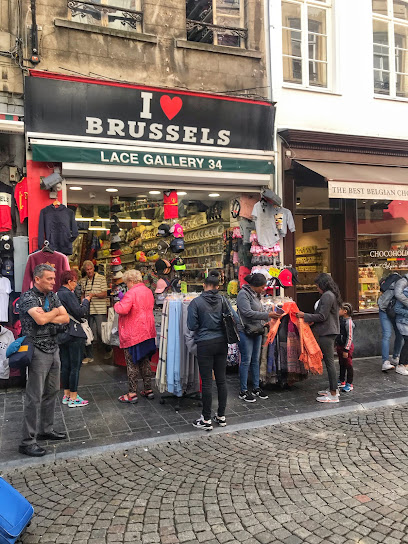
I love Brussels
0.0 km
Explore 'I Love Brussels' for unique souvenirs that embody the spirit of Belgium's capital city, offering a perfect memento of your travels.
Royal Souvenirs
0.1 km
Explore Royal Souvenirs in Brussels for unique Belgian gifts and handcrafted treasures that capture the essence of your travels.
Kosmos
0.1 km
Explore Kosmos in Brussels for a unique shopping experience showcasing local craftsmanship and culture, perfect for souvenirs and gifts.
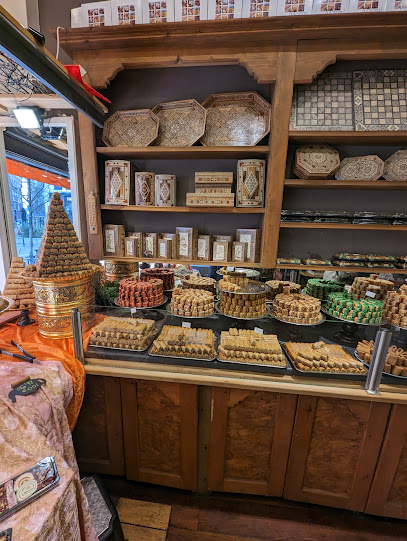
Lundi Di
0.1 km
Discover Lundi Di in Brussels: Your destination for unique gifts, local artistry, and cherished souvenirs that capture the heart of Belgium.
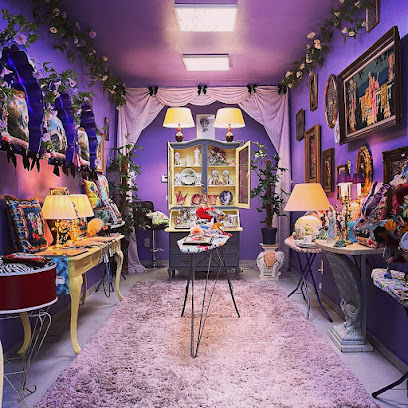
Euro-Style
0.1 km
Explore a treasure trove of unique souvenirs and gifts at Euro-Style, the premier gift shop in Brussels celebrating Belgian culture.
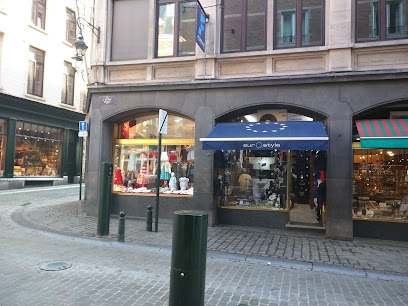
TibetBrothers - Best Himalyan GiftShop in Brussel Belgium
0.2 km
Explore TibetBrothers in Brussels for authentic Himalayan gifts, unique treasures, and a glimpse into rich cultural heritage.
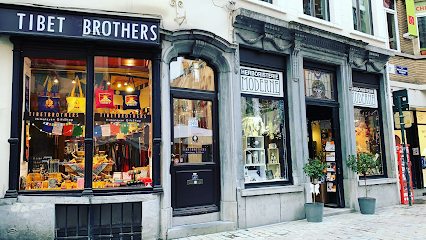
Ramon & Valy Vintage Shop
0.2 km
Explore the charm of vintage fashion at Ramon & Valy Vintage Shop in Brussels, a treasure trove for sustainable style and unique finds.
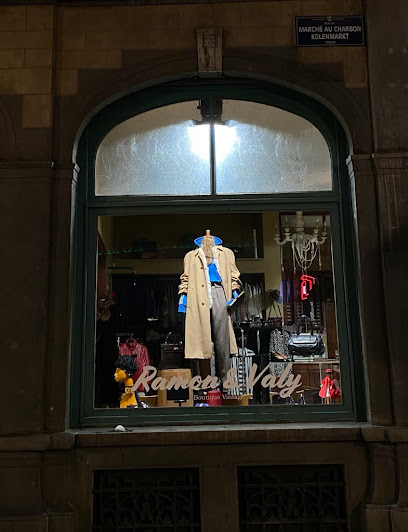
Night shop
0.2 km
Discover the vibrant nightlife of Brussels at the Night Shop, your go-to store for late-night snacks and local souvenirs.
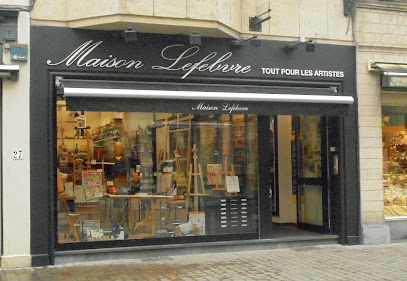
Maison Lefebvre
0.2 km
Explore Maison Lefebvre, Brussels' premier art supply store, where creativity meets quality in the heart of the city.
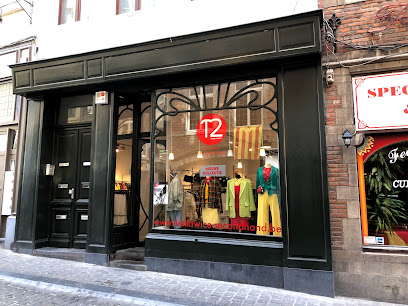
Think Twice
0.2 km
Discover unique second-hand fashion at Think Twice in Brussels, where sustainability meets style in a treasure trove of pre-loved garments.
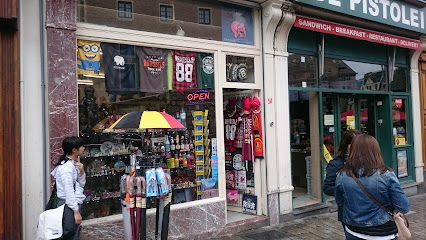
Gift Shop / Souvenir
0.2 km
Discover unique souvenirs and local treasures at this charming Gift Shop in Brussels, capturing the essence of Belgian culture.
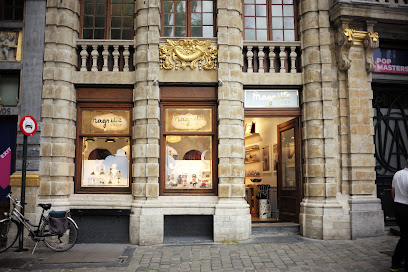
The Magritte Shop - Boutique d'Art
0.3 km
Explore the surreal world of René Magritte at The Magritte Shop in Brussels, where art and unique gifts come together in perfect harmony.
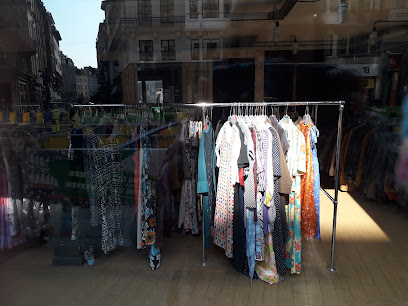
City Store Vintage
0.3 km
Unearth unique vintage finds at City Store Vintage, the go-to second-hand shop in Brussels for eclectic treasures and nostalgic souvenirs.
Music City
0.3 km
Explore a treasure trove of musical instruments and accessories at Music City, Brussels’ premier destination for music lovers and aspiring musicians.
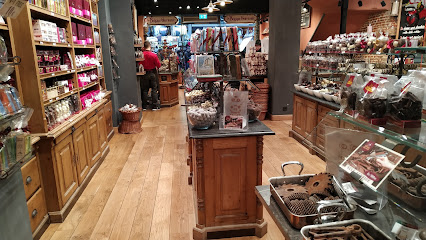
The Tintin shop
0.3 km
Explore The Tintin Shop in Brussels - a treasure trove of comic books, collectibles, and the beloved adventures of Tintin.
Essential bars & hidden hideouts

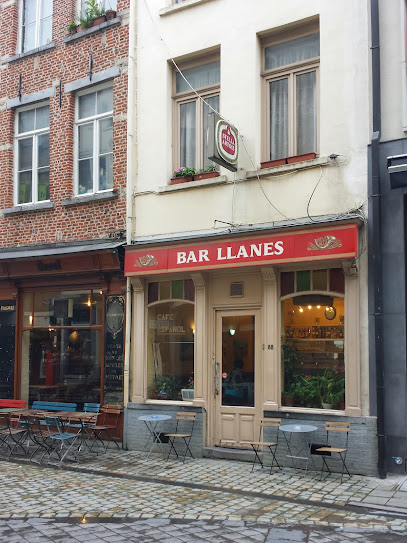
Bar Llanes
0.2 km
Immerse yourself in the vibrant atmosphere of Bar Llanes in Brussels, where delightful drinks and local charm await every visitor.
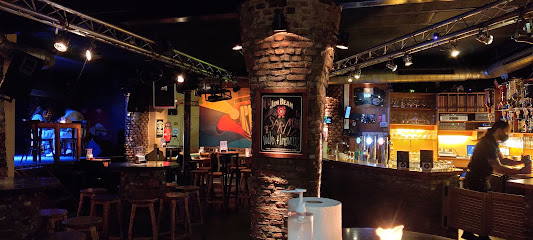
Rock Classic
0.2 km
Discover the heartbeat of Brussels at Rock Classic, a premier live music bar featuring local talent and a vibrant nightlife atmosphere.
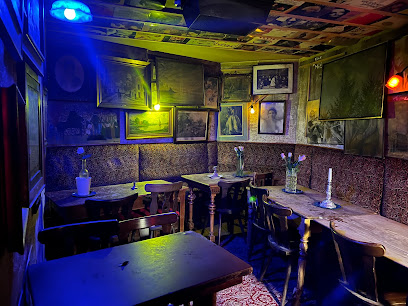
Goupil Le Fol
0.2 km
Discover the enchanting ambiance and delightful drinks at Goupil Le Fol, a must-visit bar in Brussels for an unforgettable night out.
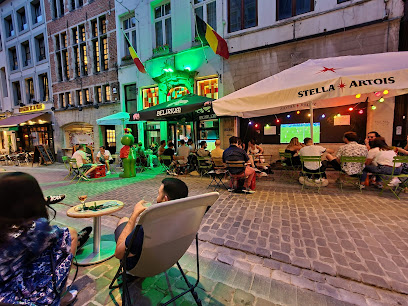
The Green Man Cocktail bar
0.2 km
Experience the vibrant nightlife of Brussels at The Green Man Cocktail Bar, where innovative cocktails meet a warm and inviting atmosphere.
Chemistry & Botanic’s
0.2 km
Experience the art of cocktail-making at Chemistry & Botanic's, a vibrant cocktail bar in the heart of Brussels, offering inventive drinks and a chic atmosphere.
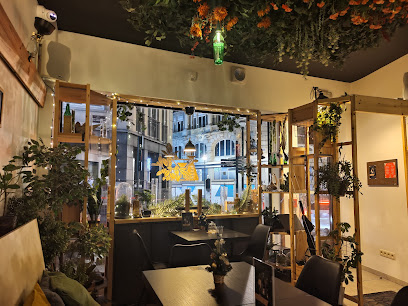
The Eight Rooftop Cocktail Bar
0.2 km
Experience breathtaking views and exceptional cocktails at The Eight Rooftop Cocktail Bar in Brussels, the perfect retreat for tourists seeking relaxation and nightlife.
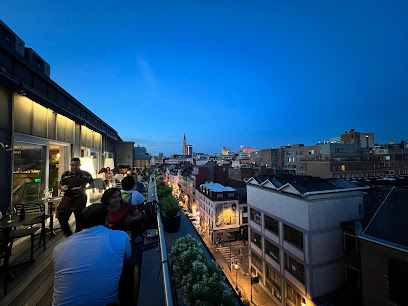
Moeder Lambic Fontainas
0.2 km
Discover the heart of Belgian beer culture at Moeder Lambic Fontainas - a vibrant beer hall in Brussels offering an extensive selection of craft brews.
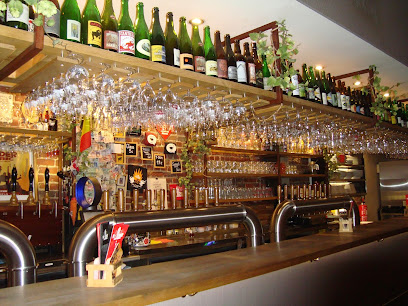
Amalgame Karaoke Bar
0.2 km
Experience the vibrant nightlife of Brussels at Amalgame Karaoke Bar, where singing and fun come together in an unforgettable atmosphere.
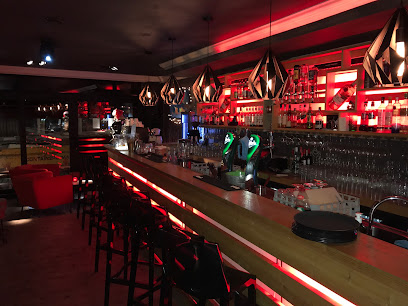
Au Brasseur - Bruxelles
0.2 km
Experience the vibrant beer culture of Brussels at Au Brasseur, a cozy pub with an extensive selection of local brews and a welcoming atmosphere.
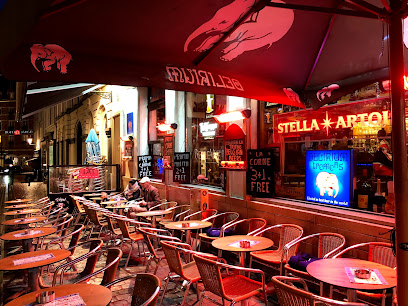
Little Delirium
0.2 km
Experience the best of Belgian beer culture at Little Delirium, a vibrant bar in the heart of Brussels with over 2,000 beers to choose from.
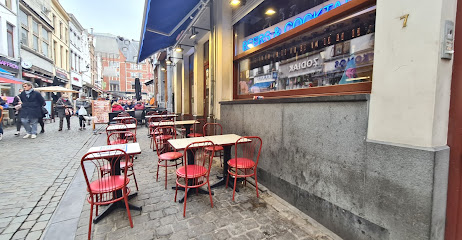
Golden Bar
0.2 km
Experience the vibrant atmosphere of Golden Bar, a top pub in Brussels offering a delightful selection of Belgian beers and a welcoming ambiance.
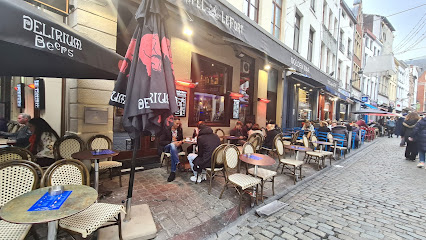
Bar Les Gens Que J'aime
0.2 km
Experience the vibrant atmosphere and local charm at Bar Les Gens Que J'aime, a must-visit bar in the heart of Brussels!
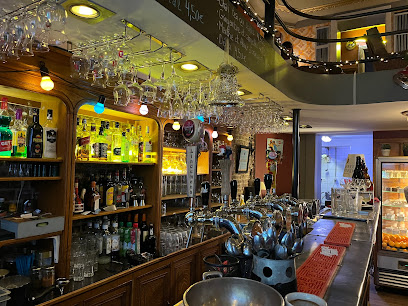
Phenix
0.3 km
Experience the vibrant nightlife of Brussels at Phenix, a cocktail bar that offers a unique blend of creative drinks and a lively atmosphere.
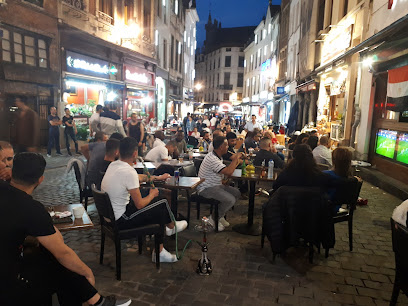
Quai des Bananes
0.3 km
Experience the vibrant nightlife at Quai des Bananes, a lively bar in Brussels offering an array of drinks and a welcoming atmosphere.
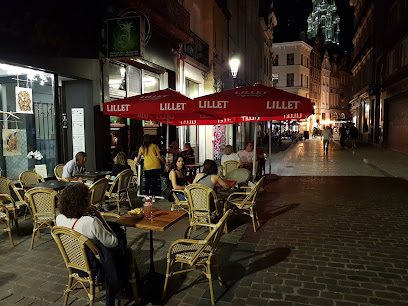
La Porte Noire
0.3 km
Experience the vibrant atmosphere and diverse beer selection at La Porte Noire, the heart of Brussels' nightlife.
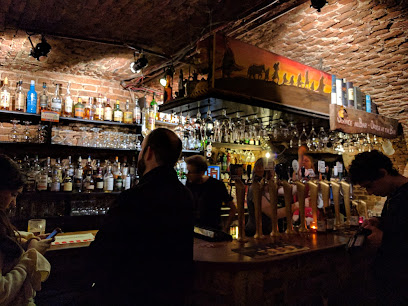
Nightclubs & after hour spots

Zodiak
0.2 km
Discover the vibrant nightlife of Brussels at Zodiak, where exceptional music, electrifying atmosphere, and unforgettable moments await.
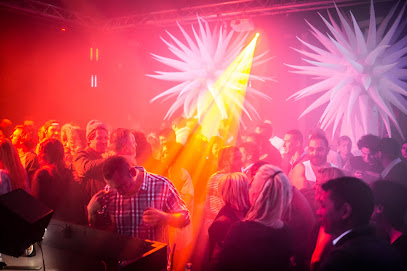
Sunset Club
0.3 km
Discover the electrifying nightlife of Sunset Club in Brussels, where vibrant music and a lively atmosphere come together for an unforgettable experience.
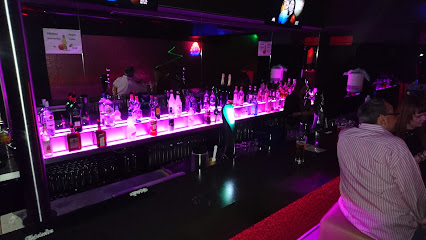
DYOUKES
0.3 km
Experience the vibrant nightlife of Brussels at DYOUKES, a disco club where music and dance unite for unforgettable nights.
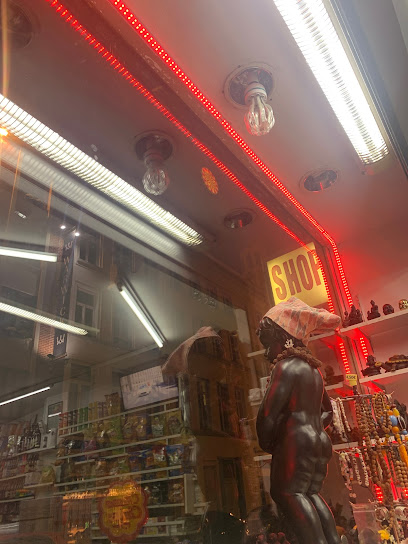
FLASH Club
0.3 km
Discover the pulsating heart of Brussels' nightlife at FLASH Club, a premier gay nightclub known for its energetic atmosphere and inclusive events.
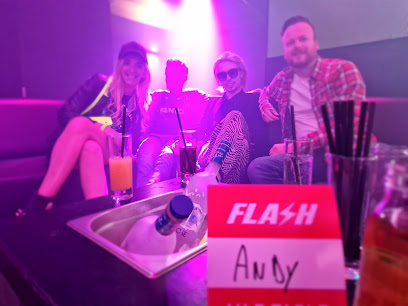
Le You
0.3 km
Experience the vibrant nightlife of Brussels at Le You, a chic night club offering eclectic music and a stylish atmosphere.
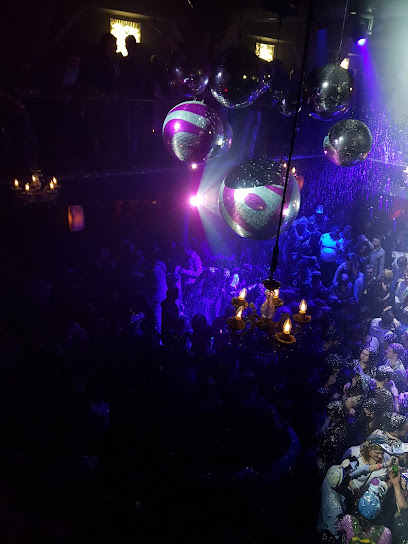
C12
0.4 km
C12 in Brussels: Discover the electrifying disco club that defines the city's vibrant nightlife with great music and an unforgettable atmosphere.
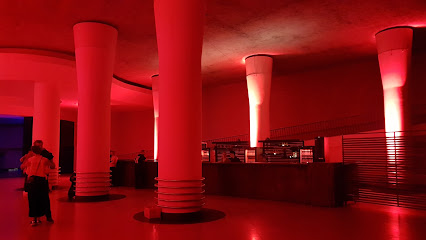
CAVE
0.4 km
Experience the vibrant nightlife at CAVE, Brussels' premier gay night club, where music, dance, and inclusivity come together.
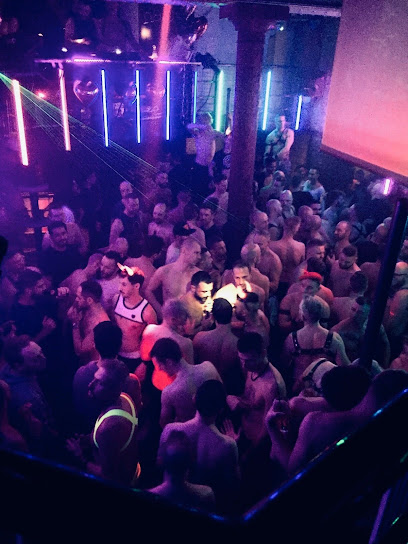
La Clave Latino's Club
0.5 km
Discover the vibrant energy of La Clave Latino's Club in Brussels, where exceptional music and lively atmosphere create unforgettable nightlife experiences.
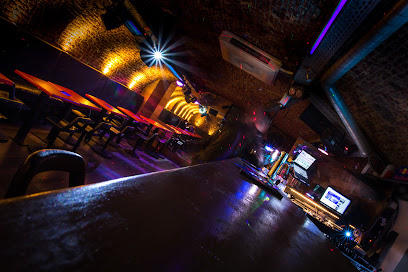
Nostalgia Club
0.5 km
Experience the vibrant nightlife of Brussels at Nostalgia Club, where music and dancing blend into an unforgettable night out.
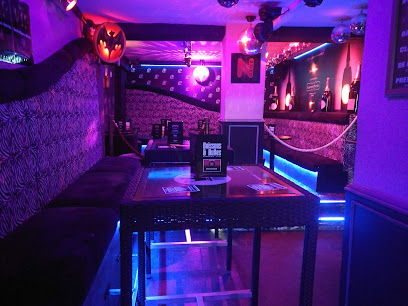
Bad Habits
0.5 km
Discover Bad Habits, Brussels' electrifying night club, where vibrant music and unforgettable nights come alive in the heart of the city.
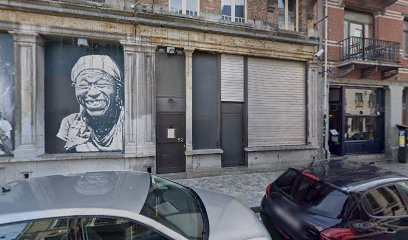
Disco Latina Bruselas
0.5 km
Dive into the heart of Brussels' nightlife at Disco Latina Bruselas, where Latin beats and vibrant energy create an unforgettable party experience.
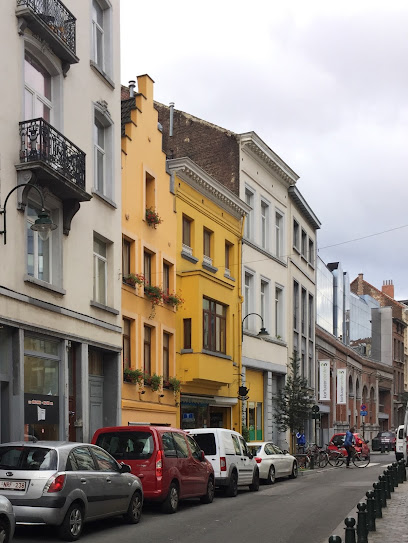
Club Clan
0.6 km
Discover Club Clan, Brussels' ultimate bar and nightclub fusion, where vibrant nightlife and eclectic entertainment come alive amidst a cosmopolitan atmosphere.
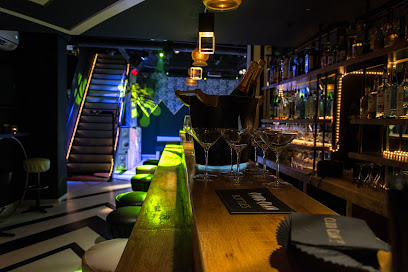
Madame Moustache
0.7 km
Discover the dynamic nightlife of Brussels at Madame Moustache, an energetic dance club blending disco, live music, and unforgettable memories.
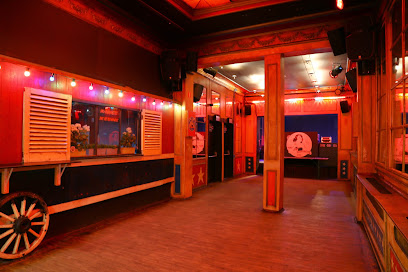
CLUB DUBAI VIP
0.8 km
CLUB DUBAI VIP: Elevate your nightlife experience in Brussels with electrifying beats and vibrant energy.
Revelation Brussels
0.8 km
Discover the electrifying nightlife at Revelation Brussels, where music and memories come alive in the heart of the city.