

Saint-Josse-ten-Noode (Brussels) Travel Guide - Free
Explore Saint-Josse-ten-Noode in Brussels with Evendo's free guide. Find the best shops, historic streets, restaurants, and gems on web or mobile.


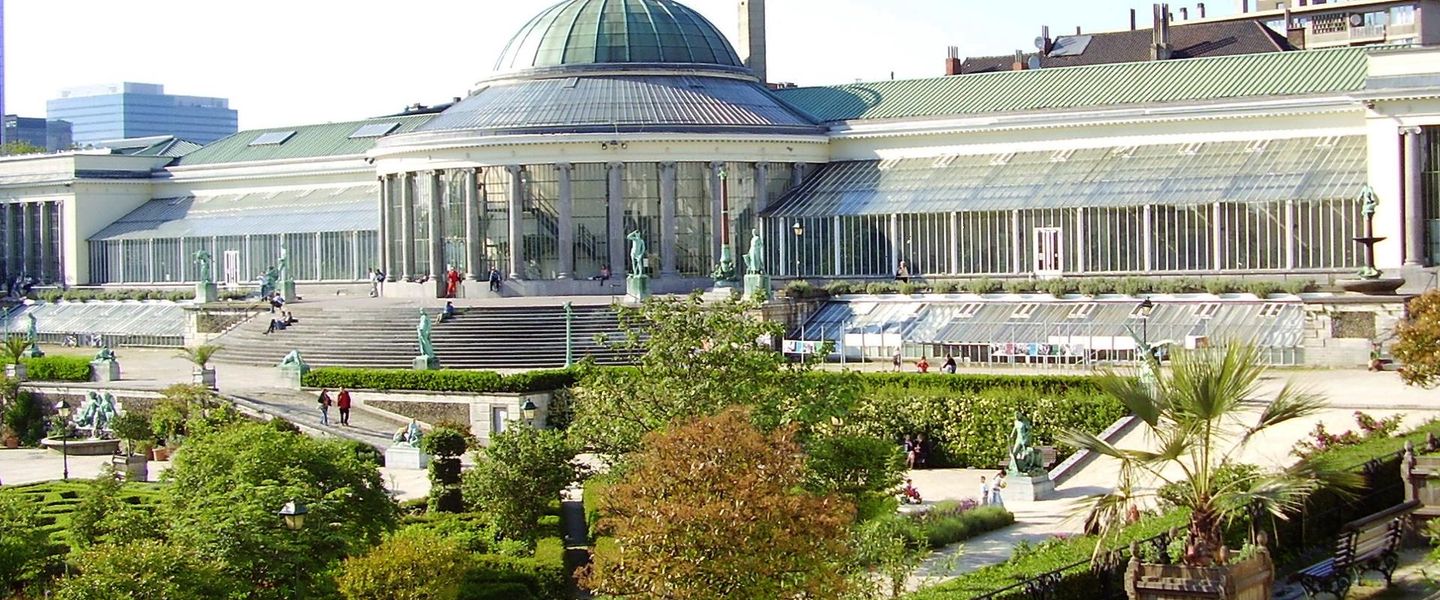


Saint-Josse-ten-Noode in Brussels blends Le Botanique, Art Nouveau streets, global food, lively squares and a central urban setting for culture and exploration.
A Small Commune with a Large Urban Presence
Saint-Josse-ten-Noode occupies a compact, densely built area immediately north-east of Brussels’ historic centre. Its streets rise from the monumental Boulevard du Jardin Botanique towards Madou and the avenues of the European Quarter, creating a neighbourhood of busy junctions, apartment blocks, late nineteenth-century townhouses and pockets of greenery. Though small in area, it has a strongly individual identity: the commune is known for its international population, intense urban life and close relationship with the cultural institutions around Le Botanique.Read more about Saint-Josse-ten-Noode
Gardens, Culture and Local Streets
A Neighbourhood Between Districts
Best attractions in Saint-Josse-ten-Noode
Le Botanique is Saint-Josse-ten-Noode’s principal visitor attraction, occupying the former botanical-garden site with its celebrated glasshouses, landscaped grounds and cultural programme of concerts, exhibitions and festivals. The gardens provide a visual link between the commune’s nineteenth-century origins and its present artistic role, while the building’s interior spaces are often as important to the experience as the outdoor grounds. The Charlier Museum offers a more intimate encounter with Brussels’ artistic heritage in a historic townhouse filled with decorative arts and period interiors. Around Place Saint-Josse, visitors can observe the everyday life of a local centre, with cafés, shops and the parish church replacing the formal scale of the main avenues. Square Armand Steurs provides a leafy public space and a useful pause on a walk through the residential streets. The nearby European Quarter and Brussels city centre should be treated as adjacent destinations, not as attractions within the commune.
-
Tourist attraction
Parc de Bruxelles
Discover Brussels' largest urban park: a neoclassical masterpiece with rich history, sculptures, and a tranquil escape in the city center.
13 min walk · 1.0 km from neighbourhood centre
-
Tourist attraction
Jeanneke Pis
Explore the whimsical Jeanneke Pis, a charming fountain in Brussels that reflects the city's playful spirit and rich cultural heritage.
15 min walk · 1.2 km from neighbourhood centre
-
Park
Botanical Garden
Explore the Botanical Garden of Brussels, an urban oasis filled with diverse flora and serene landscapes, perfect for relaxation and discovery.
6 min walk · 0.5 km from neighbourhood centre
-
Tourist attraction
I love SJTN
Experience the vibrant culture of Brussels at I Love SJTN, a must-visit tourist attraction in Saint-Josse-ten-Noode.
6 min walk · 0.5 km from neighbourhood centre


Best landmarks in Saint-Josse-ten-Noode
Le Botanique’s historic glasshouses and landscaped setting are Saint-Josse-ten-Noode’s most recognisable architectural reminder of the area’s nineteenth-century botanical past, even though the garden’s scientific collections later moved to Meise. The Charlier Museum is significant for its preserved townhouse interiors and artistic collection, offering a domestic counterpart to Brussels’ larger public museums. Saint-Josse Church and Place Saint-Josse form the historic and civic focus of the commune, while the surrounding streets retain a layered collection of nineteenth- and early twentieth-century façades, shopfronts and apartment buildings. Square Armand Steurs is another locally important landmark: its formal paths, planting and public sculpture create a carefully designed green space within a densely urban setting. The broad avenues around Madou and the Botanique illustrate later administrative and office development, but landmarks across the boundaries towards the city centre or European Quarter should not be attributed to Saint-Josse-ten-Noode itself.
-
Fountain
Jeanneke Pis
Experience the whimsical charm of Jeanneke Pis, a quirky fountain in Brussels that embodies the city's rich culture and humor.
15 min walk · 1.2 km from neighbourhood centre
-
Park
Botanical Garden
Experience the tranquility and natural beauty of the Botanical Garden in Brussels, a perfect escape from the city's hustle and bustle.
6 min walk · 0.5 km from neighbourhood centre
-
Park
Square Armand Steurs
Explore the tranquil beauty of Square Armand Steurs, a serene park in Saint-Josse-ten-Noode, perfect for relaxation and picturesque moments in Brussels.
8 min walk · 0.6 km from neighbourhood centre
-
Tourist attraction
Crypt of the Martyrs' Square
Explore the serene and historic Crypt of the Martyrs' Square in Brussels, a unique tourist attraction reflecting Belgium's rich heritage and architectural beauty.
12 min walk · 1.0 km from neighbourhood centre


Explore Saint-Josse-ten-Noode on the map
A handpicked selection of must-see spots in Saint-Josse-ten-Noode, mapped for you.
Best hotels in Saint-Josse-ten-Noode
Best restaurants in Saint-Josse-ten-Noode
Saint-Josse-ten-Noode’s dining scene reflects its dense, international population more than a single signature cuisine. Around Place Saint-Josse and the streets leading towards Madou, visitors encounter cafés, bakeries, casual restaurants and small food businesses serving a broad range of European, North African, Middle Eastern and other international influences. The area is particularly suited to informal eating between cultural visits, with everyday establishments often integrated directly into residential streets rather than concentrated in a purpose-built restaurant quarter. The vicinity of Le Botanique adds café and pre- or post-performance options, while the larger commercial food areas around Brussels-North are close but partly outside the commune. Visitors should distinguish Saint-Josse’s local businesses from the more heavily promoted dining districts of central Brussels: its appeal lies in variety, accessibility and ordinary neighbourhood trade rather than a long list of destination restaurants or formal culinary institutions.
-
Italian
La Mamma
Experience authentic Italian cuisine at La Mamma, where every dish is made with passion and tradition in the heart of Saint-Josse-ten-Noode.
7 min walk · 0.6 km from neighbourhood centre
-
Italian
La Sardegna
Discover authentic Italian cuisine at La Sardegna in Saint-Josse-ten-Noode - a culinary journey filled with flavor and warmth.
9 min walk · 0.7 km from neighbourhood centre
-
Restaurant
Restaurant Le Royal
Experience authentic Syrian cuisine at Restaurant Le Royal in Brussels—where tradition meets taste in every bite.
9 min walk · 0.8 km from neighbourhood centre
-
Restaurant
Le Millenium
Discover affordable Belgian cuisine at Le Millenium in Saint-Josse-ten-Noode, where quality meets warmth and flavor.
5 min walk · 0.4 km from neighbourhood centre


Best bars in Saint-Josse-ten-Noode
Evenings in Saint-Josse-ten-Noode are shaped chiefly by Le Botanique’s concerts, festivals and cultural events, together with small cafés and bars around the main streets and squares. The neighbourhood does not have the concentrated club scene associated with Brussels’ central nightlife quarters, but its location makes it useful for a cultural evening that can continue towards the city centre or the bars around nearby transport corridors. After performances, the area around the Botanique remains connected and active, while residential streets quickly become quieter away from the major avenues. The local atmosphere is mixed rather than exclusively nocturnal: international office activity around Madou, neighbourhood cafés and cultural audiences overlap without creating one uniform entertainment district. Check individual venue programmes in advance, since performances and opening patterns vary and should not be assumed from the surrounding streets.
-
Bar
Le vieux Saint Josse
Discover the vibrant atmosphere and extensive drink selection at Le Vieux Saint Josse, a charming bar in the heart of Brussels.
7 min walk · 0.6 km from neighbourhood centre
-
Bar
Bar rouge - Bruxelles
Experience the vibrant nightlife of Brussels at Bar Rouge, where signature cocktails and a lively atmosphere come together for an unforgettable night out.
10 min walk · 0.8 km from neighbourhood centre
-
Bar
Le Capitain
Experience the vibrant nightlife and warm atmosphere at Le Capitain, a beloved bar in the heart of Saint-Josse-ten-Noode, Brussels.
3 min walk · 0.2 km from neighbourhood centre
-
Lounge
Hannibal Lounge Bar
Discover the vibrant nightlife at Hannibal Lounge Bar in Saint-Josse-ten-Noode, where chic ambiance meets expertly crafted cocktails.
10 min walk · 0.8 km from neighbourhood centre


Best nightclubs in Saint-Josse-ten-Noode
Evenings in Saint-Josse-ten-Noode are shaped chiefly by Le Botanique’s concerts, festivals and cultural events, together with small cafés and bars around the main streets and squares. The neighbourhood does not have the concentrated club scene associated with Brussels’ central nightlife quarters, but its location makes it useful for a cultural evening that can continue towards the city centre or the bars around nearby transport corridors. After performances, the area around the Botanique remains connected and active, while residential streets quickly become quieter away from the major avenues. The local atmosphere is mixed rather than exclusively nocturnal: international office activity around Madou, neighbourhood cafés and cultural audiences overlap without creating one uniform entertainment district. Check individual venue programmes in advance, since performances and opening patterns vary and should not be assumed from the surrounding streets.
-
Disco club
Mirano Bruxelles
Discover the vibrant nightlife of Mirano Bruxelles, a premier disco club in Brussels offering an electrifying atmosphere and unforgettable dance experiences.
6 min walk · 0.5 km from neighbourhood centre
-
Night club
La Piquette
Experience the vibrant nightlife at La Piquette, a premier night club in Saint-Josse-ten-Noode, renowned for its energetic atmosphere and diverse music scene.
4 min walk · 0.3 km from neighbourhood centre
-
Lounge
Black Pearl
Experience the vibrant atmosphere of Black Pearl, a chic lounge in Saint-Josse-ten-Noode, known for exquisite cocktails and inviting ambiance.
3 min walk · 0.2 km from neighbourhood centre
-
Disco club
Not In Club
Dive into the vibrant nightlife of Brussels at Not In Club, a disco haven for music lovers and party enthusiasts.
7 min walk · 0.5 km from neighbourhood centre


Best shops in Saint-Josse-ten-Noode
Shopping in Saint-Josse-ten-Noode is based largely on local commerce rather than a single prestige shopping street. Around Place Saint-Josse and along the routes towards Madou, independent food shops, bakeries, cafés, convenience stores, salons and specialist businesses serve residents from the commune’s many communities. The varied shopfronts are part of the neighbourhood’s character, with everyday groceries and international ingredients often more prominent than souvenir retail or luxury fashion. Visitors interested in books, design or larger-scale shopping will find more concentrated choices in central Brussels and the nearby upper-city districts, while the commercial areas around Brussels-North extend beyond the commune. Browsing here is therefore less about a curated retail circuit than about reading the street life: signs in French, Dutch and other languages, small family businesses and practical shops reveal the area’s social diversity more clearly than a conventional shopping centre would.
-
Used clothing store
Spullenhulp
Explore Spullenhulp: A Unique Boutique for Vintage Clothing and Sustainable Fashion in Saint-Josse-ten-Noode.
6 min walk · 0.5 km from neighbourhood centre
-
Gift shop
ELMAS HOME
Discover ELMAS HOME, a charming gift shop in Saint-Josse-ten-Noode, offering unique treasures from floral arrangements to stylish decor.
8 min walk · 0.7 km from neighbourhood centre
-
Grocery store
Night Shop
Explore local flavors at Night Shop, your destination for authentic Belgian groceries and artisanal products in Saint-Josse-ten-Noode.
8 min walk · 0.7 km from neighbourhood centre
-
Store
ODIN'S DISCOUNT STORE
Explore Odin's Discount Store in Brussels for unique finds and unbeatable prices, perfect for tourists seeking local treasures.
8 min walk · 0.7 km from neighbourhood centre


Saint-Josse-ten-Noode essentials
Getting There
Getting Around
Safety
Emergency Situations
Do's and Don'ts
Local Tips

From Eve
Local phrases worth knowing
You don't need to get them perfect. A few words go a long way, and locals appreciate the effort.
Basics
| English | Local | Say it |
|---|---|---|
| Hello | Bonjour | [bon-zhoor] |
| Goodbye | Au revoir | [oh re-vwar] |
| Yes | Oui | [wee] |
| No | Non | [nohn] |
| Please/You're welcome | S'il vous plaît/De rien | [seel voo pleh/dee ryen] |
| Thank you | Merci | [mer-see] |
| Excuse me/Sorry | Excusez-moi/Désolé | [ex-koo-zay mwah/day-zo-lay] |
| How are you? | Comment ça va? | [kom-mohn sah vah] |
| Fine. And you? | Bien. Et vous? | [byen. ay voo] |
| Do you speak English? | Parlez-vous anglais? | [par-lay voo ahn-glay] |
| I don't understand | Je ne comprends pas | [zhuh nuh kohm-prahn pah] |
Eating & Drinking
| English | Local | Say it |
|---|---|---|
| I'd like to see the menu, please | Je voudrais voir la carte, s'il vous plaît | [zhuh voo-dray vwahr lah kart, seel voo pleh] |
| I don't eat meat | Je ne mange pas de viande | [zhuh nuh mahnzh pah duh vyand] |
| Cheers! | Santé! | [sahn-tay] |
| I would like to pay, please | Je voudrais payer, s'il vous plaît | [zhuh voo-dray pay-yay, seel voo pleh] |
Emergencies
| English | Local | Say it |
|---|---|---|
| Help! | Au secours! | [oh se-koor] |
| Go away! | Allez-vous-en! | [ah-lay voo zahn] |
| Call the Police! | Appelez la police! | [ah-puh-lay lah poh-lees] |
| Call a doctor! | Appelez un médecin! | [ah-puh-lay uh mayd-sahn] |
| I'm lost | Je suis perdu | [zhuh swee pehr-doo] |
| I'm ill | Je suis malade | [zhuh swee mah-lahd] |
Shopping
| English | Local | Say it |
|---|---|---|
| I'd like to buy... | Je voudrais acheter... | [zhuh voo-dray zah-sheh-tay] |
| I'm just looking | Je regarde juste | [zhuh ruh-gard zhust] |
| How much is it? | Combien ça coûte? | [kohm-byen sah koot] |
| That's too expensive | C'est trop cher | [say troh shair] |
| Can you lower the price? | Pouvez-vous baisser le prix? | [poo-veh voo bay-say luh pree] |
Time & Numbers
| English | Local | Say it |
|---|---|---|
| What time is it? | Quelle heure est-il? | [kell uhr ay-teel] |
| It's one o'clock | Il est une heure | [eel ay uhn uhr] |
| Half past (10) | Dix et demi | [dees ay duh-mee] |
| Morning | Matin | [mah-tan] |
| Afternoon | Après-midi | [ah-pray mee-dee] |
| Evening | Soir | [swahr] |
| Yesterday | Hier | [yehr] |
| Today | Aujourd'hui | [oh-zhoor-dwee] |
| Tomorrow | Demain | [duh-man] |
| 1 | Un | [uhn] |
| 2 | Deux | [duh] |
| 3 | Trois | [twah] |
| 4 | Quatre | [ka-truh] |
| 5 | Cinq | [sank] |
| 6 | Six | [sees] |
| 7 | Sept | [set] |
| 8 | Huit | [wheet] |
| 9 | Neuf | [nuff] |
| 10 | Dix | [dees] |
Transport & Directions
| English | Local | Say it |
|---|---|---|
| Where's a/the...? | Où est un/le...? | [oo ay uh/luh] |
| What's the address? | Quelle est l'adresse? | [kell ay lah-dress] |
| Can you show me (on the map)? | Pouvez-vous me montrer (sur la carte)? | [poo-veh voo muh mohn-tray (soor lah kart)] |
| When's the next (bus)? | Quand est le prochain (bus)? | [kahn ay luh proh-shahn (bus)] |
| A ticket (to ....) | Un billet (pour ....) | [uhn bee-yay (poor)] |
History of Saint-Josse-ten-Noode
From Rural Parish to Urban Commune
Saint-Josse-ten-Noode began as a small settlement outside the medieval walls of Brussels, associated with the parish of Saint-Josse and the rural landscape traditionally called Noode. The name is generally linked to Saint Judoc, while the second element refers to the former locality rather than a modern administrative division. For centuries the area consisted of farmland, country residences and roads leading towards Brussels. Its proximity to the expanding capital gradually changed that balance, and the commune took shape as an independent municipal entity during the administrative reorganisations of the French period at the end of the eighteenth century.
The Botanical Garden Arrives
A decisive change came in the nineteenth century with the creation of Brussels’ botanical garden in the area now occupied by Le Botanique. Founded in 1826 by the Société Royale d’Horticulture des Pays-Bas, the garden combined scientific study, horticulture and public display. Its glasshouses became a major architectural feature, while the surrounding grounds encouraged the development of promenades and new urban routes. As Brussels expanded, the former rural edge was absorbed into a continuous city, and Saint-Josse increasingly acquired the dense residential and institutional character that defines it today.
Nineteenth-Century Urbanisation
During the nineteenth century, Saint-Josse-ten-Noode was transformed by rapid building and improved connections with the centre of Brussels. Terraced houses, workshops, schools, churches and municipal buildings filled spaces once occupied by gardens and fields, while major avenues established more formal links towards the royal quarter and the developing northern districts. The commune’s compact scale encouraged a mixture of social groups and land uses: elegant residences stood near more modest housing, commercial premises and rented rooms. This layered nineteenth-century fabric remains visible in many streets around Place Saint-Josse and the Botanique area.
Art, Migration and Changing Communities
The built-up commune became associated with artists, cultural institutions and an increasingly international population during the twentieth century. The Charlier Museum preserves the atmosphere of a collector’s townhouse and reflects the artistic networks that developed in Brussels around the turn of the century. Meanwhile, migration reshaped local commerce, religious life and everyday street culture, adding businesses and communities from many parts of the world. The botanical garden’s scientific collections were eventually transferred to Meise in the twentieth century, while its former urban site took on a new role as Le Botanique, a major cultural venue.
Contemporary Saint-Josse-ten-Noode
In recent decades, Saint-Josse-ten-Noode has remained one of Brussels’ most densely settled and socially diverse communes, positioned between the historic centre, the northern transport corridors and the European Quarter. Public investment, office development and changing housing demand have altered parts of the streetscape without erasing its older residential structure. Le Botanique continues to give the area a city-wide cultural presence, while local squares, small businesses and community institutions maintain its neighbourhood character. The contrast between international institutions, creative venues and everyday urban life is central to its contemporary identity.
Saint-Josse-ten-Noode in Photos
Browse through our photo collection highlighting the charm and character of the destination.
Neighbourhoods near Saint-Josse-ten-Noode
The closest neighbourhoods to Saint-Josse-ten-Noode, if you have time for more than one stop.
-

-

-

-

-


Swipe for more neighbourhoods
Explore more

Explore more of Brussels
Brussels blends Grand Place splendour, Art Nouveau architecture, comic-strip culture, Belgian chocolate, museums and lively neighbourhoods for memorable breaks.
Explore Brussels