

Free Hesbaye Travel Guide & Mobile App
Explore Hesbaye with free travel guides. Discover regional history, expert tips, proposed trips, and audio guides on web or mobile app.


Explore Hesbaye’s loess fields, Roman heritage, fruit orchards, historic farms and cycling routes across central Belgium’s bilingual countryside.
Read more about Hesbaye
When is the best time to visit Hesbaye?
Best: June–August · 21–23°C| Month | High (°C) | Rainfall (mm) |
|---|---|---|
| January | 6 | 60 |
| February | 7 | 50 |
| March | 11 | 60 |
| April | 14 | 50 |
| May | 18 | 60 |
| June (best) | 21 | 70 |
| July (best) | 23 | 70 |
| August (best) | 22 | 70 |
| September | 19 | 60 |
| October | 14 | 60 |
| November | 9 | 60 |
| December | 6 | 60 |
Getting to and around Hesbaye
How to get there
Transportation
Top city travel guides in Hesbaye
The cities of Hesbaye, and the easiest places to base yourself.
-

-

-

-

-

-


Swipe for more cities
Destinations in Hesbaye
Resorts, valleys and scenic spots worth a trip of their own.
-

-
-


Swipe for more destinations
Best attractions in Hesbaye
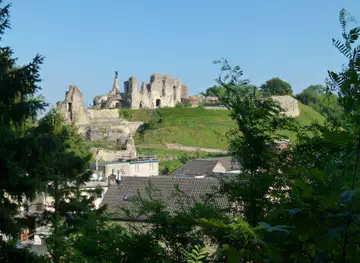
Hesbaye’s attractions are dispersed across an agricultural landscape rather than concentrated in one resort town. In Sint-Truiden, the former abbey complex, historic churches and surrounding fruit country provide a strong introduction to Flemish Haspengouw. Tienen offers the Sugar Museum and a townscape shaped by the beet industry, while Tongeren, on the eastern edge of the wider Haspengouw area, is known for its Roman and medieval heritage. In Wallonia, Waremme, Hannut, Jodoigne, Perwez and Gembloux make useful bases for exploring village churches, large farm complexes and local collections. The Domaine provincial d’Hélécine combines parkland and recreational facilities with a historic château setting. Roman tumuli, including the one at Glimes, add archaeological interest, while cycling and walking routes reveal the region’s orchards, field churches and open horizons. The visitor experience is primarily one of landscape, local history and seasonal agriculture, with museums and heritage sites providing context rather than forming a dense chain of major attractions.
-
Tourist attraction
Aqualibi
Dive into fun at Aqualibi, Wavre's top water park with thrilling slides and relaxing pools for the whole family to enjoy.
-
Tourist attraction
Villers Abbey
Discover the historical beauty of Villers Abbey, a serene former monastery set in breathtaking gardens, perfect for a peaceful escape in Belgium.
-
Tourist attraction
Lion's Mound
Explore the Lion's Mound in Belgium, a monumental site honoring the historic Battle of Waterloo, with stunning views and rich historical significance.
-
Army museum
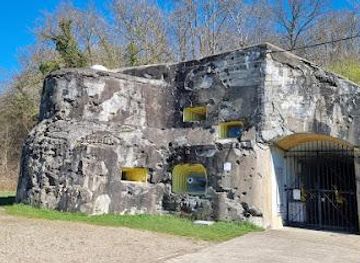
Fort Eben-Emael
Discover the rich history of Fort Eben-Emael, a remarkable military fortress near Liège, Belgium, showcasing World War II heritage and stunning views.


Best landmarks in Hesbaye
Hesbaye’s landmarks are closely tied to agriculture, religion and long-distance movement across the plateau. The former Abbey of Saint-Trond and the historic churches of Sint-Truiden form the most substantial urban heritage ensemble in the Flemish part of the region, while Tienen’s churches and civic buildings reflect centuries of commercial and sugar-industry development. The large brick-and-stone quadrilateral farms around Hannut, Waremme, Jodoigne and Éghezée are important architectural markers of Hesbaye’s grain economy, even when they remain working or privately occupied properties. The Neolithic and Gallo-Roman tumuli, particularly the prominent tumulus at Glimes, give physical form to the region’s ancient history. Villages such as Fallais retain a strong rural castle-and-church setting, while the château and park at Hélécine represent the estate tradition of the western plateau. War memorials and battlefield markers around Hannut recall the armoured fighting of 1940, adding a modern military layer to an otherwise agricultural landscape.
-
Plaza
Grand Place
Explore Grand Place, a stunning UNESCO World Heritage site in Brussels, where rich history and breathtaking architecture await every traveler.
-
Tourist attraction
Atomium
Explore the iconic Atomium in Brussels, a cultural landmark with breathtaking views, fascinating exhibits, and a unique glimpse into local history.
-
Fountain
Manneken Pis
Discover the whimsical charm of Manneken Pis, the iconic fountain in Brussels that embodies the city's playful spirit and rich cultural heritage.
-
Castle
Gravensteen
Discover the enchanting Gravensteen Castle in Ghent, a historic gem that offers an immersive journey into Belgium's medieval past.


Explore Hesbaye on the map
Plan your trip on one map. See where the top cities, national parks and sights are, and book hotels and experiences in a few clicks.
Best hotels in Hesbaye
Best restaurants in Hesbaye
Dining in Hesbaye reflects the region’s farming economy and its position between the culinary traditions of Wallonia and Flanders. Menus in town restaurants, cafés and rural inns commonly draw on Belgian staples, seasonal vegetables, pork, poultry, stews, farmhouse cheeses and the region’s abundant apples and pears. Liège syrup, a dark fruit spread traditionally made from cooked fruit, is strongly associated with the wider Liège area and appears in regional cooking, alongside breads, tarts and other bakery products. Around Sint-Truiden and eastern Haspengouw, orchards support fruit juices, syrups and seasonal produce sold directly from farms. Tienen’s sugar heritage is an important part of the local food story, although sugar is an industry rather than a single regional dish. Markets and farm shops are useful for discovering fruit, local beers and prepared specialities, while larger towns offer Belgian brasseries, modern cafés and international food.
-
Restaurant
The blue
Experience authentic Belgian cuisine at The Blue in Brussels – where local flavors meet warm hospitality.
-
Restaurant
Chez Jannine
Discover authentic Belgian flavors at Chez Jannine in Huy - a must-visit restaurant for food lovers exploring Belgium.
-
Fine Dining
L’air du temps
Experience unparalleled fine dining at L’air du temps in Éghezée – where culinary artistry meets seasonal flavors.
-
Belgian
Bistro Belgo Belge
Experience authentic Belgian cuisine at Bistro Belgo Belge in Namur – where every dish tells a story of flavor and tradition.


Best bars in Hesbaye
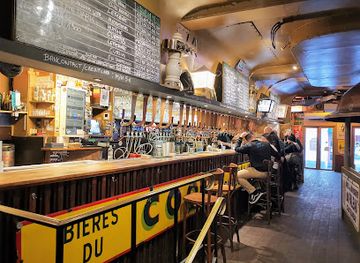
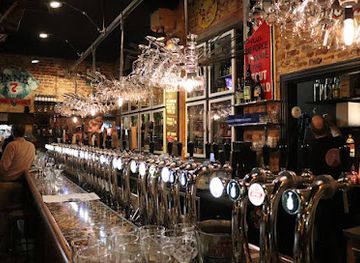
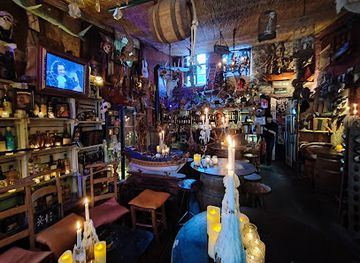
Hesbaye has a low-key evening culture rather than a large club scene. In Waremme, Hannut, Jodoigne, Tienen, Sint-Truiden and Gembloux, evenings centre on cafés, brasseries, beer bars and restaurants, with the most varied choice found in the larger towns and university-oriented Gembloux. Village establishments are often traditional cafés or pubs where local residents meet, and some venues host occasional live music or community events. Belgian beer is widely available, but tasting it is not essential to engaging with the region’s culture. Nightlife becomes quieter outside town centres, and rural accommodation may be some distance from evening venues. Visitors should check current arrangements locally, especially for smaller bars and seasonal events, rather than expecting a continuous nightlife district.
-
Bar
Delirium Café
Explore the vibrant Delirium Café in Brussels, home to over 2,000 beer varieties and a lively atmosphere perfect for tourists and locals alike.
-
Bar
Barnabeer
Discover Barnabeer in Namur, a vibrant bar and café offering an extensive selection of beers and a cozy atmosphere perfect for relaxation.
-
Restaurant
O'Malley Pub
Discover the taste of Ireland at O'Malley Pub in Huy, where tradition meets local flavor in a cozy atmosphere.
-
Bar
Tortuga
Experience the vibrant nightlife of Durbuy at Tortuga, a lively bar offering local drinks and a warm atmosphere in the heart of Belgium.

Best nightclubs in Hesbaye
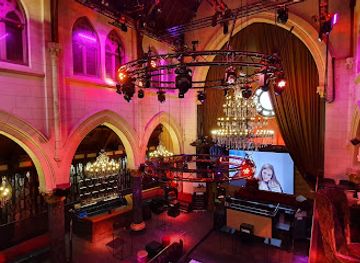
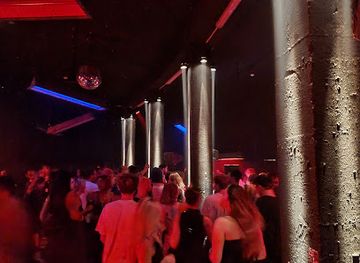
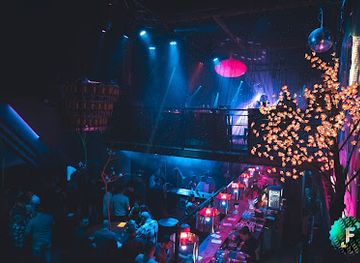
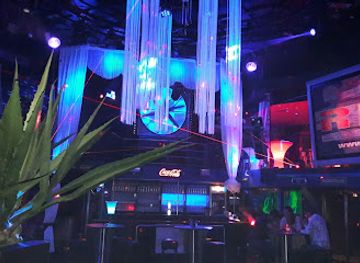
Hesbaye has a low-key evening culture rather than a large club scene. In Waremme, Hannut, Jodoigne, Tienen, Sint-Truiden and Gembloux, evenings centre on cafés, brasseries, beer bars and restaurants, with the most varied choice found in the larger towns and university-oriented Gembloux. Village establishments are often traditional cafés or pubs where local residents meet, and some venues host occasional live music or community events. Belgian beer is widely available, but tasting it is not essential to engaging with the region’s culture. Nightlife becomes quieter outside town centres, and rural accommodation may be some distance from evening venues. Visitors should check current arrangements locally, especially for smaller bars and seasonal events, rather than expecting a continuous nightlife district.
-
Disco club
Spirito Brussels
Discover the enchanting nightlife at Spirito Brussels, a chic disco club offering a blend of music, dance, and vibrant social vibes.
-
Disco club
C12
Discover the electrifying nightlife at C12, Brussels' go-to disco club for an unforgettable party experience filled with music, dancing, and vibrant energy.
-
Disco club
FLAGDEL
Discover the vibrant nightlife of Namur at FLAGDEL, a premier disco club and bar where unforgettable memories are made every weekend.
-
Disco club
Rio club
Discover the ultimate nightlife experience at Rio Club, a stylish disco club in Sint-Katelijne-Waver offering electrifying music and unforgettable moments.
Best shops in Hesbaye
Shopping in Hesbaye is centred on market towns, town-centre streets, food producers and seasonal markets rather than large-scale destination retail. Tienen, Sint-Truiden, Waremme, Hannut, Jodoigne and Gembloux offer everyday shops, cafés, bakeries and independent businesses, with larger retail choice generally concentrated around the principal towns. Farm shops and orchard stalls are particularly worthwhile in eastern Haspengouw, where apples, pears, juices, syrups and other preserved fruit products reflect the local agricultural economy. Belgian beers, chocolate and biscuits are available throughout the country, but regional fruit products and goods connected with Tienen’s sugar heritage provide more specifically Hesbayan souvenirs. Antiques, books, craft items and local food appear at changing markets and village events; check local tourist information for current days, as market schedules vary between municipalities.
-
Gift shop
Action
Discover a diverse range of gifts, home goods, and hobby supplies at Action Gift Shop in Wanze, perfect for all your shopping needs.
-
Second hand store
Cash Converters Huy
Explore unique treasures at Cash Converters Huy, where second-hand goods meet great value in the heart of Belgium.
-
Home improvement store
Hubo
Explore Hubo in Wanze, Belgium, your one-stop-shop for home improvement, DIY supplies, and gardening essentials.
-
Home improvement store
Hubo Huy
Explore Hubo Huy for all your home improvement needs in Belgium, featuring a wide range of tools, hardware, and gardening supplies.


Get your free copy of our complete guide to Hesbaye, delivered straight to you.
Everything on this page, from attractions and restaurants to essentials and local phrases, in one PDF you can read offline, print or share.
Already have an account? Sign in
Your Hesbaye guide is ready.
We'll send it to · Not you? Sign out

Getting your guide ready…
We are putting together a fresh copy of the Hesbaye guide. This can take up to a minute.
This can take a few moments. If your browser asks, choose Allow so the download can start. You'll find the guide in your Downloads folder.
Nothing happened? Download it again
Sorry, the guide is taking longer than usual. Please try again in a minute, or get it by email instead.
Hesbaye essentials
Currency and Payment
Safety
Emergency Situations
Do's and Don'ts
Local Tips
From Eve
Local phrases worth knowing
You don't need to get them perfect. A few words go a long way, and locals appreciate the effort.
Basics
| English | Local | Say it |
|---|---|---|
| Hello | Salut | [sah-loo] |
| Goodbye | Au revoir | [oh ruh-vwahr] |
| Yes | Oui | [wee] |
| No | Non | [noh] |
| Please/You're welcome | S'il vous plaît / De rien | [seel voo pleh / duh ree-ehn] |
| Thank you | Merci | [mehr-see] |
| Excuse me/Sorry | Excusez-moi / Désolé | [ehk-skew-zay mwah / day-zoh-lay] |
| How are you? | Comment ça va? | [koh-mohn sah vah] |
| Fine. And you? | Bien. Et vous? | [byahn. eh voo] |
| Do you speak English? | Parlez-vous anglais? | [par-lay voo ahn-glay] |
| I don't understand | Je ne comprends pas | [zhuh nuh kohm-prahn pah] |
Eating & Drinking
| English | Local | Say it |
|---|---|---|
| I'd like to see the menu, please | Je voudrais voir le menu, s'il vous plaît | [zhuh voo-dray vwar luh meh-nu, seel voo pleh] |
| I don't eat meat | Je ne mange pas de viande | [zhuh nuh mahnj pah duh vyahnd] |
| Cheers! | Santé! | [sahn-tay] |
| I would like to pay, please | Je voudrais payer, s'il vous plaît | [zhuh voo-dray pay-ay, seel voo pleh] |
Emergencies
| English | Local | Say it |
|---|---|---|
| Help! | Au secours! | [oh suh-koor] |
| Go away! | Allez-vous-en! | [ah-lay voo zahn] |
| Call the Police! | Appelez la police! | [ah-peh-lay lah poh-lees] |
| Call a doctor! | Appelez un médecin! | [ah-peh-lay uhn may-deh-sahn] |
| I'm lost | Je suis perdu | [zhuh swee pair-doo] |
| I'm ill | Je suis malade | [zhuh swee mah-lahd] |
Shopping
| English | Local | Say it |
|---|---|---|
| I'd like to buy... | Je voudrais acheter... | [zhuh voo-dray ah-sheh-tay] |
| I'm just looking | Je regarde juste | [zhuh ruh-gard zhust] |
| How much is it? | C'est combien? | [say kohm-byen] |
| That's too expensive | C'est trop cher | [say troh shair] |
| Can you lower the price? | Pouvez-vous baisser le prix? | [poo-vay voo beh-say luh pree] |
Time & Numbers
| English | Local | Say it |
|---|---|---|
| What time is it? | Quelle heure est-il? | [kel uhr eh-teel] |
| It's one o'clock | Il est une heure | [eel eh ewn uhr] |
| Half past (10) | Dix heures et demie | [dees uhr eh duh-mee] |
| Morning | Matin | [ma-tahn] |
| Afternoon | Après-midi | [ah-pray mee-dee] |
| Evening | Soir | [swahr] |
| Yesterday | Hier | [ee-air] |
| Today | Aujourd'hui | [oh-zhoor-dwee] |
| Tomorrow | Demain | [duh-mahn] |
| 1 | Un | [uhn] |
| 2 | Deux | [duh] |
| 3 | Trois | [trwah] |
| 4 | Quatre | [kat-ruh] |
| 5 | Cinq | [sank] |
| 6 | Six | [sees] |
| 7 | Sept | [set] |
| 8 | Huit | [weet] |
| 9 | Neuf | [nuhf] |
| 10 | Dix | [dees] |
Transport & Directions
| English | Local | Say it |
|---|---|---|
| Where's a/the...? | Où est un/une...? | [oo eh uhn/oon] |
| What's the address? | Quelle est l'adresse? | [kel eh lah-dress] |
| Can you show me (on the map)? | Pouvez-vous me montrer (sur la carte)? | [poo-vay voo muh mohn-tray (sur lah kart)] |
| When's the next (bus)? | Quand est le prochain (bus)? | [kahn eh luh pro-shen (boos)] |
| A ticket (to ....) | Un billet (pour ....) | [uhn bee-yay (poor ....)] |
History of Hesbaye
Neolithic Farming on the Loess Plateau
Hesbaye’s fertile loess soils attracted some of the earliest farming communities in what is now Belgium. Neolithic settlements cultivated cereals and kept livestock on a landscape that had previously been dominated by woodland and open habitats. Archaeological evidence from the plateau includes settlement traces, worked flint and burial monuments. The region’s agricultural importance is therefore not a recent development: its soils have supported intensive cultivation for thousands of years. Although most early sites are not presented as large visitor monuments, the surviving tumuli and archaeological collections provide a way to understand the deep origins of Hesbaye’s open-field landscape.
Roman Roads, Villas and Tumuli
Roman administration gave Hesbaye a more formal network of roads linking settlements and military or commercial centres across central Belgium. The plateau’s fertile land supported villas and estate agriculture, while routes connected the area with places such as Tongeren and regional centres farther west. Burial mounds, including the tumulus at Glimes in Walloon Brabant, remain visible reminders of Roman-era society. Modern roads and field boundaries do not always follow the ancient alignments, but the region’s strategic position and agricultural productivity continued to shape settlement long after Roman political power disappeared.
Medieval Abbeys and Rival Territories
During the medieval period, Hesbaye lay across overlapping spheres of influence, notably the Principality of Liège and the Duchy of Brabant. Churches, monasteries and abbeys acquired extensive land, encouraged cultivation and helped organise villages. Sint-Truiden developed around the powerful Abbey of Saint-Trond, while other religious institutions shaped the countryside through estates and tithes. Fortified sites and seigneurial residences reflected the region’s position between competing political powers. Much of the later landscape of compact villages, parish churches and substantial farm complexes has roots in these medieval landholding systems.
Large Farms and Agricultural Consolidation
From the early modern period into the nineteenth century, Hesbaye became one of Belgium’s principal grain-producing areas. Large enclosed or quadrilateral farms, often built in brick with local stone details, managed extensive fields and stored crops, livestock and equipment around a central courtyard. Population growth and improved farming methods intensified cultivation, while towns served as local markets and administrative centres. The region’s architecture and road pattern still record this agricultural economy. In places such as Jodoigne, Hannut and Waremme, rural prosperity was expressed through substantial farm buildings rather than dense industrial streets.
Sugar Beet and Industrial Agriculture
The growth of sugar-beet cultivation and beet processing in the nineteenth and twentieth centuries added an important industrial dimension to Hesbaye’s farming economy. Tienen became particularly associated with sugar production, while railways made it easier to move agricultural goods, machinery and workers. Sugar factories and related employment connected rural communities to national and international markets. The industry also encouraged crop specialisation and changed seasonal patterns of labour. The Sugar Museum in Tienen interprets this history, while the continuing fields of beet, grain and fruit show how industrial agriculture remains part of the region’s identity.
The First World War and Occupation
Hesbaye experienced military movement, requisitioning and occupation during the First World War because its roads and open plateau were important for armies travelling through Belgium. Villages and railway corridors became part of a wider wartime landscape that included evacuation, shortages and disruption to farming. The effects were particularly severe in communities close to strategic routes. War memorials and local archives preserve memories of the period, although the region is less associated with battlefield tourism than parts of West Flanders. Its agricultural character makes the scale of wartime transformation especially apparent.
The Battle of Hannut, 1940
In May 1940, the area around Hannut and Gembloux became the scene of major armoured fighting during the German invasion of Belgium and France. The Battle of Hannut, fought between German and Allied forces, is often regarded as one of the first large tank engagements of the Second World War. The open terrain allowed armoured units to manoeuvre, while nearby roads and villages became militarily significant. Although the battle did not prevent the wider German advance, it remains an important chapter in Hesbaye’s twentieth-century history, commemorated through local memorials and military-history interpretation.
Hesbaye in Photos
Browse through our photo collection highlighting the charm and character of the destination.
Neighbouring regions of Hesbaye
The closest regions to Hesbaye, if you have time for more than one.
-
-

-

-

-


Swipe for more regions
Explore more

Explore more of Belgium
Discover Belgium: A blend of medieval charm, culinary delights, and stunning landscapes. Explore historic cities, savor exquisite chocolates, and enjoy a perfect getaway.
Explore Belgium