

Free Limburg Travel Guide & Mobile App
Explore Limburg with free travel guides. Discover regional history, expert tips, proposed trips, and audio guides on web or mobile app.


Discover Belgian Limburg through orchards, cycling routes, Roman history, former mines, heathland and the cultural centres of Hasselt and Genk.
Read more about Limburg
When is the best time to visit Limburg?
Best: June–August · 22–24°C| Month | High (°C) | Rainfall (mm) |
|---|---|---|
| January | 5 | 63 |
| February | 7 | 52 |
| March | 11 | 57 |
| April | 16 | 45 |
| May | 20 | 56 |
| June (best) | 22 | 70 |
| July (best) | 24 | 75 |
| August (best) | 24 | 75 |
| September | 19 | 65 |
| October | 14 | 54 |
| November | 9 | 58 |
| December | 5 | 65 |
Getting to and around Limburg
How to get there
Transportation
Top city travel guides in Limburg
The cities of Limburg, and the easiest places to base yourself.
-

-

-

-


Swipe for more cities
Destinations in Limburg
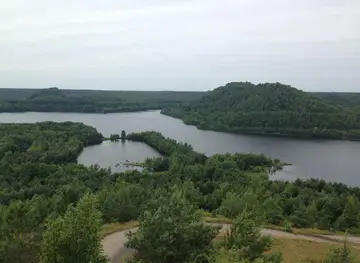
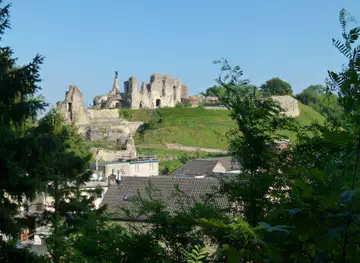
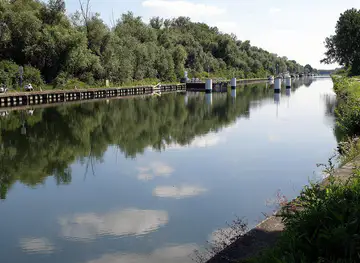
Resorts, valleys and scenic spots worth a trip of their own.
-
-
-
-

-


Swipe for more destinations
Best attractions in Limburg
Limburg's attractions are spread across several contrasting landscapes. In Hasselt, the Jenever Museum and the Fashion Museum explore two of the city's distinctive cultural themes, while nearby Bokrijk presents historic rural buildings, crafts and landscapes in an open-air setting. The Hoge Kempen National Park offers marked walks and cycle routes through heath, pine forest, lakes and former mining country. Genk's C-mine interprets the province's coal-mining past through the preserved Winterslag site and contemporary cultural programming. Southern Limburg is oriented towards heritage and countryside: Tongeren-Borgloon combines Roman archaeology, medieval streets and churches, while Sint-Truiden's abbey heritage sits among fruit orchards and rural roads. The Maasland, around Maaseik and the Meuse valley, provides river landscapes, cycling and town visits, and the Voerstreek is suited to walking through wooded, hilly country. Museums, churches, castles, gardens and seasonal fruit landscapes allow visitors to build itineraries around history, nature or cycling rather than relying on a single major attraction.
-
Open air museum
Bokrijk Open Air Museum
Immerse yourself in Belgian history at Bokrijk Open Air Museum, where tradition meets nature in a captivating outdoor setting.
-
Park
Japanese Garden
Discover the tranquil beauty of the Japanese Garden in Hasselt, a serene retreat featuring lush landscapes, ponds, and traditional Japanese architecture.
-
Theme park
Plopsa Indoor Hasselt
Discover endless fun for the whole family at Plopsa Indoor Hasselt, Belgium's premier indoor theme park with thrilling rides and enchanting shows.
-
Army museum
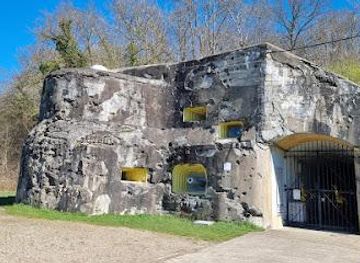
Fort Eben-Emael
Discover Fort Eben-Emael, a key military fortress in Liège, Belgium, showcasing rich history and breathtaking views, perfect for history enthusiasts.


Best landmarks in Limburg
Limburg's most recognisable landmarks express its Roman, religious, agricultural and industrial past. Tongeren Basilica of Our Lady dominates the historic centre and reflects the town's long ecclesiastical importance, while the Gallo-Roman Museum gives context to the ancient settlement without being confused with the archaeological remains themselves. In Sint-Truiden, the abbey tower and surrounding historic complex form a defining urban silhouette amid the orchards of Haspengouw. Borgloon is marked by its medieval heritage and the contemporary open steel church known as Reading between the Lines, set in the surrounding countryside. In Genk, the headframes and industrial structures of former collieries, especially at C-mine and the nearby mining landscape, recall the migrant workforce and economic transformation of the twentieth century. The Hoge Kempen has a different kind of landmark value: its heathland, forest ridges and former mine spoil heaps create a broad landscape symbol of Limburg's post-industrial regeneration. Smaller landmarks include historic town gates, beguinage remains, village churches and castle sites scattered through the province.
-
Plaza
Grand Place
Discover the grandeur of Brussels at the Grand Place, a UNESCO World Heritage site filled with stunning architecture and vibrant culture.
-
Tourist attraction
Atomium
Discover the breathtaking Atomium in Brussels, a symbol of unity and modern architecture, offering stunning views and rich history.
-
Fountain
Manneken Pis
Explore the whimsical Manneken Pis, Brussels' iconic fountain and playful symbol of the city's rich heritage and humor.
-
Castle
Gravensteen
Explore the historic Gravensteen Castle in Ghent, Belgium, a stunning medieval fortress rich in history and breathtaking views.


Explore Limburg on the map
Plan your trip on one map. See where the top cities, national parks and sights are, and book hotels and experiences in a few clicks.
Best hotels in Limburg
Best restaurants in Limburg
Dining in Limburg reflects both the province's agricultural base and its borderland position. Haspengouw supplies apples, pears, cherries and other produce, while asparagus is a seasonal speciality associated with spring; menus and farm shops change with the harvest. Hasselt is closely linked with jenever, which appears in tastings, desserts and drinks, and cafés across the province serve Belgian beers alongside familiar regional cooking. In towns such as Hasselt, Genk, Sint-Truiden, Tongeren and Maaseik, visitors will find brasseries, bakeries, cafés and contemporary restaurants, while rural Limburg offers inns and restaurants built around local produce. Genk's international population has also broadened the choice of cuisines beyond traditional Flemish fare. Look for fruit-based products, local beers, jenever and seasonal dishes at markets or specialist shops, and expect Belgian dining customs such as substantial portions, a strong café culture and varied menus rather than a single uniform Limburg cuisine.
-
Restaurant
De Orangerie
Experience authentic Belgian cuisine at De Orangerie, a must-visit restaurant in Hasselt known for its delightful dishes and inviting ambiance.
-
Restaurant
Maison Mathis
Experience authentic Belgian cuisine at Maison Mathis in Hasselt - where flavor meets hospitality.
-
Restaurant
De Stroobander
Discover authentic Belgian cuisine at De Stroobander in Hasselt – where every meal tells a delicious story.
-
Italian
La Botte
Experience authentic Italian cuisine at La Botte in Genk – where every dish is crafted with passion and tradition.


Best bars in Limburg
Evening life is concentrated in Hasselt and Genk, with smaller scenes in university, market and regional towns. Hasselt has the broadest selection of cafés, beer bars, jenever-focused venues and restaurants, while Genk combines bars and cultural spaces with the legacy of its former mining districts. Sint-Truiden, Tongeren and other town centres are more restrained, favouring traditional cafés, brasseries, neighbourhood pubs and occasional live music over a large club circuit. The province's former mining sites sometimes host cultural performances and events, but programmes vary and should be checked before travelling. Rural Limburg is generally quiet after dinner, with evenings centred on an inn, restaurant or local café rather than late-night entertainment. Belgian beer is prominent, yet visitors can also find wine, soft drinks and alcohol-free choices; drinking is part of the available social scene, not a requirement for experiencing the region.
-
Irish pub
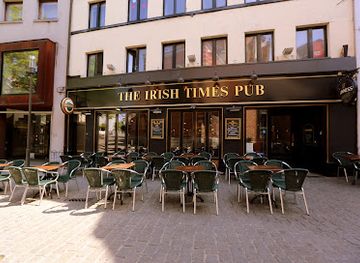
The Irish Times Pub
Discover the heart of Irish culture at The Irish Times Pub in Hasselt, offering a warm atmosphere, delicious food, and a fantastic drink selection.
-
Cocktail bar
WonderBar
Discover the vibrant cocktail scene at WonderBar in Genk, where creative drinks and a lively atmosphere create unforgettable nightlife experiences.
-
Bar
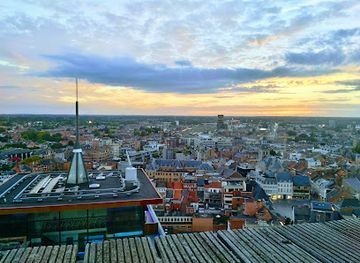
Bon’Air Rooftop Bar
Experience the vibrant nightlife at Bon’Air Rooftop Bar, where breathtaking views meet innovative cocktails in the heart of Hasselt.
-
Tapas Bar
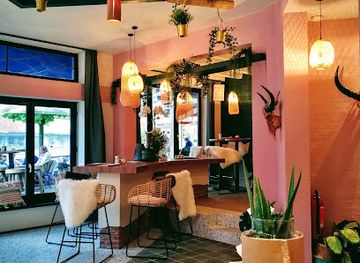
El Sueño
Discover El Sueño in Hasselt, a lively tapas bar and cocktail destination offering exquisite flavors and a vibrant atmosphere perfect for social dining.

Best nightclubs in Limburg
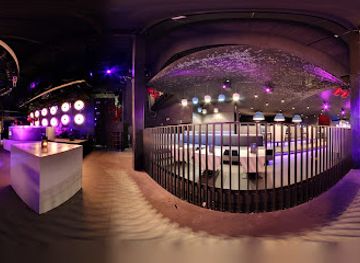
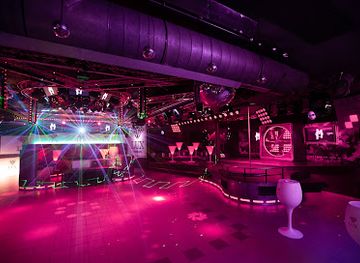
Evening life is concentrated in Hasselt and Genk, with smaller scenes in university, market and regional towns. Hasselt has the broadest selection of cafés, beer bars, jenever-focused venues and restaurants, while Genk combines bars and cultural spaces with the legacy of its former mining districts. Sint-Truiden, Tongeren and other town centres are more restrained, favouring traditional cafés, brasseries, neighbourhood pubs and occasional live music over a large club circuit. The province's former mining sites sometimes host cultural performances and events, but programmes vary and should be checked before travelling. Rural Limburg is generally quiet after dinner, with evenings centred on an inn, restaurant or local café rather than late-night entertainment. Belgian beer is prominent, yet visitors can also find wine, soft drinks and alcohol-free choices; drinking is part of the available social scene, not a requirement for experiencing the region.
-
Night club
Versuz
Experience the vibrant nightlife of Hasselt at Versuz, a top night club offering exhilarating music, dancing, and unforgettable moments.
-
Disco club
Millennium nightclub
Discover the vibrant nightlife at Millennium Nightclub in Herselt, where music and dance come alive in a friendly atmosphere.
-
Night club
Bornedries
Dive into the vibrant nightlife of Sint-Truiden at Bornedries, where electrifying music and an energetic crowd create an unforgettable experience.
-
Bar
Boys Club
Experience vibrant nightlife at Boys Club, Bekkevoort's ultimate bar and nightclub offering eclectic music, delicious drinks, and an unforgettable atmosphere.


Best shops in Limburg
Hasselt is Limburg's principal shopping centre, with pedestrian streets, independent boutiques, regional food shops and larger retail chains concentrated around the historic core. Its jenever tradition makes bottles and related confectionery practical souvenirs, while specialist stores across the province sell Belgian beer, fruit products, chocolate and local preserves. Market towns such as Tongeren-Borgloon, Sint-Truiden, Maaseik and Bree offer a more traditional mix of high-street shops, cafés and market trading, with character varying according to the weekly schedule. Haspengouw is particularly suitable for buying orchard produce, syrups and seasonal goods directly from farms or local shops. Genk provides a more international retail atmosphere shaped by its diverse population, alongside shopping near former industrial districts. Craft and design shops, museum stores and galleries are useful for smaller gifts, but visitors should check market days and seasonal opening arrangements before making a special journey.
-
Gift shop
Designer Outlet Roermond
Explore Designer Outlet Roermond for top designer brands at unbeatable prices in a vibrant shopping atmosphere.
-
Shopping mall
Maasmechelen Village
Discover the charm of Maasmechelen Village, Belgium's premier shopping destination with top brands and irresistible discounts.
-
Shopping mall
Shopping 1
Experience the ultimate shopping destination in Genk, Belgium with Shopping 1, where diverse shops and delightful dining await every visitor.
-
Clothing store
Primark
Discover trendy fashion at affordable prices at Primark in Hasselt – your ultimate shopping destination in Belgium.


Get your free copy of our complete guide to Limburg, delivered straight to you.
Everything on this page, from attractions and restaurants to essentials and local phrases, in one PDF you can read offline, print or share.
Already have an account? Sign in
Your Limburg guide is ready.
We'll send it to · Not you? Sign out

Getting your guide ready…
We are putting together a fresh copy of the Limburg guide. This can take up to a minute.
This can take a few moments. If your browser asks, choose Allow so the download can start. You'll find the guide in your Downloads folder.
Nothing happened? Download it again
Sorry, the guide is taking longer than usual. Please try again in a minute, or get it by email instead.
Limburg essentials
Currency and Payment
Safety
Emergency Situations
Do's and Don'ts
Local Tips
From Eve
Local phrases worth knowing
You don't need to get them perfect. A few words go a long way, and locals appreciate the effort.
Basics
| English | Local | Say it |
|---|---|---|
| Hello | Hallo | [Ha-lo] |
| Goodbye | Tot ziens | [Tot zeens] |
| Yes | Ja | [Ya] |
| No | Nee | [Nay] |
| Please/You're welcome | Alsjeblieft | [Al-she-bleeft] |
| Thank you | Dank je | [Dank ya] |
| Excuse me/Sorry | Sorry | [Sor-ree] |
| How are you? | Hoe gaat het? | [Hoo gaat het] |
| Fine. And you? | Goed. En jij? | [Hood. En yay?] |
| Do you speak English? | Spreek je Engels? | [Spreak ya En-gels] |
| I don't understand | Ik begrijp het niet | [Ik be-graif het neet] |
Eating & Drinking
| English | Local | Say it |
|---|---|---|
| I'd like to see the menu, please | Ik zou graag de menukaart zien, alsjeblieft | [Ik zou grahkh de may-nu-kaart zeen, al-she-bleeft] |
| I don't eat meat | Ik eet geen vlees | [Ik eet khayn vlays] |
| Cheers! | Proost! | [Proast] |
| I would like to pay, please | Ik zou graag willen betalen, alsjeblieft | [Ik zou grahkh vil-len be-ta-len, al-she-bleeft] |
Emergencies
| English | Local | Say it |
|---|---|---|
| Help! | Help! | [Help] |
| Go away! | Ga weg! | [Ga vek] |
| Call the Police! | Bel de politie! | [Bel de po-li-tie] |
| Call a doctor! | Bel een dokter! | [Bel een dok-ter] |
| I'm lost | Ik ben verdwaald | [Ik ben fer-dwaald] |
| I'm ill | Ik ben ziek | [Ik ben zeek] |
Shopping
| English | Local | Say it |
|---|---|---|
| I'd like to buy... | Ik zou graag... willen kopen | [Ik zou grahkh... vil-len ko-pen] |
| I'm just looking | Ik kijk alleen maar | [Ik kike ah-lay maar] |
| How much is it? | Hoeveel kost het? | [Hoo-veel kost het] |
| That's too expensive | Dat is te duur | [Dat is te dur] |
| Can you lower the price? | Kun je de prijs verlagen? | [Kun ya de prys ver-la-gan] |
Time & Numbers
| English | Local | Say it |
|---|---|---|
| What time is it? | Hoe laat is het? | [Hoo laat is het] |
| It's one o'clock | Het is één uur | [Het is een oor] |
| Half past (10) | Half (10) | [Half (10)] |
| Morning | Ochtend | [Okht-end] |
| Afternoon | Middag | [Mid-dahg] |
| Evening | Avond | [A-vond] |
| Yesterday | Gisteren | [Hees-ter-en] |
| Today | Vandaag | [Van-dahg] |
| Tomorrow | Morgen | [Mor-ghen] |
| 1 | 1 | [1] |
| 2 | 2 | [2] |
| 3 | 3 | [3] |
| 4 | 4 | [4] |
| 5 | 5 | [5] |
| 6 | 6 | [6] |
| 7 | 7 | [7] |
| 8 | 8 | [8] |
| 9 | 9 | [9] |
| 10 | 10 | [10] |
Transport & Directions
| English | Local | Say it |
|---|---|---|
| Where's a/the...? | Waar is een/de...? | [Vaar is een/de...?] |
| What's the address? | Wat is het adres? | [Wat is het a-dres] |
| Can you show me (on the map)? | Kun je me (op de kaart) laten zien? | [Kun ya me (op de kaart) la-ten zeen?] |
| When's the next (bus)? | Wanneer komt de volgende (bus)? | [Wan-neer komt de vol-gen-de (bus)?] |
| A ticket (to ....) | Een kaartje (naar ....) | [Een kaart-ye (naar ....)] |
History of Limburg
Roman Tongeren and Atuatuca Tungrorum
Tongeren developed as Atuatuca Tungrorum, one of the most important Roman towns in the territory of present-day Belgium. Its position on routes linking the Rhineland, northern Gaul and the coast supported administration, trade and military movement. Archaeological remains and museum collections in Tongeren preserve evidence of streets, buildings, religion and daily life. The Roman legacy is particularly important because it established the urban and communications foundations from which later settlements in southern Limburg developed.
The County of Loon in the Middle Ages
Much of modern Limburg formed part of the County of Loon, a medieval polity whose principal centres included Borgloon and, later, areas around Sint-Truiden and Hasselt. Its history was shaped by relationships with the Prince-Bishopric of Liège and neighbouring lordships. Abbeys, chapter churches, castles and fortified towns expressed both religious and political power. Although the modern province does not reproduce the medieval county exactly, Loon remains an important historical reference for southern Limburg.
Abbeys, Towns and the Prince-Bishopric of Liège
From the medieval period into the early modern era, religious institutions and market towns influenced the economy and appearance of Limburg. Sint-Truiden's abbey complex became a major ecclesiastical and agricultural centre, while Tongeren retained the importance of its basilica and civic institutions. Areas of the present province had changing political affiliations and close links with Liège, Brabant and the Netherlands. Historic churches, beguinage traditions, town walls and market squares still reveal this layered regional history.
Borderlands and the Formation of Belgium
Limburg's position between the Meuse, the Brabant lands and the Netherlands made it a contested border region for centuries. Political divisions changed after the French revolutionary and Napoleonic periods, and the creation of Belgium in 1830 brought a new national framework. The province of Limburg was established within Belgium, though the wider historic name also relates to territories that remained in the Netherlands. This explains why Belgian and Dutch Limburg share language, landscape and aspects of cultural heritage while belonging to different states.
Industrialisation and the Coalfields
The discovery and development of coal in the Campine basin transformed eastern Limburg during the twentieth century. Mines at locations including Winterslag and Waterschei in Genk, Beringen, Zolder and Eisden attracted workers from across Belgium and from many other countries. New housing, railways and industrial settlements altered a previously rural landscape and created the province's strongly multicultural urban character. After the mines closed, former shafts, spoil heaps and company landscapes became sites of memory, culture, recreation and heritage.
Fruit Agriculture in Haspengouw
Southern Limburg's fertile loess soils supported grain, beet and fruit cultivation, with commercial orchards becoming particularly important in Haspengouw during the modern period. Apple, pear and cherry growing shaped both the economy and the seasonal appearance of the landscape. Sint-Truiden, Borgloon and surrounding villages remain associated with fruit production, auctions and blossom tourism. Agricultural change has also prompted debates about landscape management, biodiversity and the future of small-scale rural heritage.
Post-industrial and Cross-border Limburg
Since the late twentieth century, Limburg has combined services, logistics, education, tourism and manufacturing with the preservation of industrial memory. Former mining areas have been reworked as parks, cultural sites and cycling destinations, while the Hoge Kempen became Belgium's first national park in 2006. Cross-border cooperation with Dutch Limburg and nearby German and Walloon areas is a practical feature of contemporary life. The province's modern identity therefore rests on both international connections and distinct local landscapes.
Limburg in Photos
Browse through our photo collection highlighting the charm and character of the destination.
Neighbouring regions of Limburg
The closest regions to Limburg, if you have time for more than one.
-

-

-
-

-


Swipe for more regions
Explore more

Explore more of Belgium
Discover Belgium: A blend of medieval charm, culinary delights, and stunning landscapes. Explore historic cities, savor exquisite chocolates, and enjoy a perfect getaway.
Explore Belgium