

Free Pays de Herve Travel Guide & Mobile App
Explore Pays de Herve with free travel guides. Discover regional history, expert tips, proposed trips, and audio guides on web or mobile app.


Explore Pays de Herve in eastern Belgium for hedged pastures, orchards, Herve cheese, Val-Dieu Abbey and historic village landscapes.
Read more about Pays de Herve
When is the best time to visit Pays de Herve?
Best: June–August · 21–23°C| Month | High (°C) | Rainfall (mm) |
|---|---|---|
| January | 6 | 70 |
| February | 7 | 60 |
| March | 10 | 70 |
| April | 14 | 60 |
| May | 18 | 70 |
| June (best) | 21 | 80 |
| July (best) | 23 | 80 |
| August (best) | 23 | 80 |
| September | 20 | 70 |
| October | 15 | 70 |
| November | 10 | 80 |
| December | 7 | 80 |
Getting to and around Pays de Herve
How to get there
Transportation
Top city travel guides in Pays de Herve
The cities of Pays de Herve, and the easiest places to base yourself.
-

-


Swipe for more cities
Destinations in Pays de Herve
Resorts, valleys and scenic spots worth a trip of their own.

Swipe for more destinations
Best attractions in Pays de Herve
Pays de Herve's attractions are closely tied to its working landscape. Val-Dieu Abbey near Aubel provides the region's strongest combination of religious history, architecture and local brewing tradition, while Blegny-Mine offers a substantial account of coal mining through its industrial buildings, interpretation and underground heritage. The latter forms part of the Major Mining Sites of Wallonia recognised by UNESCO. Smaller historic centres, including Dalhem and Herve, reward unhurried walks among stone houses, churches and farm courtyards. Beyond built heritage, the plateau itself is the principal outdoor attraction: hedged lanes, orchard country, pasture views and marked walking and cycling routes create a gentle but varied setting for active travel. Local producers, farm shops and seasonal fruit activities add an agricultural dimension, while Fort Battice provides a sobering insight into twentieth-century military history. The appeal lies in combining these experiences rather than pursuing a long list of isolated sights.
-
National park
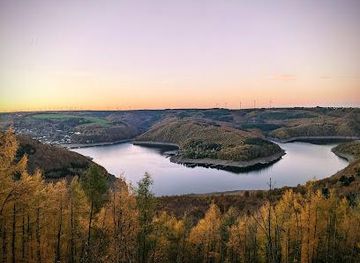
Nationalpark Eifel
Immerse yourself in the stunning landscapes, rich wildlife, and endless adventures at Nationalpark Eifel, a must-visit destination for nature lovers in Germany.
-
Tourist attraction
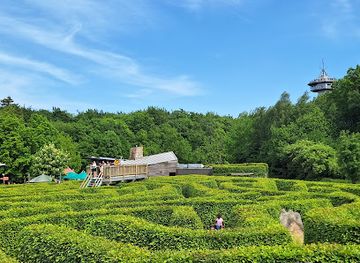
The Three Country Point NL / BE / DE
Discover the unique intersection of three countries at The Three Country Point, where natural beauty and rich cultures blend into one unforgettable experience.
-
Market
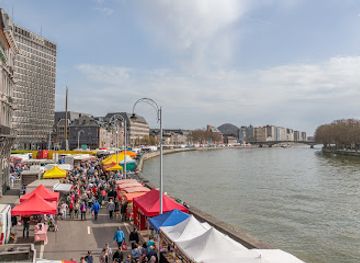
Marché de la Batte
Experience the vibrant Marché de la Batte in Liège, where local flavors, crafts, and culture come together every Sunday along the scenic Meuse River.
-
Tourist attraction
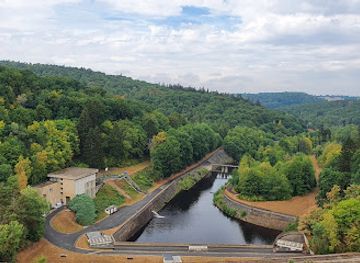
Lake Gileppe
Experience the tranquility of Lake Gileppe, a stunning Belgian destination for nature lovers and adventure seekers with breathtaking views and outdoor activities.
Best landmarks in Pays de Herve
Val-Dieu Abbey is Pays de Herve's foremost landmark, its church and monastic buildings standing among the pastures and orchards near Aubel. The surviving complex represents centuries of religious, agricultural and architectural history and is closely linked with the region's modern brewing identity. Blegny-Mine is a very different landmark: its shafts, industrial structures and mining installations embody the coalfield that reshaped eastern Wallonia, and its heritage importance extends beyond the region. Dalhem's historic core, with its medieval origins, stone buildings and elevated position above the Berwinne valley, provides one of the area's most legible urban landscapes. Fort Battice recalls the strategic importance of the eastern approaches to Belgium during the Second World War. Across the plateau, the most characteristic visual landmarks are less monumental: enclosed farmsteads, roadside chapels, church towers, old stone walls and long hedgerows that define the agricultural geography of Pays de Herve.
-
Plaza
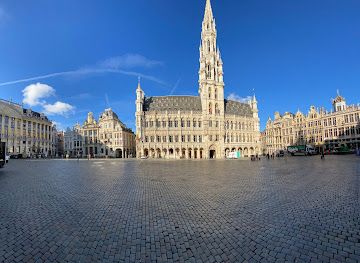
Grand Place
Experience the grandeur of Brussels at the Grand Place, a UNESCO World Heritage site brimming with history, culture, and stunning architecture.
-
Tourist attraction
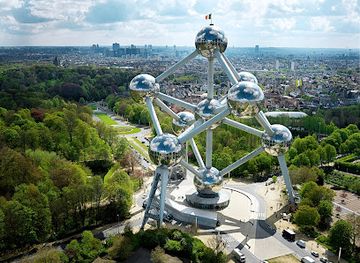
Atomium
Discover the Atomium, Brussels' iconic landmark, blending history, culture, and stunning panoramic views in a unique architectural marvel.
-
Fountain
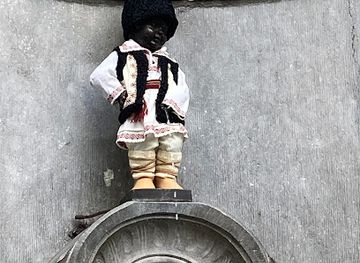
Manneken Pis
Discover the whimsical charm of Manneken Pis, a historic fountain and iconic symbol of Brussels, showcasing the city's playful spirit.
-
Castle
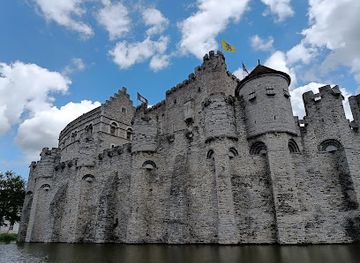
Gravensteen
Explore Gravensteen, a stunning medieval castle in Ghent, Belgium, rich in history and culture, offering breathtaking views and fascinating exhibits.
Explore Pays de Herve on the map
Plan your trip on one map. See where the top cities, national parks and sights are, and book hotels and experiences in a few clicks.
Best hotels in Pays de Herve
Best restaurants in Pays de Herve
Dining in Pays de Herve is grounded in dairy farming, orchard produce and the substantial cooking of eastern Belgium. Herve cheese is the region's signature product, appearing on cheeseboards and in cooked dishes, while apples and pears are used for juices, syrups, cider and other seasonal specialities. Aubel and the surrounding villages are good places to look for farm shops, bakeries, cafés and restaurants using local ingredients, while traditional inns and brasseries provide familiar Belgian dishes alongside regional produce. Local beers, including those associated with Val-Dieu, are often available, but the area also has a practical farm-to-market food culture expressed through markets and producer outlets. Menus vary between classic meat and cheese-based cooking, seasonal plates and more contemporary interpretations; visitors should distinguish individual restaurant reputations from the broader regional culinary tradition.
-
Belgian
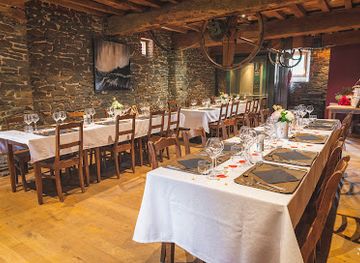
Le Moulin du Val-Dieu
Discover authentic Belgian cuisine at Le Moulin du Val-Dieu, where history meets gourmet dining amidst stunning natural scenery.
-
Restaurant
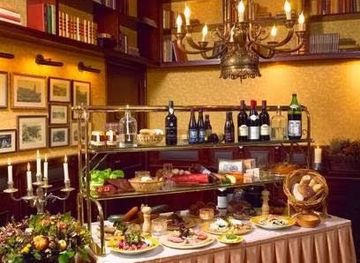
Buitengoed Slavante
Historic 1846 grand café on Sint-Pietersberg slopes, savoring Limburg flavors with sweeping Maas valley views from romantic terraces amid hiking trails and cave tours.
-
Takeout restaurant
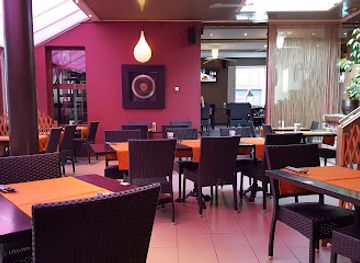
La Plume
Discover La Plume in Soumagne: A delightful takeout restaurant specializing in pizzas and catering services with an inviting atmosphere.
-
Bakery
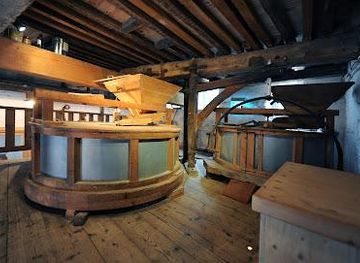
Bisschopsmolen
Maastricht's historic watermill bakery where ancient grains meet masterful vlaai baking amid the Jeker's gentle flow—a sensory delight of sight, smell, and sustainable flavor.
Best bars in Pays de Herve
Evening life in Pays de Herve is primarily based in village cafés, traditional pubs, brasseries and restaurants rather than a concentrated nightclub scene. Aubel, Herve, Blegny and the larger settlements provide places for an evening drink or meal, while Val-Dieu's brewing heritage gives beer a visible regional connection without defining all local nightlife. Some venues host live music or community events, particularly at weekends and during seasonal festivities, but arrangements and opening patterns vary. Visitors seeking late-night clubs will usually find a wider choice in nearby Liège or Verviers, outside the rural core of the region. In Pays de Herve, the more characteristic evening is a relaxed drink, a local meal or a village event, with quieter options in the countryside and little late-night transport between scattered communities.
-
Hamburger
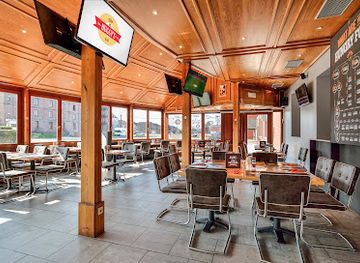
The Huggy's
Savor gourmet burgers in a cozy atmosphere at The Huggy's, Soumagne's top destination for burger lovers.
-
Belgian
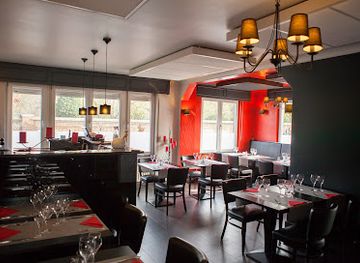
Aux Chandelles
Discover authentic Belgian flavors at Aux Chandelles, a top dining destination in Liège, where tradition meets culinary excellence.
-
Modern European
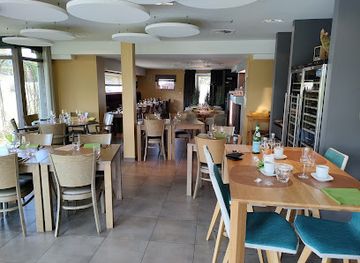
Les Fines Gueules
Experience the essence of modern European cuisine at Les Fines Gueules in Herve, where local flavors and culinary artistry come together.
-
Pizza
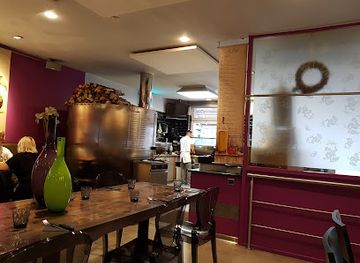
Pizzeria Chez Giova
Savor authentic Italian pizza at Pizzeria Chez Giova in Herve, where every slice is a taste of Italy.
Best nightclubs in Pays de Herve
Evening life in Pays de Herve is primarily based in village cafés, traditional pubs, brasseries and restaurants rather than a concentrated nightclub scene. Aubel, Herve, Blegny and the larger settlements provide places for an evening drink or meal, while Val-Dieu's brewing heritage gives beer a visible regional connection without defining all local nightlife. Some venues host live music or community events, particularly at weekends and during seasonal festivities, but arrangements and opening patterns vary. Visitors seeking late-night clubs will usually find a wider choice in nearby Liège or Verviers, outside the rural core of the region. In Pays de Herve, the more characteristic evening is a relaxed drink, a local meal or a village event, with quieter options in the countryside and little late-night transport between scattered communities.
-
Arena
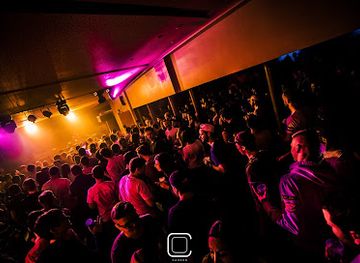
Le Cadran
Discover the lively atmosphere of Le Cadran, Liège's top arena for live music, dance, and unforgettable events. Experience the heartbeat of the city's nightlife.
-
Disco club
Le RETRO Discothèque
Discover the vibrant nightlife at Le RETRO Discothèque, Gembloux's premier destination for music, dancing, and unforgettable experiences.
-
Disco club
Acte 6
Dive into the lively nightlife of Welkenraedt at Acte 6, a fantastic disco club and bar known for its vibrant atmosphere and unforgettable dance experiences.
-
Night club
Le Glam
Discover the vibrant nightlife of Le Glam, a premier nightclub in Sombreffe, Belgium, where music, dance, and fun come together for an unforgettable experience.


Best shops in Pays de Herve
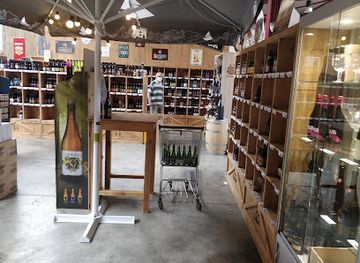
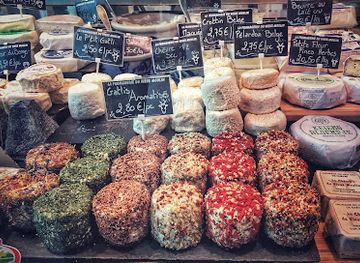
Shopping in Pays de Herve is centred on local food, independent village businesses and market-style purchasing rather than large retail districts. Aubel is particularly associated with regional produce, including Herve cheese, apple and pear products, syrups, cider, beer and other goods sold through specialist shops, cafés and farm outlets. Herve and the surrounding market towns offer practical high-street shopping, bakeries and small independent retailers, while craft and food producers appear across the countryside rather than in one consolidated shopping quarter. Look for seasonal fruit, farmhouse products, preserves and locally made drinks as useful souvenirs, checking labelling and storage requirements for international travel. Larger commercial centres and a broader selection of international brands are more readily available in nearby Liège or Verviers, outside the region. Rural opening hours can be limited, particularly on Sundays and public holidays, so shopping is best combined with a planned daytime itinerary.
-
Outlet mall
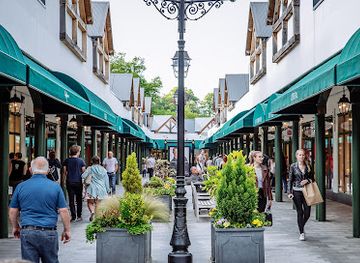
Designer Outlet Luxembourg
Shop the latest styles at unbeatable prices in a vibrant setting at Designer Outlet Luxembourg, your ultimate shopping destination.
-
Belgian
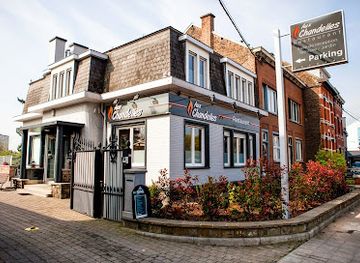
Aux Chandelles
Discover the authentic taste of Belgium at Aux Chandelles, a beloved restaurant in Liège offering traditional dishes in a cozy atmosphere.
-
Wine store
Stassen Wines and Co
Explore a vast selection of exquisite wines and local beers at Stassen Wines and Co in Aubel, Belgium—a paradise for beverage enthusiasts.
-
Cheese shop
Le Herve du Vieux Moulin
Explore the finest selection of artisanal cheeses at Le Herve du Vieux Moulin, a delightful cheese shop in Herve, Belgium, renowned for quality and flavor.
Get your free copy of our complete guide to Pays de Herve, delivered straight to you.
Everything on this page, from attractions and restaurants to essentials and local phrases, in one PDF you can read offline, print or share.
Already have an account? Sign in
Your Pays de Herve guide is ready.
We'll send it to · Not you? Sign out

Getting your guide ready…
We are putting together a fresh copy of the Pays de Herve guide. This can take up to a minute.
This can take a few moments. If your browser asks, choose Allow so the download can start. You'll find the guide in your Downloads folder.
Nothing happened? Download it again
Sorry, the guide is taking longer than usual. Please try again in a minute, or get it by email instead.
Pays de Herve essentials
Currency and Payment
Safety
Emergency Situations
Do's and Don'ts
Local Tips
From Eve
Local phrases worth knowing
You don't need to get them perfect. A few words go a long way, and locals appreciate the effort.
Basics
| English | Local | Say it |
|---|---|---|
| Hello | Salut | [sah-loo] |
| Goodbye | Au revoir | [oh ruh-vwahr] |
| Yes | Oui | [wee] |
| No | Non | [noh] |
| Please/You're welcome | S'il vous plaît | [seel voo pleh] |
| Thank you | Merci | [mehr-see] |
| Excuse me/Sorry | Excusez-moi | [ehk-skew-zay mwah] |
| How are you? | Comment ça va? | [koh-mohn sah vah] |
| Fine. And you? | Bien. Et vous? | [byehn. eh voo] |
| Do you speak English? | Parlez-vous anglais? | [par-lay voo ahn-glay] |
| I don't understand | Je ne comprends pas | [zhuh nuh kom-prahn pah] |
Eating & Drinking
| English | Local | Say it |
|---|---|---|
| I'd like to see the menu, please | Je voudrais voir le menu, s'il vous plaît | [zhuh voo-dray vwar luh meh-nu, seel voo pleh] |
| I don't eat meat | Je ne mange pas de viande | [zhuh nuh mahnzh pah duh vyahnd] |
| Cheers! | Santé! | [sahn-tay] |
| I would like to pay, please | Je voudrais payer, s'il vous plaît | [zhuh voo-dray pay-ay, seel voo pleh] |
Emergencies
| English | Local | Say it |
|---|---|---|
| Help! | Au secours! | [oh seh-koor] |
| Go away! | Partez! | [par-tay] |
| Call the Police! | Appelez la police! | [ah-peh-lay lah poh-lees] |
| Call a doctor! | Appelez un médecin! | [ah-peh-lay uhn may-deh-sahn] |
| I'm lost | Je suis perdu | [zhuh swee pair-doo] |
| I'm ill | Je suis malade | [zhuh swee mah-lahd] |
Shopping
| English | Local | Say it |
|---|---|---|
| I'd like to buy... | Je voudrais acheter... | [zhuh voo-dray ah-sheh-tay] |
| I'm just looking | Je regarde juste | [zhuh ruh-gard zhuhst] |
| How much is it? | C'est combien? | [seh kohm-byen] |
| That's too expensive | C'est trop cher | [seh troh shair] |
| Can you lower the price? | Pouvez-vous baisser le prix? | [poo-vay voo beh-say luh pree] |
Time & Numbers
| English | Local | Say it |
|---|---|---|
| What time is it? | Quelle heure est-il? | [kel uhr eh-teel] |
| It's one o'clock | Il est une heure | [eel eh ewn uhr] |
| Half past (10) | Dix heures et demie | [deez uhr eh duh-mee] |
| Morning | Matin | [mah-tan] |
| Afternoon | Après-midi | [ah-preh-mee-dee] |
| Evening | Soir | [swahr] |
| Yesterday | Hier | [ee-er] |
| Today | Aujourd'hui | [oh-zhoor-dwee] |
| Tomorrow | Demain | [duh-man] |
| 1 | Un | [uhn] |
| 2 | Deux | [duh] |
| 3 | Trois | [trwah] |
| 4 | Quatre | [katr] |
| 5 | Cinq | [sank] |
| 6 | Six | [sees] |
| 7 | Sept | [set] |
| 8 | Huit | [weet] |
| 9 | Neuf | [nuhf] |
| 10 | Dix | [deez] |
Transport & Directions
| English | Local | Say it |
|---|---|---|
| Where's a/the...? | Où est un/une...? | [oo eh uhn/ewn] |
| What's the address? | Quelle est l'adresse? | [kel eh luh-dress] |
| Can you show me (on the map)? | Pouvez-vous me montrer (sur la carte)? | [poo-vay voo muh mon-tray (sur lah kart)] |
| When's the next (bus)? | Quand est le prochain (bus)? | [kahn eh luh pro-shen (boos)] |
| A ticket (to ....) | Un billet (pour ....) | [uhn bee-yay (poor ....)] |
History of Pays de Herve
Early settlement and the Herve landscape
The plateau and its surrounding valleys have been occupied since prehistoric times, although much of the visible landscape is the result of later agriculture rather than monumental ancient remains. Roman roads and settlements influenced eastern Belgium, and medieval land use gradually transformed woodland and open ground into fields, meadows and small communities. The hedged pasture landscape associated with Pays de Herve developed over centuries through mixed farming, livestock keeping and the division of holdings.
The medieval Duchy of Limburg
Much of the region belonged historically to the Duchy of Limburg and the wider political world of the Low Countries. Dalhem developed as a fortified settlement and administrative centre within the County of Dalhem, while nearby villages were connected to castles, religious institutions and local lordships. Medieval jurisdiction was fragmented, and the boundary between territories often mattered more politically than it does to visitors today. Stone churches, farmhouses and village plans preserve elements of this long period of regional development.
Val-Dieu Abbey from the thirteenth century
Cistercian monks founded Val-Dieu Abbey near Aubel in the early thirteenth century, establishing one of the region's most important religious and architectural landmarks. The abbey became a centre of prayer, farming and local economic activity, managing land in a landscape well suited to livestock and orchards. Its fortunes changed during the upheavals of the French Revolution, after which the monastic community was dissolved. The surviving complex and later religious presence remain central to Pays de Herve's identity.
The agricultural economy and village society
For centuries, Pays de Herve was shaped by small farms, dairy production, orchards and trade between the plateau, Liège and the borderlands. Large enclosed farmsteads, often built in local stone around courtyards, reflect the importance of agricultural households and seasonal labour. Cheese-making developed alongside cattle farming, while apples and pears supported fruit processing, syrup production and drinks. This rural economy did not exclude industry, but it gave the region a character distinct from the more densely urbanised valleys nearby.
Coal mining and industrial change
The coalfield around Blegny formed part of the industrial belt of Wallonia, where mining supported employment, transport and settlement from the nineteenth century into the twentieth. Blegny-Mine preserves underground workings and surface buildings that explain the demanding labour and technical organisation of the industry. Mining brought workers from different backgrounds and connected the region to wider industrial markets. The closure of the collieries transformed the local economy, leaving industrial heritage as an important part of Pays de Herve's historical record.
War, borders and the twentieth century
Pays de Herve's position near Liège and the eastern Belgian frontier made it strategically important during both world wars. Fort Battice, built in the interwar period as part of Belgium's eastern defences, was attacked during the German invasion of 1940 and later became a site of remembrance. The surrounding borderlands also experienced shifting national administrations and linguistic influences. These events left military structures, memorials and family histories that complement the region's older agricultural heritage.
Regional heritage and rural renewal
Since the decline of mining and the restructuring of agriculture, Pays de Herve has increasingly presented its landscape, food production and built heritage as assets for sustainable rural tourism. Walking and cycling routes, farm shops, heritage interpretation and restored historic sites connect visitors with the region's working countryside. This is not a museum landscape: dairy farming, fruit production and village life remain active, while older forms of architecture and newer local enterprises coexist across the plateau.
Pays de Herve in Photos
Browse through our photo collection highlighting the charm and character of the destination.
Neighbouring regions of Pays de Herve
The closest regions to Pays de Herve, if you have time for more than one.
-

-

-

-

-


Swipe for more regions
Explore more

Explore more of Belgium
Discover Belgium: A blend of medieval charm, culinary delights, and stunning landscapes. Explore historic cities, savor exquisite chocolates, and enjoy a perfect getaway.
Explore Belgium